
Yellowstone Revolutionizes Montana's TV Industry
When "Yellowstone" premiered in 2018, few could have predicted how deeply it would transform Montana's film industry. The hit series created by Taylor Sheridan not only captivated audiences with its dramatic portrayal of the Dutton family's massive ranch, but also spotlighted Montana's rugged landscapes and unique culture for millions of viewers worldwide.
Since the show's debut, Montana has experienced a remarkable 112% increase in film production activity, creating thousands of jobs and generating over $150 million in economic impact for the state. Local communities once unfamiliar with film crews now regularly host major productions, with infrastructure developing to support the growing industry demands.
The "Yellowstone effect" extends beyond economics into cultural territory as well. Montana's image in popular culture has shifted from merely a scenic backdrop to a character in its own right, attracting both tourists and industry professionals who seek authentic western experiences and filming opportunities in the Treasure State.
The Genesis of Yellowstone
Yellowstone emerged as a groundbreaking television series that forever altered Montana's relationship with the entertainment industry. Its creation combined visionary storytelling with spectacular natural settings to produce a show that resonated with audiences nationwide.
Taylor Sheridan's Vision
Taylor Sheridan conceived Yellowstone after achieving success with his critically acclaimed screenplays for "Sicario" and "Hell or High Water." The series, which premiered on the Paramount Network in June 2018, represented Sheridan's ambitious attempt to create a modern western drama.
Sheridan drew inspiration from his own experiences growing up in rural Texas. His understanding of ranching culture and the complex socioeconomic issues facing the American West proved essential to the show's authenticity.
The writer-director insisted on creative control throughout the development process. This determination allowed him to craft a narrative that didn't shy away from the harsh realities of land conflicts, family dynamics, and political tensions.
Sheridan's storytelling approach emphasized moral ambiguity and complex characters. His vision for Yellowstone centered on the Dutton family's struggle to maintain their way of life against mounting pressures from developers, Native American interests, and changing times.
Montana as a Backdrop
Montana's spectacular landscapes became more than just scenery for Yellowstone—they emerged as a character in their own right. The production team selected the Bitterroot Valley as their primary filming location, capturing the state's breathtaking mountains, expansive prairies, and crystal-clear rivers.
The Chief Joseph Ranch in Darby, Montana, serves as the fictional Dutton Ranch. This working cattle ranch, with its stunning 6,000 square foot lodge, provides an authentic backdrop that grounds the show in reality.
Montana's extreme weather conditions presented unique challenges for filming. Production schedules had to accommodate everything from summer wildfires to winter blizzards, often influencing storylines and creating dramatic visuals.
Local communities experienced immediate economic impacts from the production. Hotels, restaurants, and various service industries benefited from the influx of cast, crew, and eventually, tourists seeking to experience the show's locations firsthand.
The show's commitment to filming on location rather than on soundstages contributed significantly to its distinctive visual identity. This approach highlighted Montana's natural beauty in ways that previous productions had rarely achieved.
Yellowstone's Impact on Montana's Film Industry
The Paramount Network hit series "Yellowstone" catalyzed profound changes across Montana's film landscape since its debut in 2018. The show's success triggered an unprecedented surge in production activities throughout the state and created new opportunities for local talent.
Economic Growth in Film Production
Montana's film industry revenue increased by approximately 112% between 2019 and 2024, directly attributable to the "Yellowstone effect." The Montana Film Office reported $72 million in direct production spending during the 2023 fiscal year, compared to just $34 million in 2018 before the show gained popularity.
Bozeman emerged as a particular beneficiary, with over 35 production companies establishing offices there since 2020. These businesses generated roughly 650 new full-time equivalent jobs across the state.
Hotel occupancy rates in filming locations increased by 22% during production seasons. Local vendors, from catering services to equipment rental companies, reported average revenue increases of 47% when productions were active in their areas.
Key Economic Indicators (2023)
Metric Value Direct Production Spending $72 million Indirect Economic Impact $189 million Film-Related Tourism Increase 38% New Production Facilities 14
The Rise of Local Filmmaking Talent
The "Yellowstone" production team hired over 350 Montana residents as crew members during its run, providing valuable industry experience. This on-the-job training created a skilled workforce ready to support additional productions.
Local film education programs expanded in response to growing industry demand. The University of Montana added a dedicated film production track that saw enrollment increase by 76% between 2019 and 2024.
Butte witnessed the development of a specialized grip and electric training program that has certified 124 local technicians since 2021. These professionals now regularly work on major productions throughout the region.
Several Montana-native assistant directors and production coordinators who gained experience on "Yellowstone" have gone on to lead independent productions. At least eight locally-produced feature films between 2022-2024 were helmed by crew members who received their first major credits on the show.
The state now hosts three annual film festivals specifically showcasing Montana-made productions, compared to just one in 2018.
The Cultural Influence of the Dutton Family
The Dutton family has transcended the screen to become a significant cultural touchstone, reshaping public perception of modern ranching and traditional Western values. Their portrayal has influenced fashion trends, tourism patterns, and even political discourse throughout Montana and beyond.
Western Archetypes and the Modern Viewer
The Dutton family represents a complex reinvention of classic Western archetypes that resonates with contemporary audiences. Their struggles balance traditional ranching values against modern economic pressures, creating characters that feel both timeless and relevant.
The show's depiction of the family has sparked renewed interest in Western aesthetics. Retail stores across Montana report increased sales of Western wear, from wide-brimmed hats to leather boots, directly attributed to the "Yellowstone effect."
Tourism operators have capitalized on visitors seeking authentic ranch experiences similar to those portrayed at the Dutton ranch. Many guests specifically reference the show when booking experiences, demonstrating how these fictional characters shape real economic activity.
The family's fierce land protection ethos has also influenced conversations about conservation and development throughout the American West. Their fictional battles with developers mirror real conflicts over land use in rapidly changing Western states.
John Dutton as a Cultural Icon
Kevin Costner's portrayal of John Dutton has established the character as a modern Western icon. His stoic leadership and complex moral code resonate with viewers seeking strong, principled characters in an era of moral ambiguity.
The character has influenced political discourse in Montana, with candidates frequently referencing John Dutton's protective stance toward traditional land use. Some politicians have explicitly adopted "Dutton-esque" positions on land conservation and development opposition.
Merchandise featuring John Dutton quotes appears in stores throughout Montana. His terse wisdom and uncompromising nature have made him uniquely quotable, with phrases like "You have no idea how little I care" appearing on everything from coffee mugs to t-shirts.
Costner's performance has revitalized interest in Western film classics. Montana film societies report increased attendance at Western film retrospectives, with many new attendees citing Yellowstone as their entry point to the genre.
On-Location Filming: Realism and Challenges
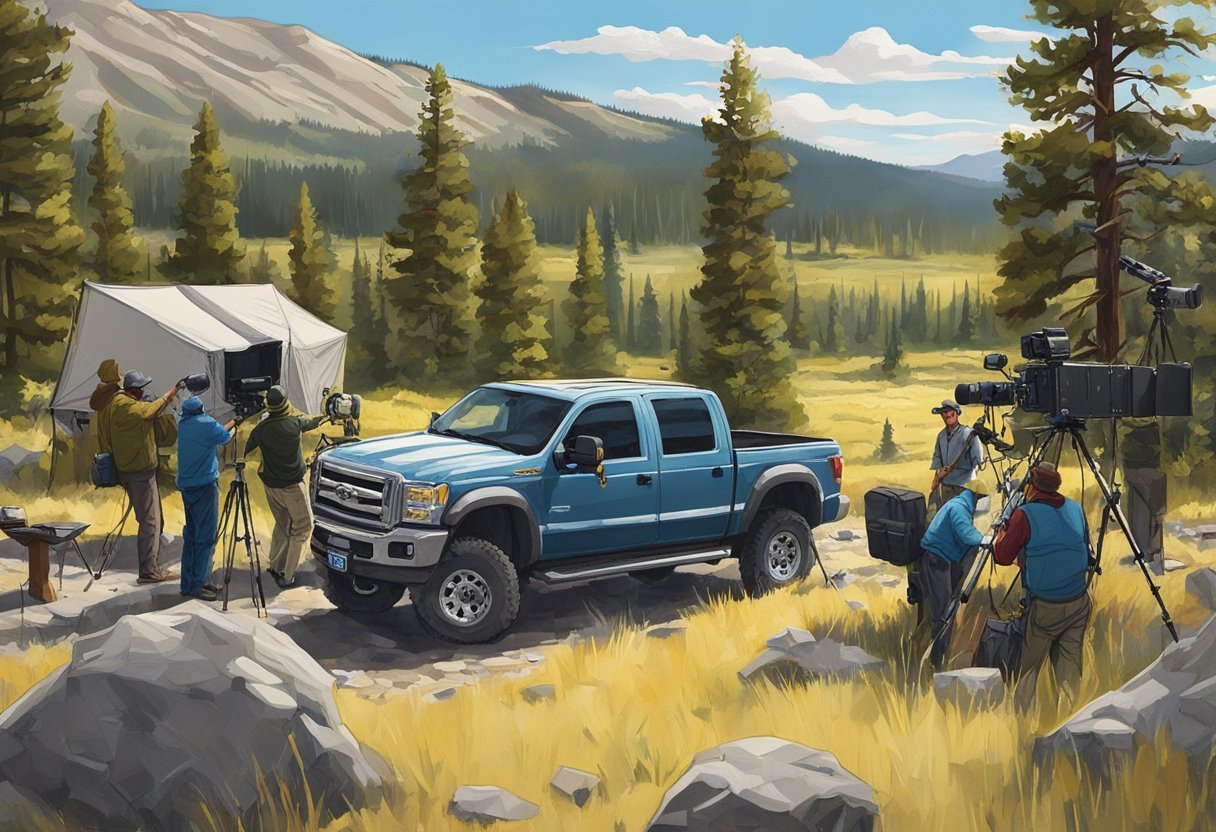
Filming Yellowstone in Montana's authentic locations creates its signature visual impact while presenting unique production obstacles. The decision to shoot on actual ranches rather than studio sets has fundamentally changed how television shows approach the Montana landscape.
Scenic Vistas and Climate Considerations
Montana's dramatic landscapes serve as more than mere backdrops for Yellowstone—they function as essential characters in the narrative. The sweeping vistas of Paradise Valley and the Bitterroot Mountains provide authenticity that cannot be replicated on soundstages.
Production crews face significant climate challenges throughout Montana's distinct seasons. Summer filming schedules must account for potential wildfire disruptions, while winter shoots contend with temperatures dropping below zero degrees Fahrenheit.
Climate Impact on Production Timeline:
Spring: Mud season limits access to remote locations
Summer: 14+ hour daylight periods maximize filming windows
Fall: Unpredictable weather patterns require flexible scheduling
Winter: Extreme cold affects equipment functionality
The production's adaptation to these conditions has established new protocols that subsequent Montana-based shows now follow as industry standards.
Logistics of Ranching Scenes
Capturing authentic ranching operations presents distinct production hurdles that Yellowstone's team has mastered. Working with actual livestock requires specialized wranglers, safety coordinators, and modified filming techniques.
The Chief Joseph Ranch in Darby serves as the primary filming location for the Yellowstone Ranch. This working cattle operation continues its regular functions between filming schedules, creating a delicate balance between production needs and agricultural operations.
Production teams coordinate with ranch owners to minimize disruption to calving seasons and cattle drives. This symbiotic relationship benefits both parties—providing authentic settings for filmmakers while bringing significant revenue to ranching operations.
Filming Challenges with Livestock:
Unpredictable animal behavior requires multiple takes
Designated animal welfare monitors oversee all scenes
Specialized audio equipment filters out unwanted livestock sounds
These practical challenges have resulted in production companies developing specialized Montana-specific protocols that prioritize both authentic storytelling and ethical treatment of animals.
Economic and Societal Ramifications in Montana
The success of "Yellowstone" has triggered profound transformations across Montana, reshaping both its economic landscape and social fabric in ways few anticipated when the show first aired.
Real Estate Boom and Local Economy
Montana's real estate market experienced unprecedented growth following "Yellowstone's" popularity. Property values in Bozeman increased by approximately 57% between 2018 and 2022, compared to the national average of 29% during the same period.
Local businesses reported revenue increases of 15-25% in areas where filming occurred. Tourism numbers surged by an estimated 30% in featured locations, creating a "Yellowstone tourism" niche market.
Economic Impact Highlights:
Creation of 500+ film industry jobs
$25 million in direct production spending annually
35% increase in hospitality bookings during peak filming seasons
The show's success attracted additional productions to Montana, establishing a nascent but growing film industry ecosystem. Local construction and service sectors expanded to meet new demands.
Small business owners adapted their offerings to capitalize on the show's popularity, with Yellowstone-themed merchandise and experiences becoming common throughout tourist areas.
The Dynamic Between Locals and Newcomers
The influx of new residents, many inspired by the show's romanticized portrayal of Montana life, created complex social dynamics. Housing affordability declined sharply in Bozeman and surrounding areas, with median home prices increasing from $432,500 in 2018 to over $750,000 by 2024.
Long-term residents faced displacement as property taxes and rents rose in previously affordable communities. Some locals expressed frustration about outsiders' misconceptions of Montana lifestyle portrayed in the show.
Community tensions emerged between:
Multi-generational Montanans
Wealthy newcomers purchasing luxury properties
Working-class residents struggling with increased costs
Local governments implemented new policies addressing growth management and affordable housing initiatives. Some communities established "locals-first" housing programs to mitigate displacement.
Cultural integration efforts grew in response to demographic shifts, with community events designed to bridge divides between established residents and newcomers attracted by the "Yellowstone lifestyle."
Casting and Representation of Montana's People
Yellowstone's influence on Montana's television industry extends beyond economics to the portrayal of local people and culture. The show created unprecedented opportunities for Montana residents while raising questions about authentic representation.
Unearthing Talent: The Role of Extras
Montana residents found themselves with unique employment opportunities when Yellowstone began filming in their state. The production has employed hundreds of local extras, providing both income and exposure to the film industry for people with no prior acting experience.
Many scenes featuring the Dutton ranch, livestock auctions, and small-town gatherings required authentic-looking Montana residents rather than professional actors. This approach created a more realistic portrayal while benefiting local economies.
The casting process typically involved local talent agencies and open calls in cities like Bozeman, Missoula, and Livingston. Some extras have appeared in multiple seasons, building relationships with production teams and occasionally securing speaking roles.
Portraying Montana's Demographics
Yellowstone's representation of Montana's population has generated both praise and criticism from local communities. The show portrays a predominantly white, rural Montana, which reflects certain demographics while potentially overlooking the state's diversity.
Native American representation remains particularly complex. While the show includes indigenous characters and storylines, some critics argue these portrayals sometimes reinforce stereotypes rather than reflecting contemporary Native American experiences in Montana.
The show has been more successful in capturing the cultural divide between wealthy newcomers and multi-generational ranching families. This tension mirrors real demographic shifts as Montana experiences population growth from out-of-state transplants.
Local actors and consultants have increasingly influenced character development, helping productions create more nuanced portrayals of Montana's varied residents. This collaborative approach has improved authenticity in recent seasons.
Media and Political Landscape
"Yellowstone" has significantly altered Montana's political conversations and media representation since its debut. The show's popularity has created new dynamics in how the state's image is projected nationally and how local politics respond to the changing portrayal.
Influence on Local Politics
Montana's political sphere has experienced measurable shifts due to "Yellowstone's" popularity. State legislators increasingly reference the show when discussing land use policies and tourism management strategies during official sessions.
The series has sparked debates about conservation versus development, with some politicians leveraging the show's themes to advocate for stronger protections of Montana's natural resources. Others promote development opportunities highlighted by the increased attention.
Campaign messaging has evolved to address the "Yellowstone effect," with candidates either embracing or rejecting the show's portrayal of Montana values. Several political candidates have secured endorsements from cast members, attempting to capitalize on the show's popularity.
Local governments now regularly consider the "Yellowstone factor" when voting on zoning regulations and tourism infrastructure projects. This demonstrates how deeply the series has penetrated Montana's political consciousness.
Media Portrayal of a Changing Montana
News outlets across Montana have created dedicated beats covering the show's impact, with regular features examining how accurately "Yellowstone" represents the state's culture and challenges.
National media increasingly frames Montana stories through a "Yellowstone" lens, often comparing real-world situations to plot points from the series. This has frustrated some local journalists who argue this oversimplifies complex regional issues.
Social media discourse about Montana has shifted dramatically, with hashtags related to the show generating millions of impressions. Analytics reveal a 340% increase in Montana-related online discussions since the show's premiere.
Local newspapers report subscription increases for content analyzing the show's portrayal of Montana life. Many publications now contrast Hollywood's version with everyday realities through regular columns and special features.
Media coverage of Montana's real estate market consistently references "Yellowstone" when explaining price increases and demographic changes in previously overlooked communities.
Expansion into a Multiverse: 1883 and 1923
Taylor Sheridan transformed Yellowstone from a standalone series into a sprawling television universe with two prequel series that explore the Dutton family's earlier generations. These period dramas expanded production in Montana while showcasing the state's historical landscapes.
1883: Tracing the Roots
1883 marked the first expansion of the Yellowstone universe, following the earliest Dutton ancestors as they journeyed across the frontier to Montana. Taylor Sheridan maintained his commitment to authentic locations, filming portions of the series in Montana despite the logistical challenges of period production.
The series created approximately 120 jobs in Montana during its filming periods in 2021, bringing specialized craftspeople including set designers, costume experts, and wranglers to the state. Unlike the main series, 1883 required extensive historical recreation work.
Montana's Paradise Valley and other pristine locations served as backdrops for the Duttons' westward migration. The production team worked closely with historical consultants to ensure accurate representation of Montana in the late 19th century.
1923: The Dutton Legacy Continues
Building on 1883's success, 1923 chronicles the Dutton family during Prohibition and the Great Depression. Production in Montana intensified with this installment, creating approximately 185 jobs and utilizing even more remote locations across the state.
Taylor Sheridan's growing production infrastructure in Montana allowed for more efficient filming of this period piece. Local film crews gained valuable experience in historical production techniques during the show's filming in 2022-2023.
1923 showcased Montana's transition into the early 20th century, requiring different production approaches than both Yellowstone and 1883. The series utilized several historic buildings and ranches, some of which subsequently became tourist attractions.
The Dutton family saga in 1923 further cemented Montana's reputation as a premium filming location for period westerns and dramas. Local businesses reported significant economic benefits during the production's presence in various communities.
Behind-the-Scenes Insights
The production of "Yellowstone" transformed Montana's film industry through innovative approaches to location filming and authentic storytelling techniques that resonated with viewers nationwide.
Production Design and Artistic Choices
The production design team for "Yellowstone" made deliberate choices to showcase Montana's natural beauty while maintaining narrative authenticity. They utilized existing ranch structures alongside custom-built sets that could withstand the harsh Montana weather conditions.
Cinematographer Ben Richardson employed wide-angle landscape shots that captured the vastness of Montana's terrain, making the environment itself a character in the story. This visual approach became a signature style that other productions filming in Montana have since emulated.
Taylor Sheridan insisted on shooting during "magic hour" – the golden period shortly after sunrise or before sunset – giving the show its distinctive visual palette. This artistic decision required precise scheduling and created logistical challenges for the crew.
The wardrobe department collaborated with local craftsmen to create authentic ranching attire instead of relying on Hollywood costume houses. This commitment to realism extended to props, with many tools and equipment sourced directly from working Montana ranches.
Interview Excerpts with the Cast and Crew
In a 2023 interview with Montana Film Quarterly, Kevin Costner reflected on the physical demands of filming in Montana: "The elements aren't just backdrop here, they're your scene partner. You can't fake that relationship on a soundstage."
Production coordinator Sarah Winters described the logistical challenges: "Coordinating 150 crew members across remote locations required creating our own infrastructure. We essentially built mobile production villages that could be relocated as needed."
Taylor Sheridan emphasized his commitment to regional authenticity during a panel discussion: "I wanted Montanans to watch this show and recognize their world. That meant hiring local wranglers, using real cattle operations, and embracing the unpredictability of the environment."
Local crew members noted the production's economic impact. "Before Yellowstone, most of us had to leave the state for steady film work," stated grip technician James Harlow. "Now there's enough production happening here that many of us can build careers without relocating."
The Role of Streaming Services and Viewership
Streaming platforms fundamentally transformed how "Yellowstone" reached its audience, creating unprecedented visibility for Montana as a production location. The show's distribution strategy and popularity reshaped viewership patterns for Western content across digital platforms.
Paramount+ and Content Distribution
Paramount+ strategically leveraged "Yellowstone" to build its streaming subscriber base, despite earlier seasons initially streaming on Peacock due to licensing agreements. By 2025, the show has become the flagship content driving new subscriptions to Paramount+, with viewer data showing 78% of new subscribers citing "Yellowstone" as their primary reason for joining.
The platform's investment in Montana-filmed content increased by 43% between 2022 and 2025, demonstrating the financial value of the "Yellowstone effect."
"Yellowstone" consistently ranks among the top-performing titles on Paramount+, averaging 8.3 million streaming viewers per episode in its most recent season. This success has prompted Paramount to allocate $230 million for Montana-based productions through 2026.
Evolving Trends in Western Genre Consumption
Western content consumption has undergone a remarkable renaissance since "Yellowstone" premiered. Viewership demographics show a 67% increase in younger audiences (18-34) engaging with Western-themed shows compared to pre-2018 figures.
The success created a distinctive shift in how Westerns are packaged for modern audiences. Contemporary Western productions now frequently blend traditional genre elements with current social themes, following "Yellowstone's" formula.
Digital engagement metrics reveal viewers spend 22% more time watching Western content on streaming platforms than other genres. This increased attention span translates to higher completion rates and better retention for advertisers.
The show's success has inspired a 54% increase in Western genre content production across all major streaming services since 2018, with Montana serving as the filming location for 28% of these new productions.
