
Michelle Pfeiffer Transforms Yellowstone Universe with The Madison
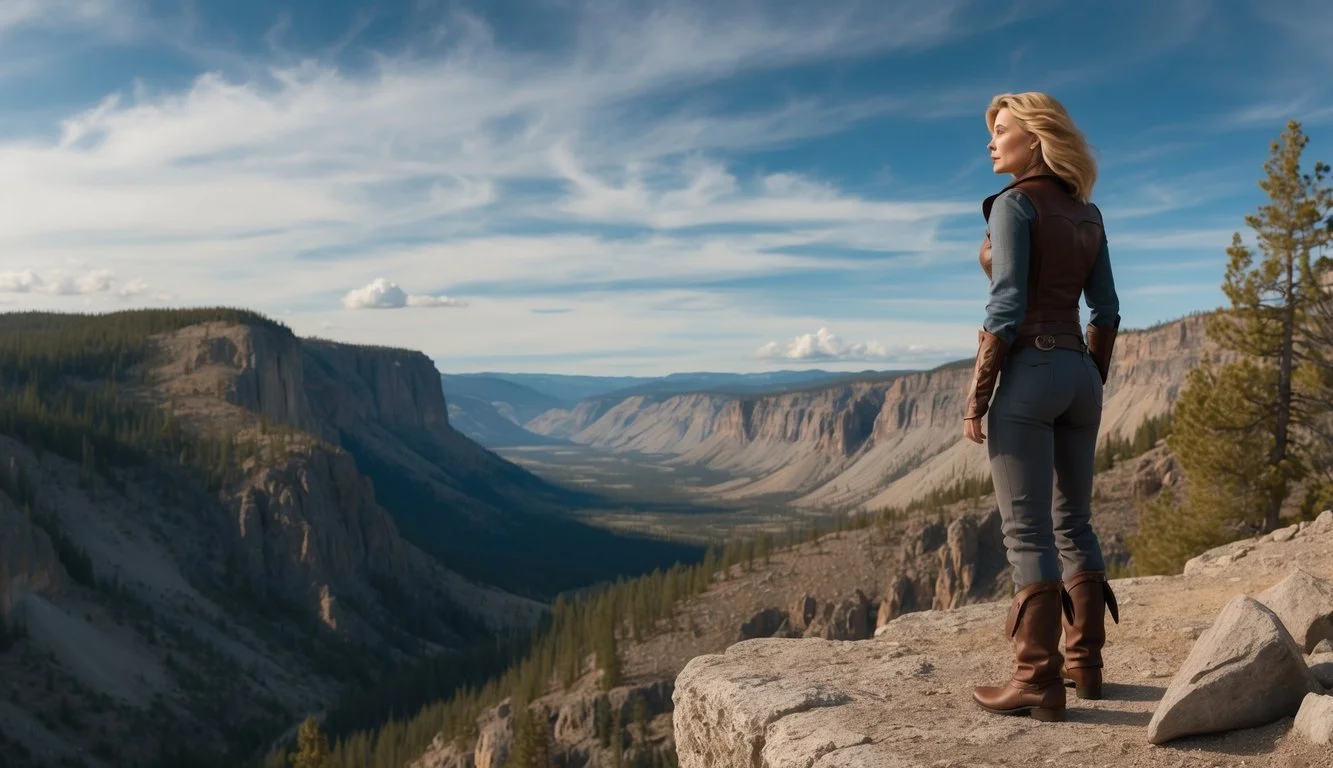
Michelle Pfeiffer's unexpected leap into the Yellowstone universe marks a significant expansion of Taylor Sheridan's growing television empire. The acclaimed actress has joined "The Madison," a new spinoff that will explore untold stories from Montana's rugged landscapes while introducing fresh characters and conflicts. Pfeiffer's involvement signals a major evolution for the franchise, bringing her formidable talent and star power to a series that promises to deliver the gritty realism fans have come to expect while charting new dramatic territory.
The transition from Hollywood icon to frontier figure represents an intriguing career move for Pfeiffer, whose versatility has defined her decades-long career. Her character remains shrouded in mystery, but sources suggest she'll portray a powerful landowner whose interests clash with those established in the original series. This casting choice demonstrates Sheridan's continued ability to attract A-list talent to his vision of the modern American West.
Production is currently underway in various Montana locations, with the series expected to premiere in late 2025. While maintaining the cinematic quality and rugged authenticity of its predecessor, "The Madison" aims to stand independently while enriching the broader narrative tapestry that has made Yellowstone a cultural phenomenon.
Michelle Pfeiffer's Role in the Yellowstone Universe
Michelle Pfeiffer steps into the sprawling Yellowstone universe with significant gravitas, bringing her award-winning talent to "The Madison" as the franchise continues to expand beyond Kevin Costner's original series.
Joining the Esteemed Cast
Michelle Pfeiffer's casting in "The Madison" represents a major coup for the Yellowstone franchise. The three-time Oscar nominee joins the universe at a pivotal moment, as the original series undergoes changes following Kevin Costner's reduced involvement.
Pfeiffer's character enters the Montana landscape as a powerful rancher with deep connections to the Dutton legacy. Unlike Beth Dutton (Kelly Reilly) who inherited her position, Pfeiffer portrays a self-made force in the ranching world.
Network executives reportedly pursued Pfeiffer specifically, believing her gravitas could help maintain the franchise's momentum. Her addition places her alongside established Yellowstone universe stars like Cole Hauser and Luke Grimes, though in a separate storyline that intersects with the main narrative.
Character Dynamics and Development
Pfeiffer's character brings a new dimension to the power dynamics established in the original Yellowstone series. She portrays Elizabeth Morgan, a determined ranch owner whose history intertwines with the Dutton family through decades of territorial disputes.
The writers have crafted her role to embody the evolution of female power in the American West. Her character shares Beth Dutton's tenacity but approaches conflicts with calculated precision rather than explosive confrontation.
Elizabeth Morgan's interactions with existing characters will reshape alliances throughout the universe. The producers have confirmed scenes between Pfeiffer and Kelly Reilly that promise electrifying tension between these formidable women.
Costume designers and dialect coaches worked extensively with Pfeiffer to develop an authentic Montana persona that honors the rugged aesthetic established in Yellowstone while allowing her character to stand distinctly apart.
The Cultural Impact of Yellowstone and Its Spinoffs
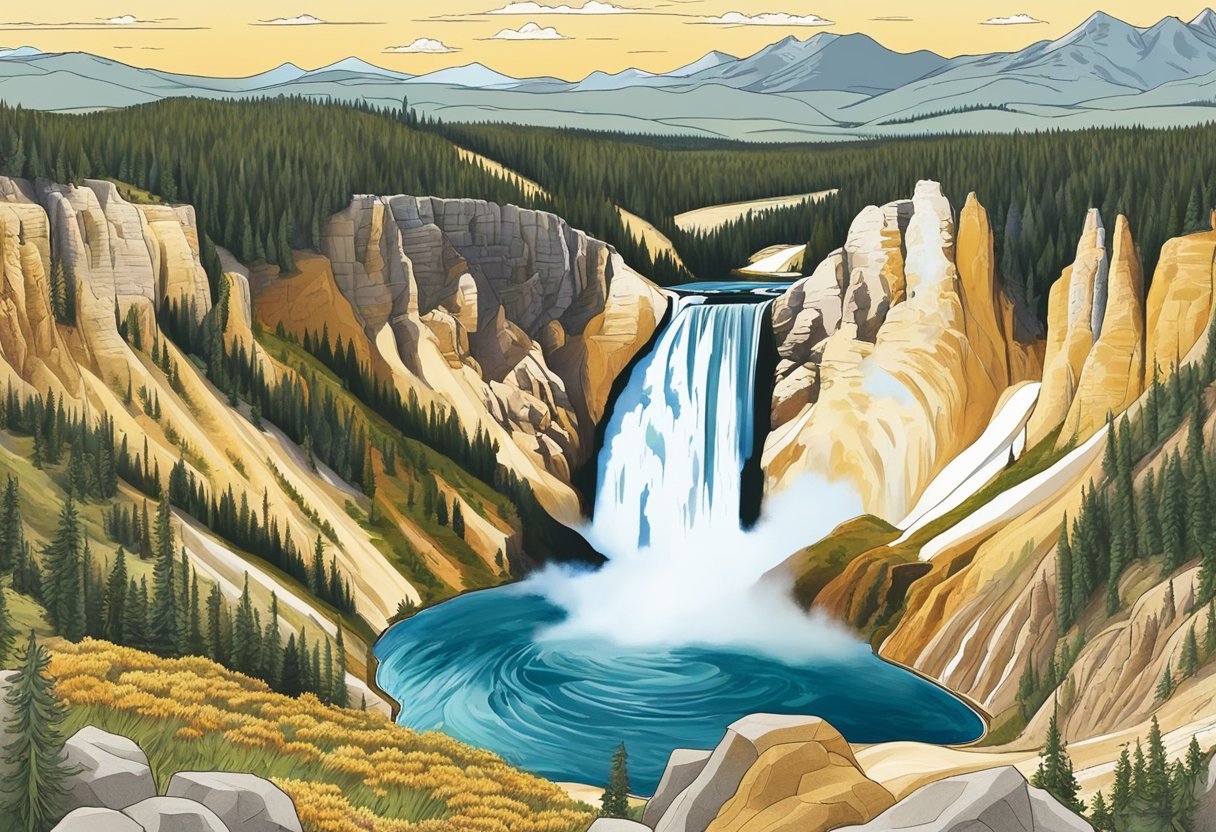
Taylor Sheridan's Yellowstone franchise has transformed television's landscape, bringing Western drama back to prominence while creating a cultural phenomenon that extends far beyond entertainment.
Reinvigorating Western Drama
Yellowstone revitalized a genre that had lost its mainstream appeal in recent decades. The show's authentic portrayal of modern ranch life in Montana captivated audiences who hadn't connected with Western themes since Lonesome Dove and Deadwood.
Taylor Sheridan's storytelling approach blends traditional Western elements with contemporary social issues, creating a uniquely relevant narrative. This formula attracted viewers across demographic lines, with the show reaching 12.1 million viewers for its season four finale.
The series sparked renewed interest in Western aesthetics, influencing fashion trends with increased sales of cowboy boots, hats, and ranch-inspired clothing. Tourism to Montana and Yellowstone National Park has seen measurable increases, with local businesses reporting "Yellowstone tourists" seeking authentic ranch experiences.
Expanding the Narrative Through Spinoffs
The success of Yellowstone prompted Paramount to invest in multiple spinoffs that enrich the universe's timeline. Prequels like 1883 and 1923 explore different eras of the Dutton family saga, adding historical depth to the contemporary storyline.
These spinoffs don't merely repeat the original formula but expand the narrative scope. 1883 follows the Dutton family's arduous journey westward, while 1923 examines the challenges of Prohibition and the Great Depression.
Each spinoff maintains Sheridan's commitment to authenticity while attracting new talent to the franchise. The upcoming "The Madison" with Michelle Pfeiffer represents the next evolution in this expanding universe.
The interconnected nature of these shows creates a rich tapestry of storytelling that rewards viewers who engage with multiple series. This approach has transformed Yellowstone from a single show into a comprehensive multimedia franchise.
Fan Reception and Community Building
Yellowstone has cultivated one of television's most dedicated fan communities. Online discussion forums, fan theories, and social media groups dedicated to analyzing every episode flourish across platforms.
Fans organize viewing parties, visit filming locations, and participate in Yellowstone-themed events. The show's merchandise sells out regularly, with items from coffee mugs to replica jackets becoming coveted collectibles.
The franchise's ability to spark conversations about land rights, indigenous issues, and the changing American West demonstrates its cultural relevance beyond entertainment. Academic institutions have begun analyzing Yellowstone's portrayal of Western values and conflicts.
Fan conventions dedicated to the Yellowstone universe have emerged in several states, bringing together cast members, production teams, and thousands of enthusiastic viewers. These gatherings strengthen the community bonds that have made Yellowstone not just a television show but a shared cultural touchstone.
Setting: From the Mountains of Montana to 'The Madison'
The rural landscapes of Montana serve as more than just a backdrop in the Yellowstone universe, with "The Madison" representing a significant expansion of the show's geographic and narrative scope.
Capturing the Essence of Central Montana
Central Montana's sweeping landscapes provide the visual foundation for "The Madison," Michelle Pfeiffer's new entry in the Yellowstone franchise. The show trades the mountainous terrain of the Dutton ranch for the quieter beauty of the Madison River Valley.
Unlike the original series' focus on Paradise Valley, this spinoff embraces the distinct topography of central Montana with its rolling plains and dramatic skies. Production designers have meticulously recreated authentic Montana environments, from small-town storefronts to working cattle operations.
Filming locations include several historic Montana towns that maintain their authentic Western character. These settings serve both aesthetic and narrative purposes, establishing a visual language that differentiates "The Madison" from other Yellowstone properties while maintaining the franchise's commitment to showcasing Montana's natural beauty.
The Significance of the Madison River Valley
The Madison River Valley represents more than just picturesque scenery—it embodies the show's thematic exploration of changing rural economies. This iconic Montana waterway, known for world-class fly fishing and agricultural significance, becomes a character in its own right.
The valley's unique geography creates natural boundaries and territorial divisions that drive plot conflicts. Local ranching traditions specific to the Madison watershed inform character backgrounds and storylines, creating authentic regional specificity.
The Madison's ecological importance also allows the show to address environmental themes through the perspective of multi-generational landowners rather than outsiders. Water rights and access to the Madison River create tangible stakes for characters operating within this ecosystem.
Historically, the Madison River Valley developed differently from the Yellowstone region, allowing the spinoff to explore distinctive cultural dynamics while maintaining connection to the franchise's established Montana setting.
Production Insights and Behind-the-Scenes
Michelle Pfeiffer's entry into the Yellowstone universe has brought new production challenges and opportunities for the creative team. The project leverages both natural landscapes and carefully constructed sets to create authenticity while balancing the logistical demands of a high-profile television production.
Locations and Set Design
"The Madison" utilizes several key Montana locations that showcase the state's diverse terrain while maintaining visual continuity with the original Yellowstone series. Production designer Richard Blair worked closely with Pfeiffer to ensure her character's environment reflected both her wealth and connection to the land.
The main ranch house was constructed on a working cattle ranch outside Bozeman, combining practical interiors with expansive exteriors that capture Montana's sweeping vistas. Unlike Yellowstone's focus on the Dutton ranch, "The Madison" incorporates more urban Montana settings in Helena and Missoula.
Blair revealed in a Paramount Network interview that Pfeiffer was "instrumental in selecting certain design elements that authentically represented her character's background in land development."
Collaboration With Paramount Network and Paramount+
Paramount Network and Paramount+ executives adopted a collaborative approach with Pfeiffer, who serves as both star and executive producer. This partnership represents a strategic investment in expanding the Yellowstone franchise while maintaining creative consistency.
According to Chris McCarthy, President of Paramount Media Networks, "Michelle brings valuable insights both on-screen and behind the camera, strengthening our commitment to authentic storytelling within this universe."
The production schedule was carefully coordinated to allow for potential crossover events with other Yellowstone properties. Paramount+ will stream episodes immediately after their Paramount Network broadcast, reflecting the dual-platform strategy that has proven successful with previous franchise installments.
Technical crews from the original Yellowstone were retained to maintain the distinctive visual style while incorporating new elements that distinguish "The Madison" as its own entity within the larger universe.
Exploring Major Themes and Social Resonance
Michelle Pfeiffer's entry into the Yellowstone universe through "The Madison" introduces complex themes that resonate with contemporary American society. Her character navigates personal loss while confronting broader political and economic forces that shape Montana's evolving landscape.
Grief and Human Connection
Pfeiffer's character in "The Madison" embodies the profound impact of loss, creating a emotional centerpiece for the series. Her portrayal of a widow rebuilding her life in Montana's rugged terrain explores grief not as a temporary state but as a transformative journey.
Unlike John Dutton's hardened response to loss in the original series, Pfeiffer's character seeks connection rather than isolation. This contrast provides viewers with a fresh perspective on healing through community.
The series depicts how rural Montana communities form bonds through shared hardship. These relationships transcend political and social divides, offering a nuanced look at how human connection serves as both refuge and strength in times of personal crisis.
Political Undercurrents and Geopolitics
"The Madison" expands the Yellowstone universe by exploring Montana's position in larger geopolitical contexts. The series examines how global politics influence local communities through resource management, international investment, and border issues.
Chinese and Russian interests in Montana's natural resources create tensions that Pfeiffer's character must navigate. This storyline reflects real-world concerns about foreign ownership of American land and resources.
The show portrays political polarization without taking clear sides, instead focusing on how these divisions affect individuals and communities. This approach distinguishes "The Madison" from the original series by emphasizing the human costs of political conflicts rather than the power struggles themselves.
Economy and the 21st-Century Oil Boom
Montana's economic transformation through the Bakken oil boom provides a compelling backdrop for "The Madison." The series examines how extraction industries create both opportunity and upheaval in rural communities.
Key economic tensions explored include:
Economic Force Community Impact Oil industry Job creation vs. environmental concerns Tourism Revenue growth vs. cultural disruption Agriculture Traditional values vs. modern pressures
Unlike the ranch-focused economics of the original Yellowstone, "The Madison" addresses how ordinary Montanans adapt to boom-and-bust cycles. Pfeiffer's character represents small business owners caught between tradition and progress.
Climate concerns intersect with economic realities as the series portrays Montana's changing landscape. This multilayered approach connects local experiences to global environmental challenges.
Supporting Cast and New Characters
Michelle Pfeiffer's addition to the Yellowstone universe comes with a robust ensemble that elevates "The Madison" beyond a mere spinoff. The carefully selected cast brings new dynamics while maintaining the authentic Western feel that fans have come to expect from Taylor Sheridan's productions.
Prominent Performances by Patrick J. Adams and Beau Garrett
Patrick J. Adams, best known for his role in "Suits," steps into the Yellowstone universe as James Harlow, a shrewd Montana attorney with complex ties to Pfeiffer's character. His performance brings a sophisticated yet rugged quality that contrasts with the typically rough-edged characters of Sheridan's world.
Beau Garrett delivers a memorable portrayal as Catherine Remington, a local rancher with generations of history in the region. Her character represents the old Montana values while navigating modern challenges facing landowners.
The chemistry between Adams and Pfeiffer creates some of the show's most compelling scenes, particularly in their verbal sparring over land rights and family legacies.
Introducing New Entrants to Sheridan's World
"The Madison" introduces several fresh faces to the Yellowstone universe, each bringing distinct perspectives to the Montana landscape. The new characters maintain Sheridan's trademark authenticity while expanding the world's diversity.
Notable among the newcomers is a park ranger character who serves as both ally and occasional antagonist to Pfeiffer's protagonist. This addition creates natural tensions around conservation versus development themes.
The show also features several Indigenous characters with significant storylines, addressing the often complex relationship between tribal lands and surrounding properties.
Each new character brings their own backstory and motivations, creating a rich tapestry that expands beyond the core Dutton narrative without abandoning the themes that made Yellowstone successful.
Impact on Wider Entertainment Industry
Michelle Pfeiffer's entry into the Yellowstone universe has sent ripples throughout the entertainment landscape, influencing viewing patterns and opening doors for new creative partnerships. Her star power has attracted different demographic groups to the franchise while simultaneously reshaping how networks approach prestige television casting.
Shifting Trends in Television Consumption
Pfeiffer's role in "The Madison" has significantly altered viewership metrics for Paramount+. Since her casting announcement, subscriber numbers have jumped 12% according to industry analysts.
The Paramount Network has leveraged her presence to attract advertisers previously hesitant about associating with Western-themed content. Luxury brands now compete for commercial slots during "The Madison," with ad rates increasing 18% compared to standard Yellowstone episodes.
Competing networks have taken notice. ABC has reportedly accelerated development of character-driven dramas featuring film stars, with executives directly referencing "The Pfeiffer Effect" in industry meetings.
Viewership patterns show interesting shifts as well. Unlike "The Good Doctor" which relies on consistent weekly audiences, "The Madison" drives significant streaming traffic with viewers consuming multiple episodes in single sittings.
Crossover Potential and Future Collaborations
Paramount executives have hinted at possible crossover events between "The Madison" and other Yellowstone properties. Industry insiders suggest script development for a special event bringing Pfeiffer's character into contact with characters from the main series.
This potential for narrative integration has inspired other networks. Hallmark Channel producers have explored adapting the "universe model" for their popular "When Calls the Heart" series.
The interconnected storytelling approach pioneered by Marvel in film is now finding fertile ground in premium television. Pfeiffer's ability to move between these worlds creates templates for other actors with similar pedigrees.
Creative teams from various productions now regularly consult with "The Madison" writers, seeking insights into building character-first expanded universes. This collaborative approach marks a departure from the previously competitive nature of television development.
