
Yellowstone's Epic Finale Shocks Fans and Breaks Records
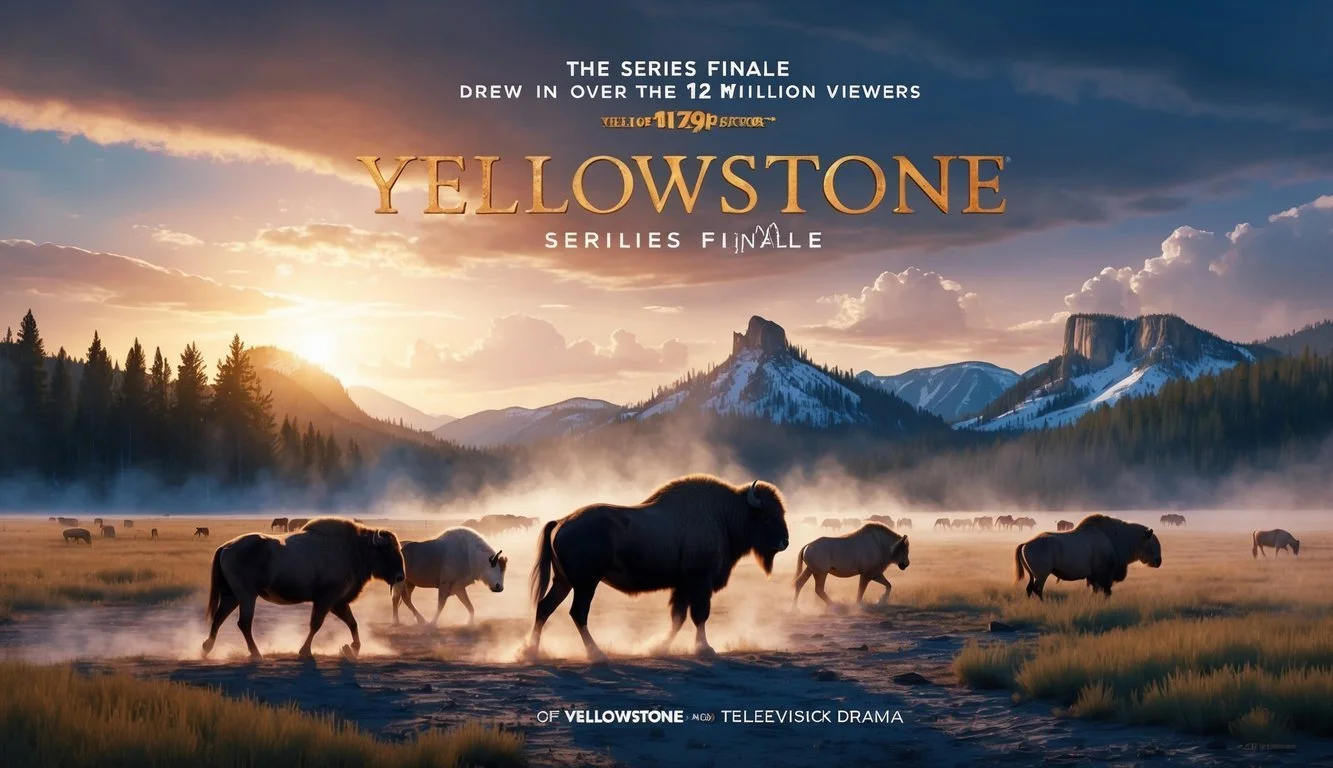
As Taylor Sheridan's modern Western saga officially ended its run in November 2024, viewers and critics alike continue processing the cultural phenomenon that "Yellowstone" became over its five-season journey. The series finale delivered narrative closure while cementing the show's place as one of the most influential television dramas of the decade, attracting over 12 million viewers for its last episode.
Beyond the Nielsen ratings, "Yellowstone" fundamentally shifted television's landscape by proving rural American stories could dominate mainstream entertainment. The Dutton family saga tapped into themes of land preservation, family legacy, and changing Western values that resonated far beyond Montana's borders.
This examination looks back at how the finale resolved the major character arcs while acknowledging the show's broader impact on television, fashion, tourism, and political discourse over six years after its 2018 premiere.
Exploring Yellowstone National Park
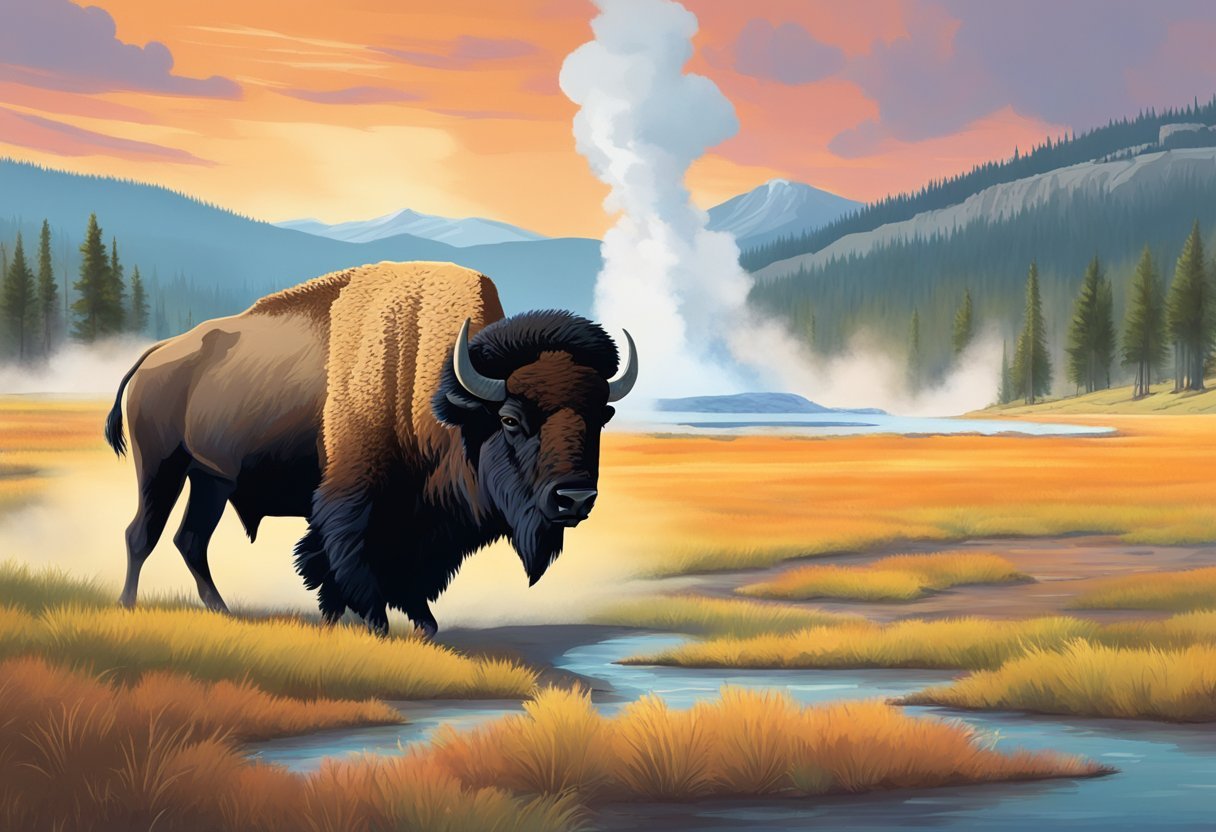
The iconic Yellowstone National Park serves as both the real-life inspiration and occasional filming location for the hit series. Beyond its entertainment value, this landmark protected area represents America's first national park and showcases remarkable geological features and diverse wildlife.
The Natural Beauty and Ecosystem Services
Yellowstone National Park spans approximately 2.2 million acres across Wyoming, Montana, and Idaho. The park features over 10,000 hydrothermal features, including about 500 geysers—the largest concentration on Earth. Old Faithful, perhaps the most famous geyser, erupts approximately every 90 minutes.
The park's ecosystem services are substantial, providing water purification, flood control, and carbon sequestration. Yellowstone's forests, grasslands, and wetlands filter pollutants from water and air while storing significant amounts of carbon.
Yellowstone's unique landscape includes the Grand Canyon of the Yellowstone, a dramatic 24-mile-long canyon with striking yellow, orange, and red walls. The park also houses over 290 waterfalls, with the 308-foot Lower Falls standing as one of the most magnificent.
Yellowstone's Wildlife: Elk and Moose
Elk represent one of Yellowstone's most numerous large mammals, with summer populations reaching approximately 10,000-20,000 animals. These majestic creatures migrate seasonally, moving to lower elevations during winter months to access food supplies.
Moose in Yellowstone are typically found in riparian areas and wetlands. Unlike elk, moose are solitary animals and number only about 200 in the park. Their population has declined in recent decades due to predation and habitat changes.
The park's wildlife viewing opportunities extend beyond ungulates. Visitors might spot:
Gray wolves (reintroduced in 1995)
Grizzly and black bears
Bison (approximately 5,000)
Mountain lions
Coyotes
Conservation Efforts and Challenges
Yellowstone faces numerous conservation challenges, including climate change impacts on its thermal features and wildlife habitats. Rising temperatures alter snow melt patterns, affecting water availability for plants and animals throughout the ecosystem.
Invasive species present another significant threat. Non-native lake trout have devastated the native cutthroat trout population, while invasive plants displace native vegetation crucial for wildlife.
Park management implements various conservation strategies, including controlled burns to maintain forest health and predator reintroduction to restore natural ecological processes. The successful wolf reintroduction program has demonstrated how apex predators can positively influence entire ecosystems.
Balancing visitor access with resource protection remains an ongoing challenge. With annual visitation exceeding 4 million people, park officials must carefully manage human impacts on sensitive natural features and wildlife habitats.
Breaking Down the Series Finale
"The Final Ride" delivered shocking revelations about the Dutton legacy while masterfully concluding character arcs that spanned five seasons. The performances elevated already strong material, cementing the show's cultural significance beyond typical television westerns.
Critical Plot Points and Performance
The finale resolved the central conflict between Market Equities and the Dutton ranch through an unexpected alliance between Beth and Jamie. Their fragile truce, driven by mutual survival instinct rather than reconciliation, provided the narrative's backbone. Kevin Costner's portrayal of John Dutton reached new emotional depths as he confronted his mortality and legacy.
The revelation about the true ownership of the ranch lands upended five seasons of established dynamics. This twist was foreshadowed subtly throughout Season 5's second half, rewarding attentive viewers.
Kelly Reilly delivered a tour-de-force performance as Beth, particularly in the confrontation scene with her father. Her character's evolution from vengeful daughter to strategic family protector completed a compelling arc.
The cinematography deserves special mention, with sweeping Montana vistas serving as silent characters during pivotal moments.
The Cultural Phenomenon of 'The Final Ride'
"The Final Ride" drew 15.7 million viewers across all platforms, making it the most-watched cable finale since "Game of Thrones." This massive audience reflected the show's cross-demographic appeal beyond traditional western enthusiasts.
Social media activity around the finale generated over 3.2 million posts in 24 hours. Fan theories and reaction videos dominated platforms for weeks after airing.
The finale's economic impact extended to tourism in Montana, with Yellowstone-themed tours seeing a 45% increase in bookings for summer 2025. Local businesses continue capitalizing on the show's cultural footprint.
The finale's unflinching portrayal of modern western issues—land development, indigenous rights, and agricultural economics—sparked substantive media discussions that transcended typical entertainment coverage.
Understanding 'Yellowstone's' Legacy
"Yellowstone" redefined prestige television by proving rural American stories could achieve both critical acclaim and massive viewership. The finale solidified this achievement through its nuanced approach to complex themes.
The show's influence extends to a wave of neo-western productions now in development across streaming platforms. Its success demonstrated the commercial viability of stories centered on rural American experiences.
Taylor Sheridan's authentic portrayal of ranching life resonated particularly with viewers from agricultural communities who finally saw their realities represented with respect rather than caricature.
The series' examination of family dynasty parallels with classic works like "King Lear" elevated it beyond genre television. This literary quality remains central to critical assessments of its cultural significance.
Assessing the Socio-Cultural Impact
"Yellowstone" transcended its status as mere entertainment to become a cultural phenomenon that sparked nationwide conversations about land ownership, family legacy, and American identity in the modern era.
Television as a Reflection of Society
"Yellowstone" captured America's cultural tension between tradition and progress with remarkable precision. The show portrayed the struggle between preserving a way of life and the inevitable march of development, mirroring real conflicts across rural America.
The Dutton family's fight to maintain their homeland against corporate interests resonated with viewers concerned about the erosion of traditional values and communities. This theme struck a chord particularly in Middle America, where many felt overlooked by mainstream media.
The series depicted complex issues of class division, showing both the privileged position of large landowners and the economic realities facing workers and indigenous communities. This nuanced approach allowed viewers across the political spectrum to find elements that reflected their own experiences and concerns.
Yellowstone's Commentary on American Heritage
The show's portrayal of Western heritage presented both celebration and critique of American myths. Creator Taylor Sheridan crafted a narrative that acknowledged the violence and moral complexity inherent in Western expansion while honoring the resilience and independence associated with frontier life.
Indigenous perspectives received extraordinary attention through characters like Chief Thomas Rainwater, challenging simplistic narratives about the American West. The series explored competing legitimate claims to land and recognition of historical injustices without offering easy solutions.
Yellowstone's Montana setting functioned as a character itself, with breathtaking landscapes symbolizing what many viewers considered authentic America. This visual reinforcement of natural grandeur strengthened the show's themes about preservation versus exploitation.
The Series' Influence on Pop Culture
"Yellowstone" sparked a renaissance in Western-themed entertainment, inspiring numerous similar productions. Networks rushed to develop comparable shows featuring family dynasties in rugged settings, demonstrating the profound cultural impact of Sheridan's creation.
Fashion trends shifted noticeably as viewers embraced Western wear. Sales of cowboy hats, ranch-wear, and turquoise jewelry increased significantly, with retailers reporting "the Yellowstone effect" on consumer behaviors.
The show's soundtrack introduced mainstream audiences to independent country and Americana artists. Musicians featured on the series experienced dramatic increases in streaming numbers and concert attendance.
Tourism to Montana and the American West surged as fans sought to experience the landscapes showcased in the series. Many ranches and small towns reported significant economic benefits from this "Yellowstone tourism" phenomenon.
Technical Mastery Behind Yellowstone
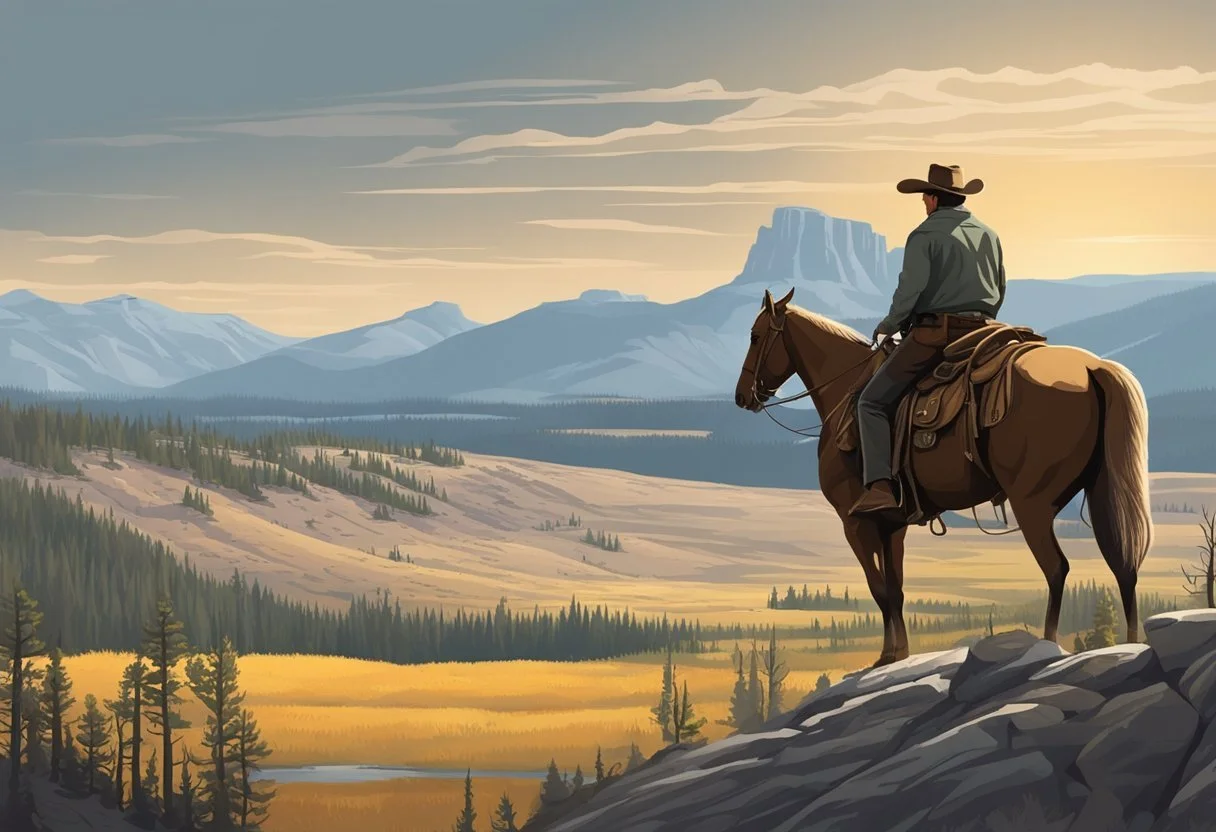
The visual storytelling prowess of "Yellowstone" elevated the series beyond typical television production standards. Behind every breathtaking landscape shot and intimate character moment lay meticulous technical execution that transformed Montana's rugged terrain into a character of its own.
Cinematography and Scenic Design
Director of Photography Ben Richardson established a distinct visual language for "Yellowstone" that balanced sweeping panoramas with intimate character studies. His use of natural lighting captured Montana's dramatic landscapes in different seasons, creating a visual rhythm that matched the show's emotional beats.
The production team employed specialized camera equipment including drone technology and Steadicam rigs to achieve the series' cinematic quality. These tools allowed for fluid movement across the vast Dutton ranch property while maintaining compositional precision.
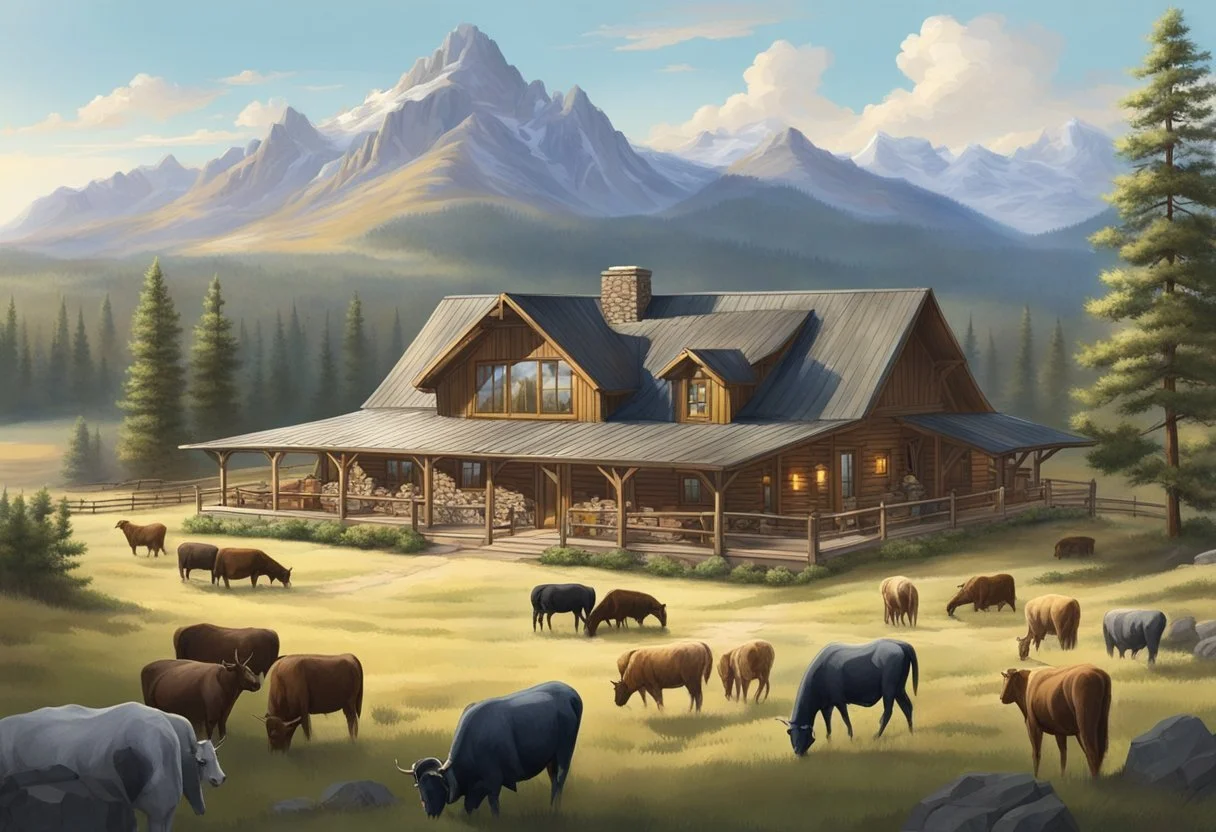
Set designers crafted authentic interior spaces that reflected character personalities. The Dutton lodge, with its timber beams and western artifacts, became an iconic visual element that communicated power and tradition without dialogue.
Color grading techniques emphasized golden hour photography and desaturated palettes that distinguished the show from other television westerns. This visual approach created a contemporary western aesthetic that felt both timeless and modern.
Utilizing Technology in Storytelling
"Yellowstone" incorporated cutting-edge production technology that remained invisible to viewers while enhancing storytelling immersion. Sound design teams utilized advanced field recording equipment to capture authentic ranch sounds, from galloping horses to distant thunderstorms.
Special effects were deployed strategically rather than gratuitously. Digital compositing allowed directors to capture impossible shots while maintaining the show's naturalistic visual style.
The editing team developed a deliberate pacing unique to "Yellowstone," allowing scenes to breathe when showcasing landscapes while tightening rhythm during tense confrontations. This technical choice established the show's distinctive narrative cadence.
Post-production innovations included specialized wildlife filming techniques when capturing interactions with cattle and horses. These sequences required precise coordination between animal wranglers, camera operators, and actors to achieve authentic ranch operations without sacrificing safety.
The Evolution of Character Arcs
Character development stands as one of the most compelling aspects of "Yellowstone" throughout its five-season run. The transformative journeys of key figures revealed layers of complexity that transcended initial stereotypes.
The Transformation of "The Bear"
Kayce Dutton's evolution from reluctant ranch hand to his father's potential successor represented one of the show's most profound character arcs. Initially introduced as "The Bear" in tribal prophecy, his internal struggle between Livestock Commissioner duties and reservation loyalties created constant tension.
His relationship with Monica evolved from turbulent to stabilizing, particularly after their devastating loss in season 5. The vision quest storyline in season 4 significantly altered his trajectory, forcing him to choose between "the ranch" and "the family" paths.
By the series finale, Kayce's transformation was complete—no longer defined solely by his father's expectations but by his own understanding of family, loyalty, and personal integrity.
Archetypes and Character Development
"Yellowstone" masterfully subverted traditional Western archetypes while maintaining their emotional resonance. Characters evolved beyond initial impressions:
John Dutton: Shifted from unyielding patriarch to contemplative leader questioning his legacy
Beth Dutton: Transformed her ruthlessness into strategic patience when protecting family interests
Jamie Dutton: Moved from seeking approval to embracing his complex identity
The writers employed significant patience in character development, allowing subtle shifts across seasons rather than dramatic personality changes. This gradual evolution created authentic character growth that resonated with audiences.
The introduction of antagonists like Market Equities provided foils that highlighted each character's core values when tested. Through these conflicts, the Dutton family's individual and collective identities evolved in ways that felt both surprising and inevitable.
Beyond Yellowstone: The Series' Outreach
"Yellowstone" extended its influence far beyond television screens, creating meaningful connections with viewers through various initiatives focused on conservation and outdoor appreciation. The show's popularity catalyzed interest in America's natural landscapes and catalyzed several outreach programs.
Educational Initiatives and Partnerships
The production team behind "Yellowstone" established significant partnerships with conservation organizations following the show's success. In 2023, they launched the "Preserve the West" initiative, which provided educational materials to schools about rangeland ecology and sustainable ranching practices.
The Yellowstone Conservation Fund, created in 2024, raised over $3.2 million to support habitat restoration efforts in national parks. This fund specifically targeted areas featured in the series, creating a direct link between fictional storytelling and real-world conservation.
Educational webinars featuring cast members and park rangers reached more than 75,000 students nationwide. These sessions explored the ecological challenges facing the American West and encouraged young people to become environmental stewards.
Promotion of Hiking and Outdoor Activities
"Yellowstone" sparked unprecedented interest in national park visitation, with Yellowstone National Park reporting a 32% increase in visitors between 2021 and 2025. The production team capitalized on this trend by creating the "Follow the Dutton Trail" program, highlighting hiking paths featured in the series.
The show's official website launched an interactive map in 2024, detailing moderate to difficult hiking trails that showcase landscapes similar to those on screen. Each trail description included safety information, difficulty ratings, and conservation notes.
Cast members participated in guided hiking events that raised awareness about trail maintenance and leave-no-trace principles. These events, held quarterly since 2023, provided support for trail restoration projects and ranger programs.
Local outfitters near filming locations reported a 45% increase in bookings for horseback riding and fly fishing experiences, demonstrating the show's tangible impact on outdoor recreation economies.
Coexisting with Wildlife
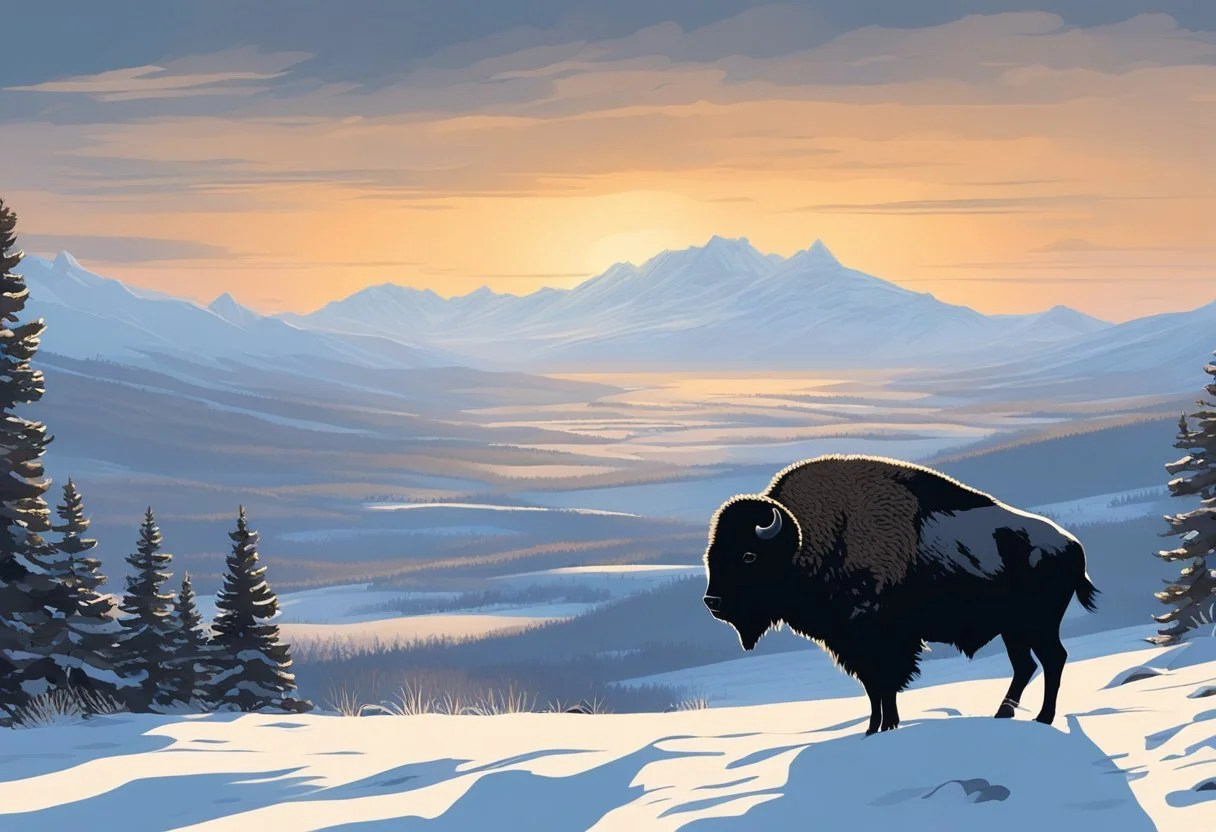
"Yellowstone" portrayed the delicate balance between human development and natural ecosystems, reflecting real-world challenges faced in areas like Montana. The show highlighted important lessons about wildlife conservation and responsible human interaction with nature.
Responsible Wildlife Tourism
The Dutton Ranch in "Yellowstone" served as a microcosm for the broader issues of tourism impact on natural habitats. Throughout the series, viewers witnessed the family's struggle to maintain their ranch while facing pressure from developers seeking to build resorts and attractions.
This storyline mirrors actual challenges in Montana and Wyoming, where tourism brings economic benefits but threatens ecosystem services. Many fans of the show reported increased interest in visiting the region's national parks after watching the series.
Conservation organizations noted a "Yellowstone effect" where the show's popularity created opportunities for education about responsible wildlife viewing practices. Maintaining appropriate distances from animals and staying on designated trails became important talking points.
The series subtly advocated for sustainable tourism models that balance visitor experiences with nature conservation priorities.
Human-Wildlife Encounters and Safety
"Yellowstone" didn't shy away from depicting realistic human-wildlife conflicts. Several memorable scenes featured dangerous encounters with predators, particularly bears and wolves, highlighting the unpredictability of wild animals.
The show portrayed ranch hands and park rangers implementing practical safety measures:
Proper food storage to prevent attracting predators
Carrying bear spray when working in remote areas
Understanding animal behavior patterns
Respecting territorial boundaries
These depictions served as subtle educational moments for viewers unfamiliar with wilderness safety protocols. Conservation experts praised the series for its generally accurate portrayal of wildlife behavior rather than sensationalizing animal attacks.
The Dutton family's approach to wildlife management, while sometimes controversial within the show's narrative, often demonstrated respect for natural systems. Their characters exhibited knowledge of ecosystem services and the importance of maintaining predator-prey relationships for overall ecological health.
Yellowstone and Global Narratives
"Yellowstone" transcended its American roots to become a cultural phenomenon with significant international appeal. The show's themes of family, land preservation, and identity politics resonated across borders while raising awareness about conservation challenges faced globally.
The Show's Resonance with Global Audiences
"Yellowstone" found surprising success in international markets despite its distinctly American setting. Viewers in Europe, Australia, and parts of Asia connected with the Dutton family's struggles to maintain their heritage and way of life.
The universal themes of family loyalty, generational conflict, and the clash between tradition and progress proved compelling regardless of cultural background. Many international viewers reported finding parallels between the Duttons' land battles and similar conflicts in their own countries.
Streaming platforms played a crucial role in this global expansion, making the Montana-set drama accessible to audiences who might otherwise never encounter stories from the American West. The stunning cinematography showcasing Yellowstone's natural beauty particularly captivated international viewers unfamiliar with these landscapes.
Narratives of Nature Conservation Worldwide
The show cleverly positioned Yellowstone National Park as both setting and character, highlighting conservation issues that resonate globally. Many international viewers gained their first exposure to America's first national park through the series.
Conservation themes in "Yellowstone" mirror global concerns about balancing development with environmental protection. The fictional conflicts over land use reflect real tensions playing out across protected areas worldwide, from the Amazon rainforest to African wildlife reserves.
Several conservation organizations reported increased international interest and donations following the show's global popularity. The series depicted the complex relationships between indigenous communities, government agencies, and private interests that characterize conservation efforts worldwide.
The show's origin story - centered on protecting a pristine natural landscape from exploitation - connects to similar narratives playing out across continents as nations grapple with preserving their natural heritage.
