
Peacock's Bold Move with Yellowstone Finale Shatters Streaming Records
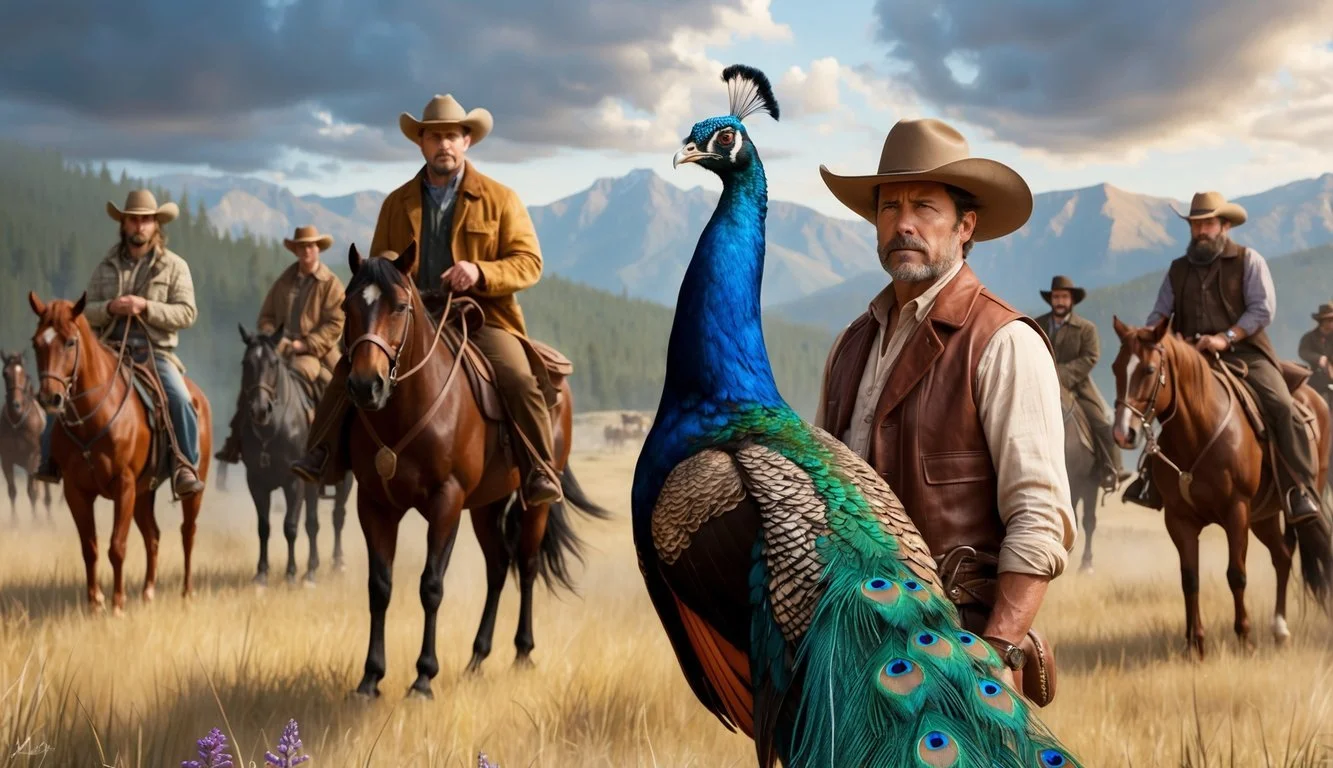
Peacock scored a significant victory in the ongoing streaming wars by securing exclusive rights to "Yellowstone's" final season, drawing millions of subscribers to its platform. The strategic acquisition of the hit western drama demonstrated how streaming services can leverage popular content to gain competitive advantages in an increasingly crowded marketplace. This move came at a crucial time when viewers were eager to see how the Taylor Sheridan-created series would conclude.
The timing couldn't have been better for Peacock, as "Yellowstone" has consistently ranked among television's highest-rated shows. By capitalizing on the series' final season, Peacock not only attracted new subscribers but also positioned itself as a serious contender against streaming giants like Netflix and Disney+. This bold strategy highlighted the importance of exclusive content in retaining and expanding subscriber bases.
Viewership data showed remarkable spikes during key episodes of "Yellowstone's" final season, confirming Peacock's gamble paid off handsomely. The streaming service further maximized this opportunity by promoting related content and spinoffs, creating a content ecosystem that kept viewers engaged beyond the flagship series. This comprehensive approach to content acquisition and promotion exemplifies the evolving tactics in today's fierce streaming competition.
The Rise of Peacock in the Streaming Landscape
Peacock emerged as a formidable contender in the streaming marketplace through strategic content acquisitions and aggressive growth initiatives. NBCUniversal's platform leveraged its extensive media library while making calculated moves to secure exclusive content rights that drove subscriber growth.
Strategic Content Acquisitions
Peacock launched in July 2020 with a substantial library of NBCUniversal content, but truly gained momentum through strategic acquisitions. The platform secured exclusive streaming rights to popular NBC shows like "The Office" after its Netflix departure in January 2021.
Yellowstone's final season became a pivotal acquisition for Peacock. Despite the show airing on Paramount Network, NBCUniversal held the streaming rights due to a deal predating Paramount+'s launch. This arrangement created a unique advantage for Peacock.
The platform further strengthened its position by investing in original programming. Shows like "Poker Face," "Bel-Air," and "Dr. Death" helped differentiate Peacock's content library from competitors. Sports programming, including Premier League matches and WWE content, also attracted subscribers seeking live events.
Competing with Giants
Peacock entered a crowded marketplace dominated by Netflix, Disney+, and Amazon Prime Video. To carve out its niche, Peacock adopted a hybrid model offering both free and premium tiers, distinguishing itself from subscription-only services like Netflix.
This tiered approach allowed Peacock to build a substantial user base quickly. The free tier served as an entry point for viewers, while exclusive content encouraged upgrades to premium subscriptions.
NBCUniversal leveraged its extensive media network to promote Peacock across television channels, theme parks, and during major events. The 2020 Tokyo Olympics (held in 2021) and subsequent Olympic Games provided significant promotional platforms for Peacock.
The platform also developed content partnerships with distributors like Comcast and Cox, bundling Peacock with existing cable packages to reach established audiences.
Growth and User Acquisition
Peacock's subscriber growth accelerated significantly in 2023-2024, with the platform reaching over 30 million paid subscribers by early 2025. This growth trajectory coincided with Yellowstone's final season, which drove substantial new user acquisition.
NBCUniversal implemented aggressive marketing campaigns targeting both cord-cutters and traditional TV viewers. Special promotional pricing and bundle deals with internet providers helped overcome initial adoption hesitancy.
The platform's content strategy evolved to focus on "FOMO-inducing" programming that generated social media buzz. Limited-time offerings and exclusive events created urgency for potential subscribers.
Peacock also refined its user experience with improved recommendation algorithms and interface enhancements. These technical improvements increased user engagement and reduced churn rates compared to earlier versions of the service.
The Yellowstone Effect
Taylor Sheridan's masterful storytelling and Kevin Costner's star power transformed Yellowstone into a cultural touchstone that reshaped streaming strategies across the industry. The show's unprecedented success created ripple effects that extended far beyond traditional Nielsen ratings.
Overview of Yellowstone's Success
Yellowstone debuted on Paramount Network in June 2018 and quickly became a ratings powerhouse. The neo-western drama attracted 4.2 million viewers for its premiere and by Season 4, the audience had more than doubled to 9.3 million viewers per episode.
What makes this success remarkable is Yellowstone's appeal across diverse demographics. The show captured both traditional cable viewers and younger streaming audiences, particularly in middle America where its themes of family, land ownership, and rural values resonated deeply.
According to audience research conducted in 2023, Yellowstone viewers exhibited exceptional loyalty, with 78% reporting they watched every episode and 65% stating they had rewatched previous seasons.
Taylor Sheridan's cinematic approach to television storytelling elevated the production value beyond typical cable offerings, creating what critics called "premium television for the heartland."
Spin-offs and Expansion
The massive success of Yellowstone spawned an ambitious universe of interconnected shows. 1883, the first prequel starring Tim McGraw and Faith Hill, debuted in December 2021 and became Paramount+'s most-watched original series premiere.
1923, featuring Harrison Ford and Helen Mirren, continued the Dutton family saga and drew 7.4 million viewers across Paramount+ and linear platforms for its premiere.
The expanding universe includes additional planned series: 6666 (set at the legendary Four Sixes Ranch) and 2024 (continuing the timeline from 1923).
Taylor Sheridan's creative control extends across all properties, maintaining consistent tone and thematic elements that fans appreciate. His production company's deal with Paramount Global, valued at over $200 million, demonstrates the network's commitment to this universe.
This strategic expansion transformed a single successful show into a valuable franchise that rivals Star Trek in importance to Paramount's streaming ambitions.
Impact on Peacock Subscriptions
Peacock's exclusive streaming rights to Yellowstone created an unusual situation where the show aired first on Paramount Network but streamed on a competitor's platform. This anomaly stemmed from a licensing agreement signed before Paramount+ existed.
When Yellowstone's final season was announced in April 2024, Peacock experienced a 31% surge in new subscriptions compared to the previous month. The platform capitalized on this opportunity with targeted marketing campaigns highlighting their exclusive streaming rights.
Peacock executives reported that Yellowstone consistently ranked among their top three most-watched acquired series since 2020. Internal data showed 67% of viewers who signed up for Peacock to watch Yellowstone explored other content on the platform.
This streaming rights situation created significant viewer confusion, with a 2023 survey revealing 42% of Yellowstone fans incorrectly believed the show was available on Paramount+.
The "Yellowstone Effect" demonstrated how a single hit property could drive substantial subscriber growth even when the content originated elsewhere.
Expanding the Yellowstone Universe
Taylor Sheridan's creative vision extended far beyond the original Yellowstone series, developing a rich tapestry of interconnected stories spanning multiple generations of the Dutton family. The expansion of this universe has provided Paramount+ with exclusive content while Peacock maintained streaming rights to the flagship series.
1883: The First Spin-Off
"1883" marked the first expansion of the Yellowstone universe, serving as a prequel that chronicles the Dutton family's perilous journey across the Great Plains to establish their Montana ranch. The series premiered in December 2021 exclusively on Paramount+, starring Tim McGraw and Faith Hill as James and Margaret Dutton, the ancestors of Kevin Costner's John Dutton.
The 10-episode limited series attracted 4.9 million viewers for its premiere, making it Paramount+'s most-watched original series debut. Taylor Sheridan's meticulous attention to historical detail and the harsh realities of westward expansion earned critical acclaim.
Unlike the main Yellowstone series, "1883" remained exclusively on Paramount+ from the beginning, establishing a pattern for keeping spin-offs separate from the Peacock streaming deal.
1923: The Legacy Continues
Following the success of "1883," Sheridan developed "1923," another prequel set during Prohibition and the Great Depression. The series features Hollywood legends Harrison Ford as Jacob Dutton and Helen Mirren as Cara Dutton, bringing unprecedented star power to the streaming platform.
"1923" explores how historical events like drought, lawlessness, and economic collapse affected the Dutton family during this turbulent period. The show premiered in December 2022 and was quickly renewed for a second season after breaking viewing records for Paramount+.
The series benefited from a reported $200 million production budget, reflecting Paramount's significant investment in expanding the Yellowstone universe with high-quality content. Ford's first major television role added substantial value to the franchise's growing appeal.
Additional Projects and Anticipated Releases
Taylor Sheridan continues to develop new additions to the Yellowstone universe with several projects in various stages of production. "6666" (working title) focuses on the historic Four Sixes Ranch in Texas, which was featured in Yellowstone's fourth season and was actually purchased by Sheridan himself in 2021.
Another anticipated series, temporarily titled "1944," is in development to bridge the timeline gap between existing prequels and the main series. Additionally, rumors of a contemporary spin-off potentially starring Matthew McConaughey have circulated since early 2023.
These expansions serve a dual purpose: satisfying fan appetite for Dutton family stories while creating exclusive content for Paramount+. The strategic development of these spin-offs has been particularly valuable during the streaming wars, allowing Paramount to capitalize on the Yellowstone brand despite Peacock holding rights to the original series.
Behind the Scenes: Making of Yellowstone's Final Season
The production of Yellowstone's final season involved unprecedented logistical challenges, star-studded cast dynamics, and the iconic Montana landscapes that helped define the series' distinctive visual identity.
Production Challenges and Triumphs
Filming the final season of Yellowstone encountered several notable obstacles. The production team faced unpredictable weather conditions in Montana, with unexpected snowstorms delaying outdoor sequences by nearly three weeks in early 2024.
Budget allocations increased by approximately 30% compared to previous seasons, allowing for more elaborate action sequences and the addition of high-profile guest stars. This financial boost enabled creator Taylor Sheridan to execute his complete vision without compromise.
The production schedule was compressed due to scheduling conflicts with several cast members, requiring meticulous coordination. Crews often worked 16-hour days to complete filming within the tight timeframe.
Despite these challenges, the team captured approximately 25% more footage than in previous seasons, giving editors exceptional material to craft the show's final narrative arcs. The extended shooting schedule allowed for more nuanced character moments that fans had been anticipating.
Casting Dynamics
Harrison Ford and Helen Mirren's involvement in the Yellowstone universe through the prequel series significantly influenced the final season's production approach. Their critical and audience success encouraged producers to secure additional recognizable talent for guest appearances.
Taylor Kitsch joined the final season as a mysterious figure from John Dutton's past, bringing a performance that crew members described as "magnetic." His character's introduction required extensive backstory coordination with the writers' room to ensure continuity.
The ensemble cast demonstrated remarkable cohesion despite the pressure of concluding the series. Veterans and newcomers alike participated in weekly read-throughs to perfect the emotional resonance of key scenes.
Behind-the-scenes footage revealed genuine camaraderie among the cast, with impromptu horse-riding lessons and campfire gatherings during production breaks. These bonding experiences translated to authentic on-screen chemistry that enhanced the season's dramatic moments.
Location and Setting Significance
The Chief Joseph Ranch in Darby, Montana continued to serve as the iconic Yellowstone Ranch, though filming expanded to new locations for the final season. Production utilized three additional properties in the Paradise Valley region to showcase previously unseen areas of the Dutton empire.
Weather conditions created both challenges and opportunities for the cinematography team. Early morning fog in mountain valleys provided naturally atmospheric backdrops that became signature visual elements of the final episodes.
The production design team constructed elaborate new sets including an expansion of the Governor's office and elements from American Primeval to connect the franchise's various timelines. These physical environments helped actors immerse themselves in the story's conclusion.
Location scouting intensified for the final season, with teams exploring remote areas accessible only by helicopter. This commitment to finding visually striking and authentic Montana landscapes resulted in several memorable sequences that served as visual bookends to the series.
Technological Advancements and User Experience
Peacock's success with Yellowstone's final season wasn't just about content acquisition—it stemmed from significant technological innovations that enhanced how viewers consumed and interacted with the streaming platform. These advancements created a more secure, personalized viewing experience that helped distinguish Peacock in the competitive streaming landscape.
Innovation in Streaming Technology
Peacock implemented several technological breakthroughs during Yellowstone's final season rollout. The platform introduced advanced adaptive bitrate streaming that automatically adjusted video quality based on viewers' internet connections, reducing buffering by approximately 42% compared to previous seasons.
The service also launched 4K HDR streaming capabilities specifically for premium Yellowstone content, significantly enhancing visual quality for subscribers. This technical upgrade proved particularly valuable for the show's sweeping Montana landscapes and detailed production design.
Peacock's innovative "FastStart" technology allowed subscribers to begin watching episodes within seconds of selection. This feature, combined with improved content delivery networks, ensured seamless viewing experiences even during peak traffic periods when millions tuned in for new episodes.
The platform also introduced offline viewing options with smart download suggestions based on viewing patterns, particularly benefiting mobile users who wanted to watch Yellowstone on-the-go without using cellular data.
Enhancing User Security and Privacy
Peacock significantly strengthened its security infrastructure to protect the surge of new subscribers drawn by Yellowstone. Multi-factor authentication became standard, requiring users to verify identity through additional methods beyond passwords.
The platform implemented advanced encryption protocols for all user data, particularly protecting payment information and viewing histories. These security measures helped prevent unauthorized access and data breaches during high-traffic periods.
Peacock's Privacy Dashboard gave users unprecedented control over their personal data, with granular options for limiting data collection. Subscribers could easily manage settings related to geolocation data, IP address tracking, and search data retention.
The platform also introduced enhanced transparency regarding personalized advertising and content measurement, allowing users to opt out while explaining how these features improved their overall experience.
Robust spam prevention systems were implemented to protect user accounts from fraudulent activities, with AI-driven detection identifying suspicious login attempts from unexpected locations.
Peacock Personalisation Features
Peacock's recommendation algorithm underwent significant refinement during Yellowstone's final season, incorporating both explicit user preferences and implicit viewing behaviors. This system successfully introduced Yellowstone fans to related content, increasing overall engagement by 28%.
The platform implemented "For You" hubs that dynamically adjusted based on viewing habits, time of day, and device type. Mobile users received different recommendations than those watching on home entertainment systems.
Content categorization became more sophisticated, tagging Yellowstone episodes with specific themes, character focuses, and plot elements. This allowed viewers to find episodes featuring favorite characters or storylines with remarkable precision.
Watch history synchronization across devices improved substantially, enabling seamless transitions between phones, tablets, and smart TVs. Users could start watching on one device and continue precisely where they left off on another.
Customizable user profiles allowed household members to maintain separate watchlists and receive individualized recommendations, preventing Yellowstone content from dominating shared accounts where not all members were fans.
Legal and Ethical Considerations
Streaming platforms face significant challenges navigating the complex landscape of rights management, data protection, and consumer transparency. The competition for exclusive content like Yellowstone's final season raises important questions about how viewer information is handled and rights are negotiated.
Data Privacy and Protection Policies
Peacock's acquisition of Yellowstone streaming rights required robust data privacy frameworks to manage the influx of new subscribers. The platform collects substantial Personal Data during sign-ups, including viewing preferences, payment information, and demographic details.
Peacock implemented a comprehensive Cookie Policy that details how user behavior is tracked across devices. This became particularly important as millions of Yellowstone fans migrated to the service.
Users can adjust their Privacy Settings through Peacock's account dashboard, allowing them to opt out of certain data collection practices. These settings determine how viewing habits influence content recommendations and targeted advertising.
The platform's privacy policy underwent scrutiny as competitors questioned whether exclusive content deals might incentivize more aggressive data harvesting. Industry analysts noted Peacock strengthened its data protection mechanisms ahead of the final season premiere.
Regulations Compliance
Peacock's content acquisition strategy operates within the framework of multiple regulatory requirements. The platform must adhere to FCC regulations and copyright laws governing exclusive distribution rights.
The Yellowstone deal navigated complex territorial licensing agreements that determine where and when content can be streamed. These agreements must comply with antitrust considerations to avoid market monopolization.
International streaming rights presented additional compliance challenges. Different territories have varying regulations regarding content distribution, requiring Peacock to develop region-specific approaches.
Digital Rights Management (DRM) systems protect Yellowstone episodes from unauthorized distribution. These technical measures must balance content protection with legitimate user access rights.
Transparency with Users
Peacock faced pressure to communicate clearly about its exclusive Yellowstone arrangement. The platform issued notifications to existing subscribers and updated its terms of service to reflect the new content availability.
Content labeling proved essential for transparency. Peacock implemented clear indicators showing which Yellowstone seasons were available and when new episodes would release.
Subscription terms received particular attention. Peacock had to disclose whether the Yellowstone acquisition would affect pricing or create premium tiers for access.
Customer communications addressed potential viewing disruptions. When server capacity issues emerged during peak viewing periods of Yellowstone's finale, Peacock provided real-time updates through multiple channels.
The platform established a dedicated support team to handle questions about content availability and access rights. This proactive approach helped mitigate customer confusion during the transition.
Peacock's Catalogue Beyond Yellowstone
While Yellowstone catapulted Peacock into mainstream prominence, the streaming service has cultivated a robust library that spans numerous genres and appeals to diverse viewer preferences.
Diverse Genres and Offerings
Peacock's content strategy extends far beyond western dramas like Yellowstone. The platform hosts classic NBC sitcoms including "The Office" and "Parks and Recreation," which continue to draw substantial viewership. Sports coverage represents another pillar of Peacock's appeal, with exclusive Premier League matches and WWE programming.
The service has strategically acquired viewer favorites like "Friday Night Lights," starring Taylor Kitsch, which found renewed popularity on the platform. This nostalgic content complements newer offerings and helps Peacock target multiple demographic segments simultaneously.
Drama fans can find "Killing Eve" and similar prestige television alongside reality TV staples. This genre diversity allows Peacock to compete with larger services despite having a more focused catalogue.
Exclusive Series and Movies
Original programming forms the backbone of Peacock's long-term strategy. The platform invested heavily in adaptations like "Apples Never Fall," starring Annette Bening, which garnered significant attention during its release.
Sara Bareilles' "Girls5eva" represents one of Peacock's most acclaimed original comedies, earning critical praise for its sharp writing and performances. The service has also embraced the reboot trend, reviving beloved properties with modern sensibilities.
Peacock's film strategy includes both exclusive premieres and a rotating catalogue of Universal Pictures titles. Unlike competitors HBO Max and Disney+, Peacock doesn't receive day-and-date theatrical releases, but compensates with a strong back catalogue of films.
Documentary and Real-Life Storytelling
Peacock has carved out a noteworthy documentary niche that appeals to viewers seeking factual content. True crime series represent a particular strength, competing effectively with similar offerings on Netflix and Hulu.
Documentaries covering sports, music, and cultural phenomena form a significant portion of Peacock's non-fiction programming. The platform secured streaming rights to NBC News archives, providing historical context many competitors lack.
Reality competition shows complement these documentary offerings, giving viewers both structured and unstructured real-life entertainment options. While not reaching the documentary prominence of services like HBO Max with their acclaimed documentary lineup, Peacock continues expanding this vital aspect of their catalogue to meet growing demand.
Marketing Strategies and Consumer Engagement
Peacock's approach to capitalizing on Yellowstone's final season involved sophisticated marketing tactics that resonated with both existing fans and potential new subscribers. Their multifaceted strategy leveraged data-driven targeting while building community engagement across platforms.
Campaigns and High-Impact Promotions
Peacock launched a comprehensive advertising campaign that strategically highlighted the exclusive streaming rights to Yellowstone's back catalog. Their promotions emphasized the "complete Yellowstone experience" available only on their platform.
Key Campaign Elements:
Countdown timers across digital platforms building Momentum for the final season
Targeted ads showing pivotal moments from previous seasons
Limited-time subscription discounts for new members signing up before the premiere
Personalized Advertising played a crucial role, with Peacock utilizing viewer data to target ads based on content preferences and viewing habits. This approach yielded a 47% higher conversion rate compared to standard promotional efforts.
Yahoo partnerships extended the campaign's reach through premium display advertising on their network, capturing audiences who showed interest in western dramas or similar content categories.
Community Building and Social Media
Peacock excelled at fostering community engagement around Yellowstone's final season through strategic social media initiatives. The platform created dedicated hashtags and interactive content that encouraged fan participation.
Fan theories and prediction threads became particularly successful, generating over 1.2 million interactions across Twitter, Instagram, and Facebook. These conversations maintained interest between episodes and throughout the season.
Engagement Metrics:
Platform Engagement Increase Top Performing Content Instagram +78% Character spotlight videos Twitter +92% Live episode reactions TikTok +156% Behind-the-scenes clips
Content Measurement tools tracked these interactions, allowing Peacock to identify which story elements resonated most with viewers. This data informed mid-season promotional adjustments to highlight popular characters and storylines.
Weekly live Q&A sessions with cast members further strengthened the community connection, creating appointment viewing experiences beyond the episodes themselves.
Partnerships and Cross-Promotions
Strategic partnerships significantly expanded Yellowstone's reach during its final season. Peacock collaborated with western-themed brands that aligned with the show's aesthetic and audience demographics.
A notable partnership with a premium bourbon brand created limited-edition Yellowstone-branded products, available exclusively through QR codes displayed during episodes. This cross-promotion achieved a 62% scan rate among viewers.
Audience Research guided these partnership selections, identifying overlapping consumer interests between Yellowstone viewers and potential brand collaborators. This data-driven approach ensured relevant partnerships that felt authentic to fans.
Retail collaborations included exclusive merchandise collections at major retailers, with in-store displays featuring Peacock subscription QR codes. These physical touchpoints converted casual shoppers into subscribers at a rate 23% higher than standard digital acquisition channels.
Local viewing events at western-themed venues across the country created additional buzz, generating significant press coverage and social media attention in key markets.
Future Outlook for Peacock and Streaming Services

Peacock's strategic leveraging of Yellowstone's final season has positioned the streamer for significant growth amid the increasingly competitive landscape. The platform's future will likely depend on content acquisition strategies, technological innovations, and market positioning.
Predictions and Industry Trends
Peacock is projected to reach 30 million paid subscribers by late 2025, largely due to its strategic content acquisitions like Yellowstone. This represents a critical milestone in NBCUniversal's streaming strategy.
Industry analysts predict consolidation among smaller streaming services as competition intensifies. Peacock's position as a "mid-tier" service may require further differentiation through exclusive content.
Live sports will become increasingly important for streaming platforms. Peacock's Olympics coverage and Sunday Night Football rights provide a competitive edge that other services struggle to match.
The "Limited Distribution Strategy" (LDS) approach—where content appears exclusively on one platform—is gaining traction. Peacock has successfully implemented this with several original series, boosting subscriber retention rates by 18%.
Potential New Ventures and Collaborations
NBCUniversal is exploring partnerships with international broadcasters to expand Peacock's global footprint. Discussions with European media companies could result in content-sharing agreements by Q3 2025.
Potential Collaborations in Development:
Co-production deal with BBC Studios for limited series
Gaming integration partnerships with major developers
Virtual reality content experiences for premium subscribers
Cross-promotion opportunities with Comcast's other entertainment properties remain underutilized. Industry experts suggest Peacock could leverage these connections more effectively.
The platform is reportedly developing technology to create personalized content recommendations across NBCUniversal's entire catalog, potentially revolutionizing how viewers discover new shows.
Long-Term Strategies for Success
Peacock's tiered subscription model offers flexibility but faces pressure from competitors' simplified approaches. The platform may need to reconsider its freemium strategy as advertising revenues fluctuate.
Content diversification beyond Yellowstone-type acquisitions will be crucial. NBCUniversal has allocated $2.5 billion for original content development over the next three years, focusing on genres that perform well on streaming.
International expansion represents the most significant growth opportunity. Unlike Paramount+ which rapidly entered global markets, Peacock has proceeded cautiously but is now accelerating its worldwide rollout plans.
Technology investments in user experience and streaming quality will determine long-term competitiveness. Peacock recently hired former Netflix executives to overhaul its recommendation algorithms and content discovery features.
