
Taste Yellowstone's Magic with Authentic Dutton Ranch Recipes
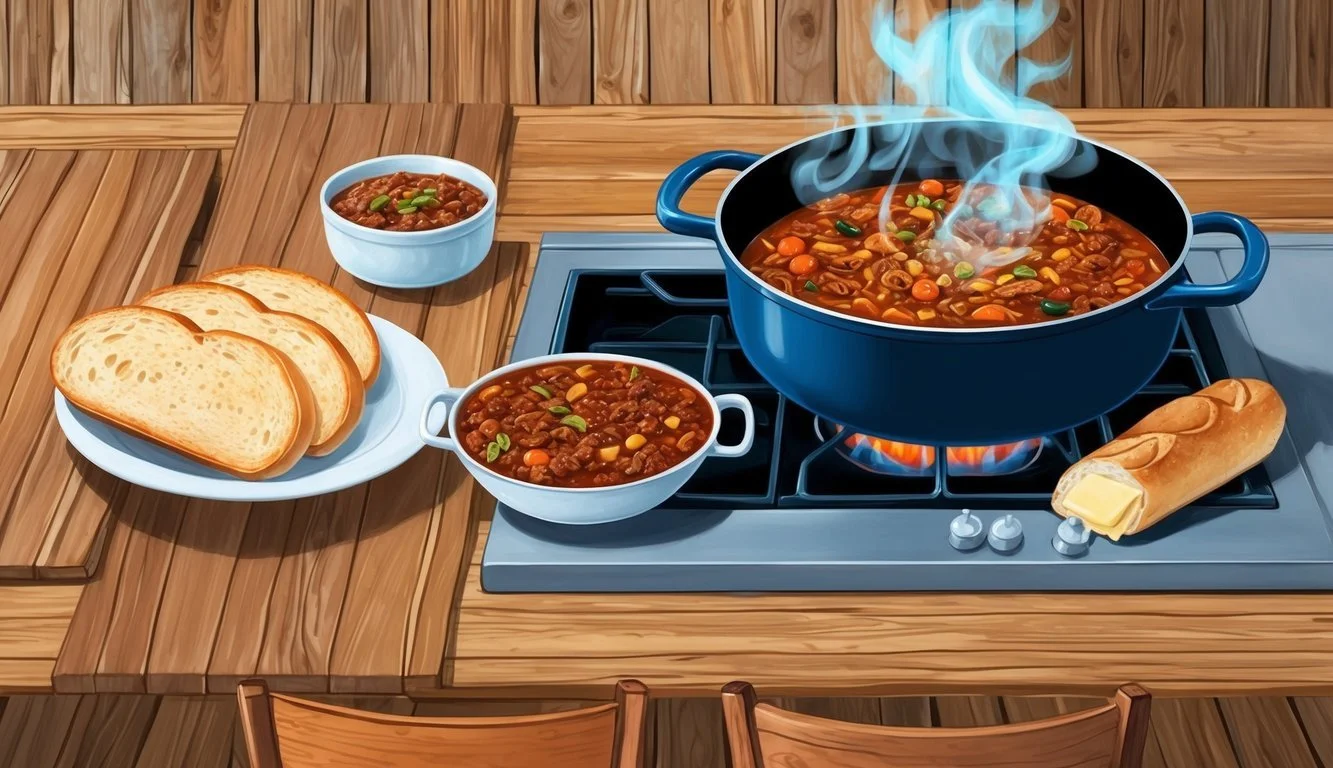
From the sweeping Montana vistas to the intense family dynamics, "Yellowstone" has captivated audiences with more than just its dramatic storylines. The distinctive food featured throughout the series offers viewers a taste of authentic ranch life and Western cuisine. The Yellowstone Cookbook brings these memorable meals directly to fans' kitchens, allowing them to experience the show beyond the screen.
The cookbook features over 80 recipes inspired by iconic meals seen throughout the series, from Rip's hearty breakfast staples to Beth Dutton's preferred cocktails. These dishes represent more than just sustenance; they embody the rugged independence and family traditions central to the show's cultural appeal.
Each recipe comes with context about the episode it appeared in and its significance to character development, making this cookbook a unique blend of culinary guide and show companion. The collection celebrates the intersection of Western food traditions and contemporary ranch cuisine that has become part of the show's authentic appeal.
The Inspiration Behind the Cookbook
The Yellowstone Cookbook draws from the rich cultural tapestry of America's heartland and the authentic representation of ranch life depicted in the popular television series. It celebrates both the fictional world of the Dutton family and the real traditions of Western cuisine that have shaped American identity.
Yellowstone Series Overview
Yellowstone, created by Taylor Sheridan, premiered in June 2018 and quickly became one of the most-watched cable television shows in the United States. The series follows the Dutton family, led by patriarch John Dutton (Kevin Costner), who controls the largest contiguous ranch in the country.
Food plays a crucial role in the show's portrayal of ranch life. The family meals at the Dutton ranch showcase hearty, traditional fare that fuels long days of physical labor. These gathering moments around the table also serve as important plot devices where key decisions are made and family bonds are tested.
The show's authentic depiction of modern ranching life has resonated with millions of viewers. Many fans have developed a fascination not just with the drama, but with the lifestyle portrayed—including the rustic, flavorful meals that appear throughout the series.
American West and Cowboy Culture
The cookbook celebrates the culinary traditions of the American West, a region where food historically served both practical and cultural purposes. Ranch cooking developed as a necessity to sustain cowboys and ranchers during long workdays in challenging conditions.
Dishes featured in the cookbook reflect this heritage with an emphasis on locally-sourced ingredients and straightforward preparation methods. Traditional cowboy staples like dutch oven biscuits, hearty stews, and cast-iron steaks represent more than mere sustenance—they embody a cultural identity.
Many recipes connect to the National Parks of the region, particularly Yellowstone, where natural resources and geography influenced local cuisine. The cookbook acknowledges this relationship between land and food.
Western cooking also emphasizes community gatherings. Barbecues, chuck wagon meals, and family-style dining foster connection in isolated rural areas. This tradition of communal eating is prominently featured in both the show and the cookbook.
Fundamentals of Western Cuisine
Western cuisine in Yellowstone draws from the rich landscape and historical traditions that shaped the American West. The cooking methods and ingredient selections reflect both practical survival skills and the bountiful natural resources of the region.
The Role of Natural Ingredients
Western cuisine relies heavily on locally-sourced ingredients that reflect the region's ecological diversity. Game meats like venison, elk, and bison form the protein foundation of authentic Western dishes, offering distinct flavors impossible to replicate with conventional meats.
Wild herbs and foraged ingredients add complexity to dishes, with sage, juniper, and wild onions providing aromatic depth. These plants thrive in Yellowstone's diverse ecosystems and have been utilized for generations.
Seasonal berries—huckleberries, chokecherries, and serviceberries—appear in both savory and sweet applications. Their tart profiles balance rich game flavors while connecting diners to the natural beauty of the landscape.
Root vegetables demonstrate the practical side of Western cooking, as they store well through harsh winters. Turnips, potatoes, and parsnips feature prominently in traditional recipes.
Influence of the American Frontier
The frontier experience shaped Western cooking techniques through necessity and innovation. Open-fire cooking remains the quintessential method, imparting a distinctive smoke flavor that defines authentic Western cuisine.
Preservation techniques emerged as critical survival skills. Smoking, drying, and salt-curing meat extended food supplies through long winters when hunting became difficult. These methods created unique flavor profiles that persist in modern Western recipes.
Cast iron cookware became the frontier's most valuable kitchen tool. These durable pans distribute heat evenly over uneven heat sources and develop a natural non-stick surface over time.
Traditional Western Cooking Methods:
Dutch oven cooking (bread, stews)
Pit roasting (whole animals)
Smoking (fish, jerky)
Stone boiling (soups, teas)
The wildlife of Yellowstone influenced the development of cooking techniques that respect the whole animal. Nothing was wasted, with organs, bones, and fat utilized for different culinary applications.
Iconic Meals from Yellowstone
The hit series Yellowstone features memorable meals that reflect the rugged Montana ranch lifestyle and reveal character traits through food preferences. These dishes combine Western traditions with modern culinary influences, creating a unique food landscape that fans can now recreate at home.
John Dutton's Favorite Dishes
John Dutton's meals embody the patriarch's no-nonsense approach to life. His breakfast staple consists of black coffee and hearty steak and eggs, perfectly representing his traditional values and practical nature.
For dinner, John often enjoys ribeye steaks cooked medium-rare with minimal seasoning—just salt and pepper. The simplicity highlights his straightforward character and appreciation for quality ingredients rather than fancy preparation.
Game meats also feature prominently in John's diet. Venison stew with root vegetables appears regularly at the Dutton dinner table, especially during colder months on the ranch. This hearty dish connects him to the land he fiercely protects.
Wilson, the occasional ranch cook, prepares John's favorite apple pie with a flaky crust and cinnamon-spiced filling. John typically enjoys this dessert with a small glass of whiskey after difficult days.
Beth Dutton's Signature Meals
Beth Dutton's culinary preferences mirror her complex personality—sophisticated yet unpretentious. Her day typically begins with strong black coffee, occasionally accompanied by toast or fresh fruit when time permits.
For lunch, Beth favors sharp flavor combinations like arugula salad with goat cheese, walnuts, and balsamic vinaigrette. These bold taste sensations reflect her uncompromising nature and refined palate developed during her time away from the ranch.
Despite her tough exterior, Beth harbors a weakness for comfort food. Macaroni and cheese with truffle oil and crispy bacon bits represents her blend of luxury and homestyle cooking. This dish appears whenever she needs emotional grounding.
Beth's signature cocktail—bourbon neat—completes her meals. Unlike the elaborate mixed drinks of city establishments, she prefers the pure sensation of quality spirits, demonstrating her appreciation for authenticity over pretense.
Rip Wheeler's Rustic Recipes
Rip Wheeler's meals emphasize functionality and hearty portions fitting his physically demanding lifestyle. His breakfast choice never varies: three fried eggs, thick-cut bacon, and pan-fried potatoes that fuel his long days of ranch work.
Dutch oven cowboy stew represents Rip's cooking at its finest. This one-pot meal combines beef, beans, and vegetables slow-cooked over an open flame. The dish showcases his self-sufficiency and practical approach to outdoor cooking.
For special occasions, Rip prepares his renowned campfire pies using cast iron pie irons. The simple dessert features bread filled with fruit preserves, toasted golden brown over coals. The contrast between his tough exterior and this sweet tradition reveals his carefully hidden sentimental side.
Rip's coffee preparation deserves special mention—strong enough "to put hair on your chest," according to bunkhouse lore. He brews it cowboy-style, boiling grounds directly in water and letting them settle before serving.
Breakfast at Yellowstone Ranch
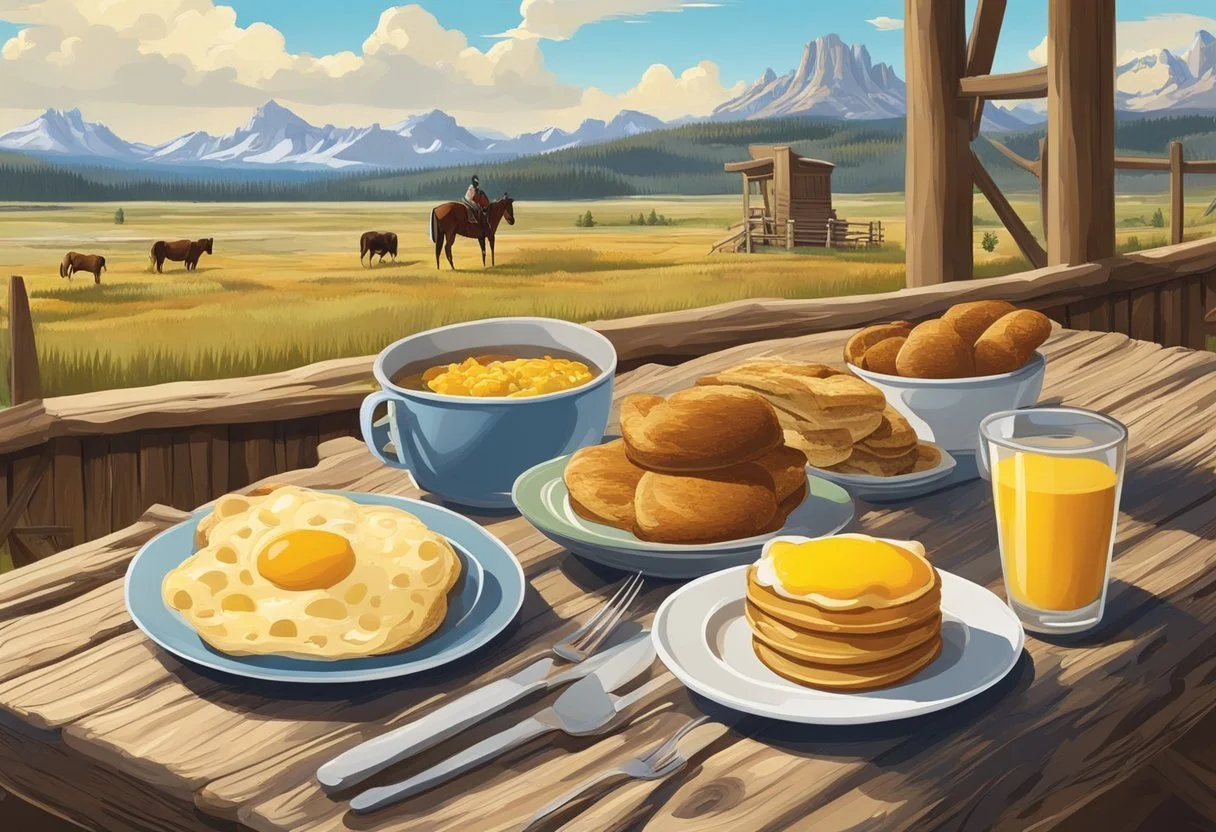
Morning meals at the Yellowstone Ranch combine hearty sustenance with practical preparation techniques that fuel long days of ranch work. The Dutton family's breakfast traditions showcase both simple comfort foods and protein-rich options that provide lasting energy.
Pancakes on the Griddle
Ranch-style pancakes form the cornerstone of many Yellowstone breakfasts. These aren't delicate, fluffy restaurant versions, but sturdy, substantial cakes cooked on a well-seasoned cast iron griddle. The secret lies in using buttermilk for tanginess and a touch of rendered bacon fat for flavor.
Beth Dutton occasionally references these pancakes, which typically include ingredients readily available on the ranch. The batter often incorporates eggs from the henhouse and milk from the ranch's dairy supply.
For authentic taste, the pancakes should be slightly crisp around the edges while remaining tender inside. They're typically served with locally-sourced honey or maple syrup, rather than store-bought options.
High-Protein Starters
Ranch hands require substantial morning fuel, making protein-rich breakfasts essential on Yellowstone Ranch. Eggs feature prominently, prepared as simple fried eggs with runny yolks or hearty scrambles mixed with leftover smoked meats.
Bacon and sausage appear frequently, often from locally butchered livestock. These aren't thin, pre-packaged varieties but thick-cut, robust portions that provide sustained energy.
Steak and eggs represents the ultimate ranch breakfast, featuring cuts like sirloin or ribeye alongside eggs prepared to order. This meal typically appears before particularly demanding workdays or cattle drives.
The protein-focused breakfasts often incorporate fresh herbs from the ranch garden, adding brightness to otherwise rich dishes. Black coffee, served strong and without sweeteners, completes this working breakfast tradition.
Savory and Sweet
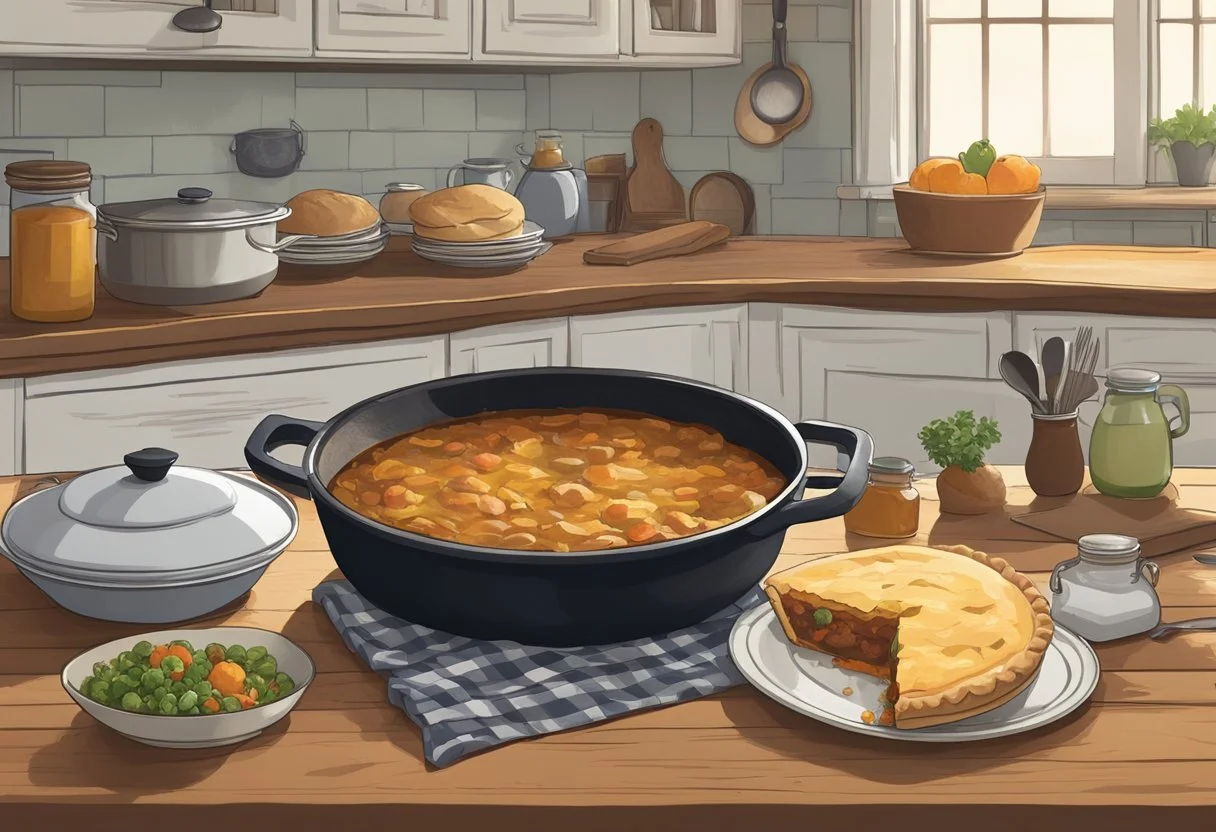
Yellowstone's culinary landscape balances hearty savory dishes with comforting sweet treats. These recipes capture the essence of ranch life, where practical meals satisfy hungry workers and sweet indulgences offer rewards after long days of labor.
Hearty Yellowstone Stews
The Dutton Ranch stew represents the backbone of Yellowstone's cuisine, featuring slow-cooked beef chuck with root vegetables in a rich broth. This one-pot meal appears throughout the series, particularly during scenes of ranch hands gathering after arduous workdays.
Beth's preferred venison stew incorporates locally hunted game with juniper berries and a splash of whiskey for depth. The recipe includes instructions for both stovetop and Dutch oven preparation over an open fire.
Rip's favorite chili makes frequent appearances during colder episodes, combining three types of beans, ground beef, and a precise blend of seven spices. The cookbook details the overnight marinating process that develops its distinctive flavor profile.
Each stew recipe includes modifications for modern kitchens while preserving authentic cooking methods that connect to the show's rugged Montana setting.
Dinner Pies and Tarts
Savory pies form the centerpiece of many Yellowstone family gatherings, with John Dutton's preferred beef and mushroom pie serving as a standout. The flaky butter crust recipe comes directly from the set's food stylist who created the actual pies seen on screen.
Kayce and Monica's shared chicken pot pie represents their blended family traditions, incorporating both classic ranch ingredients and Native American flavor influences. The filling uses a unique white pepper and sage combination that distinguishes it from standard versions.
Rustic tarts with caramelized onions and goat cheese appear during special occasions at the lodge. These free-form pastries feature prominently in Season 3's dinner scenes, with their golden edges and herb-infused crusts.
The cookbook provides detailed instructions for achieving the perfect pastry consistency, including temperature considerations for high-altitude Montana baking.
Cookies and Campfire Sweets
The iconic Dutton Ranch chocolate chip cookies feature prominently in multiple seasons, particularly when Beth attempts baking to show her softer side. The recipe reveals a surprising ingredient - a touch of coffee powder - that enhances the chocolate flavor.
Campfire cinnamon rolls appear during cattle drive scenes, made with a no-rise dough that can be prepared ahead and cooked in cast iron over open flames. The simple sugar glaze sets quickly even in outdoor conditions.
Lodge favorites include Beth's bourbon pecan bars and Carter's oatmeal cookies, both adapted for home bakers. Each recipe includes tips for achieving authentic results without professional equipment.
Seasonal variations feature prominently, with huckleberry treats for summer scenes and warming spiced desserts for winter episodes. The cookbook thoughtfully pairs each sweet with appropriate coffee, tea or alcohol suggestions based on character preferences in the show.
Traditional Pickling and Preserving
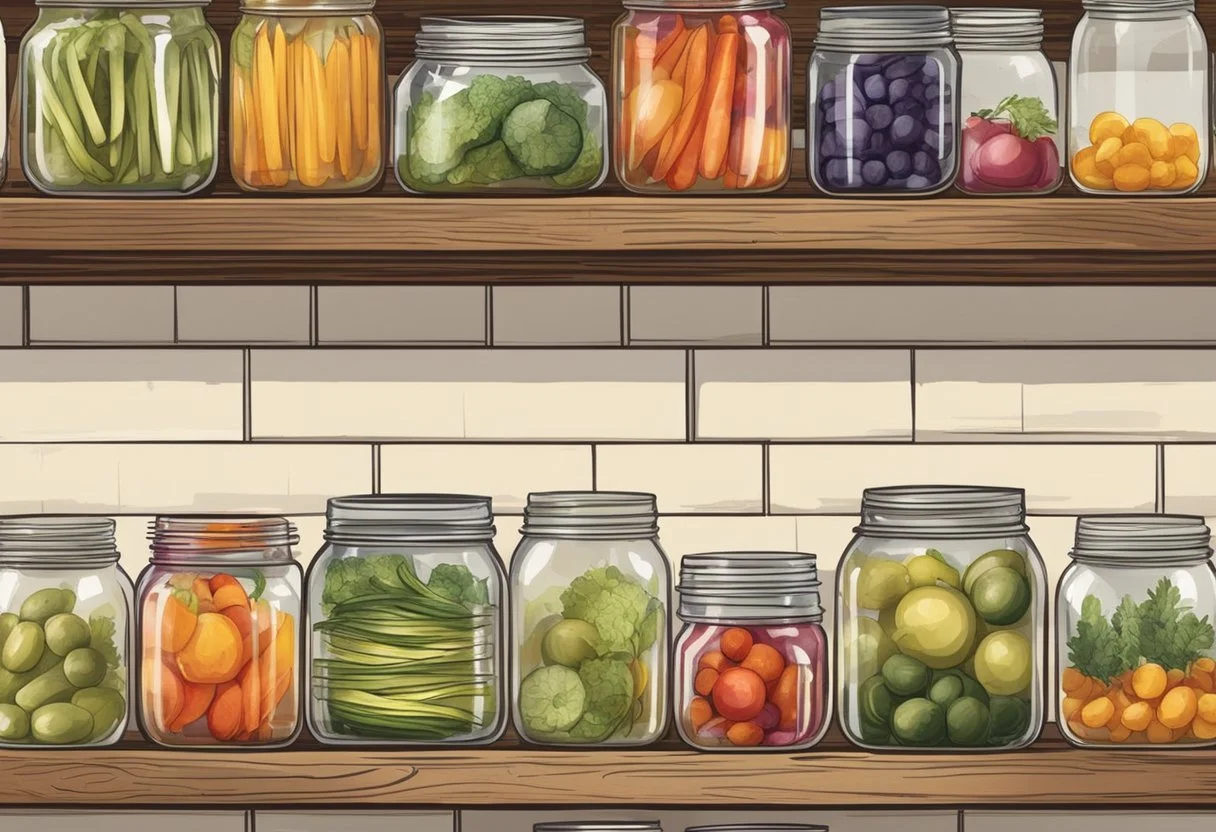
On the Yellowstone ranch, food preservation techniques represent both necessity and tradition. The characters regularly rely on pickled vegetables and homemade preserves throughout the harsh Montana winters, showcasing authentic frontier self-sufficiency practices that date back generations.
Pickles as a Staple in the Ranch Pantry
Crunchy dill pickles appear prominently in ranch meals throughout the Yellowstone series. Beth Dutton occasionally enjoys them straight from the jar, highlighting their significance as a quick, tangy snack for the hardworking ranch family.
Traditional cucumber pickles use a simple brine of vinegar, water, salt, and dill, though the ranch's version likely includes garlic and peppercorns for extra flavor. The pickling process typically takes 3-4 weeks for full fermentation, developing that distinctive tangy taste.
Other pickled vegetables in the ranch pantry include:
Pickled green beans
Spicy pickled carrots
Preserved peppers
Pickled onions
These items provide essential vitamin sources during winter months when fresh produce becomes scarce or unavailable in the isolated Montana location.
Jams and Jellies from Local Produce
The Yellowstone ranch utilizes seasonal berries and fruits to create robust preserves that complement their hearty meals. Wild huckleberries, abundant in Montana's mountains, feature prominently in the Dutton family's breakfast spreads.
Traditional preparation methods involve cooking the berries with sugar and lemon juice until they reach the perfect consistency. No commercial pectin would be used in authentic ranch preserves, staying true to historical methods.
Monica Dutton occasionally mentions cherishing these homemade preserves, particularly appreciating:
Huckleberry jam on fresh-baked bread
Chokecherry jelly paired with game meats
Apple butter made from local orchards
Strawberry preserves for special occasions
These preserves not only provide sweet options during winter but also serve as thoughtful gifts exchanged between neighboring ranches, reinforcing community bonds that run deep throughout the series.
Connecting with the Land
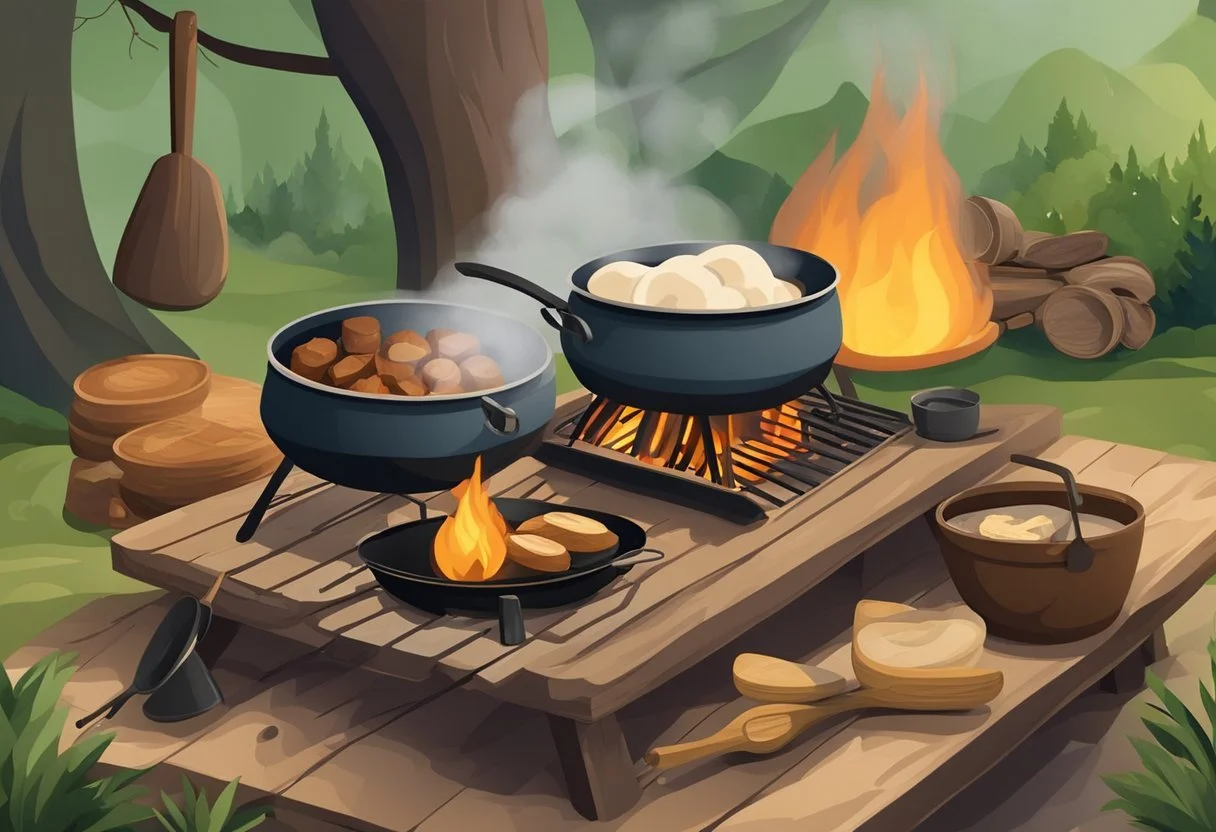
The Yellowstone series portrays a deep connection to the Montana landscape that extends beyond ranching into food procurement and preparation. Characters regularly engage with the natural environment through hunting, fishing, and sustainable practices that reflect the region's traditional approach to sustenance.
Foraging and Fishing in Yellowstone
The Yellowstone cookbook celebrates the bounty of the region's natural landscape through authentic foraging and fishing techniques. Characters like Kayce Dutton are often shown fishing in pristine rivers, pulling native trout that become centerpieces for family meals.
Wild edibles feature prominently in the show's culinary scenes. Huckleberries, abundant in the Yellowstone ecosystem, appear in desserts and sauces that highlight Montana's seasonal offerings.
Game meats including elk and deer reflect the hunting traditions depicted throughout the series. These practices require an intimate knowledge of:
Animal migration patterns
Sustainable harvest quantities
Proper field dressing techniques
The cookbook examines how these activities connect characters to the National Parks and wilderness areas that define the region's ecology and natural beauty.
Sustainable Practices in Food Preparation
The Dutton ranch exemplifies sustainable food practices that minimize waste and honor the wildlife that provides sustenance. Every part of harvested animals serves a purpose, from prime cuts to bones used for rich broths.
Root cellars and preservation methods feature prominently in the cookbook, highlighting traditional storage techniques that reduce reliance on modern refrigeration. These approaches include:
Smoking and curing meats
Canning seasonal vegetables
Drying herbs and fruits for year-round use
The cookbook explores how seasonal eating connects ranch inhabitants to natural cycles. This approach respects the ecology of the region while providing nutritional diversity throughout changing seasons.
Traditional preparation methods often involve outdoor cooking over open flames, minimizing energy use while imparting unique flavors that cannot be replicated with modern appliances.
Recipes for the Modern Outdoorsman
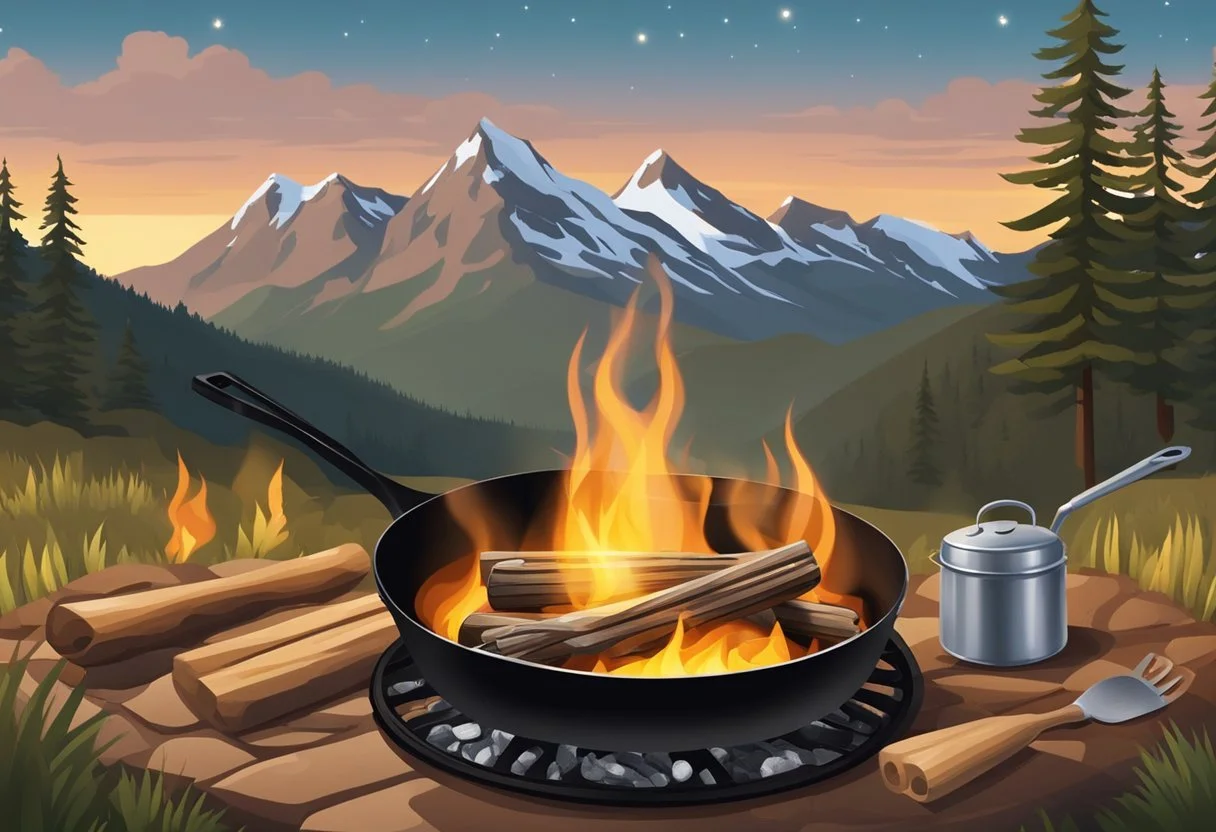
The Yellowstone series has inspired a renewed interest in rustic, hearty meals that connect with America's frontier heritage. Today's outdoor enthusiasts can recreate these iconic dishes with contemporary ingredients and cooking methods.
Adapting Traditional Meals for Contemporary Tastes
Modern outdoorsmen can enjoy Yellowstone-inspired cuisine without sacrificing convenience or flavor. Dutch oven cooking remains a versatile method, allowing for everything from breakfast casseroles to hearty stews over campfires or portable stoves.
Classic game meats like venison and bison are now widely available through specialty markets. These leaner alternatives to beef can be prepared with minimal seasoning to highlight their natural flavors.
Quick-prep ranch staples include:
Jerky marinades using low-sodium soy sauce and honey
Foil-packet potatoes with herbs and olive oil instead of lard
Bean recipes utilizing canned varieties enhanced with smoked paprika
Food culture has shifted toward healthier options without sacrificing authenticity. Heritage grains like farro can replace traditional rice or barley in cowboy stews.
Portion sizes typically found in ranch cooking can be scaled down for modern appetites. The focus remains on nutrient-dense meals that provide sustained energy for outdoor activities.
Digital Expansions
The Yellowstone Cookbook has evolved beyond traditional print media to embrace modern technology, offering fans new ways to engage with the culinary world of the hit series.
Cookbook Apps and Online Resources
The official Yellowstone Cookbook app launched in late 2024, bringing the ranch's iconic recipes to smartphones and tablets. This interactive platform allows users to scale recipes, create shopping lists, and watch video tutorials featuring professional chefs recreating dishes from the show.
Several online communities have formed around the cookbook, with dedicated forums where fans share their attempts at Dutton family favorites. These digital spaces foster connection between viewers united by their appreciation of the show's culinary elements.
The app includes a robust search function that allows filtering recipes by character, season, or dietary restrictions. Users can bookmark favorites and receive notifications when new recipes are added to the collection.
Privacy features ensure user data is protected, with clear consent protocols for sharing cooking results on social media platforms. Regular updates introduce seasonal content aligned with new episodes and special events in the Yellowstone universe.
Yellowstone and Beyond
The cultural impact of Yellowstone extends far beyond its captivating storylines and characters. Its influence has permeated food culture, fashion trends, and even tourism patterns across America and internationally.
The Impact of the Series on Popular Culture
Yellowstone has transformed the public perception of ranching culture and Western lifestyle since its 2018 debut. The show's authentic portrayal of ranch life has sparked renewed interest in traditional American cooking methods and hearty, rustic cuisine.
Restaurants across the country now feature "Dutton-inspired" menus, highlighting cast-iron cooking techniques and locally-sourced ingredients. The series has influenced fashion trends too, with Western wear seeing a 53% increase in sales between 2019-2024 according to retail analytics.
Tourism to Montana and Wyoming has surged by 37% since the show began airing. Local economies benefit as visitors seek authentic ranch experiences, cooking classes, and tours of filming locations. This cultural phenomenon demonstrates television's power to reshape consumer interests and regional tourism.
Global Sensations and Trendsetting
Yellowstone's influence extends internationally, with the show streaming in over 100 countries as of early 2025. European and Asian markets have embraced the distinctly American aesthetic and cuisine portrayed in the series.
Cooking demonstrations featuring American Western cuisine have become popular content on international social media platforms. Videos teaching viewers how to prepare Beth's breakfast skillets or Gator's campfire stews regularly attract millions of views worldwide.
International food critics and chefs have begun incorporating elements of Yellowstone-style cooking into their repertoires. The straightforward, ingredient-focused approach resonates across cultures as a counterpoint to more technical cooking trends.
The show's democratic presentation of food—where meals are shared communally regardless of status—has particularly connected with global audiences seeking authentic cultural experiences. This shared appreciation for rustic American cuisine has created a new culinary diplomacy that transcends borders.
Legal and Ethical Considerations
Creating a cookbook inspired by the Yellowstone series requires careful attention to more than just flavor profiles and cooking techniques. The culinary world intersects with important cultural and ethical considerations that responsible cookbook authors must address.
Avoiding Cultural Appropriation in Cuisine
Cultural appropriation in cooking occurs when recipes are taken from marginalized groups without proper credit, context, or respect. The Yellowstone universe features diverse culinary traditions, including Native American foods that deserve particular care when recreating.
Best practices for ethical recipe adaptation:
Research and credit the original cultural sources of dishes
Provide historical context explaining a recipe's significance
Consult with members of the culture being represented
Avoid stereotypical or reductive language when describing traditional foods
When featuring recipes inspired by Native American cuisine, acknowledge the specific tribal nations rather than using generic terms. This shows respect for distinct cultural identities.
Addressing Food Abuse and Waste
Food waste and ethical sourcing are significant concerns in modern cooking that a responsible Yellowstone cookbook should address. The show often depicts ranch-to-table eating and traditional preservation methods.
Ethical considerations include:
Promoting whole-animal cooking techniques to minimize waste
Suggesting sustainable alternatives to ingredients that may be overharvested
Providing guidance on proper food storage to reduce spoilage
The concept of consent extends to food systems—ensuring that both producers and consumers understand the environmental impact of food choices. Authors should acknowledge the potential for abuse in food systems and encourage ethical sourcing.
Readers should be encouraged to source locally when possible, mirroring the self-sufficiency portrayed in the series. This aligns with both the authenticity of the Yellowstone experience and modern sustainability concerns.
Conclusion
The Yellowstone Cookbook offers more than just recipes—it provides a tangible connection to the world of the hit series. By recreating these meals at home, fans can experience a deeper connection to the characters and stories that have captivated millions.
Food serves as a cultural bridge in Yellowstone, reflecting the traditions, heritage, and values of Montana ranching life. This cookbook captures those elements faithfully, allowing readers to explore the intersection of entertainment and culinary arts.
Community gatherings in the series often center around memorable meals, from Gator's hearty breakfasts to Monica's family dinners. These shared experiences highlight how food brings people together, a theme that resonates throughout both the show and this collection.
The authenticity of the recipes stands as perhaps the cookbook's greatest achievement. Each dish remains true to the spirit of the series while being accessible enough for home cooks to master, regardless of their experience level.
For dedicated fans and casual viewers alike, The Yellowstone Cookbook transforms television appreciation into a multi-sensory experience. It extends the world of the Dutton ranch beyond the screen and into homes across the country.
