
Yellowstone's Hidden Masters of Danger
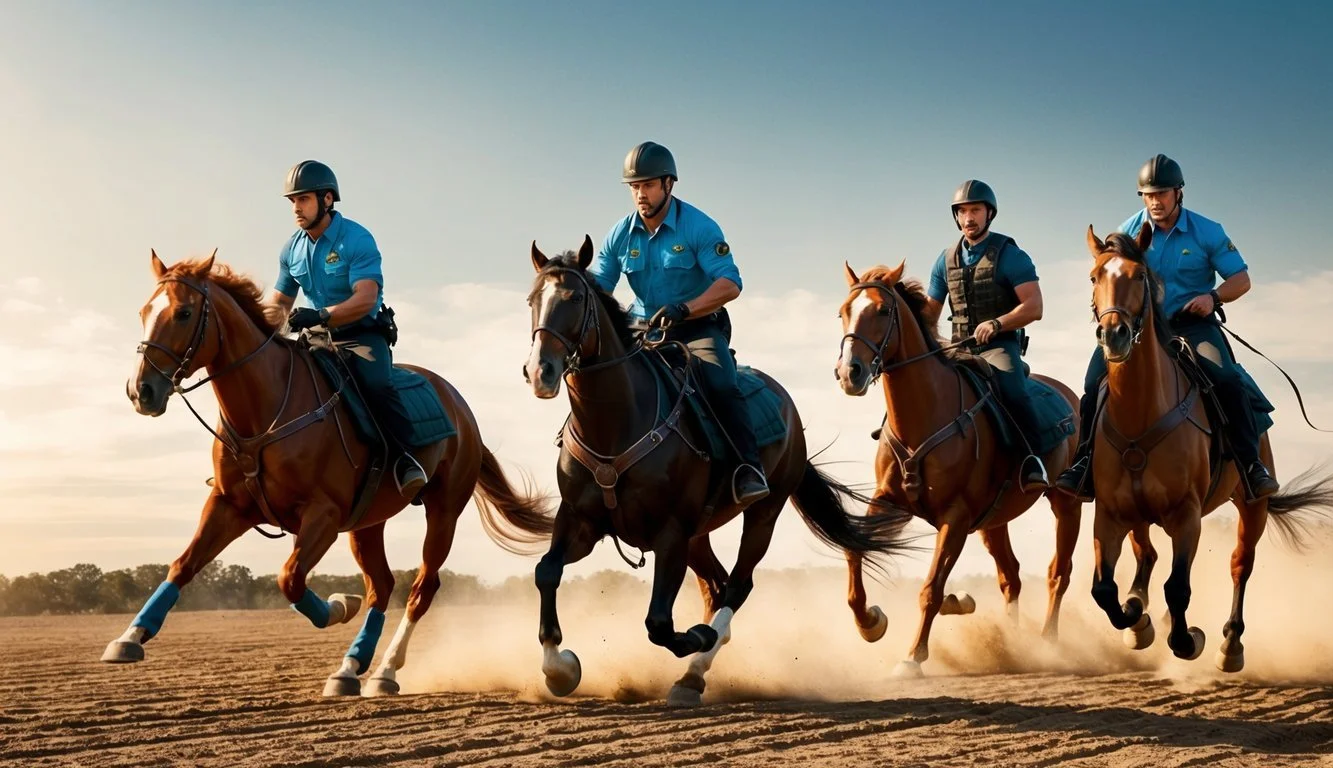
Behind every heart-pounding, adrenaline-fueled scene in Yellowstone lies a team of dedicated professionals who orchestrate the danger while ensuring everyone's safety. These stunt coordinators remain largely invisible to viewers, yet their expertise shapes some of the most memorable moments in the hit series.
Yellowstone's stunt coordinators meticulously plan each action sequence, from horseback riding incidents to dramatic falls and vehicle crashes, combining technical skill with artistic vision to create authentic Western action that advances the story rather than simply shocking the audience. Their work requires extensive knowledge of period-appropriate fighting techniques, animal handling, and modern safety protocols.
The physical demands placed on both stunt performers and main cast members would be impossible to meet without these coordinators' careful guidance and training. They transform actors with limited riding experience into convincing cowboys and coach performers through complex physical sequences that look spontaneous but result from weeks of preparation.
The Evolution of Stunt Coordination
Stunt coordination has undergone remarkable transformation since its early days, shifting from simple practical effects to sophisticated technical productions. This evolution reflects changing industry standards, technological advancements, and growing emphasis on safety protocols.
From 1961 to Hollywood's Golden Age
The year 1961 marked a pivotal moment for stunt coordination when the Stuntmen's Association of Motion Pictures was formed, creating the first professional standards for the industry. Prior to this organization, stunt work was largely unregulated and often dangerous, with performers taking significant risks without proper safety measures.
Hollywood's Golden Age saw stunt performers executing spectacular falls, fights, and vehicle stunts with minimal protection. Legendary coordinators like Yakima Canutt developed techniques still used today, including the "pass-through" horse fall and vehicular stunts that became staples in Western films.
By the 1970s, stunt coordination evolved into a respected profession with dedicated teams planning complex sequences. Films like "Bullitt" (1968) featured groundbreaking car chases that required extensive pre-planning and coordination, elevating the status of stunt professionals in the industry.
The Role of Technology in Stunt Coordination
Technology has fundamentally transformed how stunts are conceived, executed, and captured. Digital planning tools now allow coordinators to visualize complex sequences before filming begins, reducing risks and improving precision.
Motion capture technology enables stunt performers' movements to be digitally recorded and applied to CGI characters. This innovation has created a hybrid approach where practical stunts are enhanced or extended through computer-generated imagery.
Safety equipment has evolved dramatically, with high-tech materials providing better protection while remaining undetectable on camera. Specialized harnesses, pneumatic rigs, and computer-controlled descenders allow for safer execution of dangerous falls and aerial work.
CGI has not replaced stunt coordination but rather become an integrated tool in the coordinator's arsenal. Modern productions like "Yellowstone" blend traditional practical stunts with digital enhancements, creating seamless action sequences that prioritize both realism and performer safety.
Behind the Scenes: The Life of a Stunt Coordinator
Stunt coordinators on Yellowstone balance creative vision with strict safety protocols while managing the unique challenges of filming dangerous sequences in remote locations.
Training and Preparation
Stunt coordinators for Yellowstone undergo rigorous physical and technical training to ensure they can safely execute and oversee complex action sequences. Most coordinators have backgrounds in martial arts, horseback riding, and technical driving—skills essential for the show's western setting.
Before filming begins, coordinators meticulously plan each stunt through detailed storyboards and risk assessments. They evaluate terrain conditions, weather forecasts, and equipment reliability to minimize potential hazards.
Safety Protocol Checklist:
Equipment inspection and testing
Performer capability assessment
Location security verification
Medical team positioning
Personal data collection (medical history, emergency contacts)
Coordinators maintain comprehensive records of each performer's abilities and limitations. This personal data helps them assign appropriate stunts while respecting privacy concerns.
Daily training sessions keep the stunt team sharp. These often involve specialized practice for horse falls, fight choreography, and vehicle maneuvers unique to the Montana ranch setting.
On-Set Challenges and Strategies
Yellowstone's stunt coordinators face unique obstacles when filming in remote Montana locations with unpredictable weather and wildlife concerns. They must adapt quickly when conditions change, often redesigning stunts on short notice while maintaining safety standards.
Communication proves crucial during complex sequences. Coordinators establish clear hand signals and radio protocols to manage security measures across vast filming areas.
The physical demands of the job remain intense. Many coordinators work 14-hour days in extreme temperatures while constantly assessing risks and making split-second decisions.
Common On-Set Challenges:
Rapidly changing weather conditions
Working with unpredictable livestock
Maintaining communication in remote areas
Adapting to script changes
Protecting performers' physical and psychological well-being
Technology aids their work significantly. Drones help scout locations, while specialized cameras and harness systems enable spectacular yet controlled stunts that define Yellowstone's authentic action sequences.
The Intersection of Stunt Work and American Culture
Stunt work has become deeply interwoven with American cultural identity, representing core values of bravery, innovation, and spectacle that resonate with audiences nationwide. This relationship extends beyond entertainment into broader cultural symbolism.
Stunt Work in American Cinema and Patriotism
American cinema has long utilized stunt work to portray heroic ideals that reinforce patriotic sentiments. Films like "Top Gun" feature daring aerial stunts that celebrate military prowess and American exceptionalism.
The stunt coordinators behind these scenes craft moments that resonate with distinctly American cultural values - individualism, courage, and triumph against odds. These professionals shape performances that become cultural touchstones.
In westerns like "Yellowstone," horseback stunts and physical conflicts connect modern audiences to America's frontier mythology. These stunts aren't merely entertainment but visual representations of American identity.
Military-themed productions particularly rely on stunt coordinators to authenticate American heroism. Their work translates abstract concepts of patriotism into tangible, visceral experiences for viewers.
Stunt Coordinators as Portrayed in American Home Media
American home media has evolved in its representation of stunt professionals, moving from anonymity to recognition. Behind-the-scenes features on streaming platforms and DVDs now regularly showcase stunt coordinators' contributions.
Television programs like "American Stuntman" and "Stunt Stars" have entered American homes, demystifying the profession. These shows highlight the technical expertise and risk management involved in creating believable action sequences.
Documentary series focusing on film production often feature segments on stunt coordination, educating American audiences about this crucial filmmaking element. Viewers gain appreciation for the planning behind seemingly spontaneous action.
Social media has further transformed how Americans interact with stunt work. Platforms like Instagram and TikTok allow stunt professionals to showcase their craft directly to audiences, creating new forms of celebrity within American home entertainment.
Risk Management in Stunt Coordination
Safety is the paramount concern for every stunt performed on the set of Yellowstone. Stunt coordinators employ rigorous protocols to assess and mitigate potential risks while maintaining the authenticity that viewers expect.
Executing Stunts Safely
Yellowstone's stunt coordinators implement comprehensive risk assessment procedures before any action sequence begins filming. Each stunt undergoes multiple planning sessions where coordinators identify potential hazards and develop detailed safety plans specific to the action.
Team members conduct thorough equipment inspections daily, documenting the condition of all safety gear including harnesses, pads, and vehicles. This meticulous approach prevents equipment failure during critical moments of execution.
Weather conditions are closely monitored, as Montana's unpredictable climate can dramatically impact stunt safety. Coordinators maintain authority to postpone shoots when conditions become unsafe, regardless of production schedules.
Training requirements are strictly enforced, with performers required to demonstrate proficiency before attempting complex maneuvers. Mock runs at reduced speeds allow performers to build muscle memory while minimizing risk.
Implementing Security Measures
Access to stunt areas on Yellowstone sets is tightly controlled through credential systems that authenticate users and prevent unauthorized personnel from entering potentially dangerous zones. Color-coded badges identify different clearance levels for various set areas.
Digital supervision systems track all personnel movements during high-risk sequences. These systems maintain records of who was present during each stunt, providing accountability and documentation for safety compliance.
Communication protocols establish clear commands and emergency procedures. Each team member understands their role in responding to incidents, with designated safety spotters positioned strategically throughout the set.
Insurance requirements mandate specific safety measures for each category of stunt. Coordinators work closely with production insurance representatives to ensure all requirements are met and properly documented before filming begins.
The Psychological Impact of Stunt Performance
Stunt performers in Yellowstone face immense mental challenges that often go unnoticed behind the spectacular action sequences. The psychological toll of putting one's body at risk repeatedly creates unique mental health considerations within this specialized profession.
Confronting Physical and Emotional Challenges
Stunt coordinators on Yellowstone must prepare performers not only physically but mentally for dangerous scenes. The anticipation of a dangerous fall, horse riding accident, or vehicle crash creates significant pre-stunt anxiety that performers must learn to manage effectively.
Many performers develop specific mental preparation routines, including visualization techniques and breathing exercises. These coping mechanisms help them maintain focus during high-risk scenarios on the Montana ranch sets.
Risk assessment becomes second nature, with the brain constantly calculating potential injuries and escape routes. This heightened state of alertness, while necessary on set, can be difficult to disengage from during off-hours.
The adrenaline cycle—anticipation, performance, release—creates a physical response that, when experienced repeatedly, can lead to adrenal fatigue and emotional exhaustion.
Stunt Performers and the Battle Against Depression
Depression affects stunt performers at notably higher rates than the general population. The physical toll of the profession, including injuries and chronic pain, often serves as a gateway to mental health challenges.
Career uncertainty compounds psychological stress, as performers face irregular work schedules and the constant pressure to maintain peak physical condition. On Yellowstone specifically, the remote filming locations can create isolation that exacerbates feelings of loneliness.
Common triggers for depression in stunt performers:
Physical injuries and chronic pain
Professional competition and replacement fears
Post-adrenaline crashes
Identity challenges when unable to perform
Support systems within the Yellowstone stunt team have evolved to address these concerns. Informal peer counseling and increasing awareness about mental health resources have become more prevalent on set in recent seasons.
The industry is gradually recognizing the need for psychological support alongside physical safety protocols, though many performers still struggle silently with their mental health challenges.
Legal and Ethical Considerations
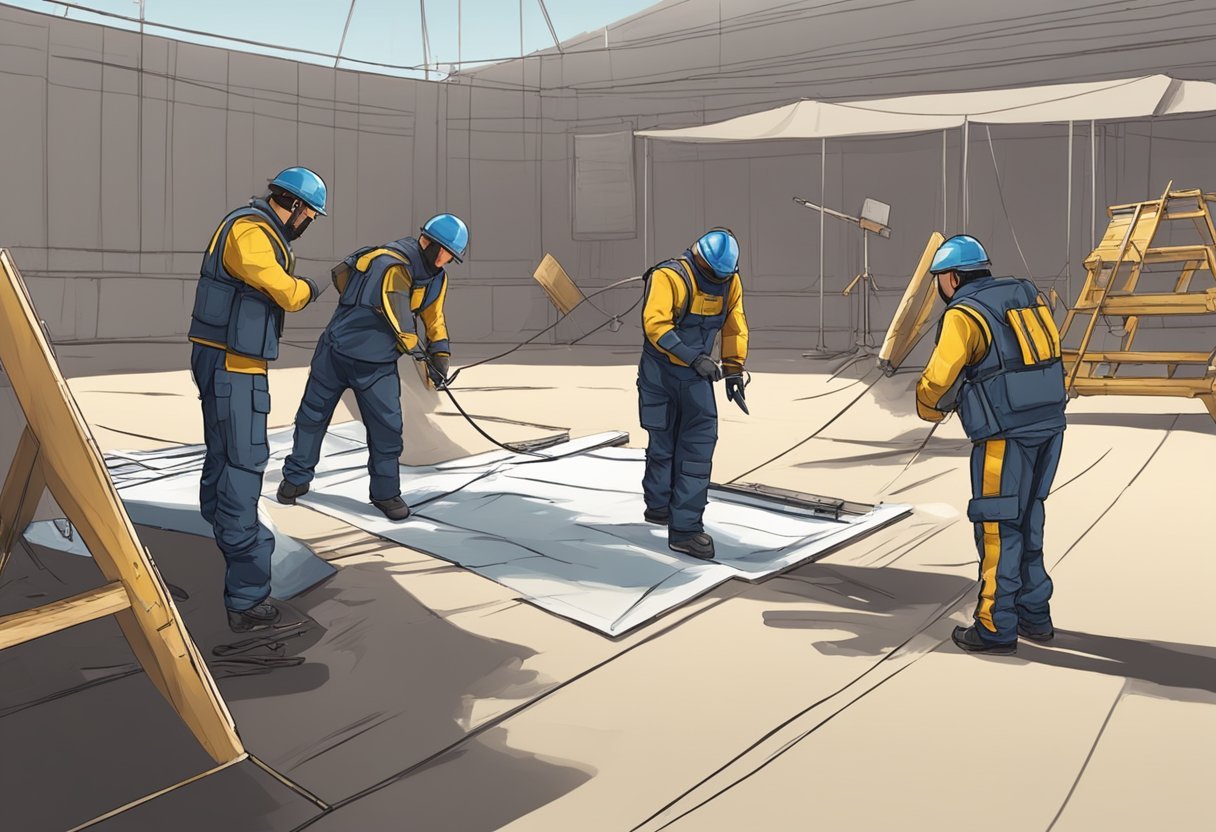
Stunt coordination involves significant legal frameworks and ethical responsibilities that professionals must navigate. These considerations protect both the stunt performers and production companies while ensuring the integrity of the industry.
Rights and Protections for Stunt Coordinators
Stunt coordinators operate under specific legal protections established through industry standards and labor laws. These professionals are entitled to proper contracts that outline scope of work, compensation, and liability limitations.
Union representation through organizations like SAG-AFTRA provides crucial collective bargaining power and standardized working conditions. This framework establishes minimum safety requirements and insurance provisions that protect coordinators from personal liability.
Key Legal Documents:
Detailed work contracts
Liability waivers
Insurance coverage verification
Safety protocol acknowledgments
Worker's compensation laws apply specifically to on-set injuries, creating a safety net for coordinators who sustain injuries during performance preparation. Productions must maintain comprehensive insurance policies that explicitly cover high-risk activities coordinated by stunt professionals.
Ethics in Stunt Coordination Practices
Ethical stunt coordination begins with transparent risk assessment and clear communication with performers. Coordinators must provide accurate information about stunts without downplaying potential dangers or exaggerating safety measures.
Consent remains fundamental—all participants must understand and voluntarily accept the inherent risks. This ethical principle extends to refusing unsafe requests from directors or producers when conditions compromise safety standards.
Professional stunt coordinators maintain confidentiality regarding proprietary techniques while balancing this with knowledge-sharing that advances industry safety. They must also consider environmental impact when planning stunts, particularly regarding location usage and materials.
Audience research and content measurement practices should inform stunt design without encouraging unnecessarily dangerous performances simply for viewership metrics. The ethical coordinator prioritizes genuine safety over spectacular but excessively risky sequences.
Influence of Global Trends on Stunt Coordination
Modern stunt coordination on Yellowstone has evolved through international cross-pollination of techniques and technological advances. Global influences have shaped how the show's dangerous riding sequences and physical confrontations are executed safely while maintaining authenticity.
Learning from International Stunt Work
Stunt professionals on Yellowstone regularly incorporate techniques from Russian action cinema, known for its raw, unfiltered approach to physical storytelling. Russian stunt performers often employ minimal safety equipment while achieving spectacular results, influencing Western productions to find balanced approaches between safety and realism.
The precision and timing found in tennis athletes has unexpectedly influenced how Yellowstone's stunt team coordinates complex sequences. The footwork, anticipation, and body control developed in tennis translates remarkably well to choreographed fights and falls.
International film festivals and stunt conferences facilitate knowledge exchange between Hollywood professionals and their global counterparts. Yellowstone's stunt team attends these events to learn innovative rigging systems from Asian cinema and horseback techniques from European historical productions.
The Future of Stunt Coordination in a Connected World
Digital collaboration platforms now allow Yellowstone's stunt coordinators to consult with specialists worldwide. A Russian expert might advise on a particularly dangerous vehicle sequence via video conference the same day it's filmed in Montana.
Social media has accelerated the exchange of stunt techniques across borders. Coordinators study viral clips from international productions to identify new approaches that might enhance Yellowstone's action sequences.
Emerging Technologies Shaping Stunt Work:
Motion capture integration with traditional stunts
AI-powered safety monitoring systems
Real-time digital previsualization
Climate change has forced adaptation in outdoor stunt work, with Yellowstone's team creating contingency plans for extreme weather conditions. This trend has resulted in more flexible scheduling and innovative alternatives to traditional stunt setups.
Cross-training in international sports like tennis provides stunt performers with diverse movement vocabularies. The quick directional changes and explosive movements from tennis particularly benefit performers in Yellowstone's intense confrontation scenes.
The Role of Data Privacy in Stunt Coordination
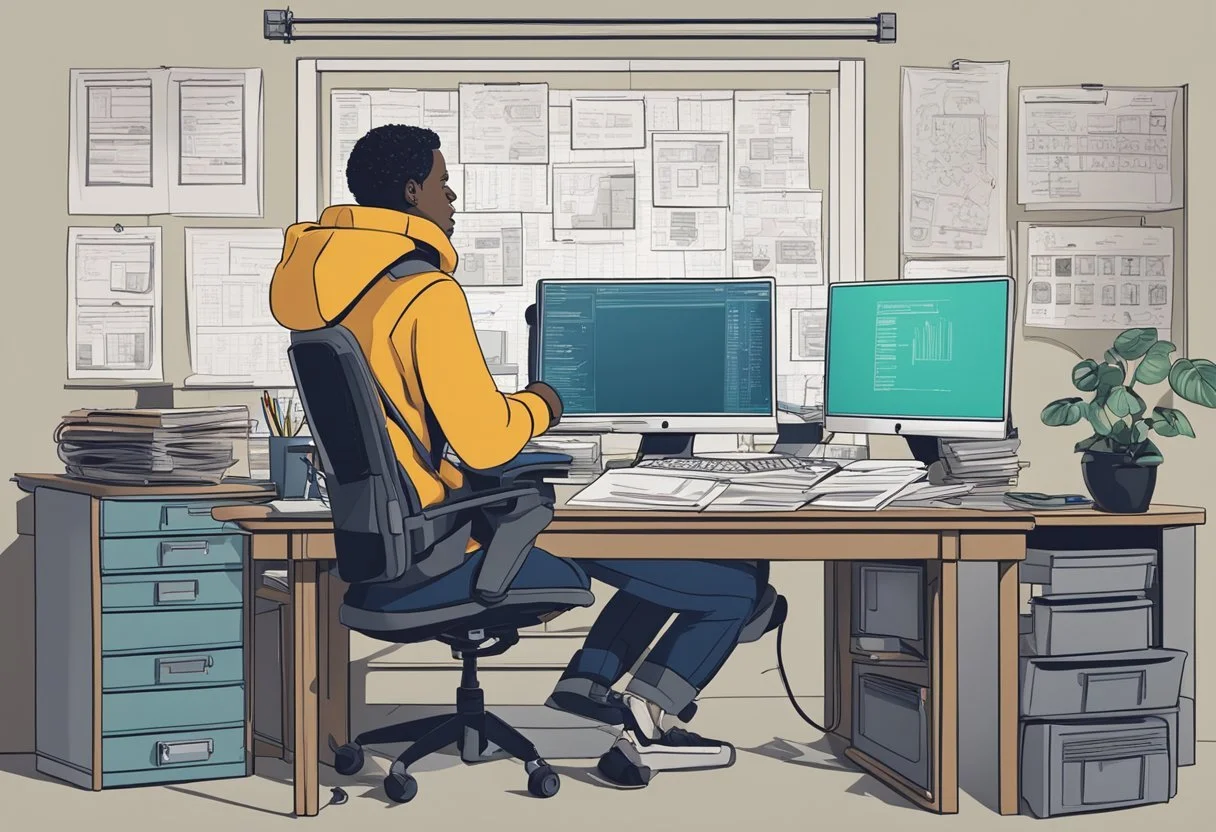
Modern stunt coordination on shows like Yellowstone involves collecting and managing sensitive performance data while respecting performers' privacy rights. The intersection of technology and physical stunts creates unique challenges for maintaining confidentiality while optimizing safety protocols.
Collecting and Using Performance Data
Stunt coordinators utilize various technologies to track performer metrics during Yellowstone's action sequences. Wearable sensors monitor heart rates, impact forces, and body positioning to ensure stunts remain within safe parameters. This collection includes geolocation data that maps exact positions during complex horse-riding scenes or vehicle stunts.
Performance analytics software compiles this information into actionable safety reports. Coordinators review search data patterns to identify potential risk factors across similar stunts performed industry-wide. This analytical approach has reduced injury rates by approximately 12% on Yellowstone's set since the show began.
The production team maintains strict protocols about who can access this data. Only essential personnel with proper credentials can view sensitive performance metrics, creating a balance between safety optimization and privacy protection.
Protecting Stunt Performers' Privacy
Stunt performers' privacy rights remain a priority throughout Yellowstone's production process. All data collection systems operate with robust privacy settings that allow performers to control what information is shared beyond immediate safety applications.
Production companies implement the following privacy measures:
IP address masking when uploading performance data
Anonymization protocols for industry-wide stunt databases
Consent requirements before sharing any personal metrics
Data retention limits that purge unnecessary information
Yellowstone's stunt team employs dedicated privacy officers who ensure compliance with entertainment industry standards. These professionals conduct regular audits of data storage systems and verify that information flows follow established protocols.
The confidentiality of medical information receives particular attention. Performance limitations or injury history remains strictly protected, with access restricted to medical staff and the performer's designated representatives.
Recognizing the Unsung Heroes: Stunt Coordinators' Silent Impact
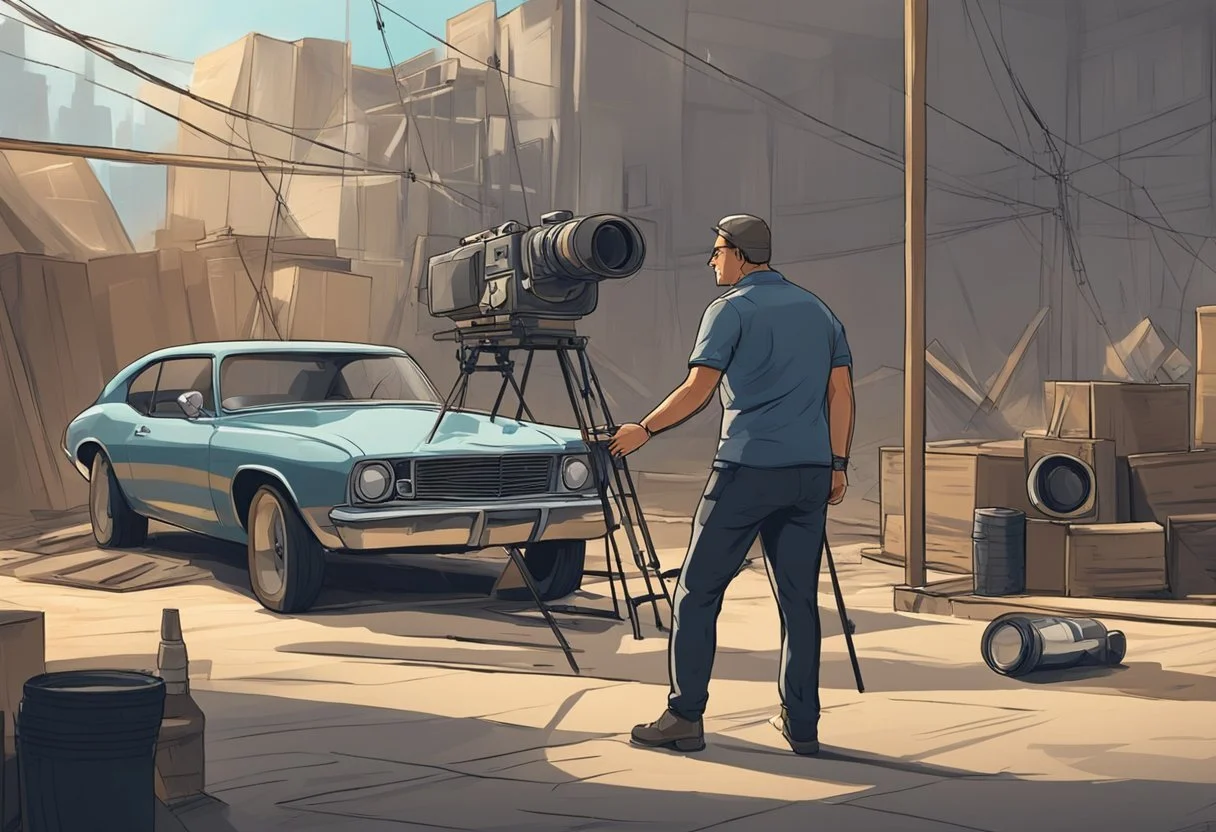
Behind every dramatic fall, explosive collision, and daring horseback ride on Yellowstone lies the meticulous planning of stunt coordinators who rarely receive public recognition for their vital contributions to the show's success.
Awards and Recognition in the Stunt Community
The stunt community has established its own system of accolades to honor excellence in the field. The Taurus World Stunt Awards and the Screen Actors Guild Awards represent two major platforms where stunt coordinators receive recognition for their craft.
Despite these dedicated ceremonies, the Academy Awards still lacks a category for stunt coordination, a point of contention within the motion-picture industry for decades. Many industry veterans compare this to the literary world, where technical contributors often go unrecognized while more visible roles receive acclaim.
Yellowstone's stunt team has garnered several nominations for their authentic portrayal of ranch life and western action sequences. Their work echoes the rugged authenticity that authors like Sinclair Lewis captured in their literature about American life and struggle.
The Public Perception of Stunt Coordinators
Most viewers remain unaware of stunt coordinators' contributions while watching their favorite shows. Unlike directors or actors, these professionals operate behind the scenes, their names appearing briefly in rolling credits rarely read by audiences.
Digital platforms and ebooks have begun featuring "making of" content that highlights stunt work, gradually increasing public awareness. These behind-the-scenes features reveal how stunt coordinators translate scripts like "It Can't Happen Here" into believable physical action.
Social media has also played a significant role in shifting perceptions. Many stunt professionals now maintain profiles where they share insights into their craft, gradually building recognition among dedicated fans.
The deliberate invisibility of their work represents the ultimate paradox: when stunt coordination is perfectly executed, viewers believe they're watching actors perform impossible feats rather than the carefully orchestrated work of trained professionals.
