
The Brutal Loyalty Code of Rip Wheeler in Yellowstone Explained and Analyzed
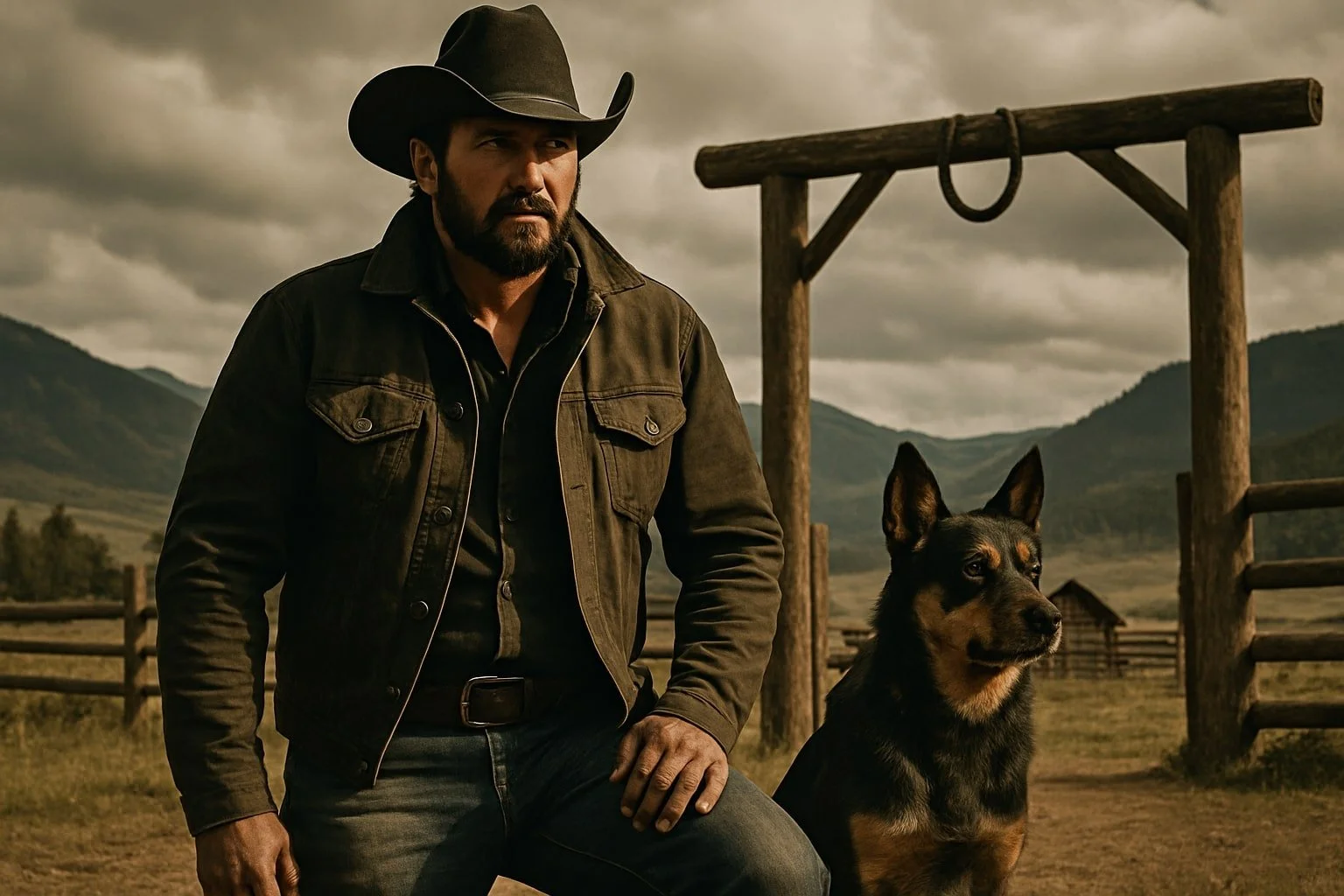
Rip Wheeler’s unwavering loyalty to the Dutton family stands as one of the defining traits of Yellowstone, shaping his actions and decisions throughout the series. He represents a code in which loyalty is paramount, often defended with startling brutality to protect the ranch and its legacy. The methods he employs are harsh, but consistently reveal the depth of his commitment.
His devotion is not just a personality quirk—it's a direct response to the harsh environment and constant threats facing the Yellowstone ranch. By exploring both his motivations and actions, one can understand how Rip’s loyalty creates both a sense of security and a climate of fear among those who cross him or the Duttons.
Understanding Rip Wheeler’s Loyalty Code
Rip Wheeler’s loyalty shapes his actions on Yellowstone, setting strict boundaries for his relationships and moral choices. His sense of duty, influenced by his harsh upbringing and the demands of ranch life, forms the backbone of his complex character.
What Loyalty Means to Rip Wheeler
For Rip Wheeler, loyalty is non-negotiable. He demonstrates unwavering commitment to the Dutton family, often placing their needs above his own. This loyalty is practical rather than sentimental—Rip defends the ranch, enforces the family’s will, and protects their secrets without hesitation.
Rip’s loyalty involves brute force at times. He does not hesitate to use violence or intimidation to uphold the Duttons’ interests. These acts are not driven by cruelty, but by a belief that loyalty sometimes demands ruthless choices.
His bonds are strongest with John Dutton, whom Rip sees as a father figure. This relationship solidifies his place within the family, compelling him to act as both protector and enforcer.
Origins of the Brutal Code
Rip’s loyalty code is shaped by a troubled past. Orphaned at a young age after a traumatic family event, he grew up without the stability most children enjoy. The Dutton ranch became his only source of belonging and structure.
John Dutton’s firm, uncompromising leadership exposed Rip to a world where survival meant following orders without question. On the ranch, trust had to be earned, and mistakes were costly.
His brutal approach was learned by necessity. Tasks requiring discretion and force taught Rip that loyalty sometimes means doing the unpleasant or unthinkable. This upbringing cultivated a personal code that leaves little room for mercy when the family’s safety is at stake.
Comparison to the Cowboy Code
The traditional cowboy code values honor, equality, and respect for others. It encourages toughness but also insists on fair treatment and integrity. Rip Wheeler’s code overlaps with these principles but diverges in critical ways.
Table: Cowboy Code vs. Rip Wheeler’s Code
Principle Cowboy Code Rip Wheeler’s Code Loyalty Earned, reciprocal Absolute, rarely questioned Use of Force Last resort Immediate, if required Mercy Valued Rarely shown Authority Distributed Centralized: Dutton family
He displays classic cowboy traits like hard work and resilience, yet his loyalty is more exclusive and relentless than the old ideals suggest. Rip’s code is less forgiving and prioritizes the Duttons above any wider sense of justice or community.
Rip Wheeler’s Role on the Dutton Ranch
Rip Wheeler is central to the Yellowstone Dutton Ranch's daily operation and security. His history with the Dutton family shapes both his influence as ranch foreman and his brutal approach as enforcer.
From Troubled Past to Ranch Foreman
Rip Wheeler arrived at the Yellowstone Dutton Ranch as a troubled youth, marked by deep trauma and violence in his early life. Adopted by John Dutton, Rip was given a new sense of purpose and belonging on the ranch.
His work ethic earned him trust. Over time, he was promoted to ranch foreman, responsible for organizing ranch hands and ensuring productivity on the vast landholdings.
Rip’s reputation comes from years of unwavering loyalty and a willingness to make hard choices. He has become both a father figure to the ranch crew and a right hand to John Dutton.
The trust he shares with the Duttons is rarely questioned. Even among the most seasoned ranch hands, Rip commands respect—and sometimes fear.
Responsibilities as Enforcer
Rip’s duties go far beyond cattle wrangling. As the ranch enforcer, he handles threats to the Dutton family’s survival—ranging from rival ranches to criminal elements.
His approach is direct. Tasks include removing dangerous outsiders, resolving conflicts, and sometimes covering up crimes to protect the ranch’s interests.
Rip is known for his readiness to use force, yet violence is reserved for threats against the family or ranch. He always prioritizes John Dutton’s orders and the ranch’s legacy.
He balances ruthless action with loyalty, reinforcing the message that betrayal or endangerment will never be tolerated on the Yellowstone Dutton Ranch. Ranch hands and enemies alike know that crossing Rip brings immediate, and often severe, consequences.
Devotion to the Dutton Family
Rip Wheeler’s loyalty to the Dutton family is rooted in personal history, deep bonds, and a sense of duty that goes beyond ordinary allegiance. His commitment shapes his interactions with John Dutton, Beth Dutton, and the extended family, reinforcing the ranch’s legacy.
Father-Son Relationship with John Dutton
Rip’s connection to John Dutton extends past the role of ranch foreman. Though not related by blood, Rip is treated almost as a son, trusted with both secrets and responsibilities that few others are privy to.
John Dutton’s mentorship gives Rip guidance and structure after a troubled childhood. This bond is evident in pivotal moments—Rip is consistently called upon during crises, and he responds without hesitation or question.
Trust between them is displayed in how John assigns Rip the most difficult tasks, including those that protect the ranch’s interests at great personal risk. Rip’s loyalty is displayed not only in action but also in his willingness to uphold the Dutton code, often placing the family first.
Loyalty Across Generations
Rip’s allegiance is not limited to John; it encompasses the entire Dutton family and spans generations. His relationship with Beth Dutton, both personal and professional, is built on mutual respect and shared understanding of the family’s trials.
He protects and assists Kayce Dutton as well, stepping in when the family’s legacy or safety is at stake. Rip’s adherence to the unspoken loyalty code ensures continuity on the ranch, supporting the family during transitions and internal conflicts.
Branded as part of the Yellowstone clan, Rip embodies a loyalty that binds him not just to individuals but to the ongoing legacy of the family and the land itself. This enduring connection underscores his role as both enforcer and protector of the Duttons’ way of life.
Rip and Beth: A Fierce Love Story
Rip Wheeler and Beth Dutton’s relationship is defined by uncompromising loyalty, emotional depth, and a willingness to risk everything for each other. Their love is shaped through hardship, confrontation, and moments of rare tenderness in the harsh world of Yellowstone Ranch.
Sacrifice and Vulnerability in Their Relationship
Beth and Rip’s love story developed through shared loss, survival, and the trials of the Dutton family legacy. Both faced trauma—Beth from childhood family loss and Rip from violence that forced him to grow up fast. This background cemented a mutual understanding built on honesty.
Rip’s loyalty to Beth goes beyond spoken promises. He protects her without hesitation, even when it means putting himself at risk. Beth, in turn, trusts Rip with her most vulnerable side, something she rarely shows to anyone else. Their intimacy is earned through blood, sweat, and sacrifice rather than grand declarations.
Conflicts are common, but never threaten their bond. Instead, each argument lays bare more of their insecurities and history, leading to stronger trust. This willingness to be vulnerable, while still unbreakably loyal, forms the core of their relationship.
Wedding and Its Significance
Rip and Beth’s wedding was unconventional and abrupt, reflecting their distinct personalities and priorities. There was no lavish ceremony or crowd, just an intimate moment that fit their straightforward approach to life. Their union was more about commitment than spectacle.
The ceremony held deep personal meaning. After years of tumult and sacrifice, marriage represented stability and acceptance for both. Rip’s decision to wear his work clothes symbolized his respect for authenticity over appearance.
Beth’s commitment was visible in her determination to be with Rip despite her own emotional scars. For both, the wedding marked a turning point—a formal acknowledgment of their fierce loyalty and willingness to continue facing adversity together.
Leadership and Justice on Yellowstone Ranch
Rip Wheeler shapes the day-to-day reality of life on the Yellowstone Dutton Ranch with his approach to command and discipline. His decisions balance harsh realities with an unwavering sense of duty to the Dutton family.
Leadership Style and Moral Ambiguity
Rip Wheeler leads with a direct, hands-on style that values results over appearances. He relies on a strong work ethic, clear expectations, and loyalty demanded through action—not just words.
His moral code is shaped by the unforgiving world of ranching. The difference between right and wrong often gets blurred by pressing survival needs and fierce competition for land. Choices are made quickly, sometimes at the expense of outside definitions of justice.
Cowboys and workers see Rip as both protector and enforcer. His loyalty to John Dutton shapes his actions, but his justice is sometimes guided more by loyalty than by law. This creates a constant tension between internal values and external moral expectations.
Maintaining Order Through Violence
Order on the Yellowstone Ranch is enforced through visible strength. Rip turns to violence as a last, but sometimes necessary, resort. His willingness to use force is not celebrated—it is depicted as essential for survival in the volatile Montana landscape.
Key moments in the series show Rip personally handling threats, both internal and external, using methods that are direct and sometimes brutal. He acts quickly in the face of betrayal, cattle theft, or outside pressure threatening the ranch’s stability.
This use of force establishes a clear boundary: loyalty is rewarded, but betrayal is met without hesitation. Rip’s leadership relies on his readiness to act decisively, proving that justice, on the ranch, is often delivered through swift action rather than due process.
The Brotherhood: Loyalty Among Ranch Hands
On the Yellowstone Dutton Ranch, trust must be earned and kept. The code that holds the bunkhouse together is shaped by acts of protection and tough lessons meant to prepare every ranch hand for the harsh realities of ranch life.
Protector and Mentor
Rip Wheeler stands as both protector and mentor to the ranch hands. He enforces a code that revolves around loyalty, discipline, and respect for the Dutton family.
When conflicts break out, Rip steps in, setting clear boundaries. For example, fights among hands are only settled when facing Rip himself, underscoring his authority and the standards expected. Disloyalty or weakness is not tolerated; those who refuse to pull their weight, like Fred, are let go on the spot.
Rip's guidance goes beyond just keeping order. He teaches younger hands, such as Jimmy, by example—showing the daily commitment required for horseback riding, cattle work, and survival on the ranch. His actions make it clear that loyalty is the foundation of both the bunkhouse and personal progress.
Lessons in Strength and Survival
Ranch life at Yellowstone is demanding, both physically and mentally. Rip’s approach is direct: only the strong and committed endure.
He instills resilience in the crew by setting high expectations and delivering consequences when those standards are not met. Jimmy's journey from insecurity to competence highlights Rip’s method—hard lessons, but with a purpose. The ranch hands learn that survival depends on strength, skill, and the ability to trust each other, especially during emergencies out in the fields or on horseback.
The brotherhood thrives in this atmosphere, as every member knows they are tested daily. Through Rip’s unwavering presence, ranch hands internalize that their survival and success rely not just on skill, but on their loyalty to the code and each other.
Key Moments Defining Rip Wheeler’s Code
Rip Wheeler’s loyalty on Yellowstone is built on decisive actions, blunt honesty, and an unwavering willingness to protect the Duttons by any means. His personal sacrifices and hard moral choices outline the practical realities of his code.
Iconic Actions and Sacrifices
Rip’s commitment to the Dutton family often means putting himself directly in harm’s way. From fiercely defending the ranch during attacks to rescuing members of the family, he routinely places the needs of others above his own safety.
A significant example is his confrontation with armed attackers in Season 3, risking his life to defend innocent ranch hands and Dutton family members. Rip’s sacrifices extend beyond physical danger; he also gave up a chance at a typical family life to remain loyal to John Dutton.
His role as enforcer forces Rip to make decisions that test his morality. Despite his tough exterior, his actions often reveal an emotional core rooted in protecting those he views as family, no matter the cost.
Memorable Quotes
Rip’s words are as direct as his actions. One of his most remembered lines, “I look at every day with you as a gift,” illuminates his emotional side, contrasting sharply with his hardened persona.
He frequently uses brief, impactful language to communicate loyalty:
“For you, for this ranch. I’d do anything.”
“Work doesn’t need to love you back, it just needs to pay you.”
These quotes capture his devotion to both the ranch and its people. The way Rip speaks, without pretense or flowery language, adds weight to his loyalty code. His honesty, whether in moments of threat or tenderness, grounds his presence as the emotional anchor of many storylines.
The Train Station
The phrase “train station” in Yellowstone has a grim meaning: it’s a euphemism for disposing of enemies. Rip is the primary executor of this policy, turning his loyalty into brutal action without hesitation.
One major instance occurs when he is tasked with taking Walker to the train station in Season 2. Rip's willingness to follow this dark directive reveals his acceptance of the most severe consequences of loyalty. He understands what is required and rarely questions orders that protect the Duttons.
By embodying this extreme, Rip defines the limits of fidelity and sacrifice. The train station represents not just violence, but the practical cost of unwavering loyalty in the Yellowstone world.
Rip Wheeler’s Legacy in Yellowstone
Rip Wheeler’s role as the ranch’s enforcer defines much of the Dutton family’s survival. His legacy is built on loyalty, violence, and an unwavering commitment to the Yellowstone Ranch and its patriarch, John Dutton.
Character Arc and Development
Rip Wheeler, played by Cole Hauser, evolves from a violent outsider to a trusted confidant and right-hand man of John Dutton. Initially, Rip is marked by a troubled past and loyalty won through harsh tests. He is branded with the Yellowstone symbol, signifying his permanent allegiance.
Throughout the series, Rip’s actions are shaped by his devotion to the Duttons rather than personal ambition. His rough exterior often hides moments of vulnerability, especially in his relationship with Beth Dutton. This duality helps establish a complex character who becomes vital not just for his physical strength but for his emotional reliability within the Yellowstone world.
Rip’s transformation is marked by gradual acceptance into the Dutton family, both as a worker and as family. His consistent code—protect the ranch at all costs—remains unchanged even as the stakes grow higher.
Influence on Yellowstone Ranch
Rip’s unwavering loyalty sets the standard for all ranch workers. The tradition of branding symbolizes a harsh code: loyalty is demanded and betrayal is punished. Rip enforces this culture through both example and action, making him a figure others follow or fear.
He often carries out John Dutton’s orders without question, handling situations that require decisive and sometimes violent responses. This willingness to do what others will not, including acts of violence, ensures order within the Yellowstone Ranch.
The way Rip manages daily operations, and his quiet but fierce defense of the ranch, builds a climate where loyalty and tough choices are central values. His leadership is respected even by those who might disagree with his methods, helping to preserve the ranch’s hard-earned legacy.
Lasting Impact on Dutton Legacy
Rip’s presence ensures that the Dutton family legacy endures through unpredictable threats. By committing his life to the ranch, he becomes an unofficial member of the family, often acting with more loyalty than blood relatives.
His influence extends to future generations, as he instills the code of loyalty and discipline in younger ranch hands. The protection and stability that Rip provides allow John Dutton to focus on broader challenges, knowing the ranch’s day-to-day security is in capable hands.
Rip’s actions leave a permanent mark on the Dutton legacy, blending personal sacrifice, physical strength, and absolute trust in his role. The traditions he upholds outlast individual members, becoming hallmarks of the Yellowstone Ranch’s history.
