
Why John Dutton's War for the Ranch Drives Yellowstone’s Entire Plot and Shapes Every Major Storyline

John Dutton’s relentless fight to protect the Yellowstone Dutton Ranch is the engine that powers every major plot point and conflict in Taylor Sheridan’s Paramount Network drama. As the family patriarch, Dutton, played by Kevin Costner, faces threats from powerful land developers, political enemies, and shifting alliances, all aimed at taking control of Montana's most coveted land. This ongoing battle defines not only the character of John Dutton, but also the fate and legacy of his entire family.
Yellowstone’s narrative revolves around the struggle to keep the ranch intact against outside interests and government interference. The series explores how the Duttons’ ties to the land influence their decisions, loyalties, and even their willingness to cross ethical boundaries. Every episode deepens the central question: how far will John Dutton go to defend the ranch and everything it represents?
John Dutton’s Motivation to Save the Ranch
John Dutton’s determination to preserve the Yellowstone ranch shapes both his decisions and the dynamics among his family. The struggle to save the land is rooted in generational promise, deep ties to Montana’s heritage, and the unique value of the property itself.
Legacy of the Dutton Family
The Dutton family has controlled the Yellowstone ranch for over six generations. John Dutton inherited the responsibility to protect the land through his father, with a promise to never let it fall into outside hands.
For John, selling or losing the ranch would mean breaking this family legacy. The sense of duty extends to his children, even though they often struggle with the burdens it brings.
Taylor Sheridan’s writing spotlights the pressure of legacy by showing how every major Dutton decision is tied back to the ranch’s survival. The ranch is not just property—it's a symbol of the Duttons’ identity and history.
Significance of the Yellowstone Land
The Yellowstone ranch is one of the largest contiguous tracts of land in Montana. Its vast pastures, rivers, and mountain views make it highly desirable to developers, investors, and neighboring Native tribes.
Key features of the ranch:
Feature Description Size Enormous, covers massive acreage Location Prime Montana territory Economic Value Worth hundreds of millions of dollars Natural Resources Water, grazing, wildlife
John Dutton recognizes the ranch’s immense market value but refuses to divide or sell pieces, even when pressured. Instead, he employs tactics like conservation easements to keep the land intact, knowing any loss would permanently alter both the landscape and his family’s standing.
Connection to Montana’s History
The Yellowstone ranch stands as a microcosm of Montana's history, marked by land battles, changing political tides, and the struggle between tradition and progress. John Dutton is aware of how the ranch’s past is woven into the broader story of the region.
Montana has long attracted interest from wealthy outsiders, government interests, and local communities. The ranch’s survival means preserving a significant chapter in Montana’s story, not just securing Dutton land.
Through John’s actions, Taylor Sheridan explores ongoing tensions between traditional ranchers and the forces reshaping the American West. The ranch is both a home and a historic landmark, making its protection more than a personal mission.
Conflict over Land and Power
Yellowstone’s plot centers on the struggle for control of land and authority throughout Paradise Valley. Forces ranging from corporate developers to Native American leaders and state officials challenge the Dutton family's grip on their sprawling ranch.
Economic and Political Threats
Large corporations like Market Equities seek to capitalize on Montana’s open spaces, often at the expense of ranching families. They try to acquire land to build resorts, subdivisions, and commercial properties.
John Dutton, as owner of the Yellowstone Ranch, resists these pressures using both legal and political means. His time as Governor of Montana adds another dimension, giving him leverage to influence zoning laws and state policies.
These pressures create a constant battle. The Duttons must balance financial hardships, mounting taxes, and political maneuvering to keep the ranch intact. Outside investors and politicians view the area as a lucrative opportunity, while the Duttons see it as their legacy.
Native American Tribes and Broken Rock Reservation
The Broken Rock Reservation, led by Thomas Rainwater, asserts ancestral claims over the Yellowstone Ranch and surrounding land. Rainwater seeks to reclaim this territory, emphasizing the historical injustices suffered by Native American tribes.
Tensions between John Dutton and Rainwater highlight the competing interests: the Dutton family’s legacy versus tribal sovereignty. The struggle includes court battles, negotiations, and sometimes uneasy alliances against outside threats like Market Equities.
Native leaders leverage political and legal resources to challenge the Duttons’ ownership. This dispute reflects deeper questions about rightful ownership and stewardship of the land. The reservation’s proximity keeps conflict close and constant.
Ranch Sale and Land Deal Dilemmas
Throughout the series, the possibility of selling parts or all of the Yellowstone Ranch becomes a recurring dilemma. Developers and speculators often offer sums that could solve the family’s immediate financial troubles but would sacrifice their heritage.
John Dutton’s refusal to sell is not just stubbornness. He fears that selling any land could trigger the ranch’s eventual collapse. Beth Dutton and other family members debate the ethics and practicality of selling, sometimes considering desperate deals.
These dilemmas drive a wedge between family members. The decision whether to sell is complicated by legal threats, loss of trust, and emotional attachment to the property. Each land deal raises the stakes.
Pipeline and Modernization Challenges
Proposals for pipelines and other infrastructure projects bring further complications. Corporate interests push for pipelines that run through Paradise Valley, promising economic benefits but risking environmental damage.
The Dutton family must decide between opposing modernization or seeking compromise. Pipelines threaten the ecological health of the land, directly impacting cattle, water sources, and wildlife around Yellowstone.
Local resistance is fierce. The debate pits economic growth against conservation, with John Dutton often siding with traditional ranching values. The controversy over pipelines underscores a larger struggle—the cost of progress for families determined to preserve their land.
Family Dynamics Fueling the War
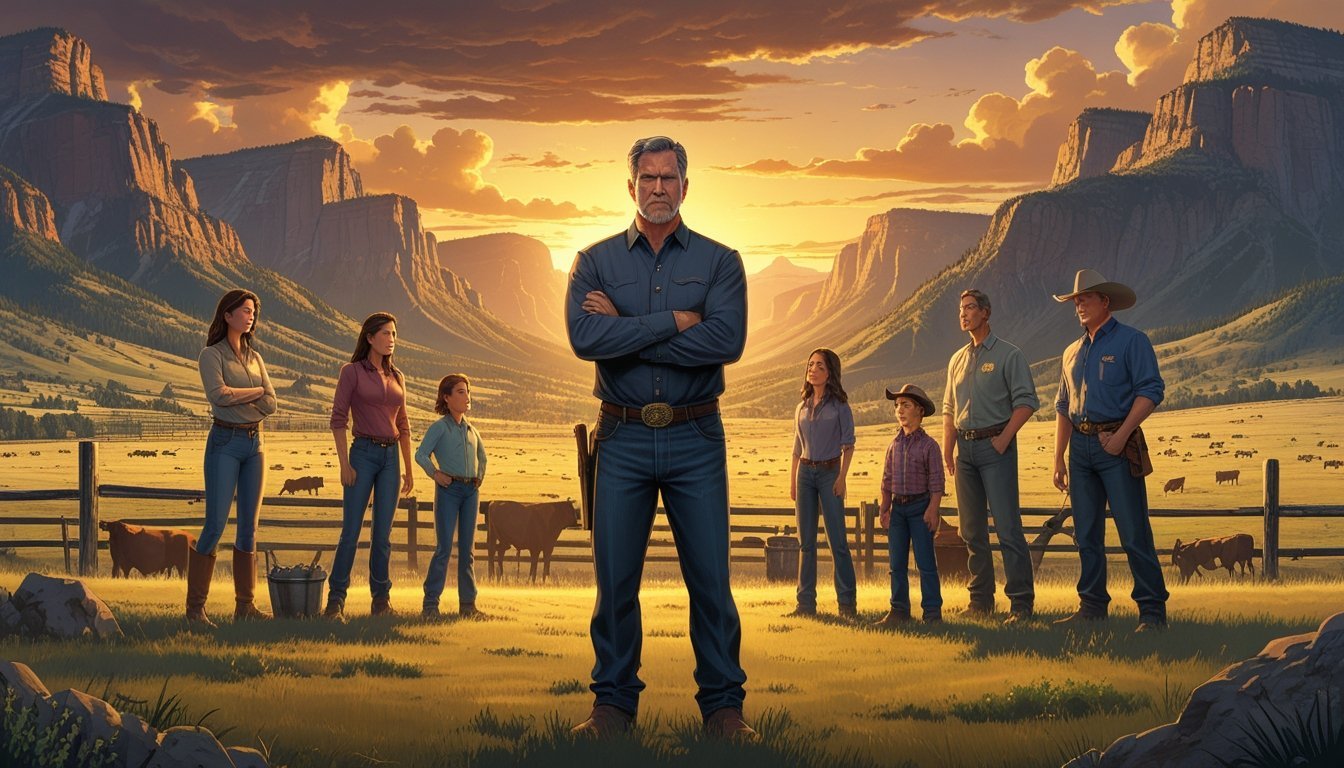
Tensions within the Dutton family—marked by fierce loyalty, deep-rooted rivalries, and recurring betrayals—drive much of the conflict over the Yellowstone ranch. The inner workings of these relationships shape every major decision and escalate the ongoing battle for control of their land.
Beth and John’s Unbreakable Bond
Beth Dutton’s relationship with her father, John, is at the heart of the ranch’s defense. Raised amidst trauma and loss, Beth’s loyalty to John is unwavering. She acts as his most trusted adviser, using aggressive tactics to protect the family legacy.
Beth’s willingness to cross moral lines sets her apart from her siblings. The emotional scars from her mother’s death deepen her devotion and shape her hostility toward outsiders—including threats from business rivals and internal family adversaries like Jamie.
Beth’s sharp wit and strategic mind make her indispensable. John’s trust in Beth empowers her to act ruthlessly, ensuring the Dutton name remains at the center of the war for Yellowstone.
Jamie Dutton’s Betrayals
Jamie Dutton’s complicated relationship with his family is defined by alienation and resentment. Adopted into the family but often treated as an outsider, Jamie struggles to find his place. His ambitions frequently clash with John’s vision.
Legal expertise makes Jamie valuable, but personal ambition leads him into repeated acts of betrayal. Notable moments include leaking secrets and siding with opponents, which threaten the family’s unity.
Tensions rise as Jamie seeks independence, even at the expense of the Dutton legacy. His complex bond with Beth—marked by manipulation and distrust—fuels some of the show’s most dramatic confrontations.
Kayce’s Struggles with Loyalty
Kayce Dutton is torn between his role as a son and his responsibilities to his wife Monica and their son Tate. His military background and sense of right and wrong often put him at odds with the family’s approach.
Kayce’s reluctant return to the ranch is driven by a desire to protect family, but he questions the cost. He faces pressure to defend the ranch while avoiding the dark methods that define John and Beth’s strategies.
The balancing act between loyalty to his father and his commitment to Monica and Tate highlights the moral complexity within the Dutton clan. Kayce’s internal conflict adds tension to the ongoing fight for the ranch.
Intergenerational Conflicts and Sibling Rivalry
The Dutton siblings—Beth, Jamie, and Kayce—navigate relationships fraught with jealousy, unspoken grievances, and clashes over parental approval. Their differing priorities and personalities create friction in both private and public battles.
Sibling rivalry is intensified by John’s clear favoritism and high expectations. Beth and Jamie’s hostile dynamic, in particular, leads to ongoing power struggles within the family. Kayce, caught in the middle, often finds himself acting as a reluctant mediator.
Generational trauma passed down from Evelyn Dutton’s death and John’s demanding leadership style shapes the way each child approaches the ranch’s defense. The result is a mix of fierce protectiveness and simmering conflict that fuels the Duttons’ war for their land.
Key Allies and Enemies in John Dutton’s War
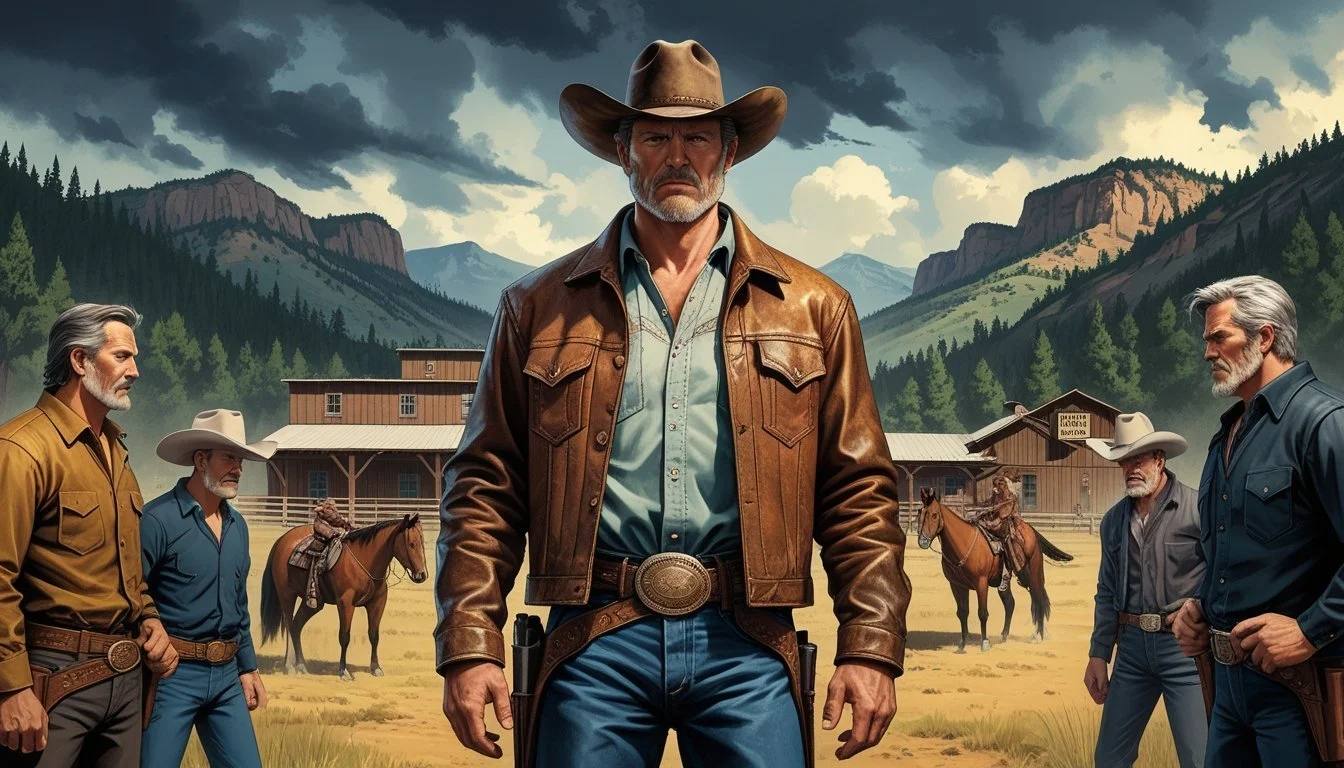
John Dutton’s control over Yellowstone Ranch depends on a complex web of relationships. Fierce loyalty from some and unyielding opposition from others shape every battle for the land.
Rip Wheeler’s Loyalty
Rip Wheeler stands as John Dutton’s most reliable enforcer and confidant. His loyalty is unwavering, often putting the ranch’s needs before his own interests or safety. Rip handles the toughest problems, from dealing with outside threats to disciplining those within their own ranks.
Rip’s relationship with Beth Dutton also ties him closely to the family’s core. He is frequently the first to confront corporate enemies or anyone threatening the ranch’s security, including sending adversaries to the infamous “train station”—code for permanent removal.
His authority over the bunkhouse and leadership among the ranch hands ensure that John’s orders are followed without question. This loyalty is both feared and respected by allies and enemies alike.
Ranch Hands and Cowboys
The ranch hands form the backbone of the Dutton operation. Key figures like Ryan, Colby, Teeter, and Carter take on dangerous and morally ambiguous tasks, showing commitment to John and the land. They live by a strict code and, once branded, become part of the Yellowstone family, a status that comes with unspoken expectations and risks.
Mo Brings Plenty plays a crucial role as an ally from the nearby Broken Rock Reservation, often working with John against shared threats. The bunkhouse crew’s willingness to do what’s necessary, legal or not, cements their status as John’s trusted force in ongoing conflicts with land developers and rival factions.
Their collective loyalty makes them more than workers—they are protectors of the Dutton legacy and key players in every confrontation.
Corporate and Political Opponents
John’s enemies are as persistent as his allies are loyal. Corporate rivals such as Dan Jenkins, Sarah Atwood, and developers represent continuous threats, using business deals, manipulation, and legal maneuvers to pry Yellowstone away from the Duttons.
Sarah Atwood, in particular, uses unconventional tactics and close relationships to infiltrate the Dutton inner circle. Political adversaries like Summer Higgins further complicate matters with protests, public pressure, and legal battles over land use and conservation.
These opponents exploit every legal, financial, and political avenue to weaken John’s hold on the ranch, forcing him to fight on multiple fronts, both in the open and behind closed doors.
Major Events That Shape the Ranch’s Fate
The fate of the Yellowstone Dutton Ranch hinges on a sequence of pivotal confrontations, personal losses, and irreversible decisions. These moments encapsulate shifting power, the complexities of honor, and the legacy of violence controlling the land’s future.
Season 5 Climax and Finale
In the season 5 finale, the main storyline revolves around Beth and Kayce Dutton’s choice to sell the Yellowstone Dutton Ranch. Their decision to transfer the land back to the Broken Rock Reservation is laden with historical significance. The sale price, $1.1 million, directly references the original value set when James Dutton acquired the land, symbolizing a return to origins.
John Dutton’s influence hangs heavily over these events. The ranch’s transfer fulfills promises from generations past and provides a poignant closure to the series’ primary conflict. The Duttons’ willingness to let go highlights the immense personal cost embodied throughout the show.
Life Is a Promise and Funeral Site
The finale features John Dutton’s funeral, filmed at the actual ranch site. This funeral symbolizes the ‘life is a promise’ motto, showing the cyclical nature of family duty and land stewardship. Beth delivers a firm declaration beside John’s casket, underscoring the profound impact this loss has not only on the family but also on the land itself.
The choice of the grave’s location on Yellowstone soil is deliberate, visually anchoring John’s legacy to the ranch. The funeral site becomes a focal point for the Duttons’ complex history, with grief and unfinished business framing the final moments.
Notable Deaths and Violence
Death and violence remain central to the ranch’s story. Throughout season 5, several confrontations underscore the price of holding power in Montana. Tactics have ranged from direct gunfights to more personal methods, such as using bear spray and rattlesnakes, as seen in past episodes.
Key character deaths shape the fate of the ranch, forcing the family to respond in kind. The atmosphere around the Duttons is consistently tense, with the violence often serving as a grim reminder of what it takes to protect their way of life. These events highlight the ongoing threat to both the land and those who claim it.
Prequel Series and the Dutton Legacy
The story of the Yellowstone Dutton Ranch and John Dutton’s struggle for it is built on generations of hardship, ambition, and loss. The prequel series deepen the viewer’s understanding of the family’s roots, major turning points, and lasting motivations.
1883: The Origins of the Dutton Family
1883 depicts James and Margaret Dutton leading their family from Texas to Montana in search of a better life. Their journey is harsh, marked by danger, tragedy, and the loss of loved ones. The hardships endured on the trail shape their resolve and plant the seeds for the Dutton legacy.
Elsa Dutton, the eldest daughter, serves as the emotional center of the series. Her experiences and fate profoundly impact her parents and set the tone for the family’s relationship to the land. The arrival in Montana marks the founding of the homestead that will become the Yellowstone Ranch.
Faith Hill and Tim McGraw portray Margaret and James Dutton, highlighting the personal sacrifices behind the family's establishment in Montana. The depiction of the Four Sixes in Texas also provides context for the Duttons’ early connections and alliances.
1923: Early Challenges
The series 1923 continues the Dutton story into a new century, focusing on the generation led by Jacob Dutton, played by Harrison Ford, and Cara Dutton, played by Helen Mirren. This period is defined by economic challenges, including Prohibition and the Great Depression, as well as conflicts with external forces threatening the ranch’s survival.
Jacob serves as the family patriarch, guiding them through legal battles and violence while trying to protect the legacy. Cara, as a strong matriarch, manages the household and supports the family’s efforts, reflecting the crucial role of women in the Dutton lineage.
Early efforts to secure land and livestock rights introduce further complications, with recurring threats from rival ranchers and businessmen. These challenges reinforce the importance of family loyalty and resilience in the face of adversity.
Impact of Prequels and Spin-Offs
Both 1883 and 1923 reshape how viewers interpret John Dutton's motivations in Yellowstone, showing that his actions are rooted in a long history of struggle. The prequels highlight themes of sacrifice, ambition, and family unity that remain central to the main series.
Spin-offs, such as those featuring the Four Sixes ranch and characters like Travis Wheatley, expand the universe and provide more depth to the Dutton narrative. These stories allow for exploration of additional settings and histories, giving fans a wider view of the interconnected ranching world.
The presence of notable actors like Tim McGraw, Faith Hill, Harrison Ford, and Helen Mirren elevates the portrayals of generational conflict and ambition, making the legacy of the Dutton family both believable and compelling. Prequel series continue to add context and detail, supporting the main storyline’s depth and complexity.
Yellowstone’s Place in Television and Popular Culture
Yellowstone’s success comes from a combination of strategic network support and a cast whose performances anchor its story. The series shapes how audiences think about modern Westerns, Montana, and family power struggles in the streaming era.
Role of Paramount Network and Paramount+
Paramount Network identified Yellowstone as a flagship drama and promoted it accordingly. The series premiered on the cable network in 2018, quickly drawing strong viewership numbers and renewing interest in the Western genre.
When Paramount+ entered the streaming market, Yellowstone helped establish the network’s place among major competitors, although streaming rights complexities delayed its arrival on the platform in some regions. Paramount’s investment extended to spin-offs like 1883 and 1923, using the Yellowstone brand to bolster the studio’s overall streaming and broadcast offerings.
The dual-platform strategy increased Yellowstone’s visibility. Viewers accessed episodes through both cable and digital means, a key factor in its broad reach among various demographics.
Influence of Cast and Characters
The cast’s impact is central to Yellowstone’s cultural footprint. Kevin Costner, as John Dutton, brings experience and gravitas, giving the character credibility and nuance rarely seen in television patriarchs. His leadership serves as the show’s emotional center.
Cole Hauser, as Rip Wheeler, and Kelly Reilly, as Beth Dutton, contribute significant depth and intensity through their portrayals. Their complex relationship and individual struggles are consistently highlighted by critics and fans.
Wes Bentley’s role as Jamie Dutton explores themes of legacy and conflict. The ensemble’s strong performances make the family drama compelling, helping viewers connect with the show even outside the Western genre’s usual fan base.
Tradition, Cowboy Code, and the Frontier Spirit
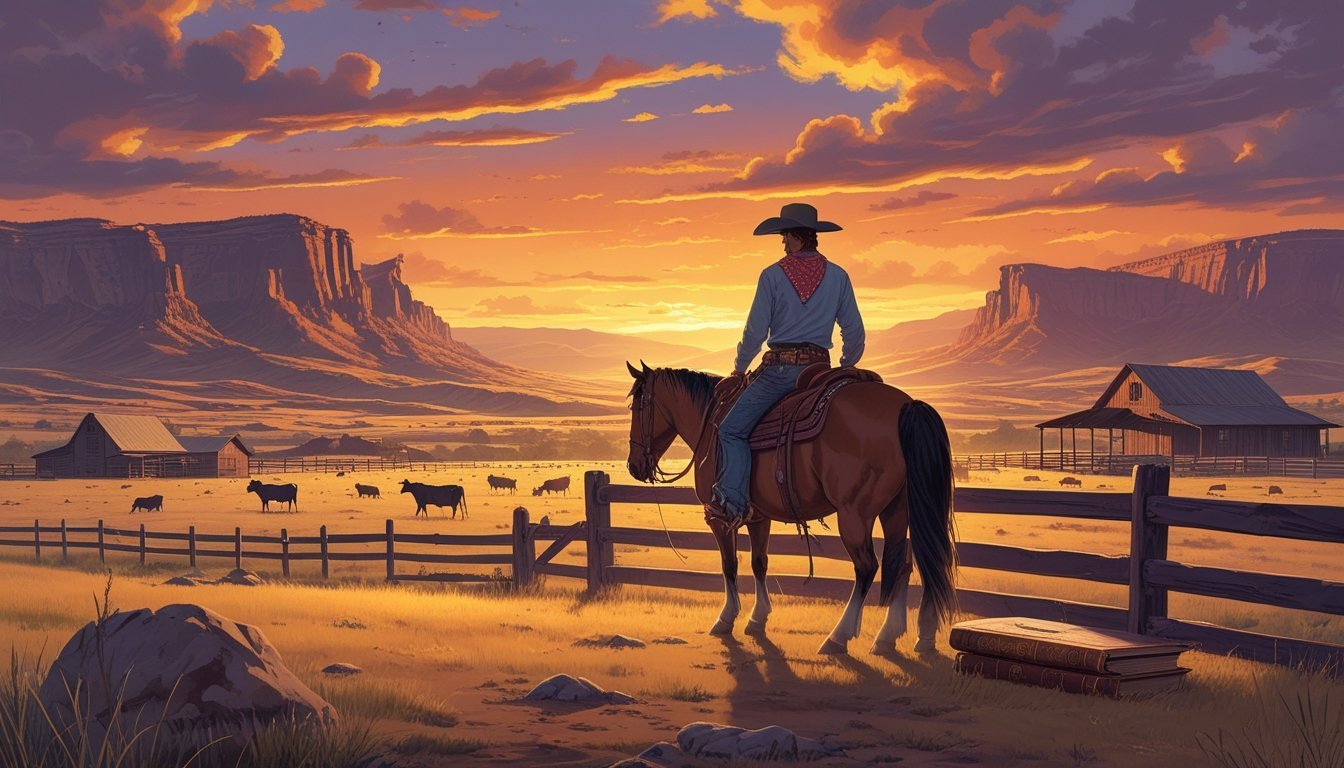
John Dutton’s fight to keep the Yellowstone Ranch is rooted in values that shaped his family for generations. This struggle is defined by respect for heritage, adherence to the cowboy code, and the daily realities of ranch life in modern Montana.
Preserving Ranch Traditions
The Dutton family’s approach to ranching is deeply influenced by tradition. Practices passed down for decades shape how they run East Camp and interact with the land. These methods prioritize stewardship, hard work, and generational responsibility.
Ranch life at Yellowstone is not only about riding and herding. It includes rituals, from branding cattle to annual roundups. The emphasis on legacy is clear in how John expects his children—and the cowboys who work the land—to respect established ways, even as outside pressures mount.
Central traditions on the ranch:
Inheritance of land and responsibility
Loyalty to family and crew
Honor in dealing with threats to ranch safety
John’s drive reflects his belief that breaking with these customs would mean losing the identity that sets Yellowstone apart.
Modern Cowboys in Yellowstone
Cowboys on the Yellowstone Ranch are not relics of the past; they embody a unique mix of old and new. The bunkhouse crew, including those based at East Camp, live by a set of rules rooted in the cowboy code—loyalty, bravery, and an unspoken oath to each other.
At the same time, these cowboys adapt to challenges like legal disputes, outside developers, and changing technology. John’s leadership blends respect for traditional cowboy traits with a readiness to use modern solutions.
The series highlights authentic cowboy culture as a living, evolving force. This balance ensures the ranch endures, even as Montana’s frontier spirit is tested by the pressures of twenty-first-century life.
