
The Bunkhouse Is Yellowstone’s Hidden Democracy
Exploring Power and Relationships Among the Ranch Workers
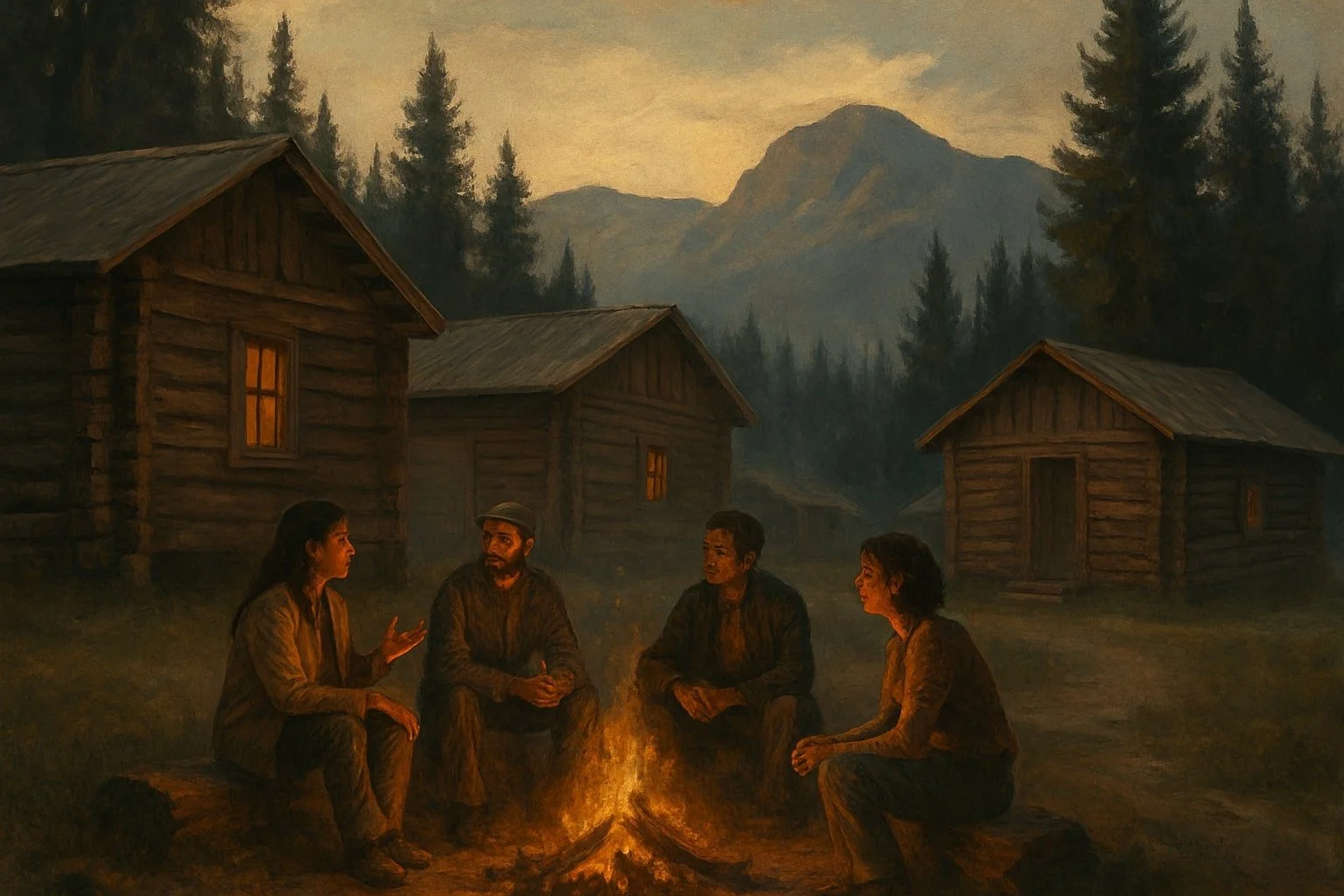
The bunkhouse on Yellowstone stands out not just as a living space, but as the true heart of the ranch’s democracy, where every voice among the ranch hands can be heard. Beneath the surface of cowboy banter and after-hours cards, the bunkhouse operates as a level playing field, balancing tough work, loyalty, and personal differences. In these close quarters, authority becomes less about rank and more about respect earned and relationships forged.
As the ranch hands gather, the bunkhouse becomes a stage for open debate and decision-making that often shapes the path forward for everyone on the ranch. Power struggles, shifting alliances, and group votes demonstrate a subtle but persistent system of shared governance unique within the world of Yellowstone. The bunkhouse reveals that, even on a land dominated by hierarchy, democracy survives among those who call it home.
Understanding The Bunkhouse’s Role In Yellowstone

The bunkhouse at Yellowstone Ranch is more than just a sleeping quarters. It serves as a core institution where work, social life, and informal governance all play out together.
Origins Of The Bunkhouse
The Yellowstone bunkhouse follows a long-standing tradition found on many American ranches, where groups of ranch hands share close living space out of necessity and practicality. In the show, it is depicted as a basic yet functional structure, designed to accommodate the everyday needs of cowboys who work grueling hours. The bunkhouse roots date back to the early days of Western ranch operations, when vast distances and difficult terrain meant cowboys needed to live near their work.
In Yellowstone, its creation also symbolizes the ranch’s commitment to maintaining a working community. This reflects the importance of group cohesion for both survival and efficiency. The shared environment allows for communication and peer support, but it also breeds conflict that must be handled internally.
Its Central Purpose Within The Park
The bunkhouse acts as the social and logistical heart for the Yellowstone ranch hands. It’s where meals are taken, stories are swapped, and issues are debated or settled—sometimes physically, as shown in memorable scenes like the fight between Lloyd and Walker. These shared moments build camaraderie but also establish an internal code of order.
Decisions affecting the group are often made informally in the bunkhouse, rather than through top-down commands from ranch management. This dynamic enables the cowboys to self-govern, airing grievances and making collective choices that affect daily life. As a result, the bunkhouse provides structure in an otherwise harsh and unpredictable world, giving the ranch hands a stake in their living and working conditions.
Key Differences From Other Accommodations
Compared to guest lodges or separate cabins seen in other shows and real Western ranches, Yellowstone’s bunkhouse stands out for its communal, working-class atmosphere. Where a Western lodge might offer isolation and privacy, the bunkhouse offers only what’s necessary—a bed, basic amenities, and the constant presence of coworkers. This design forces regular interaction, fostering group dynamics that are central to the show’s narrative.
Privacy: Minimal. Most sleeping areas are shared, with little personal space.
Accessibility: Only ranch hands live here, reinforcing a clear division from guests or higher-ranking staff.
Function: More than shelter, it serves as a forum for social life, conflict resolution, and group decision-making.
This environment creates accountability among the cowboys and highlights the democratic undertones that shape life at Yellowstone Ranch.
The Meaning Behind Yellowstone’s Hidden Democracy
The bunkhouse at the Dutton Ranch serves as more than a place to sleep—it operates as a social microcosm distinct from the power struggles outside its walls. Within its confines, rules, roles, and relationships develop that mirror certain democratic ideals often missing from the ranch’s broader hierarchy.
What Hidden Democracy Refers To
Hidden democracy on Yellowstone refers to the informal, yet consistent, ways bunkhouse life creates equal footing among the ranch hands. Unlike the strict command structure on the ranch, in the bunkhouse, status is earned mostly through mutual respect and camaraderie rather than rank or family ties.
Everyday decisions—what to eat, when to rest, or how to resolve conflicts—are influenced by group consensus, not by a single authority. Disagreements are often settled by open discussion or humor. Shared experiences, such as long hours and difficult tasks, build a sense of fairness and unity.
Residents of the bunkhouse routinely set aside individual differences to maintain harmony. This collective approach achieves balance, providing a space where all voices, regardless of background or tenure, are given room to be heard.
Social Dynamics Within The Bunkhouse
The social order of the bunkhouse differs sharply from the Dutton family’s world of land deals and politics. Inside, backgrounds vary—some workers are lifelong ranch hands, others are newcomers—but everyone shares chores, meals, and responsibilities equally.
Strong personalities sometimes challenge each other, yet informal rules develop over time that ensure everyone gets a say. Initiation rituals or inside jokes may reinforce group loyalty but rarely exclude new arrivals for long.
With no permanent leader, influence shifts depending on the situation. For example:
Cook: Decides dinner, but not chores.
Veteran cowhand: Guides tough tasks, but may defer to others on personal matters.
This rotating leadership reflects an unwritten, flexible system that values participation and contribution above titles. Differences are aired directly, and resolutions are usually quick and practical, reflecting a deeply pragmatic democracy found only within the bunkhouse walls.
Historical Evolution Of The Bunkhouse Community
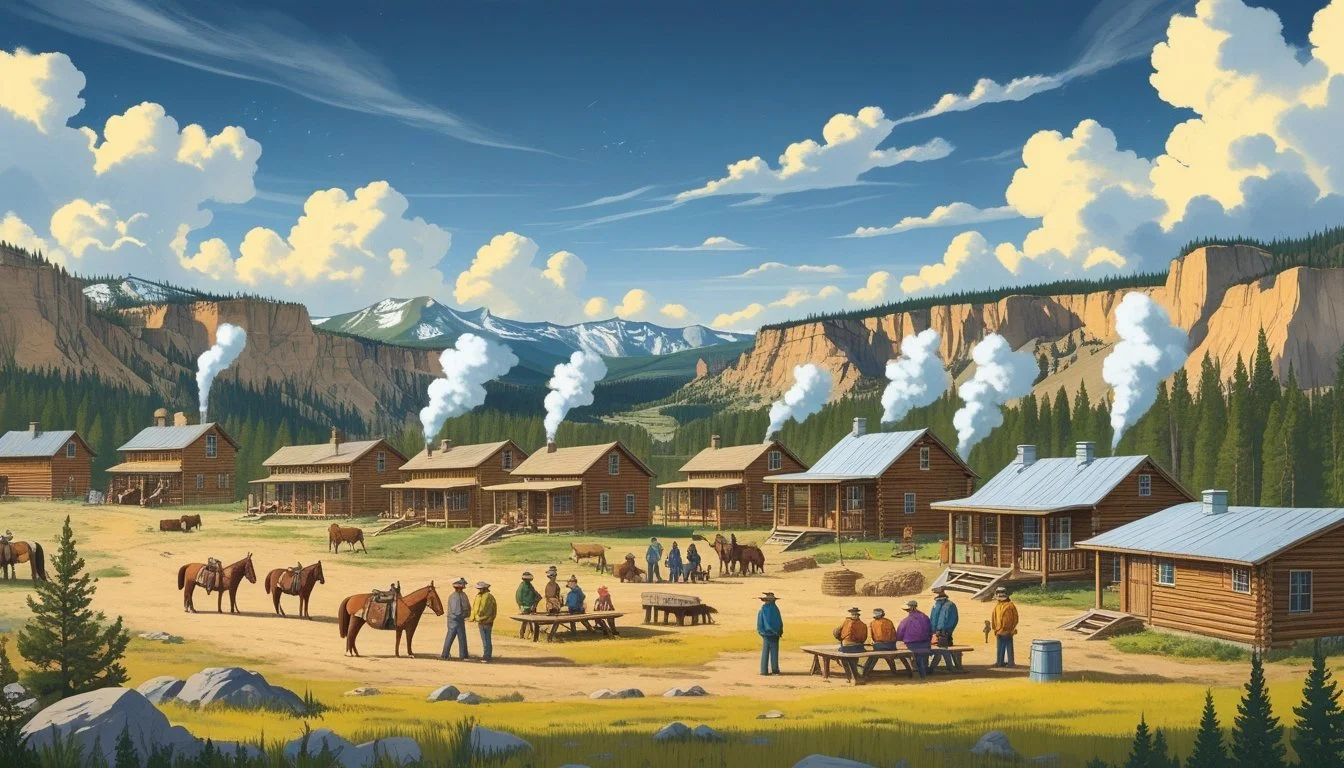
The bunkhouse has transformed from a simple necessity for ranch operations to a hub of social life and group identity. Its evolution reflects changes in rural work, social norms, and the dynamics of shared living arrangements.
Early Days Of Worker Lodging
In the late 19th and early 20th centuries, bunkhouses appeared as straightforward timber or log structures on ranches and large agricultural properties. Their purpose was clear: provide basic shelter for seasonal or permanent laborers who managed livestock and land far from urban centers.
Amenities were minimal, often just cots, a wood stove, and a communal table. Daily routines revolved around strict work schedules, with the bunkhouse offering rare moments of rest and camaraderie. Hierarchies were informal but clear, usually based on experience.
Sleeping, eating, and relaxing happened in the same shared space. Privacy was limited, with rules enforced both by custom and necessity. These early bunkhouses established the framework for communal responsibility and mutual dependence among workers.
Cultural Shifts Over The Decades
As ranch work and rural economies modernized, the culture inside bunkhouses began to shift. Technological advancements—such as electricity and indoor plumbing—improved comfort but also changed daily life and interactions. Radios and, later, televisions created new ways for workers to connect and unwind together.
Gender dynamics have also changed. While early bunkhouses were exclusively male, more recent decades have seen increased diversity among ranch hands. This has gradually shaped more inclusive rules and social customs inside these communal spaces.
Bunkhouses today often serve as gathering places where issues are debated, alliances form, and conflicts resolve. The spirit of open discussion and shared decision-making reflects a micro-democracy, mirroring broader societal changes on and off the ranch.
Governance And Self-Management In The Bunkhouse
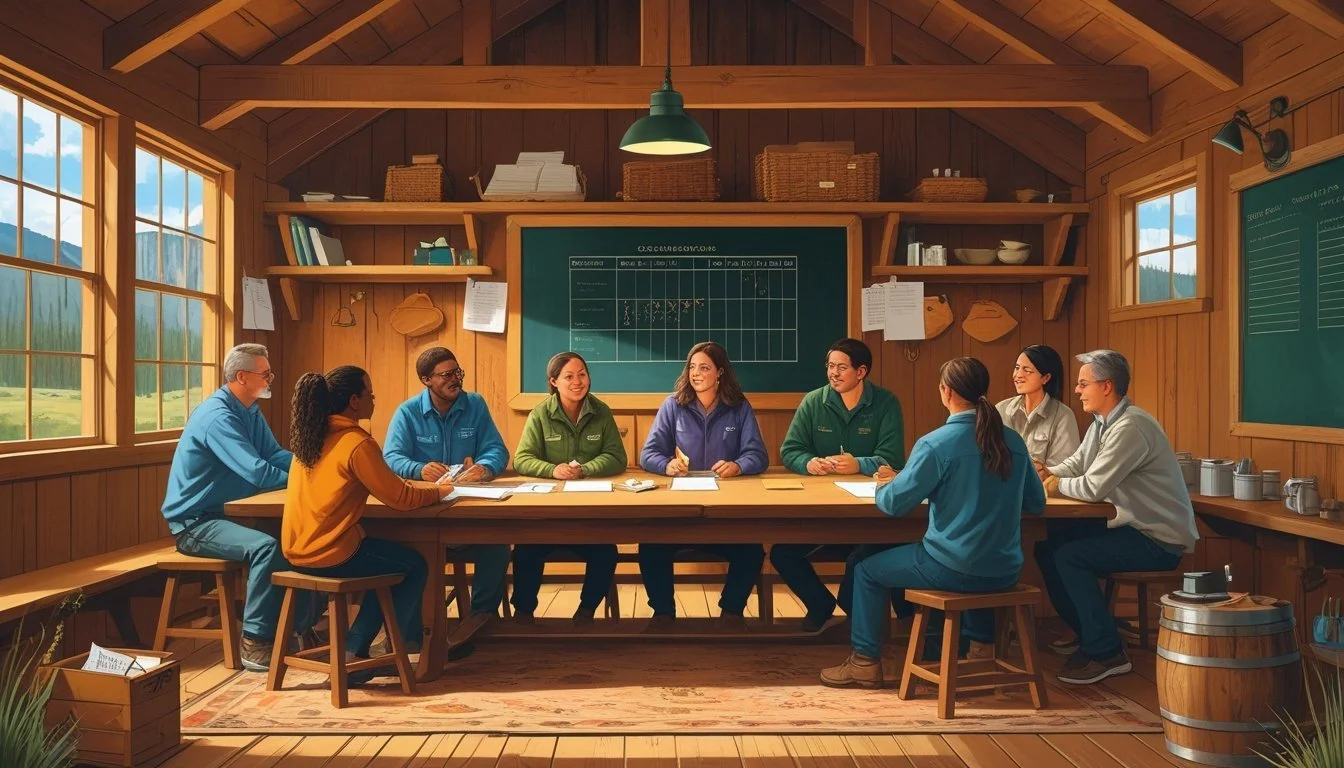
Life in Yellowstone's bunkhouse is shaped by informal rules, group decisions, and a culture of accountability. The ranch hands create their own structure for handling daily affairs, sharing duties, and settling disputes without constant outside oversight.
Decision-Making Processes
Bunkhouse governance is built on collective input and informal leadership. While Rip Wheeler often acts as an authority figure, many decisions happen through group discussions. Issues like chore assignments or who runs errands are typically settled by consensus.
Major choices—such as responding to threats or handling outsiders—are debated openly. Everyone is given a chance to weigh in, but practical experience and tenure carry extra influence. Although there's no formal voting process, preferences are often voiced by show of hands or verbal agreement.
This flexible approach helps the bunkhouse adapt quickly. Newcomers learn the pecking order by observing these moments and gauging whose opinions matter most.
Shared Responsibilities Among Residents
Work in the bunkhouse is highly collaborative. Tasks such as cleaning, cooking, and tending to livestock are distributed among all residents. A chore rotation is loosely enforced, with assignments based on skillset or willingness rather than fixed schedules.
Common responsibilities include:
Sweeping and cleaning communal areas
Preparing group meals
Mending clothes and gear
Feeding and caring for horses
When someone falls behind on duties, peer pressure or friendly reminders keep things on track. The expectation is that everyone pulls their own weight. Division of labor evolves as new challenges arise or when someone new joins the group.
Resolving Conflicts And Reaching Consensus
Disputes in the bunkhouse are handled directly. Arguments may be settled with verbal confrontations or, in extreme cases, physical altercations. However, clear rules—such as “no fighting Lloyd,” as referenced in the series—establish boundaries that preserve group order.
Most disagreements are worked out in open conversation around the table. Residents air grievances, seek explanations, or apologize as needed. When tensions escalate, a senior hand or trusted figure like Rip steps in to mediate.
By prioritizing face-to-face communication and honesty, the bunkhouse usually prevents lingering resentments. The goal is quick resolution to ensure everyone can continue working together effectively.
The Bunkhouse As A Microcosm Of Equality
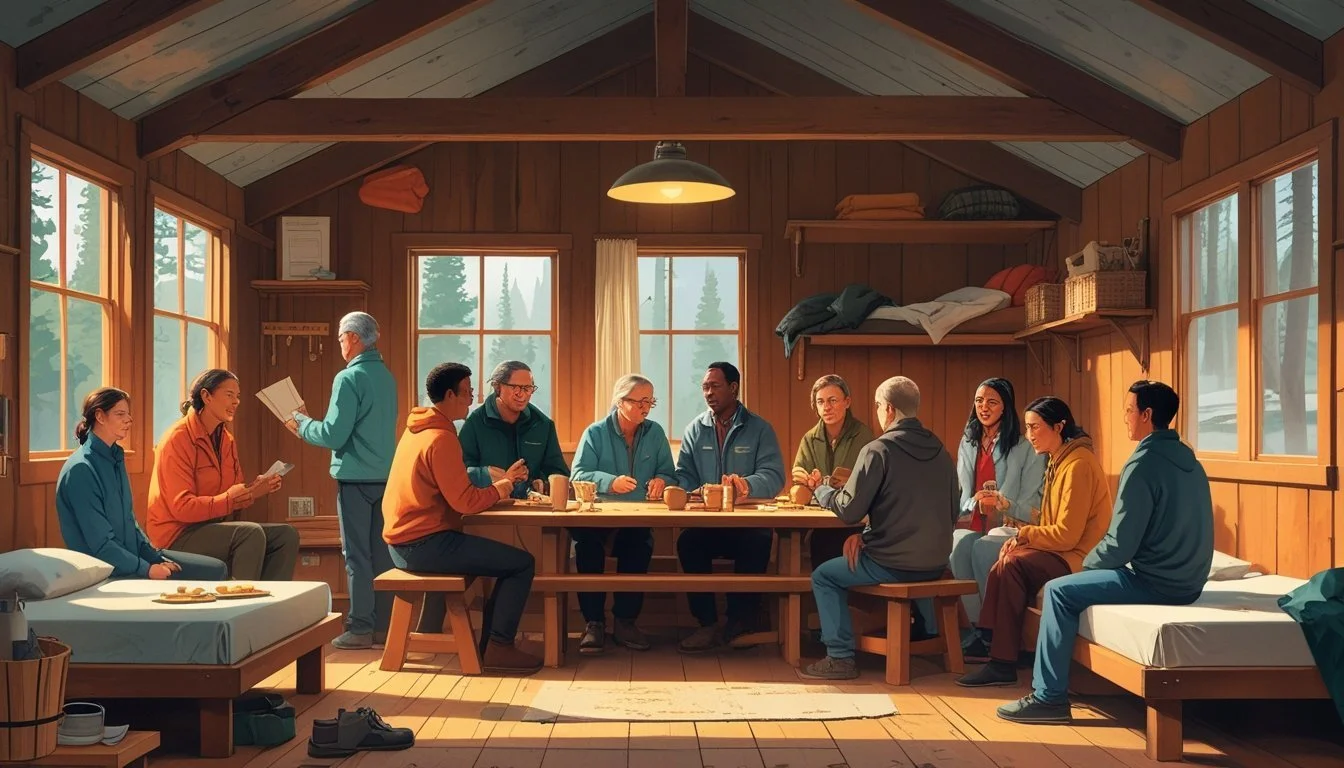
Daily life in Yellowstone’s bunkhouse reflects a unique structure where social standing is shaped more by actions and character than background. Despite differences, the bunkhouse team forms bonds that rise above outside hierarchies.
Mix Of Roles And Backgrounds
The bunkhouse gathers ranch hands from diverse regions, ethnicities, and walks of life. Some members have deep roots in ranching, while others arrive with little experience. This variety encourages mutual learning and respect, producing practical skills and adaptability.
Routines such as shared meals and communal spaces eliminate many traditional distinctions. Tasks are distributed based on ability and fairness rather than status. As a result, the bunkhouse functions as a level playing field, where everyone’s effort is visible and valued.
Disagreements arise, but they are frequently resolved through dialogue or group consensus. The lack of formal rank inside these quarters highlights the members’ shared purpose over individual titles.
Fostering Inclusivity Among Staff
Inclusivity in the bunkhouse is maintained through daily interactions and group traditions. Regular storytelling, poker games, and after-work gatherings help break down barriers. Seasoned workers support newcomers, and mistakes are often treated as learning opportunities.
Conflict is generally handled directly, reducing the space for grudges or exclusion. While Yellowstone’s broader culture includes sharp divides between the powerful and laborers, the bunkhouse serves as a rare setting where trust is built on reliability and openness.
Staff are encouraged to express themselves and offer input, reflecting how grassroots democracy can thrive even within a strict workplace. Small customs—like shared chores or rotating responsibilities—ensure everyone has a stake in the group's success.
Daily Life And Traditions
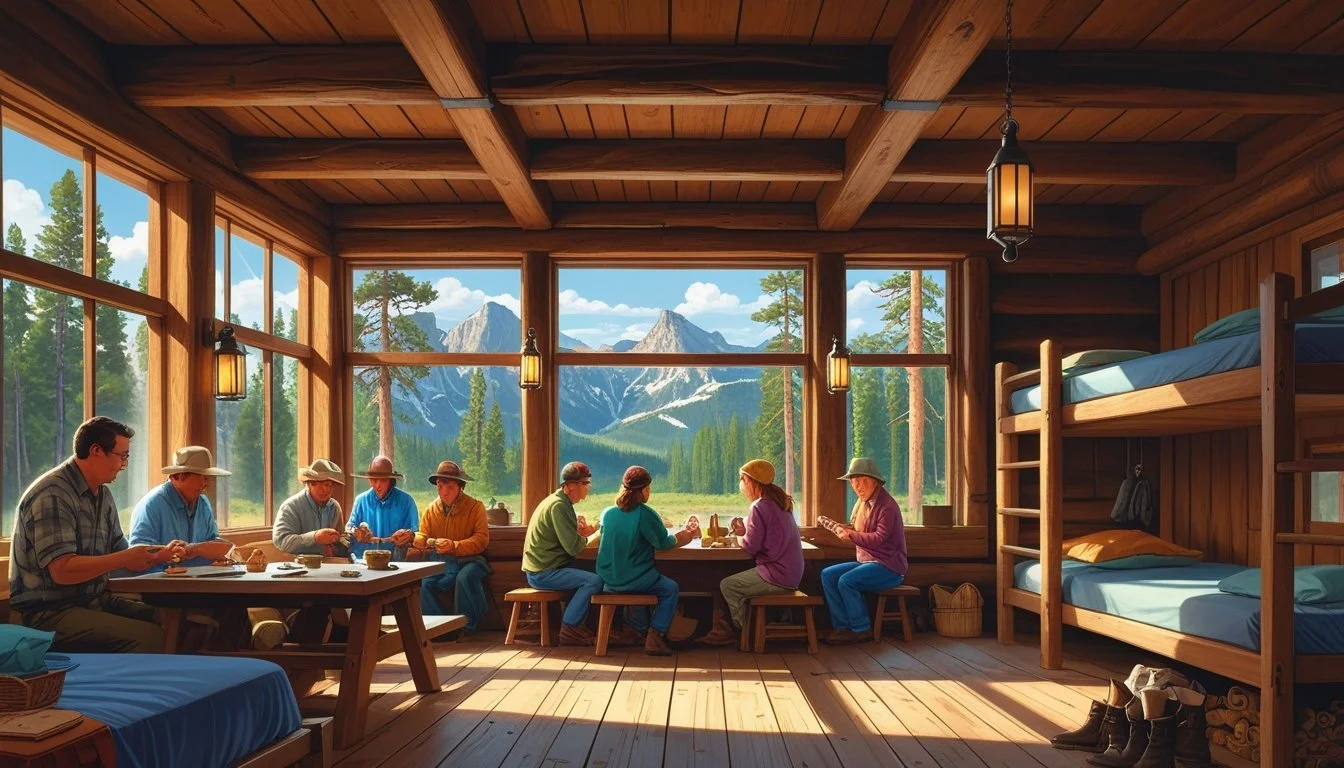
Life inside the Yellowstone bunkhouse centers around routine, camaraderie, and shared responsibility. Working and living together in close quarters, the ranch hands build their own customs independent of the ranch’s authority figures.
Communal Activities And Rituals
Meals are a central event in the bunkhouse, with everyone gathering for breakfast and dinner at the same long table. Conversations range from lighthearted teasing to heated debates about ranch decisions and personal matters, often setting the social tone for the day or evening.
Evenings often bring informal gatherings like card games, storytelling, or watching TV together. These activities help reinforce bonds and create a sense of stability. Arguments or disputes are usually aired and settled among the group, away from supervision, giving the bunkhouse its own unwritten code of fairness and conflict resolution.
Special rituals—such as branding celebrations or welcoming new members—further cement group identity. Laughter, competition, and mutual support define these gatherings as much as any formal tradition.
Shared Spaces And Facilities
The bunkhouse is more than just a sleeping area; it includes shared bathrooms, a kitchen, dining area, and common room. Cowboys are responsible for keeping these areas clean and organized, emphasizing accountability to the group.
Personal space is limited. Each resident typically gets a bed, a small storage area, and not much privacy. The main living area is filled with signs of daily use: boots by the door, hats on hooks, and work gear within easy reach.
Chores are divided either by schedule or informal understanding, and everyone knows what is expected of them. This environment fosters a clear system of mutual respect and collaboration among all who live in the bunkhouse.
Influence On Park Operations And Visitor Experience
The bunkhouse system shapes both daily park management and the experiences of visitors within Yellowstone. Its structure supports teamwork and practical problem-solving while improving the quality of service provided to the public.
Collaboration Among Employees
Employees living in the bunkhouse often work in close quarters, sharing not only living space but also responsibility for daily operations. This setup encourages open communication and frequent information sharing. Issues or emerging challenges are discussed candidly among staff, helping resolve problems quickly.
Decisions about scheduling, maintenance, and guest support often involve input from multiple employees, not just management. This democratic approach ensures staff feel invested and motivated, which leads to higher job satisfaction. The result is more responsive service, as frontline staff’s suggestions often translate into immediate operational improvements.
Coworkers who live together can quickly coordinate shifts or adjust plans, especially during emergencies or busy tourism periods. This agility helps keep park functions smooth and minimizes disruptions for visitors.
Enhancing The Yellowstone Environment
A well-functioning bunkhouse community directly influences the environment that visitors experience. Effective collaboration behind the scenes means higher cleanliness, faster response to facility issues, and more organized visitor services such as guided tours and interpretive programs.
Employees familiar with one another can cooperate to keep trails, restrooms, and public areas safe and pleasant. Their shared commitment creates a culture of accountability, where issues are noticed and reported sooner. This helps preserve both natural and man-made features crucial to visitor satisfaction.
Efficient teamwork also reduces staff burnout, supporting longer tenures and better customer service. As a result, guests consistently encounter employees who are knowledgeable, approachable, and prepared to answer questions or address concerns promptly.
Challenges And Modern Adaptations
The bunkhouse at Yellowstone’s Dutton Ranch faces social and cultural pressures shaped by modern expectations. Its evolution highlights how longstanding customs are challenged by new realities in ranch life.
Addressing Diversity And Inclusion
Historically, bunkhouses in the Western ranching tradition have reflected a narrow demographic and offered limited perspectives. As media and society increase calls for representation, the Yellowstone bunkhouse faces scrutiny regarding the backgrounds, identities, and voices it features.
Efforts to address diversity include opening up recruitment of ranch hands and staff to individuals from varied cultural, ethnic, and gender backgrounds. This shift is visible in recent storylines and casting choices that reflect a modern workforce. Open dialogue about inclusion versus tradition sometimes leads to tension among characters, which is reflected in on-screen conflicts and alliances.
Key Focuses:
Recruitment practices
On-screen representation
Storylines featuring diverse issues
Such changes better reflect the realities of American ranching in the 21st century and promote a sense of belonging for all who work and live within the bunkhouse.
Balancing Tradition With Change
The Yellowstone bunkhouse retains deep ties to ranching heritage, from its layout to unwritten codes of conduct. However, economic pressures and technological advancements require adaptation of long-standing routines and practices.
Modern bunkhouses face new challenges, such as using updated equipment, shifting roles among workers, and adjusting to shifts in leadership dynamics. For example, senior hands now often mentor a wider range of newcomers, sometimes using more collaborative or inclusive approaches.
Adaptation Strategies:
Integrating technology while respecting tradition
Redefining authority structures
Adjusting work routines and living arrangements
These adjustments ensure the bunkhouse remains functional and relevant, helping it to weather external pressures and internal disagreements without losing its core identity.
Legacy And Lasting Impact On Yellowstone
The bunkhouse at Yellowstone Ranch does more than house workers. Its structure and traditions have significantly shaped ranch culture and left a distinct mark on how the show defines community.
Cultural And Social Contributions
The bunkhouse serves as the social hub for the ranch hands, fostering camaraderie, teamwork, and mutual support. Inside, arguments, laughter, and shared struggles reveal relationships that would otherwise remain hidden. These scenes add depth to the show by highlighting the lived experiences of its workers.
Icons like Forrie J. Smith’s character have helped elevate the bunkhouse to a central feature in the narrative. It symbolizes the preservation of ranch culture, underscoring themes of loyalty and resilience. Key traditions, such as communal meals and heated poker games, display a unique blend of tension and trust.
A deeper cultural layer is visible in how the bunkhouse preserves values like honesty and equality among the crew. The men and women who live there develop their own codes of conduct, reinforcing Yellowstone’s emphasis on self-governance and collective responsibility.
Implications For Future Park Communities
The bunkhouse model offers a blueprint for how close-knit communities can function within vast, isolated settings. In the context of national or working parks, it demonstrates how shared spaces can nurture strong bonds and foster democratic practices on a smaller scale.
Future park communities may look to the bunkhouse as an example of how informal systems of governance can emerge naturally. Decision-making in the bunkhouse is often collaborative and based on consensus, setting a standard for inclusion and practical problem-solving.
Lessons drawn from Yellowstone’s bunkhouse include the value of open dialogue, rotating informal leadership, and mutual accountability. These elements may guide future park managers seeking to create resilient, adaptive living environments for remote workforces or ranger teams.
