
How Yellowstone Breaks Every TV Rule and Still Wins
The Unconventional Success Story
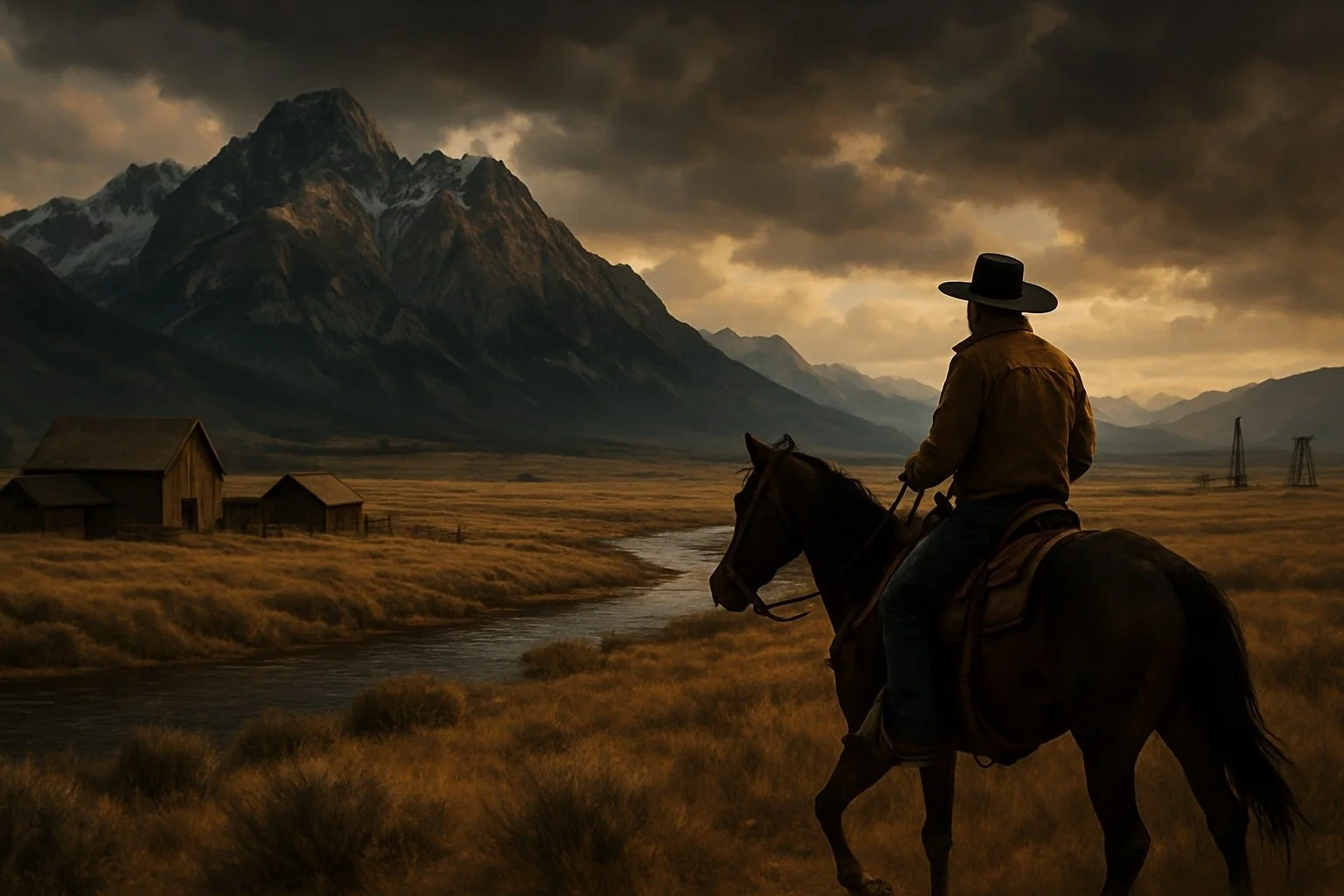
Yellowstone defies standard television formulas with unapologetic storytelling and unconventional characters, yet it consistently attracts massive audiences. By ignoring traditional TV rules—ranging from narrative structure to character likability—the show manages to carve its own path and set new trends in modern television drama. Viewers are drawn to its bold approach, where the lines between right and wrong are blurred, and typical expectations are routinely subverted.
Taylor Sheridan’s creation is described as rebellious, deliberately challenging both Hollywood and genre norms. The Dutton family operates in a world that refuses to play by anyone else’s rules, reflecting the same attitude that the show brings to TV itself. This disruptive style is not just a gimmick; it is exactly what draws viewers deeper into the world of Yellowstone.
Defying Traditional TV Conventions
Yellowstone, created by Taylor Sheridan for the Paramount Network, challenges established television formulas through narrative pacing, character complexity, and constant unpredictability. Its approach stands apart from typical network drama, often drawing comparisons to series like Succession and Game of Thrones for its ambition and scope.
Long-Form Storytelling Structure
Yellowstone rejects the fast, episodic resolutions found in much of network television. Each season builds a carefully layered saga around the Dutton family, ranching conflicts, and wider struggles over land and power.
Taylor Sheridan employs extended narratives with storylines sometimes simmering for multiple episodes before reaching a payoff. This approach favors audience patience and investment, echoing strategies more common in streaming service dramas.
Plot progression is rarely rushed. The series prioritizes atmosphere, letting viewers immerse themselves in the tensions and daily lives of ranchers, cowboys, and political operators. Story arcs connect through seasons, rewarding those who follow every detail.
Risky Character Development
Character evolution on Yellowstone is both a strength and a risk. John Dutton, played by Kevin Costner, is never just a hero or villain. He shifts between ruthless patriarch and protector, showing both vulnerability and relentless ambition.
Secondary characters—like Kayce, Beth, and Rip—frequently make morally ambiguous decisions. The show allows individuals to fail, betray, and evolve in unpredictable ways. These choices often have lasting repercussions, shaping family fortunes and personal destinies.
Unpredictable alliances and betrayals mirror the nuanced conflicts found in works like Succession and Game of Thrones. This challenges viewers to engage deeply, rather than rely on familiar stereotypes from the traditional Western or contemporary TV drama.
Unpredictable Plot Twists
Unlike formulaic series, Yellowstone thrives on genuine plot surprises. Major power shifts, betrayals, and abrupt confrontations appear without warning. Few characters are safe from harm or defeat.
Episodes regularly end with significant revelations or reversals. Critical storylines—ranging from legal wars to violent feuds—take sudden, sometimes shocking turns. The show doesn’t shield its leads from danger or loss.
This willingness to disrupt expectations keeps viewers guessing about the fate of the Dutton family and their allies. It also sets Yellowstone apart in the crowded landscape of prestige dramas on the Paramount Network and beyond.
Authenticity in Setting and Atmosphere
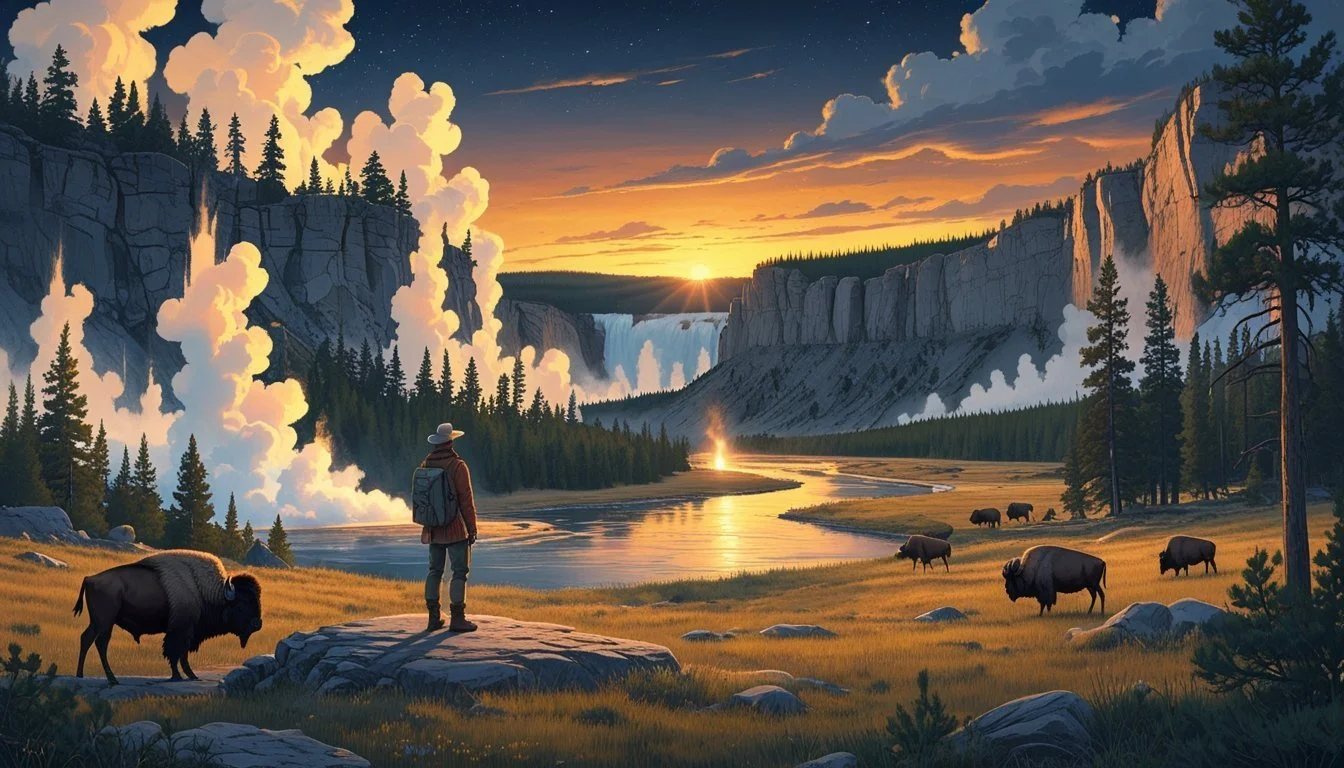
Yellowstone separates itself from other TV dramas through its detailed portrayal of environment and lifestyle. Attention to real locations and the nuances of ranch life creates a feeling of immersion that goes beyond traditional studio productions.
Montana’s Rugged Landscapes
The series is filmed on real Montana ranches rather than sound stages, using natural light and weather conditions. This choice gives every outdoor scene a sense of scale and authenticity. Viewers can see wind-whipped grasslands, mountain backdrops, and genuine livestock, making Montana itself feel like a living character.
Yellowstone’s decision to feature actual ranch environments contrasts with TV’s typical reliance on sets or green screens. The raw landscapes highlight both the beauty and the challenges facing the Dutton family. These visuals also underscore themes like the evolving American dream and the impact of gentrification on rural communities.
Throughout the show, details such as unmanicured pastures, rough-hewn fences, and roaming cattle establish a credible and rich setting. As a result, viewers get a clear sense of both the grandeur and harshness of life in Montana.
Depiction of Ranch Life
The series portrays ranching as a demanding profession, emphasizing routines and traditions. Scenes of branding livestock, mending fences, and wrangling cattle reflect daily chores familiar to real ranchers. The Dutton family’s livelihood depends on both hard labor and smart management, echoing the realities faced by many in the industry.
Rural communities are depicted with attention to both cooperation and conflict, as neighbors often rely on each other while navigating issues such as land disputes and changing ownership. The characters include seasoned cowboys, ranch hands, and new arrivals, illustrating a spectrum of backgrounds and ambitions.
Tension between maintaining heritage and adapting to modern pressures, like encroaching development and property speculation, features prominently. Yellowstone avoids glamorizing the lifestyle, instead showing the personal sacrifices required to run a Montana ranch and preserve a legacy.
Groundbreaking Representation of Western Genre
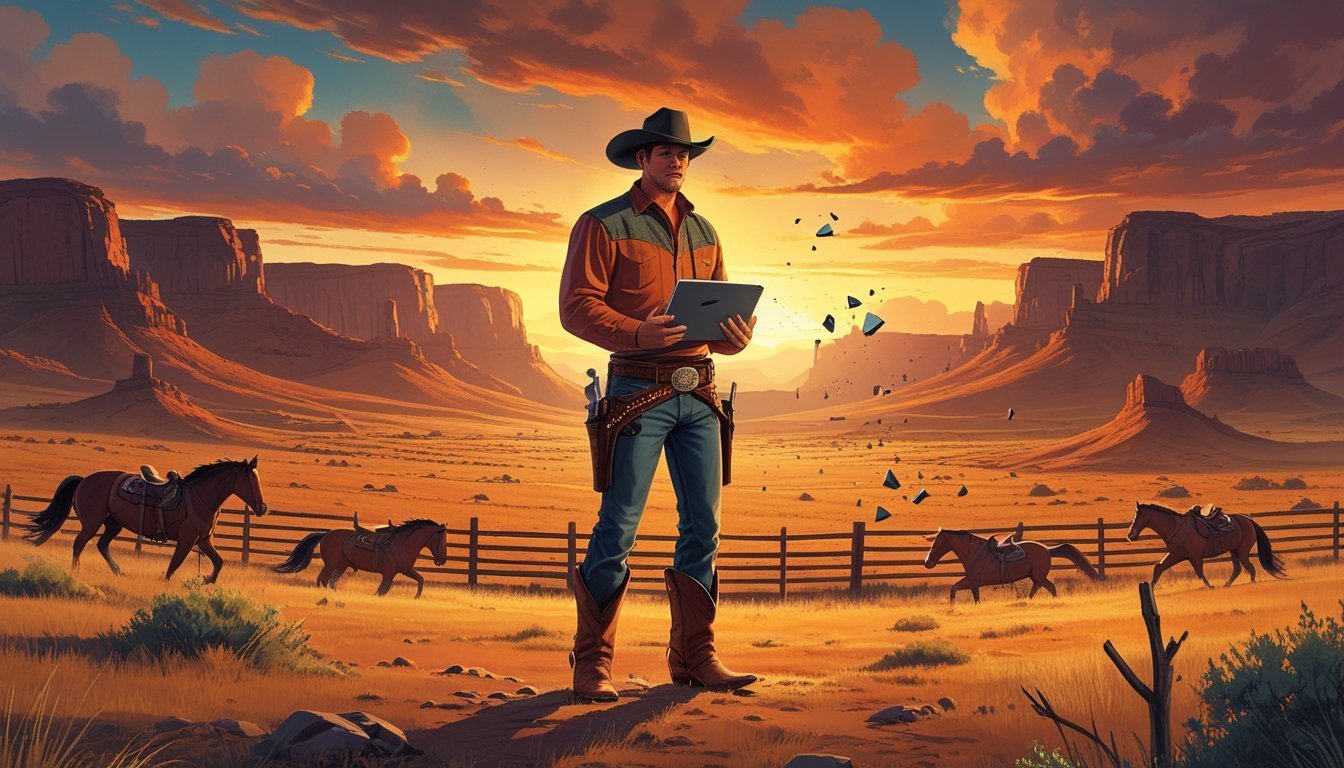
Yellowstone brings a fresh and layered approach to the Western genre by challenging deeply rooted stereotypes and blending traditional motifs with modern themes. It places characters and stories in direct conflict with both history and contemporary culture, allowing the genre to expand beyond its established boundaries.
Reinventing the Cowboy Archetype
Yellowstone shifts the image of the cowboy from the classic lone hero into something more complex. Characters like John Dutton and his family exhibit deep flaws, competing loyalties, and personal struggles that modernize the traditional Western figure.
The show's women take on powerful roles, influencing the direction of the plot and making significant decisions. Unlike older Westerns that often sidelined female characters, Yellowstone gives meaningful depth and agency to figures like Beth Dutton.
This new interpretation rejects caricatures, making the cowboys and ranchers multidimensional. Morality is no longer black-and-white; instead, each character occupies a morally gray area, reflecting real-world complexities.
Neo-Western Influences
Taylor Sheridan draws from his experience writing neo-westerns like Hell or High Water, Wind River, and Sicario to bring a gritty, contemporary feel to Yellowstone. The show blends rural landscapes and cowboy traditions with the realities of present-day legal, economic, and cultural conflicts.
Themes like land disputes, modern justice, and clashes between old values and new investors play central roles. These narrative choices root Yellowstone in the neo-western tradition, connecting it to recent works that have moved beyond the gunfights of classic Westerns.
Through its stylistic choices and narrative scope, Yellowstone positions itself as a modern Western, or neo-western, that addresses contemporary social and ethical dilemmas on a large scale. This evolution keeps the genre relevant for today’s audiences.
Complex Dynamics Within the Dutton Family
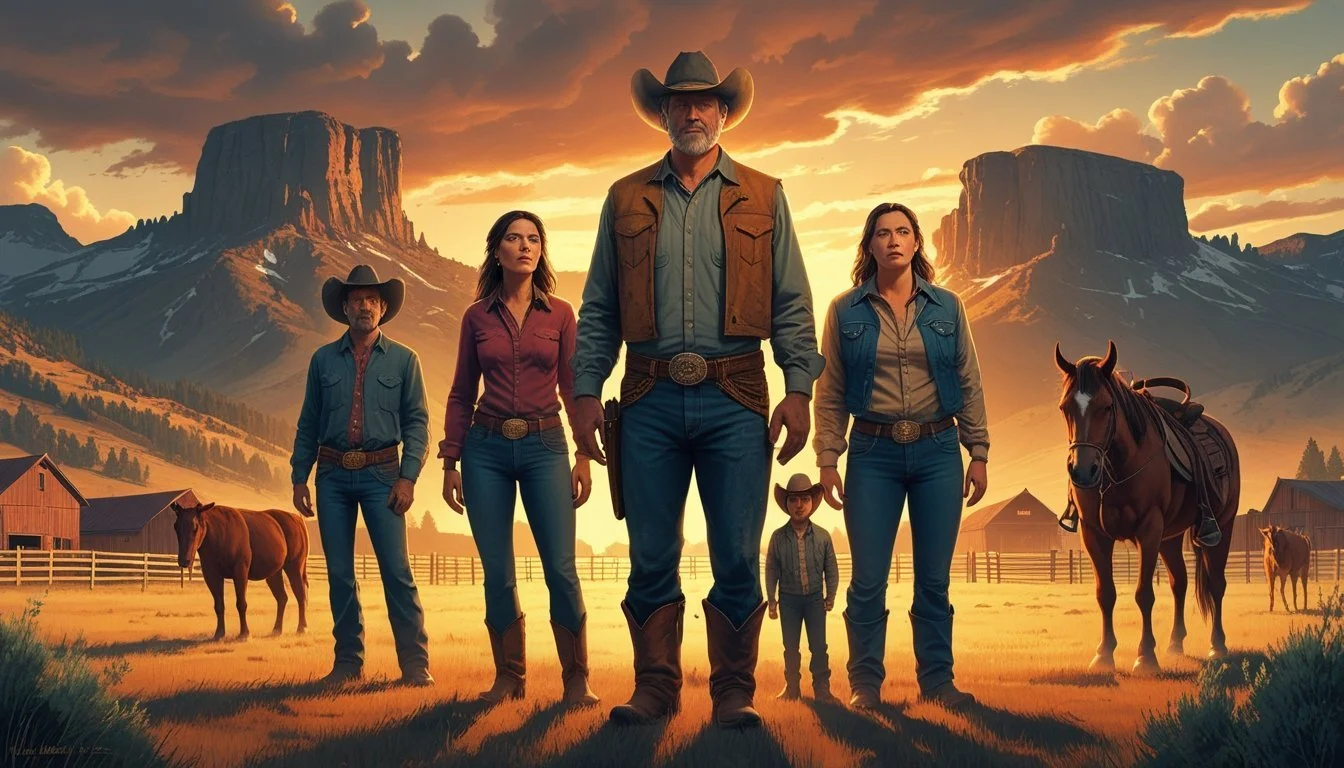
The Dutton family in Yellowstone operates under intense emotional strain as personal ambition collides with loyalty to the ranch and blood ties. Their relationships are shaped by both fierce devotion and explosive conflict, much like those seen in series such as Succession.
Family Loyalties and Betrayals
At the center of the Dutton family is John Dutton, played by Kevin Costner, whose strict leadership demands absolute loyalty. John’s priorities often force his children—Beth, Kayce, and Jamie—into impossible situations where love for the family clashes with personal needs.
Beth, portrayed by Kelly Reilly, is especially loyal yet ruthless in defending her father and the ranch. Jamie’s frequent betrayals add layers of mistrust, creating ongoing tension and conflict. Kayce, torn between two worlds, often acts as a reluctant mediator between his siblings and father.
Key Notes:
Beth regularly confronts Jamie for perceived disloyalties.
Family decisions are dictated by a mix of obligation and survival instincts.
Open rivalries fuel much of the series’ drama, setting it apart from conventional TV families.
These intricate dynamics build a sense of realism that distinguishes the Duttons, making their struggles both compelling and unpredictable.
Character-Driven Storytelling
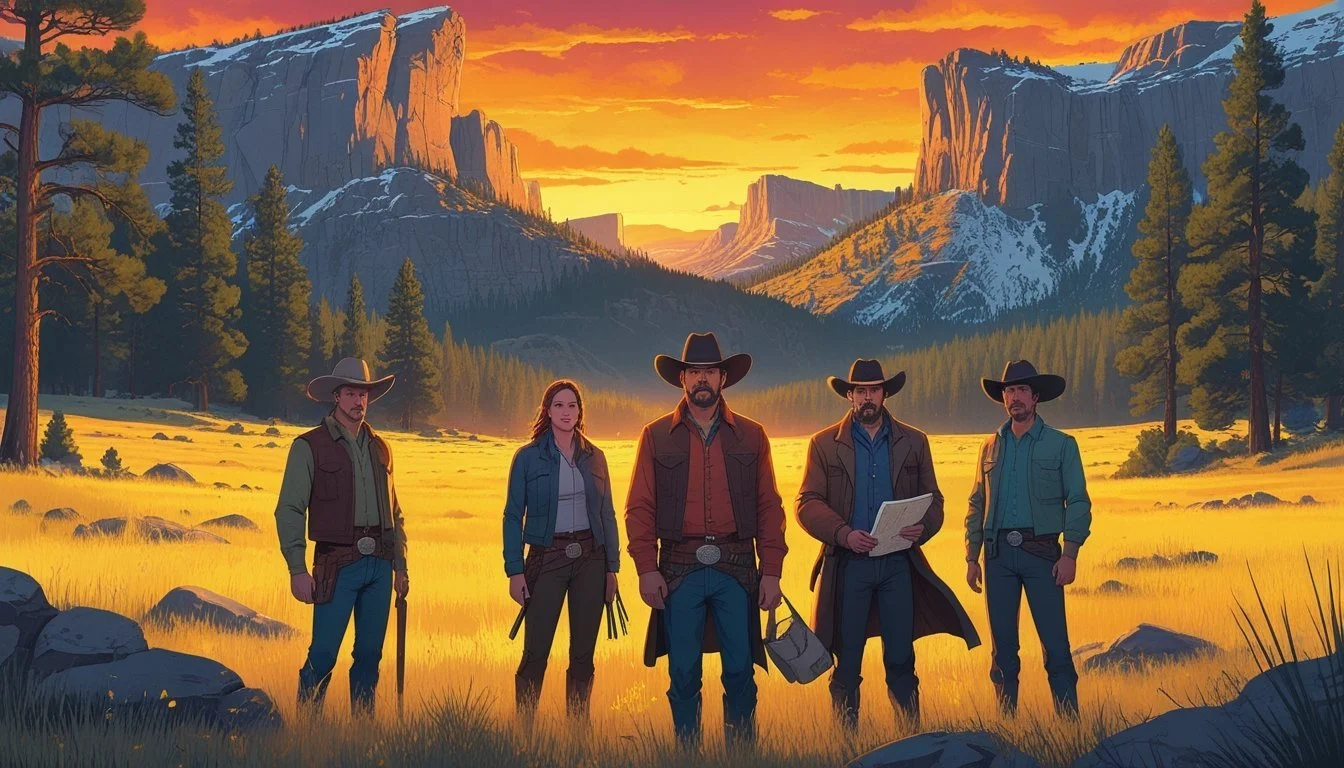
Yellowstone succeeds by prioritizing complex characters and layered relationships over formulaic plots and simple conflicts. The series draws viewers in with human emotion, shifting alliances, and high-stakes personal choices that develop naturally over time.
Star Power: Kevin Costner and Cast
Kevin Costner anchors the series as John Dutton, delivering a performance that is both stoic and vulnerable. His portrayal gives the show much of its emotional gravity, illustrating the burdens of leadership and family loyalty. Costner's screen presence is supported by notable performances from Kelly Reilly as the sharp and unpredictable Beth Dutton, and Tim McGraw, who adds depth to the Yellowstone universe through his work in the prequel 1883.
The broader cast, including the likes of Harrison Ford in 1923, ensures continuity of tone and quality across connected series. Each actor commits fully to their role, resulting in multidimensional characters who feel consistent and authentic. This high standard of casting adds credibility to the narrative, attracting audiences who seek strong, character-driven drama.
Yellowstone breaks convention by resisting the trend toward disposable, interchangeable characters. Recurring characters have arcs that evolve throughout seasons, moving away from the episodic resets common in network TV. This approach allows the show to build complex histories and motivations, fostering deeper viewer investment.
Portrayal of Nuanced Antagonists
Antagonists in Yellowstone are rarely one-dimensional. Rather than relying on obvious villains, the show explores conflicts through characters with understandable motives and conflicting loyalties. Opponents to John Dutton's ranch—corporate interests, government officials, or neighboring families—are presented with their own perspectives and rational fears.
This nuance is evident in confrontations with market developers and Native American leaders, who often oppose Dutton’s aims for reasons tied to history, survival, or justice. Instead of good-versus-evil narratives, the series shows how shades of grey drive real-world decisions in the American West.
By grounding antagonists in relatable goals and ethical dilemmas, Yellowstone reflects the complexity of conflict in modern society. The show’s willingness to explore moral ambiguity gives storylines a sense of realism while challenging viewers to consider different sides. These layered rivalries encourage empathy, making for richer, more compelling television.
Parallel Narratives and Spin-Off Series
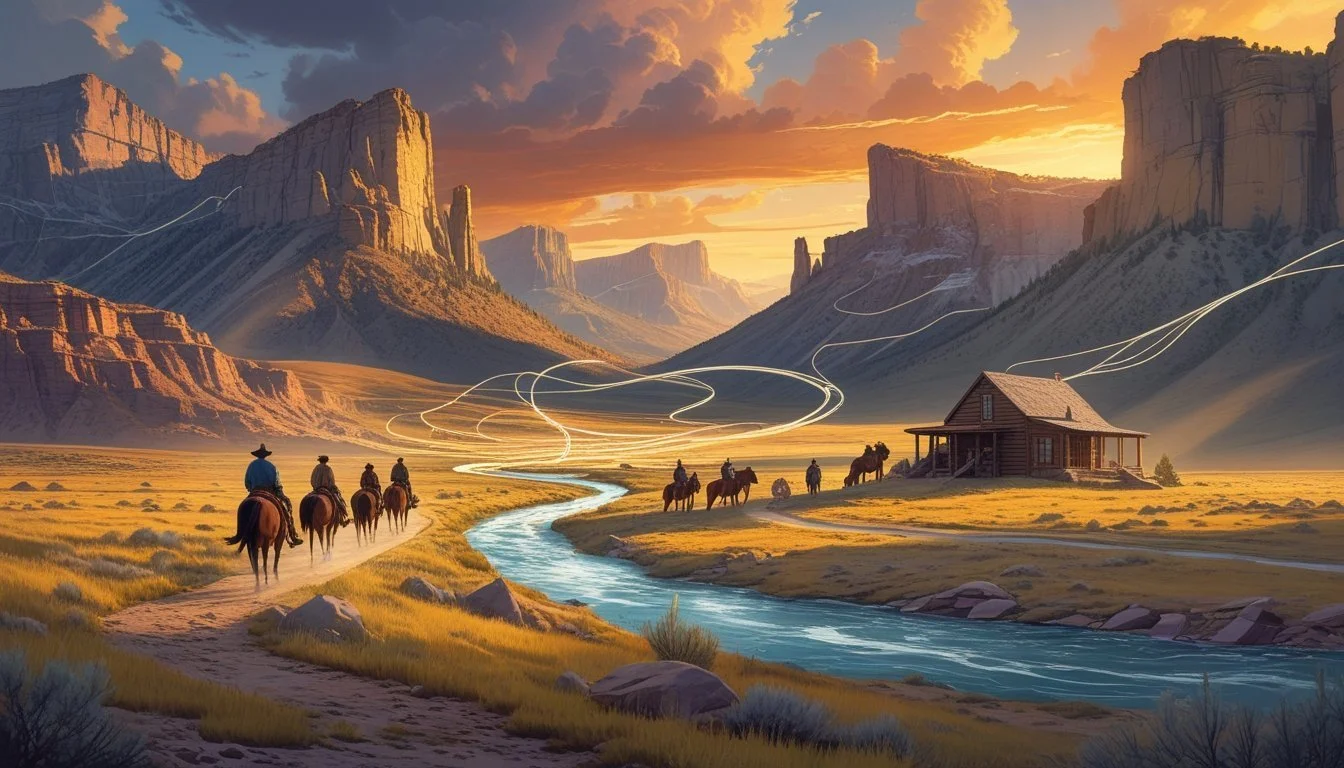
Yellowstone’s creators expanded the franchise far beyond a single show, weaving intricate narratives across different timelines. This strategic approach adds depth to the Dutton family saga and allows viewers to see changing eras and struggles through connected storylines.
Historical Prequels: 1883 and 1923
1883 introduces viewers to the early Dutton family, tracking their westward journey as pioneers. Tim McGraw and Faith Hill star as James and Margaret Dutton, showing the harsh realities and critical decisions that shape their family’s future. The series combines historical accuracy with intimate storytelling, making the roots of the Yellowstone ranch feel authentic.
1923 continues the legacy, following a new Dutton generation and starring Harrison Ford and Helen Mirren as Jacob and Cara Dutton. Set against the backdrop of Prohibition and the Great Depression, 1923 explores how the family navigates new threats and shifting societal norms. Both prequels use period-appropriate details, expanding the universe by blending American history with Dutton family narratives.
Connecting Themes and Characters
Themes of loyalty, land, and survival run through Yellowstone and its spin-offs. Each series examines how family ties and traditions are tested by changing times, highlighting repeated struggles over identity and control. The franchise’s layered approach allows viewers to see how past actions echo into the present.
Key characters in each series often parallel or contrast with each other. For example, the resilience of the early Duttons connects directly to Yellowstone’s contemporary storylines. By placing familiar struggles across generations, the shows reinforce the unbroken thread of the Dutton family legacy while offering new perspectives on what it means to fight for a way of life.
Cultural Impact and Audience Appeal
Yellowstone stands out in the television landscape by appealing to diverse groups and questioning industry expectations. Its cultural effect is visible in viewer demographics, media discussions, and the changing reputation of its broadcaster, the Paramount Network.
Reaching Both Red-State and Blue-State Viewers
The show balances rural culture with modern anxieties, drawing interest from viewers across cultural and political lines. Yellowstone has been labeled a "red-state show," but its themes also connect with a much wider audience. It addresses disputes over land, tradition, and the American dream—topics with nationwide resonance.
Streaming access increased its reach, exposing audiences outside traditional Paramount Network viewers to the series. This dual appeal helps the show bridge cultural divisions, with both conservative and liberal commentators referencing it as evidence of changing tastes.
Discussions on social media and in mainstream outlets highlight how the series sparks conversation about American identity. Its success extends beyond ratings—Yellowstone has influenced migration patterns, inspired debates in Montana, and reframed which stories receive attention in prime-time television.
Challenging Hollywood Norms
Yellowstone subverts Hollywood conventions by refusing to rely on big-city settings or post-network formulas. While most prestige shows aim for critical acclaim through awards, its success relies on audience engagement and loyalty.
It emphasizes generational struggles and conflicts between development and tradition, presenting narratives often missing from typical Hollywood fare. This positions it in contrast to standard media, pushing the Paramount Network from obscurity to a major player.
List of notable ways Yellowstone challenges norms:
Focus on rural, intergenerational storylines
Avoidance of "prestige TV" tropes
Prioritization of working-class characters over elites
Limited pursuit of traditional Hollywood awards
By reshaping its own industry context, Yellowstone demonstrates that success doesn't require fitting typical Hollywood profiles or chasing critical validation. Instead, it makes its mark by celebrating alternative viewpoints and overlooked communities.
Representation of Native Americans
Yellowstone sets itself apart by giving significant attention to Native American characters and their struggles in Montana. The show tackles land rights, historical grievances, and the intersection of rural communities with Indigenous populations.
Exploring Indigenous Issues
Yellowstone often portrays the complex relationship between the Dutton family and local Native American communities. Tribal leaders like Thomas Rainwater bring real issues to the forefront, such as efforts to reclaim ancestral land and address the lasting effects of colonization.
The show addresses power dynamics and the pursuit of justice for Native people, but it also faces criticism for its accuracy and casting choices. Some viewers raise concerns about authentic representation and casting decisions, while others appreciate the visibility given to Indigenous perspectives.
Major storylines include land battles, economic development on reservations, and conflicts rooted in rural Montana's history. By weaving these elements into the narrative, Yellowstone engages its audience with issues often overlooked on mainstream television.
Critical and Industry Recognition

Yellowstone’s rise to prominence has sparked conversations across both critical circles and the television industry at large. The show’s accolades and peer recognition help explain its outsized impact beyond pure ratings.
Awards and Accolades
Yellowstone has achieved notable recognition in the awards circuit, especially as its popularity increased with each season. Kevin Costner, who stars as John Dutton, received a Golden Globe Award for Best Actor in a Television Series – Drama for his performance.
The show has earned nominations from the Critics’ Choice Awards and the Producers Guild of America, reflecting acknowledgment from key industry bodies. These nominations signal the industry’s respect for Yellowstone, especially as it diverges from typical prestige formats.
While Yellowstone hasn't won top honors at the Emmys, its consistent presence in year-end lists demonstrates the show’s ability to compete with network and streaming giants. This ongoing recognition situates the series as a standout in the modern TV landscape.
Screen Actors Guild and Peer Praise
Members of the Screen Actors Guild have shown respect for the ensemble cast’s performances, with Yellowstone receiving nominations for Outstanding Performance by an Ensemble in a Drama Series. This highlights the strength and cohesion of the show’s cast, including Kevin Costner and supporting actors.
Peer feedback in the industry often centers on Yellowstone’s ensemble chemistry and authentic portrayal of its rural setting. Cast members have spoken publicly about the demanding nature of the show’s production and praised the writing team for character complexity.
Word-of-mouth recognition among actors and crew has supported the series’ status as a must-watch drama. This peer acclaim, paired with industry nominations, cements Yellowstone’s place as both an audience favorite and a respected production among professionals.
