
The Brutality of Love in Yellowstone
Exploring the Dark Side of Passion in the Series
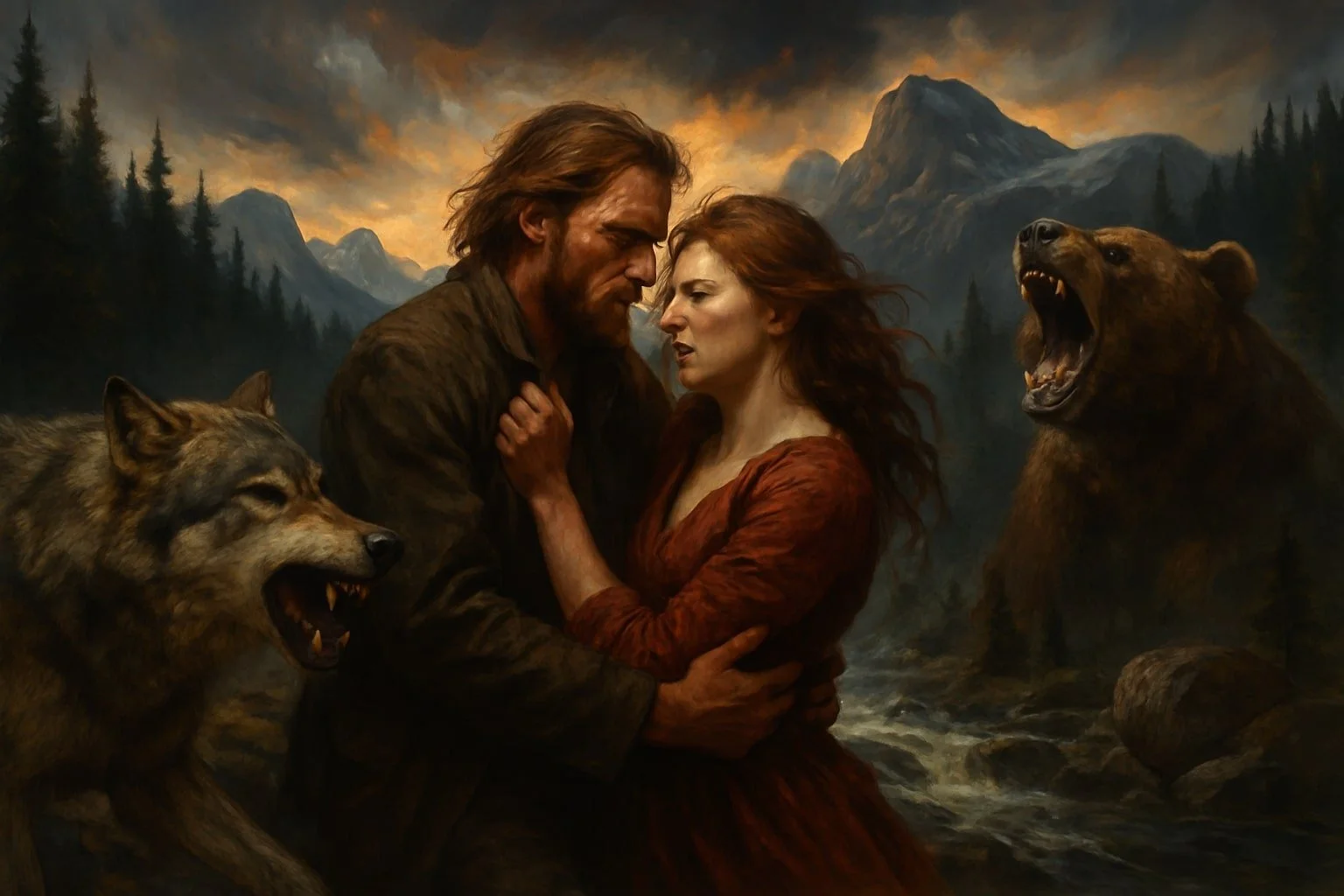
Yellowstone explores the unforgiving side of love, revealing how passion and loyalty can lead characters into emotionally and physically brutal situations. Relationships on the show are intertwined with betrayal, sacrifice, and violence, where the pursuit of connection often leads to heartbreak and tragedy.
The series doesn't shy away from depicting the risks and consequences that come with loving in a ruthless world. Storylines such as Jamie's complicated relationships and the tragic romance of Alexandra and Spencer showcase how the characters’ deepest attachments put them in danger and test their resilience.
Love in Yellowstone is as much about survival as it is about emotion, reflecting the harsh realities of life on the frontier. This complex portrayal makes the show’s romantic entanglements both a source of hope and a cause of suffering for its characters.
Understanding Love’s Harsh Reality in Yellowstone
Love in Yellowstone often unfolds in the shadow of violence, sacrifice, and relentless pressure. Relationships are tested by the land’s unforgiving laws and the ranch’s demands, revealing the darker truths beneath every connection.
Duality of Romance and Violence
On Yellowstone, romance does not exist without the constant threat of violence. Lovers and family struggle to protect what they care for, sometimes employing force to maintain loyalty or safety. Acts of love are inseparable from the power struggles and territorial battles shaping every interaction.
Beth Dutton and Rip Wheeler’s bond is a prime example—affection coexists with fierce aggression, especially when defending one another. This violence is not romanticized; it serves as an ever-present force shaping motivations.
Characters frequently oscillate between tenderness and brutality. The result is a world where emotional support must often be proven through harsh deeds rather than words.
Emotional Cost of Devotion
Devotion in Yellowstone comes with a steep price. Loyalty to family or partner means accepting pain, betrayal, or ethical compromises. Beth’s fierce loyalty to her father and Rip’s ongoing willingness to place himself in harm’s way illustrate the depth of these sacrifices.
Secrecy and manipulation erode trust among couples and siblings alike. Emotional wounds are common, as characters prioritize legacy and survival over individual fulfillment.
The series highlights how personal happiness is often sacrificed for obligation. The need to protect the ranch or preserve family honor can sever romantic ties or leave characters emotionally isolated despite their love for each other.
Survival Versus Sentiment
Survival is the ruling principle at the Yellowstone ranch, overriding sentiment when necessary. Love is measured by how much risk characters are willing to take for those they care about. Sentiment rarely wins over the harsh demands of land disputes, outside threats, and tradition.
Affection might offer comfort, but the expectation is always to put the ranch and its legacy first. This survival mindset turns even genuine relationships into battlegrounds where feelings are subordinate to duty.
Characters must constantly weigh love against loyalty to Yellowstone. The cost of letting sentiment lead is often devastating, forcing choices that shape their futures and the fate of those around them.
Major Relationships Shaped by Conflict
Conflict and loyalty are at the heart of Yellowstone’s core relationships. Love is often tested through violence, sacrifice, and painful choices, with survival and family bonds driving every action.
Beth and Rip: Love Forged in Adversity
Beth Dutton and Rip Wheeler’s relationship is defined by hardship and emotional scars. From their troubled youth to the pressures of ranch life, each has faced violence and betrayal, shaping their bond into something resilient but turbulent.
Rip’s unwavering loyalty to Beth is clear, even as her trauma causes moments of volatility. Their connection is marked by fierce devotion, blunt honesty, and a willingness to fight for each other regardless of the cost. Despite Beth’s brutal exterior, she demonstrates love through acts of protection and vulnerability around Rip. This relationship shows how trust and survival instincts can make love both a sanctuary and a battlefield.
John Dutton’s Sacrifices for Family
John Dutton leads Yellowstone Ranch with an iron will, but most of his decisions stem from a profound desire to defend his family. His actions, often ruthless and uncompromising, are driven by the belief that protecting loved ones justifies almost any measure.
He has pushed away or punished his children when he believed it necessary for the ranch’s survival. At the same time, John displays moments of softness, revealing how his deep need for control is often a response to fear of loss. The brutality in his love is found in the lengths he’ll go for the Dutton name—even if it means hurting those closest to him for what he sees as the greater good.
Kayce and Monica: Endurance Through Pain
Kayce and Monica’s marriage is tested by violence both inside and outside Yellowstone Ranch. Kayce’s connection to the Dutton family brings constant threats, while Monica struggles with trauma from her own past. Their relationship experiences repeated cycles of separation and reconciliation as they try to balance love, duty, and survival.
Despite frequent crises, Kayce and Monica continue to choose each other, even when doing so means facing more pain. They navigate cultural divides and the aftermath of violence together, using resilience as their strongest asset. Their endurance is a testament to the possibility of healing, even when love comes at a great human cost.
Generational Legacies of Brutality and Affection
The Dutton family’s history in Yellowstone is defined by cycles of harsh survival and complex expressions of love. Family connections are forged and tested through brutality and sacrifice, revealing how affection and violence become intertwined over generations.
Exploring 1883: Origins of Ruthless Love
In 1883, the Duttons embark on a treacherous journey west. Survival demands ruthless choices that reshape their understanding of care and loyalty. James and Margaret Dutton endure loss, hunger, and violence while protecting their daughter Elsa and seeking a new home.
Their expressions of love often emerge through tough decisions, including confrontations with both nature and fellow travelers. Acts of affection are pragmatic—offering food, shelter, or even harsh guidance necessary for survival. Margaret’s maternal instincts do not preclude moments of sternness, while James’s actions are driven by a mix of tenderness and relentless resolve.
This environment plants the seeds for a legacy in which brutality and affection are inseparable. Hardship becomes a formative method of teaching and demonstrating love. Over time, the message is clear: enduring and protecting family sometimes requires acts that outsiders would view as extreme or merciless.
1923: Family Bonds Amidst Turbulence
1923 finds the Duttons facing external threats from land disputes, violence, and changing social structures. Jacob and Cara Dutton anchor the family, balancing compassion with hard decisions necessary to preserve their land and values.
Love within the family manifests through mutual protection and shared burdens rather than sentimental gestures. Cara’s resolve is visible in her willingness to act decisively against threats. Jacob’s fierce leadership style reflects the lessons handed down from James: protection is paramount, even at a personal moral cost.
Key conflicts—such as their struggle with powerful adversaries—emphasize how Dutton affection is communicated through action rather than words. The legacy of 1883 endures, with each generation learning that demonstrating love may require unyielding strength, sacrifice, and even violence in the face of constant threat.
Violence as an Expression of Love
In Yellowstone, love and brutality often intersect. Characters use violence not out of aimless anger, but as a deliberate tool to defend, protect, or seek justice for the people they care about.
Acts of Loyalty and Retribution
Loyalty within the Dutton family and their circle frequently manifests through acts of violence. John Dutton, the patriarch, is a central example—his willingness to kill or order killings is closely tied to his determination to protect his family's legacy and land.
When threats arise, such as rival ranchers or corporate interests, characters like Rip and Kayce resort to force to shield the ranch. The show's narrative treats these violent acts as a grim necessity rather than senseless brutality.
Retribution is another critical expression of love in Yellowstone. When someone harms a member of the Dutton family, the response is swift and harsh. These acts are seen by the characters as justifiable, a way to honor and defend loved ones who have been wronged or threatened.
Examples of Loyalty-Based Violence:
Character Act of Violence Motivating Relationship John Dutton Ordering attacks Family, Legacy Kayce Dutton Confronting threats Father, Wife, Son Rip Wheeler Carrying out "hits" Loyalty to John
Moral Grey Areas in the Quest to Protect
The show frequently blurs the line between right and wrong when it comes to protecting loved ones. The Duttons and their allies are often forced to make difficult ethical choices, prioritizing loyalty and survival over legality or morality.
Characters grapple with their own actions after violent encounters. Jamie's participation in murders is driven by a need to remain accepted, while Beth employs cruelty not only out of hatred, but also a misguided sense of safeguarding her family's interests.
Victims of the Duttons' violence are rarely black-and-white villains. Some are rivals, others are simply in the wrong place at the wrong time. This ambiguity challenges viewers to reconsider whether violent acts in the name of love can ever truly be justified, or if they ultimately corrupt those who employ them.
The Role of Action and Power Dynamics
Power struggles and action-driven decisions shape daily life on the Yellowstone ranch. Authority, love, and personal ambition intertwine, affecting how characters relate to one another and respond to threats or loyalty.
Love and Authority on the Yellowstone Ranch
Leadership on Yellowstone centers on uncompromising action and a strict sense of duty. John Dutton exercises authority as both patriarch and protector, often blurring the lines between love and control. His decisions are rarely gentle, revealing how love can manifest as ruthless loyalty.
Relationships are defined by these power dynamics. For example, Beth and Rip’s bond is founded on fierce devotion and mutual respect, but also on John’s approval. Even softer moments are touched by the weight of obedience and expectation.
Within the Dutton family, expressions of care frequently involve acts of protection or retaliation. Physical action, not words, is used to display affection, emphasizing that trust and loyalty require proving oneself through bold, often aggressive, choices.
Consequences of Ambition on Relationships
The drive for control and legacy is a double-edged sword in Yellowstone. As members of the Dutton family pursue their own goals, ambition creates constant tension. Jealousy and suspicion rise, especially when loyalty is tested by the struggle for influence or land.
Actions taken to secure power—such as secret deals, acts of violence, or betrayals—regularly undermine close bonds. Love becomes conditional and vulnerable to the fallout of one’s ambitions. Even well-intended actions, motivated by the desire to protect loved ones or the ranch, lead to unintended hurt.
This environment turns relationships into battlegrounds, where affection cannot be separated from consequence. On Yellowstone, action and ambition dictate survival, but they also erode trust and intimacy, shaping the brutal reality of love.
Impact of Brutality on Personal Identity
Yellowstone shows how repeated exposure to violence and betrayal affects not just physical safety, but also core aspects of a person’s self. Moments of extreme hardship and unforgiving choices reshape the way characters see themselves and others.
Transformation Through Trauma
On Yellowstone, trauma is both a catalyst and a crucible for identity. Characters like Beth Dutton endure immense emotional and physical pain, shaping how they relate to power, vulnerability, and trust. Her tragic past leaves her guarded, driving her to adopt a hard, sometimes ruthless exterior.
Jamie Dutton’s character also highlights this process. Pressured by family expectations and marked by pivotal violent moments, Jamie’s sense of self wavers between loyalty and self-preservation. The trauma of rejection and involvement in heinous acts causes ongoing internal conflict, making him question his own value and place within the family.
For many in the series, trauma becomes a defining feature of who they are. Their responses—whether stoic endurance or reckless retaliation—highlight the way suffering can carve new facets into a person’s identity.
Resilience Born from Suffering
Characters in Yellowstone frequently display remarkable resilience under relentless pressure. John Dutton embodies this trait, standing as a steadfast leader whose resolve is constantly tested by enemies, betrayal, and the weight of legacy. His approach to suffering is rarely to retreat; instead, he uses pain as fuel for determination.
Beth survives repeated traumas not just by enduring, but by transforming her pain into sharper instincts and a fierce determination to protect her family. This resilience isn’t without cost, as it often leads to isolation and emotional distance.
The ranch hands also reflect this pattern. Through shared hardship, they develop bonds that transcend simple loyalty, creating a makeshift family. This sense of belonging, born from mutual suffering, reinforces the hard edges and quiet strength that define so many characters in Yellowstone.
Influence of the Taylor Sheridan Universe on Themes of Love

Taylor Sheridan’s universe takes a distinctive approach to portraying love amid violence, legacy, and generational conflict. The interconnected nature of Yellowstone, 1883, and 1923 heightens these themes by showing how love survives, adapts, or is destroyed by harsh realities.
Narrative Choices and Emotional Intensity
Sheridan’s storytelling style relies on high-stakes decisions where love is often tested by loyalty, pride, or survival. Characters like John and Beth Dutton face situations where affection is inseparable from sacrifice and sometimes cruelty. This dynamic adds emotional weight, making relationships feel both genuine and dangerous.
Conflicts between family loyalty and personal happiness highlight how love is not always gentle or redemptive in Sheridan's world. Moments of tenderness are often brief, followed by consequences or acts of vengeance. These contrasts define the emotional core of Yellowstone and its spinoffs.
Sheridan uses sparse dialogue and physical storytelling to emphasize tension. Love is not shown through idealized romance but through protection, acts of defiance, or even betrayal. These choices reinforce the sense that, in the Sheridanverse, love must constantly fight for survival.
Connecting Yellowstone to 1883 and 1923
The Sheridan universe builds thematic links across generations. In 1883, love is depicted as a source of both hope and tragedy for pioneers facing overwhelming obstacles. Relationships like that of James and Margaret Dutton are defined by resilience rather than idealism.
1923 expands on this foundation by exploring the hard choices that come with power and legacy. Couples and families are repeatedly forced to choose between their personal desires and the demands of their land. The hardships of the early 20th century deepen the portrayal of love as both fragile and enduring.
Yellowstone continues these threads in the present, where past traumas and family histories impact every romantic and familial bond. Across all three series, love serves as a driving force—but it is also a battleground shaped by loss, endurance, and the struggle to protect what matters most.
