
Why Every Character in Yellowstone Is a Type of Orphan
Exploring the Series’ Core Theme

Every major character in Yellowstone, whether through loss, abandonment, or emotional distance, experiences a form of orphanhood that shapes their motivations and relationships. Some, like Carter, are literal orphans, forced to navigate life after losing their parents. Others, including Beth and Jamie, are figurative orphans, marked by fractured family ties or emotional isolation within their own family.
This recurring theme of orphanhood isn't just about missing parents—it also reflects how each character is left to face personal challenges alone, often without reliable guidance or support. The show uses this dynamic to deepen character development and drive the ongoing conflicts on the Dutton ranch.
By exploring the different ways each character is separated from a sense of family or belonging, Yellowstone captures why their struggles and loyalties run so deep. Readers will see how this common thread connects individuals across competing loyalties and generations.
The Orphan Archetype in Yellowstone
Yellowstone consistently depicts characters who confront abandonment, trauma, or the absence of traditional family support. This focus shapes the series’ distinctive approach to the neo-western genre and reflects intentions from both creator Taylor Sheridan and producer John Linson.
Defining the Orphan Archetype
The orphan archetype centers on individuals marked by loss, neglect, or a deep sense of not belonging. In storytelling, orphans are not always literal—they can be isolated by circumstance, disconnected from meaningful relationships, or forced to grow up quickly due to hardship.
Characters with the orphan archetype often experience early trauma or abandonment. This makes them world-weary but also wise, with a pronounced desire for connection and safety. In Yellowstone, characters like Kayce Dutton and Beth Dutton struggle with childhood trauma and conflicted family ties.
Unlike the traditional “chosen hero,” orphan archetypes are shaped by vulnerability and resilience. Their journeys are not defined by destiny but by surviving—and sometimes challenging—the systems that failed them. This creates grounded, relatable protagonists that reflect real-world struggles.
Why Orphans Resonate in Neo-Western Storytelling
Neo-western series like Yellowstone subvert classic western tropes by giving characters complex backgrounds rooted in alienation or familial loss. The American West is depicted as harsh and unforgiving, often leaving individuals to create their own sense of belonging amidst shifting alliances.
Orphaned characters symbolize the loneliness of the contemporary frontier.
Their struggle to find belonging mirrors broader themes of displacement and modernity that define neo-westerns.
The Duttons, despite being a dynasty, are fractured by secrets, betrayal, and the legacy of violence. This collective orphanhood distinguishes Yellowstone from traditional family sagas. Viewers connect with characters who are outsiders even within their own bloodlines, echoing modern anxieties around identity and home.
Taylor Sheridan’s Creative Vision
Taylor Sheridan’s writing closely examines the cost of legacy and survival. He purposely uses the orphan archetype to highlight moral ambiguity and the emotional cost of protecting one’s land and family. His characters embody both self-reliance and a persistent need for connection.
Sheridan and producer John Linson emphasize these themes in season 5, deepening the portrayal of isolation. The narrative explores how characters like John Dutton use tough love, often at the expense of emotional closeness.
Yellowstone on the Paramount Network stands out in the genre by intertwining personal orphanhood with broader cultural and historical shifts. Sheridan’s approach ensures that every major storyline addresses the orphan archetype, reinforcing its central place in neo-western storytelling.
How Orphanhood Shapes Yellowstone’s Characters
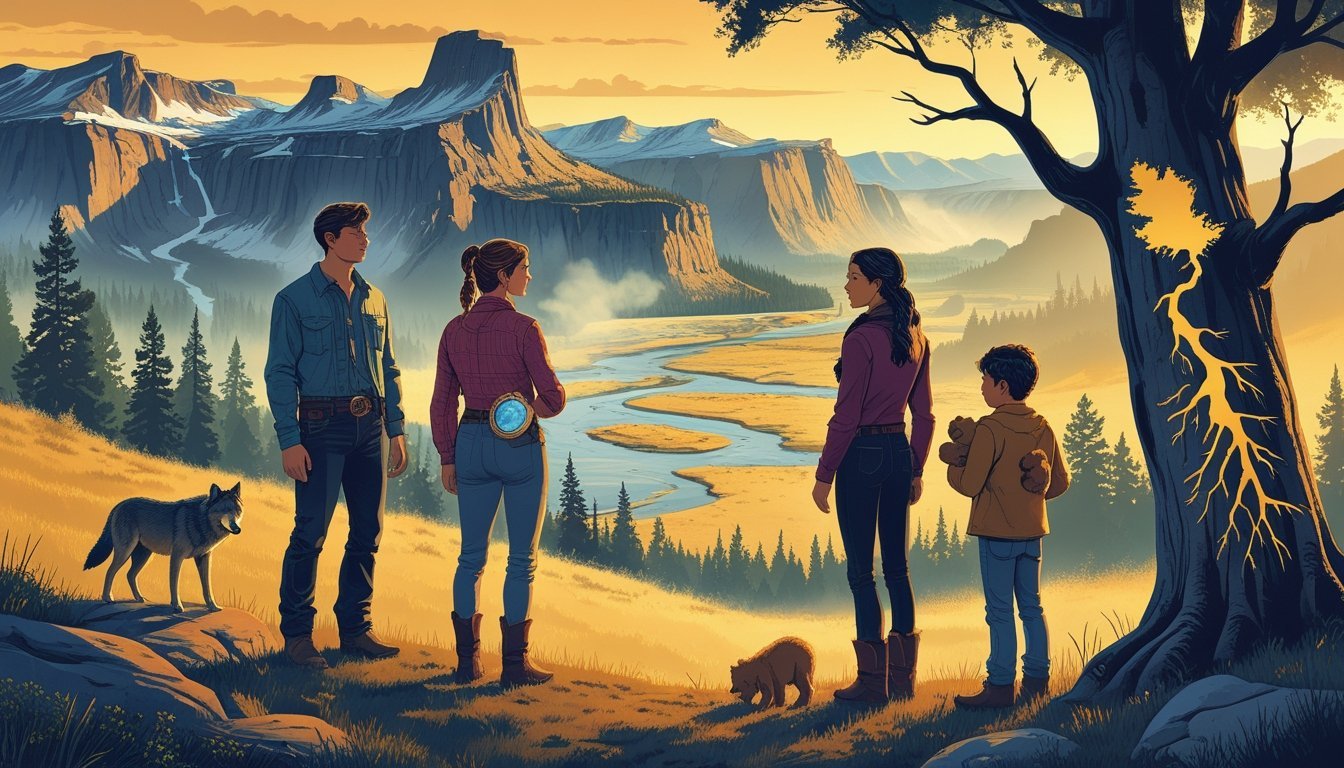
Orphanhood, whether literal or figurative, is central to the character arcs in Yellowstone. Loss, separation, and the absence of nurturing roots drive the emotional complexities, alliances, and conflicts that define the series.
Trauma and Emotional Depth
Many core characters in Yellowstone carry significant trauma connected to orphanhood. Rip Wheeler is a direct example—his family was killed in front of him, leading to a lifelong struggle with loss and anger.
This trauma creates a reservoir of emotional depth, influencing how each character processes pain and forms relationships. Beth Dutton, though not a literal orphan, is emotionally isolated due to her mother's early death. The scars from such formative events shape their reactions to trust, intimacy, and betrayal.
Orphanhood forces characters to operate from a place of survival. This constant confrontation with the past becomes a key source of dramatic tension, revealing vulnerability and fueling the hardened exteriors that define Dutton Ranch.
Identity and Belonging
Orphaned characters in Yellowstone often grapple with questions of who they are and where they fit. Kayce Dutton, torn between his Native American family through Monica and the Duttons, illustrates a search for belonging.
Rip’s adoption by John Dutton provides him with a new identity rooted in loyalty to the ranch. However, the feeling of never fully belonging persists, affecting his interactions with others.
Beth’s complex relationship with her family underscores the difficulty of establishing a secure identity after childhood loss. The lack of traditional family anchors compels each character to construct their own definitions of home, kinship, and self.
Loyalty and Motivations
Orphanhood often intensifies loyalty in Yellowstone’s characters. Rip’s unwavering allegiance to John Dutton comes directly from being saved and given purpose after his loss. This bond is both paternal and transactional—Rip’s dedication is rooted in gratitude, love, and dependence.
Beth pushes her loyalty to extremes, driven by a fierce desire to protect what remains of her family. Kayce’s motivations are split as he tries to defend both sides of his heritage while maintaining his own moral code.
These fractured loyalties lead to personal sacrifices and frequent clashes. The need to find or create family makes betrayals more painful and acts of devotion more significant.
Ambition and Power Struggles
The absence or inadequacy of family ties in Yellowstone shapes ambition and competition for power. John Dutton’s efforts to hold onto the ranch are fueled by a fear of losing the only legacy left after repeated personal losses.
Rip rises through the ranks not by inheritance, but by proving his worth—a classic orphan archetype, striving for place and respect through merit rather than blood. Beth seeks control, in both the business world and her personal life, as a way to overcome the instability orphanhood created.
The vacuum left by absent family structures sets the stage for continual power struggles, as each character’s drive is fueled by the need to protect, possess, or replace what has been lost. Rivalries, violence, and shifting alliances become the framework for survival and dominance in the Dutton world.
The Dutton Family and Their Legacy
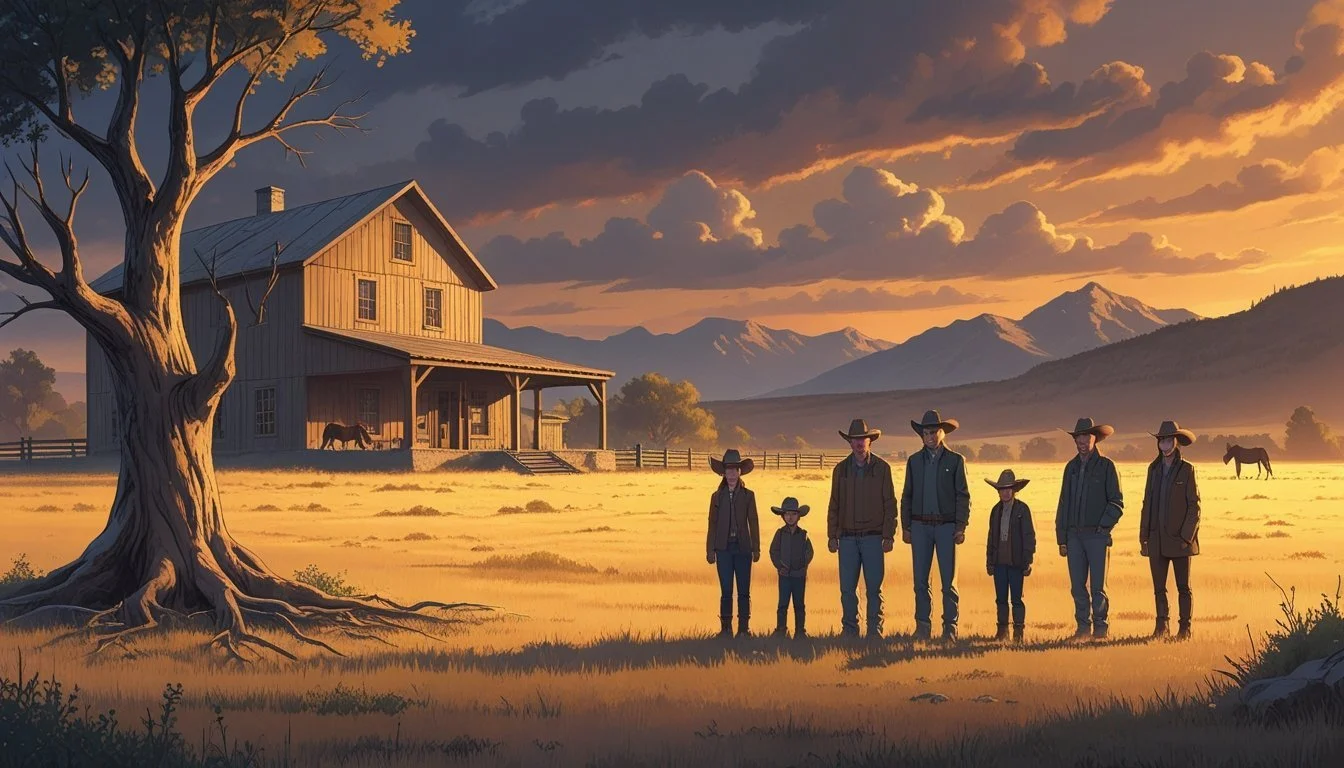
The Dutton family’s legacy is shaped by loss, isolation, and the demands of maintaining their Yellowstone ranch. Each main character—John, Beth, and Kayce—faces unique personal challenges created by their family structure and experiences.
John Dutton’s Complex Role as Patriarch
John Dutton (Kevin Costner), as the family’s patriarch, carries the burden of upholding the ranch’s legacy and traditions. His leadership is marked by difficult choices that often alienate him from those closest to him. He is surrounded by family, yet remains emotionally distant, frequently serving as a father figure without enjoying true connection.
His orphan-like status is not marked by the absence of parents, but by a sense of chronic responsibility that isolates him. The ranch is both his greatest achievement and the source of his loneliness. He consistently prioritizes the land over personal relationships, making his authority feel both protective and suffocating to the Dutton children.
John’s grief over lost loved ones, including his wife and eldest son, deepens his sense of detachment. This constant loss shapes every decision he makes as patriarch of the Dutton family.
Beth Dutton’s Struggle With Abandonment
Beth Dutton (Kelly Reilly) is defined by her traumatic experiences and fraught relationship with her father. The death of her mother and the emotional distance from her father create a lasting sense of abandonment. She struggles to trust others, forming few close attachments outside the immediate family.
Beth’s inability to have children intensifies her feelings of isolation. She views herself as unable to create her own family, compounding the orphan dynamic. Emotional volatility and fierce loyalty become her coping mechanisms, often leading to destructive behavior.
Her reliance on John Dutton is tinged with resentment, as she both seeks his approval and blames him for her pain. This complex relationship highlights Beth’s deep struggle to find belonging and acceptance within the Dutton legacy.
Kayce Dutton’s Journey Toward Acceptance
Kayce Dutton (Luke Grimes) stands between two worlds—his Dutton family heritage and his wife Monica’s Native American roots. His upbringing on the ranch is fraught with turbulence, leading him to leave home multiple times as an adult. Kayce’s sense of being an outsider stems from parental conflict and witnessing violence within the family.
Despite reconciling at times with John Dutton III, Kayce remains conflicted about his place in the family. The pull of responsibility toward his father clashes with his devotion to his own family. This tension is central to his journey toward accepting both parts of his identity.
Kayce’s experience of orphanhood is rooted not in loss of parents, but in feeling misunderstood and displaced. His personal struggles reflect a search for acceptance in both his inherited and chosen families.
Jamie Dutton: Alienation and Identity Crisis
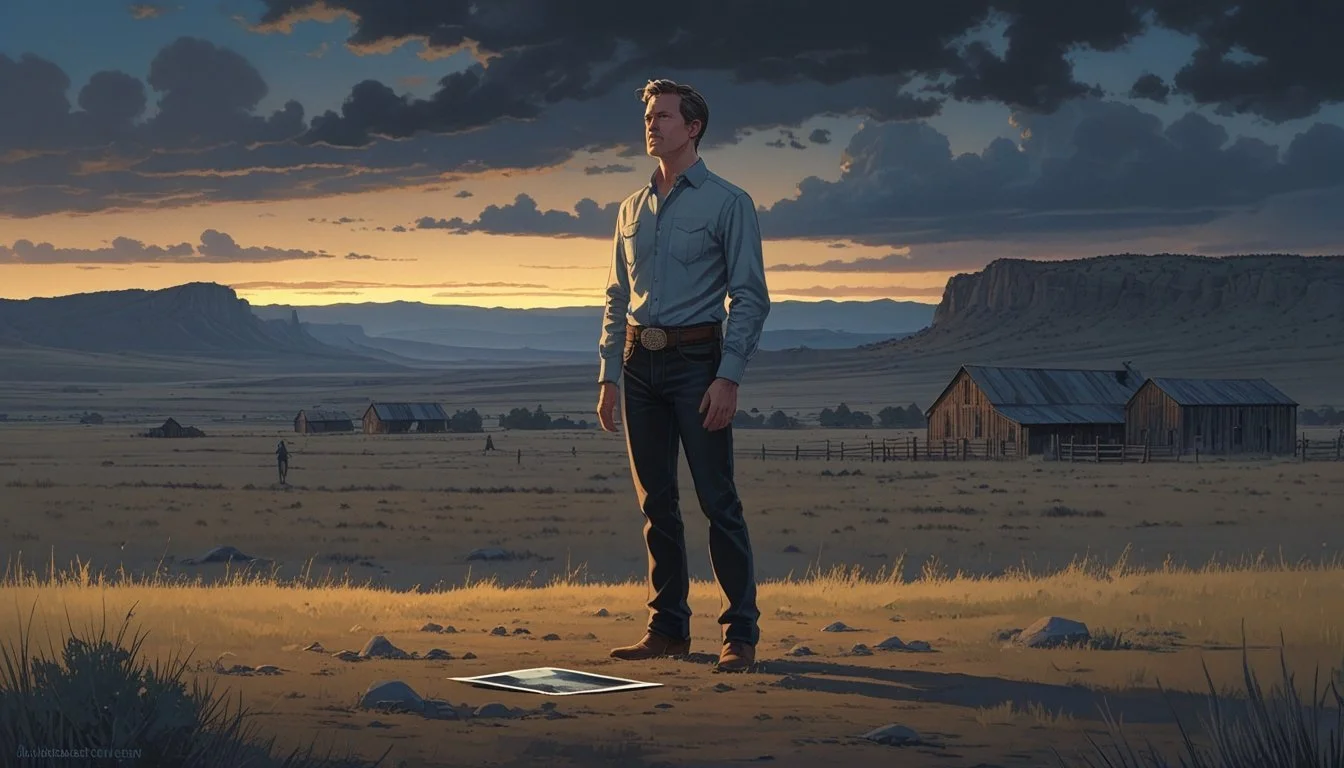
Jamie Dutton’s life in Yellowstone is shaped by questions of belonging, complicated parentage, and his search for moral direction. His adopted status and strained family bonds influence every major decision he makes, laying a foundation for his recurring feelings of exclusion and self-doubt.
Adoption and Neglect
Jamie is adopted into the Dutton family at a young age, never fully knowing his birth parents until adulthood. As John Dutton’s adopted son, Jamie is expected to be loyal, yet he is often excluded from critical decisions and treated as an outsider.
John’s emotional distance and overt favoritism toward his biological children intensify Jamie’s sense of neglect. Beth Dutton’s open hostility toward Jamie, especially after his involvement in her traumatic past, isolates him even further.
Jamie’s legal expertise becomes vital to the family ranch, yet this rarely earns him genuine trust or affection. The absence of real acceptance leads Jamie to question his identity, creating a constant tension between his duties and his personal needs.
His relationship with his biological father, Garrett Randall, only deepens Jamie’s confusion. Manipulation from Garrett and his own upbringing with the Duttons put Jamie in a state of permanent conflict, fueling his ongoing identity crisis.
Redemption and Justice
Jamie’s story is marked by a pursuit of redemption—but each attempt is complicated by his fractured loyalties. His decisions, like aligning against the Duttons or seeking validation through politics, are often met with suspicion or outright betrayal.
Despite his failings, Jamie repeatedly tries to act in what he sees as a just or redemptive way. He kills his birth father, Garrett, to try and protect himself and his standing with the Duttons. This act, meant as a move toward justice for past manipulation, instead reinforces his isolation.
Although Jamie sought a legal and moral path early in life, he becomes entangled in the family’s cycles of violence and retribution. His character traits—ambition, insecurity, and intelligence—drive him to seek both personal redemption and approval, yet seldom achieve either.
Jamie's status as both an insider and an outsider within the Dutton family underlines the show's themes of justice and reparation. His uneasy balancing act between blood and adopted ties echoes in nearly every major conflict surrounding him.
Rip Wheeler and the Enduring Appeal of Orphan Cowboys
Rip Wheeler, central to the Yellowstone narrative, embodies the orphan cowboy archetype through his troubled history, direct loyalty to the Dutton family, and close bonds with fellow ranch hands. His journey offers insight into how loss can forge steadfast commitment and a unique sense of belonging in the harsh world of cowboy life.
Rip’s Early Life and Loss
Rip’s formative years are marked by tragedy. As a teenager, he suffered the trauma of losing his mother and brother in a violent incident caused by his abusive father.
Unable to save his family, Rip responded with force, killing his father to end the abuse. Orphaned and alone, he was left without guidance or a place to call home. This harsh start instilled in him a wary, guarded nature.
John Dutton found Rip and provided him refuge at the Yellowstone Ranch. This act set the stage for a relationship shaped not by blood, but by unspoken trust and opportunity. Rip’s orphan status deeply influences his need for belonging and security on the ranch.
Loyalty to the Duttons
At Yellowstone Ranch, Rip’s loyalty emerges as a defining part of his character. He serves not just as ranch foreman, but as an enforcer and caretaker, handling tasks that require both strength and discretion.
His bond with John Dutton is not formalized through adoption, but their relationship mirrors a father-son dynamic. Rip follows Dutton’s orders without question, earning him trust that outsiders rarely achieve.
This unwavering loyalty stems from his gratitude—a product of Dutton giving him a second chance. Rip’s marriage to Beth Dutton further cements his place within the Dutton family, turning the orphan into a vital member of the ranch’s inner circle.
Cowboy Life and Brotherhood
Rip’s role as ranch foreman places him among a group of tough, resilient ranch hands. These men live by simple rules: protect the ranch, respect each other, and never betray their own.
The camaraderie between Rip and the other cowboys is intense but understated. As an orphan, his allegiance to this brotherhood is essential—he strives to ensure no one endures the isolation he experienced.
Cole Hauser’s portrayal of Rip highlights the appeal of the orphan cowboy: self-reliant, gruff, but capable of deep loyalty. The Yellowstone Ranch becomes more than just his workplace; it is the family he lost, rebuilt through grit, shared hardship, and steadfast commitment to cowboy life.
Secondary Orphan Figures on the Yellowstone Ranch
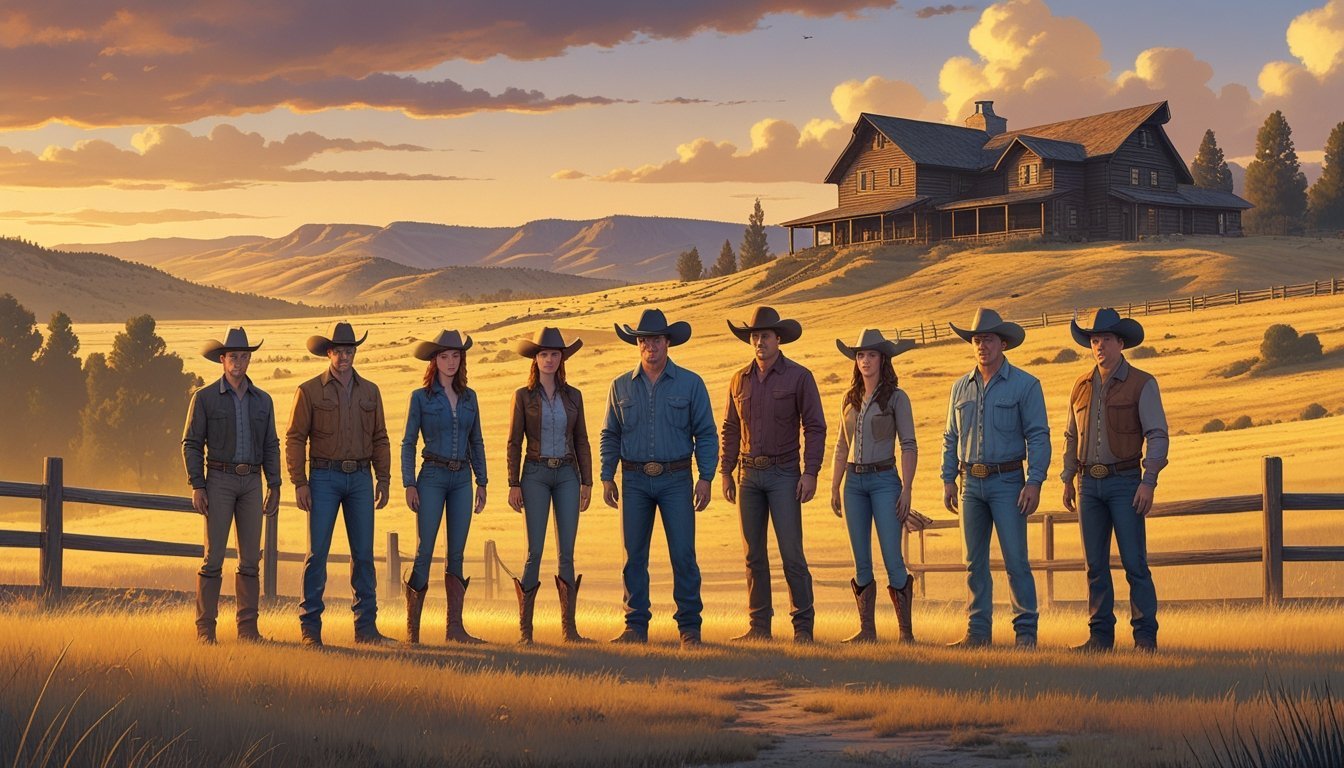
Many of the supporting characters on the Yellowstone ranch lack stable family structures, making their relationships with each other and the Duttons central to their identities. By examining their backgrounds, viewers see how loss, isolation, and the need for belonging shape the secondary cast just as much as the Duttons themselves.
Jimmy Hurdstrom’s Search for Security
Jimmy Hurdstrom arrives at Yellowstone Ranch without family support, fresh out of legal trouble. The ranch offers him structure and a place to belong, with John Dutton stepping in as a surrogate authority figure.
Jimmy’s workspace relationships—especially with Rip Wheeler—underscore his need for mentorship and discipline. The sense of safety and direction he gains at Yellowstone is central to his journey from a directionless drifter to a capable ranch hand.
His struggle to live up to the ranch’s expectations highlights a recurring theme: security is something earned, not given. Jimmy’s story on Paramount+ explores whether someone with no roots can find genuine connection and stability on the ranch.
Walker and the Outsider’s Perspective
Walker, introduced as a drifter and ex-con, is an outsider among the ranch hands. His past and reluctance to embrace the ranch’s violent code place him on the margins, both socially and emotionally.
He is constantly reminded that his presence is conditional. Walker’s music provides temporary escape but cannot shield him from the consequences of not fully belonging.
His interactions with Rip, Lloyd, and others highlight Yellowstone’s insular culture, where outsiders remain perpetual orphans regardless of how long they stay. Walker’s character arc questions whether acceptance is ever really complete for those who start as outsiders.
Teeter, Colby, and Laramie: A Newfound Family
Teeter, Colby Mayfield, and Laramie come to Yellowstone with their own histories of displacement. Teeter’s brash personality and distinct background set her apart, but she forms a strong bond with Colby, who is also looking for belonging and respect.
Laramie, arriving as part of the rodeo crowd, circles between romance and friendship with Colby and Walker, creating a new kind of chosen family. Their alliance is not just social; it provides emotional safety in a harsh work environment.
Key dynamics:
Teeter and Colby looking out for each other inside a sometimes hostile bunkhouse.
Laramie bringing outside energy that changes group dynamics.
The group—including other bunkhouse residents like Gator—show that family at Yellowstone is often formed by shared survival rather than bloodlines.
Native American Representation and Orphanhood
In Yellowstone, Native American characters face orphanhood not just as a personal circumstance, but as a result of cultural, political, and emotional separation from land, family, and tradition. The show uses these experiences to highlight issues of identity, leadership, and belonging.
Thomas Rainwater’s Leadership
Thomas Rainwater, leader of the Broken Rock Indian Reservation, is depicted as a man searching for reconnection to his heritage. Raised apart from his culture, Rainwater is technically an orphan of tradition, reclaiming his identity as an adult. His journey shapes his ambitions and fuels his drive to restore autonomy and resources to his community.
He positions himself as a protector and advocate. Motivated partly by the orphan-like separation of many tribal members from their roots, Rainwater’s leadership style emphasizes communal restoration. This stance puts him at odds with the Duttons, but highlights the wider theme of generational dislocation.
Rainwater’s orphanhood is not just personal. It symbolizes the broken connections Native communities endure due to historical displacement. His storyline relies on these themes, providing a lens into what it means to be disconnected, yet determined to recover what was lost.
Monica Dutton’s Struggle Between Two Worlds
Monica Dutton, played by Kelsey Asbille, embodies the dual sense of orphanhood—removed from both her Native roots and the Dutton family into which she marries. Her struggle to belong anywhere exposes the complexity of identity for many Indigenous Americans navigating modern and traditional environments.
Living at Broken Rock does not guarantee full belonging, as Monica often confronts tension between her heritage and her marriage’s expectations. She faces cultural prejudice from both worlds and often feels alienated from her own family, compounding her sense of dislocation.
Her character brings emotional depth to the idea of orphanhood as an internal and external conflict. Monica is in constant negotiation: preserving Native culture for her son Tate, yet also adapting to the pressures from the Dutton side. This balancing act drives many of her choices and fears.
Tate and the Bridge Between Cultures
Tate Dutton, Monica and Kayce’s son, occupies an uncertain space between settler and Indigenous worlds. Played by Brecken Merrill, Tate often appears as a cultural “orphan,” never fully at home in either the Dutton ranch or Broken Rock. He faces expectations and dangers from both sides, sometimes feeling the burden of two histories.
Tate’s storylines stress how children can inherit orphanhood, not from loss of parents, but from legacy and place. His episodes often center on protection—his loved ones trying to shield him from violence and identity-based threats. Despite being surrounded by family, Tate’s position is precarious.
Through Tate, the series explores how cultural disconnection is carried forward. His experiences illustrate the complexities of forming an identity when pulled by competing loyalties, traditions, and modern risks. Tate’s character frequently serves as a focal point for the show's larger themes.
Broken Rock Indian Reservation Context
The Broken Rock Indian Reservation is at the center of Yellowstone’s Native American representation. It functions as a backdrop for generational orphanhood—the forced removal, land loss, and legal battles experienced by its residents. Displacement continues to affect identity, relationships, and prospects.
Residents of Broken Rock live with the consequences of historic separation. Family structures have been fragmented by decades of assimilation policies, foster care, and encroachment, leaving many feeling detached from cultural heritage. The reservation’s challenges are grounded in real Indigenous issues.
Yellowstone incorporates elements of authentic Native ceremonies and social dilemmas, but also uses Broken Rock’s narrative to reinforce orphanhood as both a literal and metaphorical experience. The community’s fight for sovereignty is deeply tied to their struggle against historical and present-day disconnection.
The Role of Land Developers and Villains
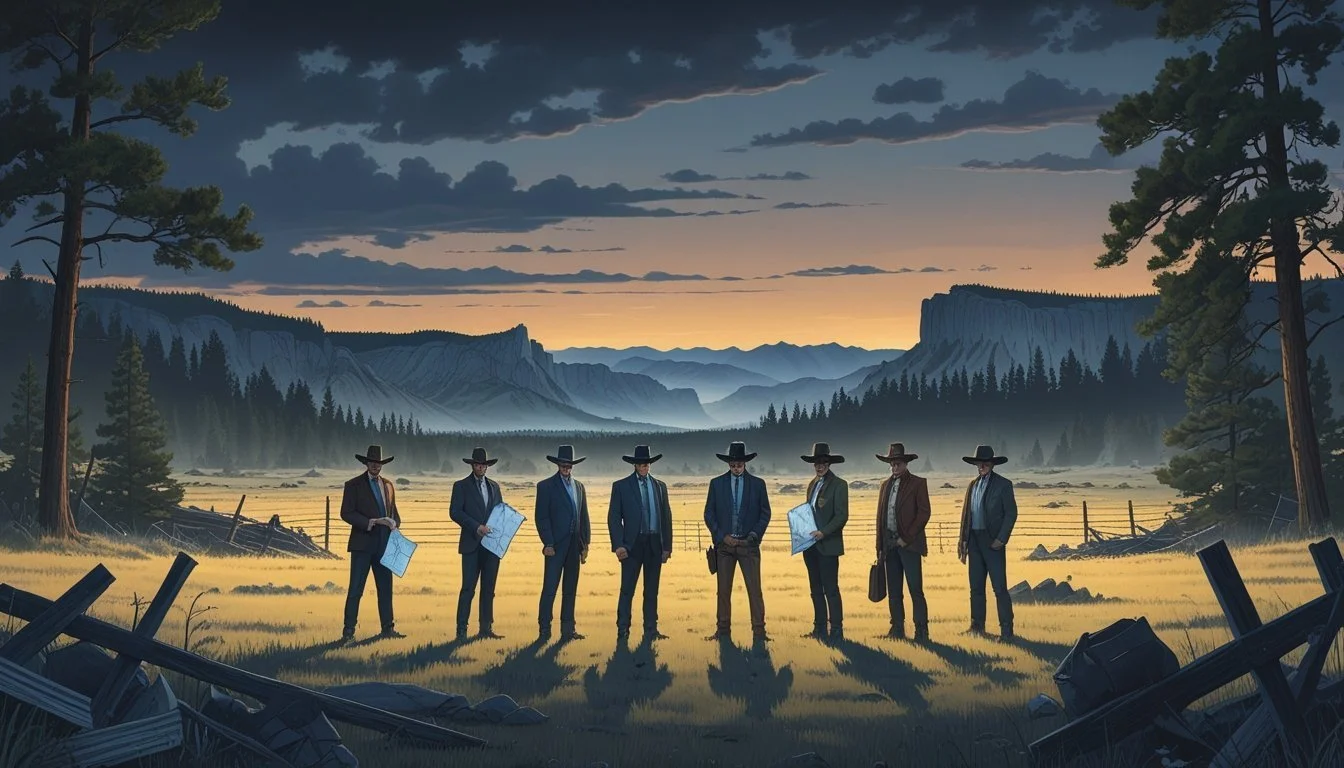
Land developers and villains play a critical role in Yellowstone, serving as catalysts for conflict and challenging the security of the Dutton family. Their ambitions and strategies often reveal the fragile boundaries between legacy, power, and personal identity.
Dan Jenkins and Neo-Western Ambitions
Dan Jenkins represents the modern face of land development in Yellowstone. As an outsider and a land developer from Los Angeles, he arrives in Montana with plans to reshape the landscape around the Yellowstone Dutton Ranch. His ambitions are not simply economic but also cultural, embodying a vision where profit and progress override tradition.
Jenkins's initial portrayal as a primary antagonist in Season 1 sets the tone for the type of villainy that mixes business savvy with predatory intent. His schemes, including plans to build a casino in Paradise Valley, directly threaten the way of life that the Duttons aim to protect.
Importantly, Jenkins’s role demonstrates how villains in the series are not cartoonish or purely evil. Instead, their motivations make them complex and believable. As alliances shift in Season 2, Jenkins’s character even becomes a reluctant ally, showing how personal and business interests can force temporary truces between adversaries.
The Threat to Family and Home
Land developers like Dan Jenkins introduce existential threats to the Dutton ranch, emphasizing the vulnerability of both land and legacy in the modern West. Their actions force the Duttons into a defensive posture, highlighting how external ambitions can orphan an entire family from its heritage and stability.
Villains exploit legal loopholes, financial leverage, and political influence, using sharp tactics to undermine the Duttons’ hold on their ancestral home. This creates a state of near-constant siege on the family, framing them as orphans fighting to reclaim or protect what is rightfully theirs.
Yellowstone uses the struggle against land developers to explore themes of displacement and belonging. The presence of these antagonists underscores the series’ central tension between new money and old values, making the Duttons’ ordeal not just about land, but about identity itself.
Setting and Symbolism: The Orphan’s Geography
Montana’s sweeping landscapes and Yellowstone's iconic settings provide a sense of vastness and exposure. The geography frames every character's experience, offering both opportunity and isolation that closely mirrors their orphan-like status.
Montana and the Appeal of the Yellowstone Ranch
The Yellowstone Ranch, set in the heart of Montana, acts as both fortress and frontier. Surrounded by mountains and open plains, it represents sanctuary for the Dutton family but also makes clear their vulnerability. The ranch is isolated, separated physically and emotionally from the outside world and modern society.
Daily life on a cattle ranch is dominated by physical labor and unpredictable weather, echoing the emotional struggles and resilience required of orphans. The constant fight to maintain ownership reflects an orphan’s battle for identity and belonging. Montana itself, with its harsh winters and breathtaking beauty, underlines the tension between survival and loss.
Key Features of Montana and the Ranch:
Feature Symbolic Meaning Remote Location Separation, abandonment Open Land Opportunity, solitude Harsh Climate Struggle, resilience
Yellowstone National Park as Metaphor
Yellowstone National Park stands as a broader metaphor in the series, embodying the vast unknown and the forces threatening the ranch and its people. The park’s untouched wilderness is beautiful, but it is also untamed—a reminder that safety is never guaranteed.
For each character, the park’s boundaries reflect their own edges: where personal history ends and the unknown begins. The ever-present threat from outside interests—developers, government agents, and tourists—represents the outside world’s constant pressure on orphans to adapt or be overtaken.
Yellowstone’s geysers and shifting landscape symbolize emotional eruptions and instability. As the characters stake their claim in a world that never stays the same, the setting forces them into perpetual negotiation with forces beyond their control, just as an orphan must do.
Comparing Yellowstone’s Orphans to Pop Culture
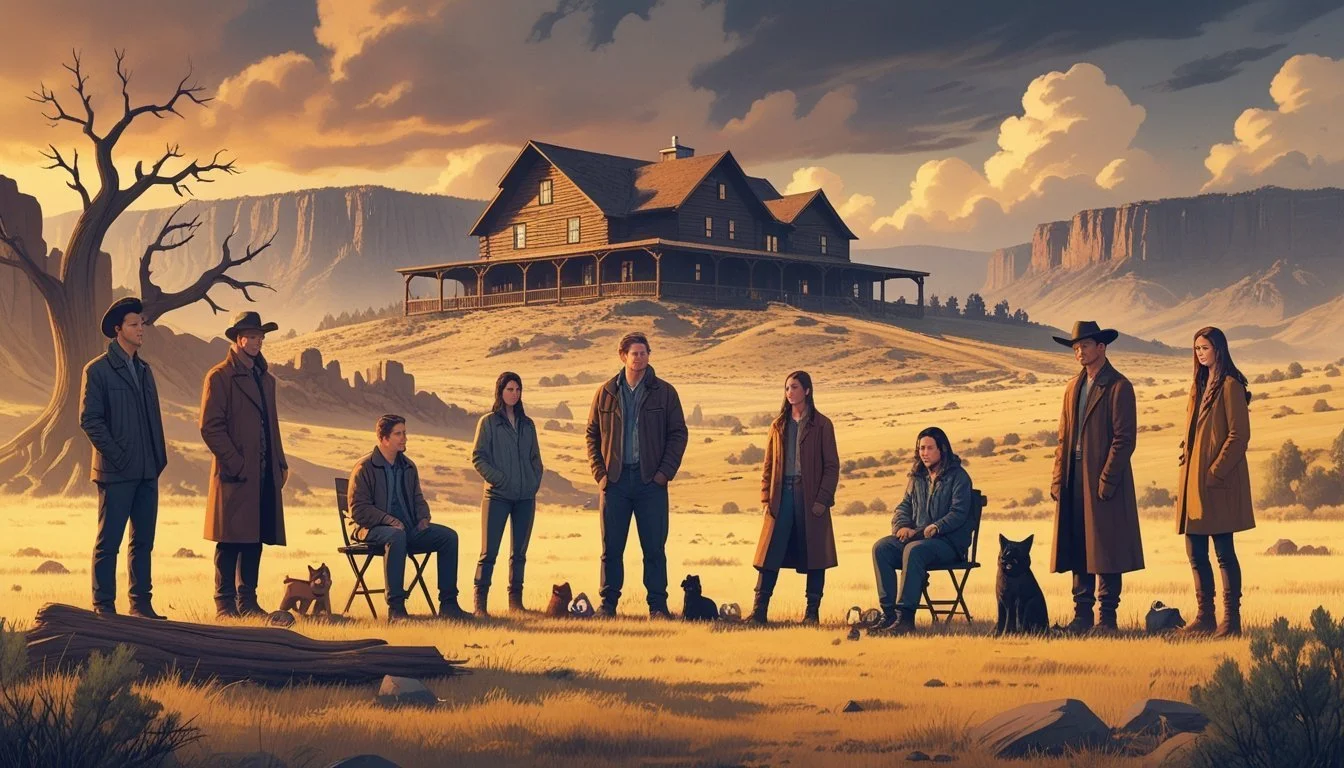
Yellowstone’s characters reflect classic orphan archetypes seen in major pop culture works. Their status as outsiders and survivors ties them to some of the most famous protagonists in modern storytelling, highlighting deep parallels in motive and identity.
Harry Potter and the Universal Orphan Narrative
Harry Potter stands as one of fiction’s most widely recognized orphans. Like the children of the Dutton family, Harry is shaped by early loss, creating a foundation of emotional independence and resilience. Both Yellowstone and Harry Potter use orphanhood to anchor their protagonists’ deepest motivations.
Harry’s journey through Hogwarts and the wizarding world mirrors Beth, Kayce, and Rip’s navigation of the dangers and uncertainties of ranch life. The absence of parental security forces these characters to define family on their own terms and seek belonging through loyalty and chosen kin. This universal narrative—where trauma catalyzes self-discovery—forms a powerful storytelling link.
A table below highlights these similarities:
Archetype Character Orphan Status Central Motivation Harry Potter Literal orphan Protect friends, define identity Kayce/ Beth/ Rip (Yellowstone) Metaphorical or literal orphan Defend legacy, seek connection
Walter White and the Antihero Parallel
Walter White, the protagonist of Breaking Bad, offers a different version of the orphan archetype. Though not a literal orphan, he is emotionally isolated and morally untethered, especially as he transforms into a neo-western antihero.
Like John Dutton’s children, Walter operates in a world defined by blurred lines and lone-wolf survival, echoing the neo-western drama tone of Yellowstone. The Duttons’ sense of abandonment and their confrontations with violence parallel Walter’s gradual shedding of conventional morality. This positions both Walter and the Yellowstone cast as complex, haunted figures whose orphan-like detachment drives their risky choices.
The comparison highlights how orphan status—literal or metaphorical—can produce protagonists whose actions challenge conventional hero and antihero character archetypes. These stories tap into the tension between belonging and self-destruction.
Conclusion: Why Every Yellowstone Character Is a Type of Orphan
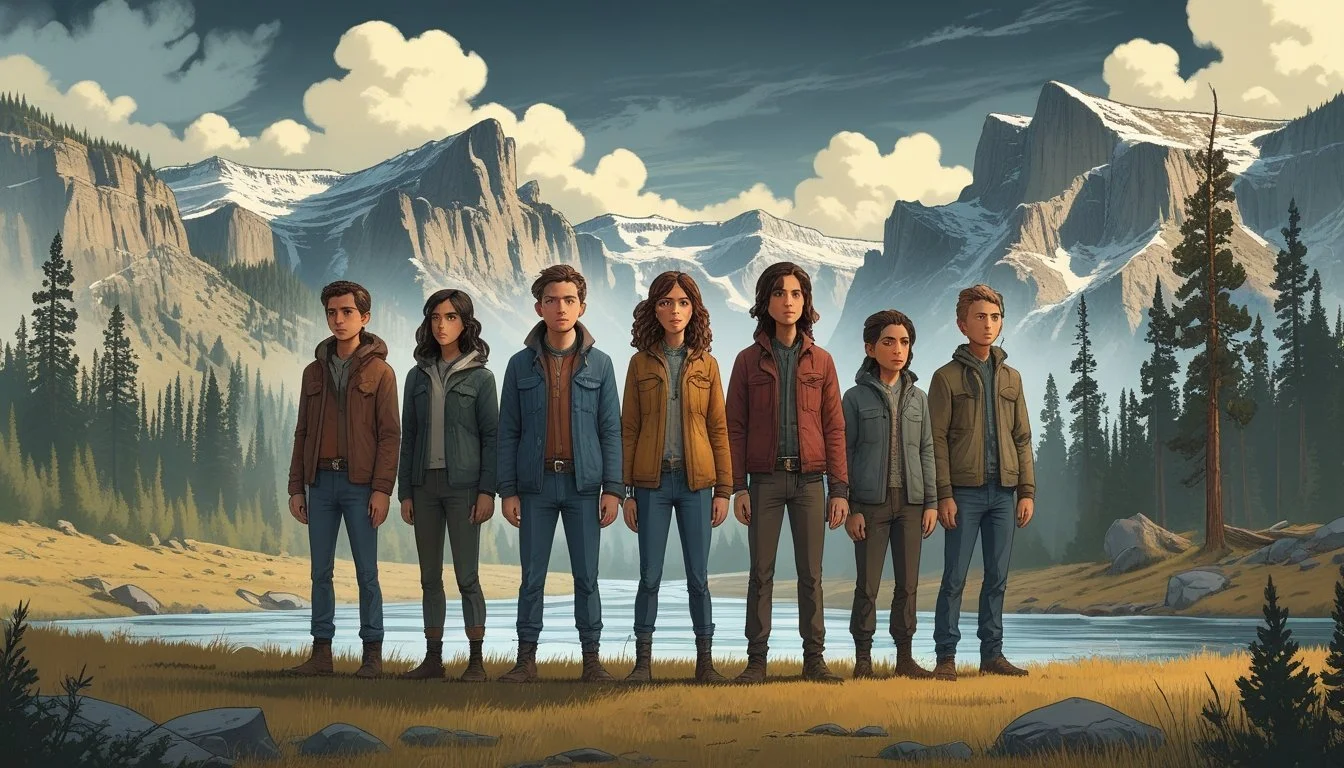
Each main character in Yellowstone displays traits of the orphan archetype, regardless of their family status.
The series consistently explores fractured family dynamics. Characters are separated from their parents, mentors, or sense of belonging, forming new identities out of isolation or loss.
Orphanhood in the show is not always literal. Many, like Beth and Kayce Dutton, experience alienation within their own family. Rip Wheeler and Jimmy are traditional orphans, but even John Dutton, surrounded by kin, is emotionally isolated by duty and grief.
These orphan traits create resilient personalities. Characters adapt and survive despite betrayal, tragedy, or abandonment. This shared struggle for acceptance weaves through the narrative.
The series finale highlights these themes. Some move on to new places, such as Beth, Rip, and Carter leaving for the Big O Ranch. Others remain, but each is marked by the sense of being set apart.
Character Type of Orphan Evidence Beth Dutton Emotional Feels isolated, seeks approval Rip Wheeler Literal Lost parents, finds new home John Dutton Existential Burdened, mourns lost loved ones Kayce Dutton Emotional Struggles with loyalty, belonging Jimmy Literal Background of abandonment
The orphan archetype deepens the emotional depth of Yellowstone, shaping both story and character. Each character’s journey reveals new facets of isolation, strength, and the ongoing search for connection.
