
Why Yellowstone Is a Love Letter to Dying Values
How the Show Champions Tradition and Change
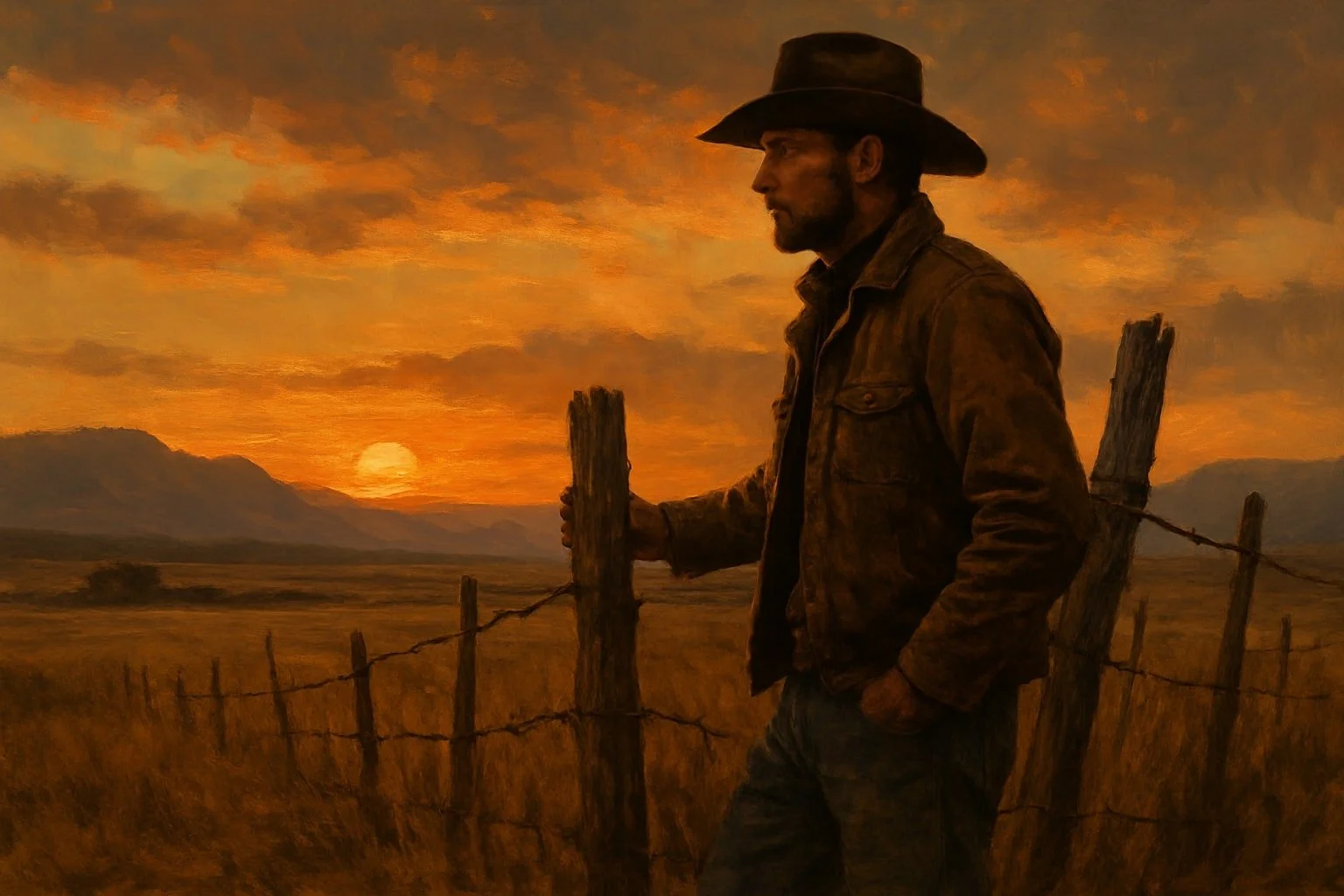
Yellowstone stands out as a love letter to dying values, capturing the struggle to maintain tradition, loyalty, and a way of life that feels increasingly threatened by modern change. Through the story of the Dutton family fighting to protect their land, the series explores themes of honor, sacrifice, and the limits people will go to in order to preserve what matters most.
Sweeping shots of Montana’s landscapes and the emphasis on cowboy ethos reinforce a deep respect for heritage and connection to the land. The show’s conflicts between ranchers, Native tribes, and newcomers echo broader questions about identity, legacy, and belonging in a rapidly evolving world.
Yellowstone does not shy away from depicting the cost and complexity of holding onto these fading ideals, making it both a reflection of the current era and a tribute to principles that risk being lost.
Yellowstone as a Modern Western
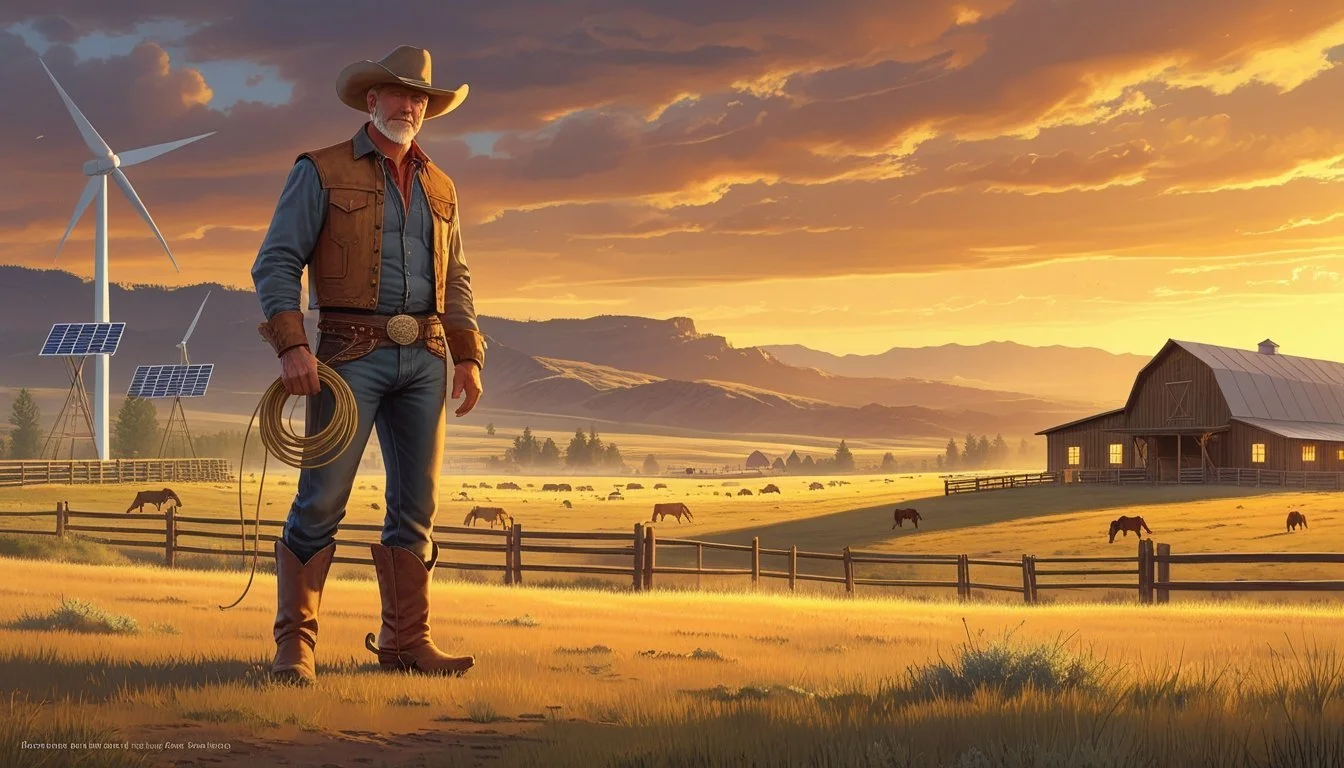
Yellowstone stands at the intersection of tradition and evolution, blending elements of the classic Western with contemporary themes and technologies. Its success comes from a careful balance of nostalgia, realism, and the uncompromising depiction of life in today’s American West.
Television’s Revival of the Western Genre
The Western genre faded from mainstream television for decades, until Taylor Sheridan and John Linson’s Yellowstone revitalized it. By premiering on the Paramount Network and later moving to Paramount+, the series reached a broad audience and brought Western storytelling back into pop culture.
Unlike older Westerns, Yellowstone doesn’t just depict gunslingers or outlaws. It explores life on a cattle ranch, family dynamics, and conflicts over land use, reflecting issues many viewers recognize in the modern world.
Through multi-layered characters, including the gritty patriarch John Dutton, Yellowstone offers stories of legacy, loyalty, and survival. The combination of personal drama and larger societal themes helps the show appeal to both fans of classic Westerns and new audiences.
Iconic Setting and Cinematography
Set in Montana, near Yellowstone National Park, the series uses its scenery as a core element. Cinematographer Ben Richardson relies on natural light and wide landscapes to showcase the vastness and harsh beauty of the American West. These choices give the show a visual identity rooted in authenticity.
The large, open spaces and rugged environments reflect the characters’ struggles and resilience. Scenes often highlight working cattle ranches, rivers, and mountain ranges, reinforcing the cowboy ethos and underscoring the challenge of preserving land and tradition.
Attention to detail, from the way horses are handled to the depiction of rural life, sets Yellowstone apart from other TV series. The setting is not just background—it’s central to every storyline and conflict.
Authenticity and Grit in Storytelling
Yellowstone’s writing, led by Taylor Sheridan, refuses to idealize or soften the realities of modern ranch life. Characters often face moral dilemmas, betrayals, and harsh consequences, capturing the grit that defined classic Western heroes while updating it for today’s world.
Authenticity comes through in dialogue, costume design, and the portrayal of ranch work—branding cattle, mending fences, and navigating complex relationships. Violence and hardship are not glamorized but shown as part of daily survival.
This approach grounds the series in realism and preserves the spirit of the Western genre. It invites viewers to consider the costs of legacy and the preservation of values in an ever-changing society.
Dying Values and the Dutton Legacy
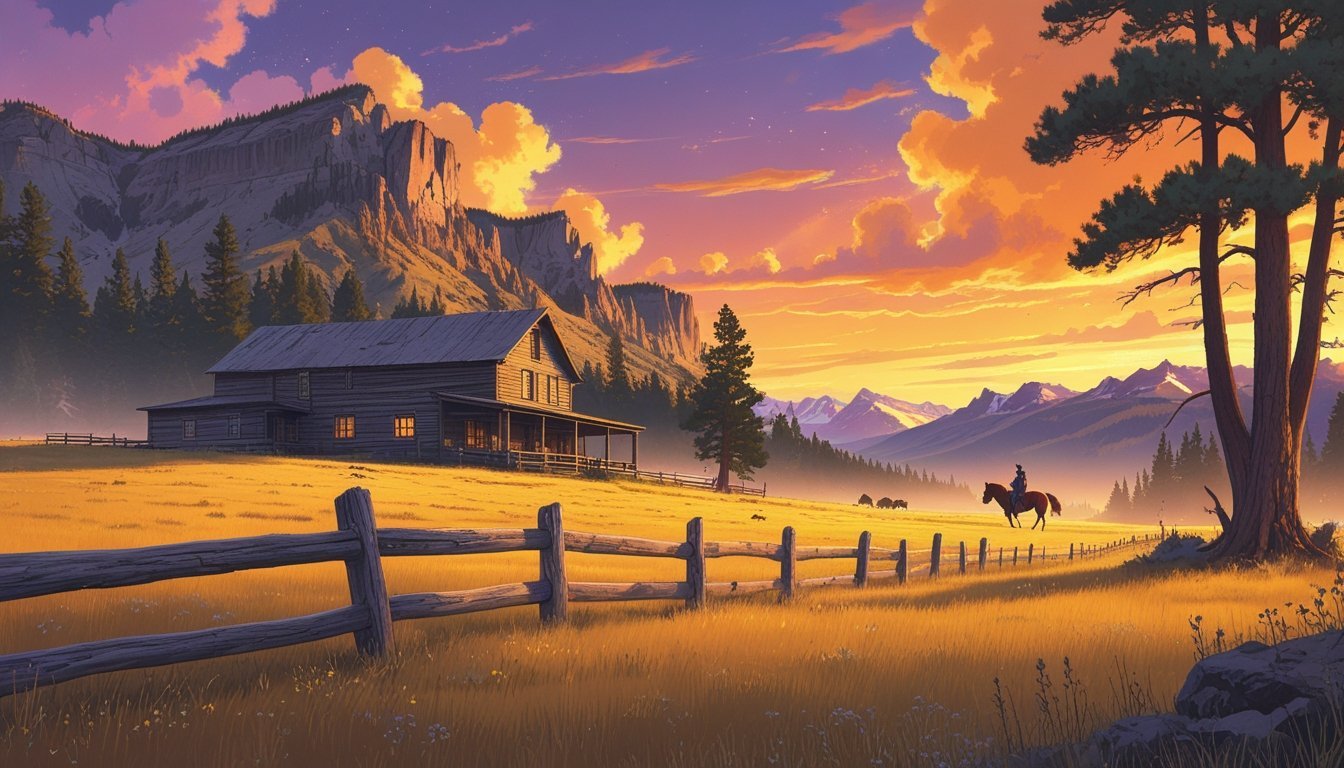
Yellowstone centers its story on the enduring but threatened ideals that define the Dutton family. These include defending legacy, upholding strict family loyalty, and maintaining roles shaped by tradition and hierarchy.
Legacy and Tradition at Dutton Ranch
The Dutton Ranch is more than a setting—it is a symbol of heritage and a fierce commitment to the survival of family traditions. John Dutton, played by Kevin Costner, represents the old guard, determined to protect the ranch and its values from modern encroachment.
Centuries of ranching culture are visible in everything from the land’s stewardship to the cowboy hats worn by John and Rip Wheeler. The ranch operates almost like an ecosystem of custom and ritual, where each member knows their place. Challenges from outsiders, developers, and politicians highlight how vulnerable these traditions have become.
The Dutton family’s battle is not only about physical land but also about preserving a way of life. The ranch stands as a last bastion against a world moving away from gritty persistence and generational duty.
Patriarchy, Succession, and Family Dynamics
John Dutton serves as a firm patriarch. He controls the family’s direction, enforces order, and decides who will inherit his burdens. His children—Beth, Kayce, and Jamie—are shaped by his expectations and weighty legacy, but their competing ambitions add tension and uncertainty to the line of succession.
Sibling rivalry is central. Beth’s unwavering loyalty, Jamie’s quest for approval, and Kayce’s struggle between independence and obligation create constant conflict. Each character’s choices, especially when it comes to succession, reveal cracks in the foundation of the family’s traditions.
The family’s drama unfolds as a real-time negotiation of power, responsibility, and the cost of inheriting leadership. These issues expose the fragility and complexity of traditional family structures in a modern context.
Loyalty, Devotion, and Honor
Loyalty is the cornerstone of the Dutton code. Members of the household and ranch employees, especially Rip Wheeler, are expected to give unwavering devotion to both John and the land.
Honor is tied to personal sacrifice. Rip’s actions are guided by faithfulness to John, sometimes to his own detriment. Beth’s fierce protection of her father and Kayce’s reluctant but firm loyalty reveal how honor is seen as doing what must be done—even at great personal cost.
This culture of loyalty and devotion is continuously tested by threats both inside and outside the family. These expectations forge strong bonds but also demand difficult choices, defining what it means to be part of the Dutton legacy.
Conflict in a Changing American West
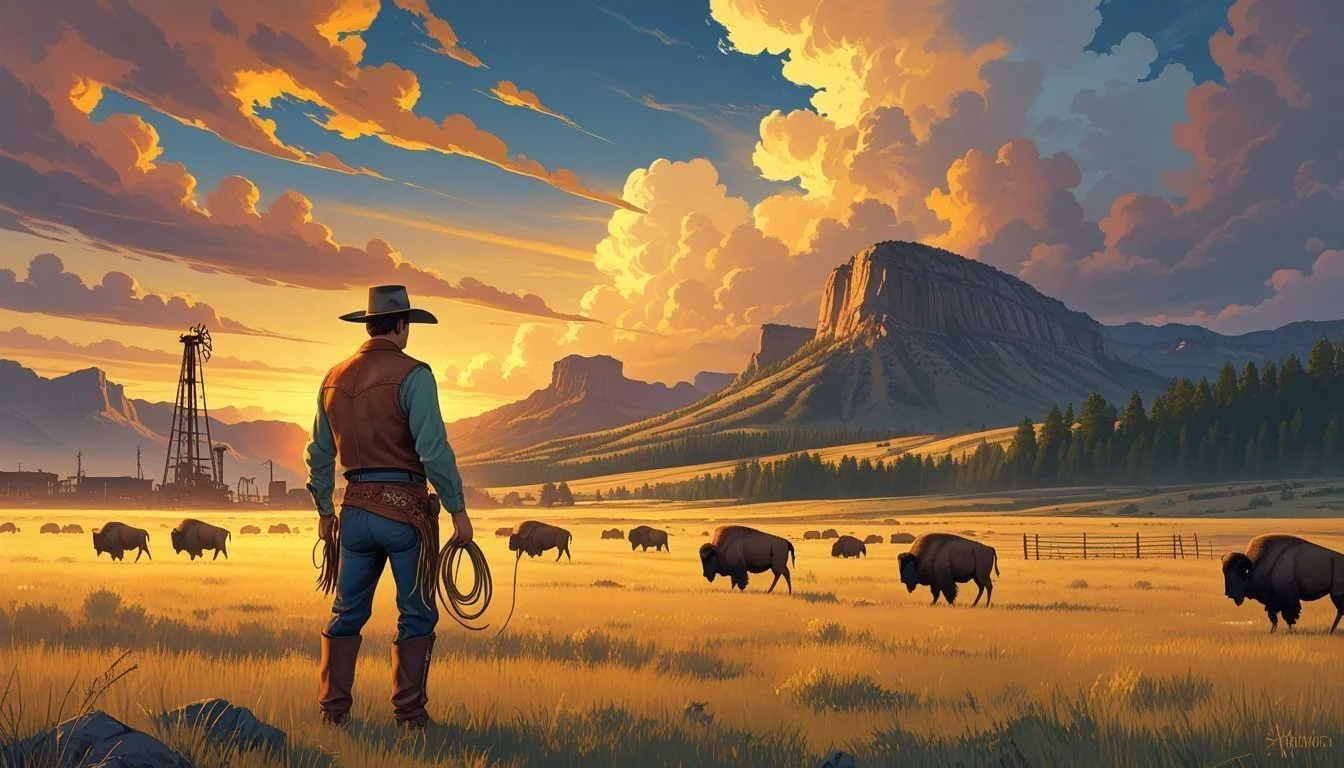
Ranchers and landowners face mounting challenges as modernization and outside interests reshape the region’s landscape. Tensions play out on multiple levels, from the clash of old and new values to battles over land, money, and cultural identity.
Clash Between Tradition and Progress
The American West shown in "Yellowstone" is defined by a sharp divide between tradition and progress. Longtime ranchers like the Dutton family represent resilience, maintaining ranch life in the face of rapid change. Their way of life, built on inherited land and close ties to nature, is threatened by forces pushing for modernization.
As corporate interests and land developers enter the scene, they advocate for economic growth and urbanization. These pressures test the strength of cultural identity tied to the land. Characters struggle with whether to adapt or preserve their heritage, highlighting emotional and philosophical divides as much as practical ones.
Developers and politicians promise new wealth and opportunity. Yet, this often comes at the expense of established communities, who view change as eroding values central to the American West’s identity.
Turf Wars and Power Struggles
Turf wars are central to the power dynamics on "Yellowstone." Control over land and resources sparks conflict between ranchers, corporations, tribal nations, and political figures. Each group uses different strategies—sometimes legal, sometimes not—to gain or maintain power.
Political corruption is a recurring theme, with decisions frequently favoring those with the most wealth or influence. Corporate greed intensifies these struggles, undermining local voices and escalating conflict. Alliances shift quickly as each side tries to outmaneuver the other for control.
Other stakeholders, such as Native American tribes, seek to reclaim ancestral lands. Their involvement brings additional moral and historical complexity to these battles. Power struggles reflect real challenges that define the region’s social and political fabric.
Land Ownership and Land Rights
Land is more than property in the American West; it represents survival, wealth, and cultural continuity. Ownership disputes drive much of the drama, whether in the courtroom, at the negotiating table, or through outright hostility.
Preservation is a core concern for ranchers, who view themselves as stewards protecting the land for future generations. Meanwhile, outside investors and land developers argue for maximizing economic returns, often at odds with conservation efforts. This creates friction between those who prioritize immediate profit and those focused on legacy or stewardship.
The show also addresses the complexity of land rights for indigenous communities. Competing claims over territory reveal how history, power, and legal frameworks continue to shape the fate of the American West.
Complex Characters and Moral Ambiguity
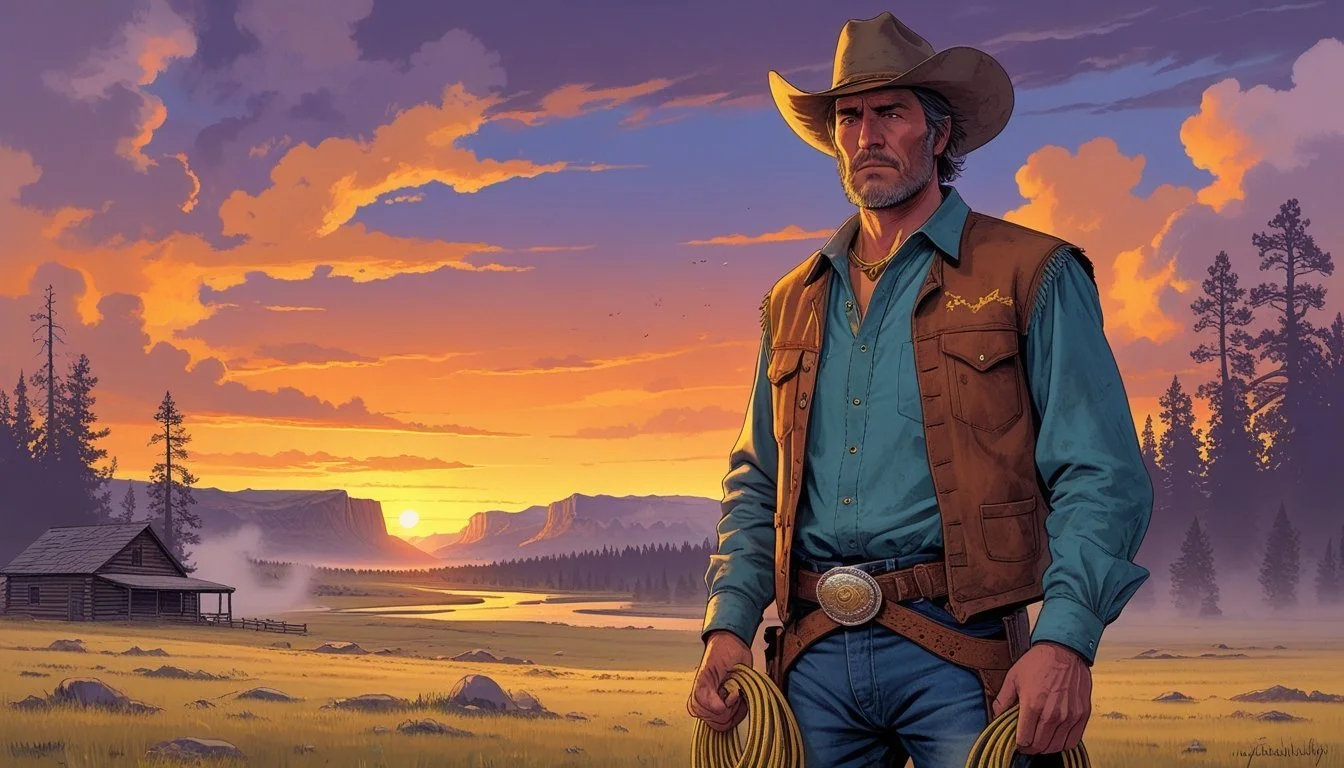
Yellowstone thrives on characters who cannot be neatly labeled as heroes or villains. Each central figure faces challenges that force difficult decisions, often at the expense of personal happiness, family ties, or their own values.
Development of the Dutton Family
The Dutton family sits at the heart of the series. John Dutton’s rigid principles drive both the preservation of the Yellowstone ranch and his relationships with his children. His command of the family and business reflects a struggle to uphold fading traditions in a changing world.
Beth Dutton, played by Kelly Reilly, embodies ruthlessness and emotional complexity, shaped by loss and her father's expectations. Jamie Dutton’s arc brings tension, as his pursuit of belonging clashes with his frequent betrayals of family trust.
Rip Wheeler’s loyalty anchors him to the Duttons, but his own history makes him both protector and enforcer. Each member navigates generational wounds, creating long, evolving arcs centered on duty, resentment, and love.
Morally Ambiguous Choices
Nearly every major character in Yellowstone faces morally ambiguous situations. Characters like John and Beth Dutton routinely opt for ethically complex solutions to threats, from legal manipulation to outright violence. These choices protect their legacy but undermine their moral authority.
Jamie Dutton’s decisions often blur the line between self-preservation and treachery. His actions show how ambition and vulnerability can drive someone to betray those closest to them. Rip Wheeler, too, is caught between harsh loyalty and his own sense of justice.
The series leverages these choices to question the value of rigid morality in survival. Viewers are positioned to empathize with the characters even when their actions are difficult to justify.
Role of Relationships and Trust
Relationships in Yellowstone are deeply entwined with the characters’ development and the story’s major conflicts. The trust between John Dutton and his children — especially Beth and Jamie — is frequently tested by secrets, past betrayals, and shifting alliances.
Rip Wheeler’s relationship with Beth exposes rare moments of vulnerability for both, contrasting the otherwise harsh environment of the ranch. This relationship serves as a foundation in their lives, offering support even when their actions are morally questionable.
Trust within the larger community is fragile. Deals and alliances change quickly, influenced by land struggles and personal history. Yellowstone uses these dynamics to highlight the cost of loyalty and the risk inherent in every relationship the Duttons maintain.
Indigenous Perspectives and Historical Injustices
Yellowstone explores the long-standing conflicts between ranchers and Native Americans over land and legacy in Montana. The series highlights struggles around Native American rights, the realities of reservation life, and the complexities of preserving indigenous identity within evolving American landscapes.
The Broken Rock Reservation and Thomas Rainwater
The Broken Rock Reservation in Yellowstone stands as the show’s central representation of Native American communities. Its tribal chairman, Thomas Rainwater, embodies both determination and internal conflict. He seeks to reclaim land that was historically taken from indigenous peoples, asserting his community’s rights through legal, political, and economic means.
Rainwater’s leadership brings the nuances of tribal governance into the spotlight. Balancing traditional values with modern strategies, he represents the effort to negotiate with powerful ranchers, corporations, and government entities. His character navigates the realities of treaty violations, sovereignty, and the limits faced by tribal governments. The depiction captures difficult choices leaders make as they try to assert autonomy and protect their people’s interests.
Land and Native American Rights
Land rights are a recurring source of tension throughout Yellowstone. The series draws attention to the importance of land as both a symbol and a resource for Native American communities. Demands to restore territory lost to settlers and the state highlight ongoing historical injustices.
The reservation’s struggle to maintain its boundaries against encroachment mirrors real-world legal and policy battles. Disputes with the Dutton family—who represent settler claims to property—underscore conflicting histories of ownership. The show's narrative raises questions about reparations and justice for indigenous peoples, who often face economic disadvantage despite legal victories. Discussions about casinos and development reflect the complex choices tribal leaders must make to secure a stable future for their communities.
Depiction of Indigenous Peoples and Cultural Identity
Yellowstone attempts to depict the richness and challenges of indigenous identity. It portrays experiences such as community gatherings, traditional rituals, and the day-to-day realities of reservation life. Recurring dialogue frequently addresses how Native Americans balance cultural heritage with contemporary demands.
Characters like Thomas Rainwater and other members of the Broken Rock community grapple with stereotypes and strive for representation on their own terms. Still, the show has faced criticism for accuracy and depth, sometimes relying on familiar tropes. The presence of indigenous storylines emphasizes both the persistence of historical wounds and ongoing efforts to celebrate and sustain identity in a changing world.
Themes of Identity, Vulnerability, and Isolation
Yellowstone explores how individual backgrounds, harsh environments, and shifting cultural norms shape its characters and their decisions. The show highlights the pressures of legacy, class, and social change faced by those trying to hold onto fading ways of life.
Personal Struggles and Identity
The characters in Yellowstone deal directly with questions of identity. Many, like Kayce Dutton, struggle with their military background and family obligations while searching for their place in a world divided by ambition and tradition.
Beth Dutton faces vulnerability head-on, her personal traumas shaping how she relates to her family and the ranch. Jamie Dutton’s ongoing search for acceptance and purpose reveals the tension between personal ambition and inherited duty.
Identity is not stable in Yellowstone; it shifts under the pressures of loyalty, loss, and responsibility. These factors drive many actions and conflicts, revealing the complexity of rural life and the cost of staying true to oneself.
Dealing with Poverty and Isolation
Economic hardship and physical remoteness are recurring elements impacting the ranch and neighboring communities. The Duttons, even with substantial land holdings, must fight to maintain their way of life against external development and financial threats.
Many characters experience social isolation as a consequence of their rural setting. Their ties to the land sometimes become burdens, limiting their opportunities and placing them in conflict with modern society.
Isolation is not just physical but also emotional. The challenges of poverty, limited options, and distrust of outsiders contribute to a sense of being left behind. This environment shapes unique forms of resilience and defensiveness.
Nostalgia and the Decline of Rural Values
Yellowstone uses nostalgia as a lens to examine fading rural values. The show contrasts the traditional codes of the West—loyalty, hard work, and stoicism—with contemporary realities that threaten their existence.
Legacy and heritage are constant sources of tension. Characters look back on family history and the land’s past, feeling the burden of living up to these older ideals amid relentless change.
This longing for a lost era is shown in the ranch’s daily routines, rituals, and relationships. The tension between nostalgia and necessity underscores the show's depiction of the modern American West, where cherished values are in constant jeopardy.
Environmental Concerns and Land Preservation
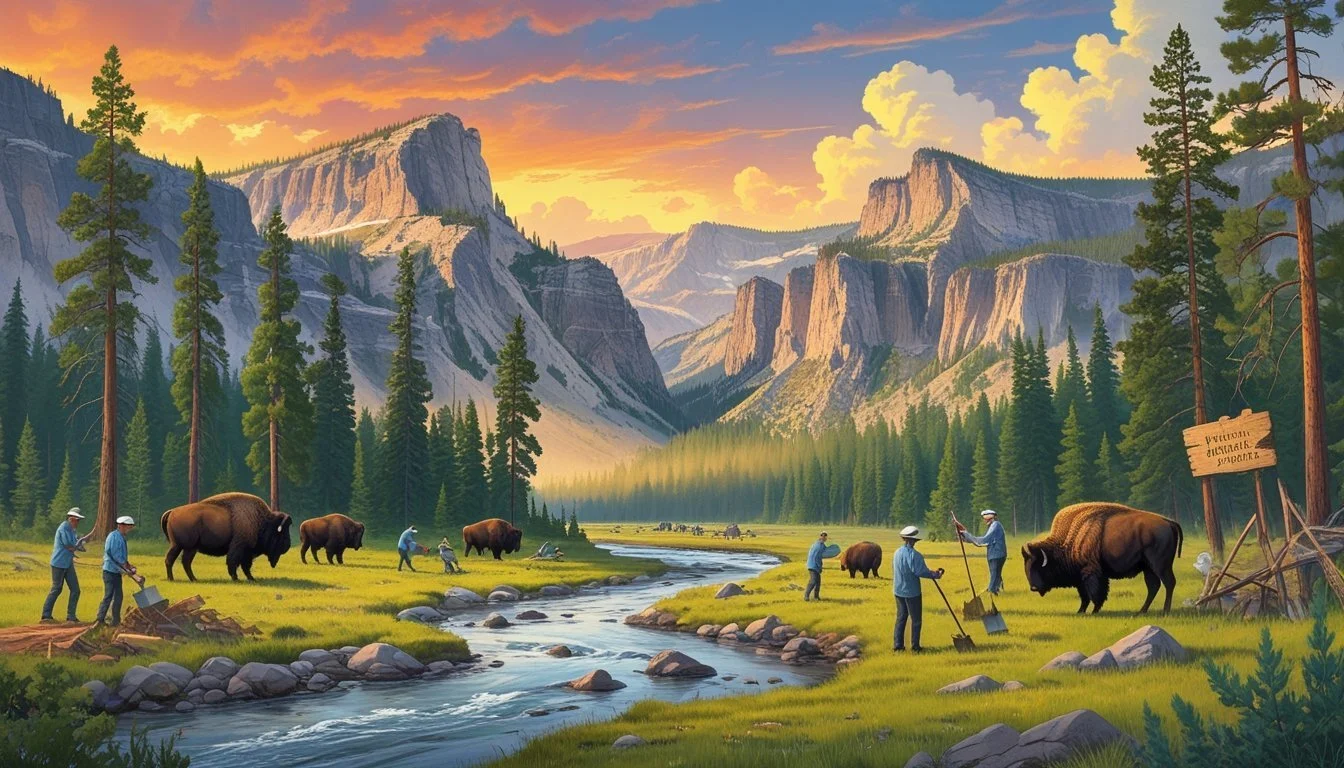
Yellowstone National Park faces complex challenges as it balances environmental conservation with increasing human presence. Preservation efforts, the park’s unique wildlife, and ongoing threats from climate change remain central issues.
Tourism’s Impact on Yellowstone
Tourism in Yellowstone has grown substantially, drawing millions of visitors every year. While crucial for the local economy and educational outreach, this influx puts significant pressure on the land.
Heavy foot traffic can cause soil compaction, degrade trails, and disrupt plant life. Increased visitation also leads to overcrowding at popular geothermal features and can shorten the lifespan of delicate hydrothermal formations.
Park management has had to introduce new strategies, such as limiting access to sensitive areas, to minimize damage. Despite these measures, maintenance costs for facilities and trail restoration have risen steadily.
Pollution from vehicles and infrastructure developments poses further threats, including air and noise pollution that affect both the natural environment and wildlife. Balancing access and preservation is a core issue for environmentalists and park officials.
Wildlife, Conservation, and Modern Threats
Yellowstone is famous for its efforts to conserve species such as wolves, grizzly bears, and bison. The reintroduction of wolves in the 1990s revitalized ecological balance, benefiting numerous plant and animal populations.
Recent years have brought new challenges for conservationists. Development near park boundaries and climate change have created habitat fragmentation and shifting migration patterns. These alterations threaten the long-term health of Yellowstone’s ecosystems.
Invasive species and diseases have further complicated conservation efforts, pressing environmentalists and scientists to adjust management strategies. Conservation policies now emphasize adaptive management, land connectivity, and cooperation with neighboring lands to sustain vital habitats.
Yellowstone as a Cultural Metaphor
Yellowstone uses its Western drama setting to reflect on themes like tradition, legacy, and social change. The series turns the struggles of the Dutton family into commentary about the shifting identity of the American West.
The Series as a Love Letter to the American Frontier
Yellowstone often frames its narrative as a tribute to a vanishing way of life. Sweeping visuals of Montana’s landscapes—open prairies, rugged mountains, and working ranches—are central to this theme. The ranch itself isn’t just property; it acts as a metaphor for values rooted in independence, stewardship, and family.
Through character arcs such as John Dutton’s constant fight to defend his land, the show highlights the conflict between tradition and encroaching modernization. Season 5 further emphasizes the tension as development pressures and political maneuvering threaten the ranch. By closely tying the fate of the Duttons to the fate of the land, Yellowstone underscores the fragility of old values in the face of relentless change.
Franchise Expansion and Continuing Influence
Yellowstone’s reach now extends well beyond its original story, with new series that explore both the past and ongoing legacy of the Dutton family. These expansions have brought fresh attention to generational conflicts, American identity, and cultural values depicted in the franchise.
1883 and 1923: Expanding the Yellowstone Universe
The prequel series 1883 introduced viewers to the Dutton family’s origins, chronicling their journey westward and the hardships they faced. Starring Tim McGraw and Faith Hill, this limited series captured the difficult realities and moral choices of survival in the 19th century American frontier.
In 1923, attention shifts to the family's struggles during a different era. This series explores challenges tied to Prohibition, economic shifts, and social changes. Through these new timelines, the franchise expands its exploration of American history and reinforces the endurance of its central themes.
Both spin-offs serve to deepen the audience's understanding of the values at risk, showing how the Duttons’ determination and code of ethics are put to the test across generations. The additional series provide fuller context for the choices and traditions seen in the flagship show.
Cultural Impact and Future of the Series
Yellowstone’s universe has grown into one of television’s most influential franchises, generating significant streaming numbers and sparking broad discussions about land, power, and family duty. Its popularity has encouraged further expansion, including rumored new series and continuing storylines for existing characters.
The franchise stands out for how it connects complex historical periods with contemporary issues. Its portrayal of the Dutton family invites viewers to reflect on changing ideas about tradition, belonging, and legacy. As more spin-offs join the lineup, the influence of Yellowstone’s narratives on modern pop culture continues to increase, shaping expectations for future character-driven dramas.
