
Why Yellowstone’s Enemies Are Always Family
Exploring the Show’s Core Conflicts
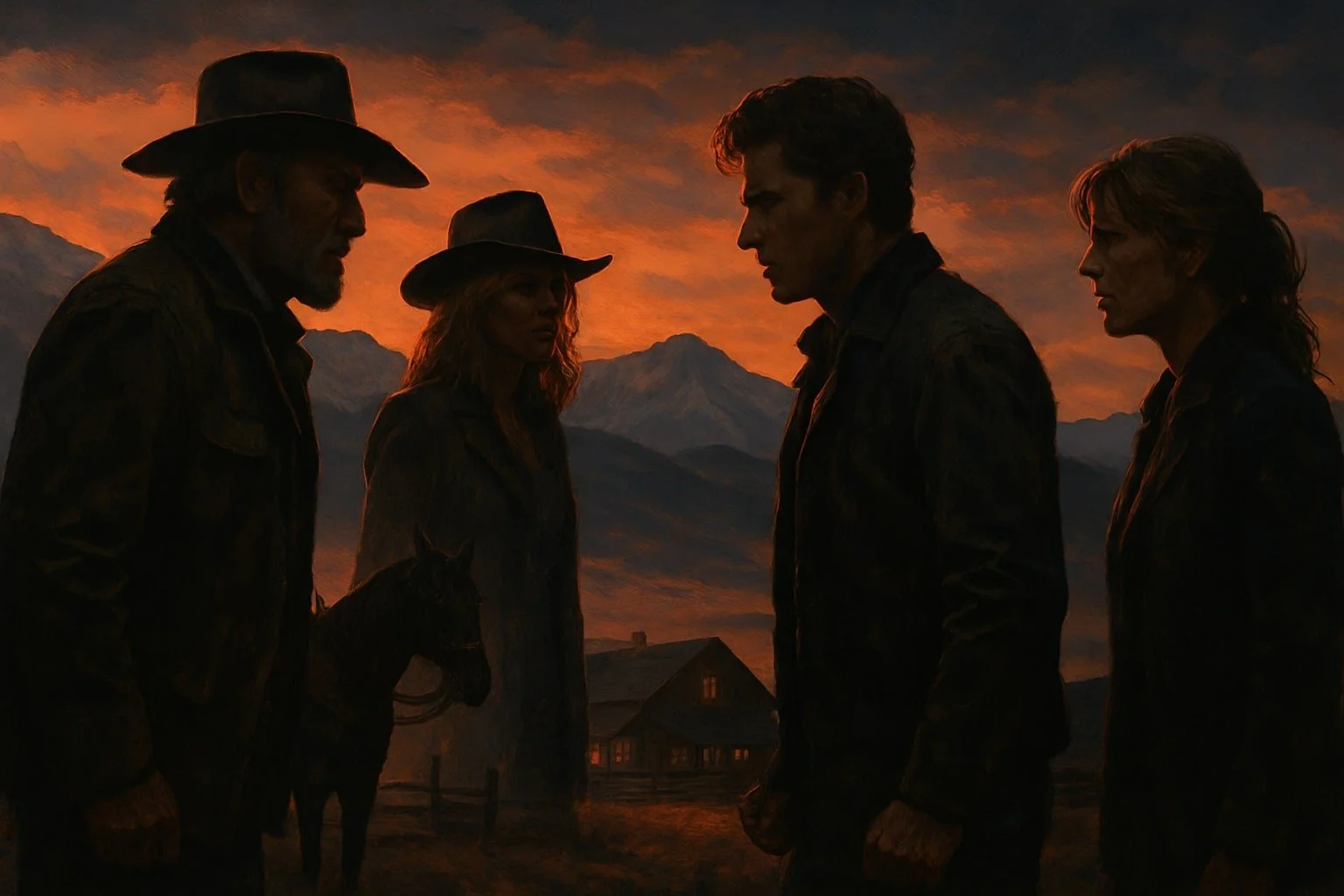
Family conflict sits at the heart of Yellowstone, the modern western series co-created by Taylor Sheridan and John Linson. The Dutton family, led by Kevin Costner’s character, is constantly surrounded by threats, but those threats almost always begin within their own ranks. The show’s most enduring conflicts are fueled by internal struggles for power, loyalty, and survival among the Duttons and those closest to them.
The drive to protect their land and legacy often forces the Duttons to see relatives as rivals, and sometimes enemies. Overlapping loyalties blur the lines between friend and foe, with betrayals and grudges shaping nearly every pivotal moment. The result is a tense, turbulent world where the boundaries of family are both a shield and a weapon.
By focusing on family as both protector and adversary, Yellowstone reveals how deep ties can breed the deepest divisions. This dynamic creates a compelling narrative, forcing characters to make impossible choices and keeping viewers invested in every shifting alliance.
Family Ties: The Heart of Yellowstone’s Conflict
Generational power struggles shape the Dutton family's every move. Competing ideas about loyalty, legacy, and survival drive many of the show's deepest betrayals.
Dutton Family Legacy
The Dutton family legacy centers on control of the Yellowstone ranch, a vast property passed down through generations. John Dutton dedicates his life to protecting this land. He views it as his duty to defend the ranch against outside interests, often drawing hard lines between family and outsiders.
For the Duttons, land also means identity and status. This strong connection to legacy comes with pressure. Beth Dutton and Kayce Dutton each adopt personal strategies to prove loyalty and maintain their father’s legacy, reflecting both ambition and sacrifice.
Conflicts arise over the legacy’s future. Whether due to outside threats or disagreements within the family, the preservation of the ranch remains a central concern. The Duttons’ responses often blur the lines between love, duty, and personal ambition.
Generational Tension and Loyalty
Loyalty within the Dutton family is complex and often conflicting. John Dutton’s expectations for loyalty push his children into difficult choices. He demands unwavering support, yet rarely gives clear approval or trust in return.
Siblings face regular tests of allegiance. Jamie Dutton often feels excluded from family decisions, which shapes his insecurity and motivates some of his most controversial actions. Meanwhile, Beth embraces loyalty as both weapon and shield, defending the family—even as she clashes with her own brothers.
Generational divides highlight differences in philosophy. Older members look to tradition, while younger Duttons question long-held beliefs. Loyalty often means suppressing personal ambition for the sake of family, leaving room for resentments that later erupt into open conflict.
Blood Relations and Betrayal
Betrayal in Yellowstone cuts especially deep because it is so often committed by relatives. Family bonds make acts of treachery not only strategic but also painfully intimate. Allies turn into adversaries when personal interests clash with collective loyalty.
Jamie’s betrayals, including aligning with family rivals, show how complicated blood ties can become. Trust is constantly tested, with every misstep magnified by the history and expectations carried within the Dutton name.
Recurring cycles of betrayal reinforce an atmosphere of suspicion. For the Duttons, the threat most often comes from within. The family’s internal fractures become fuel for enemies, revealing how fragile even the strongest blood loyalty can be.
Enemies Within: When Family Turns Foe
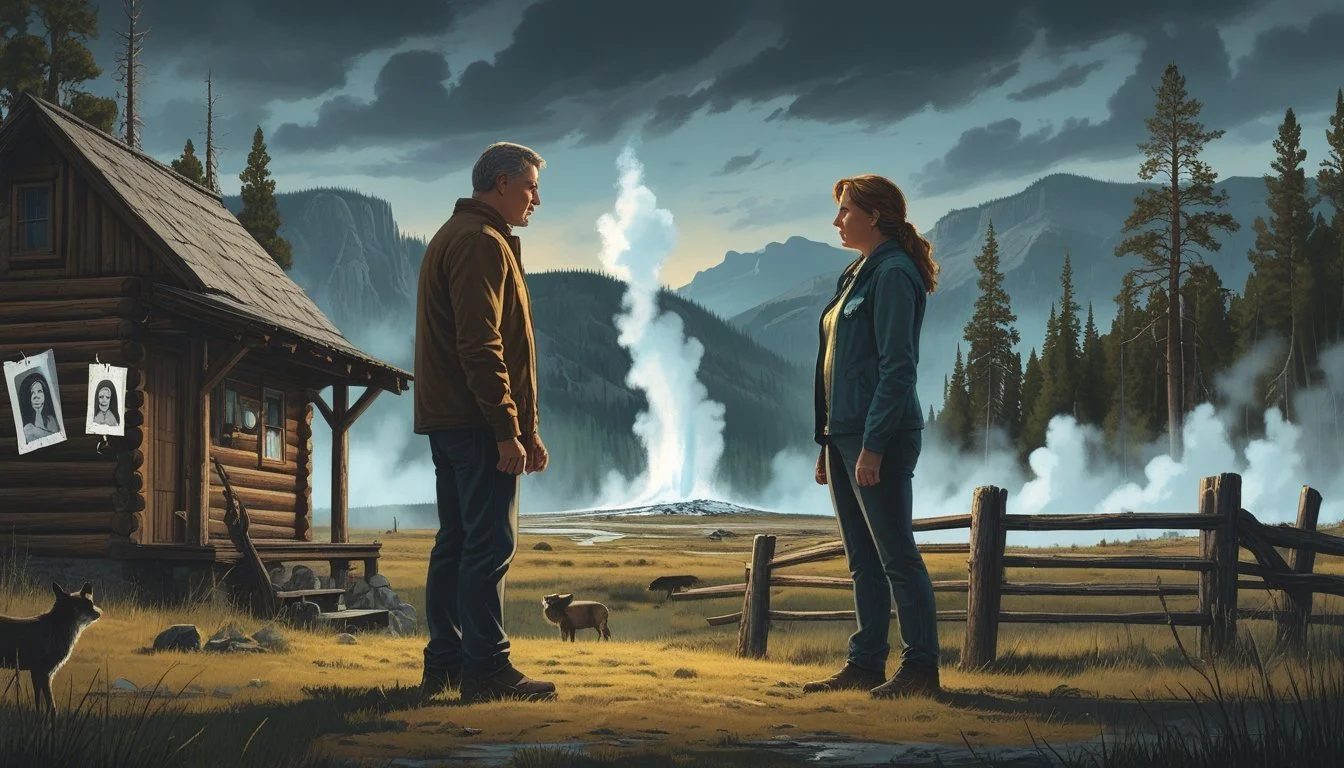
Conflicts among the Duttons are often more intense than those with outside adversaries. Family members act as rivals, seeking power and control while battling deep-seated resentment and mistrust.
Jamie’s Complex Relationship
Jamie Dutton’s role in the family is marked by a constant struggle for approval and autonomy. He craves respect from his father, John Dutton, but remains on the outskirts of family decisions. His frequent exclusion leads to a buildup of frustration and eventually betrayal.
The relationship between Jamie and Beth is particularly toxic. Past secrets and unresolved trauma fuel Beth’s ongoing animosity, pushing Jamie further away. Jamie's choices—like running for political office and siding with the Duttons' enemies—often blur the lines between loyalty and self-interest, illustrating why he is viewed as both a member and an enemy within the family.
Power Struggles Among Siblings
Beth, Jamie, and Kayce are locked in a perpetual contest for influence. Beth uses intellect and calculated aggression to maintain her status as the family’s chief defender. She sees both Jamie and Kayce as threats, especially when their loyalty wavers.
Power struggles often play out through manipulation rather than direct confrontation. Kayce, who seeks peace but is drawn into the chaos, often finds himself forced to choose sides. Family loyalty is tested repeatedly when each sibling must decide whether to protect the ranch or pursue personal goals, making them rivals even as blood relatives.
Resentment and Manipulation
Resentment festers beneath the surface of the Dutton household. This is visible in how Beth constantly undermines Jamie, blaming him for family trauma and seeking to control his fate. Jamie, in turn, feels trapped by expectations and lashes out in moments of desperation.
Manipulation is a common tactic. Beth’s actions are calculated to marginalize Jamie, while John Dutton leverages his children’s weaknesses to keep control. The resulting atmosphere is one of suspicion and guarded alliances, where family members use emotional leverage against each other just as fiercely as they fight external threats.
Land and Legacy: The Root of Rivalry
Conflicts among the Duttons stem from battles over land, inheritance, and long-standing tradition. The fight for control of the ranch is shaped both by the unique geography of Montana and by the meaning the Yellowstone ranch holds for its owners.
Montana’s Landscape and Its Importance
Montana’s vast, rugged landscape is more than a dramatic backdrop—it is central to understanding the high stakes of Yellowstone. The wide plains, mountains, and rivers give the region its identity and fuel competition for land.
Land in Montana carries historical significance. Ownership is tied to generational pride and a deep sense of belonging. Over decades, ranching families have poured their values, labor, and history into these properties.
The tension between development, preservation, and cultural reclamation is ever present. As real estate developers and the Broken Rock tribe seek their share, conflicts escalate. This makes every decision about the land personal and loaded with consequences.
Currently, land disputes in Montana also reflect broader themes of colonialism and indigenous rights. For many, losing even a portion of the land means losing a legacy built over generations.
The Yellowstone Ranch as a Symbol
The Yellowstone ranch serves as the show’s primary symbol of legacy and inheritance. Owned by the Dutton family for generations, it represents not just a business but the cornerstone of their identity.
Within the family, loyalty to the ranch becomes the measuring stick for trust and power. Claims of ownership spark rivalries, especially between siblings who believe they know what’s best for the land and the family name.
This property is also a point of pride and protectionism. The Duttons see the ranch as sacred, leading them to take extreme measures to defend it from external threats and each other.
List of what the ranch represents:
Multigenerational heritage
Economic survival
Social status in Montana
A battleground for family loyalty and betrayal
As a result, the ranch’s fate is intertwined with personal identity. Losing the Yellowstone ranch would mean the collapse of everything the Duttons have built and fought to maintain.
Consequences of Family Feuds
Patterns of betrayal and revenge run deep within the Dutton family, shaping the fates of individuals and the family as a whole. These internal conflicts affect relationships, loyalty, and even the future of the Yellowstone ranch.
Violence and Survival
Family feuds on Yellowstone rarely stop at harsh words; they often lead to open violence. Relatives become enemies, and confrontations can turn deadly, further fueling cycles of revenge. The Duttons use force to settle disputes both inside and outside the family, blurring lines between ally and rival.
Survival for the Duttons means continuous vigilance against threats from their own bloodline. Family members must weigh trust carefully, knowing betrayal could come from anywhere within the family tree. Every violent act leaves lasting scars, making genuine reconciliation difficult and shaping each generation’s outlook on loyalty and resilience.
Long-Term Impacts on the Duttons
Hostilities among the Duttons produce long-term consequences far beyond physical injury. Deep mistrust fragments relationships, and histories of betrayal are passed down as part of the family legacy. This cycle of resentment limits the ability to form stable alliances, whether for business or personal support.
The relentless struggle for control over land and legacy often leads to emotional trauma that ripples throughout the family. Members adapt by adopting a hardened demeanor and sometimes isolating themselves emotionally. This resilience comes at a cost: it entrenches divisions among relatives, ensuring that the consequences of conflict echo through each branch of the Dutton family tree.
The Influence of Outsiders and Rivals
Outside influences on the Dutton family rarely arrive without bringing conflict or staking their own claims. Major rivals disrupt stability, challenge traditional ownership, and force the family to defend their values on every front.
Market Equities and Land Developers
Market Equities plays a central role as a modern, corporate rival determined to acquire the Yellowstone ranch for massive commercial development. The company’s interests lie in transforming Montana’s wild open spaces into resorts, airports, and suburban expansions.
The leadership at Market Equities relies on legal maneuvers, aggressive acquisitions, and political lobbying. Their well-funded tactics put direct pressure on the Duttons, often outmatching traditional ranching methods. The struggle between preservation and profit is highlighted each season as these outsiders disregard heritage in favor of economic growth.
The Duttons are often forced into tense negotiations, using every resource—legal, political, and personal—to resist unwanted change. Market Equities’ presence exposes rifts not just within the family, but also with allies, testing loyalties under high stakes.
Key tactics used by Market Equities:
Land purchase offers far above market value
Litigation and zoning battles
Political influence at the state level
Native American Claims and Broken Rock Reservation
The Broken Rock Reservation, led by Chief Thomas Rainwater, represents a long and complicated relationship with the Yellowstone ranch. Rainwater’s efforts center on reclaiming ancestral lands and asserting Indigenous rights over properties the Duttons now hold.
These claims challenge the family’s ownership on both legal and moral grounds. Rainwater uses history, tribal sovereignty, and modern legal strategies to assert Broken Rock’s interests, creating situations where long-held boundaries are contested. This conflict does not rely purely on force; it’s a battle over legitimacy and justice.
Negotiations between the Duttons and Broken Rock’s leadership are marked by pragmatism, but also deep emotional resonance tied to the land’s significance. Agreements are fragile, often brokered under pressure from external threats like land developers or state agencies.
Central issues for Broken Rock:
Ancestral land rights
Recognition of tribal sovereignty
Legal battles for land restitution
Rainwater’s actions illustrate that rivalries aren’t just about ranching and business—they are about the complex, overlapping histories of the land itself.
Cultural and Historical Context
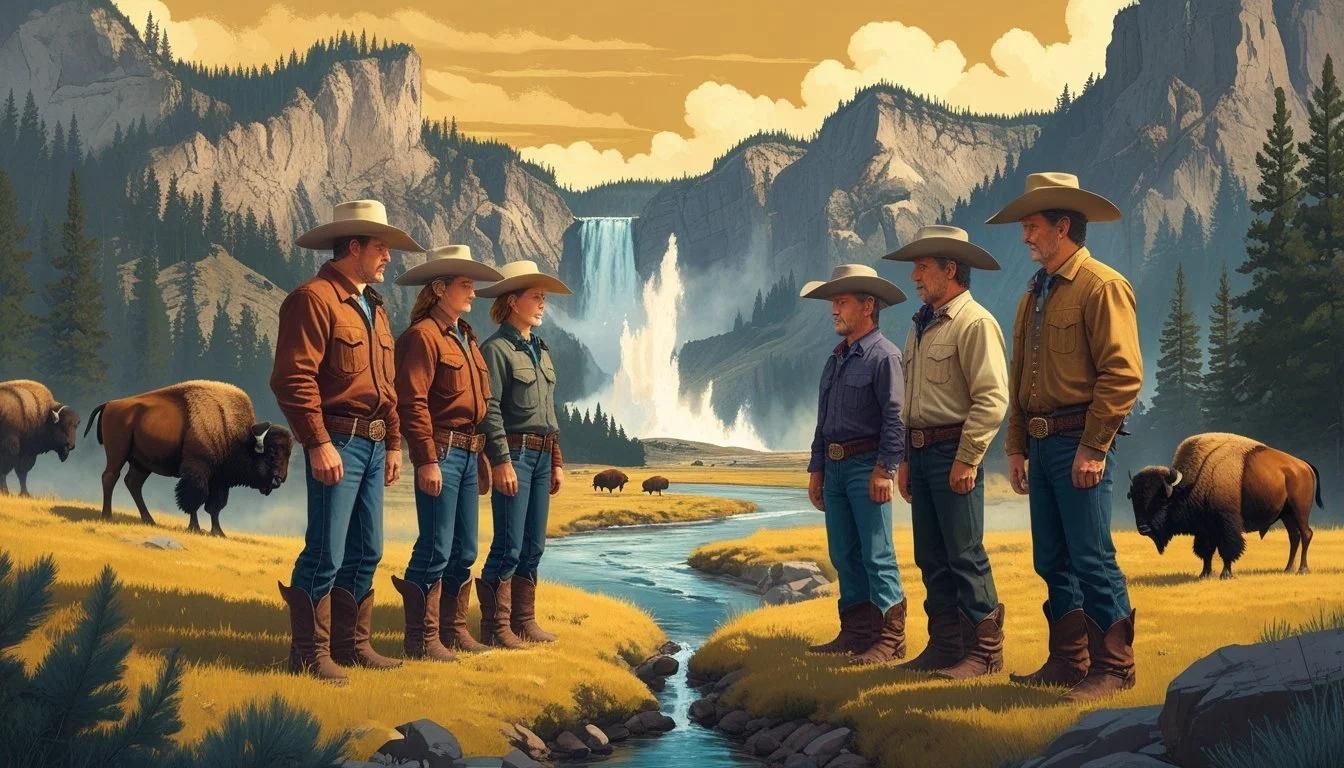
Yellowstone’s family conflicts are deeply tied to the myths and realities of the American West. The show draws on the Dutton family’s origins, historical references, and depictions of land, highlighting how history shapes modern relationships and rivalries.
Yellowstone’s Portrayal of the American West
Yellowstone grounds its storytelling in the culture and image of the American West. The series combines themes of loyalty, power, and land ownership, showing how generational conflict often stems from competing visions for the land’s future.
Visually, the series presents sweeping Montana landscapes and ranching life. This backdrop reinforces double-edged traditions: respect for heritage and relentless competition within families over control. Family units are central, and disputes over inheritance and territory spark recurring betrayals.
Yellowstone also addresses the tension between preserving family legacy and adapting to cultural change. The storyline frequently pits the Duttons against outsiders and one another, reflecting broader questions about who defines the West and who benefits from its resources.
References to 1883 and 1923
The roots of Yellowstone’s family disputes reach back through its prequels, 1883 and 1923. These series trace the Dutton family’s migration from Texas to Montana, setting up foundational struggles for survival, identity, and property.
1883 explores post-Civil War chaos and the hardship of crossing the American frontier. The show highlights challenges like disease, violence, and cultural clashes, shaping the Dutton family’s mentality. Core family values and grudges start forming through these struggles.
1923 develops the Dutton saga further by focusing on early 20th-century changes: Prohibition, economic turmoil, and tensions with neighboring communities. This era introduces new family members and conflicts, linking early traumas and ambitions to the feuds seen in Yellowstone. The influence of these stories is clear in how characters view loyalty, heritage, and enemies.
Key Characters and Their Motivations
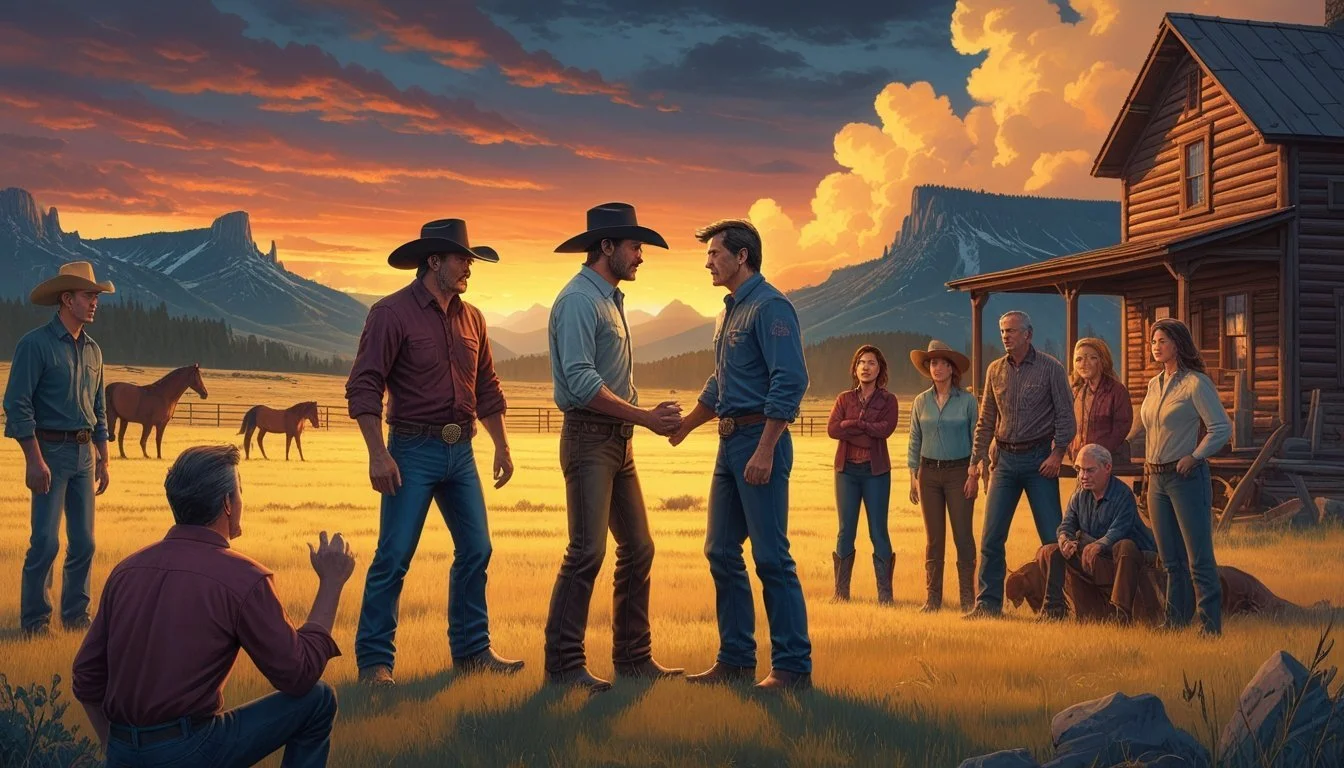
Family conflict on Yellowstone is driven by deep-rooted desires for control, loyalty, acceptance, and self-worth. The Duttons’ internal battles often make them each other’s greatest obstacles.
John Dutton’s Struggle for Control
John Dutton, the patriarch, is single-minded about keeping control of the Yellowstone ranch. For him, the land represents more than wealth—it’s legacy, duty, and identity. He sees outsiders—and often his own family—as threats to his vision for the future.
His leadership style is authoritarian. He expects loyalty and sacrifices. John’s decisions frequently put him at odds with his children, especially when they question his methods or challenge his priorities.
This constant push for authority and preservation shapes his relationships. Estrangement and alliances shift as his agenda collides with the wishes of those closest to him.
Beth’s Unyielding Loyalty
Beth Dutton is fiercely loyal to her father above anyone else. Her devotion is rooted in shared trauma and a sense of debt she feels toward John, both emotionally and for the family name. This makes her ruthless in her tactics, using both corporate power and personal attacks to defend her father’s interests.
Her loyalty comes with a willingness to alienate or antagonize siblings. Beth sees herself as a protector of both her family’s legacy and her father’s reputation. Her confrontational style leaves little room for compromise, which intensifies conflict within the Dutton clan.
She is strategic, resilient, and driven by past wounds. Her antagonism toward Jamie, in particular, is fueled by betrayal and a desire to punish disloyalty.
Kayce’s Internal Conflict
Kayce Dutton faces a constant struggle between family responsibility and personal integrity. A former Navy SEAL, he values duty but is uncomfortable with the morally ambiguous tactics often used by the Duttons. Kayce’s loyalty is divided between his own sense of honor, his wife Monica, and his obligation to the Dutton family.
His military background gives him discipline but also a deep sense of trauma. He is often forced to choose between his father’s expectations and what he believes is right. This makes Kayce a reluctant participant in the family’s schemes.
His indecisiveness and desire for peace within his own home and within the ranch create friction with both John and Beth. Kayce’s moral and emotional turmoil sets him apart from the rest.
Jamie’s Search for Identity
Jamie Dutton’s motivation is rooted in a long-standing quest for acceptance and self-worth. As the adopted son, he never feels fully secure in his role within the family. Jamie craves approval from John but often sabotages relationships through his own ambitions and secrets.
His background as a lawyer pushes him to seek legitimacy through career accomplishments. He is isolated from his siblings, especially Beth, due to betrayals and deep-seated resentments.
Jamie's actions reveal a man torn between loyalty to the Duttons and a desperate attempt to create space for his own identity. He is often left with impossible choices that push him further from the family he hopes to belong to.
Symbols and Storytelling Techniques
Yellowstone often uses distinct locations and confrontational behaviors to highlight the blurred lines between ally and adversary within the Dutton family. These symbolic choices reinforce the constant tension and reveal how power and protection are enforced on the ranch.
The Train Station
The Train Station is a remote location where the Duttons dispose of those they consider threats. They use it as a symbolic point of no return—both literally and narratively. Sending someone to the Train Station is a permanent solution that the family reserves for outsiders and sometimes for their own when loyalty is questioned.
This symbol reflects Yellowstone's willingness to cross boundaries for the sake of legacy and survival. The secrecy of the Train Station cements it as a storytelling device that makes the consequences of betrayal or disloyalty tangible. It visually and emotionally underscores that danger rarely comes from faceless enemies but often from those closest to the family.
The station’s recurring presence in the storyline normalizes extreme actions and marks a grim tradition passed down through generations.
Intimidation Tactics
The Duttons routinely use various intimidation tactics to maintain control and send clear messages to both family members and external rivals. These include verbal threats, staged confrontations, and calculated displays of violence or power.
These strategies often serve two purposes: preserving order within the family and keeping outside threats at bay. By using intimidation as a tool, the series demonstrates how emotional and psychological pressure becomes as decisive as physical confrontation.
Intimidation scenes are structured to build suspense, emphasizing underlying tensions rather than resolving conflicts outright. This keeps viewers engaged and highlights how fear operates as an everyday tool in the Dutton family dynamics.
