
What the Train Station Says About Yellowstone’s Justice and Its Moral Boundaries
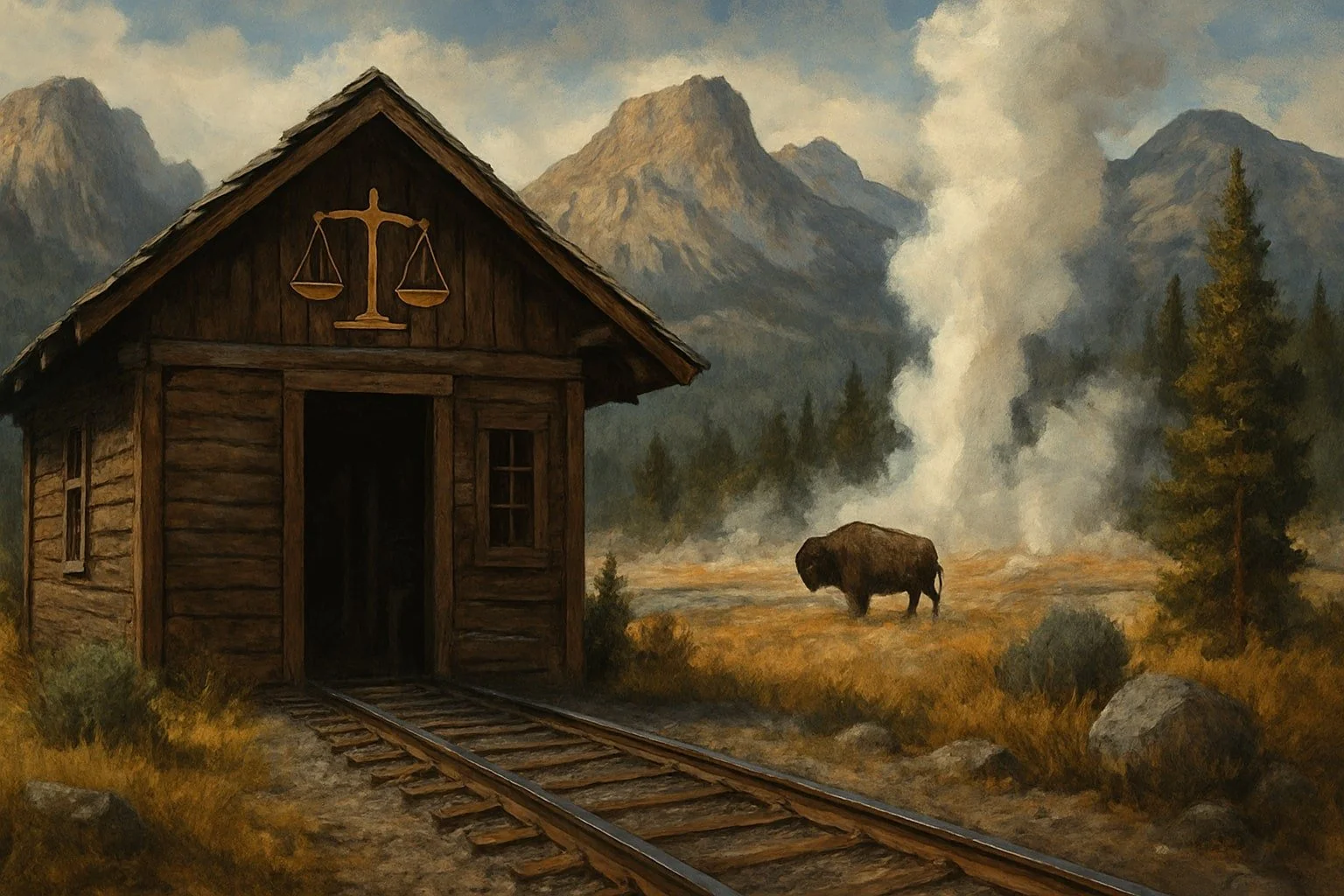
Yellowstone’s infamous “Train Station” isn’t marked on any real map, but fans know it as a chilling symbol of the Dutton family’s approach to justice. Tucked away in the remote wilderness near the Montana-Wyoming border, it’s not an actual train depot but a code for a place where enemies disappear and the law does not reach. The Train Station reveals Yellowstone’s unique code of justice, where moral and legal boundaries blur and the Duttons enforce their own rules when institutions fail them.
The concept draws inspiration from a real legal gray area—the so-called “Zone of Death”—where jurisdiction is so uncertain that crimes could technically go unprosecuted. In Yellowstone, this loophole gives the Duttons a tool as powerful as it is disturbing, showcasing the limits of official justice in the vast American West. The show’s portrayal of the Train Station encourages viewers to question what true justice means when the usual systems are absent or powerless.
The Mythos of the Train Station in Yellowstone
The Train Station stands as one of Yellowstone’s most chilling narrative devices, representing a boundary where morality and law diverge. It shapes both fear and loyalty at the Dutton Ranch, leaving lasting consequences for those involved.
Origins and Symbolism
The Train Station is not an actual train depot. Instead, it is a remote cliffside near the Montana-Wyoming border, chosen by the Duttons as a place to dispose of threats to their family and ranch operations. This site is known only to the inner circle, such as Rip and Lloyd, and is used to permanently remove enemies without legal consequences.
Symbolically, the Train Station blurs the lines between justice and survival. By removing lawbreakers or betrayers, the Duttons impose their own definition of “frontier justice.” The site is described as a “trashcan for everyone who’s attacked us,” marking it as a tool for both justice and secrecy. It creates a mythology around the ranch—one where lawlessness and loyalty are tested at the edge of the abyss.
Key Train Station Scenes
Several pivotal Yellowstone scenes take place at the Train Station, often involving characters like Rip and Lloyd. Early in the series, Rip takes a branded ranch hand to the site, illustrating the ruthlessness expected by the Dutton family. The place becomes a test of loyalty for those branded by the ranch and is used to dispose of blackmailers, traitors, and violent outsiders.
Notable moments include confrontations where the decision to visit the Train Station becomes a life-or-death turning point. For example, the removal of problematic ranch hands or outside threats like Wade Morrow reinforces the Duttons’ unyielding approach. These scenes are often stark, quiet, and final, mirroring the cold pragmatism of the ranch’s unwritten rules.
Impact on the Dutton Legacy
The use of the Train Station has long-term repercussions for the Dutton family. By employing it as a solution to threats, the Duttons gain protection but lose their moral high ground. The ranch’s reputation becomes one of fear as well as respect, isolating its members from the broader community and legal system.
Characters like John Dutton and Rip stand as both enforcers and prisoners of this tradition. The burden of secrecy changes those who know about the Train Station, straining relationships and shaping the ranch’s code. As revealed in series prequels like 1923, the origins of the site foreshadow the internal conflicts and vulnerabilities that threaten the Dutton dynasty’s future.
Real-World Inspiration: The Zone of Death and Legal Loopholes
Yellowstone’s “Train Station” draws on a concept rooted in real legal ambiguity. The so-called Zone of Death exists within the boundaries of Yellowstone National Park, posing challenges around state lines, jurisdiction, and the constitutional right to a trial.
Understanding the Zone of Death
The Zone of Death refers to a roughly 50-square-mile area in the Idaho section of Yellowstone National Park. Although the park stretches across Wyoming, Montana, and Idaho, this part falls within Fremont County, Idaho, but under federal jurisdiction managed from Wyoming. Notably, no one lives in this section, making it unique among public lands.
This area caught legal attention due to its lack of permanent residents, which affects key aspects of the criminal justice process. Professors and legal scholars, such as Brian C. Kalt, have explored the idea in detail. Kalt’s research, presented in “The Perfect Crime,” helped bring national awareness to this peculiarity.
Importantly, the area’s legal status means conventional law enforcement and prosecution could face significant procedural challenges.
Legal Loopholes in Yellowstone National Park
Yellowstone’s boundaries create complications for prosecuting federal crimes. The entire park is federal land, but jurisdiction is split among Wyoming, Montana, and Idaho. Cases from the Idaho or Montana sections of the park are tried in federal court in Wyoming’s District, not their respective states.
The critical loophole emerges because a defendant, prosecuted for a serious crime committed in the Idaho portion, could argue for a jury composed of residents who live both in that section of Idaho and within Yellowstone National Park. Since the Idaho portion has a population of zero, finding such a jury becomes impossible. This creates what some call "the perfect crime" scenario—serious crimes might technically go unprosecuted due to this legal technicality.
Yellowstone’s legal framework thus contains an unintentional gap in criminal procedure.
Sixth Amendment and the Right to a Fair Trial
The Sixth Amendment of the United States Constitution guarantees criminal defendants the right to a speedy and public trial by an impartial jury drawn from the state and district where the crime took place. For the Yellowstone Zone of Death, this means a jury must come specifically from the Idaho portion of Yellowstone.
Since no one lives in that area, assembling a jury that meets these requirements is legally, and practically, impossible. This undermines the defendant’s right to a constitutionally proper jury. Scholars like Brian C. Kalt have emphasized that this loophole is not just a quirky trivia fact, but a real vulnerability in the federal justice system, especially given that Yellowstone’s boundaries and management cross state lines.
The interplay of constitutional law, geography, and demographics in the Zone of Death reveals the complexities that can arise from jurisdictional boundaries in national parks.
Crimes at the Train Station: Notorious Incidents
The “Train Station” in Yellowstone serves as a covert location for disposing of threats to the Dutton ranch. Its remote and lawless status is central to understanding how significant crimes, especially murder, have repeatedly been carried out and concealed by those involved.
Infamous Murders Committed
A series of high-profile killings have taken place at the Train Station, marking it as the ultimate solution for the Dutton family's enemies or traitors. Chester Spears was among the earliest known victims, targeted after endangering the ranch. The Morrow family, specifically Wade and his son Clint, met their end here for abandonment and betrayal, exemplifying the ruthless consequences for those who cross the Duttons.
Fred Myers, a ranch hand whose reckless behavior led to the death of another, was also taken to the Train Station. His fate sent a message about discipline and loyalty within the ranch hierarchy.
Garrett Randall, Jamie Dutton’s biological father, was executed at the site for orchestrating attacks against the Duttons. These actions underscore the Train Station’s purpose: a place where traditional legal justice is bypassed in favor of frontier retribution.
The
The nature of the crimes at the Train Station often reflects the Duttons' desire to maintain control without outside interference. Rather than relying on law enforcement or courts, they turn to this isolated location to resolve serious conflicts.
These crimes include both acts of retaliation and preemptive strikes against perceived threats. Each killing is justified internally as protecting family interests, rather than following any established legal or moral framework. For those on the ranch, the Train Station represents a clear line—one that, if crossed, leads directly to deadly consequences.
Notably, this system sidesteps due process entirely. Accusations, judgments, and executions are all conducted in secrecy by those loyal to the ranch, leading to an ongoing pattern of violence removed from any official oversight.
Long Black Train
The phrase "Long Black Train" has become a euphemism for being taken to the Train Station, signaling a point of no return. It serves as a warning and a threat within the Yellowstone universe, and its meaning is tied closely to the fate of characters like Rowdy, Fred Myers, Wade Morrow, and Garrett Randall.
The mention of a long black train reinforces the finality and seriousness of these extrajudicial actions. Characters understand that being sent on this so-called train is a death sentence, not a symbolic gesture.
This term is used among ranch hands to promote loyalty and obedience. The lore of the Long Black Train sustains an atmosphere of tension, making clear the ultimate penalty for violating the strict codes set by the Dutton leadership.
Major Figures Involved with the Train Station
The so-called "Train Station" is a remote cliff in Wyoming used by the Dutton family to dispose of serious threats to their Yellowstone ranch. Its secretive use has deeply affected ranch leadership structure, enforcement responsibilities, and family perspectives, shaping the moral outlook across different generations.
John Dutton and Leadership
John Dutton, as patriarch and main decision-maker, treats the Train Station as both a practical solution and a necessary evil. He authorizes its use only in cases where he believes the law falls short or danger to his family is imminent. His leadership is marked by careful deliberation, but his willingness to permit the ultimate punishment is clear.
John’s decisions directly affect not just the family, but also the ranch hands. Those closest to him, especially Rip and Kayce Dutton, receive his trust and are expected to carry out his orders with discretion. By keeping the secret limited to a select group, John maintains control while limiting risk. He is aware of the moral burden, yet sees it as part of his responsibility to protect the land and bloodline.
Rip Wheeler and Enforcement
Rip Wheeler is the principal enforcer for the Duttons and the Train Station’s most frequent user. He executes John’s decisions with unwavering loyalty, rarely questioning orders, and demonstrates a strong code of silence. Rip’s readiness to act defines his status among the ranch hands and instills a sense of discipline and fear.
His second-in-command role sometimes brings other ranch hands like Lloyd Pierce, Walker, and Kayce into these operations. However, Rip shields them from involvement when possible, understanding the weight such actions carry. The Train Station cements Rip as John’s most trusted subordinate, but it also isolates him emotionally, given the grim tasks he must shoulder. Rip’s handling of these deadly jobs highlights both his dedication and the darker side of ranch loyalty.
Beth and Jamie’s Perspectives
Beth Dutton views the Train Station as a practical and brutal safeguard for the family legacy. She is unapologetic and pragmatic, seeing the facility as an extension of the hard choices necessary for ranch survival. Her emotional connection to the land sometimes leads her to harsh decisions, yet she rationalizes her stance as protection for those she loves.
Jamie Dutton’s relationship with the Train Station is more complicated. As an attorney and adopted son, he recognizes the legal and ethical violations at play but is frequently involved through necessity or coercion. His biological father’s death at the site underscores Jamie’s conflicted loyalties and the personal toll of such decisions.
Their viewpoints represent opposing approaches: Beth’s unflinching pragmatism and Jamie’s internal struggle reflect the complexity of justice and family within the Yellowstone hierarchy. Both are shaped by their proximity to power and the weight of Dutton secrets.
The Duttons’ Brand of Frontier Justice
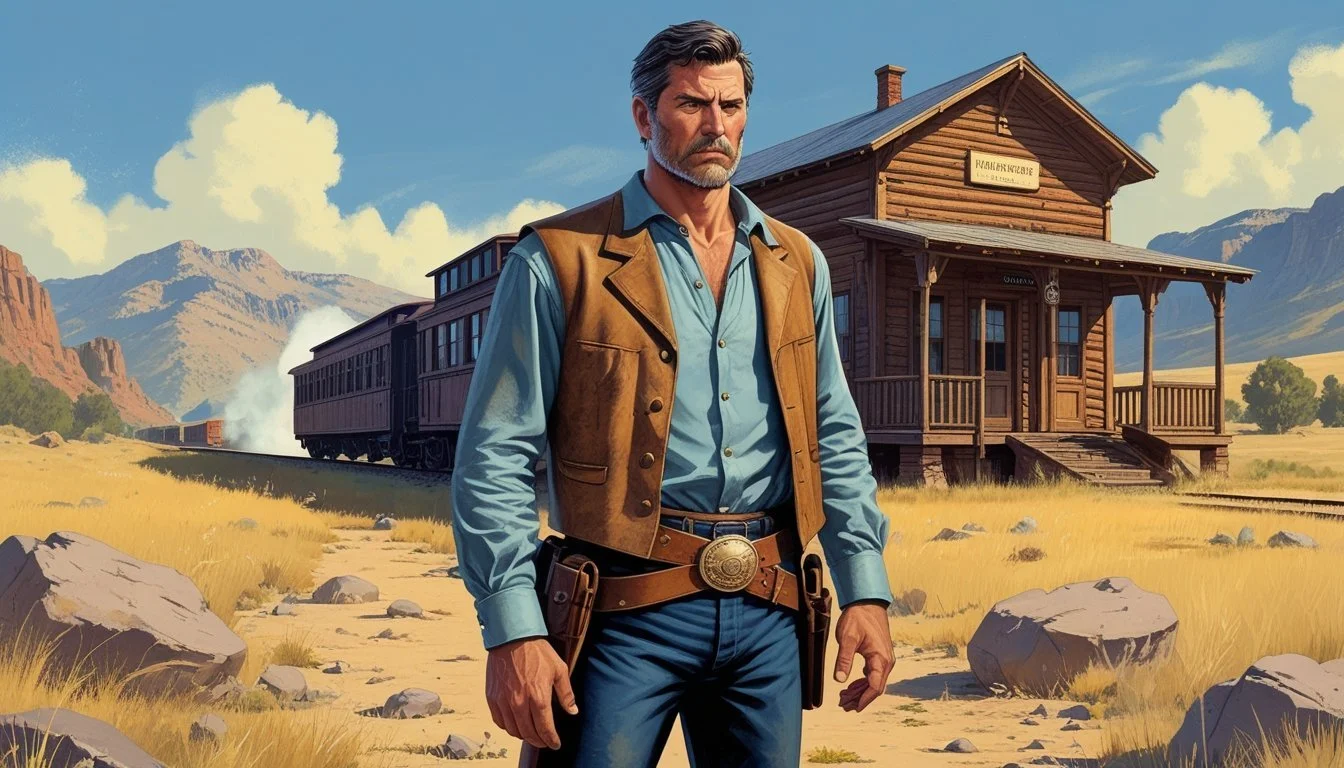
The Dutton family’s approach to justice on the Yellowstone Dutton Ranch blurs legal boundaries and personal codes. Their methods reveal a worldview shaped by survival, territorial defense, and a distrust of outside authority.
Dutton Family Values
The Duttons operate under a strict set of unwritten rules built on loyalty and the preservation of their land. Defending the Yellowstone is seen as a duty that justifies almost any action, including violence.
Loyalty is demanded, not requested. Those who betray the family or threaten the ranch face severe consequences. The “train station,” a remote dumping ground for enemies, symbolizes their willingness to take justice into their own hands rather than trust the law.
Table: Key Dutton Values
Value Example Action Loyalty Standing by family at all costs Secrecy Covering up any crimes Retribution Eliminating threats at the “train station”
Justice Versus Morality
For the Duttons, justice is defined by their personal code, not legal statutes. The lines between right and wrong blur when protecting the ranch becomes the overriding goal.
Actions like secretly disposing of adversaries at the “train station” raise serious moral questions. Protecting the ranch often means bypassing official justice in favor of direct, sometimes lethal, intervention. This approach challenges the ethical separation between self-defense and murder, especially when decisions are made privately, without oversight or accountability.
Implications for Yellowstone’s Legacy
These actions leave a complex legacy for the Yellowstone Dutton Ranch and its stewards. The use of frontier justice to manage threats, especially plots to assassinate the Duttons, establishes a violent precedent for future generations.
The “train station” becomes a symbol not just for pragmatic survival, but also for unresolved ethical dilemmas embedded in the ranch’s history. As the story of the Duttons continues, the legacy of their justice system shapes how the ranch is viewed both inside and outside the family. This legacy raises lasting questions about the cost of absolute control and the limits of self-preservation.
Cultural Impact and Audience Reaction
The “Train Station” has become one of Yellowstone’s most discussed elements, not only driving online speculation but also influencing the direction of the show and its spin-offs. Its presence highlights how the series explores the boundaries of law, morality, and Western justice.
Fan Theories and Discussions
Fans frequently debate whether the Train Station is based on a real location, with many pointing to the “Zone of Death” in Idaho as inspiration. Detailed maps and location breakdowns are often shared in forums, fueling conversations about jurisdiction loopholes.
There is ongoing speculation about who will end up at the Train Station next, especially after events in season 5. The fates of Jimmy, Donald Whitfield, and other characters are hot topics, with some viewers tracking every possible clue for future storylines.
Lists of Train Station victims circulate on social media, along with timelines and predictions for future plot twists. The mysterious justice of the Duttons continues to spark differing opinions on whether their approach is justified or crosses the line into villainy.
“Train Station” in Yellowstone’s Spin-Offs
The Train Station concept is briefly referenced or echoed in spin-offs like 1923, providing continuity across Taylor Sheridan’s Yellowstone universe. In 1923, characters face similar dilemmas about frontier justice, even if the location itself does not appear.
References to harsh Montana borders, lawlessness, and remote disposal sites connect 1923 and the main series. The threat of off-the-books justice becomes a recurring theme, especially during territorial disputes and conflicts with enemies like Donald Whitfield.
While not always directly mentioned, the spirit of the Train Station shapes the tone of the Yellowstone franchise, reinforcing ideas of secrecy, loyalty, and consequences. The motif underscores the lengths to which these families—and sometimes their hired hands, like Jimmy—will go to protect their land and legacy, whether dealing with outsiders, rival ranchers, or hidden threats among their own ranks.
