
Why the Yellowstone Brand Is Worse Than Death
Examining Its Cultural Impact and Controversies
On the Yellowstone Dutton Ranch, being branded marks someone for life in more ways than one. While it signals loyalty and belonging to the ranch, it comes with a cost—an unbreakable tie to the Dutton family that is nearly impossible to escape. For many, wearing the Yellowstone brand means living under constant control, where freedom and personal choice are sacrificed for the family's interests.
Those who bear the brand are not just employees or even true family; they are bound to the Duttons’ world, with violence or secrecy expected if necessary. The brand signifies a lifetime of obligation and, for some, it’s a fate more burdensome than death itself. This silent but permanent promise defines their existence in every way.
The Meaning of the Yellowstone Brand
The Yellowstone brand is more than a physical mark; it signifies a deep commitment with lasting consequences. The tradition, the ritual itself, and the meaning of loyalty at the ranch all shape why the brand is both feared and revered by those who wear it.
History and Symbolism
The branding began as a way to mark cattle as property of the Yellowstone Dutton Ranch. Over time, this practice extended to ranch hands and select individuals.
The Y brand, burned into skin, is symbolic of complete belonging and obligation. It means giving up independence and fully binding oneself to the Duttons and their interests.
Wearing the Yellowstone brand singles out the marked as more than just employees. They become part of a closed group with obligations that often extend beyond legality or morality.
This act is not merely a work tradition; it transforms the individual’s identity and future. Once branded, leaving or betraying the ranch is seen as unforgivable.
The Branding Ritual
The ritual involves heating the branding iron in fire, then burning the Y logo onto the recipient's chest. It is a painful, physical act conducted in secrecy among trusted few.
Recipients are not always willing participants. Sometimes, branding is a punishment or a sentence for a serious mistake or betrayal.
To those within the ranch, the ritual feels like an initiation into an unofficial family—a contract sealed with pain. Most branded characters carry visible scars, both literal and psychological, for life.
Witnesses in the show remark on the permanence and gravity of the ceremony. It serves as a stark reminder that joining the Yellowstone ranch is not easily undone.
A Mark of Loyalty
The Yellowstone brand obligates absolute loyalty to the ranch and the Dutton family. Recipients are bound by silent rules to protect ranch secrets, enforce orders, and put the ranch’s interests above their own.
For some ranch hands, the brand is acceptance—a sign they belong and are trusted. For others, it feels like a prison, as the price of disloyalty is usually violence or death.
Those who carry the Y brand are viewed differently by other workers. They are often relied upon for the most dangerous tasks and expected to prove their loyalty repeatedly.
The brand signifies a commitment that cannot be cast aside, making it a powerful and often dreaded symbol on the Yellowstone ranch.
Why the Yellowstone Brand Is Worse Than Death
Being branded at the Yellowstone Dutton Ranch is not just a physical mark—it enforces strict service, strips away independence, and demands lifelong sacrifice. The branded bear a weight that changes every aspect of their lives, binding them to the Duttons beyond any simple contract.
Loss of Freedom and Identity
The "Y" brand on the skin is a permanent symbol of ownership. Once branded, a person forfeits the right to leave or choose their own path. The ranch, and by extension, the Dutton family, claim total control over the branded individual’s decisions.
Day-to-day life shifts from personal choice to assigned responsibility. Every action and moment is subject to the leadership and needs of the ranch. Identity is submerged beneath this new role as a marked member; they are no longer seen as individuals, but as tools in service to the Dutton legacy.
This forced subordination means sacrificing hopes, safety, and sometimes even basic freedoms.
Eternal Obligations
Branded members enter a pact viewed as lifelong service, not employment. There is no clear endpoint or retirement—only continuous responsibility to the ranch and its rulings. Many wear the mark not just as workers but as lifelong soldiers enlisted in the Dutton cause.
Disloyalty is strictly punished; escaping commitments can bring violence or death. This binds the branded to unending service. The brand becomes a chain, locking individuals into roles they did not fully choose, with no simple way to regain autonomy.
This form of commitment is often described as being more restrictive than death itself, as there is seldom a true release from these duties.
Social and Psychological Costs
Socially, the brand makes outsiders wary and often signals involvement in the Duttons' criminal enterprises. Trust is replaced with suspicion even among fellow ranch hands, as the branded know too many secrets and are constant reminders of the price of loyalty.
Isolation can be severe. The branded lose past relationships and family ties as they are pulled deeper into ranch life. The pressure of secrecy and constant vigilance takes a psychological toll—marked by anxiety, guilt, and diminished self-worth.
This mental burden is as real as the physical scar, amplifying the sense of loss and eternal sacrifice demanded by the Yellowstone brand.
Key Characters Who Bear the Brand
Some of the most pivotal storylines in Yellowstone revolve around the consequences of carrying the "Y" brand. This mark alters relationships, seals loyalties, and defines the futures of those chosen to bear it.
Rip Wheeler
Rip Wheeler is one of the most loyal and ruthless enforcers for the Dutton family. He receives the brand as a teenager after committing a violent crime to protect the ranch—a choice that binds him to John Dutton for life.
The brand symbolizes more than punishment for Rip; it is a permanent sign of belonging and indebtedness. Over the years, Rip acts as John Dutton’s right hand, carrying out orders that often cross moral and legal lines.
Rip's loyalty, visibly marked by his brand, sets him apart on the ranch. It also isolates him from the outside world, since leaving the Duttons would be nearly impossible. The brand is a badge of both honor and burden, showing Rip’s total commitment and reminding others that there is no escape from the family once the mark is given.
Kayce Dutton
Kayce Dutton, John Dutton’s youngest son, is branded after a series of conflicts with his father and the ranch. Unlike Rip, Kayce's branding is especially meaningful because of his blood ties to the family.
He accepts the brand at a time when his loyalty is in question, following personal and ethical struggles over violence and justice. The act of branding reaffirms Kayce’s place in the Dutton family and the responsibilities it entails.
For Kayce, the brand is not just a symbol of allegiance but also a source of internal conflict. He often struggles with the violence and expectations that come with being branded. This mark makes him both a protector of the ranch and a prisoner to its legacy, trapping him between personal morals and family demands.
Other Branded Ranch Hands
Several characters have endured Yellowstone’s branding, each experiencing deep loyalty, hardship, and a sense of belonging that also comes with heavy consequences. The stories of these ranch hands reveal the complexity behind joining the branded brotherhood.
Walker and Jimmy
Walker arrives at Yellowstone with a troubled past but quickly becomes marked with the brand as a sign of commitment. Unlike others, he resents the ranch’s methods and often voices discomfort about the criminal acts tied to his allegiance.
Jimmy is a young ranch hand whose branding marks a turning point. For him, the brand is both a second chance and a heavy burden. He struggles with the physical pain as well as the lifelong expectations that follow. Jimmy’s loyalty is tested repeatedly, and although he finds moments of pride, he knows escape is not an option.
Both Walker and Jimmy represent different sides of the branding: Walker’s reluctance versus Jimmy’s eager but anxious participation. Their experiences highlight the brand’s role in forcing compliance and shaping fate.
Key facts:
Walker: Characterized by mistrust and hesitance; threatened if he tries to leave.
Jimmy: Young, eager to belong, but becomes trapped by the ranch’s demands.
Colby and Teeter
Colby and Teeter are branded together after surviving a brutal attack. Their friendship is strengthened by the ordeal, and receiving the brand signals acceptance into Yellowstone’s inner circle.
For Colby, the branding is a rite of passage after proving his commitment during a life-threatening event. Teeter, one of the few women in the bunkhouse, embraces the brand as proof that she is truly one of the ranch hands.
Their shared experience creates a unique bond. It reflects how the brand can foster unity while reinforcing the unforgiving expectations set by the Duttons.
Notable aspects:
Received brands simultaneously following trauma.
Branding solidifies their place in the group and builds collective loyalty.
Ryan, Jake, Ethan, and Lloyd
Ryan, Jake, and Ethan are veteran ranch hands who quietly accept the brand’s obligations. For them, the brand is woven into daily life, a constant reminder of unspoken loyalty and the price of silence.
Lloyd is the oldest branded hand on the ranch. His brand represents decades of service, loyalty, and personal sacrifice. He often acts as a mentor, warning others about the meaning and cost behind the mark.
These men differ in background and personality, but each accepts the restrictions imposed by their brand. They are bound by a code—never leave, never betray—and stand as reminders that the brand demands total allegiance and absolute secrecy.
Name Status Special Notes Ryan Branded Longtime, reliable hand Jake Branded Keeps a low profile Ethan Branded Newest of the group Lloyd Oldest branded Mentor, respected by all
Role of the Brand in Dutton Ranch Culture
The Yellowstone brand is central to the inner workings of the Dutton Ranch, shaping the expectations, relationships, and futures of everyone who carries it. Receiving the brand dictates an individual's connection to the ranch, demanding unwavering commitment and significant personal cost.
Initiation and Ownership
The act of branding at the Dutton Ranch is more than a physical mark; it is an initiation that permanently ties a person to the ranch's identity. The process uses a heated iron shaped like the "Y" logo, burned directly into the skin—a painful ritual that marks a person’s acceptance into a select inner circle.
Most branded individuals have complicated histories, often ex-convicts who see the ranch as a rare chance for redemption and belonging. For them, the brand is not only ownership by the ranch but also a symbol of second chances. This sense of ownership is both literal—through the mark itself—and social, as branded workers are expected to embody the values of the ranch at all times.
Demands of Loyalty
Loyalty is not optional for those who wear the brand. The mark signifies allegiance to both the Dutton family and the ranch’s code, a bond deeper than ordinary employment. Branded ranch hands are entrusted with sensitive information and often become complicit in the ranch’s darker dealings, making separation from the Duttons nearly impossible.
Consequences for betraying this loyalty are severe. The fear of exile or retaliation serves as a constant reminder to prioritize ranch interests above personal freedom. Branded individuals are expected to place loyalty to the ranch over nearly all else, including their own safety or moral reservations.
Sacrifices Required
Carrying the brand comes with ongoing personal sacrifices. Cowboys and ranch hands who are branded often endure dangerous work, harsh conditions, and isolation from outside life. The physical pain of the brand is only the beginning; emotional and moral costs build as branded members are sometimes forced to commit acts that conflict with their values.
The irreversible nature of the brand means escape is nearly impossible. Sacrifice is not only expected but required, creating a sense of permanent debt owed to the Dutton Ranch. This changes relationships, limits opportunities, and frequently leads to a sense of entrapment that lingers long after the initial branding.
Conflicts and Consequences of Being Branded
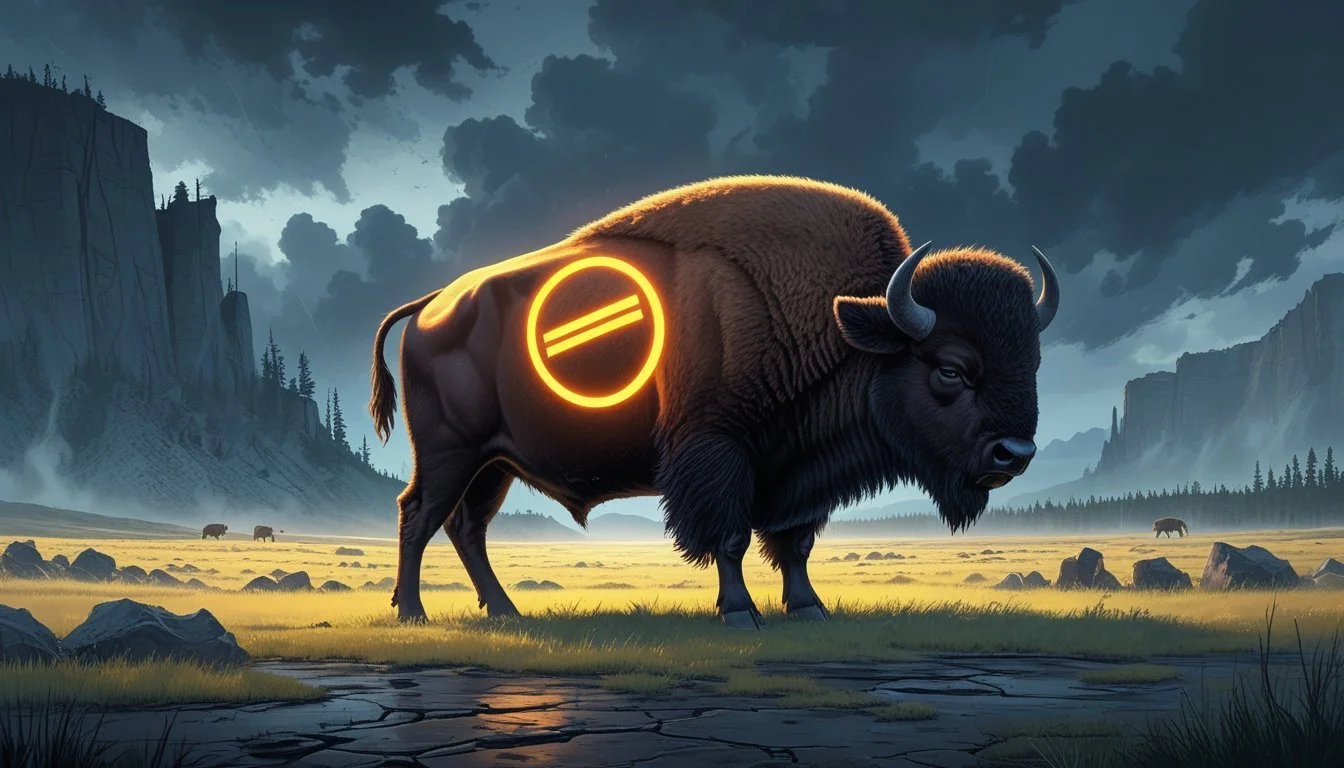
The Yellowstone brand creates unique personal and ethical challenges for those who bear it. Loyalty to the ranch comes with long-term costs, often forcing individuals to live with secrets and consequences that extend far beyond the physical mark.
Illegal Activities and Moral Dilemmas
Branded workers are often required to participate in criminal acts, including evidence tampering, cover-ups, and violence. The "Y" brand signifies not just dedication but also complicity in illegal activities tied to protecting the Dutton ranch. This obligation to commit or conceal crimes leaves individuals trapped in binds of silence, even when faced with life-altering moral decisions.
Every brand carries a burden of secrecy and shared guilt. Loyalty is enforced not only by duty but also by fear of exposure and retaliation. Some wearers of the brand struggle with guilt, as the expectation to prioritize the ranch’s survival forces them to cross legal and ethical lines. This web of complicity makes it extremely difficult for them to speak out or seek help without risking severe consequences for themselves and others.
Key Challenges:
Involvement in violent acts
Hiding evidence or bodies
Threat of legal prosecution
Internal conflict over loyalty and ethics
Isolation from Society
The brand marks an individual as separate from mainstream society, creating a sense of permanent exclusion. Trust with outsiders is eroded, as branded workers fear the risk that their secret might be revealed. This isolation is both emotional and physical, limiting contact with anyone not connected to the ranch.
Family relationships become strained, as branded individuals often hide significant parts of their lives. Even former employees who attempt to leave still carry loyalty obligations, making reintegration into society difficult and fraught with risk. The consequences of branding include a deep sense of alienation, making it hard for individuals to form new connections or escape the shadow of their past decisions.
Major Effects:
Separation from family and former friends
Risk of exposure and retribution
Difficulty trusting others
Persistent emotional burden
Notable Antagonists and Brand-Related Storylines
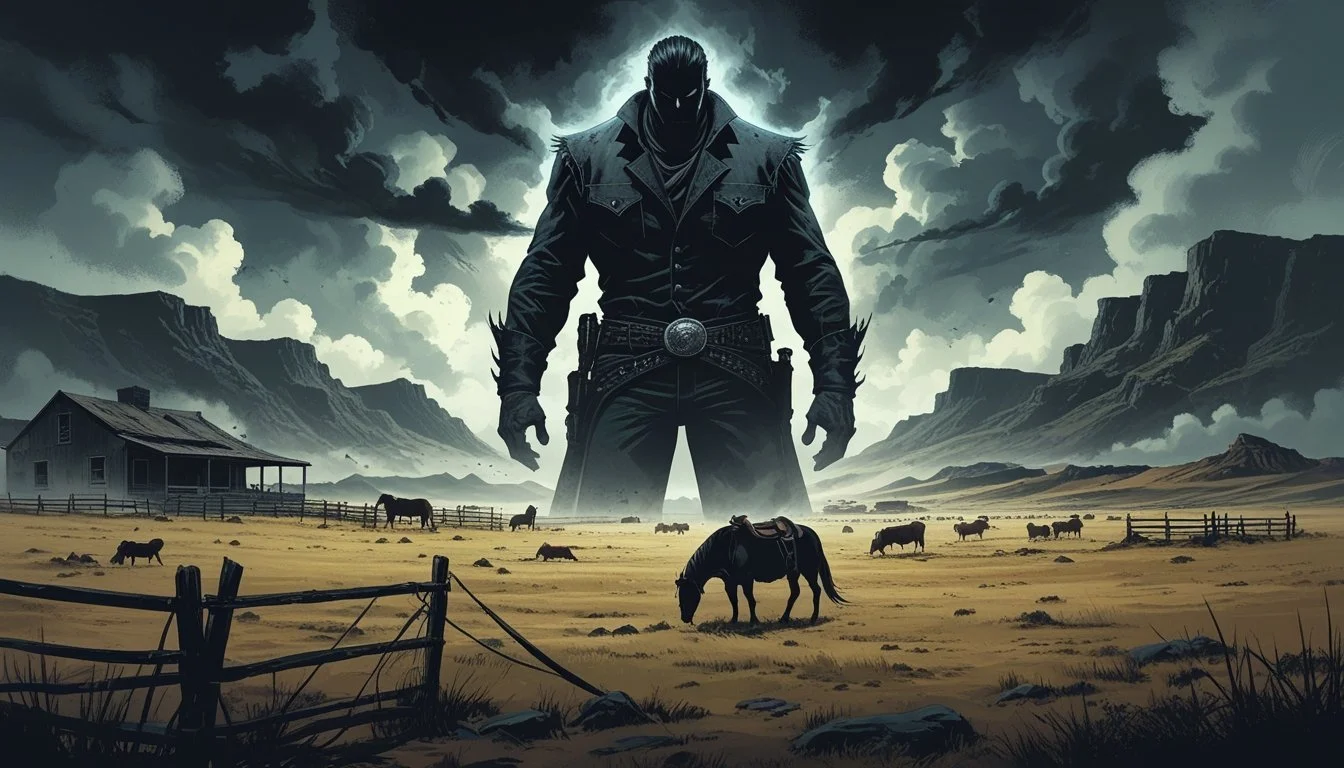
The impact of the Yellowstone brand extends beyond the Dutton family, affecting key antagonists and shaping major conflicts. Branding is not only a test of loyalty but also a source of pain, vengeance, and irreversible consequences.
Wade and Clint Morrow
Wade and Clint Morrow are former associates of the Dutton family with personal ties to the ranch’s history. After crossing John Dutton, their fate becomes closely linked with the symbolism and brutality of the brand.
The Morrows’ storyline escalates when they steal Dutton cattle, triggering direct retaliation from the ranch. Wade, in particular, is singled out for a brutal punishment because he once wore the Yellowstone brand, only to betray that trust later.
Dutton ranch hands forcibly remove Wade’s shirt to reveal the old "Y" brand before meting out violent justice. This act serves as a warning to others: betrayal of the brand is an unforgivable offense, and the consequences are severe.
Season 3 and Key Plot Developments
Season 3 focuses heavily on the theme of loyalty and retribution surrounding the Yellowstone brand. Major plotlines involve characters struggling with the weight and inescapability of the brand’s legacy.
The Morrows’ storyline highlights the brand as a symbol of both membership and a death sentence for traitors. Throughout the season, scenes featuring branding rituals are used to emphasize how it serves as a lifelong mark that binds individuals to the ranch’s interests—willingly or not.
Season 3 also shows the extreme measures the Duttons take to protect both the physical cattle and the metaphorical boundaries of their world. The branding, as seen with Wade Morrow, becomes a tool not only of inclusion but also of punishment and exclusion.
Behind the Scenes of the Yellowstone Brand
The origin and meaning of the Dutton brand reflect both creative choices and nuanced performances on the show. Decisions made by Taylor Sheridan and the actors give the brand its complex and disturbing significance in the Yellowstone universe.
Taylor Sheridan’s Creative Intent
Taylor Sheridan, series creator, designed the Yellowstone brand as a symbol with strong and unsettling undertones. To Sheridan, the brand represents a permanent bond—a mark given to those who have reached critical moral crossroads or committed serious transgressions. For Kayce Dutton, getting branded was not simply a punishment, but a forced declaration of allegiance that exposes the darker side of family loyalty.
Sheridan explained that he wanted audiences to see the brand as both a second chance and a lifelong burden. It's a physical reminder that those who wear it cannot escape the ranch or its expectations. The brand’s meaning aligns with themes of confinement, loyalty, and atonement that run through the series.
The symbolism isn’t just narrative; it’s visual and visceral. Sheridan’s decision for Kayce to be the only Dutton child branded emphasizes how far the family will go to protect its legacy, marking Kayce both as an insider and a prisoner.
Portrayals by Kevin Costner and Cast
Kevin Costner, as John Dutton, brings a stern and calculated approach to the act of branding. Through his performance, viewers see John’s belief that the brand is sometimes necessary to ensure loyalty and control. Costner’s portrayal underscores John’s complex relationship with his children, particularly Kayce, who struggles with the consequences of his father’s choices.
Luke Grimes (Kayce Dutton) shows the lasting mental and physical impact of the brand. His conflicted reactions and visible discomfort highlight the trauma attached to carrying such a mark. Grimes’s reserved yet intense presence presents Kayce as both defiant and resigned, bringing emotional realism to the role.
Other cast members, like Cole Hauser (Rip Wheeler), embody a different perspective, viewing the brand as a point of pride or brotherhood. The ensemble’s nuanced performances present multiple viewpoints, driving home the brand’s layered significance within both the Dutton family and the larger Yellowstone narrative.
