
The Role of Revenge in Yellowstone’s Worldview
Exploring Motives and Consequences
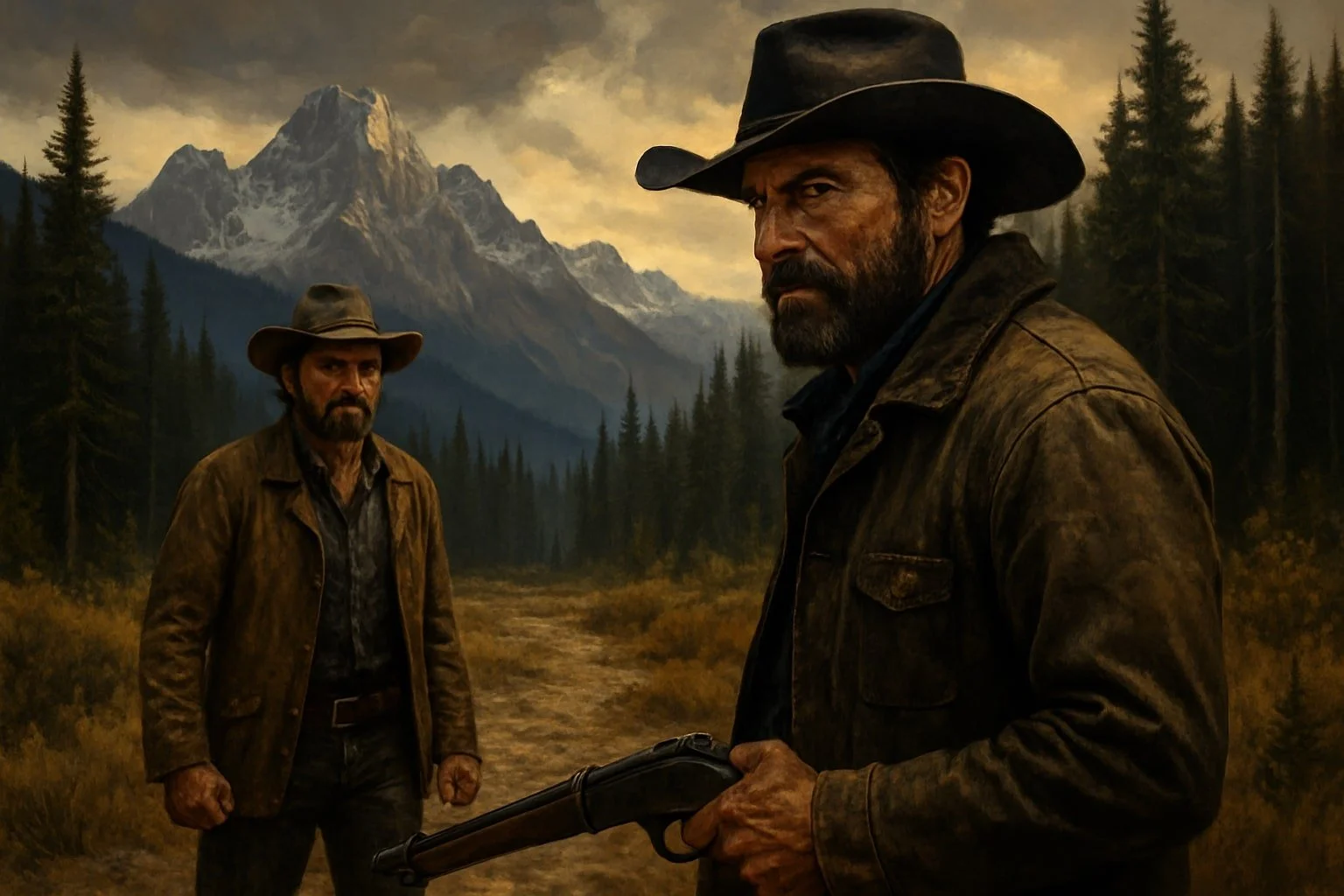
Revenge is an essential force shaping the worldview of Yellowstone, driving decisions and defining the legacy of the Dutton family in the Paramount Network’s flagship neo-western drama. As the series unfolds, cycles of vengeance recur, not just as personal vendettas but as responses to historical feuds, perceived betrayals, and the harsh realities of power on the Montana frontier. The pursuit of retribution motivates key characters and influences every plot twist, demonstrating how far people will go to protect their land and family name.
The show explores how revenge blurs the line between justice and survival, challenging viewers to question whether retaliatory acts reinforce strength or perpetuate turmoil. Yellowstone’s depiction of these fraught dynamics keeps audiences invested in the fate of the Dutton dynasty, highlighting the costs and consequences of living in a world ruled by old grudges and new threats. Each act of vengeance is both a personal reaction and a larger commentary on the price of keeping a legacy intact in the modern West.
Revenge as a Foundational Theme in Yellowstone
Revenge is woven into the fabric of Yellowstone, shaping how the Dutton family protects its land and legacy. The struggle for dominance on the Yellowstone Ranch often blurs the line between justice and retribution, exposing deep conflicts related to loyalty, power, and land.
The Role of Vengeance in the Dutton Family Legacy
The Dutton family’s history is marked by recurring cycles of revenge, often in response to threats or betrayals. From their origins in Montana, these acts become rituals meant to uphold their identity and secure their legacy.
Personal loss, such as attacks against family members or the ranch, is almost always met with swift retaliation. This cycle is not just emotional; it is a taught behavior. Generations of Duttons internalize the idea that vengeance is necessary for survival.
Beth and John Dutton, in particular, represent this mindset as they orchestrate calculated responses to perceived enemies. Loyalty within the family means both defending and avenging wrongs, reinforcing the bond between justice and revenge.
Confrontation and Power Plays on the Yellowstone Ranch
Confrontation is a daily reality at the Yellowstone Ranch. Rival factions frequently challenge the Duttons’ authority, prompting bold actions designed to protect both property and reputation.
Key conflict zones include:
Territorial disputes with developers
Tensions with Native American tribes
Rivalry with neighboring ranchers
These standoffs rarely end in compromise. Instead, characters use power plays—legal maneuvering, intimidation, or violence—to assert dominance. Revenge, in this context, becomes a strategic tool used to send messages and deter future threats.
Loyalty is tested in these moments, as ranch hands and family members must choose between personal ethics and allegiance to the Dutton name. The result is a tense environment where confrontation and revenge shape daily decisions.
Revenge in the Context of Land Ownership and Rights
Land ownership forms the core battleground for most acts of revenge in Yellowstone. The Dutton Ranch’s vast acreage is under constant threat, making every conflict about more than just property—it is a fight for survival and identity.
Legal and extralegal tactics are both employed. The Duttons defend their land through lawsuits, backroom deals, and, when necessary, violence. Acts of revenge serve as both punishment for encroachers and as warnings to others questioning their claim.
This relentless defense highlights the belief that legacy is tied to land, and losing it means losing everything. Every act of revenge underscores the profound value placed on territory and family inheritance in the Yellowstone worldview.
Key Characters Shaped by Revenge
Revenge serves as a driving force behind the actions and evolution of several central characters in Yellowstone. It often blurs moral lines, especially when it intertwines with loyalty, power, and survival in the unforgiving landscape of Montana.
John Dutton’s Code: Loyalty, Betrayal, and Retaliation
John Dutton, portrayed by Kevin Costner, upholds a strict personal code that places loyalty to family and the ranch above all else. Acts of betrayal, whether from within or outside the Dutton circle, are met with calculated retaliation. John’s pursuit of revenge is not just emotional; it’s tactical, used to send clear messages to adversaries and preserve his empire.
Betrayals—including those by former allies—fuel intense vendettas. John rarely hesitates to cross legal or ethical boundaries when he believes the ranch or family legacy is threatened. Loyalty and retribution are inseparable for him, shaping much of the tension and violence that define his story.
This cycle of loyalty and payback does not just impact enemies but also internal relationships, often damaging trust within the family. The line between protector and aggressor is thin in John's world, making revenge part of his leadership style.
Beth Dutton’s Pursuit of Vengeance
Beth Dutton, played by Kelly Reilly, is defined by her unyielding loyalty to her father and a deep commitment to avenging past wrongs. Traumas from her youth, including betrayals connected to Jamie Dutton, have made revenge both her weapon and shield. She is direct, ruthless, and often emotionally charged in her actions.
Beth’s drive for revenge manifests in both personal vendettas and strategic moves against corporate threats or family enemies. She uses knowledge and intimidation to destroy her opponents, believing retaliation is necessary for survival. Emotional scars from betrayal guide her, shaping a worldview where trust is rare.
Her tactics are not limited to outsiders; she also seeks retribution against family members, particularly Jamie, for perceived injustices. Beth’s narrative arc demonstrates how revenge can dominate relationships and define identity.
Jamie Dutton and the Complexities of Justice
Jamie Dutton, portrayed by Wes Bentley, stands out for his internal conflict when it comes to revenge and justice. As the adopted son who later discovers the identity of his biological father, Jamie grapples with loyalty to John and his desire for personal justice.
His legal expertise places him uniquely at the intersection of following the law and serving family interests. Betrayal is a constant theme in Jamie’s journey, especially as he struggles with actions that pit him against his family. His choices often lead to tragic consequences, both for himself and the Duttons.
Jamie’s motivations are clouded by a longing for acceptance and respect. He is drawn to vengeance but is rarely at peace with its aftermath, highlighting the psychological and ethical costs of revenge within the Yellowstone narrative.
Consequences of Revenge in Yellowstone’s Narrative
Revenge often leads to swift but deeply damaging actions among the Duttons and their adversaries. The aftermath shapes both individual lives and the larger dynamics of the ranch, sparking new cycles of conflict and ethical uncertainty.
Escalating Violence and Trauma
Retaliation is a recurring response to betrayal or attack in Yellowstone, frequently taking the form of murder or assassination. Characters like Beth and Rip leverage violence as a tool for both survival and dominance, which intensifies feuds rather than resolving them.
These acts create ongoing trauma. The pain of loss affects both avenger and victim, leaving psychological scars that weigh on future decisions. For example:
Kayce’s involvement in violent reprisals results in recurring nightmares and strains his relationship with Monica.
Jamie’s participation in covering up crimes leads to isolation and desperation, pushing him further from his family.
The death of John Dutton devastates the family, triggering Beth’s relentless pursuit of vengeance.
Each violent act rarely brings closure. Instead, it fuels new cycles of grief and retaliation, gradually eroding trust even among family members.
Moral Ambiguity and Justifications
Characters seldom view their actions as purely evil. Instead, they justify extreme measures, believing the ends—protecting family or legacy—justify the means. This moral ambiguity is central to Yellowstone’s narrative.
John Dutton repeatedly rationalizes murder and illegal actions by appealing to loyalty and the ranch’s survival. Beth treats her campaign of blackmail and intimidation as necessary, though it often leaves her emotionally numb.
Moments of regret, such as Jamie contemplating suicide after killing his biological father, highlight how justification cannot erase guilt. These justifications blur the line between hero and villain, leaving viewers—and the characters—questioning what, if anything, remains sacred on the ranch.
Key examples of this ambiguity:
Character Action Justification John Murder Ranch protection Beth Blackmail/Violence Family loyalty Jamie Patricide/Suicide Desperation
Detachment, varying remorse, and shifting loyalties show how revenge, while framed as necessary, corrodes ethical boundaries and personal identities.
Revenge Across Family and Community Lines
Revenge in Yellowstone threads through both intimate family disputes and larger clashes with neighboring communities. Long-held grudges and struggles for land rights often shape the actions of both the Dutton family and the Broken Rock Reservation.
Family Dynamics and Generational Grudges
The Dutton family's internal relationships are marked by cycles of loyalty and betrayal. Generational grudges often begin with the patriarch, John Dutton, whose belief in protecting the family's legacy overrides personal relationships. Children are both protectors and rivals, each shaped by the family's history of loss and retribution.
Beth Dutton's vendettas, especially against her brother Jamie, highlight how revenge becomes a tradition rather than a choice. The show underscores that family legacy is less about inheritance and more about surviving repeated betrayals. The Duttons use lists of past wrongs as justification for ongoing conflict, leading to repeated acts of retaliation within and across generations.
Family feuds spill over into external actions. When loyalty is questioned, characters often respond with calculated vengeance, justifying their actions as necessary protection of land or honor. The result is a family trapped in a cycle, where every slight demands an answer.
Broken Rock Reservation and Indigenous Rights
The conflict between the Duttons and the Broken Rock Reservation centers on land rights and historical injustices. Tribal leaders, especially Thomas Rainwater, view the Dutton ranch as a symbol of stolen heritage. Revenge here is rooted in the desire to reclaim what was lost and assert indigenous rights.
Acts of retribution include legal challenges, political maneuvers, and direct confrontation. For the Native American characters, vengeance is often entwined with cultural preservation, as they push back against continual threats from developers and policy makers. The struggle is persistent, informed by both contemporary fights and a long memory of dispossession.
Unlike the Duttons, the reservation community seeks to unite rather than divide. Their acts of revenge are collective, emphasizing survival and justice for the tribe rather than personal gain. The rivalry over the land is never just business—it's a fight for cultural survival.
Power, Investigation, and Loyalty: Supporting Characters
Supporting characters in Yellowstone often determine the limits of power and loyalty within the Dutton world. Their actions influence investigations, power dynamics, and the pursuit of vengeance, shaping the broader narrative beyond the main family.
Rip Wheeler and the Code of the Cowboy
Rip Wheeler serves as John Dutton’s unwavering enforcer. His loyalty to the Dutton ranch is absolute, enforcing a strict code that balances old-West justice with the demands of protecting the Yellowstone legacy. For Rip, loyalty means executing orders without hesitation, often blurring the line between justice and revenge.
He teaches Carter this code, showing the next generation how loyalty and toughness become survival strategies. Rip’s methods include intimidation, violence, and covert action, making him an essential figure when the family's interests are threatened or investigated. When challenges arise—whether from Market Equities or internal betrayal—Rip does not hesitate to enforce consequences, making him both feared and respected.
Key responsibilities Rip embodies:
Protecting the ranch at all costs
Training new ranch hands like Carter
Navigating moral ambiguity in service of the Duttons
The Influence of Market Equities and Sarah Atwood
Market Equities represents a powerful outside force challenging the Dutton’s dominance through financial might and legal pressure. Sarah Atwood, as a strategist, leverages investigations and manipulation to destabilize the Yellowstone stronghold.
Her approach contrasts with Rip’s direct tactics. Instead, she applies legal and economic tools, orchestrating complex schemes to expose the Duttons’ vulnerabilities. Sarah’s alliances and strategies bring a sophisticated form of revenge and power play to the series, forcing the Duttons and their allies into defensive positions.
This external threat is methodical. When Market Equities investigates the ranch, they use evidence, networks, and legal expertise—rather than violence or personal loyalty—to press their advantage. Sarah’s involvement signals a shift toward battles waged in courtrooms and boardrooms rather than on horseback.
Relevant figures:
Sarah Atwood (Market Equities strategist)
Competitors in Yellowstone and related spin-offs
The Evolution of Revenge Through the Seasons
Revenge changes form throughout Yellowstone, taking on new meanings and consequences as the story unfolds. Each season builds on the last, sharpening the personal and familial stakes while highlighting how characters adapt their approach to vengeance.
Recurring Motifs from Season to Season
Certain patterns of revenge recur each season, shaping motivations and conflicts within the Dutton family and their adversaries. Power struggles, betrayals, and retaliation are central themes. For example, Beth Dutton’s vendetta against Jamie intensifies from season to season, fueled by past betrayals and personal pain.
Protecting the land is another common driver for revenge, especially for John Dutton. He often uses both legal and illegal tactics to fend off those who threaten his family’s legacy and the Yellowstone ranch. These recurring motifs help establish a cycle where violence and vengeance become normalized responses to threats.
Family loyalty is repeatedly tested, with shifting alliances and ongoing feuds. The show uses these motifs to build complex relationships and illustrate how revenge undermines trust, even as it appears to protect family honor.
Climactic Moments and Season Finales
Every season finale features a major confrontation or act of revenge that changes the trajectory of the series. In earlier seasons, these moments include assassination attempts, betrayals from within the family, and orchestrated attacks against rivals.
Season finales often resolve certain arcs while planting seeds for new feuds. Season 4, for instance, ends with significant fallout for Beth and Jamie, as Beth’s relentless pursuit of retribution shapes her decisions and exposes vulnerabilities in the Dutton family. Season 5 expands the stakes of revenge-driven conflicts, bringing them to a wider public stage and involving political power.
Key climactic scenes use violence and dramatic reveals, reinforcing that acts of revenge are pivotal both for individual character arcs and the broader narrative. These memorable moments cement Yellowstone’s reputation for high-tension storytelling and underscore how revenge becomes both a weapon and a poison within the show’s world.
Redemption, Reconciliation, and the Limits of Vengeance
Characters in Yellowstone often face internal battles between seeking vengeance and finding a path toward redemption. The series highlights how revenge shapes their relationships, but it also reveals the complexities and obstacles involved in moving beyond cycles of retribution.
Paths Toward Forgiveness and Change
Forgiveness in Yellowstone is rare and usually hard-won. The Duttons and those around them struggle with deep grudges that stem from family history, betrayals, and personal loss. This ongoing tension challenges their ability to reconcile, even when the cost of vengeance becomes clear.
Instances of redemption are often incomplete or conditional. Characters like Jamie and Beth pursue moments of change but remain haunted by old wounds. Actions taken for revenge frequently lead to isolation or regret, underscoring the limits of vengeance as a solution.
Reconciliation requires confronting painful truths and accepting responsibility. While some characters attempt to break the cycle of retaliation, fear and loyalty keep them tied to old ways. This balance between seeking justice and offering forgiveness drives character development throughout the series.
Conclusion: Lasting Impact of Revenge on Yellowstone’s Worldview

Revenge shapes how the Dutton family navigates threats, alliances, and betrayals in Yellowstone. Each act of vengeance reinforces their identity and solidifies their grip over the ranch.
This pursuit becomes a central element in the power dynamics that unfold within the series. Characters use revenge as a tool to assert control, challenge rivals, and protect the family’s interests.
Key effects of revenge on the Duttons’ legacy include:
Shifting loyalties
Enduring conflict between families
A relentless cycle of retaliation
Moral ambiguity in decision-making
Yellowstone presents revenge less as a temporary response and more as an ongoing code that guides survival. The Duttons’ worldview is shaped not only by a desire for justice but by the need to maintain dominance in a harsh environment.
Tension follows each character’s pursuit of retribution, influencing relationships within and outside the family. Their choices reveal the cost of revenge and how it defines their legacy.
The series finale highlights this theme, as the consequences of revenge have lasting effects on both the Duttons’ fate and the future of the ranch. In Yellowstone, revenge is inseparable from the very foundation of power and heritage.
