
How Yellowstone Makes Loyalty Look Like Madness
Examining Devotion and Its Consequences
Yellowstone turns loyalty into a high-stakes gamble, where fierce allegiance often borders on obsession and leads characters into dangerous territory. Relationships and alliances on the Dutton Ranch are shaped by unyielding devotion, pushing everyone from John Dutton to his children into choices that look reckless to outsiders. The series repeatedly shows how loyalty becomes both a shield and a weapon, blurring the line between standing by your family and losing yourself in the process.
Viewers see characters make deeply personal sacrifices, face moral compromises, and cross boundaries few would dare, all in the name of loyalty. This not only drives the drama but challenges viewers to reconsider what true loyalty means, and at what point it begins to look like madness.
Defining Loyalty in Yellowstone
Loyalty in Yellowstone is not only a personal value but a force that shapes the Dutton family's relationships, legacy, and fate. The way loyalty operates in the series exposes stark contrasts between kin and outsiders, and the risks of unwavering allegiance.
What Loyalty Means to the Dutton Family
For the Duttons, loyalty sits at the center of identity and family legacy. It is the glue that binds generations together, fueling both the daily operations of the Yellowstone Ranch and high-stakes decisions.
John Dutton expects total loyalty from his children and trusted ranch hands. He sees every choice as either a defense or betrayal of the family’s way of life.
Key aspects of Dutton loyalty:
Non-negotiable expectations: Disloyalty is viewed as the gravest sin.
Sacrifice: Family members often set aside personal needs for the ranch and its heritage.
Legacy-driven: Loyalty aims to secure the ranch for future generations.
As the Duttons see it, loyalty is measured by action—often demanding secrecy, obedience, and resilience.
Family Versus Outsider Loyalty
The Duttons draw a sharp line between family and outsiders when it comes to trust and allegiance. While kin are offered a small measure of forgiveness for mistakes, outsiders must prove themselves through unwavering service.
Members like Rip Wheeler earn a place by demonstrating loyalty comparable to blood relations. In contrast, outsiders who cross the family face instant exclusion or retaliation.
Family Loyalty Outsider Loyalty Basis Heritage, birthright Actions, earned trust Forgiveness Possible, with limits Rare, often none Consequences for Betrayal Severe punishment Exile or violence
The Duttons’ model makes it nearly impossible for outsiders to become true family, underlining how identity and heritage shape trust.
Fierce Loyalty and Its Consequences
Loyalty becomes destructive when it justifies actions that go beyond the law or moral boundaries. Characters are frequently asked to commit violence or cover up crimes, all under the banner of loyalty to the ranch.
John Dutton and his family sometimes treat loyalty as a license for ruthlessness, believing their heritage is justification enough. Fierce loyalty isolates the Duttons, leading to mistrust, paranoia, and cycles of retaliation.
The family’s legacy depends on keeping this loyalty intact, but it also creates new dangers—from personal trauma to external threats. Loyalty, while central to their identity, becomes both their greatest strength and their most dangerous flaw.
How Loyalty Drives Yellowstone’s Storytelling
Loyalty stands at the heart of every decision, conflict, and alliance in Yellowstone. The show uses alliances and shifting loyalties to create tension, shape relationships, and drive the drama that keeps viewers engaged.
Loyalty as Motivation for Power Struggles
Loyalty in Yellowstone is not a passive quality but a driving force that fuels the Dutton family's power struggles. Each member's commitment to the ranch and family legacy leads them to both admirable and ruthless actions, from defending land against rivals to manipulating others to secure their positions.
Allegiance does not stop at family ties. Characters often test or demand loyalty from employees, allies, and even romantic partners. These demands spark conflicts and set up high-stakes confrontations with outsiders like corporate developers, politicians, and neighboring ranchers.
Key examples of loyalty’s role in power dynamics:
John Dutton’s control is maintained through unyielding loyalty from his inner circle.
Kayce’s shifting alliances highlight internal family tension.
Beth uses loyalty as leverage, enabling power plays that affect the business and family structure.
Sacrifice and Betrayal
Sacrifice is a crucial way characters demonstrate loyalty within the series. Many characters give up personal happiness, safety, or morality to protect the ranch or the Dutton name. This theme appears repeatedly, heightening the emotional weight of each episode.
Betrayal, however, is the stark counterpoint to loyalty. The series often shows how a breach of trust can escalate drama and drive irreversible actions. Large and small betrayals—sometimes between family members—reshape relationships and force difficult choices about allegiance.
Both sacrifice and betrayal are used to underscore the cost of loyalty:
Rip enduring hardships and violence to prove devotion to John.
Monica and Kayce’s relationship strained by competing loyalties.
Jamie’s decisions reveal how betrayal can fracture families and alliances.
Moral Ambiguity and Tough Choices
Yellowstone rarely paints loyalty as purely good or bad. Loyalty often requires questionable choices and shades of moral ambiguity, forcing characters to justify ethical compromises for what they see as a greater cause.
Tough choices frequently put loyalty in direct conflict with personal values or legal boundaries. Characters must decide whether to protect someone at the cost of right and wrong, creating complex psychological tension throughout the drama.
Noteworthy manifestations of moral ambiguity:
The branding ritual, which binds characters to the Duttons but blurs lines between family and control.
Beth and John’s tactical decisions often cross moral lines to save the ranch.
Loyalty-driven secrets and lies introduce lasting dilemmas within the central relationships.
Family Dynamics and Dysfunction
Loyalty in the Dutton family is inseparable from the land they fight to keep and the secrets they work to hide. Their connections are tested by rivalry, old wounds, and the struggle to balance survival with fractured trust.
Blood, Conflict, and Survival
Survival in the Dutton family is not just about enduring Montana’s wild landscape; it’s battle after battle for the Yellowstone ranch. John Dutton, as patriarch, enforces loyalty by demanding total obedience from his children.
Every member—Beth, Jamie, Kayce—grows up believing that the ranch comes first, even above their own well-being. That belief shapes their decisions, driving them to take extreme actions to protect the family legacy.
Tough choices and violent confrontations become routine. The family’s internal code, protect the Duttons at all costs, frequently pulls them into dangerous situations where moral lines blur for the sake of survival.
Rivalries Among the Duttons
Competition and jealousy are constant undercurrents. Jamie, feeling like an outsider, battles for approval yet remains distrusted, especially by Beth after his betrayals. Their bitterness erupts into open conflict, often fueled by past grievances.
Beth, fiercely loyal to John, uses manipulation and calculated risk to shield the family. She sees Jamie’s ambitions as threats, not just to the ranch but to their father’s authority. Kayce, by contrast, is torn between family loyalty and the trauma he carries from violent demands placed upon him.
Rip Wheeler’s position as an adopted family member adds another layer. He is both enforcer and outcast, doing the family’s dirty work but never fully integrated. The rivalry between blood relatives and trusted outsiders keeps the atmosphere charged and trust hard to secure.
Family Trauma and Dysfunction
The show consistently highlights how old wounds never heal. Beth’s experiences with loss and betrayal, especially by Jamie, drive her towards self-destructive behavior and distrust. Trauma in the Dutton family is passed from one generation to the next, often masked by outward strength.
John’s insistence on secrecy and hard living denies the possibility of healing or vulnerability. Instead, emotional pain is buried under duty, leading to recurring patterns of dysfunction. Jamie’s struggle with his identity, after learning of his adoption and facing constant rejection, pushes him further from the family’s emotional core.
Family loyalty becomes both a shield and a burden. Attempts to protect one another usually backfire, creating deeper fractures. Dysfunction is not an accident; it’s woven into how the Dutton family survives.
Key Characters and Their Loyalty
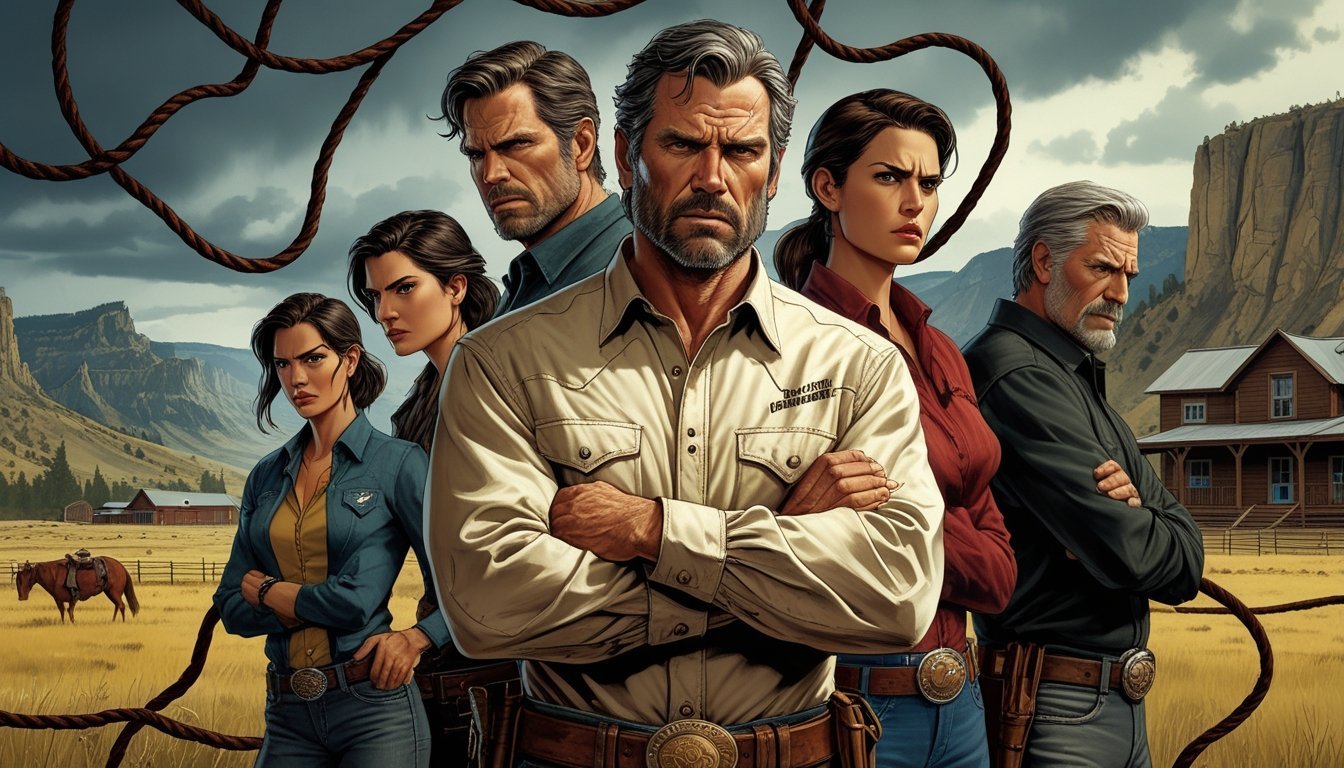
Loyalty in Yellowstone often demands sacrifice, secrecy, and hard choices. Each major character navigates personal codes of allegiance, revealing the heavy costs and emotional consequences that come with defending the Dutton legacy.
John Dutton’s Unyielding Allegiance
John Dutton leads his family and livestock empire with a singular focus: preservation of the ranch at any cost. His loyalty runs deeper than simple familial duty, becoming a core part of his identity. Every major decision John makes centers around the survival and dominance of the Yellowstone ranch.
He is willing to defy the law, manipulate allies, and even endorse violence to protect his land. John’s devotion sometimes borders on obsession, isolating him from those who question the family’s direction. For him, loyalty is not only inherited but enforced, producing loyalty in others through expectation and coercion.
John’s relationships, especially with his children, are shaped by his expectations of absolute commitment. He sees deviation as betrayal and feels justified in his extremes, sometimes turning his loyalty into a weapon.
Beth Dutton: Loyalty and Vulnerability
Beth Dutton’s loyalty to her father and the ranch is fierce, unwavering, and often self-destructive. She uses her intelligence and ruthlessness to dismantle the threats against her family, regardless of personal risk. Beth is as protective as she is volatile, willing to sacrifice her own happiness to advance the family’s interests.
Under her tough exterior, Beth’s emotional scars shape her responses. Her willingness to be vulnerable with Rip, and occasionally with her father, exposes the painful cost of loyalty. She hides her pain behind sarcasm and confrontation.
Key Contrasts:
Beth’s Loyalty: Aggressively proactive; emotionally charged
Beth’s Vulnerability: Shown only to select people; rarely admitted
Beth’s complexity lies in her ability to be both a guardian and a liability. Her loyalty sometimes leads her into reckless situations, compounding danger for herself and those she loves.
Kayce Dutton: Balancing Duty and Empathy
Kayce Dutton’s loyalty is divided between the responsibilities he feels to his family and his instinctive empathy. As a former Navy SEAL, Kayce applies tactical skills and discipline but often struggles with the violent legacy attached to the ranch. He seeks a balance between the hard demands of being a Dutton and his desire to shield his wife and son from family conflict.
Kayce’s moral compass differentiates him. He openly questions his father’s methods, yet finds himself repeatedly pulled into the family’s orbit. His journey reveals how duty can conflict with personal values.
Kayce’s loyalty is marked by hesitation, compassion, and thoughtful action. He tries to limit collateral damage, but his attempts to do what’s right sometimes come at a high personal cost.
Rip Wheeler: Loyalty Born of Redemption
Rip Wheeler’s loyalty is a product of both gratitude and a quest for redemption. Rescued from a violent past by John Dutton, Rip finds purpose as the ranch’s enforcer. He demonstrates an unflinching commitment, regularly carrying out difficult and dangerous tasks for the ranch and the family.
Rip’s devotion is practical and visible, often taking the form of physical protection. He is understanding of Beth’s vulnerabilities and gives her unconditional support. For Rip, loyalty is more than allegiance—it is atonement for his past actions.
His need for acceptance by the Duttons shapes his every choice. Rip’s loyalty is defined by action rather than words, and he consistently puts himself in harm’s way to prove his worthiness to the family and to himself.
The Yellowstone Ranch as a Symbol
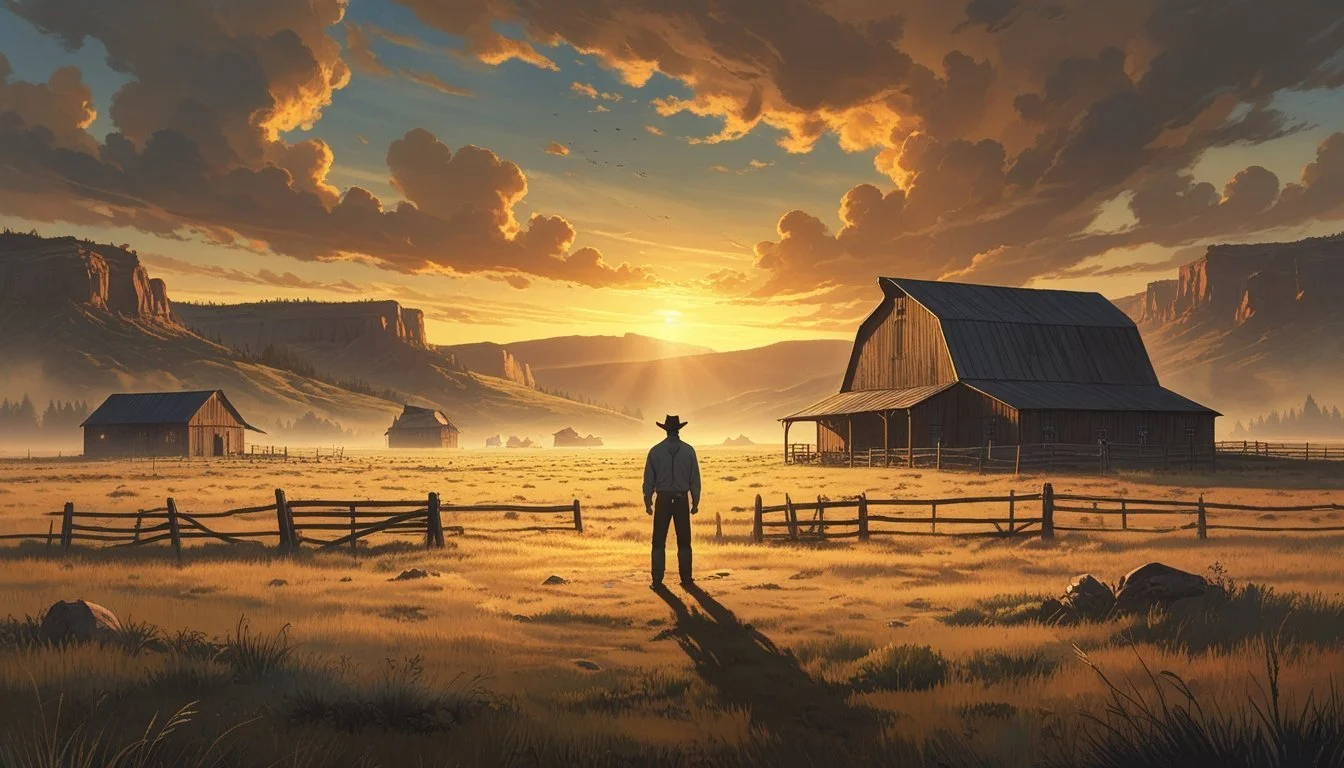
Yellowstone Ranch represents much more than property—it stands for deep-rooted ideals about land, family, and tradition. The fierce attachment seen in characters’ actions underscores conflicts over inheritance, identity, and the survival of rural heritage.
Land and the Preservation of Legacy
The Dutton family’s devotion to the Yellowstone Ranch goes beyond financial assets or real estate. The land is closely tied to their sense of self and family continuity. Every decision, from resisting developers to marking loyal ranch hands with the “Y” brand, reflects a desire to preserve legacy.
Threats from outside developers spotlight the pressure on family-run ranches to maintain ownership through generations. The ranch serves as both home and fortress, symbolizing the Duttons’ refusal to surrender their history. Sacrifices—legal, personal, and moral—are justified within this context, where giving up land is seen as erasing their family’s identity.
Ranch Life and Rural Community Values
Life on the ranch emphasizes hard work, mutual dependence, and loyalty. These values are reinforced daily through shared labor, meals, and the bonds formed by isolation from urban centers. The branding ritual signals more than employment; it marks a belonging to a kind of chosen family.
Table: Core Rural Values
Value Practice at Yellowstone Loyalty Defending ranch interests Self-reliance Handling threats solo Community Supporting one another
The ranch’s culture reflects attitudes in many rural communities, where obligations run deep and tradition is a guide. Loyalty to the ranch and its way of life often supersedes the law or outside opinion, shaping the ranch as a powerful symbol of community and continuity.
External Forces Challenging Loyalty
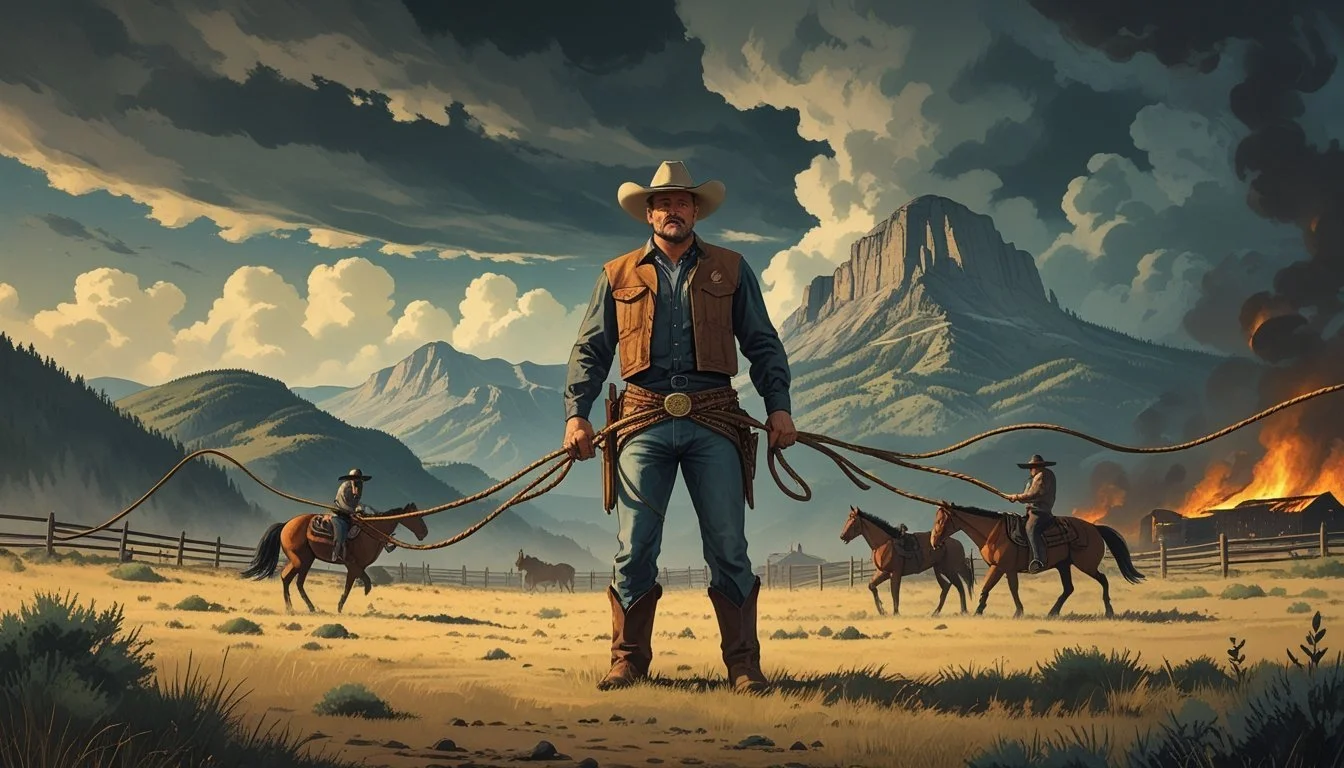
Yellowstone’s depiction of loyalty is shaped by powerful outside forces threatening both the Dutton family’s land and traditional values. Pressures from corporations, indigenous groups, and environmental advocates all disrupt their sense of unity and purpose.
Corporate Greed and Modernization
The Dutton family’s loyalty is constantly pressured by outside business interests. Wealthy developers and corporate figures, such as Dan Jenkins, target the Yellowstone ranch for commercial development and profit. They see the ranch as untapped real estate, envisioning resorts, casinos, and modern communities.
The struggle isn’t just about money. Modernization challenges the family’s hold on their legacy and their ability to keep their land intact. John Dutton and his children face relentless offers and legal threats. Their refusal to sell drives them into intense legal battles, public scandals, and even violence.
These confrontations illustrate how loyalty, when placed above everything else, can border on obsession. The Duttons’ insistence on keeping the ranch separate from outside control often leads them to make extreme decisions, further escalating tensions in Montana’s rapidly changing landscape.
Native American Heritage and Indigenous Rights
The neighboring Broken Rock Reservation and its chairman, Thomas Rainwater, present a different kind of challenge. Rainwater’s motive is rooted not in profit but in restoring indigenous land and rights. He argues that the Dutton ranch sits on stolen land and campaigns for its return to the tribe.
This ongoing conflict forces the Duttons to confront questions about historical injustice and reparations. Rainwater’s challenge to the Dutton legacy isn’t just legal—it is deeply moral and cultural. He frames loyalty as a duty to his people and to the land’s original inhabitants.
The show’s portrayal of this tension spotlights the broader struggle faced by indigenous groups seeking recognition and autonomy. These disputes are never resolved simply through negotiation; they are charged with history, identity, and the fight for dignity in Montana.
Reservation Tensions and Environmental Conservation
Reservation politics create further turmoil, as both the Duttons and the tribe face mounting pressure from environmental groups and state authorities. Conservationists and government agencies push back against unchecked ranching and development, labeling it a threat to the fragile Montana ecosystem.
These battles over water rights, wildlife corridors, and land conservation put the Duttons at odds with new regulatory frameworks. Arguments play out in both the courts and in backroom deals, with ranch workers sometimes forced into illegal action to protect their livelihood.
Key conflicts include:
River access and fencing disputes
Protection of endangered species
Balancing job creation with ecosystem health
This issue exposes how loyalty to family and land can compete directly with wider social and environmental responsibilities. The show's approach reveals how vulnerable all sides are to unexpected consequences when personal allegiance clashes with broader interests.
Montana Landscape and Cinematic Storytelling
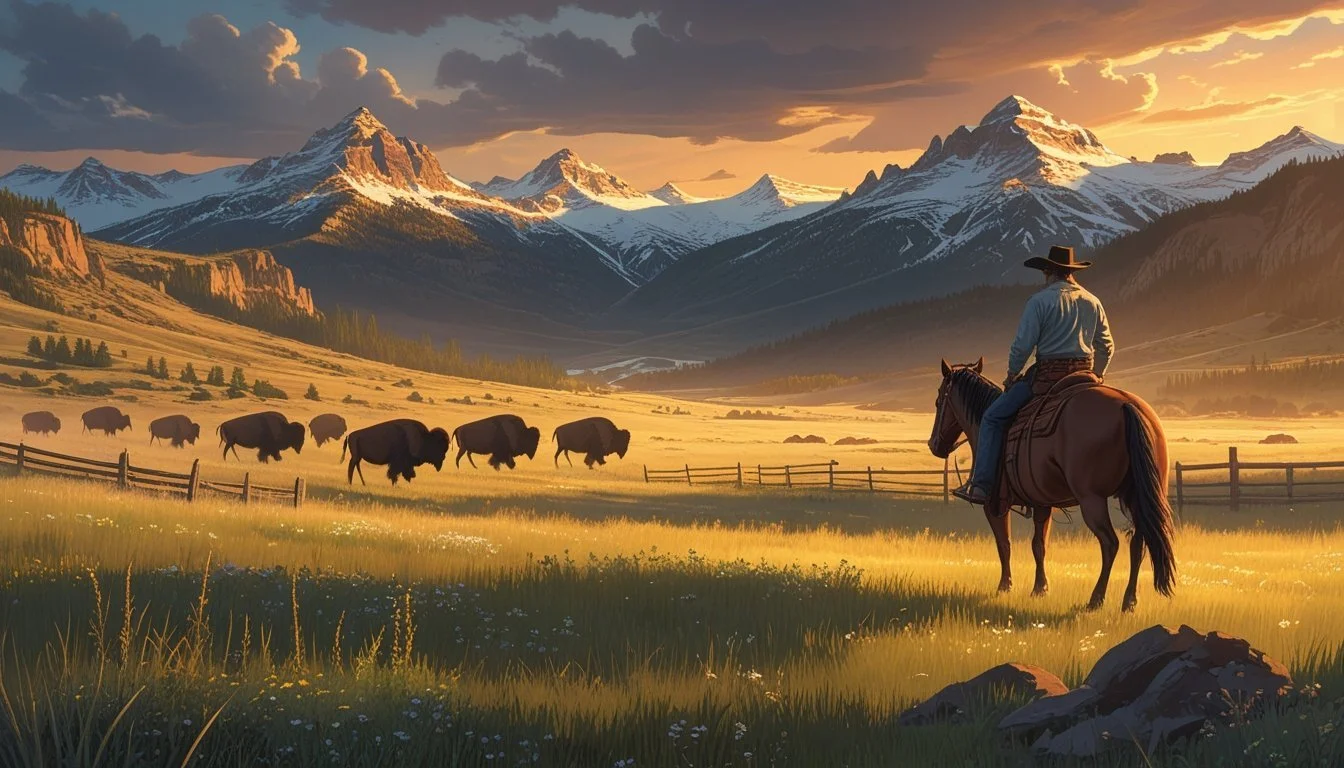
The series "Yellowstone" blends story and setting, using Montana’s distinct landscape and visual style to deepen its portrayal of loyalty and conflict. The production’s choice to film on location highlights the region’s physical grandeur and grounds the narrative in a recognizable, tangible world.
The Role of Breathtaking Landscapes
Montana’s vast prairies, rugged mountains, and open skies shape the atmosphere of "Yellowstone". These awe-inspiring environments act almost as characters themselves, reinforcing the isolation and harshness faced by those living on the Dutton ranch.
The physical landscape often mirrors the internal struggles of its characters. For example, wide shots of individuals dwarfed by mountains or endless grasslands visually echo the overwhelming responsibilities and burdens of loyalty.
Location choices also distinguish the series from others set in artificial or digital spaces. Scenes are filmed in recognizable parts of Montana, making the viewer feel the size and remoteness of the West.
Stunning Cinematography and Visual Identity
"Yellowstone" relies heavily on natural light, wide-lens compositions, and aerial photography to highlight Montana’s beauty. This deliberate visual approach strengthens the show's identity and immerses the audience in the environment.
Key techniques include:
Sweeping aerial shots: Emphasize vastness and physical barriers.
Natural lighting: Preserves authenticity and enhances colors.
Carefully composed frames: Position characters amid imposing landscapes, underlining how smaller personal dramas play out in a much larger world.
The lack of green screens or artificial backdrops adds to the realism, supporting the themes of resilience and commitment that run throughout the series. These choices make the landscape inseparable from the characters’ struggles, connecting environment, loyalty, and story.
The Broader Impact and Legacy of Yellowstone
Yellowstone set new standards for prime-time drama, shaping audience expectations around family legacy, loyalty, and modern Western storytelling. Its influence stretches across television, both through its direct spin-offs and in the way other series approach character and narrative complexity.
Influence on Modern TV Dramas
Yellowstone’s creator, Taylor Sheridan, crafted a show that made themes of loyalty and legacy central to the drama’s tension. The series uses stark landscapes and fraught family relationships, setting a precedent for TV dramas aiming to depict generational conflict and power struggles.
A key impact lies in how Yellowstone blends traditional Western motifs with modern issues, influencing newer dramas to embrace a similar blend of classic and contemporary themes. Several network and streaming series have since adopted its approach to ensemble storytelling and moral ambiguity.
Critical elements—such as the uncompromising family patriarch, inter-generational conflict, and the fight for land—have appeared in other high-profile dramas. Yellowstone helped demonstrate that audiences remain interested in stories focused on legacy rather than just individual arcs, broadening narrative possibilities for other TV creators.
Spin-Offs and Continued Storylines
Yellowstone’s legacy is solidified by a growing universe of spin-offs, each extending the storylines and themes introduced in the original. Taylor Sheridan launched 1883 and 1923, prequel series that trace the Dutton family’s history and further explore the notion of family legacy over generations.
Each spin-off uses a unique setting and time period to deepen understanding of the Dutton family’s influence. For example:
Series Time Period Focus 1883 19th Century Duttons’ journey West 1923 20th Century Struggle during American Prohibition
In addition, ongoing projects and future spin-offs aim to expand the universe even further. The storylines often intersect, creating a web of narratives centered around legacy, loyalty, and survival, which continues to engage a dedicated audience.
