
Does Yellowstone Believe in Redemption?
Exploring Themes of Forgiveness and Second Chances
Yellowstone’s storylines consistently show that the series believes in the possibility of redemption, but not every character achieves it. Throughout its run, the show explores whether people can change, pay for their past mistakes, or make amends, often pushing its characters to confront their own actions in search of a better path.
Whether it’s Kayce’s decision to return the ranch to the Native Americans or Jamie’s ongoing struggle to break free from his family’s shadow, each arc tests what redemption really means in a world defined by loyalty and betrayal. The show’s complex approach keeps viewers questioning if anyone can truly escape their past or if forgiveness is ever complete in the harsh landscape of Yellowstone.
Understanding Redemption in the Context of Yellowstone
Redemption shapes character journeys and storylines in Yellowstone, driving transformation and conflict. These ideas connect directly to the notions of faith, hope, and the deeper values often attributed to the American West.
Defining Redemption and Its Role in Yellowstone
Redemption in Yellowstone is not presented as a simple act of forgiveness or correction. It is often a complex process, involving characters who are forced to confront their past decisions and actions. For example, Jamie Dutton’s search for approval and his actions against his family create ongoing questions about whether true redemption is possible.
Character arcs such as Rip Wheeler’s journey from troubled youth to loyal family member show the series’ willingness to explore second chances. Unlike traditional narratives, Yellowstone rarely offers clean slates—instead, redemption comes with consequences and continual struggles. This depiction keeps the stakes high and relationships fraught with tension.
Redemption thus serves as both a narrative engine and a reflection of internal conflicts. It encourages viewers to question what is forgivable and who decides if a character deserves another chance.
Themes of Faith and Hope Across the Park
Faith and hope in Yellowstone often appear through the characters’ belief in personal change and loyalty to the Dutton family. For many, hope is tied to the preservation of the land and the dream of a legacy that will endure threats from outsiders and from within.
Beth Dutton’s resilience after trauma and John Dutton’s fierce protection of the ranch symbolize faith—in family bonds, personal strength, and the land itself. Hope emerges not as naive optimism but as a persistent drive to survive and protect what matters, even in the face of repeated loss and betrayal.
These themes don’t exist in isolation; they influence each character’s willingness to forgive or seek a fresh start. The tension between hope and despair is a constant undercurrent, giving the park and its people a sense of depth and realism.
Yellowstone’s Relationship with American Values
Yellowstone directly engages with enduring American values such as independence, resilience, loyalty, and justice. The pursuit of redemption is often filtered through these ideals, reflecting broader cultural narratives of the American West.
Characters draw on the mythos of the West, where hard choices and personal sacrifice are routine. The show highlights the cost of these values, making clear that ideals are often messy in practice. For instance, the Duttons’ commitment to defending their land at all costs brings both moral conflict and moments of grace.
The landscape of Yellowstone itself becomes a metaphor for redemption and the struggle to uphold a family’s honor. The constant tension between tradition and progress mirrors ongoing debates about American identity and the price of holding onto one’s principles.
Yellowstone as a Symbol of Renewal
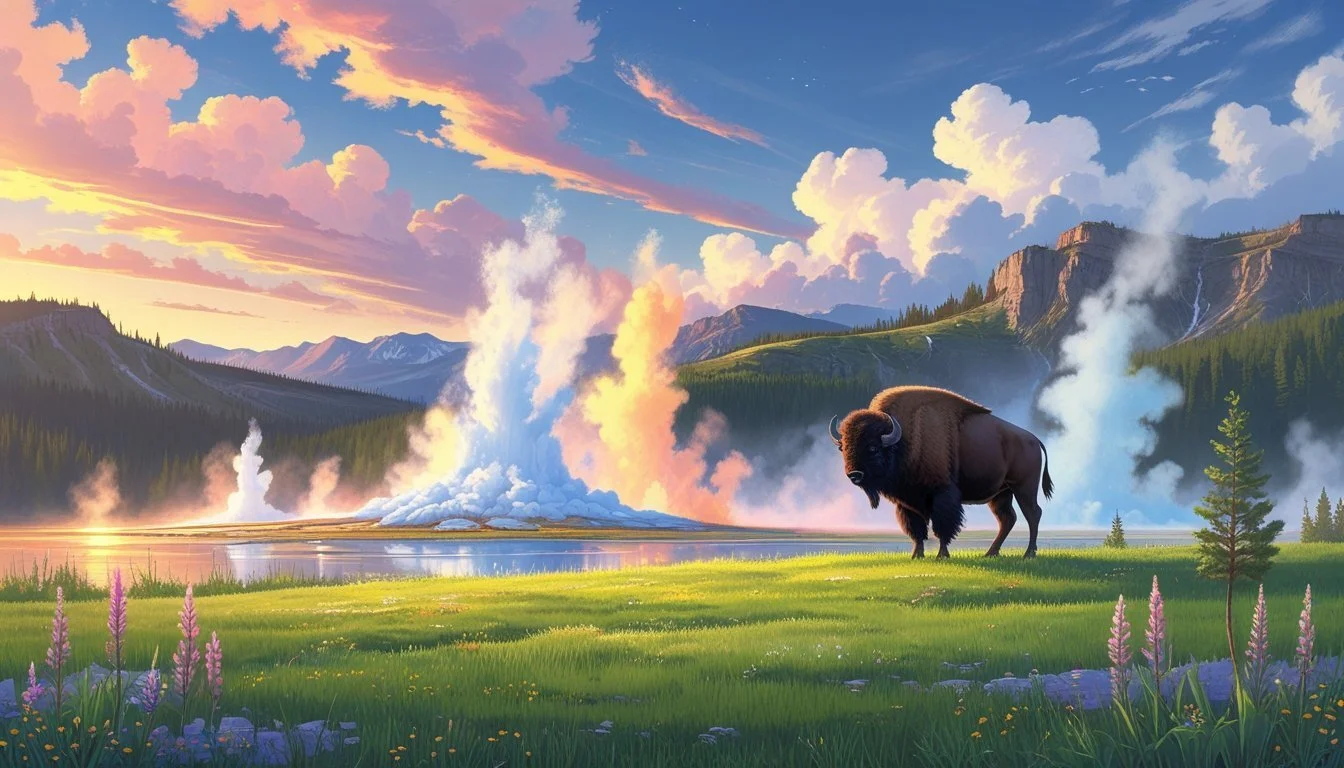
Yellowstone represents not only preservation, but also the constant cycle of growth and transformation. By exploring its landscapes and natural history, it’s possible to see how renewal is central to the Yellowstone experience.
Natural Wonders and Cycles of Rebirth
Yellowstone National Park is driven by natural cycles of destruction and regeneration. The park’s geothermal features, including Old Faithful, remind visitors that the earth itself is alive, with heat and energy constantly shaping the land.
Fires, though often devastating, are essential to Yellowstone’s renewal. For instance, the 1988 wildfire led to the rebirth of entire forests and the growth of new meadows. The presence of bison herds illustrates these cycles, with bison calves each spring representing new life and the continuation of the species.
Bison and buffalo graze alongside the Grand Canyon of Yellowstone, which itself formed through erosive processes over millennia. Everywhere in the park, life follows death and destruction, making renewal a visible, ongoing process.
Yellowstone National Park’s Significance
Yellowstone National Park holds a unique place in both American history and ecological preservation. As the first national park in the United States, it stands as a deliberate act of renewal—a commitment to set land aside for future generations.
The park’s features, like the Grand Canyon of Yellowstone and expansive grasslands home to bison and buffalo, offer opportunities for visitors to experience emotional and spiritual renewal. Many come seeking emotional renewal, finding inspiration in the park’s undisturbed beauty and resilience.
The protection and careful management of species such as bison calves and the famous Old Faithful geyser serve as symbols of regeneration. The park’s enduring presence underscores the idea that nature, when respected and preserved, continues to renew itself and those who visit.
Community, Tradition, and the Power of Redemption
Redemption in Yellowstone is closely tied to how people connect with each other, uphold generational customs, and the influence of education in shaping values and opportunities. These factors reveal how the park and its neighboring areas are much more than scenic landmarks; they are environments where people rebuild, reform, and redefine themselves.
Local Communities and Summer Tourism Season
Communities near Yellowstone—such as Jackson Hole and West Yellowstone—rely heavily on the summer tourism season. This period brings a surge of visitors, offering economic opportunities, seasonal jobs, and a sense of renewal to families and businesses.
Tourist influx fosters interaction between locals and outsiders, sometimes challenging old attitudes. Businesses adapt, welcoming diverse visitors, while maintaining local identity and pride.
For many, the busy months are a chance to recover from off-season struggles. Hotels fill, restaurants thrive, and temporary positions provide vital income. The cycle of busyness and quiet reflects the pulse of these towns and offers residents an annual opportunity for personal or financial rebound.
Tradition, Family, and the Park’s Influence
Long-standing traditions secure a sense of identity and continuity for those living near Yellowstone. Many families have passed down stories, skills, and values connected to land and nature.
Ranching families in the region, for example, see legacy as a duty—preserving not just property but community customs. This outlook shapes how conflicts are handled, how forgiveness is offered, and how individuals rebuild trust after disputes.
The park’s expansive wilderness serves as both a physical and symbolic source of renewal. Families often use time in the park to reconnect, heal tensions, or teach younger generations about responsibility and sacrifice.
The Role of Teachers and Education
Teachers in gateway communities play an essential role in supporting youth and shaping outlooks about growth and redemption. Their work often extends beyond academics into mentorship and community leadership.
During the tourist off-season, schools become hubs for events, discussions, and activities. Children of seasonal workers, residents, and newcomers all interact in classrooms, learning not just core subjects but also lessons in empathy, empathy, and resilience.
Educational programs about the national park and its history, environment, and cultural challenges create awareness of the area’s complexities. By equipping students with knowledge and critical thinking skills, teachers encourage young people to see setbacks as opportunities to improve, fostering a lasting culture of redemption and personal growth.
Redemption Narratives in Yellowstone’s Modern Era
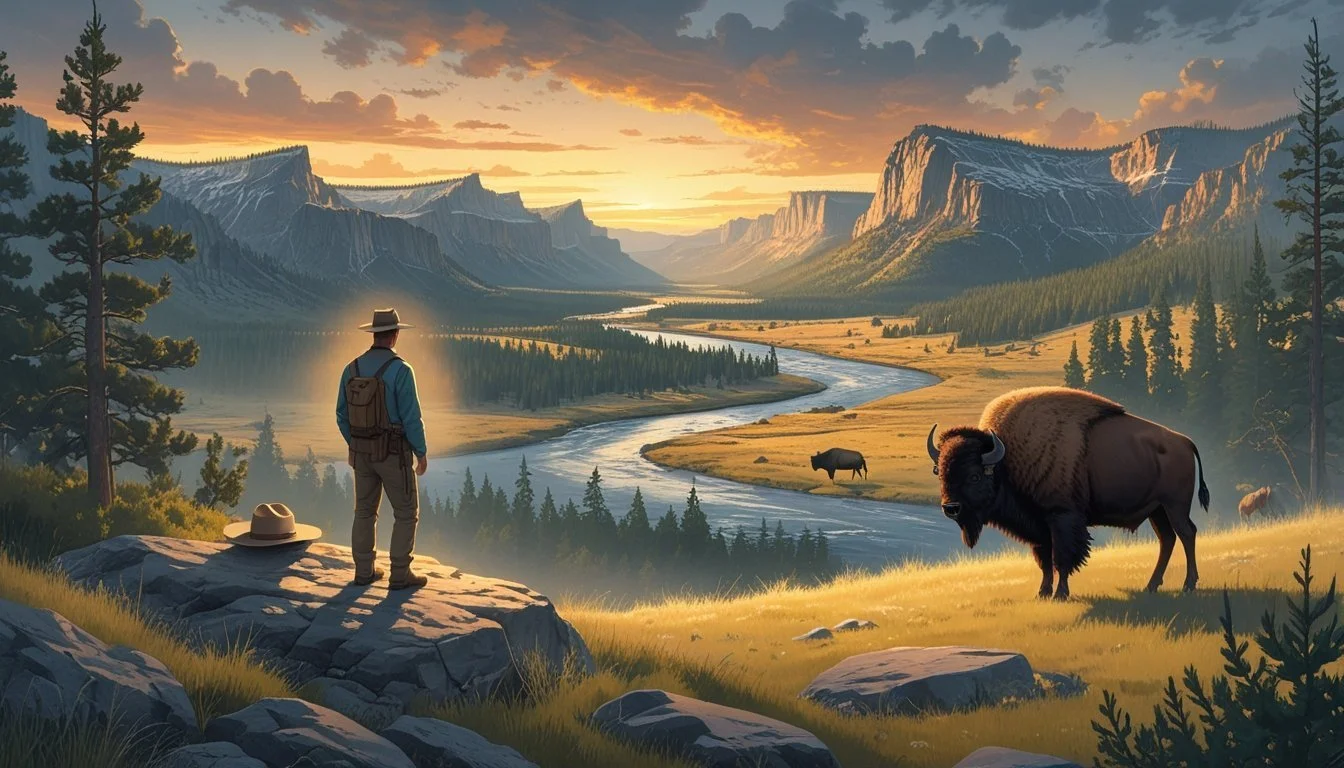
Yellowstone’s recent storylines reflect both challenges and opportunities in the wake of national and global turmoil. Shifting visitor patterns, impacted economies, and responses from the National Park Service have shaped how recovery and renewal are depicted.
Impacts of the Covid-19 Pandemic
The Covid-19 pandemic led to sweeping changes for Yellowstone National Park. Restrictions and health guidelines changed how staff operated and how visitors experienced the park. The National Park Service implemented new safety protocols, reduced group sizes, and restricted access to certain areas temporarily.
In 2020, visitation numbers dropped significantly, disrupting annual routines. Summer forecasts predicted fewer international visitors and a reliance on domestic travel, resulting in shifting demographics and visitor behaviors. The pandemic also highlighted issues of overcrowding during certain periods when restrictions lifted, creating new logistical hurdles.
Adaptation was essential. Ranger programs shifted online, while staff coordinated emergency planning and rapid responses to health threats. These adjustments forced a re-examination of long-held practices, revealing a narrative where response and flexibility became forms of redemption amid crisis.
Economic Hardships and Recovery Efforts
Pandemic-related closures and reduced travel spending dealt direct blows to the park's surrounding economies. Local businesses reliant on tourism—hotels, restaurants, guides—faced severe losses. According to the National Park Service and U.S. economic data, gateway communities suffered job losses and shrinking revenues during the strictest periods of lockdown.
In response, economic recovery was foregrounded. Federal relief aided local communities, and the reopening strategies emphasized infrastructure investment and promotional efforts targeting domestic travelers. By the 2022-2023 seasons, travel spending began to rebound.
Tables below show simplified trends:
Year Visitor Spending (Estimate) Impact on Local Jobs 2019 High Positive 2020 Significant Drop Strongly Negative 2022 Gradual Recovery Partial Restoration
Yellowstone’s recent era frames economic resilience and innovation as essential parts of its redemption story, demonstrating how adaptation fueled ongoing recovery.
Tourism, Cultural Exchange, and Global Connections
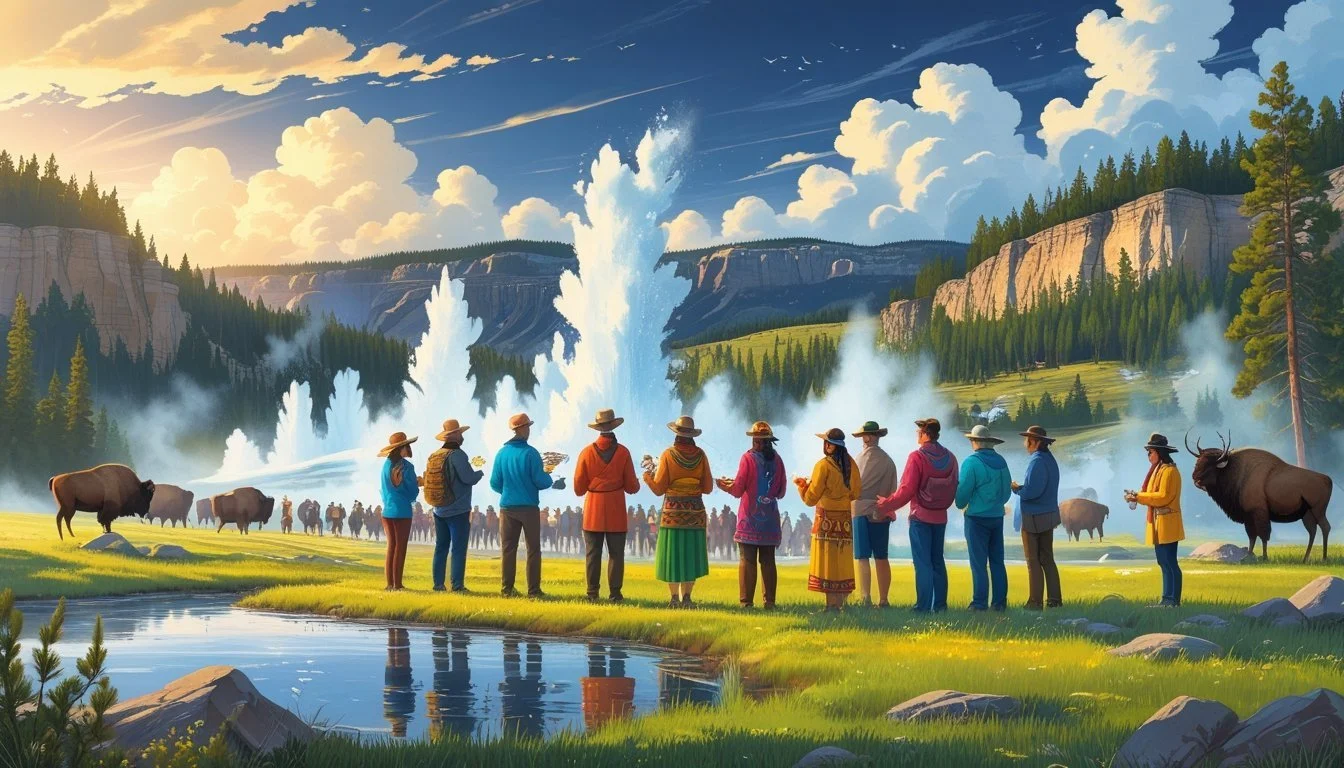
Yellowstone’s worldwide popularity has shaped visitor demographics and influenced local economies. The rising interest in ranch life and Western landscapes has encouraged new trends in international travel and the types of experiences tourists seek.
International Travelers and Overseas Travel
Yellowstone has become a notable destination for foreign tourists. Search data from 2019 to 2024 indicates a 156% growth in Yellowstone-related terms on global travel platforms, highlighting increased overseas curiosity.
Tourism revenue now exceeds $42 million yearly from international sources, thanks largely to this digital attention. Visitors from Europe, Australia, and Asia are drawn by the park’s reputation and America’s Western frontier imagery. Several countries are even adapting elements of Yellowstone-inspired tourism, such as Australia’s “Station Stay” program, to cater to their own markets.
Impacts extend beyond direct visitation. The cultural export of Yellowstone drives bilateral agreements and fosters diplomatic ties. Exposure to Western values and landscapes through media influences how international audiences perceive American culture and encourages broader cultural exchange.
RV Campers and Changing Visitor Trends
RV tourism has seen significant growth at Yellowstone. Domestic and international visitors increasingly opt for recreational vehicles as their preferred mode of park exploration.
Younger families and retirees alike find RV camping flexible, economical, and well suited for immersive travel. The park’s infrastructure has adapted with new and updated RV facilities.
Changing visitor habits shape the tourism industry. Demand for longer stays, self-guided experiences, and access to digital resources is high.
RV tourism has contributed to local economies by increasing visits not only to the park but also to nearby towns and attractions. Service providers, campgrounds, and local businesses benefit from sustained RV traffic, diversifying income sources connected to Yellowstone’s global appeal.
Representation, Diversity, and the Quest for Redemption
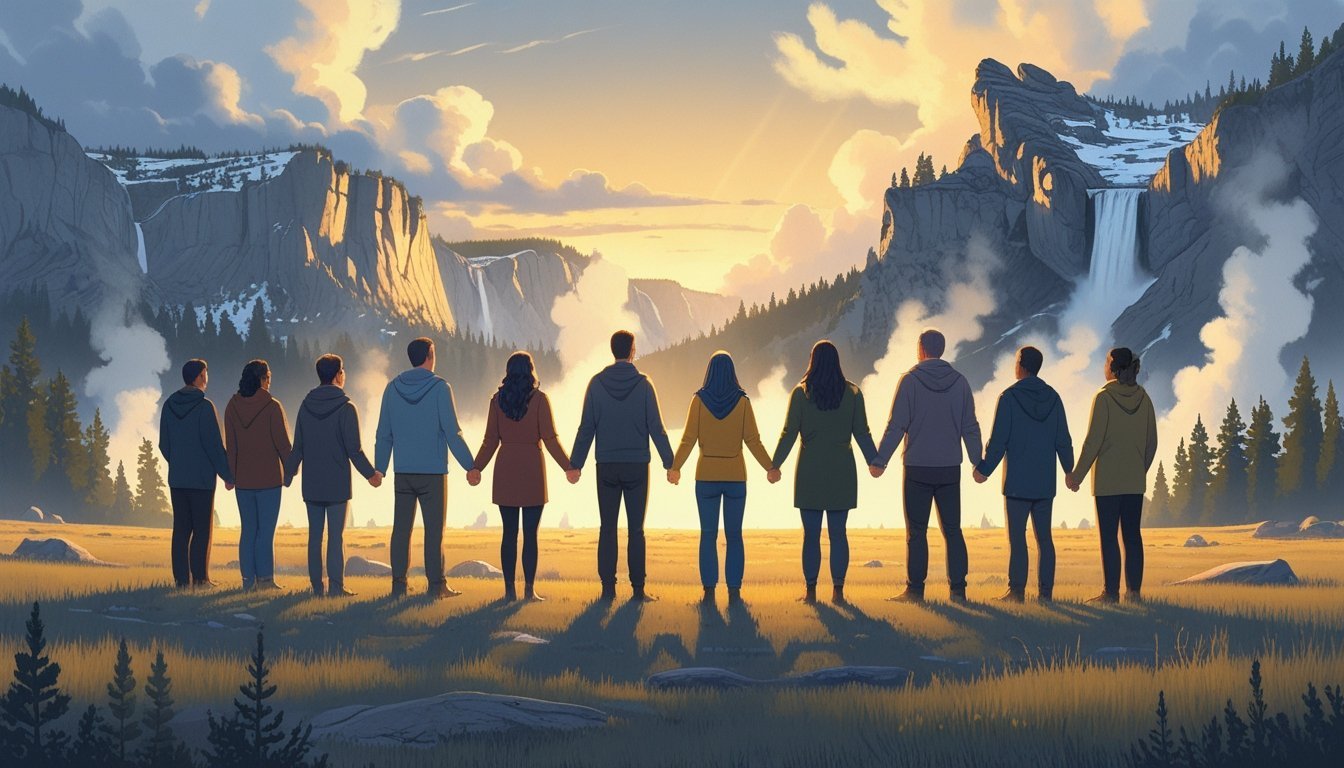
Yellowstone often intertwines its themes of power, legacy, and violence with questions of who is allowed to change and who is trapped by history. The show explores identity and morality through specific groups and cultural touchpoints.
Native American Perspectives and Reservation Issues
The Dutton ranch borders the Broken Rock Reservation, making Native American representation central to the storyline. Chief Thomas Rainwater emerges as a key figure determined to reclaim land and dignity for his people. His narrative exposes the ongoing impact of historically forced displacement and broken treaties.
The series highlights reservation issues such as limited economic opportunities, sovereignty disputes, and the tension between progress and tradition. These themes are often dramatized through land conflicts and personal rivalries. While Yellowstone gives Native characters a recurring voice, it receives criticism for sometimes reducing complex issues to plot devices.
Chief Rainwater and Monica Long Dutton both challenge and collaborate with the Dutton family, carving out identities not limited to victimhood or villainy. Their struggles illustrate both the persistent injustices faced by Native communities and the nuances required in the search for redemption.
Confronting Racism and Historical Complexity
Yellowstone portrays Montana as a crossroads of old and new values, frequently confronting racism openly. Characters face the legacies of settler colonialism, with some denying the ugly realities of the past while others attempt to atone. The show places its characters amid the brutal realities of Western expansion, rarely shying away from depictions of violence and prejudice.
The dynamics between the Dutton family, Native communities, and other groups demonstrate the persistence of racist attitudes. Redemption is not a given; characters struggle with inherited sins and choices that reflect bigger systemic issues. These storylines urge viewers to consider the link between personal morality and broader historical wrongs.
Dialogues around land ownership, lineage, and belonging force characters to question their role in ongoing cycles of harm. Yellowstone does not offer simple answers but instead complicates the idea of who can or should be redeemed.
Pop Culture: John Wayne, Apple TV, and Shifting Narratives
Yellowstone’s approach to redemption and diversity often contrasts with older Westerns, such as the films of John Wayne, which typically centered white, male heroes and minimized Native or minority perspectives. The show’s focus on morally ambiguous characters and complex relationships marks a shift in how the American West is represented on screen.
Modern streaming platforms like Apple TV amplify these newer narratives, giving space to stories that challenge familiar tropes. Viewers can now compare Yellowstone’s depiction of conflicts and redemption with other contemporary series, reflecting a growing demand for realism and inclusivity.
John Wayne’s legacy stands as a cultural counterpoint, often idealizing Western expansion without acknowledging its consequences. Yellowstone, by contrast, presents a grittier, more inclusive landscape where redemption must be earned, not assumed. This shift signals an evolution in pop culture's approach to history, justice, and who gets to tell their story.
Conclusion
Redemption remains a consistent thread throughout Yellowstone. Key characters often wrestle with their past decisions and the consequences of their actions.
Kayce’s decision to transfer the ranch back to Native Americans exemplifies a direct attempt at making amends. His choice is portrayed not as a grand gesture, but as a measured response to generations of conflict.
John Dutton, Beth, and others frequently confront the idea that making things right requires personal sacrifice. The narrative suggests that redemption is rarely absolute—characters may earn brief moments of peace, but not permanent absolution.
Character Form of Redemption Outcome Kayce Returning land Seeks reconciliation John Dutton Protecting legacy Faces continuing conflicts Beth Protecting family Gains resolution, not closure
While Yellowstone does not offer easy answers, it presents redemption as a process rather than an endpoint. The show’s legacy centers on characters who acknowledge their faults and attempt to correct them, emphasizing effort over perfection.
