
Rip Wheeler’s Quiet Pain Is the Heart of Yellowstone and Drives the Show’s Emotional Core
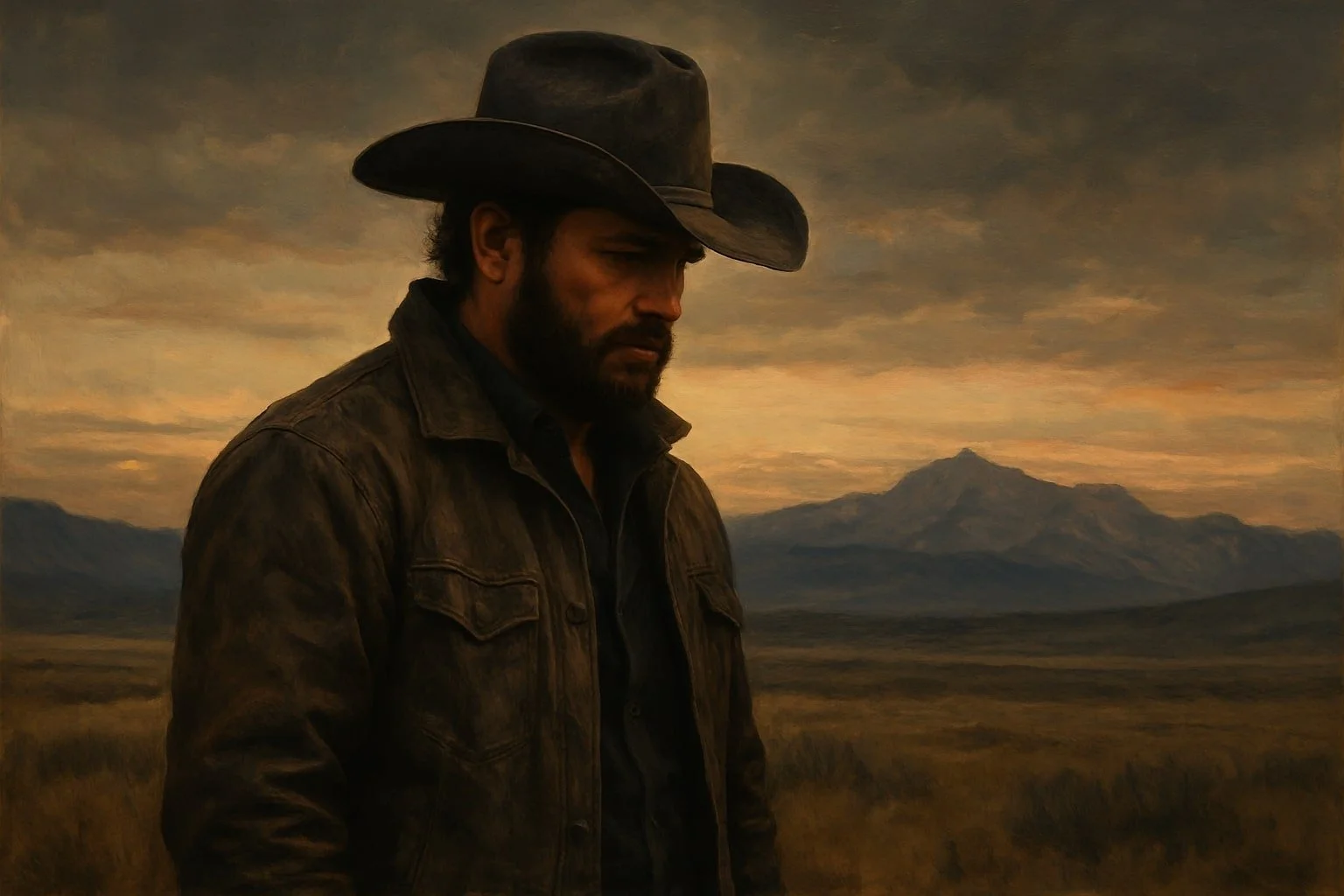
Rip Wheeler’s quiet pain forms the emotional backbone of Yellowstone, shaping not only his own character but also the lives of those around him. His loyalty, hardship, and inner struggles are largely unspoken, adding weight to every interaction on the ranch. Viewers connect with Rip because his suffering is transparent, yet rarely voiced.
Despite being a man of few words, Rip’s actions reflect a turbulent past and a depth of feeling that set him apart. He stands as a symbol of strength and devotion, especially to the Dutton family, while carrying burdens that are never fully healed. This contrast draws audiences into Rip’s story, making his silent pain central to the series’ enduring impact.
Rip Wheeler: Defining a Yellowstone Icon
Rip Wheeler stands as a pivotal character in the Paramount Network television series Yellowstone. His loyalty, complex background, and role as ranch foreman make him essential to the narrative and the daily survival of the Dutton Ranch.
Key Attributes and Personality Traits
Rip Wheeler is known for his stoic demeanor and unwavering loyalty toward the Dutton family. He operates with a strict moral code shaped by a violent and traumatic childhood, which left him orphaned and distrustful of outsiders.
His strength is paired with an ability to endure physical and emotional pain without complaint. While he’s often a man of few words, Rip’s actions—whether protecting John Dutton or managing the Yellowstone ranch—speak volumes about his sense of responsibility.
He navigates both brutality and vulnerability: he is willing to use violence if it protects those he cares for, yet he also seeks solace and stability in his deep relationship with Beth Dutton. This blend of toughness and emotional restraint is a defining feature of his influence on the ranch and the people around him.
Traits Table:
Trait Description Loyalty Absolute to the Dutton family Stoicism Rarely shows emotion Determination Completes any task, no matter the cost Violence Willing to use force when needed Vulnerability Expressed in private, especially with Beth
Portrayal by Cole Hauser
Cole Hauser’s portrayal of Rip Wheeler is marked by subtlety and presence. Hauser masterfully conveys Rip’s emotional restraint and physical intensity, making the character both intimidating and sympathetic.
Through measured gestures and minimal dialogue, Hauser gives Rip a gravitas that resonates with viewers. His on-screen chemistry with Kelly Reilly, who plays Beth Dutton, brings out Rip’s guarded tenderness and fear of loss.
Hauser’s physical transformation—including Rip’s rugged appearance and distinctive wardrobe—further reinforces Rip as an authentic figure of the American West. His performance is central to Rip becoming one of the most memorable characters in modern western television.
Role as Dutton Ranch Foreman
As ranch foreman of the Yellowstone ranch, Rip is responsible for managing ranch operations and guiding the ranch hands. He is John Dutton’s right-hand man and is entrusted with the most difficult, and sometimes morally ambiguous, tasks needed to protect the property.
Rip expects discipline from his team, often pushing them to their limits to ensure the survival of the ranch. He balances being a leader with serving as the “fixer,” handling threats from both outside enemies and internal conflicts.
Rip’s integration into the Dutton family—culminating in his marriage to Beth—cements his place in ranch hierarchy, making his decisions and actions critical for the Yellowstone ranch’s continuation in the modern American West.
The Heart of Yellowstone: Rip Wheeler’s Quiet Pain
Rip Wheeler stands at the emotional core of Yellowstone, defined by silent suffering, unwavering devotion, and a strength forged by hardship. His loyalty shapes much of the show’s drama, while his quiet pain and resilience set him apart as the series’ emotional anchor.
Rip’s Tragic and Troubled Past
Rip’s childhood was marked by violence and trauma. He witnessed the brutal murder of his mother and brother at the hands of his own father, leaving him orphaned and emotionally scarred. This experience forced Rip to flee, setting him on a path defined by survival and mistrust.
John Dutton took him in as a teen, offering structure and a place on the ranch. Rip’s early years on the Dutton ranch were spent doing the hardest jobs, constantly proving his worth through hard work and silence. These formative events explain Rip’s enduring sense of pain beneath his stoic exterior.
His past is more than backstory; it informs every relationship he has. The legacy of trauma shapes his approach to trust, love, and loyalty. He wears his history not as a badge, but as a carefully controlled burden.
Silent Resilience and Vulnerability
Rip rarely expresses his feelings openly; his pain manifests in silence and steely resolve. He depends on quiet acts rather than words, handling conflict with a calm intensity that garners respect from others. Vulnerability is something Rip allows only in rare moments, mostly when alone or with Beth.
His resilience is rooted in years of hardship but does not erase his emotional scars. The result is a persistent tension between his tough exterior and buried tenderness. Audiences see glimpses of his vulnerability—such as his reckoning with the traumas of his youth—making his character multidimensional.
Rip’s ability to continue forward despite his emotional burdens exemplifies the quiet suffering often required for survival. He persists, adapts, and stands strong, but the cost is visible in his manner and in rare moments of candor.
Rip’s Loyalty and Devotion to the Dutton Family
Rip’s relationship with the Dutton family is built on unwavering loyalty. John Dutton acts as a father figure, and Rip’s dedication grows from deep gratitude as well as necessity. He serves as both ranch foreman and enforcer, protecting the family interest with absolute commitment.
This loyalty isn’t just functional; it’s deeply personal. The ranch and the Duttons offer Rip belonging he lost as a child. He enforces rules and makes difficult sacrifices without hesitation, prioritizing the family above himself.
He stands ready to defend the Duttons against rivals, often handling threats directly. This devotion shapes the internal dynamics of the ranch and cements Rip as a cornerstone of the family’s survival and stability.
Rip as the Emotional Anchor
Rip operates as the emotional anchor for the ranch and the series. His steady presence delivers balance when turmoil threatens the Dutton family. Even as conflicts grow, Rip offers an unspoken promise of strength and continuity.
His relationship with Beth exposes layers of emotional complexity. In private, he allows vulnerability and care to surface, showing a tenderness beneath his rough edges. This role grounds not only Beth, but also the Dutton family as a whole.
The quiet pain he carries becomes a source of empathy and connection. Fellow ranch hands and viewers alike are drawn to his understated strength. He personifies Yellowstone’s spirit—resilient, loyal, and bound by an unspoken pain that defines so much of his character.
Rip and Beth: A Complex Love Story
Rip Wheeler’s relationship with Beth Dutton stands at the center of his emotional world, driving many of his choices on the ranch and beyond. Their bond is marked by genuine devotion, moments of extreme vulnerability, and unwavering loyalty that shapes their identities.
Deep Connection and Bond
Rip and Beth’s connection starts from their troubled youth, bonded by shared trauma and loss. This early link shapes a relationship that is honest, blunt, and often raw. Both recognize each other’s wounds and choose to stay, even when it brings pain.
Rip’s devotion never wavers. He remains steadfast despite Beth’s volatile nature and self-destructive tendencies. For Beth, played by Kelly Reilly, Rip is both sanctuary and mirror. Their romance rarely follows tradition, but it is defined by a mutual understanding that few characters on Yellowstone share.
Both characters struggle to express their feelings in conventional ways, leading to passionate arguments and rare, genuine moments of vulnerability. Their silent communication—glances, gestures, and shared burdens—illustrates a depth of bond that is not easily broken.
Sacrifice and Trust
Sacrifice is a constant theme in Rip and Beth’s love story. Rip’s loyalty to the Dutton family is absolute, but it’s his sacrifices for Beth that reveal his capacity for selflessness. He accepts her flaws and the consequences of her past without hesitation.
Beth places trust in Rip she seldom offers anyone else. She lets him see her insecurities, relying on him during her lowest moments. This trust is not blind; it is earned through consistent actions and tough choices.
Their marriage, marked by a private ceremony, reinforces the idea that love for them means embracing imperfection. They face external threats and internal struggles, but their willingness to sacrifice comfort for each other underlines the seriousness of their commitment.
Love as Redemption
For Rip, love is a path to redemption. His violent past and troubled upbringing have left deep scars, but Beth’s acceptance creates a sense of belonging he never experienced before. Their romance gives him purpose beyond loyalty to the ranch.
Beth’s relationship with Rip allows her to start healing. For much of her life, she wears pain as armor. Rip’s steady presence dissolves some of this defense, providing her with moments of peace and acceptance.
Through their shared story, love becomes a means to reclaim lost parts of themselves. Mutual acceptance does not erase trauma but offers a way to transform it into strength. This dynamic—where love functions as a quiet anchor—sets Rip and Beth’s relationship apart within the Yellowstone narrative.
Rip’s Relationships Beyond Romance
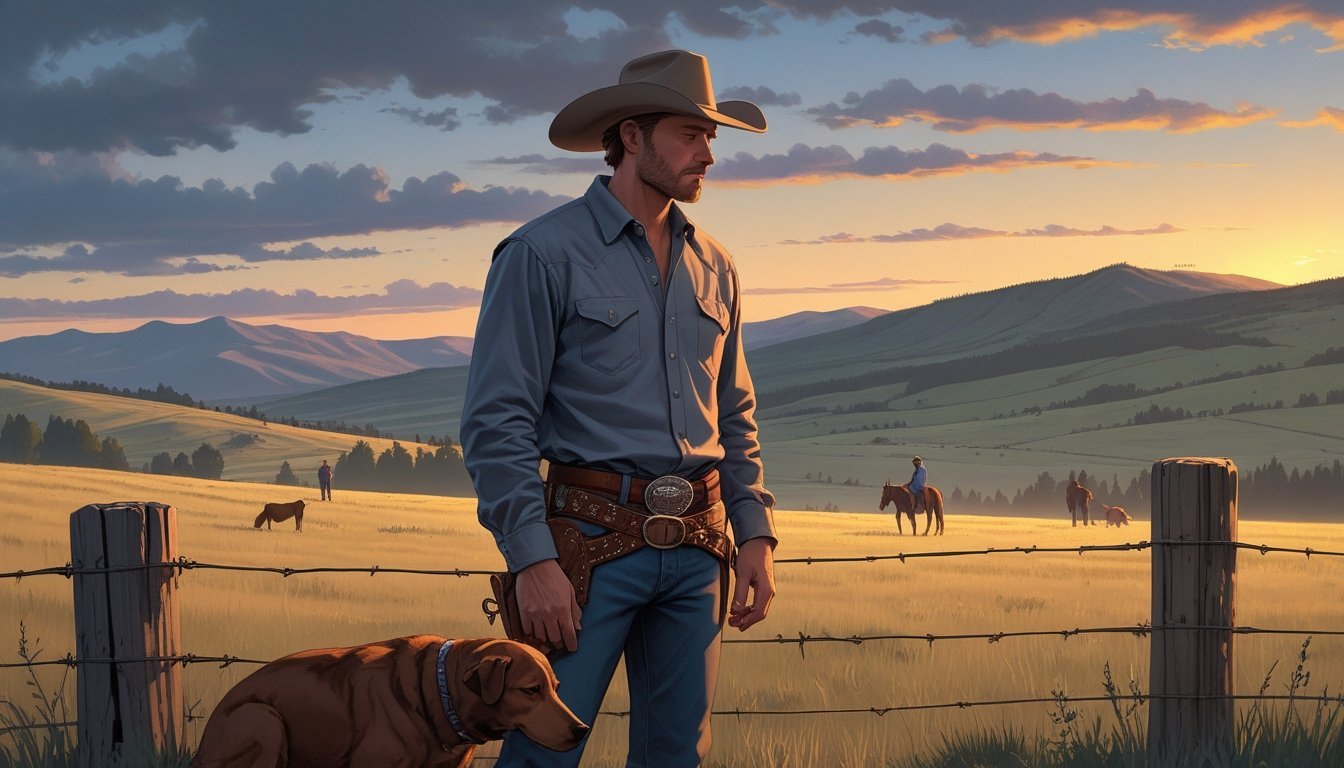
Rip Wheeler’s life at the Yellowstone Ranch is shaped by connections that run deeper than his love for Beth. His sense of belonging, loyalty, and responsibility ties him to John Dutton, the wider Dutton family, and everyone working under his direction.
Dynamic with John Dutton
Rip’s relationship with John Dutton stands at the center of his life on the ranch. John, played by Kevin Costner, is more than just Rip’s boss; he is a father figure and moral compass.
This dynamic is defined by trust and unspoken understanding. Rip acts as John’s right-hand man, handling difficult tasks and making decisions that impact the legacy of the ranch. Their loyalty is mutual but complex, with John often relying on Rip for jobs nobody else can or should do.
Rip’s unwavering support underlines his desire for acceptance and purpose. He rarely seeks praise. Instead, he works in the background to protect both the ranch’s interests and John Dutton’s vision for the land and family.
Interactions with the Dutton Family
Rip’s place in the Dutton family is both formal and personal. While not blood-related, he is deeply entwined in family matters, forging connections with each member in distinct ways.
With Jamie Dutton, tensions sometimes flare. Rip is wary of Jamie’s motivations, especially regarding the ranch’s future. His approach is often direct but measured, always putting the family’s welfare above personal feelings.
Rip offers respect and protection to Kayce and Monica Dutton, treating them with a quiet camaraderie. For him, the Dutton family is a unit worth safeguarding, and he frequently intervenes in conflicts to uphold the family’s stability—all while keeping his emotions carefully guarded.
Guidance for Other Ranch Hands
As the ranch foreman, Rip commands the respect of the cowboys and sets the standard for discipline. He guides new and veteran ranch hands with practical wisdom and clear expectations.
He mentors the bunkhouse crew by example, emphasizing hard work and unwavering loyalty. When discipline is needed, Rip enforces rules with a firm hand but never lacks fairness. Ranch hands know that stepping out of line risks not just punishment but disappointing someone who embodies the ranch’s values.
Rip ensures the next generation of ranch hands understands the importance of legacy. By instilling respect for the Duttons and the land, he cements his own influence while shaping the core culture of the Yellowstone Ranch.
A Protector’s Code: Strength, Justice, and Ruthlessness
Rip Wheeler’s life is built around loyalty to the Dutton family and a strict personal code. His position as both the right-hand man and protector on the Yellowstone Dutton Ranch demands a blend of force, conviction, and unwavering devotion.
Rip’s Role as Enforcer
Rip operates as the ranch's primary enforcer. He handles threats—inside and outside the ranch—decisively. As John Dutton’s right-hand man, Rip is trusted with responsibilities that few others could bear.
He often leads with direct action, using intimidation or physical force to deal with problems. This approach is seen as necessary to uphold order and security on the ranch.
Rip’s authority among the ranch hands is unquestioned. His position is not only about physical strength but also about judgment. John Dutton relies on his ability to execute difficult decisions quickly and discreetly.
Delivering Justice on the Yellowstone Dutton Ranch
Justice on the Yellowstone Dutton Ranch rarely follows conventional legal standards. Rip is tasked with carrying out justice in ways that protect the family’s interests, often outside the law.
He manages issues ranging from cattle theft to rival landowners using his own brand of uncompromising justice. Steadfast and practical, he doesn’t hesitate to do what needs to be done when the family or ranch is threatened.
Difficult choices often fall to Rip, such as deciding punishments or enforcing ranch rules. He is aware that justice here can be harsh, but believes it is necessary to survive in the ranch’s world.
Rip’s Ruthless yet Protective Nature
Rip’s ruthlessness is balanced by his deep sense of loyalty and protection. He has proven willing to go to extreme lengths—even violence—to safeguard the Dutton family and the ranch.
He does not relish cruelty for its own sake. Rather, his stern methods stem from a need to keep others safe, including those who are most vulnerable on the ranch.
Rip’s duality—unforgiving to enemies, fiercely protective of loved ones—defines his character. In this way, his actions form the core of Yellowstone’s theme of family, justice, and survival.
Rip Wheeler’s Character Arc and Legacy
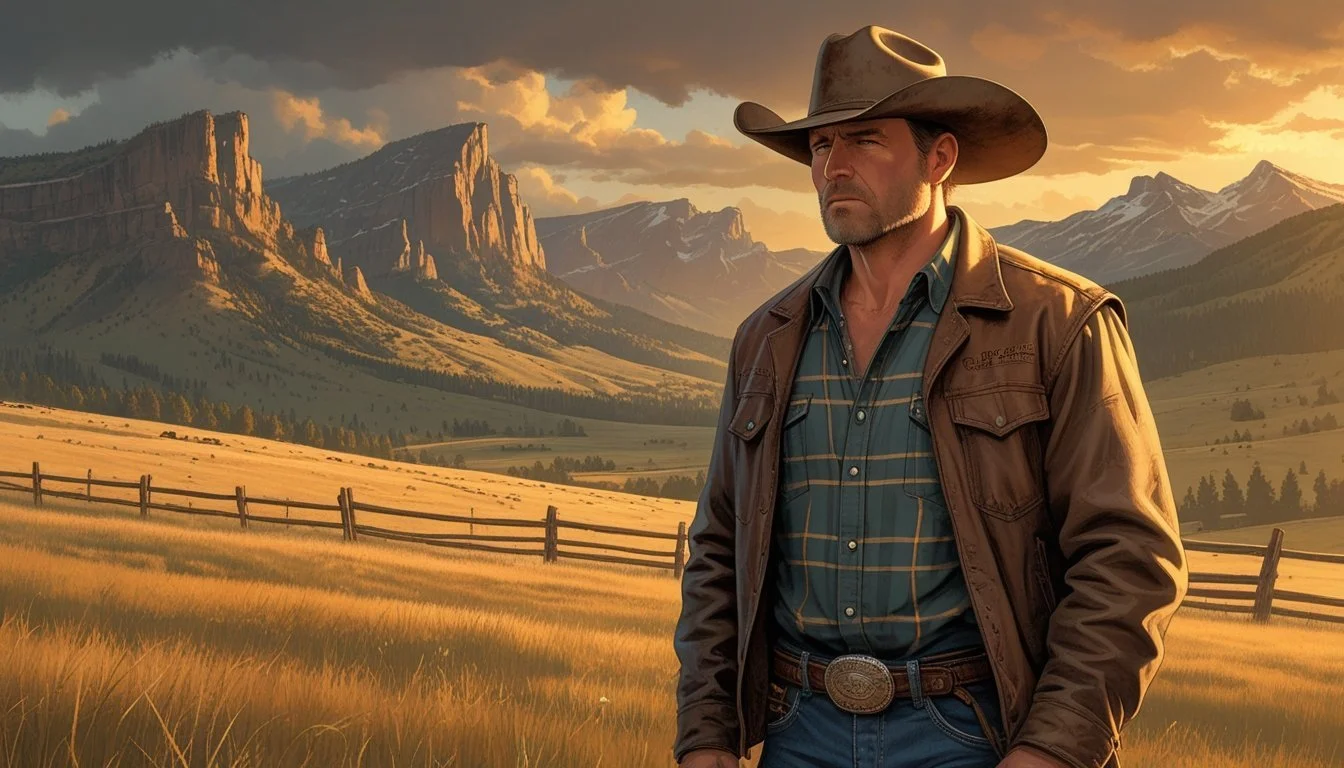
Rip Wheeler’s journey on Yellowstone is defined by his growth from a troubled youth into a steadfast protector of the Dutton family. His presence shapes the show’s most emotional and dramatic storylines, establishing his legacy as one of television’s memorable complex characters.
Evolution Over the Seasons
Rip’s character arc begins with tragedy, orphaned at a young age and taken in by John Dutton. This backstory forms the core of his loyalty and sense of belonging.
Throughout the seasons, Rip moves from an enforcer and “fixer” for the ranch to a leading character with emotional depth. He becomes Beth Dutton’s partner, allowing viewers to see his compassionate side beneath a rough exterior.
His quiet approach to pain and conflict shows growth, especially as he takes on greater responsibilities, including mentoring younger ranch hands. This evolution cements his reputation as a central figure, not just for his toughness, but for his ability to persevere.
Memorable Moments
Several scenes have defined Rip as a fan favorite in the drama series. Notable examples include his intense confrontations with threats to the Dutton ranch, often handled without unnecessary violence but with unwavering resolve.
A key moment is his wedding with Beth, where vulnerability contrasts with the stoic persona he carries daily. This scene emphasizes the complexity and humanity behind his intimidating presence.
Rip’s quiet acts of support, loyalty, and love—particularly towards John and Beth—stand out. His actions frequently serve as turning points, affecting not only immediate outcomes but also character relationships throughout the show.
Impact on Storytelling
Rip’s narrative thread brings both continuity and gravitas to Yellowstone’s larger story. As the “right hand” of John Dutton, his decisions drive central conflicts and themes, including loyalty, family, and redemption.
Writers use Rip’s personal pain and trauma as a mirror for larger issues faced by other characters. His silences, sacrifices, and confrontations set the emotional tone of many episodes.
The legacy of Rip Wheeler’s character lies in his ability to balance brute strength with vulnerability, making him essential to the series’ reputation for nuanced storytelling and complex characters. His arc helps anchor the drama while providing a template for lasting impact in modern television.
The World of Yellowstone: Setting and Supporting Cast
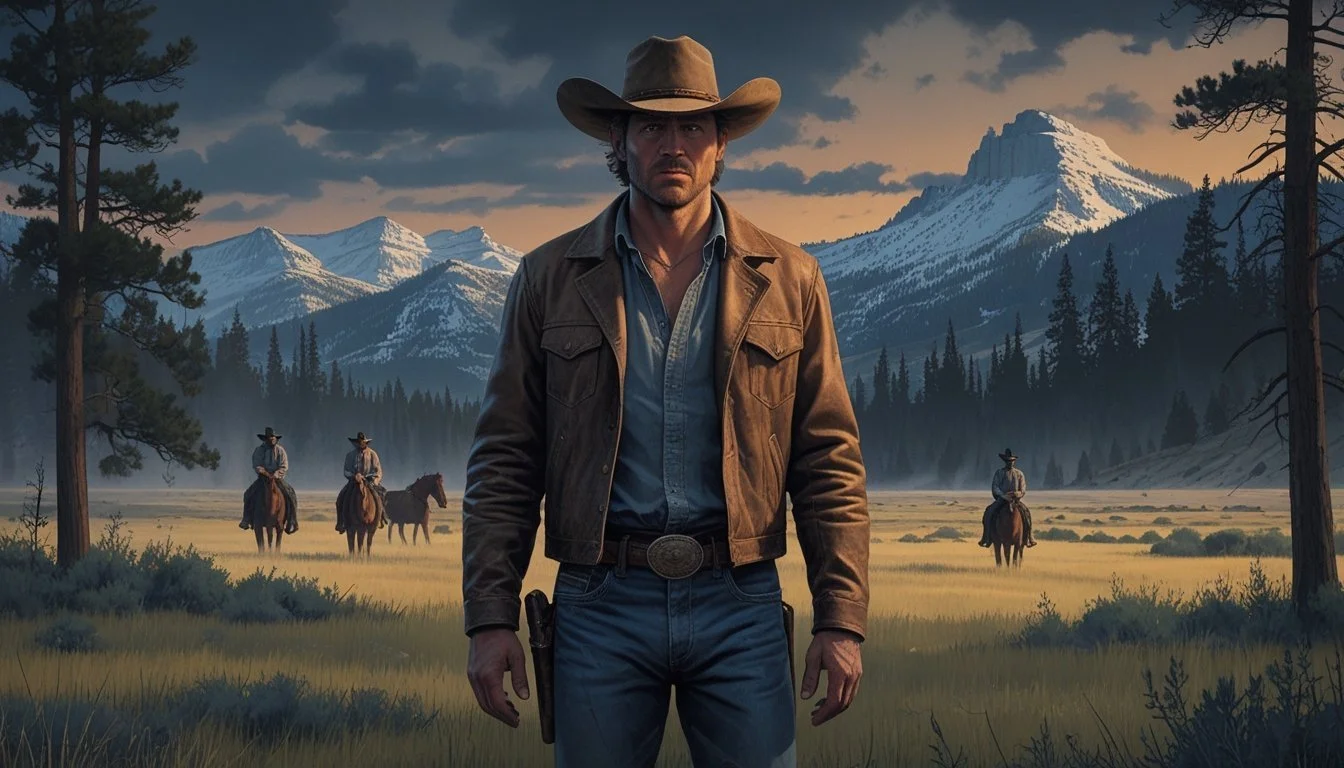
Yellowstone is deeply rooted in the vast landscapes of Montana, where ranch life plays a central role. The show's layered characters and recurring themes of family, loyalty, and survival create a rich backdrop for Rip Wheeler’s story.
Montana Wilderness and Ranch Life
The Yellowstone Ranch is set against the striking backdrop of the Montana wilderness. Towering mountains, dense forests, and open plains define the visual identity of the series. Through sweeping cinematography, viewers see the raw beauty and isolation that shape daily life in this region.
Ranch life is demanding and relentless. Early mornings, cattle drives, and harsh weather are part of the routine for everyone at the Dutton ranch. The cowboys, including Rip Wheeler, live by a code shaped by loyalty and hard work.
Daily operations focus on protecting the ranch from outside threats, both environmental and human. The land itself becomes a character, presenting both opportunity and hardship to the people who rely on it.
Key Supporting Characters
Several supporting characters reveal the complexities of life on Yellowstone Ranch. John Dutton (Kevin Costner), as the family patriarch, sets the tone for the ranch’s values and priorities. His often strained but deep relationship with Rip Wheeler is central to Rip’s sense of purpose.
Beth Dutton (Kelly Reilly) is unyielding and fiercely protective of her family, often clashing with others but remaining closely tied to Rip. Their relationship, tested by the past and grounded in loyalty, is a core element of the show.
Jimmy (Jefferson White), a young and inexperienced cowboy, provides a contrast to Rip and the veteran ranch hands. Through Jimmy and others on the bunkhouse crew, viewers see the trials faced by those trying to prove themselves and find their place in the ranch’s hierarchy.
Themes of Family and Legacy
Family and legacy drive nearly every decision within Yellowstone. The Duttons view their land not just as property but as a birthright to be protected at all costs. This unwavering commitment creates both internal and external conflict as the family navigates shifting alliances and threats.
Relationships on the ranch are bound by more than blood. Loyalty, earned through shared struggle, often matters as much as lineage. Rip’s connection to the Duttons demonstrates how chosen family can become as significant as biological ties.
Questions of inheritance, succession, and responsibility repeatedly surface. Characters weigh personal desires against the future of the ranch, knowing each action may shape the land and people who come after them. The ongoing tension between tradition and change lies at the heart of Yellowstone’s family drama.
Secrets and the Cost of Devotion
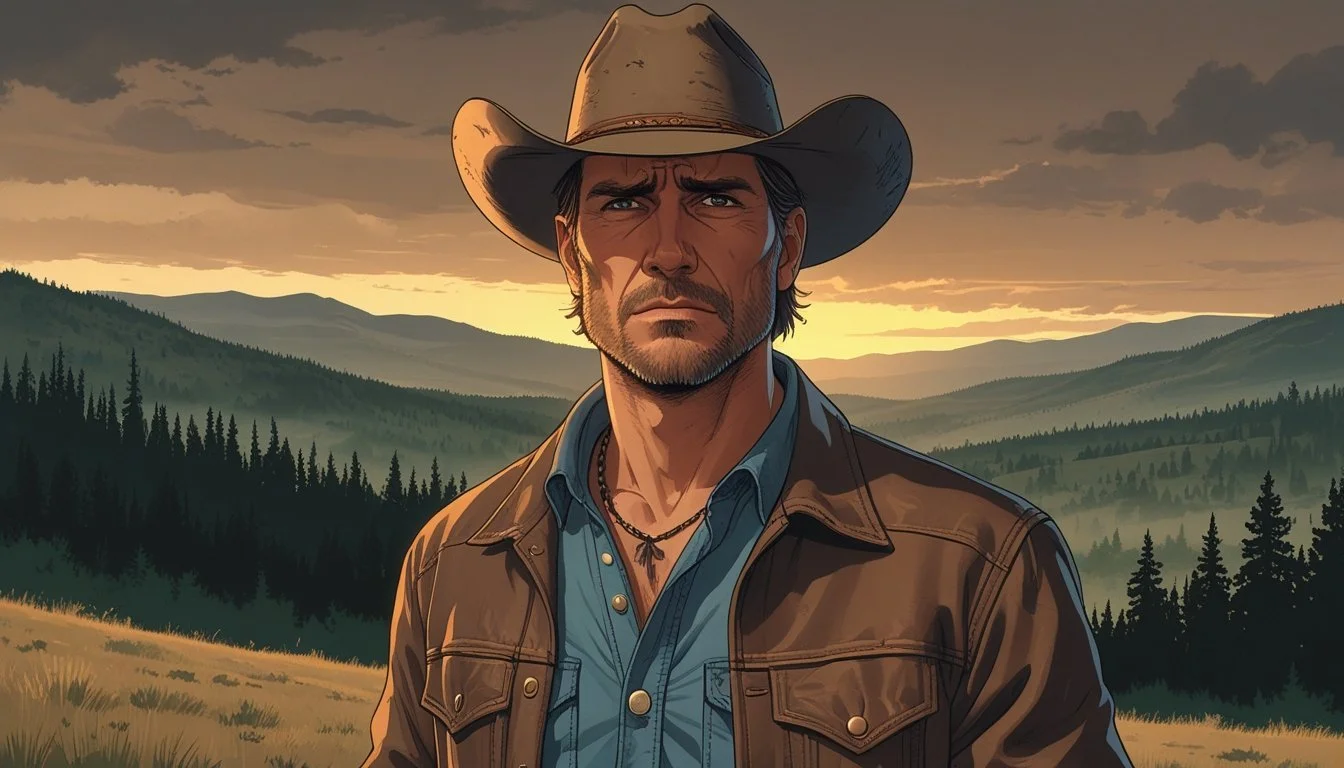
Rip Wheeler’s life at the Yellowstone ranch is shaped by constant sacrifice and carefully guarded secrets. His loyalty to the Dutton family comes with personal costs, especially in how he manages love and duty as John Dutton’s right-hand man.
Rip’s Sacrifices
Rip’s devotion to the Duttons is evident in nearly every decision he makes. He gives up any hope for a life outside the ranch, accepting isolation in order to protect the family who gave him purpose.
His relationship with Beth Dutton is marked by moments of brief happiness surrounded by hardship. Their love is consistently tested by the violence and codes of secrecy that dominate their world. Personal dreams and desires are often put aside for the sake of the ranch.
One of Rip’s greatest sacrifices is his willingness to do what others cannot. Whether disposing of threats or carrying out John Dutton’s orders, Rip bears the burden so others don’t have to. This level of commitment underlines the deep cost of his loyalty.
Hidden Truths and Loyalty
Rip hides significant details from those around him to shield the people he loves and serves. His entire history is filled with acts that must remain unspoken, from defending the ranch to eliminating enemies in ways that can never come to light.
This secrecy is not just about protection; it’s a form of loyalty that defines his place on the ranch. The obligation to keep these truths hidden weighs heavily on him but cements his importance as John Dutton’s most trusted ally.
List of Main Hidden Truths Rip Keeps:
The extent of his violent actions for the ranch
The details of his orphaned childhood
Sacrifices made for Beth’s safety
Living with these secrets means Rip’s devotion is a lonely path—one where love, sacrifice, and loyalty always come at a cost.
Conclusion: Rip Wheeler’s Enduring Role in Yellowstone
Rip Wheeler remains a vital figure in Yellowstone, defined by his unwavering loyalty and complex emotional depth. His actions consistently shape the direction and tone of the ranch, influencing both the Dutton family and the ranch hands.
Through troubled experiences from his youth, Rip’s quiet pain anchors his identity. He often expresses himself with restraint, rarely resorting to anger unless provoked.
Key aspects of Rip’s role include:
Protector of the Dutton family
Enforcer and confidant on the ranch
Maintains order among the ranch hands
Bridges the gap between tradition and the present challenges
Rip’s dedication is evident in his willingness to make sacrifices and carry burdens silently. This quiet strength creates meaningful connections with those around him, especially John Dutton and Beth.
The appeal of Rip Wheeler lies in his realism and understated heroism. His enduring presence in the series is not only as a character but as a symbol of stability and perseverance on the Yellowstone ranch.
