
Every Season of Yellowstone Ends in Fire or Blood
Analyzing the Show’s Explosive Conclusions
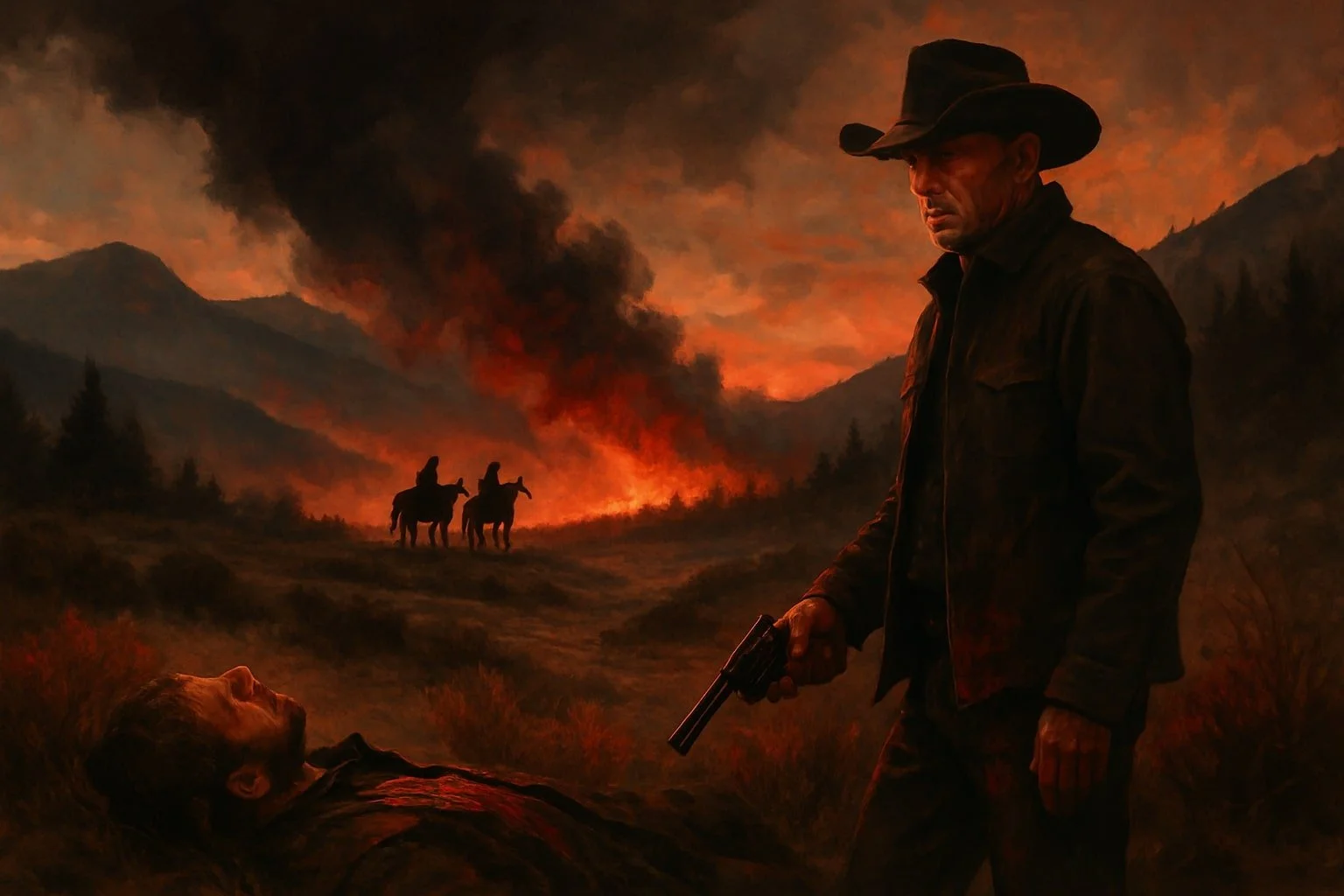
Every season of Yellowstone closes with either a blaze of violence or a dramatic upheaval that leaves lasting scars on the Dutton family and their sprawling Montana ranch. Power struggles, revenge, and the battle for control create a pattern where each chapter finishes with either literal bloodshed or metaphorical fire, often both.
This recurring finale theme keeps viewers on edge, wondering who will survive and what price must be paid for legacy and land. As each season ends, the Duttons face new enemies or betrayals within their own family, leaving the audience questioning what chaos and consequence the next chapter will bring.
Overview of Yellowstone's Climactic Endings
Yellowstone’s season finales are marked by explosive confrontations, betrayals, and irreversible consequences. Each ending shapes the fate of the Dutton family and the future of their ranch, with a pattern of violence and intense drama.
Defining Fire and Blood in Yellowstone
“Fire and blood” in Yellowstone is both literal and symbolic. Certain seasons end with actual fires that threaten the land, while others close on scenes of physical violence and loss. Assassinations, ambushes, and risky decisions unfold as the Dutton family defends their legacy.
Physical confrontations often place key characters in mortal danger. Major characters have survived shootings, bombings, and arson attempts. In other cases, the “fire” represents the chaos and disorder that erupts from betrayal or a shift in family power.
These themes are consistent, serving as a warning that no part of the family’s world is truly safe. The motif of fire or blood is integral to the way Yellowstone continuously raises the stakes.
Recurring Patterns Across Seasons
Every Yellowstone finale builds on a pattern of high-stakes showdowns. Power struggles within the Dutton family are paired with outside threats from rival ranchers, developers, or politicians.
List of recurring finale elements:
Violent attacks targeting the Duttons
Internal betrayals and shifting alliances
The ranch’s survival coming under direct threat
For example, season four saw assassination attempts against multiple Duttons, while season five’s finale turned conflict inward, pitting family against family. These climactic endings shift the balance for the next chapter and reset the stakes, often with lasting consequences.
Impact on the Dutton Family
Endings marked by violence or ruin deeply affect each member of the Dutton family. Losses and near-deaths force characters such as John, Beth, and Kayce Dutton to rethink loyalties and values.
The Yellowstone finale often leaves the family fractured, introducing new grudges or unresolved revenge plots. Family bonds are repeatedly tested as members must choose between personal ambition and collective survival.
Example Table: Effects on Key Dutton Members
Character Impact of Finale John Dutton Hardened resolve, new enemies Beth Dutton Escalated feuds, personal trauma Jamie Dutton Betrayal, isolation Kayce Dutton Moral conflict, deep scars
Each finale’s chaos shapes the Duttons’ future and underscores the cost of protecting Yellowstone Ranch. Decisions made in moments of fire and blood ripple through the family for seasons to come.
Season-by-Season Analysis of Finales
Major confrontations, betrayals, and deeply personal stakes define the endings of each Yellowstone season. Characters such as Beth, Jamie, Kayce, and Rip face challenges that escalate conflict, often ending in violence, unresolved grudges, or literal fire and blood.
Season 1: The Launch of High-Stakes Conflict
The first season sets a precedent for chaos and loss. The finale centers on the Duttons’ land battles and introduces escalating bloodshed, as they confront threats from both Native American groups and outside developers.
Kayce Dutton plays a central role, forced into making decisions with deadly consequences. The tensions between Beth Dutton and Jamie Dutton also begin to fester, especially after family secrets spur resentment. When Rip Wheeler is called upon, it’s usually to handle problems with force—something that becomes a pattern.
The closing scenes highlight acts of violence and betrayal. The Yellowstone ranch finishes the season with powerful enemies and a family more fractured than united.
Season 2: Tragedy and Betrayal Unfold
Season two raises the stakes with the Duttons embroiled in a brutal war against the Beck brothers. The finale turns personal: Beth Dutton endures a traumatic attack that leaves scars, both physical and emotional.
The threat to Tate, Kayce’s son, leads to a rescue mission marked by bloodshed and raw vengeance. Kayce Dutton’s choices force him into darker territory, binding him even closer to the family’s code.
Rip Wheeler makes a significant pact with the Duttons, reinforcing his loyalty but also accepting the cost that comes with it. Jamie Dutton, meanwhile, faces his own reckoning, further isolating himself. The episode ends with the family burying enemies—and their own innocence.
Season 3: Power Shifts and Explosive Outcomes
The finale of season three is explosive, literally and figuratively. Multiple Duttons are targeted in coordinated attacks: Beth Dutton is caught in an office bombing, Kayce Dutton in a gunfight, and John Dutton is shot on the side of the road.
Rip Wheeler’s fierce protectiveness comes to the forefront, as he scrambles to save the family. Suspicion and mistrust run high, especially towards Jamie Dutton, whose decisions hint at betrayal or at least a divided loyalty.
These simultaneous attacks leave the fate of several characters uncertain. Violence and bloodshed overshadow any triumph, driving a rift through the family and redefining alliances by the season’s end.
Season 4: Bloodshed and Burials
Season four opens and ends with the consequences of the previous attacks still rippling across the Dutton family. The finale features significant deaths and pivotal choices. Beth Dutton orchestrates a marriage to Rip Wheeler, not out of sentiment, but to secure family ties and ensure loyalty through a personal blood pact.
Kayce Dutton faces visions and pivotal decisions as he struggles with his place in the ranch and his personal life. Meanwhile, Jamie Dutton’s actions lead him down a path marked by isolation—his links with both family and morality are further strained.
The episode concludes with more burials, both literal and figurative. The cost of survival is measured in blood, burned bridges, and the crossing of yet more moral lines by almost every major character.
Yellowstone Season 5 and the Road to the Series Finale
Yellowstone Season 5 escalates tension on the Dutton Ranch, as the family faces internal conflicts, external threats, and life-altering losses. Themes of loyalty, legacy, and survival are central, with major events shaping the fate of the ranch and its people.
High Stakes in the Latest Episodes
Season 5 raises the stakes with confrontations both inside and outside the Dutton family. New and old rivals emerge, putting pressure on John Dutton as governor and patriarch. The looming threat of inheritance taxes, development, and political rivals pushes him to make difficult decisions.
Episode 14 delivers pivotal moments, with allegiances tested and relationships fractured. Beth and Kayce find themselves at odds with the family's future and what they're willing to risk. The stakes feel higher than ever as legal, moral, and physical battles collide at the Yellowstone Dutton Ranch.
Key Plot Points:
Conflict over land and legacy
Political maneuvers involving John Dutton as governor
Pressure from external threats and taxation
Funeral and Inheritance Themes
A major character death leads to a somber funeral, bringing together both foes and loved ones. The loss is not just personal; it underscores the harsh realities of inheritance and what will be left to the next generation. This introduces practical concerns like inheritance tax, which hangs over the Dutton family.
Conversations about legacy and the weight of family tradition become central. The funeral scenes underscore the emotional and financial strain that has always threatened the ranch. The Duttons must balance grieving with securing their hold on the land, highlighting how loss and continuity are inseparable in their world.
Relevant Elements:
Emotional impact of the funeral
Threat of inheritance tax on the Yellowstone Dutton Ranch
Discussions of legacy and who will inherit responsibilities
Dutton Ranch at a Crossroad
With the series finale approaching, Yellowstone Dutton Ranch stands at a crucial crossroads. Choices about the future, from who inherits the ranch to whether it can even survive escalating pressures, dominate the narrative. The iconic ranch sign—and what it symbolizes—is at risk.
Beth and Kayce's dynamic shifts as they contemplate starting anew, all while the ranch hands carve out their own paths. Meanwhile, John Dutton faces his most difficult decisions yet, as the fate of both family and land become intertwined like never before.
Major Issues:
Issue Impact on the Duttons Succession uncertainty Family tension, instability Development threats Pressure to sell or lose land Financial/legal pressure Risk of losing the ranch
Key Characters Driving the Violence and Drama
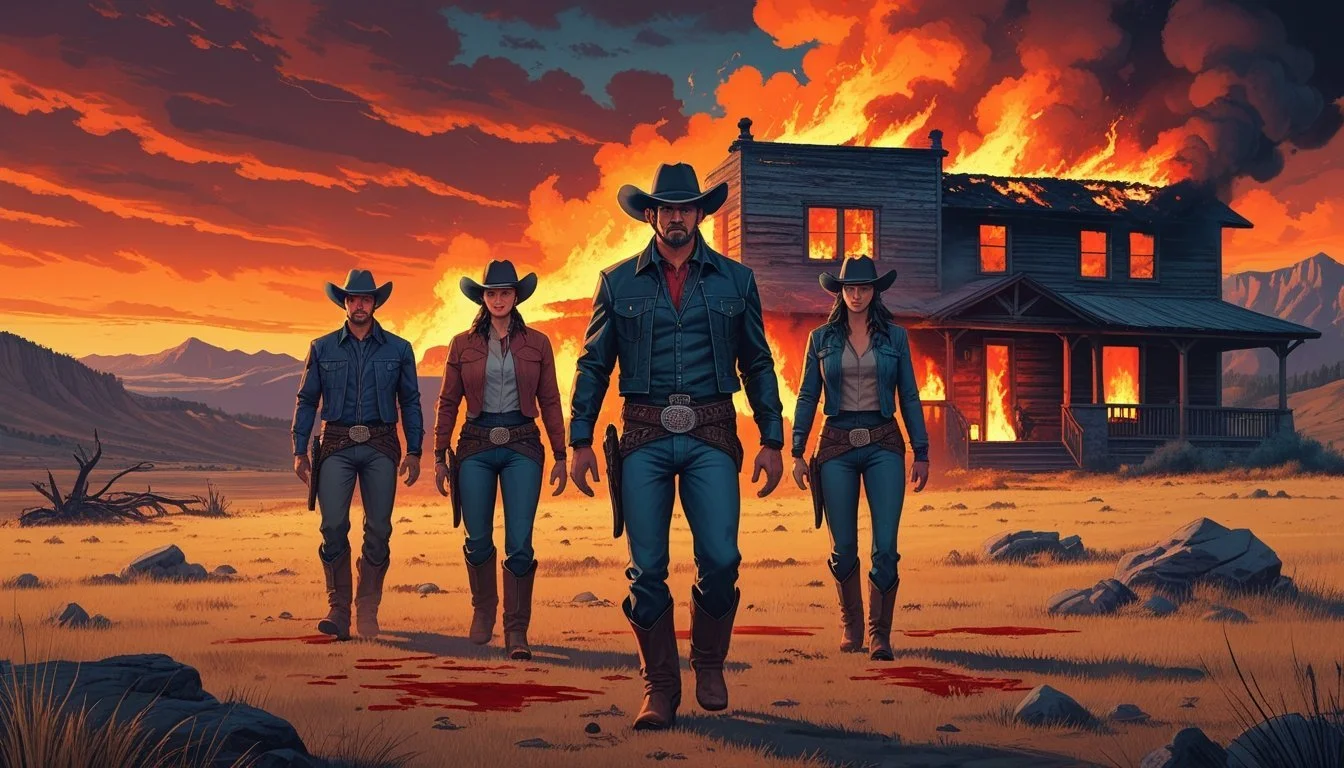
Major conflicts in Yellowstone are rooted in deeply personal relationships and the extreme measures characters take to protect or destroy each other. The recurring violence and tension often stem from decisions made by Beth, Jamie, Kayce, and Rip, whose actions leave lasting consequences across every season.
Beth and Jamie: Sibling Rivalry
Beth Dutton (Kelly Reilly) and Jamie Dutton (Wes Bentley) represent one of the most volatile dynamics in the series. Their relationship is marked by betrayal, unresolved trauma, and bitter conflict.
Beth’s hatred toward Jamie escalates after a decision he made in their youth that changed her life. This animosity drives her to orchestrate schemes targeting both Jamie and anyone threatening the Dutton legacy.
Jamie’s decisions, often rooted in a need for approval or independence, frequently backfire. His eventual separation from the family and his father’s murder plunge him and Beth into repeated confrontations that fuel the show’s most violent and emotional moments.
Kayce's Moral Dilemmas
Kayce Dutton (Luke Grimes) is often torn between loyalty to his family and his own moral code. His internal struggles manifest in life-and-death choices that impact everyone around him.
Kayce, a former Navy SEAL, is no stranger to violence but tries to avoid it when possible. However, threats to his wife Monica and son Tate force him into deadly situations. His involvement in ranch conflicts and external threats often ends in bloodshed, exposing the costs of survival on the Yellowstone.
His moral dilemmas are shown in scenes where he questions the cycle of violence, yet repeatedly finds himself at the center of it. This uncertainty highlights the recurring conflict between justice and loyalty.
Rip Wheeler's Loyalty
Rip Wheeler (Cole Hauser) is the enforcer of the Dutton Ranch. His unwavering loyalty to John Dutton and his love for Beth drive his actions, making him a central figure in the ranch’s brutal code of survival.
Rip is known for his cold efficiency and willingness to do what others won’t. When enforcement is needed, Rip takes charge, whether it is handling enemies or dealing with traitors inside the ranch. His actions are frequently at the heart of the show’s most physical altercations.
The bond between Rip and Beth adds emotional weight to his choices. His violence is purposeful, serving to protect the people and the land he cares for most.
The Role of Enemies and Allies
Rivalries and alliances drive much of Yellowstone’s turmoil, with each season shaping the fate of the Dutton ranch through shifting loyalties and hostile confrontations. Power, land, and heritage are contested by a range of adversaries and wary partners who shape events at every turn.
Thomas Rainwater and Broken Rock
Thomas Rainwater, leader of the Broken Rock Reservation, stands as one of the most complex rivals of the Dutton family. Played by Gil Birmingham, Rainwater is calculated and persistent, motivated by a vision to reclaim ancestral lands for his people rather than by personal vendetta.
Unlike other enemies, Rainwater avoids outright violence. He prefers to use legal and political strategies to pressure the Duttons and shake their grip on the Yellowstone ranch. He engages experts, lawyers, and lobbyists, turning the struggle into a multigenerational battle for justice rather than merely a land grab.
Rainwater’s approach cultivates respect among his peers and other Native characters. The community at Broken Rock supports him because he acts for the reservation’s collective future instead of personal gain.
High Chief Thomas Rainwater's Pursuit
High Chief Thomas Rainwater’s ongoing pursuit of the Yellowstone ranch is relentless but rarely reckless. He identifies the Duttons as obstacles but also as symbols of a colonial legacy he is determined to overturn. His leadership is marked by strategic alliances, including occasional alignments with market-savvy businesspeople when it suits the tribe’s aims.
Rainwater’s ability to walk the line between tradition and modernity sets him apart. He invests in casinos and commercial projects to give Broken Rock leverage, all while invoking treaty rights and history. In negotiations, he’s unflinching, making clear that Broken Rock’s interests cannot be ignored.
His pursuit forces the Dutton family to adapt, sometimes dragging them further into morally ambiguous territory. As High Chief, Rainwater personifies a persistent external threat that rarely fades.
Alliances with Cowboys and Outsiders
The Dutton ranch operates as a microcosm of the West—a place where cowboys and outsiders alike choose sides and forge uneasy partnerships. Characters such as Teeter and Jimmy bring fresh loyalties to the bunkhouse. Their stories illustrate the ranch’s role as both home and battleground for those seeking belonging or escape.
Cowboys create a network of fiercely loyal defenders around the Duttons, often risking their lives during volatile showdowns. These men and women, many of whom come from troubled backgrounds, see their work as proving themselves and earning family.
Outsiders like Abby and new arrivals from rival ranches present opportunities and dangers. Temporary alliances are formed during moments of crisis, but trust remains scarce. Conflict with the Duttons’ enemies often turns former outsiders into unexpected allies, blurring the line between loyalty and necessity.
Symbolism of Fire and Blood in Yellowstone
Fire and blood are recurring images in Yellowstone, each carrying weight in the story of the Dutton family and their fight for the Yellowstone land. These symbols frame the cycles of loss, conflict, and change that define both the ranch and its legacy.
Fire as Renewal and Destruction
Fire appears throughout the series as both a literal and metaphorical force. From controlled burns to wildfire threats, it regularly marks endings and beginnings for the Duttons. When brush or timber is cleared—sometimes illegally burned despite fire bans—it’s not just land management; it underscores how life on Yellowstone is always at risk of destruction.
Characters often face fire-linked crises during pivotal moments. On-screen, flames consume the landscape, signaling transformations for those who survive. Fire’s dual role is clear: it wipes out obstacles but also prepares the ground for what comes next. As a result, the family’s struggles often parallel the land’s own cycle of death and rebirth.
This renewal-through-destruction theme is reflected in personal arcs, too. Someone may lose everything in a moment, only to emerge changed. Fire marks the point where promises are tested and allegiances are burned away.
Blood as the Price of Legacy
Blood in Yellowstone rarely means just violence. It is the literal blood of ancestors in burial on the ranch, but also the metaphorical cost required to preserve the Dutton legacy. Protecting the land nearly always draws blood—whether from family, rivals, or outsiders—reinforcing that every season’s end is bought with sacrifice.
Major deaths punctuate each chapter of the show. The burial of loved ones on the Yellowstone property symbolizes life as a promise: one fulfilled only through continued struggle and defense. These losses are deeply personal but also reinforce the idea that the ranch’s future demands something in return.
The presence of blood cements the idea that survival and inheritance are never given. The Duttons pay for their claim with each loss and act of violence, making the price of legacy visible to both viewer and character. Blood ties, in every sense, bind them to the Yellowstone land.
The Train Station and Its Dark Relevance
The Train Station is more than a hidden dumping ground; it is central to the Dutton family's survival strategy and their code of secrecy. Its existence helps explain the show's recurring themes of violence and fiercely defended loyalty.
Origins and Key Moments
The Train Station is a remote stretch beyond the Montana border where the Duttons dispose of those who threaten the ranch. It is not a literal train platform, but a canyon uniquely chosen for its legal ambiguity. This site allows killers to avoid prosecution due to a jurisdictional loophole, loosely inspired by the real "Zone of Death" in Yellowstone National Park.
The tradition began decades before the main events of the show. Early in "Yellowstone," the Train Station is introduced as a longstanding method for the Dutton family and their trusted ranch hands to eliminate serious threats. Only those branded with the ranch’s mark—often a blood pact of loyalty—know of its deadly purpose. The first use traced in "1923" cements the location's grim legacy, and it appears in almost every season, reinforcing its role as a solution of last resort.
Its Ties to Fire and Blood Endings
Almost every season finale links the Train Station to acts of violence, often resulting in bloodshed. When rival factions or traitors threaten John Dutton and his family, the site is used to make problems "disappear," turning internal conflict into literal blood on the ground. The Train Station thus becomes a centerpiece of the Duttons’ response to existential threats.
Characters facing impossible choices are forced to use the Train Station, and the act itself is part of the blood pact binding the ranch’s protectors. This pattern of secret killing connects to the show’s fiery climaxes, with murder and cover-up as recurring final acts. The Train Station’s use signals both the cost of loyalty and the constant shadow of violence that hangs over the series' ending moments.
Broader Yellowstone Universe: Prequels and Spin-Offs
Paramount’s Yellowstone franchise reaches far beyond its flagship series, exploring the Dutton family’s history through detailed prequels and planned spinoffs. Taylor Sheridan, the creator, has built a connected world spanning several decades, with each new entry offering fresh perspectives and expanding the original story.
Lessons from 1883 and 1923
1883 and 1923 trace the origins and endurance of the Duttons long before Yellowstone Ranch became iconic.
1883 follows James and Margaret Dutton on a perilous journey west, where survival depends on grit, sacrifice, and unflinching determination.
The show’s portrayal of relentless hardship set a somber, authentic tone.
1923 continues this legacy by introducing Jacob and Cara Dutton as they grapple with drought, economic turmoil, and violent threats to their land.
Key themes—family loyalty, survival, and moral choices—echo across both series, shaping the Duttons’ identity for later generations.
This layered storytelling makes clear that fire and blood are woven into the family’s saga from the very beginning.
Expanding the Legacy Through Spinoffs
Taylor Sheridan has guided the Yellowstone universe into new territory with several spinoffs, each with a unique focus.
Upcoming titles like 6666 explore the legendary Four Sixes Ranch in Texas, offering insight into cowboy culture and ranch operations outside Montana.
Other future projects, such as 1944, intend to dive deeper into the changing landscape and evolving struggles of the Dutton legacy.
These expansions maintain the franchise’s signature style—balancing personal drama with historical context and regional authenticity.
A table of notable series is below:
Title Setting Main Focus Status 1883 1880s West Original Duttons’ journey Complete 1923 1920s Montana Duttons in Prohibition era Ended after 2 seasons 6666 Texas Four Sixes Ranch In development 1944 Montana Next Dutton generation Announced
Sheridan’s approach keeps each spinoff distinct, connecting back to shared themes while exploring new characters and eras.
This has cemented Yellowstone’s place as an interconnected television universe, with a narrative that stretches across time and geography.
The Impact of Setting: Montana’s Influence
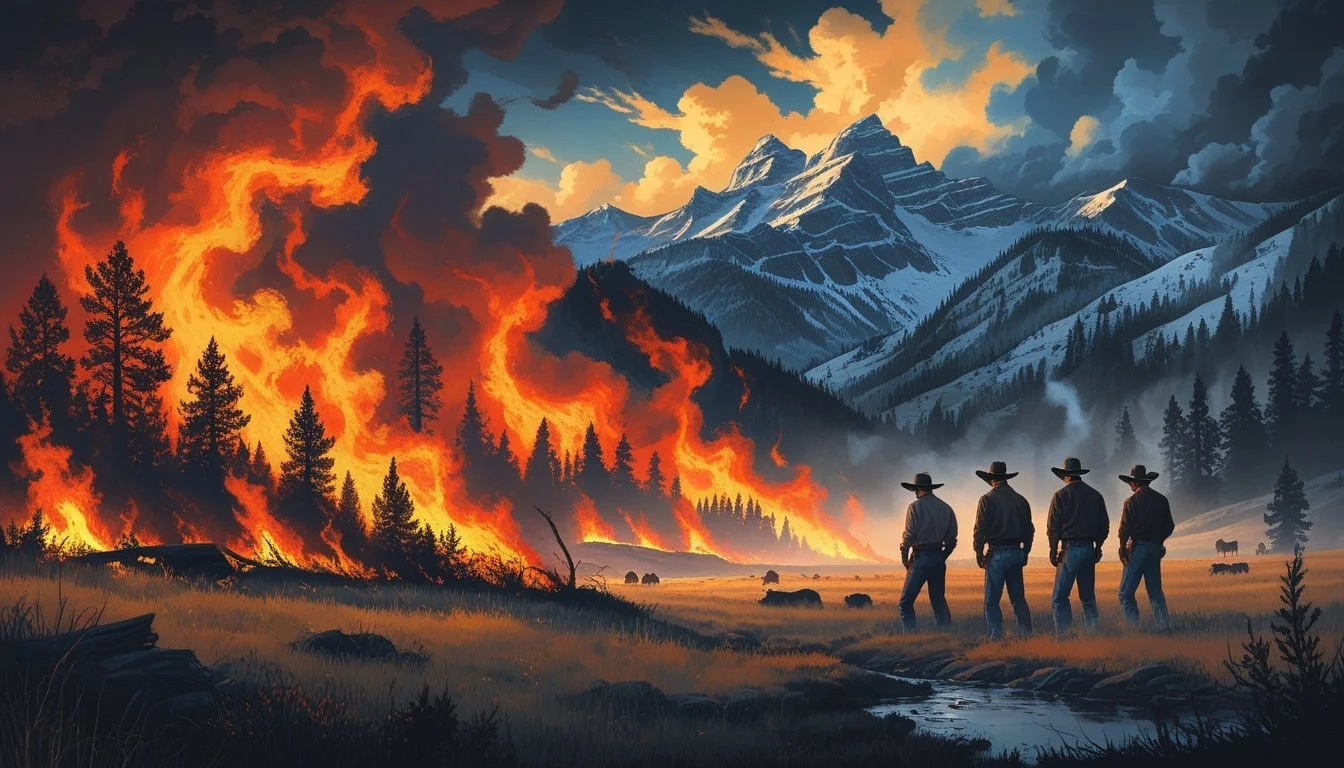
Montana's sweeping landscapes, especially near Dillon and along the Madison River, set the tone for "Yellowstone" and shape every challenge and rivalry. Deep Texas connections also influence the ranching culture, blending traditions that define the show's world.
Dillon and The Madison
The area in and around Dillon, Montana, offers a genuine rural backdrop that mirrors the challenges portrayed on "Yellowstone." Rolling plains, mountains, and the nearby Madison River add realism to the setting, grounding the family drama in an environment known for real-world ranching.
These landscapes also symbolize the constant tug-of-war between tradition and change. Harsh winters and dry summers directly impact storylines, from cattle drives to escalating feuds. Authentic locations like the Madison River reinforce themes of land, water rights, and survival, reflecting the real issues faced by ranchers.
Filming in these locations connects viewers to Montana’s history and the persistent frontier spirit. The terrain, waterways, and climate turn the land into another character, influencing decisions and often driving conflicts toward their violent conclusions each season.
Texas Ties and Cowboy Culture
The show’s depiction of cowboy culture borrows heavily from Texas traditions. Many characters and storylines reference Texas—its ranching practices, cowboy codes, and connections between Montana and Texas cattle operations.
Notable influences include:
Work ethic: Texas cattle ranching traditions shape Montana’s ranch hands on the show.
Fashion: Western attire, hats, and boots worn by characters often reflect a Texan influence.
Values: Loyalty, independence, and family hierarchy, central to Texas culture, are echoed within the Dutton family dynamics.
The migration of ranch hands and horses from Texas to Montana is woven throughout the plot. These cross-state ties add credibility to the cowboy way of life depicted on "Yellowstone," showing how two powerful ranching cultures intersect and shape the drama’s world.
Behind the Scenes: Creative Forces Shaping Yellowstone
Yellowstone’s intense storytelling and vivid world-building stem directly from a distinctive creative vision and crucial casting choices. Behind the drama, two figures—Taylor Sheridan and Kevin Costner—play central roles in making Yellowstone unique.
The Vision of Taylor Sheridan
Taylor Sheridan, the creator and primary writer, drives the show's tone and direction. His background as a screenwriter on films like Sicario and Hell or High Water directly influences Yellowstone’s blend of western authenticity and high-stakes tension.
Sheridan’s hands-on approach affects every aspect, from scripts to casting. He is known for maintaining realism, insisting on on-location shoots at a real ranch in Montana. This dedication to environment enhances the scenery’s authenticity, creating an immersive experience for viewers.
Sheridan often writes alone and prefers to keep tight control over creative decisions. He has shaped the series’ arc, ensuring each season crescendos with chaos—echoing the “fire or blood” theme.
Key Creative Elements Controlled by Sheridan:
Story pacing and structure
Character backstories and development
Setting selection and detailed production design
His vision prioritizes uncompromising storytelling and dynamic, morally complex characters, setting Yellowstone apart from typical network dramas.
Kevin Costner’s Role as John Dutton
Kevin Costner stars as John Dutton, anchoring the show with gravitas and depth. Costner’s experience in westerns like Dances with Wolves enriches his portrayal of the ranch patriarch.
Costner’s input extends beyond acting. He collaborates closely with Sheridan, especially regarding John Dutton’s motivations and responses. This partnership shapes the show’s emotional core, particularly in tense scenes involving family and loyalty.
On set, Costner’s leadership and professionalism are often noted by cast and crew. He is involved in discussions about the Dutton lineage and the ranch’s fate, ensuring his character’s actions remain true to the show’s ethos.
Notable Aspects of Costner’s Involvement:
Interpretive input on scripts and character arcs
Commitment to realistic depiction of ranch life
Influence on tone in major climactic sequences
Together, Sheridan and Costner’s mutual respect and creative alignment elevate Yellowstone, crafting a series defined by powerful performances and unwavering vision.
Notable Episode Elements and Recurring Themes
Major conflicts in Yellowstone often hinge on high-stakes confrontations and moments of resolve. Within each season, the use of survival tactics and unwavering family bonds shapes the outcomes for the Duttons and those around them.
Bear Spray and the Unexpected
Bear spray, although a simple tool, features prominently in several tense scenes. Its appearance signals danger, whether from the wilderness itself or from a sudden betrayal within human ranks.
For example, characters often deploy bear spray when least expected, highlighting the series' commitment to authentic tension. This isn’t just about animal threats. Sometimes, it is used symbolically—a reminder that danger is never far, and even trusted surroundings can become perilous.
Table: Key Uses of Bear Spray in Yellowstone
Season Situation Outcome 2 Faced by actual bear in wild Life-threatening, resolved 3 Used defensively in a betrayal scene Shift in power dynamics
Situations involving bear spray tend to build suspense, disrupt expectations, and reveal characters' true instincts. It serves as a device for showing that survival, in both physical and emotional battles, often depends on quick thinking and preparedness.
The Significance of Family Promises
Family promises drive much of the series' emotional core. The phrase life is a promise surfaces more than once, echoing the Duttons’ code of loyalty and responsibility.
These promises are not just words—they often lead to irreversible decisions. Whether it's John Dutton making a vow to protect the ranch or Beth keeping a devastating secret for the sake of her family, each commitment carries real weight.
List: Major Family Promises in the Series
John pledging to keep the land in the family at any cost
Kayce’s oath to protect his wife and son, even against his own family
Jamie’s complex promises, often torn by conflicting loyalties
In this world, promises shape fates and escalate conflicts. Their significance lies not in sentiment but in the actions and sacrifices they demand—turning each vow into a trigger for the season’s most dramatic moments.
