
When Yellowstone Stops Talking and Starts Screaming What Scientists Know About Major Eruptions
Yellowstone is a series known for its intense dialogue and simmering conflicts, but it’s the moments when words give way to action that truly define its spirit. When Yellowstone stops talking and starts screaming, the stakes change, and every relationship, decision, and secret comes under a harsh, unforgiving spotlight. These turning points are where personal loyalties are tested, violence erupts, and the quiet threats hinted at in earlier episodes demand a price.
The contrast between silence and chaos in Yellowstone captures why fans keep coming back. Whether it’s a confrontation on the ranch or a quiet moment shattered by violence, the show’s ability to shift from restrained conversations to explosive action is what sets it apart. This dynamic shows the raw edge underlying the Dutton family’s fight for survival and control.
Understanding the Meaning Behind 'When Yellowstone Stops Talking and Starts Screaming'
The phrase "When Yellowstone Stops Talking and Starts Screaming" points to crucial moments in the series where subtle power plays give way to intense, open conflict. The shift marks a clear change in tone and pace, reflecting a turning point for the Dutton family and their opponents.
Origins of the Phrase
The phrase is not a direct quote from any character but rather an interpretation of the show's narrative trajectory. Yellowstone, created by Taylor Sheridan and airing on the Paramount Network, often builds tension through conversations, negotiations, and quiet threats before suddenly erupting into action or violence.
These breaking points, when "talking" ceases and "screaming" begins, represent the moment discussions and diplomacy can no longer contain the underlying issues. The ranch and its legacy, already shaped by past struggles, become arenas for confrontation. This transition encapsulates the essence of Western drama—restraint followed by confrontation.
Symbolism in Yellowstone
Yellowstone uses these dramatic shifts to symbolize the fragile boundaries between order and chaos. When the series "stops talking and starts screaming," it is a metaphor for the breakdown of civility and the eruption of raw emotion, often reflected in physical conflict or brutal decisions.
Central symbols such as the ranch, the land, and family bonds come under threat during these moments. These events illustrate that personal and territorial stakes are so high that negotiation is rendered useless. Viewers witness not just a change in volume, but a total shift in the rules governing the Duttons’ world.
Relevance to Season 5
Season 5 of Yellowstone amplifies this theme. Unlike prior seasons that rely more heavily on slow-burning suspense, Season 5 shifts toward overt confrontations and decisions that can't be reversed. The pacing slows in terms of buildup, but the payoffs are louder and more definitive when the "screaming" begins.
Taylor Sheridan’s writing leans into character-driven conflict, with high stakes surrounding the Dutton ranch and family unity. Negotiation and conversation persist, but the pressure point arrives where action drowns out words. This season’s finale puts these conflicts on full display, marking a climax for the long-running Paramount Network drama.
Key Moments Leading Up to the Scream
Multiple factors build tension before emotions spill over in Yellowstone. Power struggles, unexpected losses, and personal confrontations steadily intensify, drawing each major character into the coming crisis.
Shifting Power Dynamics
John Dutton’s authority as the patriarch faces threats from multiple directions. Jamie distances himself, weaving his own plans that directly undermine the family’s unity.
Beth, ever fiercely loyal, clashes with any challenge to her father’s control. Her growing tensions with Jamie add another layer of instability to the Dutton household.
Rip becomes a stabilizing force, especially as John relies on him more for both loyalty and action. This shift puts added pressure on Rip’s relationships, especially with Beth, as he’s forced to balance love and duty.
Major Events in Episode 9
Episode 9 marks a significant turning point, highlighted by a violent, unexpected event impacting John Dutton. The consequences ripple out, affecting each member of the family and altering the balance of power on the ranch.
A funeral becomes a focal point for grief and simmering anger. Beth and Rip share a moment of deep sorrow, their mourning setting the emotional tone for the episode.
Kayce’s storyline intensifies, as he’s pulled deeper into family conflicts while still struggling with his own trauma. These events combine to push already fragile relationships to their limits.
Escalating Conflicts on the Ranch
Pressure on the ranch mounts as external and internal threats converge. Factions within the family—primarily between Jamie and Beth—erupt into open hostility, with each move escalating the risk to the Dutton legacy.
Beth’s confrontations are direct and emotionally charged, her anger fueling dramatic altercations. Jamie’s calculated maneuvers add unpredictability to every interaction.
Rip’s loyalty is tested as he deals with threats to both John and Beth, forcing him into increasingly difficult positions. The mounting conflicts set the stage for breaking points, each act raising tension closer to the inevitable scream.
Central Characters and Their Roles
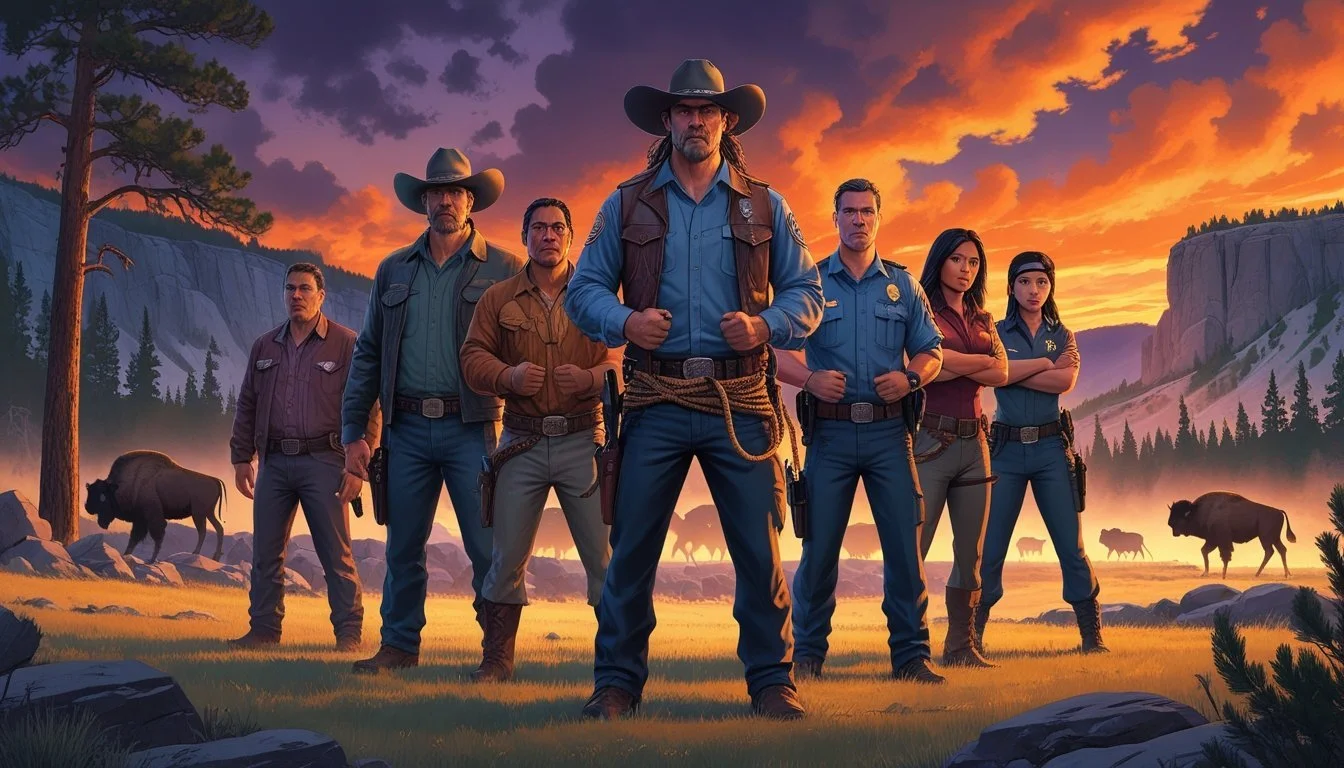
The story’s main figures each bring distinct strengths and vulnerabilities that drive the pace and tone of tension on Yellowstone. Conflict often surfaces not only through their words, but in moments of charged silence and explosive action that define their relationships.
beth’s Calculated Silence
Beth Dutton, played by Kelly Reilly, is known for her sharp wit and tactical approach to family strategy. She chooses silence in many confrontations, weaponizing it as a form of control and intimidation. When Beth does speak, it is precise—cutting to the core of negotiations or emotional battles within the Duttons’ world.
Her silence isn’t rooted in fear but calculated power. In high-stress meetings or conflicts, her refusal to respond can destabilize adversaries. Beth uses her quiet demeanor as an armor, drawing out secrets or weaknesses without exposing her own.
This calculated stillness often erupts into “screaming” when her boundaries or loved ones are threatened. The contrast between her reserve and sudden outbursts emphasizes her unpredictable nature, making her a formidable presence whether negotiating land deals or protecting her family.
The Burden on john dutton
John Dutton, portrayed by Kevin Costner, shoulders the heavy responsibility of maintaining the Yellowstone Ranch and defending his legacy. As both a leader and a father, he often struggles to balance his own values with the relentless demands thrown at him.
Long stretches of quiet mark his most significant decisions, whether he’s reflecting alone before dawn or silently strategizing while chaos brews around him. John frequently withholds his thoughts in council, allowing tension to build before making crucial calls.
Though mostly stoic, John’s bottled frustrations can break loose when the ranch’s safety or family integrity is at risk. These moments when he stops speaking—and then erupts—signal shifts in power dynamics and set the tone for ensuing conflicts.
kayce's Family Struggles
Kayce Dutton, played by Luke Grimes, faces constant turmoil as he juggles his loyalty to the Dutton ranch with his responsibilities as a husband and father. His relationship with Monica (Kelsey Asbille) and their son Tate is strained by danger and the family’s internal battles.
Kayce often processes pain in silence, conveying his struggles through subtle gestures instead of words. Monica, equally resilient, navigates threats to her own and Tate’s safety with brief but impactful exchanges that reveal the tension of their circumstances.
The family’s quiet is often pierced by moments of violence or personal loss, leading to emotional outbursts that redefine their relationships. These sharp shifts from silence to confrontation underline the real stakes for Kayce, Monica, and Tate as they strive to protect each other amid growing threats.
Rising Tensions and Critical Turning Points
Power struggles intensify as individual choices begin to have immediate, irreversible consequences. Long-standing alliances are strained by betrayal, and outside conflicts escalate tensions within the Yellowstone arena.
jamie’s Betrayal and Ambitions
Jamie, portrayed by Wes Bentley, faces mounting isolation as his ambitions clash with family loyalty. His choice to align with outside political forces, rather than support John Dutton’s interests, triggers suspicion inside the ranch. Jamie’s secret meetings and withholding of key information reveal a pattern of self-preservation over unity.
His betrayal is made harsher by his calculated actions to secure his own power, even when it damages Yellowstone’s future. Trust between Jamie and his family erodes, leading to decisive opposition against him. The impact is seen in John’s decision-making and the shifting roles within the ranch hierarchy.
Jamie’s ambitions set off a chain of events that not only affect him personally but jeopardize the stability of the family legacy. The consequences of his actions create new vulnerabilities, opening Yellowstone to legal and financial threats.
rip’s Loyalty Tested
Rip Wheeler, brought to life by Cole Hauser, stands as the unwavering enforcer at Yellowstone. He is repeatedly placed in situations that challenge the extent of his loyalty to the Duttons. Sudden violence, shifting trust, and the need to uphold a fragile peace test Rip’s judgment and resolve.
Conflicting demands from John Dutton and the increasing unpredictability inside the ranch leave Rip facing moral and strategic dilemmas. Key incidents include:
Protecting the ranch at great personal risk
Navigating shifting allegiances inside the team
Managing fallout from Jamie’s actions
Despite rising pressures, Rip maintains his loyalty, but each crisis leaves deeper scars. The shift from silent support to open confrontation signals changing dynamics, making his position more critical—and more perilous—than ever.
Conflicts with the Broken Rock Reservation
Tensions between Yellowstone and the Broken Rock Reservation intensify, with Thomas Rainwater leading demands for reclaimed land and reparations. Historical disputes resurface, shaping aggressive negotiations. Both sides rely on legal, political, and direct actions to secure their claims.
The Broken Rock leadership, confronting new threats to their sovereignty and resources, presses in with court filings and public campaigns. Rainwater, decisive and strategic, pushes back against moves he sees as disregard for tribal rights. Jamie’s actions as ranch attorney complicate negotiations, while the Duttons’ responses grow more militarized.
The fractured relationship sets off public confrontations that draw wide attention, pulling national spotlights to Montana. Each incident in this escalating conflict brings lasting changes, influencing alliances and power balances throughout the region.
The Broader Impact: Ranch Life and Texas Influence
Life on the ranch in "Yellowstone" is shaped by grit, tradition, and evolving pressures. Texas ranch culture, shifting power dynamics, and the pipeline's arrival all play direct roles in how conflicts ignite and spread.
Cowboys and Their Code
Cowboys on "Yellowstone" are defined by a strict sense of loyalty and resilience. They live by a code that values work ethic, respect for land, and unity in the face of hardship. The show depicts these men and women as skilled, reserved, and bound by unwritten rules that pass from generation to generation.
Actors like Ryan Bingham bring a lived-in authenticity to these roles. Bingham, who is both a musician and a real cowboy, shows the physical and emotional demands of ranch life. Daily work is relentless—cattle drives, fence repairs, and tending to livestock.
Disputes are often settled with few words, relying on actions more than speech. This internal culture shapes the way cowboys respond to both family disputes and threats from outside developers, driving the underlying tension that simmers just beneath the surface.
The Texas Connection and Four Sixes Ranch
The influence of Texas ranching is prominent in both the story and production of "Yellowstone." The famed Four Sixes Ranch, known for its vast size and historical importance, provides a template for both scale and operation. Texas values such as independence, land stewardship, and a deep respect for legacy come through clearly in the series.
Key plotlines reference Texas ranches to emphasize economic and cultural power in shaping policy and local dynamics. Four Sixes itself has ties to both real-life and fictional dealings depicted in the story. Texas serves as a source of outside capital, tradition, and expanding ambition, bringing fresh energy—and friction—into the Montana landscape.
By highlighting relationships between Montana and Texas, "Yellowstone" underscores the way Texas ranching traditions alter the course of events, bring in new characters, and sometimes escalate the stakes for everyone involved.
Role of the Pipeline in Fueling Conflict
The arrival of a pipeline project in "Yellowstone" exposes deeper conflicts within ranch life. Landowners face offers of money, threats of condemnation, and pressure from both corporate and political actors. A pipeline’s path brings ecological concerns and shines a light on generational land disputes.
Tensions rise when outside interests clash with cowboy values. Some ranchers see the pipeline as a threat to legacy and autonomy, while others view it as a necessary source of income. Family feuds intensify, and rivalries between ranches reach new highs as allegiances shift.
The pipeline becomes a symbol of the larger fight over Western land: its control, preservation, and use for profit. The resulting disputes move beyond personal quarrels to mirror national debates around resource management and rural identity.
Supporting Characters and Their Significance
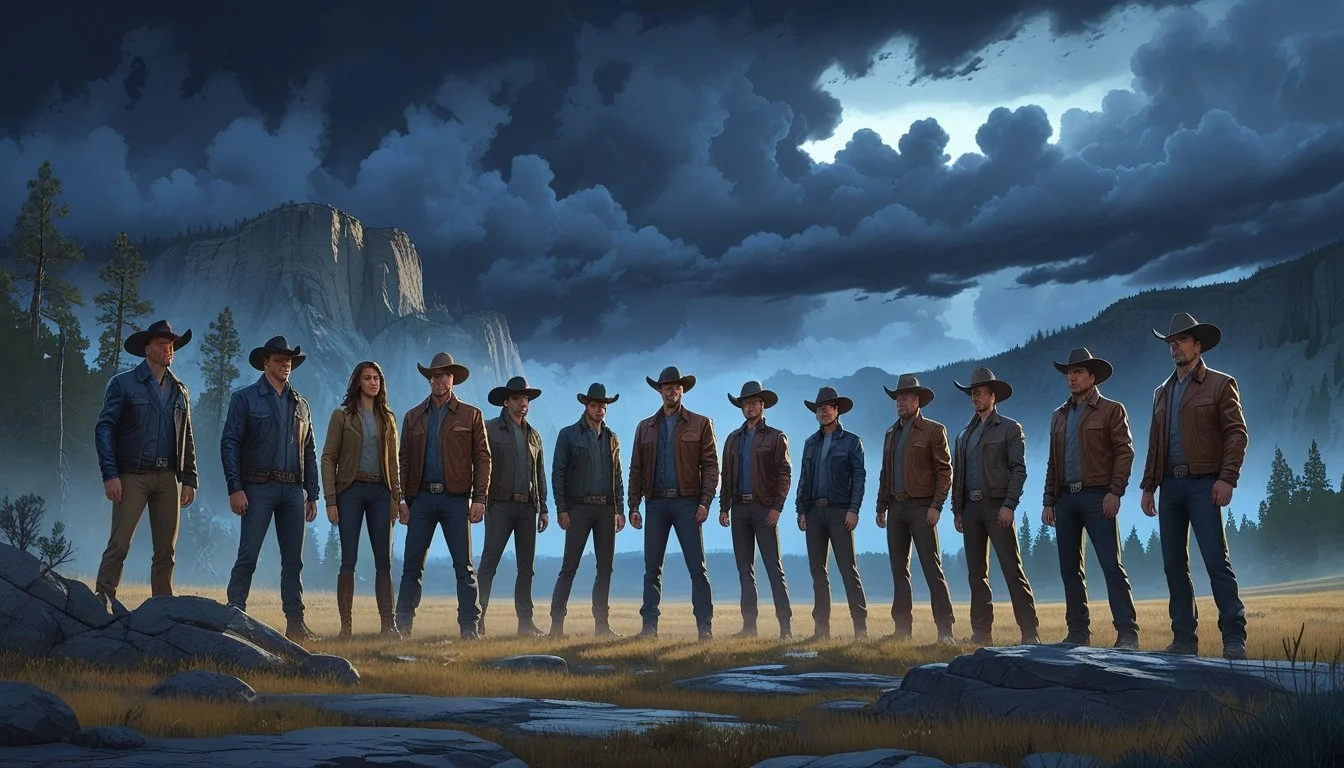
Supporting characters in Yellowstone contribute nuanced perspectives, challenge the Dutton family, and introduce vital tension and empathy. By observing their actions and relationships, viewers see deeper layers of life on the ranch and the external forces that shape the story.
walker’s Perspective
Walker, played by Ryan Bingham, is far from a typical ranch hand. He is a former convict turned cowboy and brings a fresh point of view to the Dutton Ranch. Walker’s background in music and his outsider status allow him to comment frankly on the ethics of ranch life.
Unlike others, he questions orders and highlights the moral ambiguity of the Duttons’ methods. This often puts him at odds with characters like Rip. His presence reminds viewers that loyalty on the ranch comes at a personal cost.
Walker’s music expresses his internal conflicts. Performances in the bunkhouse often serve as emotional breaks amid chaos. His character’s development illustrates how Yellowstone explores perspectives beyond the Dutton family, making him a crucial voice among the hands.
jimmy’s Transformation
Jimmy Hurdstrom is perhaps the most changed character across the series. Introduced as an inexperienced ranch hand, Jimmy’s early failures and physical mishaps make his journey relatable. Mentored strictly by Rip and John, he receives both tough love and opportunity.
Jimmy’s training as a rodeo cowboy sets him apart. His time at the 6666 Ranch in Texas marks a dramatic turning point, forcing him to choose between the Duttons’ world and a new life of responsibility. This storyline examines independence, self-worth, and the pursuit of a second chance.
His transformation is visible not just in his skill as a cowboy but also in his confidence and decision-making. Jimmy’s story highlights the real stakes and risks that come with trying to change one’s life on the ranch.
The Introduction of sarah
Sarah’s arrival brings calculated disruption to the established dynamics. As a corporate player, she contrasts with the rough-edged confidence of the ranchers. Her aim is not to blend in but to challenge Beth Dutton for influence, shifting power in subtle but impactful ways.
Sarah’s tactics include manipulation, leveraging secrets, and alliances. Her role underlines the threat posed by outsiders who understand both business and emotion. She doesn’t use brute force; instead, she applies pressure where it is least expected.
Her interaction with other characters, especially Beth, is filled with sharp dialogue and strategic moves. Sarah’s presence raises questions about loyalty, vulnerability, and the future of the Dutton Empire, making her a significant addition to the cast’s shifting landscape.
Themes Amplified by 'Desire Is All You Need'
Episode 9 brings the major conflicts of Yellowstone into clearer focus, intensifying tensions around both individual motivations and the fate of the Dutton family. Characters are forced to confront the limits of their desires and the real prices attached to maintaining power.
Personal Ambition and Family Legacy
John Dutton's death in "Desire Is All You Need" becomes the catalyst for a reevaluation of personal goals versus inherited duty. The discovery of his staged suicide by Beth and Kayce marks a turning point, deeply impacting their understanding of what it means to continue the family legacy.
Beth faces the prospect of stepping into her father's role, highlighting the friction between her ambition and unresolved family grievances. Kayce is thrust into a more public spotlight, struggling to balance his personal sense of justice with the legacy he never asked for. Their reactions illustrate how desire influences, and sometimes distorts, the self-imposed expectations of succession.
The episode uses quiet moments and sudden revelations to underscore how each character's drive is shaped by the Dutton name. Decisions are no longer private; each choice resonates far beyond the ranch.
Sacrifice and Survival
The events of season 5, episode 9 reinforce the ongoing theme that survival on the Yellowstone is never simple, nor free from loss. John Dutton's death and its fallout demand sacrifice not just from individuals, but from the entire family.
Characters must decide what they are willing to give up to preserve the family's land and legacy. The episode highlights sacrifices less about grand gestures and more about painful, necessary compromises. For example, Beth and Kayce's choices now carry new weight, as they work to secure what remains of the Dutton influence.
A clear tension runs through every scene between survival and loyalty. The question is no longer just what the Duttons will do to survive, but what parts of themselves they must surrender to do so.
