
Why Walker’s Songs Are Yellowstone’s Soulful Requiem
Exploring the Emotional Heart of the Series

Walker’s songs in Yellowstone are the show’s emotional backbone, providing a raw and honest reflection of life on the ranch. His music doesn’t just fill the background; it gives a voice to the pain, struggle, and hope that shape the Dutton family and those around them. Each performance becomes a kind of requiem, capturing grief, longing, and hard-won moments of grace.
Fans connect with Walker because his songs resonate with the realities the characters face. When he plays for the bunkhouse or during pivotal scenes, the music underscores themes of loyalty, loss, and survival in a way dialogue alone cannot. Yellowstone uses Walker’s soulful performances to express what words leave unspoken, making the music essential to the show’s atmosphere and depth.
Through Walker, Yellowstone delivers more than just a Western narrative—it offers a musical journey into the heart of its characters’ struggles and triumphs. That’s why his songs stand out as the soulful requiem at the core of the series.
The Impact Of Walker's Songs On Yellowstone
Walker’s performances on Yellowstone shape the emotional rhythm of the series. Each song contributes a distinct mood, elevating the show’s authenticity and helping define pivotal storylines and characters around the Dutton Ranch.
Setting The Tone For Dutton Ranch
Walker's songs provide more than background music—they establish the emotional undercurrent at Yellowstone Dutton Ranch. When he plays guitar by the bunkhouse or sings on the porch, the lyrics often echo the hardships, tensions, and brief moments of peace ranch life brings.
This soundtrack, supervised with care by the production team, gives scenes a grounded feel. Moments of camaraderie, grief, or uncertainty gain depth through the sound of Walker's gravelly voice.
Musical interludes anchor viewers in the day-to-day reality of the ranch. They reinforce the show’s atmosphere by translating the characters’ internal struggles into melody, creating a tangible connection between the audience and the lives on the ranch.
Defining Key Moments Through Music
Walker’s music frequently underscores critical plot points, amplifying their significance. During times of loss, confrontation, or introspection, his live performances in the bunkhouse or campfire scenes act as a soundtrack that frames the stakes and personal costs faced by the Dutton family.
One notable example is his haunting rendition after a tragedy, which immediately draws viewers into the characters’ grief. The show’s music supervisor recognizes how original songs can highlight themes of loyalty, betrayal, and longing without the need for extra dialogue.
These moments are not just filler; they are deliberately placed at the axis of pivotal events. This gives Walker’s music a narrative role that goes beyond entertainment, guiding the audience’s emotional response and emphasizing what’s at risk.
Building Authenticity And Atmosphere
Ryan Bingham, who portrays Walker, is an accomplished singer-songwriter. His real-life experience as a musician ensures that his guitar performances feel natural, adding authenticity to the Paramount Network series.
Filming on location at Yellowstone Dutton Ranch, the inclusion of live, unscripted music sessions in the bunkhouse deepens the sense of realism. Lyrics often reflect issues ranch hands face, like longing for home, unspoken bonds, or the weight of hard decisions.
This musical approach distinguishes Yellowstone from other dramas. By weaving Walker’s songs into the regular lives of the ranch crew, the show fuses authenticity with atmosphere, immersing viewers in the culture and emotional landscape of modern ranching.
Walker: The Soulful Voice Of The Bunkhouse
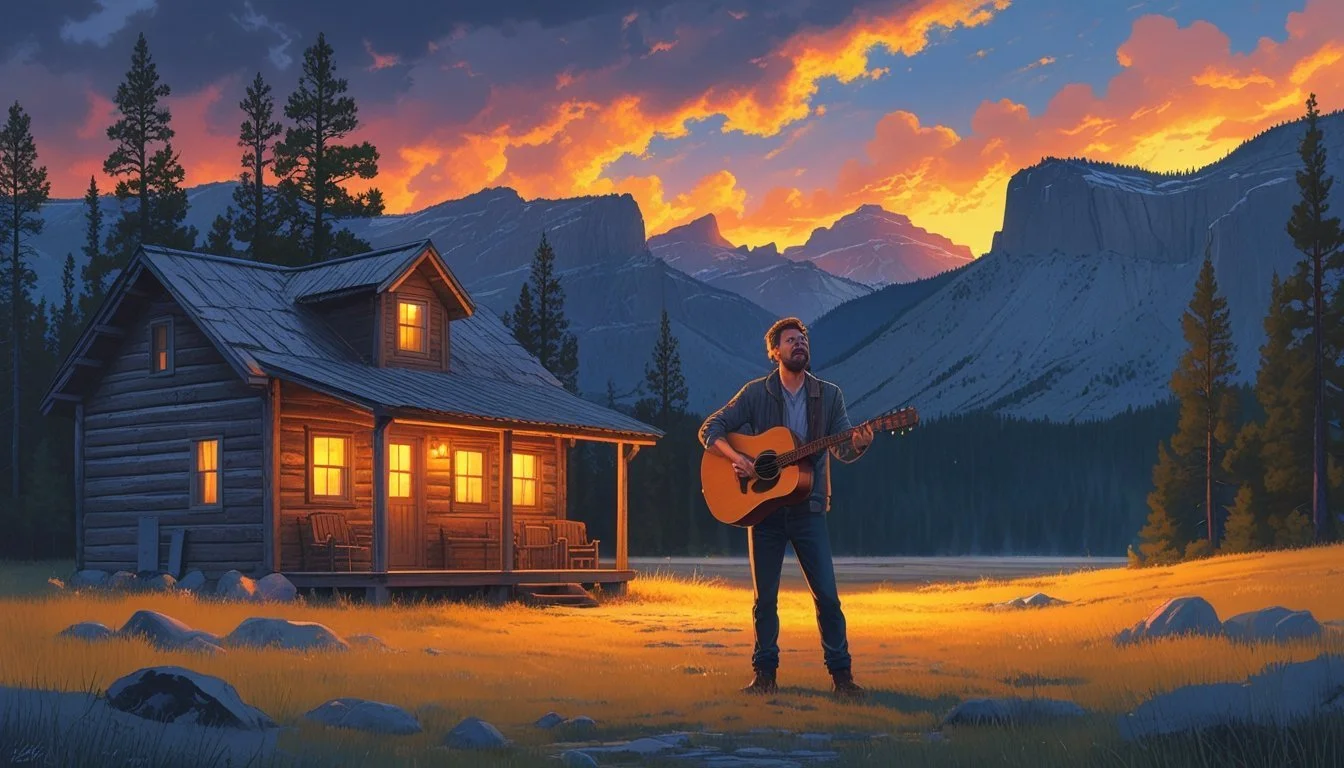
Walker stands out in Yellowstone as both a skilled ranch hand and a gifted singer-songwriter. His presence shapes the emotional atmosphere of the bunkhouse, connecting the struggles of ranch life with honest, heartfelt music.
Ranch Hand Turned Singer-Songwriter
Walker, played by Ryan Bingham, first arrives at the Dutton Ranch as a new hire, coming from a background marked by hardship and time served in prison. His introduction is different from other ranch hands—he brings not only work ethic but a guitar and a talent for songwriting.
In the bunkhouse, his music serves as a rare source of levity for the crew after hard days of toil. The songs he plays are his own, performed authentically, often late at night. This blend of cowboy grit and artistic expression sets Walker apart.
Walker’s role as the bunkhouse singer is not just for entertainment. His music gives a voice to experiences that the others share but rarely discuss, turning the bunkhouse into a space for reflection. The sorrow in his lyrics resonates with the unspoken burdens of life on the ranch.
Character Arc And Identity
Walker’s character arc is shaped by his struggle to find his place among the ranch crew. Despite his rough past, he tries to carve out a new identity—one that moves past his criminal record and leans into his strengths as a musician.
His relationship with the other hands is complicated. Being an outsider, Walker is often distrusted and sometimes faces hostility, especially when his moral code clashes with the ranch’s culture. These tensions help define his journey, as he’s forced to make hard choices about who he wants to be.
As his time on the ranch continues, Walker’s identity becomes more complex. He tries to balance being a contributing member of the crew with staying true to his personal beliefs. His music becomes an anchor, helping him process change and solidify his sense of self.
Loyalty, Redemption, And Complex Relationships
Walker's loyalty is continually tested. At various points, he must decide whether to support the Duttons fully or look out for his own interests, creating inner conflict. His actions sometimes put him at odds with other bunkhouse members, leading to tense confrontations.
Despite moments of betrayal or doubt, Walker is also given opportunities for redemption. The most telling of these moments often follow intense conflicts or pivotal choices that test his morals and commitment to the ranch.
His relationships within the bunkhouse are a mix of camaraderie, distrust, and begrudging respect. These dynamics play out in both his daily work and his music, reflecting the complexity of belonging to a group bound by hardship and survival. In these connections, Walker’s songs act as a bridge—helping others express what words alone often cannot.
Signature Songs And Unforgettable Performances
Walker’s performances in Yellowstone stand out for their authenticity and emotional depth. Each song is carefully woven into the show’s narrative, lending weight to pivotal scenes and revealing new layers of character.
No Such Thing As Fair
"No Such Thing As Fair" showcases the bleak realities faced by many characters on the Yellowstone Ranch. The song is performed by Walker in a stripped-down, acoustic style that highlights both the roughness and vulnerability in his voice. Its lyrics reflect the injustice and unpredictability of life, echoing ongoing conflicts within the series.
The power of this performance lies in its raw honesty. Walker’s understated delivery further strips away any sense of easy resolution. Music like this becomes a silent observer, mirroring John Dutton’s struggles and the moral ambiguity that runs through the ranch.
When featured in the Yellowstone soundtrack, the song made an immediate impression. It serves as a quiet anthem for those who carry burdens without complaint.
Grass On The Streets And Weeds On The Rooftops
"Grass On The Streets And Weeds On The Rooftops" captures the desolate beauty of the land and the people who call it home. Walker’s voice, accompanied by gentle guitar, sets the mood during somber moments in season 4. The song laments changes sweeping across both the ranch and the wider world.
Lines about nature reclaiming abandoned places tie back to the series’ recurring themes of loss, change, and perseverance. The imagery is clear: when people move on or falter, nature quietly endures.
Walker's rendition draws viewers into a reflective space. It’s a reminder that even in a harsh environment, beauty and sorrow exist side by side.
Bodies And Prison
Bodies and prison are recurring subjects in Walker’s music, accentuated in this somber track. The lyrics deal with themes of confinement—both physical and emotional—that frequently surface in the show. The narrative of mistakes, regret, and inescapable consequences fits closely with Walker’s own backstory as an ex-convict.
This song is performed with resignation and grit. Walker’s time in prison is not just backstory; it’s a shadow over his present and future. The audience feels the cost of violence and the difficulty of seeking redemption on the ranch.
The rawness of the performance invites empathy for those caught in cycles they cannot easily escape. It’s a defining moment for the character and an honest reflection of the show’s darker side.
Hallelujah
Walker’s rendition of "Hallelujah" brings gravity to a familiar song, making it feel fresh against Yellowstone’s rugged setting. It isn’t just a cover, but a personal statement, sung with restraint and depth. His version emphasizes pain, forgiveness, and longing, all feelings that run deep in the series.
The placement of "Hallelujah" within key episodes underscores moments of grief or transition. When played, it offers a contemplative pause for both the characters onscreen and the viewers. Each note lingers, matching the landscape’s vast emptiness and the burdens carried by the Duttons and their crew.
Walker transforms the song into an intimate confession, turning Leonard Cohen’s lyrics into a lament that fits the mood and soul of Yellowstone.
How Walker’s Songs Reflect Yellowstone’s Themes
Walker’s music acts as a grounding force in the series, connecting viewers to the day-to-day realities of ranch life and the personal struggles of its characters. The lyrics and tone underline Yellowstone’s atmosphere of hardship, unity, and longing for redemption.
Camaraderie And The Cowboy Spirit
Walker’s presence at the bunkhouse or bar often becomes a focal point for shared moments among the ranch hands. When he plays his guitar and sings, it brings the Dutton cowboys together, creating rare interludes of peace and fellowship. These scenes contrast sharply with the constant threats that surround the ranch.
The cowboy spirit in Walker’s songs is evident in both melody and message. Tracks frequently lean into themes of hard work, isolation, and the code of loyalty that binds the characters. His music is not just background; it’s a communal anchor, forging bonds through hardship and echoing the unspoken rules of their world.
Struggle, Emotion, And Legacy
The emotional depth in Walker’s music captures the struggle faced by every Yellowstone character. Lyrics explore loss, resilience, and the constant battle between personal desires and duty to the ranch. Through sparse, often somber arrangements, his songs reflect the drama and pressure shaping each cowboy’s path.
Legacy is another key element. Walker’s music often questions what remains when the fight is over, or what’s left to pass on. These reflections reinforce the series’ recurring questions about inheritance and meaning, ensuring that the emotional weight of the Duttons’ legacy carries through every note.
Redemption And Character Development
Redemption is central to both Walker’s story and the arc of many others on the show. Having arrived at the ranch carrying baggage and a troubled past, his performances echo personal attempts to find peace and purpose. His songs, including those with motifs of second chances, act as confessions and quiet appeals for forgiveness.
Character development is threaded into each performance. Walker’s evolution—from an outsider to a man finding his place—mirrors the series’ ongoing themes of growth and self-discovery. Music becomes his way of processing mistakes and moving forward, contributing to the broader narrative of transformation within Yellowstone.
Influences And Musical Landscape Of The Series
Yellowstone draws from a broad palette of country, Americana, and roots artists. These musicians, both legendary and contemporary, shape the atmosphere of the series and emphasize its ties to the American West.
Country Artists Featured On Yellowstone
Yellowstone’s soundtrack is notable for including both established icons and emerging voices in the country and Americana genres. Ryan Bingham, who also portrays Walker, brings original music and authenticity to the bunkhouse scenes. His performances, such as "Wolves" and "Southside of Heaven," set the mood and reflect the characters' emotional states.
Willie Nelson’s timeless tracks, including “Hands on the Wheel” and “Always on My Mind,” evoke nostalgia and connect the show to classic country tradition. Chris Stapleton’s “Broken Halos” and “Tennessee Whiskey” bring soulful depth to dramatic moments. Lainey Wilson, Tyler Childers, Sturgill Simpson, Zach Bryan, and the Turnpike Troubadours have all contributed songs featured in pivotal scenes. Bands like Whiskey Myers, Blackberry Smoke, Jason Isbell, Marcus King Band, and Modern West round out the diverse soundtrack, offering everything from Southern rock to modern outlaw country. This blend creates a rich, immersive soundscape that supports both story and setting.
Music’s Role In American West Storytelling
Music in Yellowstone acts as more than just background; it serves as a narrative force that echoes the themes of land, loss, and resilience central to the show. The soundtrack’s roots-driven selections help paint an authentic portrait of modern ranch life while building emotional weight around the Dutton family’s conflicts.
Songs often accompany pivotal plot points, reinforcing the landscape’s beauty and harshness. When Walker picks up a guitar, his songs serve as a soulful requiem, expressing the unspoken struggles of the bunkhouse crew. The use of artists like Kacey Musgraves and Sturgill Simpson connects viewers instantly to the broader American West tradition. Music supervisor Andrea von Foerster curates each track to amplify the intended mood—whether that is heartbreak, tension, or triumph. By drawing on real artists and timeless genres, Yellowstone’s music deepens the storytelling experience in a way that dialogue alone cannot achieve.
Walker’s Relationships And Their Musical Significance
Walker’s music often acts as an emotional current running through his key relationships on Yellowstone. Each connection influences when and how he performs, shaping both his story and the tone of the bunkhouse.
Connections With Beth Dutton And Rip Wheeler
Walker's relationship with Rip Wheeler is defined by a careful tension. Rip, loyal to the Dutton family, mistrusts Walker’s outsider status and criminal past. Their dynamic is especially fraught when Walker’s songs surface; his guitar becomes both a comfort and a risk, as music often draws unwanted attention to his individuality in a world demanding loyalty.
Beth Dutton, played by Kelly Reilly, rarely interacts directly with Walker, but she recognizes the effect his presence has on Rip. In season 4, as Rip tries to balance his relationship with Beth and his leadership in the bunkhouse, Walker’s presence—and his songs—become reminders of vulnerability and the complexities within the Yellowstone hierarchy.
When Walker plays, it sometimes agitates Rip, as it risks undermining control. However, these moments also reveal Rip’s own buried emotions, which Beth senses, highlighting the power of music to surface truths others try to suppress.
Interactions With Wade Morrow And Jimmy
Wade Morrow’s animosity toward the Duttons spills over into his treatment of Walker. Their encounters, especially in season 4, put Walker’s loyalty to the test. Walker’s songs, played in the uneasy wake of conflict with Wade, reflect the cost of violence and the expectations that come with Yellowstone’s rules.
Jimmy, a younger and less experienced ranch hand, often looks up to Walker's musical expression. Walker’s performances become teaching moments—both for Jimmy and the bunkhouse. Jimmy witnesses that art and hardship can coexist, and Walker’s music becomes a subtle guide as Jimmy forms his own identity within the ranch.
For both Wade and Jimmy, Walker’s music ties moments of tension to the human cost of life on the Dutton ranch. His performances underscore that each relationship—whether adversarial or supportive—leaves a mark on both Walker’s songs and the people who hear them.
Bonds Within The Bunkhouse
Inside the bunkhouse, Walker’s music offers a rare escape from the relentless work and rigid rules. While not every ranch hand initially welcomes him, his songs eventually earn respect, offering brief solace and a sense of shared experience. Each cowboy—whether veteran or newcomer—finds something familiar in his performances.
Musical gatherings highlight divisions and alliances. For some, Walker’s songs bring comfort; for others, they are a source of suspicion. Over time, the bunkhouse becomes more unified in its appreciation, with Walker’s performances serving as a reminder of the burden each man carries.
Through the course of his arc, Walker finds belonging in the bunkhouse, not by force but through music. His role shifts from outsider to a vital thread in the fabric of Yellowstone’s daily life, underlining how art can forge community where words often fail.
Critical Reception And Fan Response
Walker’s music has become an integral element of Yellowstone, sparking notable reactions among its viewers and critics. The presence of his songs on screen has shaped character arcs and reinforced the series’ emotional tone.
Resonance With Fans Of Yellowstone
Many fans identify Walker’s performances, sung by Ryan Bingham, as standouts within the show’s soundtrack. His songs often strike a chord with viewers, blending seamlessly with the ranch’s gritty environment.
On discussion boards and social media, people frequently mention how Walker’s authenticity as both a cowboy and a musician brings extra depth to the bunkhouse scenes. These musical moments serve as more than entertainment—they provide insight into the characters’ struggles and aspirations.
Below is a list of common fan sentiments:
Authenticity: Fans appreciate the use of a genuine musician for Walker’s role.
Connection: Several fans feel that his songs make the show more personal and relatable.
Memorability: Specific tracks performed by Walker are often mentioned as favorite moments.
Expanding The Show’s Legacy Through Music
Walker's songs contribute to Yellowstone’s reputation for integrating music into storytelling rather than treating it as background noise. Each appearance adds to the continuity and culture of the Dutton ranch, making music a recurring motif.
The character's consistent screen time as a singer sets Yellowstone apart from typical western dramas. Critics note that Walker’s music both comments on and enhances pivotal episodes, ensuring these scenes stand out within the show’s legacy.
Table: Walker’s Appearances and Impact
Aspect Details Number of Main Songs Multiple across several seasons Function in Story Emotional resonance, foreshadowing Audience Reaction Favorable, mentioned in reviews
Walker has left a lasting mark on Yellowstone’s identity, intertwining the show's legacy with the enduring power of song.
The Creative Team Behind Walker And His Music
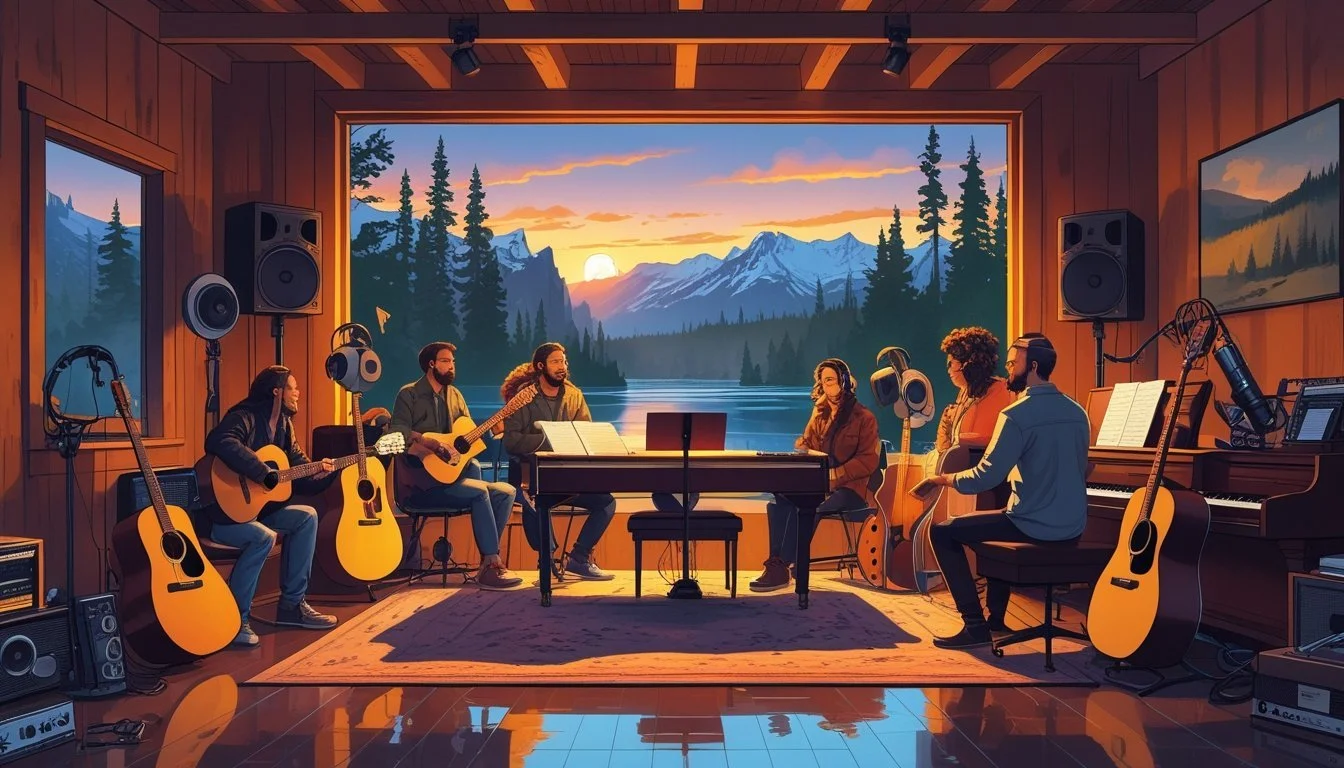
Walker’s songs on Yellowstone are not just background elements—they are the result of careful creative decisions. The distinct mix of authentic songwriting and character-driven performance reflects a blend of directorial vision, actor input, and network priorities.
Taylor Sheridan’s Vision
Taylor Sheridan, the creator and showrunner of Yellowstone, approaches music as an integral storytelling tool. He handpicks songs that reflect the emotional landscape of both the characters and the broader themes of the series.
Sheridan cast Ryan Bingham, a real-life Grammy-winning musician, as Walker. This decision ensured that every song performed by Walker felt true to the world of the Dutton Ranch.
He often involves himself in choosing which original pieces or traditional songs are woven into scenes. Consistency is maintained from season 1 through season 5, showing Sheridan’s hands-on role in capturing the show’s unique tone.
Sheridan’s script and direction allow the music to underscore moments of tension and solitude, reinforcing why Walker’s performances resonate with viewers and heighten the show’s drama.
Kevin Costner’s Influence
Kevin Costner, who plays John Dutton and serves as an executive producer, holds a well-documented appreciation for music. Costner’s own background as a performing musician brings an extra layer of authenticity to music’s role in the show.
He frequently collaborates with the creative team to ensure that musical moments align with the ranch’s rugged atmosphere. His attention to detail affects not just his own scenes, but those of other cast members, such as Walker.
In scenes that feature Walker’s songs, Costner’s input helps ensure they advance the story without disrupting the flow. This synergy between Costner, Bingham, and Sheridan adds to the musical realism of the show.
Costner’s influence is especially evident during pivotal sequences in seasons 3 and 5, where the stakes for both the ranch and its inhabitants are raised by raw, evocative music performances.
The Role Of The Paramount Network
Yellowstone is produced and distributed by the Paramount Network, making their support crucial in bringing the series’ unique sound to viewers. The network recognizes the commercial and artistic value that Walker’s performances bring.
Paramount has facilitated licensing, production resources, and exposure for the songs performed on the show. Their willingness to showcase original music, especially from Bingham, differentiates Yellowstone from other drama series.
The network actively promotes soundtracks and music moments across digital platforms, increasing their reach. This commitment was clear from season 1, with dedicated marketing around Walker’s character and his music.
By allowing the creative team enough freedom, Paramount ensures that the music remains integral to the show’s identity all the way through season 5.
Walker’s Journey: From The Four Sixes To Yellowstone
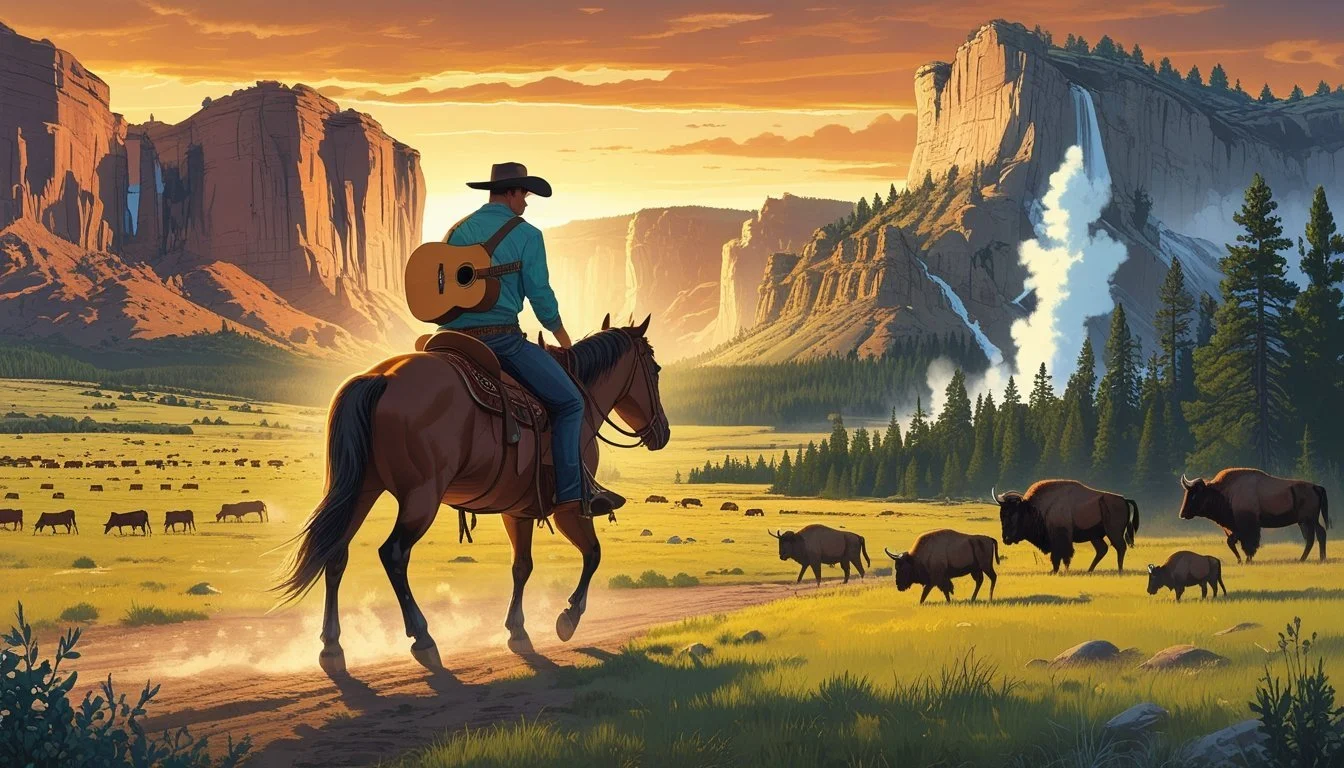
Walker’s story is defined by movement between iconic ranches and a checkered past that shapes his approach to life. His journey reveals the struggle for a second chance and the pull between personal morals and the harsh demands of the cowboy life.
Montana Roots And The American West
Montana serves as the backdrop for much of Walker’s time on Yellowstone. The open prairies and rugged peaks reflect the raw, unfiltered realities of working on a ranch. Montana’s vast landscapes symbolize both freedom and isolation for Walker and the other cowboys.
The Dutton Ranch, steeped in tradition and strict codes, tests Walker’s loyalty and sense of self. He’s an outsider, coming from Texas’s Four Sixes Ranch, where he gained firsthand experience with the unforgiving realities of cowboy work. The real-life Four Sixes, known for its historic cattle operations, grounds Walker in authentic Western culture.
Yellowstone’s Montana setting contrasts with his Texas roots, making Walker’s adjustment challenging. The climate, terrain, and expectations all demand resilience and adaptability.
Walker’s Backstory And Evolution
Walker’s life before Yellowstone was shaped by hardship. He spent seven years incarcerated in Montana for manslaughter, a conviction that changed his outlook but did not break his spirit. After his release, he was given a job at the Dutton Ranch—a second chance arranged by Rip Wheeler, who saw value in Walker’s grit and musical talent.
His artistry as a singer sets him apart from other ranch hands, offering moments of reflection in a world often defined by brutality. Walker’s songs, written and performed by Ryan Bingham, provide insight into his struggles, regrets, and search for redemption.
Over time, Walker’s loyalties are tested as he navigates conflicts between his personal code and the harsh rules of Yellowstone. His path from the Four Sixes to Montana reveals a constant push-pull between running from the past and building a future among people who don’t always accept outsiders.
