
Why Yellowstone Is the Most American Show on TV Right Now and What Sets It Apart

Yellowstone stands out as the most American show on TV right now because it explores themes central to the nation’s identity, including land, legacy, power struggles, and the myth of the cowboy. The series doesn’t shy away from the complexities of family loyalty, generational conflict, and the pursuit of the American dream. These dynamics are woven into the fabric of the story, showing both the beauty and challenges of rural American life.
The show’s popularity also reflects deeper cultural conversations around identity, power, and tradition in America today. Yellowstone draws viewers in by blending high-stakes drama with social issues such as land ownership, indigenous struggles, and class conflicts. This combination of classic Western elements and modern dilemmas gives it a distinctly American resonance that keeps audiences coming back.
The Central American Identity of Yellowstone
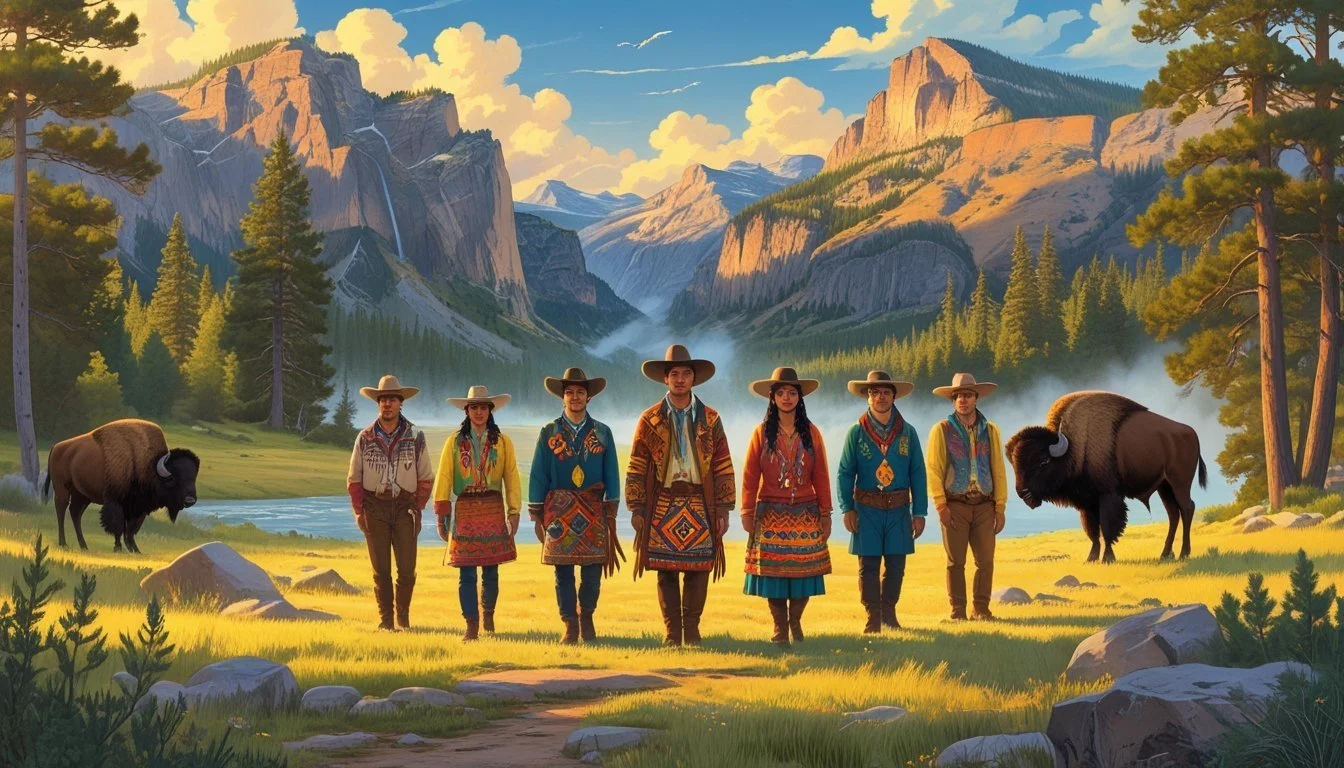
Yellowstone stands apart as a portrait of American life, linking the values of freedom, land, and tradition with the daily realities of the modern West. The show’s attention to setting, characters, and cultural tensions shapes its broad influence and deep resonance.
Exploring Cowboy Culture
At the heart of Yellowstone is its unwavering focus on cowboy culture. The Dutton Ranch operates as both workplace and home, where cowboys uphold a code that values loyalty, endurance, and self-reliance. Scenes of branding, herding, and rough cattle work ground the story in authenticity.
The series carefully explores the contrasts and conflicts between classic American masculinity and evolving social roles. Cowboys are not just backdrop; they shape the ranch’s identity, influencing decisions from family disputes to clashes with outsiders.
Yellowstone gives time to the ethics and unspoken rules of life on the range. By following characters like Rip Wheeler and Kayce Dutton, viewers see the sacrifices and pride embedded in maintaining the land. The cowboy is not only a worker but a symbol of the freedom and hardship that define much of American history.
Montana’s Landscape and Significance
Montana is more than just a setting for Yellowstone—it is a key character within the series. Vast prairies, rugged mountains, and endless skies serve as a powerful visual backdrop, reinforcing themes of independence and territorial pride.
The state’s landscape reflects the Duttons’ constant battle to preserve their ranch. Ownership of land in Montana, with its beauty and harshness, becomes a point of both contention and honor. Land, in this context, is tied directly to American identity, expressing both opportunity and fragility.
Through sweeping cinematography and attention to detail, Yellowstone taps into a cultural nostalgia for the frontier. This connection to place underscores the story’s central conflicts over freedom, change, and tradition—core attributes associated with Montana in the broader American imagination.
Rural Viewers and National Appeal
Yellowstone’s primary audience includes rural viewers who recognize their own values and challenges in the show’s characters and conflicts. The depiction of the Dutton Ranch resonates with those who see family, work, and land as inseparable aspects of life.
The series does not limit itself to rural settings, however. Its portrayal of the intersection between tradition and modernity appeals to a wide national audience. Americans across various regions see reflections of national debates about identity, property rights, and change.
Yellowstone extends its influence into popular culture, affecting how viewers dress, travel, and even discuss politics. By bridging rural authenticity with mainstream appeal, it highlights persistent divides while showcasing the shared threads of American experience.
The Dutton Family Legacy
The Dutton family’s control of their Montana ranch spans several generations, reflecting themes of legacy, tradition, and the complexity of maintaining power. Each member’s role, ambitions, and struggles reveal why their story resonates deeply with American viewers.
Patriarch John Dutton’s Role
John Dutton, played by Kevin Costner, stands at the helm of the Dutton family dynasty. As patriarch, he balances his desire to preserve the family’s vast ranch with navigating threats from developers, government agencies, and neighboring Native American tribes.
He embodies old-school leadership, relying on loyalty, hard decisions, and a willingness to defend family interests at all costs. John’s decisions often set the tone for the ranch’s future, making him both a stabilizing and polarizing force.
Through John’s leadership, viewers see the burdens that come with defending both land and legacy in modern America. His character anchors the show’s central conflicts and makes plain what’s required to sustain a family dynasty.
Family Drama and Succession
Succession within the Dutton family is fraught with conflict, mistrust, and shifting alliances. Decisions about who will eventually inherit the ranch are complicated by personal rivalries and unresolved grievances.
Key events and crises force family members into difficult choices. Power struggles become public, exposing weaknesses while reinforcing the strength required to maintain a legacy.
The drama is heightened by the constant threat to the ranch’s survival—from outside forces and within. Family meetings turn into battlefields, shaping the succession narrative with each passing season.
Beth Dutton, Kayce Dutton, and Jamie Dutton
Beth Dutton is fiercely loyal and often ruthless, acting as John’s main confidante and enforcer. Her sharp intelligence and willingness to confront adversaries make her indispensable, though her methods can be divisive within the family.
Kayce Dutton brings a measured approach, shaped by his military background. He struggles between loyalty to his father and a desire to do what’s right for his own family. Kayce’s journey is marked by difficult moral choices and a deep connection to the land.
Jamie Dutton feels like an outsider, seeking approval but often clashing with both John and Beth. His background in law and politics provides strategic advantages, but his personal turmoil and ambition create friction in the family’s power structure.
Character Main Traits Role in Family Beth Dutton Strategic, ruthless Advisor, enforcer Kayce Dutton Principled, loyal Mediator, successor Jamie Dutton Intelligent, conflicted Legal/political operator
Comparison to Dynasties in American Culture
The Dutton family’s saga mirrors historic American dynasties, such as the Kennedys or Rockefellers, where legacy and power drive internal and external conflicts. Their struggle to safeguard generational wealth and navigate succession issues reflects themes found in prominent families throughout U.S. history.
Like many real-life dynasties, the Duttons balance public perception with private dysfunction. Loyalty, betrayal, and an unwavering commitment to protect what’s theirs define the tone of their interactions.
Yellowstone frames the family ranch as more than just property. It serves as a symbol of American endurance, ambition, and the perpetual tension between tradition and change that define influential American lineages.
The American West as a Character
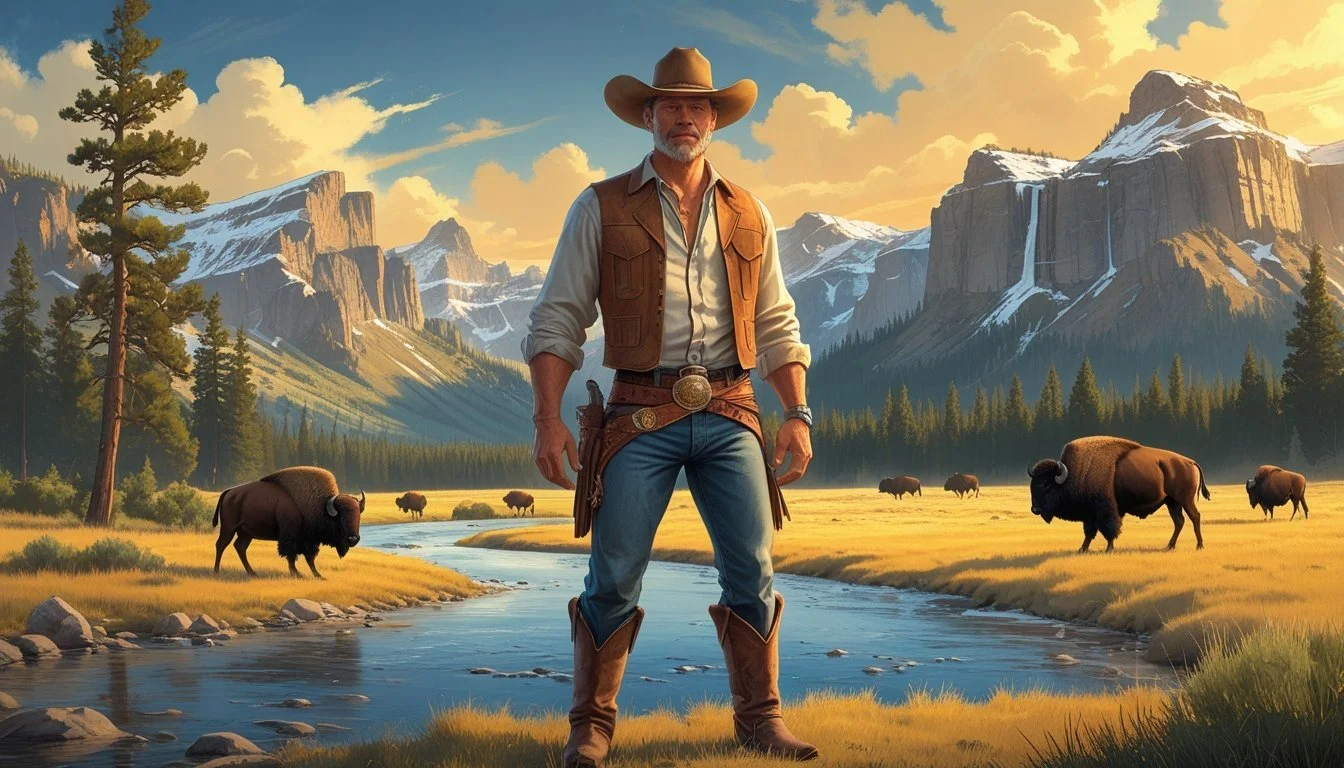
Yellowstone transforms the setting of Montana into more than just a backdrop; it becomes an undeniable force that shapes the Dutton ranch, the characters, and their conflicts. The series uses the vastness, harshness, and beauty of the land to explore enduring American themes.
Symbolism of Wide Open Spaces
The wide open spaces of Montana serve as a symbol of freedom and possibility, echoing the historical mythology of the American West. Expansive landscapes appear in nearly every episode, emphasizing both the promise and isolation that this land represents.
The visual scale—rolling hills, snowy mountains, endless skies—places individual struggles against a larger natural world. This physical setting is not empty: it is alive with wildlife, changing seasons, and the legacy of those who have claimed and worked the land before.
For the people living at Dutton Ranch, the land is both sanctuary and harsh taskmaster. The ever-present wilderness shapes their culture, decisions, and sense of identity. Storylines continually reference how the characters' fates are intertwined with this unique, sometimes unforgiving terrain.
Land Ownership and Conflict
Ownership of land drives much of the tension within Yellowstone. The Dutton family’s claim to the ranch—and their willingness to defend it—reflects the real-world stakes surrounding Montana property and legacy.
Conflicts erupt over boundaries with developers, governmental authorities, and the neighboring Broken Rock reservation. Each group sees the land differently: as heritage, asset, or rightful home. Legal battles, betrayals, and alliances often center on who truly belongs on the land and who holds the power to shape its future.
The Duttons’ stewardship of the ranch also highlights generational pressures. Land in Yellowstone is not only property—it is tradition, responsibility, and the ultimate source of both pride and turmoil. These ongoing disputes parallel larger themes of American expansion, displacement, and the struggle for survival in a changing West.
Power Struggles and American Themes
Yellowstone uses intense family conflict, land battles, and personal vendettas to show major tensions that shape American identity. Issues of liberty, sovereignty, and justice are foregrounded through specific relationships and choices that the Duttons and their adversaries make.
Libertarian Values and Individualism
Yellowstone consistently highlights libertarian values rooted in individualism and self-reliance. The Dutton family operates largely outside government influence, defending their land through personal means rather than relying on state or federal intervention.
John Dutton, the family patriarch, views his rights over the ranch as absolute. This stance often leads to open defiance of bureaucracy, environmental regulators, and law enforcement. He sees his stewardship as a moral and generational obligation, not just a question of property rights.
Actions and dialogue throughout the series reinforce ideals like personal liberty, private property, and the suspicion of outside authority. The show’s Western setting further amplifies these themes, invoking images of the frontier and rugged independence.
Example Description Land disputes Settled without courts or police Ranch traditions Maintained outside official channels Loyalty Prioritized over public policy
Conflict with Native American Tribes
Yellowstone devotes significant focus to the Duttons’ conflict with the neighboring Broken Rock Reservation, dramatizing historic and ongoing disputes between settlers and Indigenous people over land ownership and sovereignty.
The Broken Rock tribe, led by Thomas Rainwater, seeks to reclaim ancestral territory. Power imbalances, ambiguous legal agreements, and generational trauma make negotiations fraught and often adversarial. The Duttons view their land as legacy; the tribe views it as stolen heritage.
Tensions are heightened by economic interests, political maneuvering, and cultural pride. The series avoids simple resolutions, instead presenting dilemmas rooted in real-life disputes that have shaped the American West.
Key recurring issues:
Disputes over river and grazing rights
Casino development versus ranch preservation
Questions of legal jurisdiction on tribal land
Vengeance and Justice in Modern Drama
Vengeance plays a central role in Yellowstone, blurring the line between justice and personal retribution. When the Duttons or their allies are wronged, retaliation is swift and direct, often bypassing legal channels.
Acts of violence are frequently portrayed as justified responses to threats against family or land. Characters enforce their own codes of justice, echoing older traditions of frontier law where survival depended on self-enforcement.
This theme connects to broader questions about the limits of power and the gap between legal justice and moral retribution in American society. The show explores whether vengeance can substitute for justice or only fuels the cycle of conflict.
Common forms of retribution in Yellowstone:
Kidnapping or exile of enemies
Secret alliances and betrayal
Escalation of violence outside the courts
Impact and Popularity in American Television
Yellowstone’s audience reach and its intense resonance with contemporary viewers have set it apart in a crowded television landscape. Its specific blend of rural drama and family tension drives a distinct value proposition compared to major network and streaming rivals.
Yellowstone as the Most-Watched Show
Yellowstone has consistently been among the most-watched television series in the United States, outpacing scripted competitors and sometimes trailing only live sports like NFL broadcasts. According to industry data, it was the most-watched show on television outside of football during its latest season.
The series drew larger live audiences than other cultural staples, including The Walking Dead and Game of Thrones, which dominated in previous years. The show's broadcast on Paramount Network, rather than premium cable or major streaming services like Netflix or Max, underscores its unique mass appeal.
Unlike newer prestige dramas, Yellowstone thrives with a demographic that historically favored traditional cable viewing. This sets it apart from recent hits like Billions that skew toward New York finance settings and streaming-first audiences. Its broad success also contributed significantly to Paramount+ subscriber growth.
Appeal to Modern Audiences
Yellowstone’s appeal rests on its grounded depiction of family power struggles, land disputes, and rural American life in Montana, blending classic Western themes with modern storytelling. Audiences are drawn to the show’s portrayal of masculinity, identity, and changing values without excessive stylization.
The show’s cultural impact extends beyond typical Western tropes. Key elements such as high-stakes drama and moral ambiguity reflect current societal debates, making it relevant to viewers concerned with legacy, property, and community. This differs from fantastical storylines found in Game of Thrones or apocalyptic scenarios in The Walking Dead.
Yellowstone also taps into nostalgia for a way of life perceived as fading, creating emotional investment for many. Its strong ratings and cultural resonance signal not only popularity, but influence on both viewing habits and American television narratives.
The Creative Force Behind Yellowstone
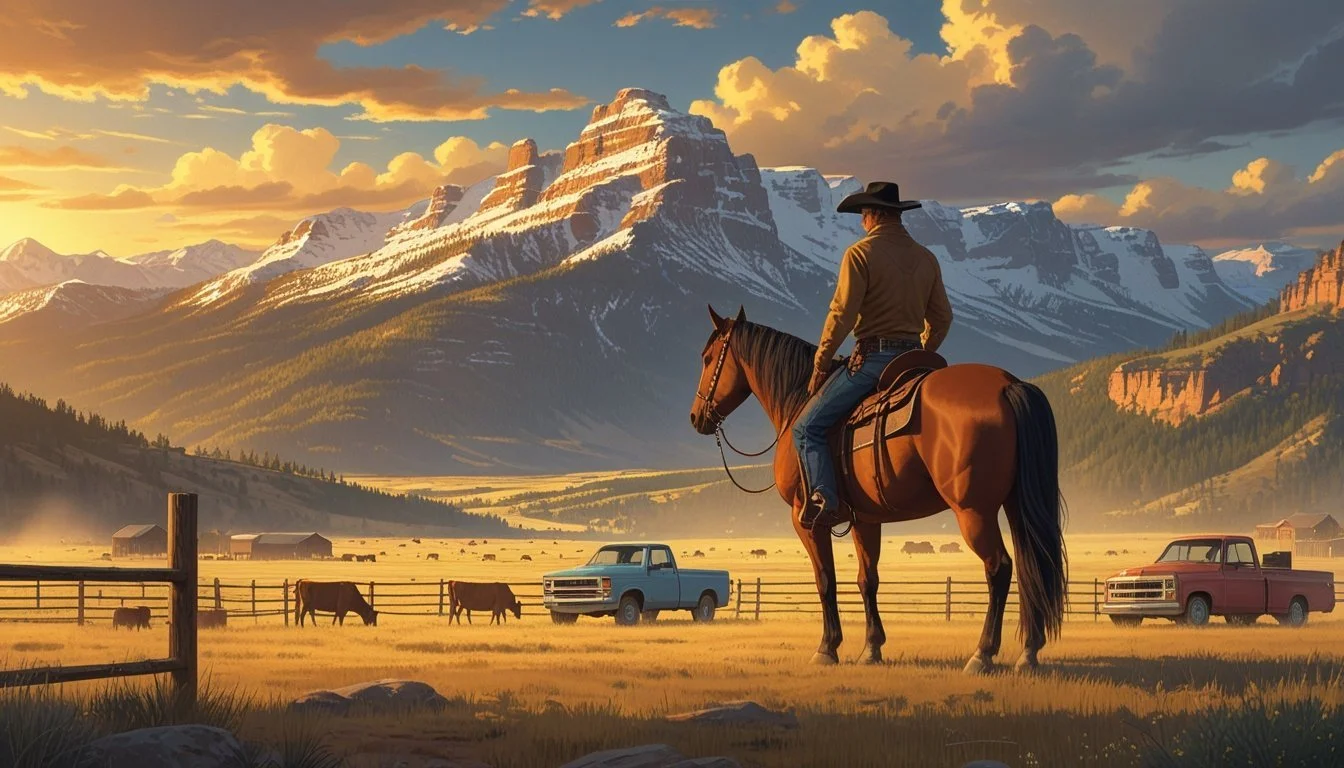
Taylor Sheridan is the primary creative mind responsible for Yellowstone, guiding every aspect of the show’s tone and story. The series features noteworthy acting, including Kevin Costner’s leading performance. Sheridan’s background and earlier works, such as Wind River, Sicario, and Hell or High Water, strongly influence the show’s approach and attention to detail.
Taylor Sheridan’s Signature Style
Taylor Sheridan’s writing blends authentic Western culture with sharp dialogue and complex characters. Raised in Texas and familiar with real ranching life, Sheridan channels personal experience into the show. He focuses on themes of land, family legacy, and power, depicting rural America with realism.
Sheridan’s scripts are marked by succinct, impactful conversations and morally ambiguous decisions. His direction emphasizes tension built from character motivations rather than spectacle. He is known for allowing silence and landscape a role in storytelling, showing restraint rarely seen in contemporary television drama.
Sheridan’s previous experience as an actor gives him insight into character development and what resonates with audiences. His hands-on approach to storytelling is central to why Yellowstone feels grounded yet dramatic.
Acting Talent and Performances
Yellowstone’s casting is anchored by Kevin Costner, who brings gravitas and believability to the role of John Dutton. Costner’s decades-long film career, including his Oscar-winning work on Dances with Wolves, translates into a nuanced portrayal that avoids melodrama.
The ensemble cast, including Kelly Reilly, Luke Grimes, and Cole Hauser, delivers performances that avoid stereotypes, reflecting real human complexity. Their ability to express tension, grief, and stubbornness sells the show’s high-stakes conflicts over land and family.
Sheridan’s reputation attracts talent seeking substantial roles, as he is known for writing multi-dimensional characters. As a result, the show’s acting consistently rises above genre clichés.
Connections to Wind River, Sicario, and Hell or High Water
Sheridan’s previous screenwriting credits—Wind River, Sicario, and Hell or High Water—share thematic DNA with Yellowstone. Each story explores moral ambiguity, the struggle for justice, and the complexities of modern American life. These films earned both critical acclaim and awards consideration, with Hell or High Water securing Sheridan an Oscar nomination for Best Original Screenplay.
Wind River’s chilling atmosphere and focus on frontier justice inform Yellowstone’s mood and subject matter. Sicario’s relentless tension and depiction of law enforcement’s limits echo in the personal and legal battles the Duttons face.
By blending elements from these acclaimed films, Sheridan gives Yellowstone a cinematic feel and deeper resonance than the typical TV Western. The result is a series with broad appeal but also a distinctly personal auteur’s vision.
Franchise Expansion and Spin-Offs
Since its debut, Yellowstone has rapidly grown into a television universe with interconnected stories and characters. Several prequels, spin-offs, and related series have broadened the franchise, each exploring different periods and aspects of the Dutton family legacy.
Prequel Series: 1883 and 1923
1883 follows James and Margaret Dutton as they leave poverty-stricken Texas and travel west to Montana, showing the harrowing journey that leads to the birth of the Yellowstone Ranch. The narrative is grounded in real challenges of the late 19th-century American frontier, highlighting survival, family sacrifice, and the vision that sparked the Dutton dynasty.
1923 builds upon this legacy, set during Prohibition and the Great Depression. Starring Harrison Ford and Helen Mirren, 1923 dives into evolving threats facing the Duttons, from economic hardships to new rivals. Both series use historical context to frame the family’s story, connecting the Dutton mythos to actual American history.
The Future of the Yellowstone Universe
Paramount has continued expanding the Yellowstone brand with new projects designed to explore fresh narratives and time periods. The upcoming sequel, tentatively titled Y: 2024 or Y: Marshals, promises to extend the main storyline beyond the original show’s ending.
A table of planned and current projects:
Series/Spin-Off Time Period Notable Focus 1883 1880s Dutton family's westward journey 1923 1920s-1930s Second generation Duttons Y: Marshals Modern Continuation after Yellowstone
Taylor Sheridan’s universe keeps evolving, with new characters, conflicts, and locations to maintain audience interest. The franchise’s direction signals a long-term commitment to deepening the Dutton saga.
Related Shows: 6666 and Mayor of Kingstown
6666 is a spin-off set at the legendary Four Sixes Ranch in Texas, one of the largest and oldest working ranches in the country. Unlike the other series, 6666 focuses on the present day lives of modern-day cowboys, ranch traditions, and the challenges of running a vast estate. It stands apart by shifting away from the Dutton family’s direct story while retaining the broader western themes.
Mayor of Kingstown is another series under the Taylor Sheridan banner, though not directly tied to the Duttons. It explores power dynamics, crime, and incarceration in a Michigan town dominated by the prison industry. While not focused on ranch life, the show shares Yellowstone’s strong sense of place and struggle for authority, reinforcing themes common to Sheridan’s creations.
Production, Distribution, and Streaming Platforms
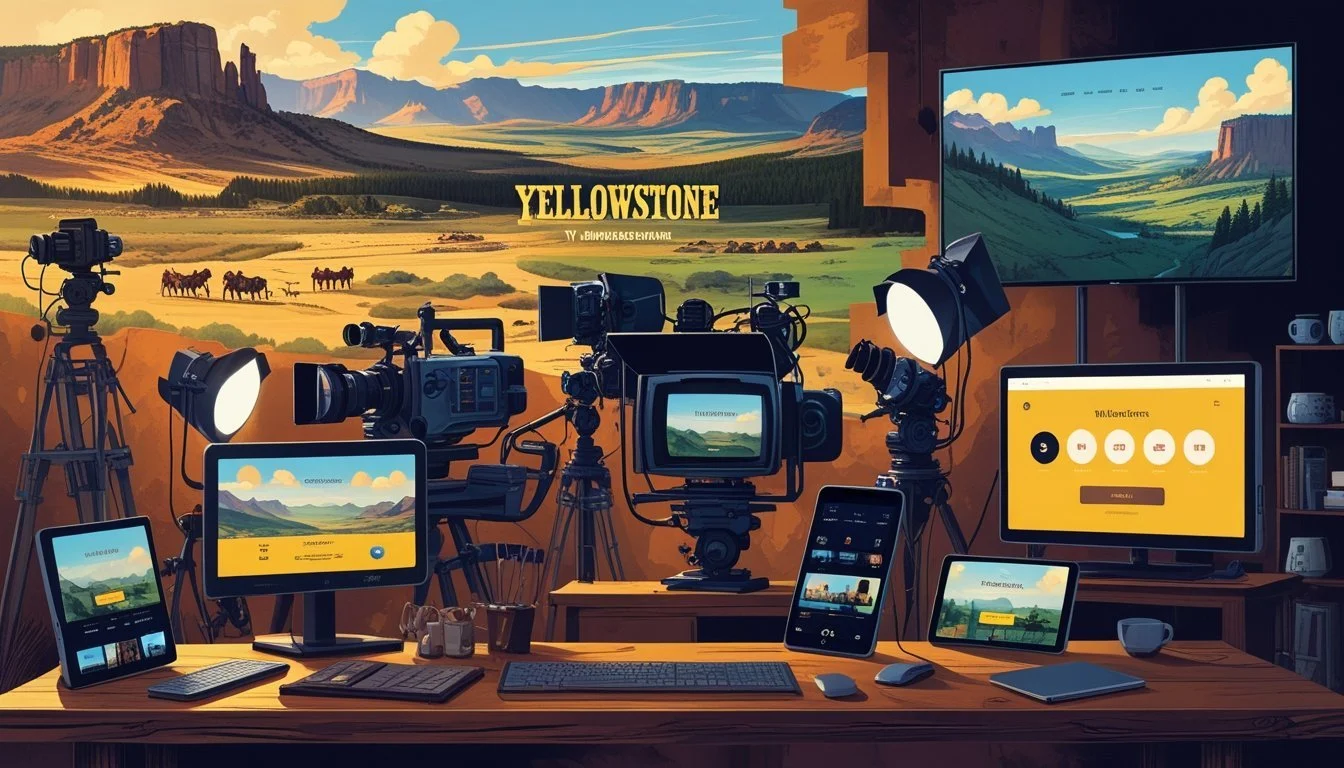
Yellowstone’s reach and popularity are closely tied to its production alliances, shifting streaming deals, and the competitive streaming landscape in the U.S. Decisions by media giants directly affected how viewers discovered and watched the series, from cable premieres to complex digital licensing.
Paramount Network and Paramount+
Yellowstone debuted on the Paramount Network, a basic cable channel known for adult-oriented drama. The show’s strong ratings boosted the channel’s relevance and branded it as a home for contemporary Western stories.
Paramount, seeing the show’s potential, used Yellowstone to drive subscriptions to its streaming service, Paramount+. Despite this, licensing complexities meant early seasons were available on Peacock, not Paramount+, causing confusion among potential subscribers who expected to find all episodes in one place.
Over time, more Yellowstone-related content, such as spinoffs and exclusive behind-the-scenes features, became central offerings on Paramount+. The network has relied on these shows as subscriber draws, making Yellowstone one of its cornerstone franchises.
Influence of ViacomCBS and Corporate Strategy
ViacomCBS, now known as Paramount Global, orchestrated Yellowstone’s distribution with a focus on maximizing its value across multiple platforms. The company balanced traditional cable presence with modern streaming needs.
A key part of this strategy included selling streaming rights to third parties like Peacock before fully integrating content onto its own service. This move brought short-term gain but meant Paramount+ could not initially provide the show’s complete catalog.
ViacomCBS shaped its approach by capitalizing on Yellowstone’s success to support Paramount+ growth. As licensing agreements expire, more content migrates back under the Paramount umbrella, further consolidating its library and strengthening its streaming position.
Competition: Disney+, Hulu, Peacock, Netflix, and Max
The streaming market is crowded, with major platforms like Disney+, Hulu, Peacock, Netflix, and Max competing for audience attention. Yellowstone’s initial streaming arrangement, with earlier seasons on Peacock and new content on Paramount+, created a fragmented viewing experience.
Compared to exclusive originals on rivals like Netflix and Disney+, Yellowstone’s split approach highlighted challenges in content distribution during the streaming wars. Audiences sometimes had to navigate multiple services for a complete experience.
List of relevant platforms and their Yellowstone connection:
Platform Yellowstone Availability Paramount+ New seasons, spinoffs, exclusives Peacock Early seasons (USA) Netflix Not available Disney+ Not available Hulu No direct Yellowstone content Max Not available
This split access reflects how distribution rights and corporate decisions have shaped how and where fans can watch Yellowstone, setting it apart from many streamlined streaming exclusives.
Cultural Influence and Lasting Nostalgia
Yellowstone’s influence extends from shaping cultural conversations to reviving interest in Western storytelling. The series explores American identity through its setting, themes, and characters, while reawakening nostalgia for the classic American West.
Impact on American Storytelling
Yellowstone has become a pivotal force in modern American television. Its depiction of family loyalty, land disputes, and rural values pushes the boundaries of mainstream drama. The show’s ensemble of strong, complex characters helps to dissect modern questions of power and belonging.
The series directly addresses Native American rights and cultural tensions, elevating these discussions in popular culture rather than avoiding them. Characters like Thomas Rainwater add depth by portraying perspectives often left out of mainstream TV.
With a consistently large and dedicated viewership, Yellowstone puts issues of American identity, sovereignty, and tradition in the spotlight. It effectively merges current social themes with the allure of rugged landscapes and high-stakes conflicts.
Nostalgia for Westerns and Old America
Yellowstone uses familiar tropes of the Western genre—a family fighting for their land, generational conflicts, and cowboy symbolism—to create a sense of nostalgia. This approach resonates with viewers who long for older models of self-reliance and rural community.
Costume choices, horseback chases, and sweeping ranch vistas all contribute to the imagery of a bygone era. The show’s unapologetic embrace of Americana romanticizes the idea of the West as both a setting and a state of mind.
By rekindling interest in the myths and values of classic Westerns, Yellowstone connects present-day viewers to a collective memory and identity. This nostalgia is not merely aesthetic but reinforces ideas of who Americans are and where they come from.
