
Yellowstone Predicted Montana's Shift from Cattle to Cannabis
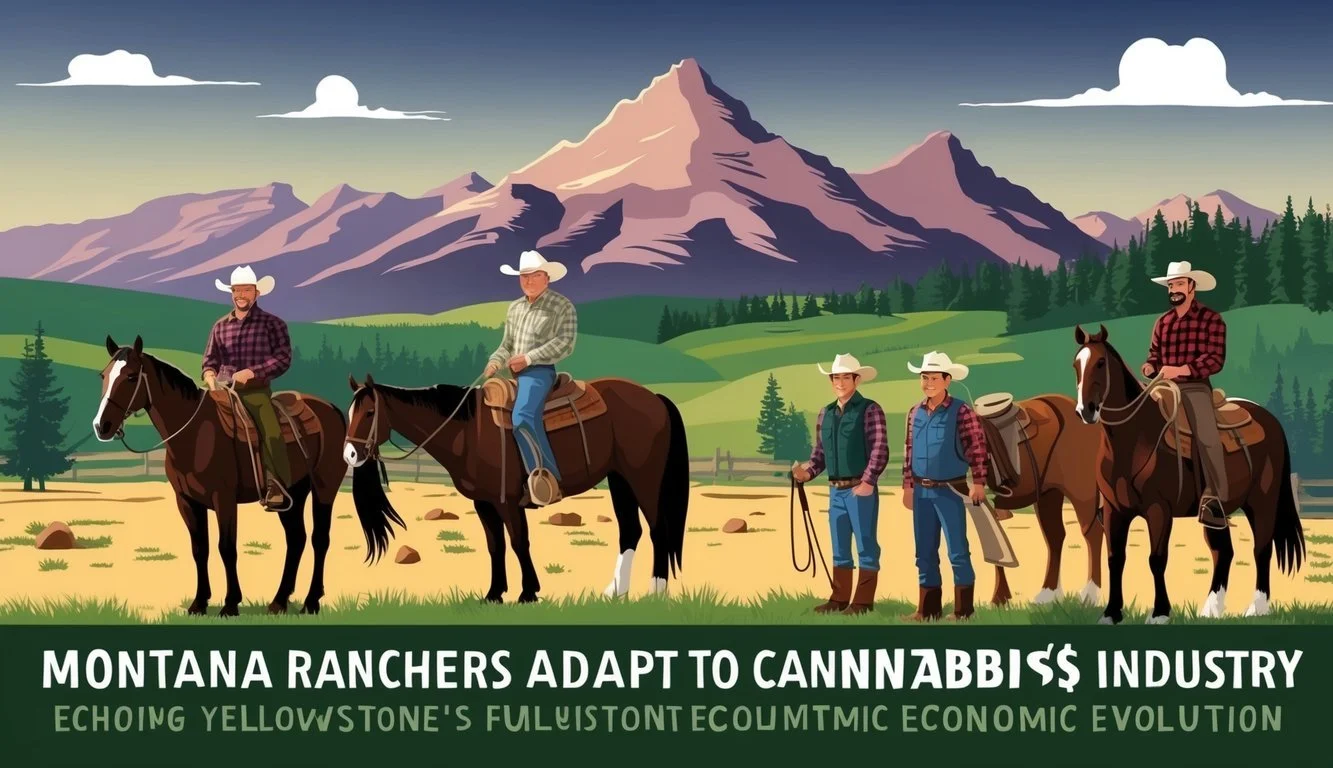
Montana's economic landscape has undergone a remarkable transformation over the past several decades, shifting from traditional cattle ranching toward emerging industries like cannabis. This evolution mirrors storylines portrayed in the hit television series Yellowstone, which depicts ranch owners navigating changing economic realities.
Montana's agricultural GDP has declined from 15% in the 1980s to under 8% today, while cannabis sales reached $300 million in 2024, creating over 5,000 jobs statewide. The economic diversification extends beyond cannabis to include tourism, technology, and renewable energy sectors that now contribute significantly to the state's financial health.
This economic metamorphosis represents both challenge and opportunity for Montana residents, many of whom maintain deep connections to the state's ranching heritage while embracing new paths to prosperity. The tension between tradition and innovation continues to shape Montana's identity in ways that feel eerily predicted by Yellowstone's fictional narrative.
Historical Overview of Montana's Economy
Montana's economic foundation has undergone remarkable transformations since the territory's early days, shifting from resource extraction to a more diversified landscape that includes tourism and emerging industries.
The Advent of Ranching and Cattle Culture
Montana's vast grasslands attracted cattle barons in the 1860s following the decline of buffalo populations. The Northern Pacific Railroad's completion in 1883 connected Montana to eastern markets, transforming small-scale operations into a booming cattle industry. By 1885, over 600,000 cattle grazed on Montana's open ranges.
The infamous winter of 1886-1887 devastated the industry when temperatures plummeted to -60°F, killing up to 60% of cattle herds. This catastrophe forced ranchers to adopt more sustainable practices, including hay cultivation and fenced grazing lands.
Cattle ranching nevertheless persisted as a cornerstone of Montana's economy and cultural identity. The state's cattle industry generated approximately $1.5 billion annually by the early 2000s, representing a significant economic pillar alongside mining and agriculture.
Yellowstone National Park and Tourism
Established in 1872, Yellowstone National Park significantly influenced Montana's economic trajectory. Initially, the park attracted only 300 visitors in its first year, primarily wealthy easterners arriving by train.
The automobile revolution of the 1920s democratized park access, with visitor numbers surging to over 100,000 annually by 1925. Gateway communities like West Yellowstone and Gardiner developed around park tourism, creating new economic opportunities.
Tourism's economic impact grew steadily throughout the 20th century. By 2019, Yellowstone attracted over 4 million visitors annually, generating approximately $642 million in visitor spending in surrounding communities.
Montana's dependence on Yellowstone tourism created a seasonal economy in many areas, with businesses earning 70-80% of annual revenue during summer months. This pattern pushed the state toward developing year-round attractions and diversifying its tourism offerings beyond Yellowstone's natural wonders.
Agricultural Challenges and Developments
Montana's agricultural sector has faced significant biological threats and economic pressures, prompting adaptive strategies that have reshaped the state's farming landscape. These challenges have driven important innovations in how Montana's agricultural producers operate.
Impact of Brucellosis on Livestock
Brucellosis has severely impacted Montana's cattle industry, particularly in regions bordering Yellowstone National Park. This bacterial disease, transmitted between buffalo, elk, and cattle, causes abortions in female livestock and reduced fertility in males.
The disease has created an expensive management dilemma for ranchers in the Greater Yellowstone Ecosystem. Cattle testing positive for brucellosis require immediate quarantine, often resulting in herd culling and substantial financial losses.
Montana implemented a Designated Surveillance Area in 2010, requiring enhanced testing and vaccination protocols for herds in high-risk counties. These regulations have helped contain outbreaks but added approximately $5,500 in annual compliance costs per operation.
Key Economic Impacts of Brucellosis:
Lost export opportunities due to trading restrictions
Reduced breeding efficiency in affected herds
Higher operational costs from testing and biosecurity measures
Diversification into Crop Production
Montana farmers have increasingly shifted toward crop diversification as a response to livestock challenges and changing market conditions. This transition has transformed previously cattle-dominated landscapes into a mixture of livestock and crop production systems.
Wheat remains Montana's dominant crop, but producers have expanded into pulse crops like lentils and chickpeas. By 2024, Montana became the nation's leading producer of pulse crops, with over 1.2 million acres dedicated to these nitrogen-fixing plants.
Climate-smart agriculture practices have gained prominence, with 65% of Montana farms implementing some form of conservation tillage. These methods improve soil health while reducing input costs.
The shift toward diversification has increased farm resilience. Mixed operations weathered the 2021-2022 drought more effectively than single-commodity producers, maintaining 76% of normal revenue compared to 59% for specialized operations.
Recreational Industries and Conservation Efforts
Montana's economic landscape has expanded beyond traditional ranching to embrace recreational activities that capitalize on its natural beauty. These industries have developed alongside crucial conservation efforts, creating a sustainable approach to utilizing the state's resources.
Fly Fishing: Montana's River Gold
Montana's pristine rivers have transformed into economic powerhouses through fly fishing tourism. The state boasts over 450 miles of blue-ribbon trout streams, attracting approximately 500,000 anglers annually who contribute more than $900 million to the local economy.
The film "A River Runs Through It" (1992) catalyzed Montana's fishing industry, increasing tourism by 60% in the five years following its release. Local businesses quickly adapted, with over 200 professional guide services now operating statewide.
Fishing licenses generate $10-15 million yearly for conservation programs. This revenue helps maintain river health through habitat restoration and invasive species prevention efforts.
Communities like Livingston and Ennis have reinvented themselves as fly fishing hubs. These towns now feature specialized retail shops, lodges, and annual fishing festivals that sustain their economies year-round.
Wildlife Preservation in Yellowstone
Yellowstone National Park serves as both conservation triumph and economic engine for Montana. The park's wildlife management programs have successfully reintroduced wolves and stabilized bison populations, creating one of North America's most complete ecosystems.
Wildlife tourism generates approximately $642 million annually for gateway communities. Professional wildlife guides, photography tours, and educational programs employ over 3,000 Montanans in seasonal and year-round positions.
Conservation efforts extend beyond park boundaries through public-private partnerships. The Greater Yellowstone Coalition collaborates with ranchers to establish wildlife corridors that reduce conflicts while preserving traditional land use.
These preservation initiatives have produced measurable results. Grizzly bear populations have increased from fewer than 200 in the 1970s to approximately 700 today, while helping Montana develop its reputation as an ecotourism destination.
Transition to Cannabis Cultivation
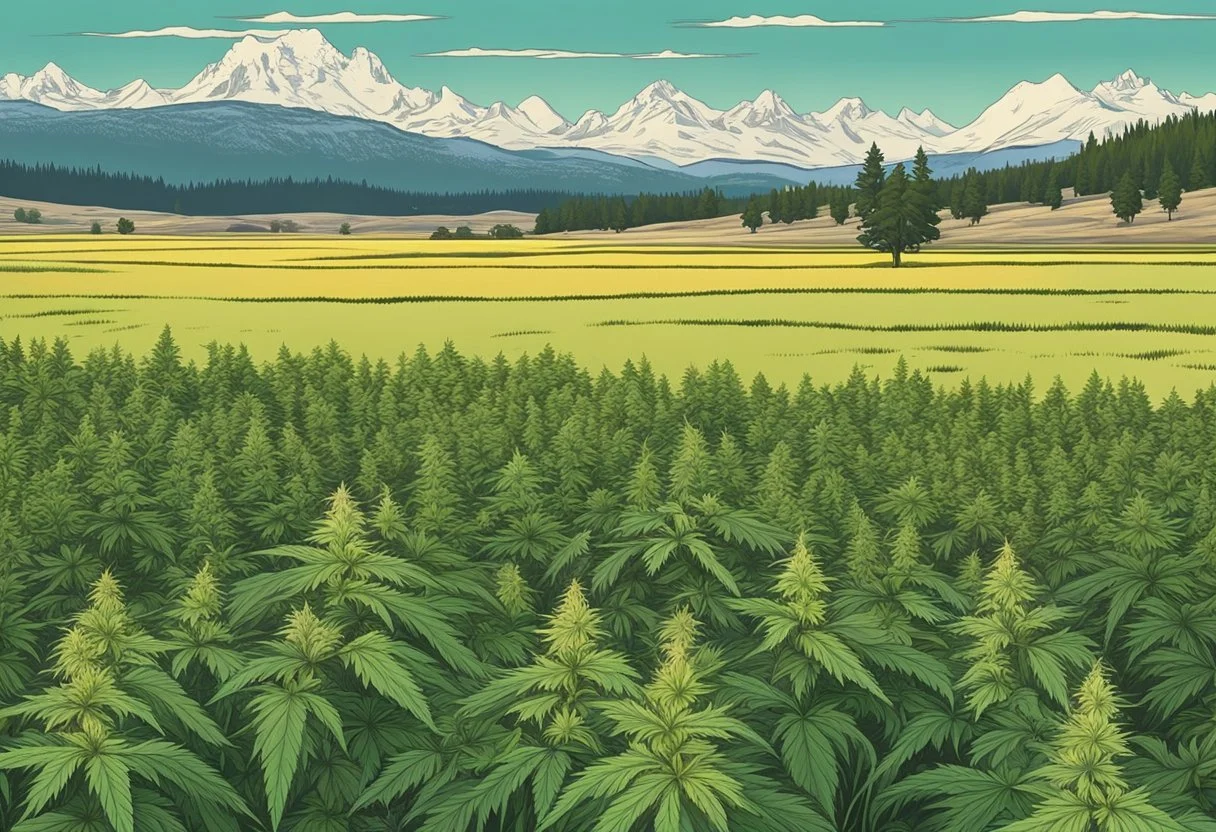
Montana's agricultural landscape began a dramatic shift after the 2020 legalization of recreational marijuana. This transition represents one of the most significant agricultural diversifications in the state's history, creating new economic opportunities for former ranchers and traditional crop farmers.
Legislation and Economic Incentives
Montana voters approved Initiative 190 in November 2020, legalizing recreational cannabis for adults 21 and over. The Montana Legislature followed with House Bill 701 in 2021, establishing the regulatory framework for the industry.
Economic incentives proved compelling for farmers considering the switch. Cannabis cultivation can generate $400,000-$800,000 per acre annually, compared to just $600-$1,200 per acre for traditional crops like wheat or barley.
Tax revenue has become substantial for the state. Montana collected $31.6 million in cannabis taxes during fiscal year 2024, with 20% allocated to conservation programs.
Several counties established "green zones" with reduced property tax rates for cannabis operations, further incentivizing agricultural conversion.
Comparative Analysis with Traditional Farming
Cannabis cultivation differs significantly from traditional Montana farming practices. The crop requires approximately 6 gallons of water per plant daily, compared to dryland wheat farming that relies primarily on natural precipitation.
Labor requirements present another stark contrast. Cannabis operations employ 17-25 workers per acre, while modern cattle and grain operations typically require just 1 worker per 500-1,000 acres.
Initial investment costs are higher for cannabis cultivation:
Expense Category Cannabis (per acre) Traditional Crops (per acre) Infrastructure $185,000-$250,000 $5,000-$15,000 Annual Inputs $75,000-$120,000 $200-$450 Labor $350,000-$500,000 $30,000-$50,000
Risk profiles differ substantially. Cannabis offers higher profit potential but faces greater regulatory uncertainty and market volatility than established agricultural commodities.
Montana's smaller cannabis operations (under 5 acres) have shown 68% better survivability than large-scale ventures during market fluctuations.
Yellowstone's Influence on Public Perception and Policy
Yellowstone National Park has dramatically shaped Montana's policy decisions and cultural landscape since its establishment as America's first national park. The iconic wilderness has not only transformed how Americans view conservation but has directly influenced Montana's shifting economic priorities.
Cultural Shifts and Environmental Awareness
Yellowstone National Park fundamentally altered environmental attitudes across Montana and beyond. Prior to its establishment in 1872, the region was primarily valued for resource extraction and development potential.
The park's designation introduced the revolutionary concept that wild spaces held inherent value beyond their economic resources. This philosophy gradually permeated Montana's culture, with conservation becoming increasingly central to state identity.
By the early 2000s, polling showed that 76% of Montanans considered environmental protection a top priority, compared to just 32% in 1970. This shift created fertile ground for policy changes supporting sustainable industries.
Local businesses increasingly adopted "Yellowstone-friendly" practices to appeal to eco-conscious consumers. The park effectively served as a cultural touchstone that legitimized environmental concerns within mainstream Montana politics.
Tourism and the Image of Yellowstone
Yellowstone's global recognition transformed Montana's economic self-image from a resource-extraction state to a premium destination. The park attracts over 4 million visitors annually, generating $642 million in local economic activity.
This tourism boom created widespread recognition of wilderness as an economic asset. State marketing campaigns prominently feature Yellowstone imagery, even for regions hundreds of miles from the park itself.
Tourism Impact on Montana's Economy (2024)
Sector Jobs Created Annual Revenue Hospitality 12,400 $1.2 billion Recreation 8,700 $780 million Retail 5,300 $420 million
Montana legislators increasingly reference "the Yellowstone effect" when advocating for conservation initiatives. The park's success story provides compelling evidence that protecting natural resources can yield superior economic results compared to extractive industries.
The Future of Montana's Economy
Montana stands at a crossroads, with traditional industries evolving alongside emerging opportunities. Economic forecasts suggest a diversified landscape where both agricultural heritage and new ventures like cannabis will shape the state's financial trajectory.
Predictions for the Agricultural Sector
Montana's agricultural future faces both challenges and possibilities. Climate change will likely alter growing seasons, potentially extending them in some regions while creating water scarcity issues in others.
Experts project increased adoption of drought-resistant crops and precision agriculture technologies among Montana farmers by 2030. These adaptations will be necessary as weather patterns become less predictable.
Value-added processing facilities are expected to increase by 15-20% over the next decade, allowing farmers to capture more revenue from their products locally. This shift responds to consumer demands for locally-sourced foods.
Key Growth Areas:
Specialty grain production for craft brewing and distilling
Organic certification to access premium markets
Regenerative agriculture practices that restore soil health
Livestock operations will likely continue consolidating, though niche markets for grass-fed and naturally-raised animals show promising expansion potential.
Prospects of Cannabis Industry Growth
Montana's cannabis sector shows remarkable growth potential following legalization. Current projections indicate the market could reach $300 million annually by 2027, creating approximately 4,000 direct jobs.
Rural communities particularly stand to benefit as cultivation facilities bring employment opportunities to areas previously experiencing economic decline. Tax revenue continues to exceed initial forecasts, with funds directed toward conservation and addiction treatment programs.
Industry Challenges:
Banking restrictions due to federal prohibition
Market saturation concerns as more producers enter
Regulatory compliance costs for small businesses
Tourism synergies represent an untapped opportunity, with "cannatourism" drawing visitors interested in Montana's unique cultivation environment. Industry experts predict specialized tours similar to wine country experiences developing within 3-5 years.
Investment in research partnerships between cannabis companies and Montana universities is increasing, focusing on medicinal applications and sustainable growing practices. These collaborations may position Montana as a leader in cannabis innovation.
Conclusion
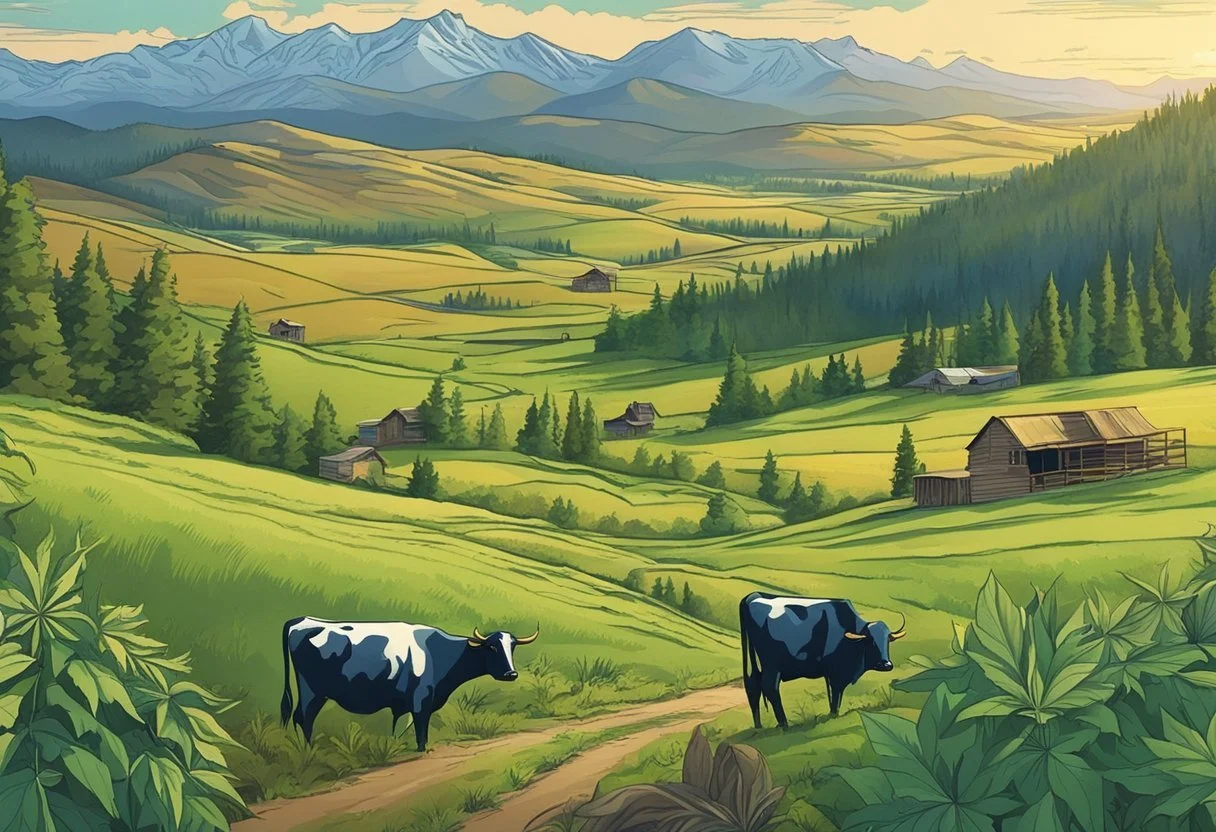
Montana's economic transition from traditional ranching to diversified opportunities mirrors the narrative arc portrayed in the television series Yellowstone. The show has inadvertently documented a state in flux, where century-old industries coexist with emerging markets.
Tourism generated by the show has created a new economic engine for the state. Visitor spending at filming locations and Yellowstone-inspired experiences has injected millions into local economies, creating jobs beyond traditional sectors.
Cannabis legalization represents another pivotal shift in Montana's economic landscape. The industry has created thousands of jobs and generated substantial tax revenue, helping rural communities diversify their economic foundations.
Agricultural innovation continues to adapt. Forward-thinking ranchers have embraced sustainable practices, direct-to-consumer models, and value-added products to maintain viability in changing markets.
The state now balances preservation and progress. Policy makers work to protect Montana's cultural heritage while embracing new economic opportunities that can sustain communities for generations to come.
This economic evolution isn't without tension. The clash between tradition and innovation portrayed in Yellowstone reflects real challenges facing Montana residents as they navigate change while honoring their heritage.
Montana's future appears to be one of strategic diversification rather than replacement. The enduring appeal of both the show and the state lies in their ability to blend the rugged individualism of the past with the economic necessities of the present.
