
Yellowstone Exposes America's Urban-Rural Cultural War
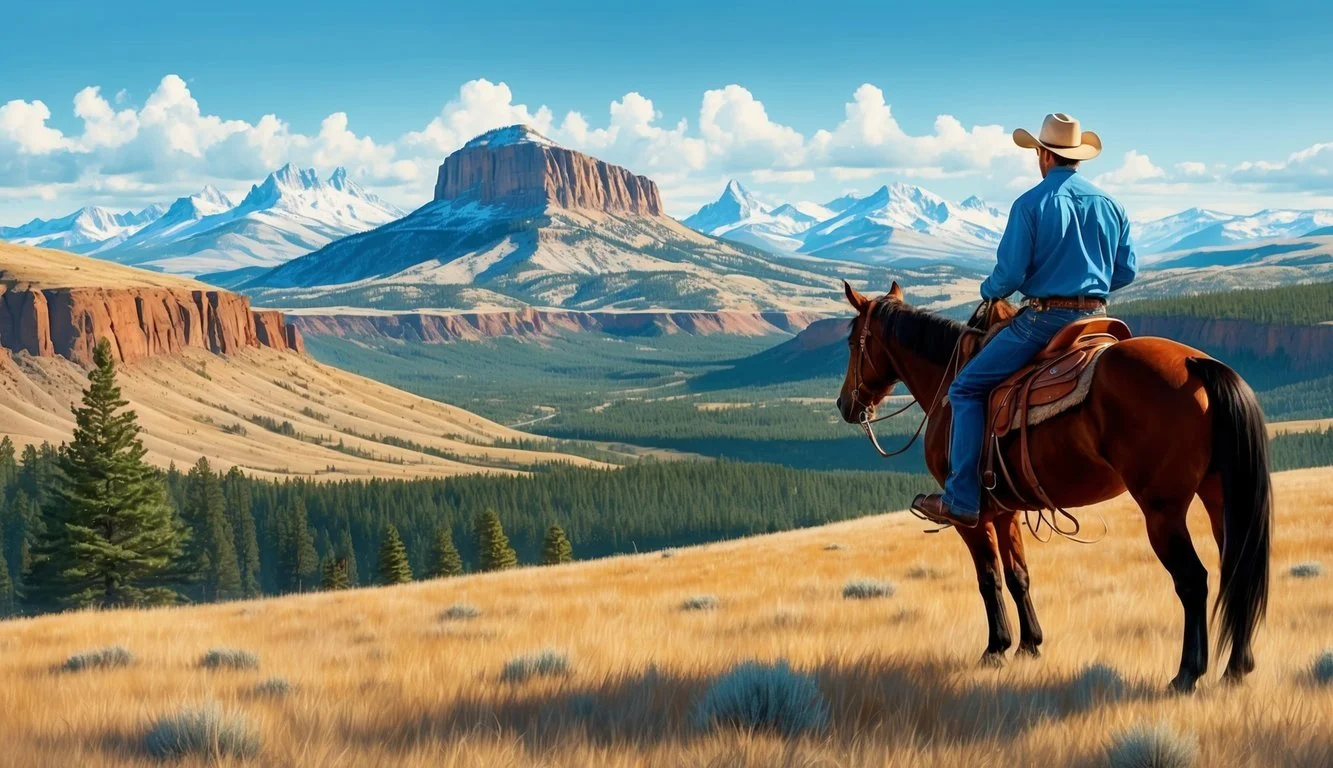
The television series "Yellowstone" has captured America's imagination by portraying the stark cultural divide between urban and rural life. Set against the backdrop of Montana's breathtaking wilderness, the show explores conflicts over land use, tradition, and power that mirror real tensions across the country. The series effectively uses America's relationship with land—particularly areas adjacent to national parks—as a metaphor for deeper philosophical differences between urban and rural worldviews.
These tensions aren't merely fictional constructs but reflect genuine concerns about preservation versus development. Rural communities often view land through a utilitarian lens, as a resource providing livelihoods through ranching, farming, or resource extraction. Urban perspectives frequently prioritize wilderness conservation and recreational access, sometimes overlooking economic realities facing rural residents.
Yellowstone National Park itself serves as both literal setting and powerful symbol in this ongoing cultural conversation. As America's first national park, it represents our evolving understanding of wilderness—from dangerous frontier to sacred space requiring protection. This evolution mirrors changing American values and highlights questions about who should control land and how it should be used.
The History and Significance of Yellowstone
Yellowstone stands as America's first national park, representing a pivotal shift in how the nation viewed its natural resources and wild spaces. Its establishment set precedents for conservation that would reshape American environmental policy for generations to come.
Establishing Yellowstone National Park
Yellowstone National Park was established on March 1, 1872, when President Ulysses S. Grant signed the Yellowstone National Park Protection Act. This groundbreaking legislation created the world's first national park, setting aside over 2 million acres of public land in the territories of Montana and Wyoming.
The park's creation followed the Washburn-Langford-Doane Expedition of 1870, which documented Yellowstone's geothermal features and breathtaking landscapes. Notably, expedition members advocated for preserving the area rather than exploiting it for profit—a revolutionary concept at the time.
Early management fell to the U.S. Army from 1886 to 1918, who protected the park from poachers and vandals until the National Park Service was created in 1916. This transition marked the beginning of professional conservation management in America's wilderness areas.
Conservation Efforts and Land Use Policies
Yellowstone pioneered conservation practices that would later become standard across national parks. The park faced immediate challenges including poaching, tourism impacts, and debates over appropriate land use.
The Leopold Report of 1963 transformed management philosophy by advocating for ecosystem preservation rather than just scenic protection. This shifted focus to maintaining natural processes and protecting wildlife in their natural habitat.
Key conservation milestones include:
Predator protection policies
Wildfire management strategies
Reintroduction of wolves in 1995
Bison conservation efforts
Land use policies evolved from prioritizing tourism development to achieving balance between visitor access and wilderness preservation. These efforts set precedents for how public lands could be managed to benefit both ecological health and human enjoyment.
Yellowstone's Impact on the Environmental Movement
Yellowstone has profoundly influenced American environmentalism, serving as both symbol and proving ground for conservation ideals. Its existence demonstrated that setting aside land for preservation rather than development could become national policy.
The park sparked public interest in natural sciences and outdoor recreation, helping foster a national environmental consciousness. As environmental threats emerged throughout the 20th century, Yellowstone became a rallying point for conservation advocates.
The Greater Yellowstone Ecosystem concept, developed in the 1970s, revolutionized conservation by emphasizing protection beyond arbitrary boundaries. This holistic approach recognized that effective preservation requires managing entire ecosystems rather than isolated reserves.
Yellowstone continues to serve as a living laboratory for studying climate change, wildlife management, and ecosystem dynamics. Its influence extends far beyond its boundaries, shaping how Americans understand their relationship with wilderness and natural resources.
Urban and Rural Perspectives on Wilderness
The relationship with wilderness profoundly shapes the identities and political perspectives of both urban and rural Americans. Different lived experiences create distinct values regarding land management, conservation priorities, and the role of nature in modern life.
Cultural Values of Urban Residents
Urban residents often view wilderness as a recreational escape or pristine sanctuary to be preserved. For many city dwellers, natural landscapes represent a counterbalance to urban environments—spaces for weekend adventures and temporary reconnection with nature.
Conservation typically focuses on preserving untouched wilderness and biodiversity, with an emphasis on aesthetic and ecological values. These perspectives frequently support designating protected areas with restricted development and resource extraction.
Urban wilderness advocates tend to prioritize environmental protection through regulations and federal oversight. Their relationship with wilderness is often episodic rather than daily, creating a different understanding of land management needs than those who live within these landscapes.
Rural Communities and Their Connection to the Land
Rural Americans typically maintain a more utilitarian relationship with wilderness, viewing land as both heritage and livelihood. Daily interactions with natural resources create practical knowledge about ecosystems and sustainable use practices.
For ranchers, farmers, and resource workers, wilderness isn't merely scenery but a working landscape that provides economic stability. These communities often feel their multi-generational knowledge of the land deserves recognition in policy decisions.
Key Rural Perspectives on Land Management:
Working landscapes require active management
Local control is preferable to distant federal oversight
Conservation should balance environmental protection with economic needs
Traditional land uses reflect cultural heritage and identity
Rural residents frequently perceive urban-driven wilderness policies as threatening their economic security and way of life.
The Impact of Land Use on Urban-Rural Relations
Land use disputes intensify urban-rural divisions, particularly when policies restrict traditional activities. National park boundaries, endangered species protections, and resource extraction limitations often become flashpoints for conflict.
These tensions reflect deeper disagreements about who should control the future of wilderness areas. Rural communities resent what they perceive as urban intrusion into local affairs, while urban conservationists worry about environmental degradation.
Common Land Use Conflicts:
Issue Urban Perspective Rural Perspective Logging Protect old-growth forests Sustain timber economy Grazing Restrict to protect ecosystems Maintain ranching traditions Mining Prioritize environmental protection Support local employment
Successful land management increasingly requires collaborative approaches that respect both environmental protection and rural livelihoods. Projects that engage both perspectives often find sustainable solutions that bridge the cultural divide.
Current Environmental Conditions in Yellowstone
Yellowstone National Park faces complex ecological challenges despite its protected status. The delicate balance of wildlife populations, vegetation, and geological features continues to evolve in response to both natural processes and human interventions.
Ecosystem Challenges and Species Preservation
Yellowstone's ecosystem supports remarkable biodiversity, though several species face ongoing threats. Gray wolves, reintroduced in 1995, have reached population stability with approximately 123 wolves in 11 packs as of 2024. Their presence has transformed the ecosystem through trophic cascades.
Grizzly bears have recovered from fewer than 150 in the 1970s to over 700 today in the Greater Yellowstone Ecosystem. This recovery represents a conservation success, though conflicts with humans remain a concern.
The park's bison herds face management challenges when they migrate beyond park boundaries in winter. Between 500-900 bison are typically culled annually due to concerns about brucellosis transmission to cattle.
Whitebark pine, a keystone species, continues to decline from blister rust infection and beetle infestations, affecting grizzly bear food sources and high-elevation ecosystems.
Climate Change Implications for Yellowstone
Temperature increases in Yellowstone have outpaced global averages, with the park warming 1.5°C since 1950. This warming trend has reduced average snowpack by 20% since 1975.
Fire seasons have lengthened by approximately 78 days since the 1970s. The 2021 and 2023 fire seasons saw over 35,000 acres burned, reflecting increasingly frequent high-severity fires.
Thermal features show altered activity patterns, with some geysers changing eruption schedules. Old Faithful's intervals have increased from 66 minutes in the 1950s to approximately 94 minutes today.
Drought conditions have intensified, with 2021-2023 representing some of the driest years on record. River flows in July-August have decreased by 8-15% in major watersheds compared to historical averages.
Human Activities and Their Environmental Impact
Annual visitation reached 4.1 million in 2023, creating significant pressure on infrastructure and wildlife. Traffic congestion during summer months now regularly exceeds road capacity by 30% in popular areas.
Researchers have documented increased wildlife disturbance, with elk and bears showing altered behavior patterns within 200 meters of heavily trafficked areas. Approximately 28% of animal-vehicle collisions involve bison and elk.
Water quality remains generally excellent, though bacterial contamination occurs near high-use areas. Recent testing found microplastic particles in 72% of water samples from major rivers.
Invasive species pose growing threats, with lake trout decimating native cutthroat trout populations in Yellowstone Lake. Aggressive removal efforts have extracted over 3.4 million lake trout since the program began in 1994.
The Psychological Impact of Nature
Natural environments play a crucial role in human psychological well-being. Studies consistently show meaningful connections between exposure to nature and improved mental states, particularly relevant to understanding the rural-urban divide portrayed in shows like Yellowstone.
Mental Health Benefits of Parks and Wilderness
Research demonstrates that wilderness experiences significantly reduce symptoms of anxiety and depression. People who spend at least 120 minutes weekly in natural settings report 60% higher rates of psychological well-being compared to those who don't engage with nature.
Rural environments provide constant access to these benefits, contributing to different psychological baselines between rural and urban residents. This disparity appears frequently in Yellowstone's narrative, where characters find solace and purpose through connection with the land.
The restorative effects include decreased cortisol levels, improved attention span, and enhanced cognitive function. These benefits explain why many urbanites seek wilderness retreats during vacations, temporarily accessing what rural Americans experience daily.
Nature as a Therapeutic Landscape
The concept of "therapeutic landscapes" has gained traction in mental health research, describing environments that promote healing and well-being. Natural settings facilitate meaningful psychological experiences through several mechanisms:
Reduced sensory overload
Opportunities for reflection
Physical activity in unpolluted air
Connection to natural rhythms and cycles
Traditional rural lifestyles depicted in Yellowstone incorporate these therapeutic elements automatically. Characters find clarity through wilderness experiences, often contrasting with the psychological confusion of urban visitors.
Nature therapy programs now formalize these benefits for urban populations struggling with stress disorders. The dramatic tension between rural and urban perspectives in the show often stems from different relationships with natural environments and their psychological impacts.
Future of Yellowstone: Conservation and Coexistence
Yellowstone National Park stands at a critical juncture where decisions made today will shape its ecological integrity for generations to come. The park faces increasing pressures from tourism, climate change, and competing land use interests that require thoughtful solutions balancing human needs with environmental preservation.
Balancing Tourism and Environmental Protection
Yellowstone welcomed over 4 million visitors in 2024, showcasing its global appeal while highlighting sustainability challenges. Park management has implemented timed entry systems at popular sites like Old Faithful to reduce congestion during peak seasons.
Wildlife corridors have been established to protect migration routes for bison, elk, and wolves while keeping tourists at safe distances. These corridors represent a compromise between visitor access and habitat preservation.
The National Park Service has partnered with surrounding communities to develop overflow accommodations outside park boundaries. This strategy aims to reduce development within the park while supporting local economies in gateway towns.
Carbon-neutral transportation initiatives, including electric shuttle systems and improved public transit options, are reducing the environmental footprint of tourism activities. These programs serve both conservation goals and enhance visitor experiences.
Policy Making for Sustainable Land Management
Federal policies increasingly recognize the interconnected nature of Yellowstone's ecosystem beyond arbitrary boundaries. The Greater Yellowstone Ecosystem approach now guides management decisions, acknowledging that wildlife and natural processes don't respect park borders.
Congressional funding for Yellowstone has increased by 15% since 2023, prioritizing projects that address climate resilience and biodiversity protection. This reflects growing political recognition of national parks as climate refuges.
Collaborative governance frameworks now include tribal nations in decision-making processes. The Indigenous Knowledge Integration Initiative has formalized the role of Native American perspectives in park management, honoring historical stewardship practices.
Public-private partnerships have created buffer zones around the park where sustainable agriculture practices support wildlife movement. These arrangements compensate landowners for conservation-friendly land use decisions.
Educational Initiatives and Public Participation
Digital education programs have reached millions through virtual ranger talks and interactive ecosystem maps. These tools build public understanding of complex environmental issues facing Yellowstone and similar landscapes.
Community science projects enable visitors to contribute meaningful data on wildlife sightings, invasive species, and phenology changes. This participatory approach builds public investment in conservation outcomes.
The Yellowstone Youth Conservation Corps has expanded to include urban and rural participants from diverse backgrounds. These programs create pathways for the next generation of environmental stewards while addressing workforce needs.
School curricula nationwide increasingly feature Yellowstone case studies to illustrate environmental concepts. These educational materials help students understand the value of public lands and the environmental movement's role in their protection.
