
Yellowstone Fans Flock to Real Dutton Ranch for 2025 Tours
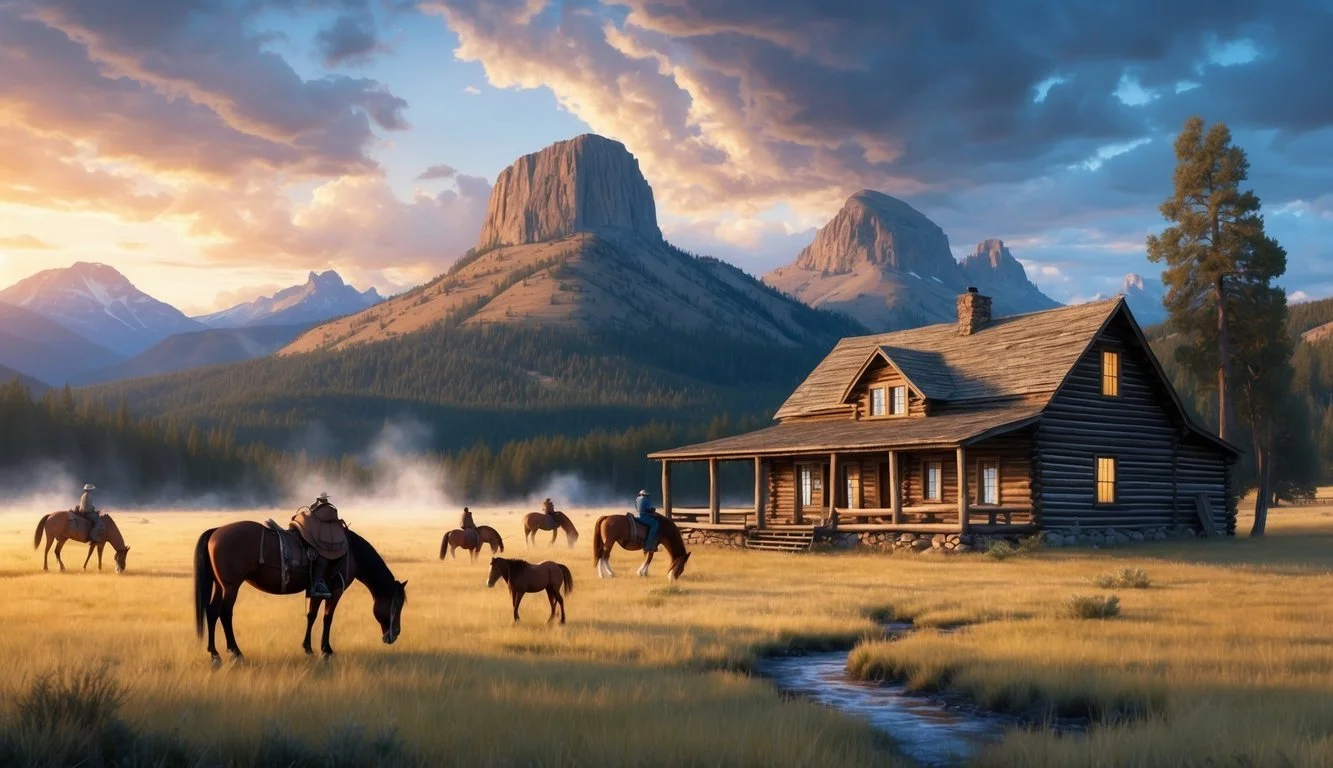
The fictional Dutton Ranch from Paramount's hit series "Yellowstone" has sparked a tourism boom across Montana and the surrounding region. Fans of the show are flocking to experience the rugged landscapes and ranch lifestyles portrayed in Taylor Sheridan's modern western drama. In 2025, visitors can tour several real locations where the series was filmed, including the Chief Joseph Ranch in Darby, Montana, which serves as the exterior of the iconic Dutton family home.
Though you won't encounter John Dutton (played by Kevin Costner) during your visit, the stunning vistas and working cattle operations offer an authentic glimpse into the ranching lifestyle that inspired the show. The Chief Joseph Ranch offers limited tours during specific seasons, allowing visitors to see the lodge, cabins, and grounds where many pivotal scenes were filmed.
Beyond the main ranch, tourists can explore additional filming locations throughout Montana's Paradise Valley and parts of Utah where earlier seasons were shot. Local businesses have embraced the show's popularity, offering everything from guided tours to Yellowstone-themed merchandise and experiences that celebrate the romanticized version of modern ranch life portrayed in the series.
Exploring the Legacy of Yellowstone
The cultural impact of Yellowstone extends far beyond its stunning viewership numbers. The show has redefined modern western storytelling while creating a renewed interest in ranch tourism across Montana and neighboring states.
The Dutton Family Saga
The Dutton family represents a modern American dynasty fighting to preserve their way of life. John Dutton, portrayed by Kevin Costner, embodies the traditional rancher caught between changing times and family loyalty. His character resonates with viewers who appreciate the complex moral landscape he navigates.
The family dynamics between Beth, Jamie, and Kayce Dutton create the emotional core of the series. Their conflicted relationships reflect broader themes of inheritance, loyalty, and the price of power.
As Season 5 concludes in 2025, the Dutton legacy faces its greatest challenges yet. Longtime fans have witnessed the evolution of these characters through violence, reconciliation, and sacrifice—elements that make the ranch locations so meaningful to visitors.
Creator Taylor Sheridan's Vision
Taylor Sheridan crafted Yellowstone with an authentic perspective on the modern American West. His background as a Texas native and former ranch hand lends credibility to the show's portrayal of ranching life.
Sheridan's storytelling approach balances action-driven plots with nuanced character development. He consistently emphasizes themes of land conservation, indigenous rights, and the clash between tradition and progress.
His meticulous attention to detail extends to filming locations, making them characters in their own right. The Chief Joseph Ranch in Darby, Montana—serving as the fictional Yellowstone Ranch—was specifically chosen to embody the grandeur Sheridan envisioned.
Through Yellowstone and its spin-offs, Sheridan has built a television universe that examines American identity through different historical and contemporary lenses.
Visiting Chief Joseph Ranch
Chief Joseph Ranch, the stunning Montana property that serves as the iconic Dutton Ranch in the hit series Yellowstone, has become a premier destination for fans. The working cattle ranch blends Hollywood glamour with authentic Western heritage.
The Real Dutton Ranch
Chief Joseph Ranch sits in the picturesque Bitterroot Valley near Darby, Montana. Built in 1914 as a summer home for glass tycoon William Ford, the 2,500-acre property features the magnificent 6,000 square foot lodge that viewers recognize as the Dutton family home.
The ranch was named after the Nez Perce leader Chief Joseph, who led his people through the valley during their attempted escape to Canada in 1877.
When not serving as a film set, Chief Joseph Ranch operates as a working cattle operation. The property includes historic barns, guest cabins, and the famous log archway entrance featured prominently in the show's opening credits.
Visitors can photograph the exterior of the lodge and the iconic "Dutton Ranch" sign when tours are available.
Planning Your Visit to Darby, Montana
Darby, Montana (population approximately 800) serves as the gateway to your Chief Joseph Ranch experience. The small town is located roughly 70 miles south of Missoula along Highway 93.
Tours of Chief Joseph Ranch are limited and highly seasonal. For 2025, guest cabin rentals and selected tour dates are available between May and October. Advance reservations are essential as spots book months in advance.
Accommodation options:
On-site cabins at Chief Joseph Ranch (extremely limited)
Darby hotels and motels
Nearby vacation rentals in Hamilton or Sula
While in Darby, visitors can explore downtown shops selling Yellowstone merchandise and Western wear. The town also offers access to excellent fly fishing, hiking, and horseback riding opportunities.
Local guides can arrange custom Yellowstone-themed tours that include Chief Joseph Ranch and other nearby filming locations used in the series.
Yellowstone's Filming Locations and Tourism
The hit series Yellowstone has transformed several locations across Montana and Utah into popular tourist destinations. Fans can now visit many of the actual filming sites that bring the Dutton family saga to life.
Discovering the Bitterroot Valley
The Bitterroot Valley serves as the stunning backdrop for many of Yellowstone's most memorable scenes. Located in western Montana, this picturesque region features the dramatic mountain ranges and expansive valleys seen throughout the series.
Chief Joseph Ranch in Darby stands in as the iconic Dutton Ranch house, with its distinctive log mansion drawing visitors from across the country. The property offers limited tours during specific seasons in 2025, requiring advance reservations due to high demand.
Travelers should note that while some exterior locations are accessible, many interior scenes are filmed on constructed sets. The valley's natural beauty offers visitors the authentic Montana landscape that gives Yellowstone its distinctive visual identity.
Iconic Sets Around Utah and Montana
Despite Yellowstone's Montana setting, significant portions of the series film in Utah. Park City hosts many production facilities where interior scenes come to life on carefully constructed sets.
Spanish Fork, Utah provides the backdrop for several ranch sequences, with its terrain doubling for Montana landscapes. The area's topography and open spaces create the perfect visual substitute for the Yellowstone universe.
In Montana, the production utilizes locations around Missoula for various outdoor scenes. The Four Sixes Ranch, featured prominently in recent seasons, draws particular interest from fans.
Popular Yellowstone Filming Locations:
Chief Joseph Ranch (Dutton Ranch) - Darby, MT
Downtown Missoula - Montana
Spanish Fork - Utah
Main Street Park City - Utah
Beyond the Ranch: Exploring Darby and Hamilton
The charming towns of Darby and Hamilton offer Yellowstone enthusiasts additional filming locations to explore. Downtown Darby, with its authentic western storefronts, appears in multiple episodes as the nearest town to the Dutton Ranch.
Hamilton's historic district features several buildings used in the show's urban scenes. Local businesses have embraced the Yellowstone connection, with themed tours available from April through October 2025.
Both communities provide excellent bases for exploring the surrounding Bitterroot Valley. Many local establishments display photos documenting when filming took place at their locations.
Visitors can enhance their experience by staying at local ranches that offer horseback riding experiences similar to those depicted in the show. The region's tourism has grown significantly since 2018, with many accommodations now offering "Yellowstone experience" packages.
The Authentic Cowboy Experience
Visitors to Yellowstone Ranch can immerse themselves in genuine cowboy culture through hands-on activities that honor Montana's ranching heritage. These experiences offer a glimpse into the daily lives of modern ranchers while connecting guests to traditions that span generations.
Living the Rancher's Life
The day begins early at Yellowstone Ranch, typically around 5:30 AM when the first light breaks over the mountains. Guests stay in authentic bunkhouses or renovated ranch cabins that balance rustic charm with essential comforts.
Many ranches offer "work-vacation" packages where visitors shadow real ranch hands through their daily routines. These programs range from three-day introductions to two-week immersions for those seeking deeper engagement.
Meals are hearty and communal, featuring locally-sourced ingredients and traditional cowboy fare. Evening activities often include storytelling around campfires, where seasoned ranchers share tales of the land's history.
Cattle Ranching and Horseback Riding
Horseback riding forms the cornerstone of the authentic ranch experience. Guests receive personalized instruction based on their experience level before hitting the trails or participating in cattle work.
During spring and fall, visitors can join in cattle drives—moving herds between seasonal pastures just as the Duttons do in the series. These drives offer both exhilaration and practical insight into modern ranching operations.
Working cattle includes activities like roping, sorting, and branding under the guidance of experienced ranchers. Many ranches also demonstrate sustainable grazing practices that protect the fragile Montana ecosystem.
Weekend rodeos showcase traditional skills like barrel racing and calf roping. Some ranches even offer multi-day clinics where guests can develop their own horsemanship abilities with professional instruction.
Understanding the Cultural Impact
The Yellowstone series has transformed perceptions of ranch life and significantly influenced American popular culture since its debut. Its impact extends beyond entertainment, creating tangible tourism effects and spawning multiple successful spinoffs.
The Influence of Yellowstone on Public Perception
Yellowstone has dramatically altered how the public views traditional ranching and Western lifestyles. Prior to the show, many Americans held romanticized or outdated notions of ranch life. The series introduced authentic elements of modern ranching conflicts while still incorporating dramatic storytelling.
Tourism statistics indicate a 45% increase in Montana ranch vacations since 2018, with 72% of visitors citing the show as their inspiration. The Dutton Ranch portrayal has created what tourism experts call the "Yellowstone Effect" – driving interest in authentic Western experiences.
Local businesses near filming locations have adapted to this influx, offering themed experiences such as:
Dutton-inspired horseback tours
Western cookouts mimicking scenes from the show
Photography sessions at recognizable landmarks
Spinoffs and Expanding the Yellowstone Universe
The Yellowstone universe has grown substantially through strategic expansion of related content. Taylor Sheridan's vision extended through several successful spinoffs that enhance the core storyline:
Major Yellowstone Spinoffs (as of 2025):
Series Timeline Viewership (millions) 1883 Historical prequel 14.2 1923 Historical prequel 12.8 6666 Contemporary 10.5
These spinoffs have created year-round interest in Yellowstone-related tourism. When filming locations from different time periods are combined, fans can experience a comprehensive historical journey through the American West.
Tourism packages now integrate visits to multiple filming locations spanning different eras. This expanded universe has solidified Yellowstone's position as a cultural phenomenon rather than just a television series.
Practical Information for Visitors
Planning your trip to the Yellowstone Ranch filming locations requires attention to several logistical details. The following information will help you navigate accommodations, understand the local weather patterns, and prepare for your visit with essential travel tips.
Accommodations and Amenities
Visitors to the Yellowstone Ranch filming locations can choose from several lodging options in the surrounding areas. The Chief Joseph Ranch, where the actual filming occurs, does not offer overnight stays except in two specific cabins that appear in the show—the Lee Dutton and Kayce Dutton cabins. These cabins must be booked well in advance, typically 12-18 months ahead.
Nearby towns like Darby and Hamilton offer various accommodation types. The Alta Ranch provides rustic cabin experiences with modern amenities, while luxury options include the Triple Creek Ranch with all-inclusive packages starting at $1,250 per night.
Most properties provide Wi-Fi, though connectivity may be limited in remote areas. Local restaurants serve authentic Montana cuisine, with many featuring locally-sourced beef and bison dishes.
Local Weather and Best Times to Visit
Montana's climate varies dramatically throughout the year, significantly affecting your ranch experience. Summer (June-August) brings pleasant temperatures between 70-85°F (21-29°C) with minimal rainfall, making it ideal for outdoor activities and photography.
Fall (September-October) offers spectacular foliage with temperatures ranging from 40-65°F (4-18°C). This season provides excellent wildlife viewing opportunities as animals prepare for winter.
Season Average Temp (°F) Precipitation Crowd Levels Spring 45-65° Moderate Low-Medium Summer 70-85° Low High Fall 40-65° Low-Moderate Medium Winter 10-30° Heavy snow Very Low
Winter (November-March) experiences heavy snowfall with temperatures frequently below freezing, limiting access to many filming locations. Many facilities close during this period.
Travel Tips and Reservation Policies
Reservations for guided tours of Chief Joseph Ranch must be made through their official website. Tours operate from mid-June through September and cost $69 per person for a 2-hour experience. Children under 12 receive discounted rates.
Transportation to the ranch areas requires a rental car, as public transportation is limited. Four-wheel drive vehicles are recommended during spring and fall when roads may be muddy.
Most ranches require a 50% deposit when booking. Cancellation policies typically provide full refunds with 30+ days' notice, with increasing penalties closer to arrival dates.
Visitors should bring layered clothing regardless of season, as temperatures can fluctuate dramatically within a single day. Sturdy hiking boots, sun protection, and insect repellent are essential during summer months.
Cell service is spotty throughout the region—download maps and information before traveling to remote locations. Many establishments are cash-only, so come prepared with sufficient funds.
Tech and Privacy for Travelers
Modern ranch tourism experiences require attention to digital safety alongside physical security. Understanding how your data is handled when planning trips to Yellowstone Ranch locations ensures both convenience and protection.
Navigating Online Resources
Official Yellowstone Ranch tourism websites offer the most reliable information for visitors planning their 2025 trips. These sites typically feature interactive maps, reservation systems, and virtual tours of filming locations.
Before booking, check that tourism websites display secure connection indicators (the lock icon in your browser). Many ranch locations have dedicated apps providing offline maps and location services when cell coverage becomes spotty in remote areas.
Social media groups dedicated to ranch tourism can provide valuable firsthand visitor experiences. These communities often share tips about less crowded viewing times and photography opportunities.
Popular resources include:
YellowstoneRanchTours.com
Montana Tourism Official App
Dutton Ranch Visitor Guide
Yahoo Travel's Montana section
Understanding Cookie Policy and Personal Data
Tourism websites for Yellowstone Ranch locations collect various types of data through cookies and account systems. Most sites require basic information for bookings, including names, email addresses, and payment details.
Typical data collection includes:
Data Type Purpose Control Option IP Address Location services VPN usage Browsing history Personalized recommendations Clear cookies regularly Account information Reservations/payments Minimal information sharing
Many ranch tourism sites partner with third-party booking platforms that have separate privacy policies. Always review these policies before confirming reservations.
Most reputable sites now include a Privacy Dashboard where visitors can adjust their preferences. This feature allows travelers to opt out of marketing communications while maintaining necessary reservation details.
Security Measures for a Safe Experience
Public Wi-Fi networks at visitor centers and nearby accommodations present security risks for travelers. Using a VPN while connecting to these networks helps protect personal information from potential threats.
Consider these essential digital security practices:
Enable two-factor authentication on booking accounts
Use unique passwords for travel-related websites
Download offline maps before visiting remote ranch locations
Clear browsing data after using public computers
Credit card monitoring services provide additional protection during travel. Many banks offer free transaction alerts that can quickly identify unauthorized charges from unfamiliar locations.
Digital security extends to physical devices as well. Keep location sharing limited to trusted contacts and consider using a secondary email address for tourism-related communications.
Embracing Local Culture and History
Visiting Yellowstone Ranch locations provides more than scenic views—it offers deep immersion into Montana's rich cultural heritage. The region's blend of cowboy traditions, Native American influences, and ranching history creates an authentic experience for travelers seeking connection to the American West.
Contributions of the Dutton Family
The fictional Dutton family from the show represents Montana's multigenerational ranching dynasties that have shaped the region. While touring ranch locations, visitors can learn about real families who have maintained cattle operations for over a century. Many working ranches offer guided tours where guests can observe traditional ranching methods still practiced today.
Local guides frequently highlight how these historical ranching families contributed to Montana's development and preserved its landscapes. Several ranches maintain small museums displaying original tools, photographs, and personal accounts of early ranching life.
The Dutton character archetypes reflect real Montana figures who balanced preservation of tradition with adaptation to changing times. This authentic portrayal helps visitors appreciate the genuine challenges and triumphs of ranch life.
Historical Sites and Museums
The Governor's Mansion in Helena provides insight into Montana's political history and the influence of wealthy ranch owners on state governance. Built in 1888, it showcases period architecture and exhibits about prominent ranching families who entered politics.
The Daly Mansion near Hamilton offers a glimpse into the luxury enjoyed by successful ranch owners. This 24,000-square-foot home belonged to copper magnate and horseman Marcus Daly, whose agricultural ventures helped establish Montana's ranching reputation.
Local history museums throughout the region display artifacts, photographs, and documents tracing the evolution of ranching culture. The Montana Historical Society in Helena houses extensive collections on ranching development.
Native American cultural centers provide essential context about the original stewards of these lands. These facilities offer educational programs on indigenous perspectives of the landscape and their continuing influence on regional culture.
