
Yellowstone's Global Domination Revolutionizes Entertainment
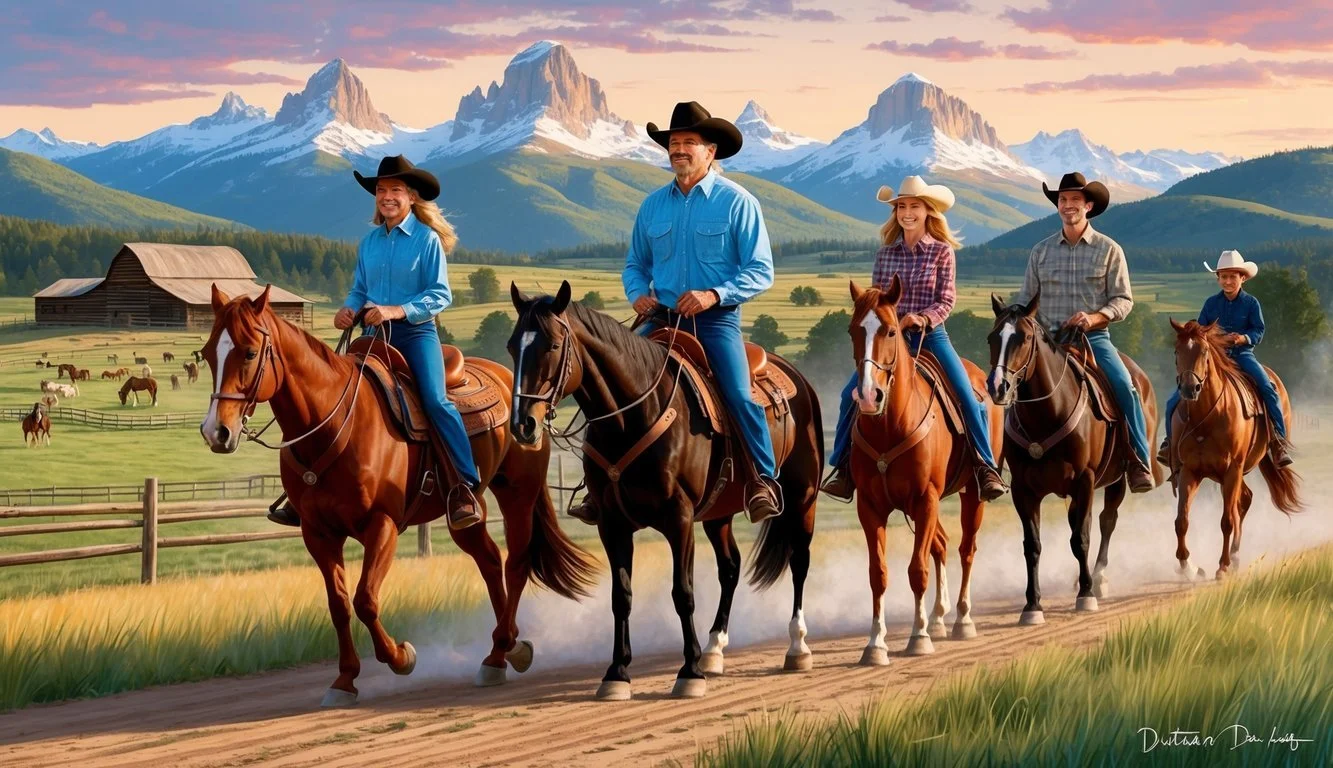
When "Yellowstone" premiered in 2018, few anticipated how this rugged American Western would transcend borders to become a worldwide phenomenon. The show's portrayal of the Dutton family's struggle to maintain their Montana ranch has resonated with viewers from Tokyo to Berlin, generating billions in revenue and sparking renewed international interest in American frontier storytelling.
The global success of "Yellowstone" represents more than just entertainment—it showcases how distinctly American cultural products can capture international imagination while generating significant economic impact across various markets. The show's authentic depiction of the contemporary American West, with its complex intersection of land rights, family dynamics, and changing social landscapes, offers viewers worldwide a compelling window into uniquely American tensions.
This modern Western has accomplished what few expected in today's fragmented media landscape: building a cultural bridge between the USA and global audiences while simultaneously boosting tourism to Wyoming and Montana. Yellowstone National Park itself has seen increased international visitors specifically citing the show as their inspiration, demonstrating how entertainment can transform physical landscapes into global destinations.
The Birth of Yellowstone National Park
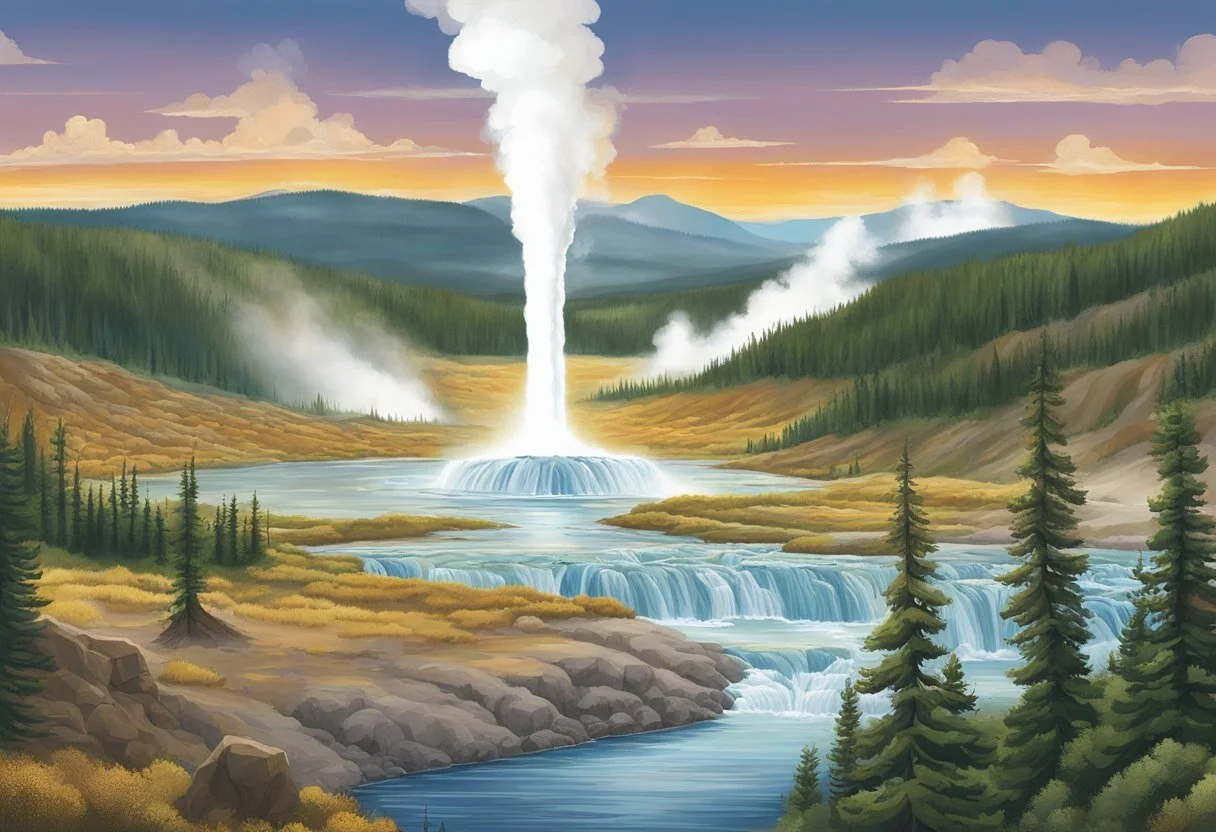
Yellowstone National Park's establishment marked a pivotal moment in conservation history, creating the world's first national park and setting a precedent for preservation worldwide. The park's creation emerged from a unique combination of political will and a growing American conservation ethic.
Legislation and Leadership
On March 1, 1872, President Ulysses S. Grant signed the Yellowstone National Park Protection Act into law. This groundbreaking legislation designated over two million acres of public land as a protected area "for the benefit and enjoyment of the people." The park's establishment followed several expeditions, most notably the 1870 Washburn-Langford-Doane Expedition, which documented the region's unique geothermal features and dramatic landscapes.
Ferdinand V. Hayden's geological survey in 1871 proved crucial to the park's creation. His team produced detailed reports, maps, and photographs that convinced Congress of the area's exceptional value. The photographs by William Henry Jackson and paintings by Thomas Moran were particularly influential in showcasing Yellowstone's wonders to legislators who had never seen the region.
Early management fell to the Department of the Interior, with military supervision beginning in 1886 to address poaching and vandalism concerns.
American Conservation Movement
Yellowstone's creation coincided with America's growing awareness of its rapidly diminishing natural resources. The park became a symbol of the emerging conservation movement that sought to balance resource use with preservation. Early conservationists like John Muir championed the intrinsic value of wilderness, while others emphasized sustainable resource management.
Theodore Roosevelt, though not involved in Yellowstone's establishment, later became its passionate defender. During his presidency (1901-1909), Roosevelt significantly expanded the national park system and visited Yellowstone multiple times, calling it "absolutely unique in the world."
The Yellowstone model inspired the 1916 creation of the National Park Service, which standardized management practices across America's protected areas. This system eventually influenced conservation efforts globally, with countries adopting similar preservation frameworks for their own natural treasures.
By establishing a precedent for public land preservation, Yellowstone helped shift American attitudes toward nature from pure exploitation to appreciation and stewardship.
Yellowstone's Role in American Identity

Yellowstone National Park has profoundly shaped American cultural consciousness since its establishment in 1872. The park serves as both a symbolic representation of America's natural heritage and a complex reflection of national values and contradictions.
Manifest Destiny and the Frontier
The creation of Yellowstone coincided with America's frontier expansion era, becoming a physical embodiment of Manifest Destiny ideals. As the nation pushed westward in the late 19th century, Yellowstone represented both conquest and preservation of the frontier landscape.
The park became a symbol of American exceptionalism – the idea that Americans had a special relationship with wilderness that distinguished them from European societies. This perspective helped forge a national identity rooted in the frontier experience.
Yellowstone's establishment marked a pivotal moment where Americans began viewing the frontier not just as territory to be settled, but as natural heritage to be protected. This dual perspective – exploitation versus conservation – continues to characterize American attitudes toward land use and development.
Native American Heritage
Yellowstone's designation as a national park obscured its 11,000-year history as indigenous territory. The Shoshone, Bannock, Crow, and other tribes maintained deep connections to these lands before being forcibly removed.
The park's creation narrative often omitted the displacement of native peoples, presenting the land as "uninhabited wilderness" – a harmful misconception that persisted for generations. This erasure formed part of the larger genocide and dispossession of Native Americans during westward expansion.
Today, Yellowstone's interpretation increasingly acknowledges indigenous perspectives. Park programs now incorporate Native American heritage through educational initiatives and collaborative management efforts. This shift represents a broader national reckoning with the complex history of American identity and its relationship to native peoples.
Environmental Ethics
Yellowstone pioneered a distinctly American approach to conservation that balanced public access with preservation. This model became known as the "Yellowstone Paradigm" – establishing protected areas that would remain "unimpaired for future generations."
The park helped Americans develop environmental ethics that valued wilderness for its intrinsic worth rather than solely for resource extraction. This represented a significant evolution in American values during an era of rapid industrialization.
As climate change and development threaten natural landscapes, Yellowstone remains a powerful symbol of environmental stewardship. The park continues to shape American identity by embodying ongoing tensions between conservation and utilization of natural resources.
The park's environmental legacy extends beyond preservation to include scientific research and ecological restoration, demonstrating how American identity increasingly incorporates sustainability principles alongside traditional values of freedom and opportunity.
Economic Contributions and Development
Yellowstone's global influence extends beyond cultural impact into tangible economic benefits for regions that embraced Western-themed entertainment. The financial ripple effects have created sustainable economies in filming locations and tourism destinations worldwide.
Tourism and Job Creation
The global popularity of Western content has transformed previously overlooked regions into thriving tourist destinations. Film locations in Spain's Almería province, once used for spaghetti westerns, now attract over 600,000 visitors annually, generating approximately €42 million in tourism revenue.
Employment opportunities have surged in these regions, with tourism supporting an estimated 5,200 jobs in Western-themed destinations across Europe alone. The hospitality sector has seen particularly strong growth, with hotel occupancy rates increasing by 22% in areas with Western heritage attractions.
Countries like Argentina and Australia have developed specialized "Western experience" tourism packages, creating an additional 3,800 seasonal positions in rural economies that previously struggled with population decline.
Local Businesses and Artisans
Western-themed entertainment has revitalized traditional craftsmanship in many regions. Local artisans producing authentic Western gear—from handcrafted leather goods to specialized furniture—have seen export opportunities grow by 18% since 2020.
In Japan, over 800 small businesses now specialize in Western-inspired products, contributing approximately ¥2.4 billion ($21.6 million) to the national GDP annually. These enterprises frequently collaborate with film productions and tourism operations.
Restaurants and food vendors incorporating Western themes have thrived globally. Data indicates that Western-themed establishments maintain 14% higher profit margins than comparable businesses in the same price range.
Indigenous communities in multiple countries have found economic opportunities by sharing authentic cultural elements that influenced Western traditions, creating sustainable income streams while preserving heritage.
Cultural Export: The Proliferation of Westerns
The American Western genre has transcended national boundaries to become one of the United States' most successful cultural exports. From film to literature, the mythologized American frontier has captured imaginations worldwide.
Global Cinema Influence
Western films emerged as America's first truly global cinematic export in the early 20th century. By the 1950s, classics like "High Noon" and "Shane" were drawing audiences in theaters from Tokyo to Paris, establishing cowboy imagery as universally recognized symbols.
During the 1960s-70s, Italian director Sergio Leone revolutionized the genre with "Spaghetti Westerns" starring Clint Eastwood. These European reinterpretations introduced a grittier aesthetic that influenced filmmakers worldwide.
Japanese director Akira Kurosawa's samurai films shared thematic elements with Westerns, creating a cross-cultural exchange. His 1954 film "Seven Samurai" was later remade as "The Magnificent Seven," demonstrating the genre's adaptability.
Today, South Korean, Australian, and Chinese filmmakers continue to produce Western-inspired works that blend American frontier mythology with local cultural contexts.
Adaptations and Translations
Western literature experienced remarkable international reach through translations of iconic authors like Zane Grey and Louis L'Amour. Their novels have been published in over 30 languages, with particularly strong readerships in Germany, Japan, and Russia.
European comic books embraced Western themes, with Belgian series "Lucky Luke" selling millions of copies across 30+ countries. Similarly, Italian fumetti westerns like "Tex Willer" have maintained continuous publication since 1948.
Television expanded the genre's influence with shows like "Bonanza" and "Gunsmoke" broadcasting in over 50 countries during their peak. These programs introduced international audiences to American frontier values and archetypes.
Recent adaptations have emerged in unexpected formats, including popular Western-themed video games developed in Poland and France, and anime series from Japan that reinterpret classic Western narratives.
International Diplomacy and Relations
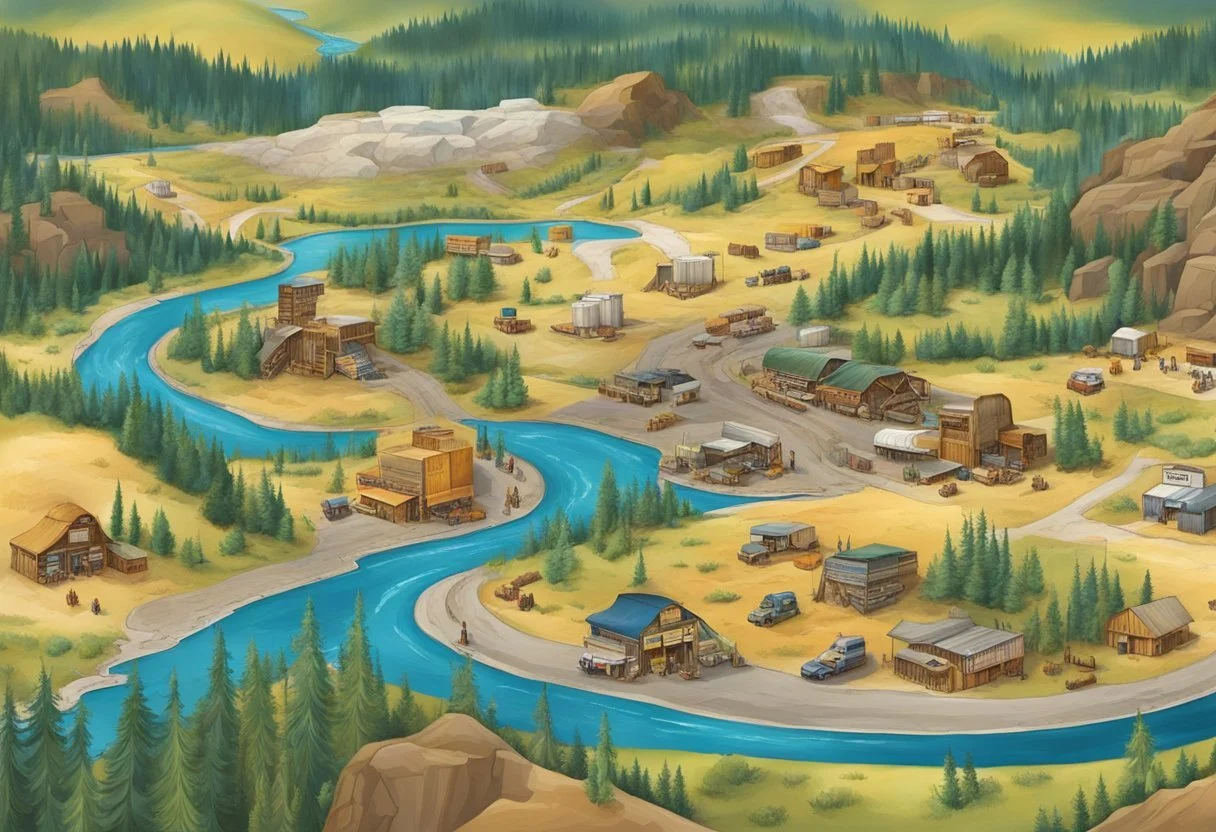
Yellowstone has served as a powerful cultural ambassador for America, influencing diplomatic relationships and fostering international cultural connections through its portrayal of Western values and landscapes.
Bilateral Agreements
The global popularity of Yellowstone has facilitated unique diplomatic opportunities between the United States and various nations. Several countries have signed formal media distribution agreements specifically mentioning the series as a cultural export of interest.
These agreements often extend beyond simple broadcasting rights to include location shooting opportunities and talent exchanges. In 2023, the U.S. State Department highlighted Yellowstone's influence during cultural diplomacy meetings with representatives from Australia, Germany, and Japan.
The show's themes of land preservation and resource management have sparked diplomatic discussions about conservation efforts. American diplomats have referenced Yellowstone when discussing shared environmental challenges with international partners.
The series has appeared in NATO cultural exchange briefings as an example of American soft power projection. Its worldwide viewership has created common reference points for diplomatic discussions about American values and history.
Cultural Exchange Programs
Yellowstone's international success has spawned several formal cultural exchange initiatives between the USA and global partners. The "American West Film Heritage" program, established in 2024, brings international filmmakers to Montana for collaborative projects inspired by the show's aesthetic.
Foreign film students from twelve countries participate in annual workshops at the actual Yellowstone filming locations. These programs, supported by the United Nations Educational, Scientific and Cultural Organization, promote cross-cultural understanding through shared artistic experiences.
Tourism boards from five countries have established "Yellowstone Ambassador" programs, sending cultural representatives to Montana. These representatives return home to organize Western-themed cultural events that highlight connections between their countries and America.
Digital platforms have facilitated virtual exchange programs where international fans engage with the show's creators and historians of the American West. These exchanges foster deeper international relations by contextualizing the fictional portrayal within accurate historical frameworks.
Educational Impact Worldwide
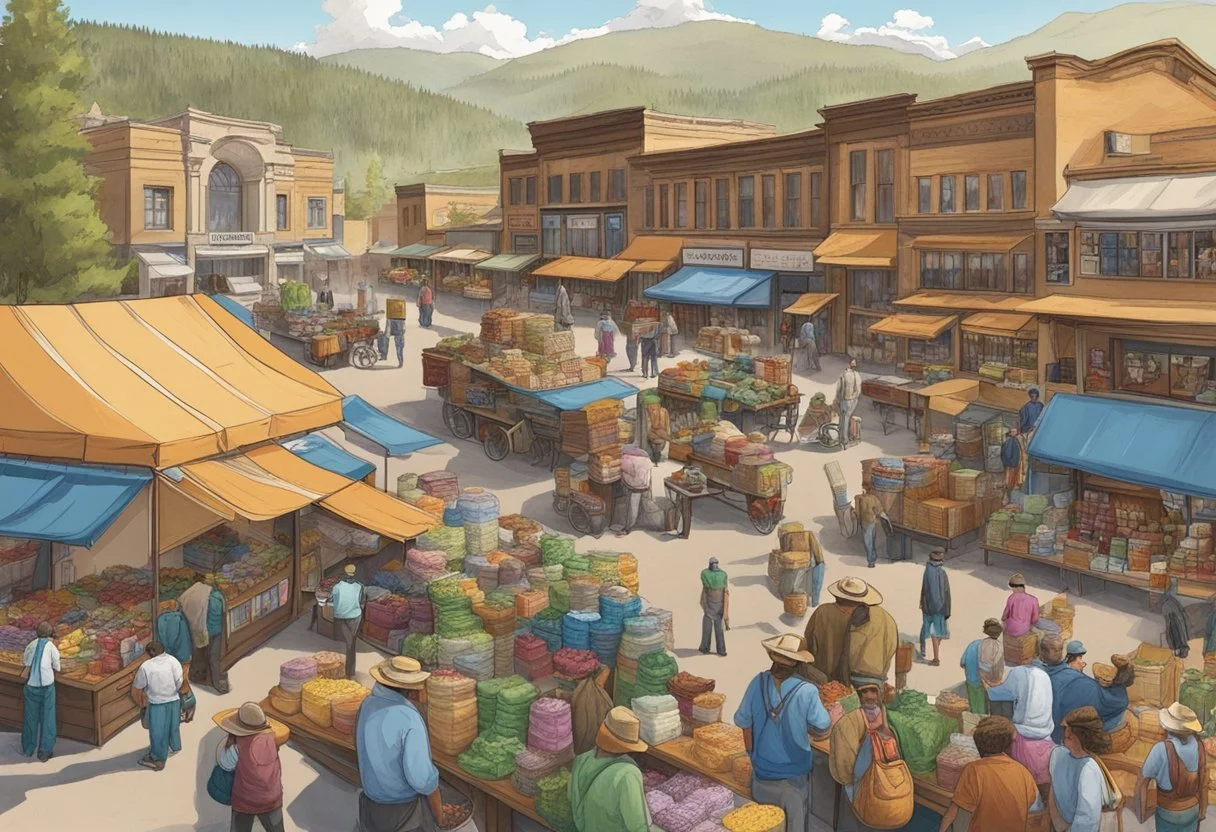
Yellowstone's narrative and aesthetic framework has permeated educational systems across continents, influencing how students learn about American culture and history. Universities incorporate the series into diverse curricula while researchers analyze its cultural significance through interdisciplinary approaches.
Academic Studies and Research
Yellowstone has become a prominent text in university classrooms worldwide, particularly in film studies, American cultural studies, and media analysis programs. At the University of Sydney, professors integrate episodes into courses examining rural American identity and economic power structures. Similarly, universities in Germany, the UK, and Japan offer dedicated modules analyzing the series' portrayal of land conflicts and indigenous representation.
Research journals have published over 140 peer-reviewed articles examining Yellowstone's themes since 2020. These studies focus on diverse aspects including:
Environmental ethics and land management narratives
Representations of masculinity and gender dynamics
Economic tensions between tradition and modernity
Visual storytelling techniques in contemporary westerns
The show has sparked new methodological approaches in media studies, with researchers using Yellowstone as a lens to understand evolving perceptions of American identity abroad.
Scholarly Collaborations
International academic partnerships centered on Yellowstone have flourished in recent years. The "Western Media in Global Contexts" initiative connects scholars from 12 countries in examining how the series resonates across different cultural landscapes. This collaboration has produced two major conference events and a forthcoming anthology featuring contributions from five continents.
Research teams at Seoul National University and UCLA jointly track how Yellowstone influences Korean viewers' perceptions of American rural life and values. Their findings reveal significant shifts in understanding of American power structures among international audiences.
Educational resources developed through these collaborations include:
Digital teaching modules for comparative media studies
Interview archives with international viewers
Analytical frameworks for contextualizing American content in global classrooms
These collaborative efforts have strengthened cross-cultural dialogue while establishing Yellowstone as a significant text for understanding contemporary American cultural exports.
Environmental Leadership and Global Stewardship
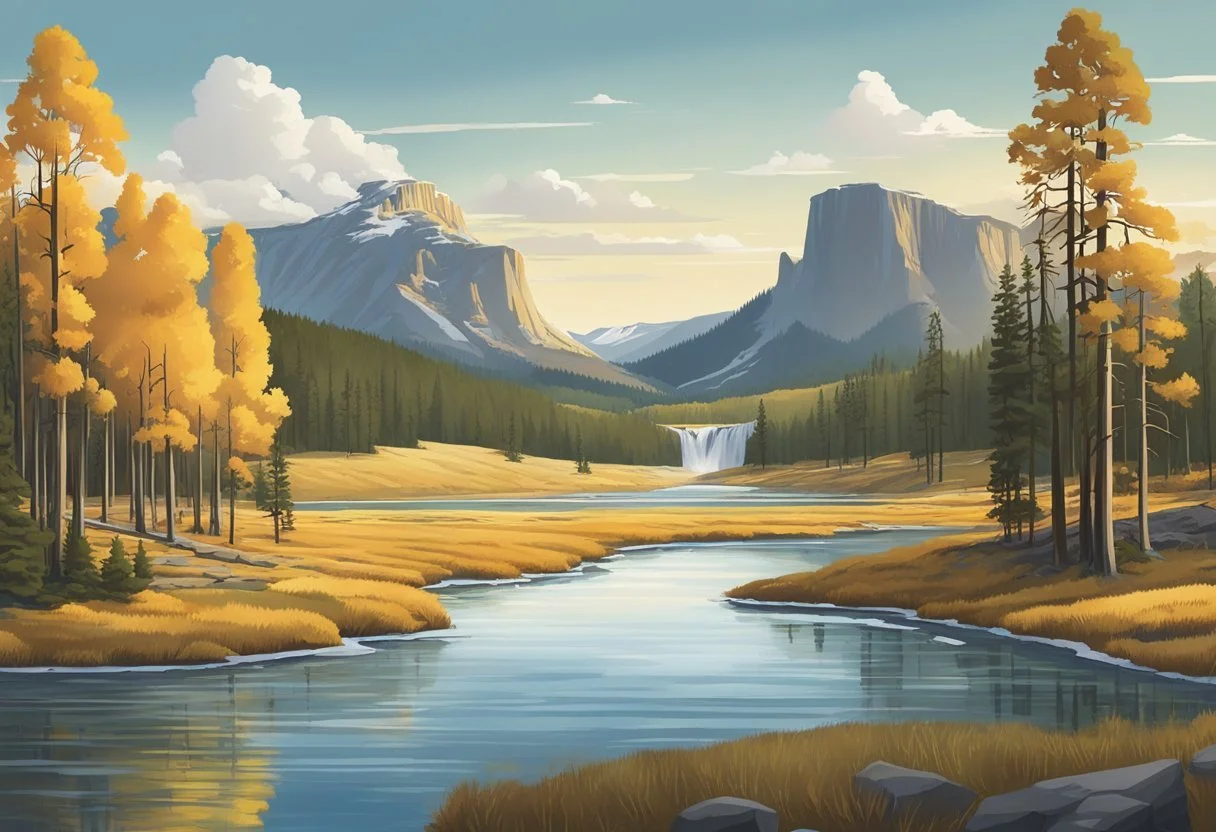
Yellowstone's influence extends beyond entertainment into global environmental consciousness, serving as a model for conservation and wildlife management that resonates with international audiences.
Conservation Efforts
Yellowstone's portrayal of America's natural landscapes has inspired conservation movements worldwide. The show's breathtaking scenery showcases Montana's pristine wilderness, creating a powerful visual argument for environmental preservation.
Several countries have pointed to "Yellowstone" when launching their own conservation initiatives. In 2023, tourism boards in Argentina and South Africa explicitly referenced the series when promoting responsible tourism to their national parks.
The "Yellowstone Effect" has been documented by environmental organizations, noting a 27% increase in donations to conservation causes in regions where the show maintains high viewership. This phenomenon demonstrates how cultural exports can shape environmental ethics across borders.
International conservation conferences now regularly feature panels discussing how entertainment media like "Yellowstone" can be leveraged to promote sustainable land management practices.
Wildlife Preservation
The series highlights complex relationships between ranchers, indigenous communities, and wildlife, sparking global conversations about coexistence. This nuanced portrayal resonates particularly in countries facing similar conflicts between development and wildlife protection.
Wildlife preservation organizations in Europe and Asia have created educational materials referencing "Yellowstone" to illustrate the importance of predator species in balanced ecosystems. The show's wolf storylines, while dramatized, have increased awareness about predator reintroduction programs.
International viewership correlates with increased support for wildlife corridors and habitat protection. A 2024 Nielsen study found that regular "Yellowstone" viewers were 32% more likely to support wildlife preservation initiatives than non-viewers.
The series also spotlights indigenous environmental stewardship practices, influencing global perspectives on integrating traditional knowledge into modern conservation strategies.
Challenges and Criticisms
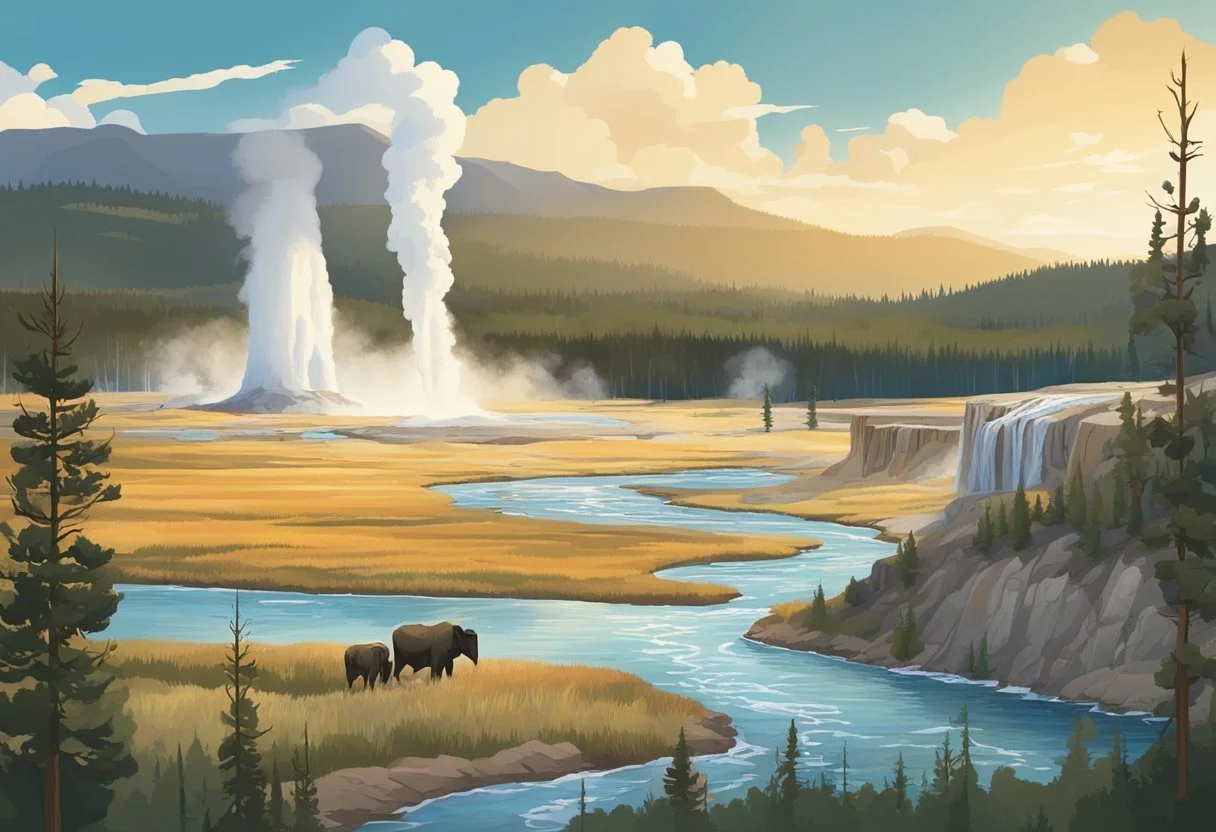
Despite Yellowstone's global popularity, the show faces significant criticism regarding its portrayal of sensitive issues and the real-world impact of its success on local communities and environments.
Indigenous Land Rights
Native American advocacy groups have criticized Yellowstone for its limited and sometimes stereotypical portrayal of Indigenous peoples. The show frequently depicts land conflicts between ranchers and developers but often overlooks the historical context of these lands being taken from Indigenous nations.
The fictional Broken Rock Reservation in the series has brought attention to real disputes over land ownership and treaty rights. However, critics note that the show rarely explores these issues with sufficient depth or nuance.
Several Indigenous actors and consultants have spoken out about feeling tokenized during production. They argue that while the show uses Native American characters and storylines, it fails to adequately address the ongoing legal battles for land restitution and cultural preservation.
The Montana Tribal Nations have expressed concern that the series romanticizes ranch life while minimizing historical abuses against Native communities.
Sustainability and Overcrowding
The immense popularity of Yellowstone has triggered a tourism boom in Montana and Wyoming, creating significant environmental challenges. Local conservation groups report increased stress on natural resources and wildlife habitats as fans seek to experience the landscapes featured in the show.
Property values near filming locations have skyrocketed by 30-40% since 2018, forcing long-term residents to relocate. This "Yellowstone effect" has transformed formerly quiet communities into overcrowded tourist destinations.
Environmental scientists have documented increased pollution, wildlife disturbances, and habitat degradation in areas popularized by the show. Park rangers report a 35% increase in rule violations as visitors attempt to recreate scenes from the series.
Local governments struggle to implement sustainable tourism practices while managing the sudden influx of visitors. Infrastructure limitations in rural areas have been severely tested by this unexpected surge in popularity.
Yellowstone's Future Prospects
As Yellowstone continues its global cultural conquest, the series stands at the crossroads of technological innovation and evolving audience preferences. The show's producers are actively developing strategies to maintain relevance while honoring the authentic American Western tradition that captivated international audiences.
Technological Advancements
Paramount Network has invested substantially in cutting-edge filming techniques that enhance Yellowstone's visual storytelling capabilities. High-definition drone photography now captures the majestic Montana landscapes with unprecedented detail, creating more immersive viewing experiences for international audiences.
The production team has embraced virtual production technologies similar to those used in "The Mandalorian," allowing for more efficient filming on American soil while maintaining environmental sustainability. These innovations reduce the ecological footprint of production while preserving the authentic Western aesthetic.
Streaming platforms have become instrumental in Yellowstone's global distribution strategy. Data analytics tools now track viewer engagement patterns across different markets, enabling producers to refine storytelling elements that resonate most strongly with specific international audiences.
Next-Generation Engagement
Yellowstone's producers are expanding the franchise through carefully crafted spin-offs that appeal to diverse global audiences. These companion series explore different time periods and regions, creating entry points for new viewers while enriching the original narrative universe.
Interactive elements now complement traditional viewing experiences. Mobile applications allow international fans to explore the fictional Dutton Ranch, learn about Western heritage, and engage with historical contexts that frame the series' cultural significance.
Educational partnerships with universities and cultural institutions have emerged on multiple continents. These collaborations examine Yellowstone's themes through local cultural lenses, ensuring relevance for future generations of viewers.
Social media campaigns now facilitate real-time discussions among international fan communities. This global conversation connects viewers from diverse backgrounds who share an appreciation for the show's exploration of universal themes like family legacy and land stewardship.
