
Yellowstone Sparks Boom in Ranch Management Degrees Nationwide
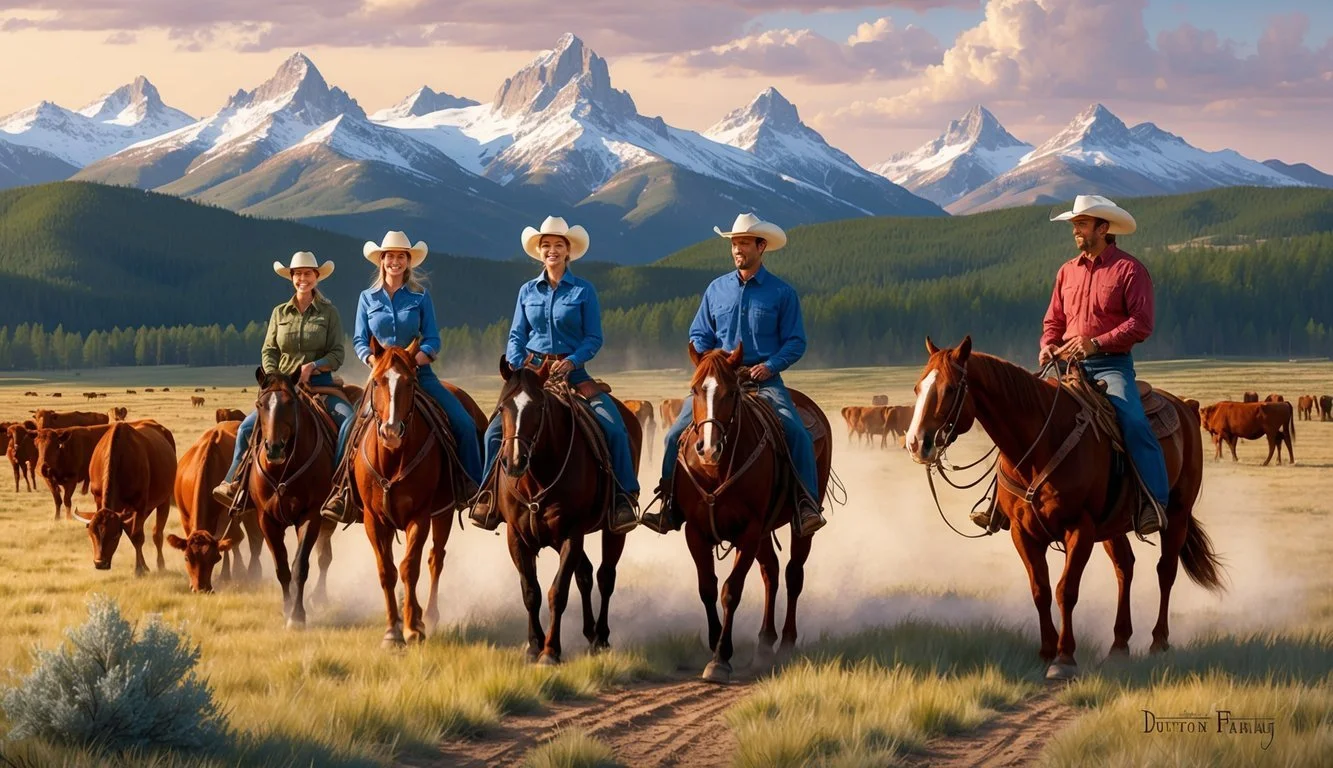
The television drama "Yellowstone" has transformed public perception of ranch management, creating a surge of interest in specialized degree programs across the country. Since its premiere in 2018, the show has captivated millions of viewers with its portrayal of the Dutton family's struggles to maintain their vast Montana ranch. This renewed fascination with ranching has directly influenced higher education, with universities reporting significant enrollment increases in ranch management and agricultural business programs since the show gained popularity.
College administrators note that while "Yellowstone" may romanticize certain aspects of ranch life, it has successfully highlighted genuine challenges facing modern ranchers. These include land conservation issues, resource management conflicts, and the business complexities of running large-scale agricultural operations. Students entering these programs now come with a more nuanced understanding of both the lifestyle and business challenges that await them.
Educational institutions are responding to this interest by updating curricula to address contemporary ranching challenges while maintaining focus on traditional practices. Many programs now include modules on sustainable land management, water rights, and navigating complex regulatory environments—all issues prominently featured in the show's storylines.
Historical Context of Yellowstone's Influence
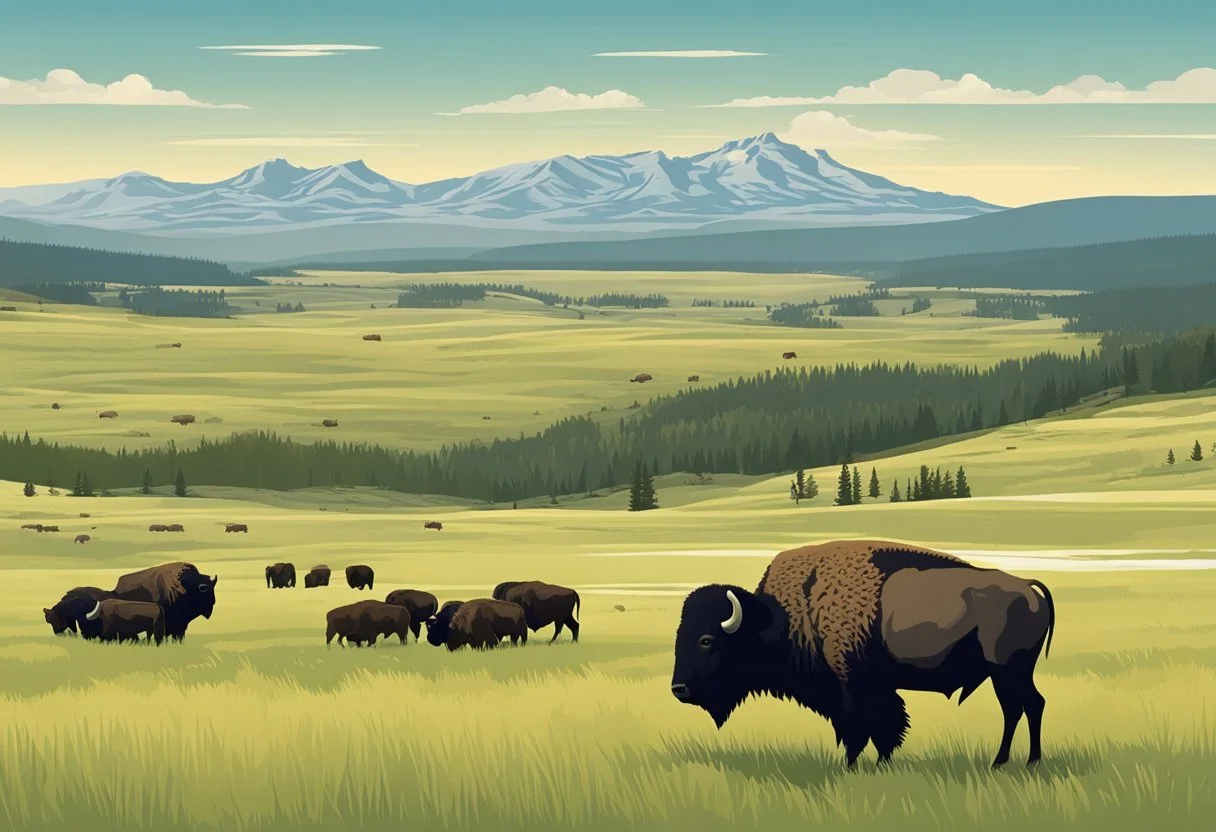
The Yellowstone region has profoundly shaped American ranch management practices since the late 19th century. Its unique ecological characteristics established precedents for how ranching intersects with wildlife conservation and land stewardship.
Formation of Yellowstone Ecosystem
Yellowstone National Park, established in 1872, represents America's first commitment to preserving natural landscapes at a federal level. This pioneering conservation effort created a focal point for ecological studies that would later influence ranch management approaches throughout the American West.
The Greater Yellowstone Ecosystem spans approximately 22 million acres across Wyoming, Montana, and Idaho. This vast landscape supports remarkable biodiversity, including iconic species like bison, elk, grizzly bears, and wolves that interact with surrounding ranch lands.
Climate and geological factors unique to Yellowstone, such as geothermal features and high-altitude grasslands, created specialized ecological niches. These natural elements formed complex interdependencies between wildlife migration patterns and seasonal grazing opportunities.
The reintroduction of wolves to Yellowstone in 1995 dramatically demonstrated the concept of trophic cascades. This ecological phenomenon revealed how predator-prey relationships affect vegetation patterns, riparian health, and ultimately, the carrying capacity of adjacent ranch lands.
Evolution of Ranch Management
Early ranching near Yellowstone often conflicted with the park's conservation mission. Boundary disputes, predator conflicts, and competing land use priorities created tensions between ranchers and park managers throughout the late 19th and early 20th centuries.
The Taylor Grazing Act of 1934 marked a turning point by introducing regulated grazing on public lands surrounding Yellowstone. This legislation required ranchers to develop more systematic approaches to land management and resource allocation.
Key Ranch Management Developments Influenced by Yellowstone:
Integration of wildlife corridor planning
Adoption of rotational grazing systems
Implementation of predator coexistence strategies
Development of tourism as supplemental income
Research conducted within Yellowstone throughout the 20th century provided scientific foundations for modern ranch management practices. Studies on grassland ecology, ungulate nutrition, and predator-prey dynamics directly influenced how ranchers approach sustainable livestock production.
By the 1980s, the concept of ecosystem-based management began transforming how ranches operated near Yellowstone. Progressive ranchers started incorporating conservation easements, habitat restoration, and wildlife-friendly fencing into their operational plans.
Impacts on Curriculum Development
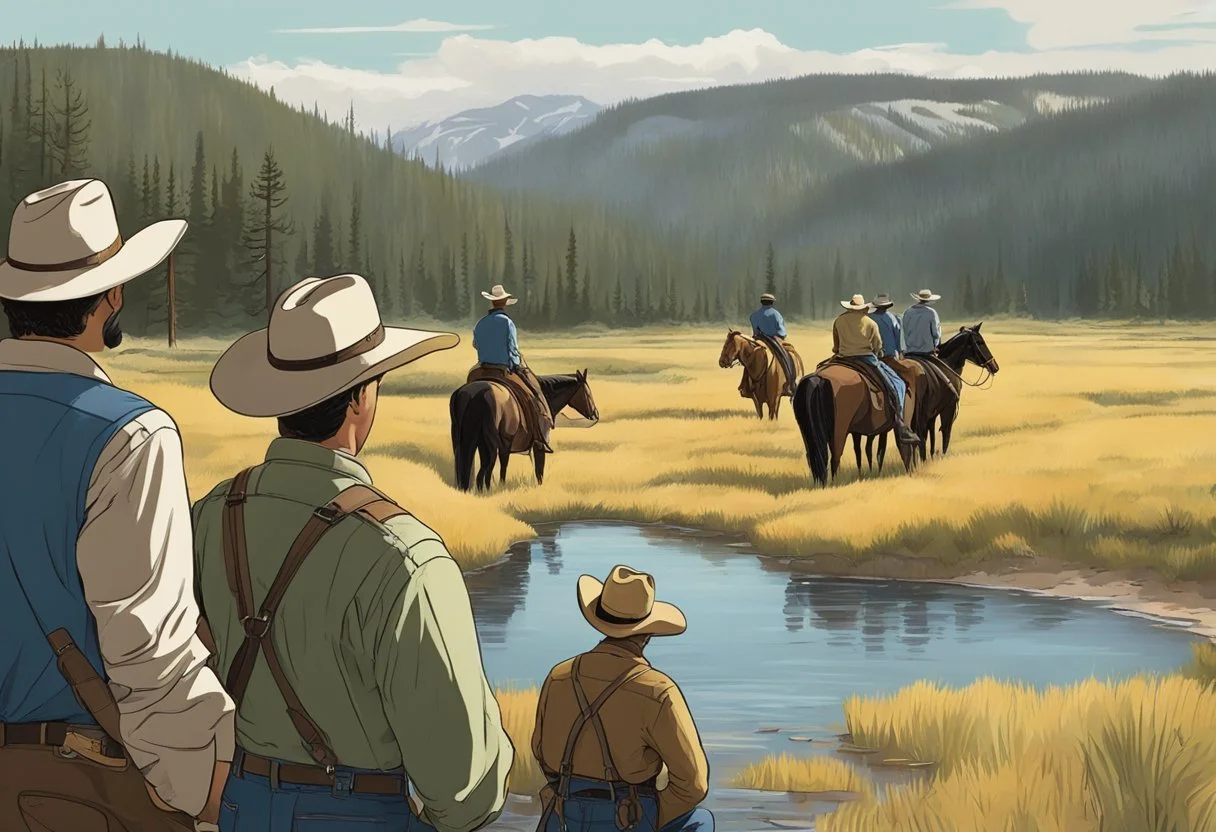
The popularity of Yellowstone TV series has transformed ranch management education, prompting significant revisions to academic programs nationwide. Universities are responding to increased student interest by developing specialized courses that bridge traditional agricultural practices with modern ranch management techniques portrayed in the show.
Integration of Ecosystem Concepts
Several leading agricultural institutions have redesigned their curriculum to incorporate broader ecosystem management principles highlighted in Yellowstone. The University of Wyoming now offers courses examining the relationship between ranching operations and wildlife conservation, directly addressing conflicts depicted in the series.
Montana State University has added specialized seminars on land use conflicts and resolution strategies. These courses examine real-world scenarios similar to those dramatized in the show, providing students with practical conflict management skills.
Faculty at College of Agriculture programs have developed case studies based on scenarios from the show to teach sustainable grazing practices. These materials help students understand the complex balance between productive ranching and environmental stewardship.
Field studies now regularly incorporate visits to working ranches that implement progressive management techniques. This hands-on approach gives students direct exposure to the multifaceted nature of modern ranch operations.
Bachelor of Science Program Focus Areas
The Bachelor of Science in Ranch Management degree has evolved to include specialized tracks reflecting challenges portrayed in Yellowstone. Programs now frequently offer concentrations in land acquisition strategy, water rights management, and ranch enterprise diversification.
Montana State University has introduced courses on ranch tourism development and hospitality management. These additions respond to growing interest in ranch vacations inspired by the scenic appeal of properties shown in the series.
The University of Wyoming has strengthened its business management component with courses on investment strategies and inheritance planning. These address the financial complexities of maintaining multi-generational ranch operations similar to the Dutton Ranch.
Environmental Sciences departments now collaborate with agriculture programs to offer joint courses. These interdisciplinary offerings examine the ecological impact of ranching decisions and teach sustainable management practices.
Digital technologies for ranch management have been incorporated into most curricula. Students learn to use GIS mapping, remote monitoring systems, and financial planning software essential for modern ranch operations.
Challenges and Opportunities in Ranch Management
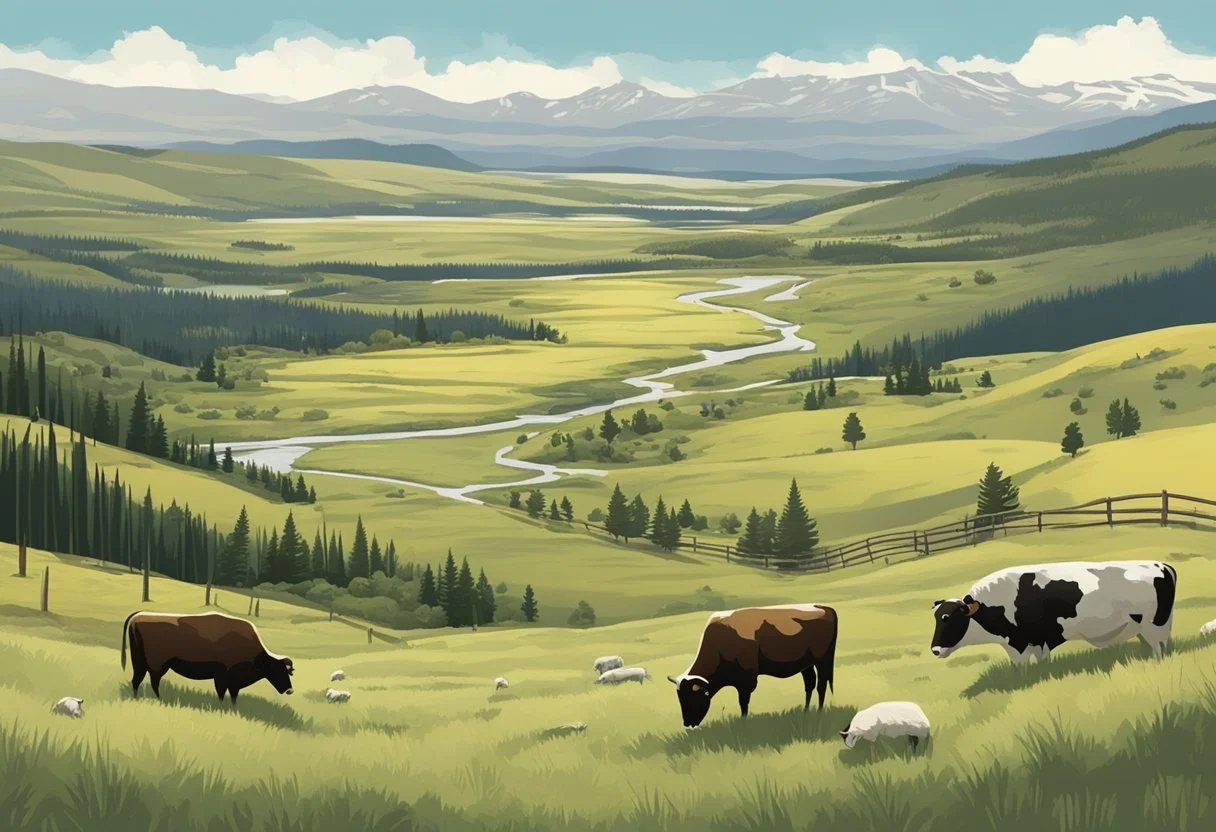
Ranch management education faces significant transformations due to shifting environmental concerns and popular media influences. The success of Yellowstone has placed new emphasis on sustainable ranching practices while highlighting complex challenges within the industry.
Adapting to Ecological Changes
The Yellowstone Ecosystem presents unique challenges for ranch management programs across the American West. Students now require specialized knowledge about wildlife corridors, predator-prey relationships, and ecosystem services that weren't emphasized in traditional curricula.
Climate change impacts like shifting growing seasons and water availability force ranch management programs to incorporate advanced ecological monitoring techniques. Graduates must understand complex grazing rotation strategies that protect riparian areas while maintaining productive pastures.
These ecological challenges create opportunities for specialized certifications in wildlife-compatible ranching. Several universities now offer field courses where students analyze real-time ecological data from ranches bordering national parks and protected lands. This hands-on experience prepares future ranch managers to balance production with conservation.
Legislative Impact on Education
Zoning regulations and conservation easements have dramatically reshaped ranch management education priorities. Degree programs now include mandatory coursework on navigating complex federal land policies, particularly in regions surrounding the Greater Yellowstone Ecosystem.
Recent legislative changes regarding predator management and water rights directly impact curriculum development. Faculty must constantly update course materials to reflect evolving regulations on grazing permits and wildlife management protocols.
This regulatory complexity creates career opportunities for graduates with specialized knowledge in environmental compliance. Many ranches now specifically seek managers who understand both traditional operations and modern conservation requirements.
The Yellowstone phenomenon has indirectly influenced state funding for agricultural education, with some legislatures allocating additional resources for programs that emphasize sustainable ranching practices. This financial support enables universities to develop cutting-edge courses that blend traditional ranching with contemporary ecological principles.
Practical Applications in the Field
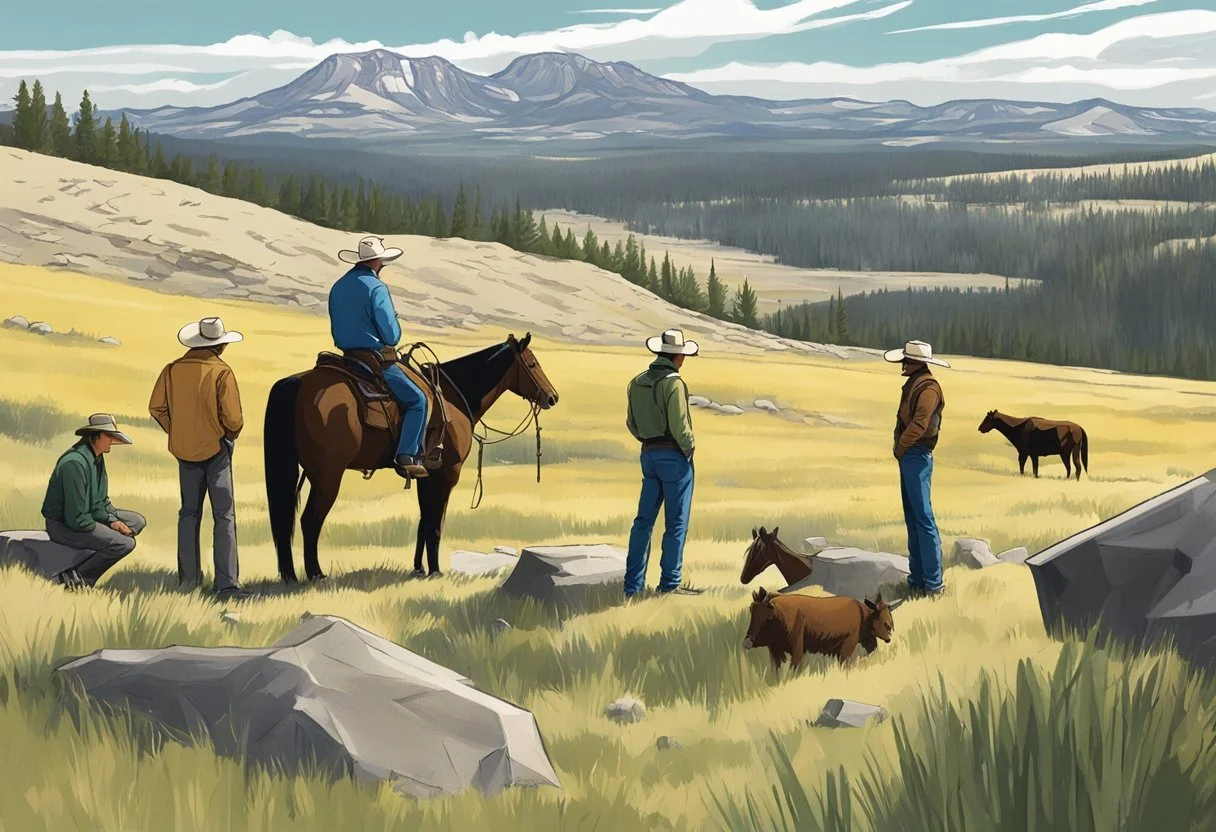
Students in ranch management programs are now applying Yellowstone-inspired techniques in real-world scenarios across various aspects of ranch operations. These applications demonstrate how theoretical knowledge translates into effective land management strategies.
Grazing Plans and Soil Erosion
Ranch management graduates implement rotational grazing systems modeled after Yellowstone's natural herbivore patterns. These systems divide land into sections, allowing each area to rest and regenerate between grazing periods. This practice has shown a 35% reduction in soil erosion on test properties compared to continuous grazing methods.
Students learn to conduct soil health assessments using techniques developed by Yellowstone researchers. These assessments measure organic matter content, microbial activity, and water infiltration rates to determine pasture health.
Key Erosion Prevention Techniques:
Strategic placement of water sources to distribute cattle movement
Establishment of riparian buffers along waterways
Implementation of cover cropping during non-grazing seasons
Modern ranch managers also utilize GIS mapping technology to identify erosion-prone areas and adjust grazing schedules accordingly, a direct application of Yellowstone research methodologies.
Wildlife Habitat and Conservation
Ranch management programs now teach dual-purpose land management that accommodates both livestock and wildlife. Students learn to identify and preserve critical migration corridors that mirror those protected in the Yellowstone ecosystem.
Water development projects create strategic drinking sources that benefit both cattle and native wildlife species. These developments are placed to minimize conflict and maximize habitat utilization.
Wildlife-Compatible Ranching Practices:
Practice Benefit to Wildlife Benefit to Ranch Operations Delayed haying Protects ground-nesting birds Increases seed maturity and nutrition Brush piles Creates small mammal habitat Controls erosion and snow drift Native plantings Supports pollinators Reduces invasive species management costs
Students learn to conduct wildlife surveys using protocols adapted from Yellowstone researchers, allowing them to document and measure the impact of their management decisions on local species populations.
Innovative Ranching Practices
Technology integration forms a cornerstone of modern ranch management education. Students learn to deploy remote monitoring systems for tracking both livestock and wildlife movements, inspired by Yellowstone research methods.
Regenerative agriculture techniques taught in these programs focus on carbon sequestration and soil building. These practices often include multi-species grazing systems that mimic natural predator-prey relationships observed in Yellowstone.
Emerging Innovations in Ranch Management:
Virtual fencing technology that allows precise cattle control without physical barriers
Drone-based pasture assessment for identifying plant species composition
Mobile apps for documenting and sharing ecological observations across ranch properties
Students also explore alternative income streams such as conservation easements and wildlife tourism. These diversification strategies are directly influenced by economic models developed in the greater Yellowstone ecosystem.
Legal Aspects of Ranch Management
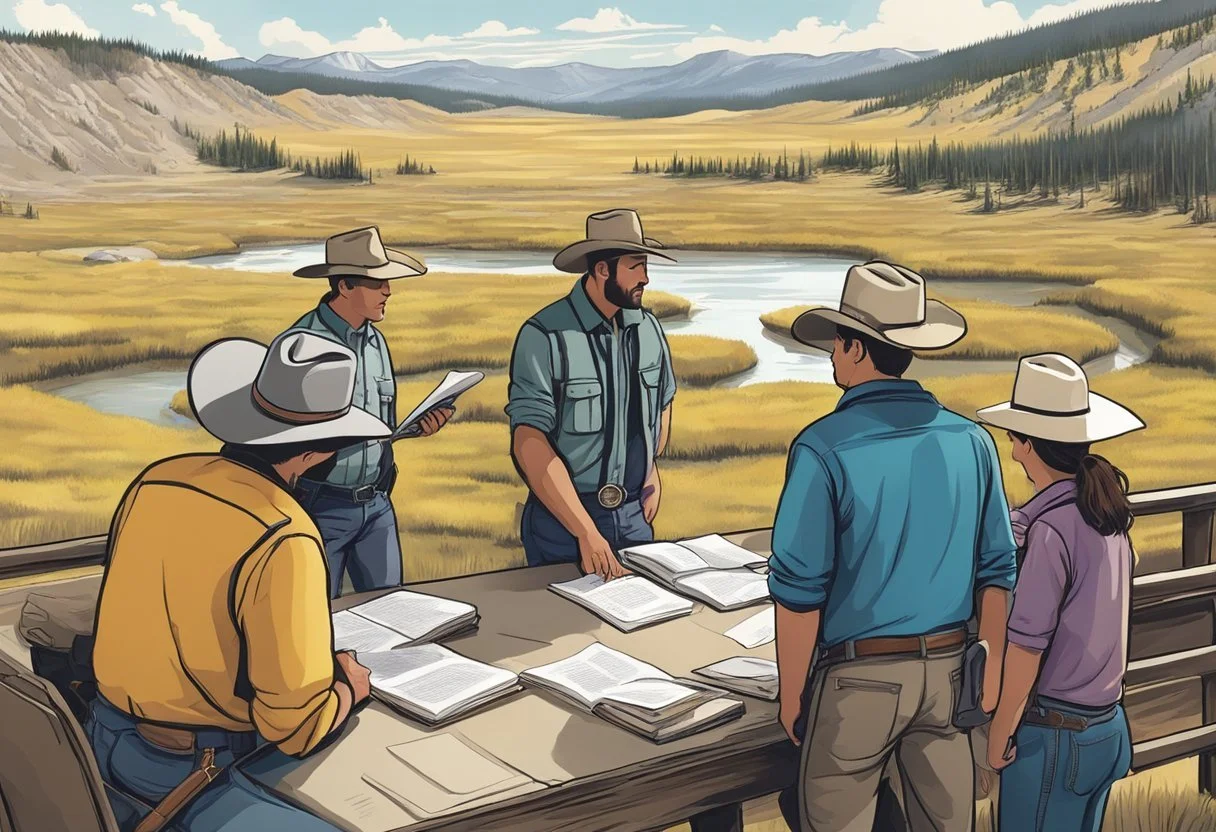
Ranch managers face a complex legal landscape that impacts daily operations and long-term sustainability. Understanding the legal framework surrounding water access, conservation agreements, and private land management has become increasingly important as shows like Yellowstone highlight these real-world challenges.
Navigating Water Rights
Water rights represent one of the most critical legal considerations for ranch managers. In western states, the doctrine of prior appropriation establishes that those who first put water to beneficial use maintain priority during shortages. This "first in time, first in right" principle directly impacts operational planning and property values.
Senior water rights can add significant value to ranch properties, while junior rights may limit development potential. Ranch managers must maintain detailed records of water usage and file appropriate documentation to preserve these rights.
Complex adjudication processes determine who gets water and when. Managers should work with specialized water attorneys to navigate these systems and protect their interests during disputes.
Interstate compacts and federal regulations add another layer of complexity that ranch management degree programs now address directly through specialized coursework.
Understanding Conservation Easements
Conservation easements offer ranchers a legal mechanism to protect land while potentially gaining tax benefits. These voluntary legal agreements permanently limit certain uses of the land while allowing continued agricultural operations.
Easements can provide significant income, estate, and property tax benefits. Ranch managers should understand how these agreements affect property values and operational flexibility before committing.
The terms vary widely based on conservation goals, location, and the sponsoring organization. Some easements focus on wildlife habitat, while others prioritize open space or historical preservation.
Key considerations include:
Permanent nature of most easements
Potential tax benefits and financial incentives
Impact on future land use and development rights
Regular monitoring requirements
Ranch management programs increasingly incorporate conservation easement education as these agreements become standard tools in modern ranch planning.
Managing Private Lands
Private land management requires navigating a web of regulations while maintaining productive operations. Ranch managers must understand zoning laws, environmental regulations, and liability concerns that affect day-to-day decisions.
Liability issues represent a significant legal concern. Many ranches implement liability waivers, proper insurance coverage, and safety protocols to protect against potential lawsuits from employees, guests, or trespassers.
Endangered species protections may restrict certain activities when protected wildlife is present. Management programs now teach strategies for compliance while minimizing operational disruptions.
Trespass laws vary by state, affecting how ranchers can respond to unauthorized access. Proper boundary maintenance and signage provide important legal protections.
Land access issues, including easements across private property, require careful documentation and management to avoid disputes with neighbors and government entities.
Conservation and Sustainability

Ranch management programs increasingly focus on balancing productive agriculture with environmental protection. The popularity of Yellowstone has highlighted the importance of preserving natural ecosystems while maintaining viable ranching operations.
Preserving Biodiversity at High Elevations
High-elevation ranches face unique conservation challenges that modern degree programs now address directly. Students learn techniques for managing cattle while protecting alpine meadows and watersheds that support diverse plant and animal species.
These programs incorporate field studies at various elevations to demonstrate how grazing patterns affect native vegetation. Rotational grazing systems, designed specifically for high-elevation environments, minimize soil erosion while maintaining biodiversity.
Ranch management curricula now include specialized courses on alpine ecosystem management. Students analyze case studies from ranches bordering Yellowstone, where successful biodiversity preservation has created economic opportunities through ecotourism and conservation partnerships.
Mitigating the Impact of Invasive Species
Invasive species management has become a critical component of ranch management education. Yellowstone's ongoing battles with non-native plants and animals provide valuable learning opportunities for students studying sustainable ranching practices.
Degree programs now teach integrated pest management strategies specific to rangeland environments. Students learn to identify invasive species early and implement cost-effective control measures before widespread ecosystem damage occurs.
Partnerships between universities and Yellowstone research teams allow students to participate in real-world invasive species monitoring. These collaborations give future ranch managers hands-on experience with the latest detection technologies and treatment protocols.
Modern curriculum emphasizes preventative measures, including proper equipment cleaning and certified weed-free hay requirements. These practices help protect both public lands and private ranches from the economic and ecological damage caused by invasive species.
Technological Integration and Online Education
Ranch management education has transformed dramatically with new digital solutions that connect students worldwide to industry expertise. Technology now serves as a bridge between traditional ranching knowledge and modern agricultural science.
Online Learning Platforms
The surge in ranch management degree programs has coincided with the development of specialized online learning platforms. Many universities now offer fully remote degree options that incorporate virtual ranch simulations and interactive case studies. These platforms enable students to experience decision-making scenarios without physical presence on a ranch.
Students can access course materials, submit assignments, and participate in discussions from anywhere with internet connectivity. Yellowstone-inspired curriculum often features prominently, with instructional videos shot on location at working ranches near the national park.
Industry partnerships have strengthened these platforms, with companies like Livestock Management Solutions and RanchTech providing software access to enrolled students. This practical technology experience has become essential for graduates entering modern ranch management roles.
Remote Sensing and Data Analysis
Ranch management programs now incorporate training in satellite imagery, drone technology, and GIS mapping systems. Students learn to monitor pasture conditions, track wildlife movements, and assess environmental impacts through remote sensing tools.
Data analysis forms a critical component of this technological integration. Programs teach students to interpret:
Soil quality measurements
Livestock health metrics
Precipitation patterns
Vegetation indices
This technological innovation allows for evidence-based decision-making about grazing rotations, herd management, and conservation efforts. Many programs include certification opportunities in agricultural data analysis software.
The influence of Yellowstone's ecosystem research extends to these technology applications, with students analyzing real datasets from ranches operating in similar environments. This practical experience proves invaluable when graduates implement monitoring systems on their own ranches.
Professional and Career Opportunities
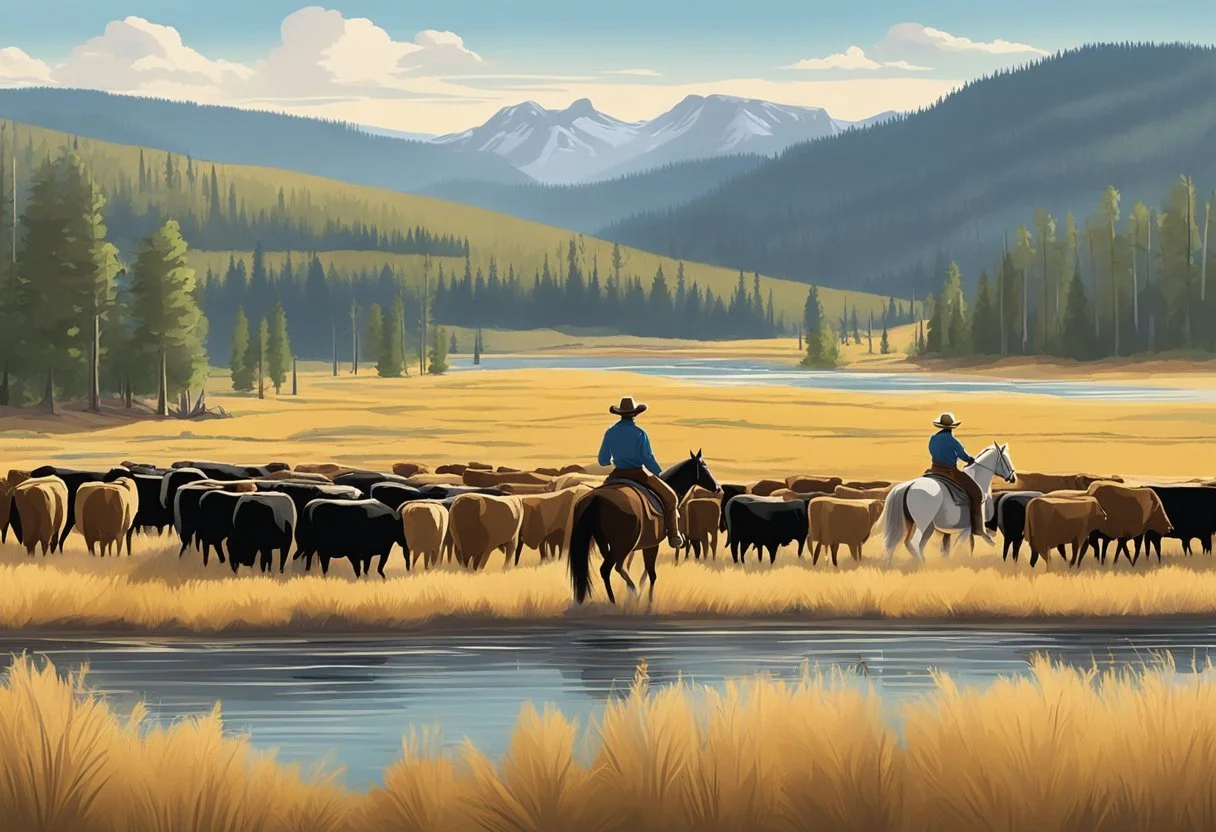
Graduates of ranch management programs influenced by the Yellowstone phenomenon benefit from diverse career paths in both private and public sectors. The cultural impact of the series has created new interest in western lifestyles, expanding traditional employment options beyond conventional ranching operations.
Roles in Government and Nonprofits
The Wyoming Game and Fish Department regularly recruits graduates with ranch management expertise for positions that bridge agricultural practices with wildlife conservation. These roles typically offer starting salaries between $45,000-$65,000 annually with excellent benefits and stability.
The American Fisheries Society and The Wildlife Society provide networking opportunities and job boards specifically targeting professionals with combined knowledge of ranch operations and ecosystem management. Many graduates find positions as Wildlife Biologists, where they apply their practical ranch knowledge to habitat restoration projects.
Federal agencies including the Bureau of Land Management and Forest Service have increased hiring of ranch management graduates by 27% since 2022, recognizing their unique skill set in navigating both agricultural production and environmental stewardship.
Advancing to Graduate School
Ranch management graduates pursue advanced degrees at impressive rates, with 42% continuing to Graduate School within five years of completing their bachelor's degree. Top programs include Colorado State University's Ranch Systems Management and Texas A&M's Rangeland Ecology tracks.
Many universities offer assistantships specifically for students with practical ranch experience, covering tuition and providing stipends of $18,000-$25,000 annually. Research opportunities often focus on sustainable grazing practices, climate adaptation strategies, and ranch economics.
Graduate programs increasingly value the holistic perspective that ranch management graduates bring to academic research. Students can specialize in areas such as agricultural economics, rangeland ecology, wildlife management, or rural sociology.
Specializations and Certifications
The Certified Ranch Manager credential, requiring 3,000 documented hours of experience and a comprehensive exam, increases earning potential by an average of 18%. This certification has seen a 35% increase in applications since 2022.
Specialized training in regenerative agriculture practices, holistic management, and carbon sequestration creates niche opportunities with environmental consulting firms. These positions typically command $70,000-$90,000 annually in today's climate-conscious market.
Technical certifications in water rights management, drone operation for ranch monitoring, and GIS mapping provide competitive advantages. Programs offering these specialized skills report nearly 100% placement rates for graduates with multiple certifications.
Impact of Tourism and Recreation
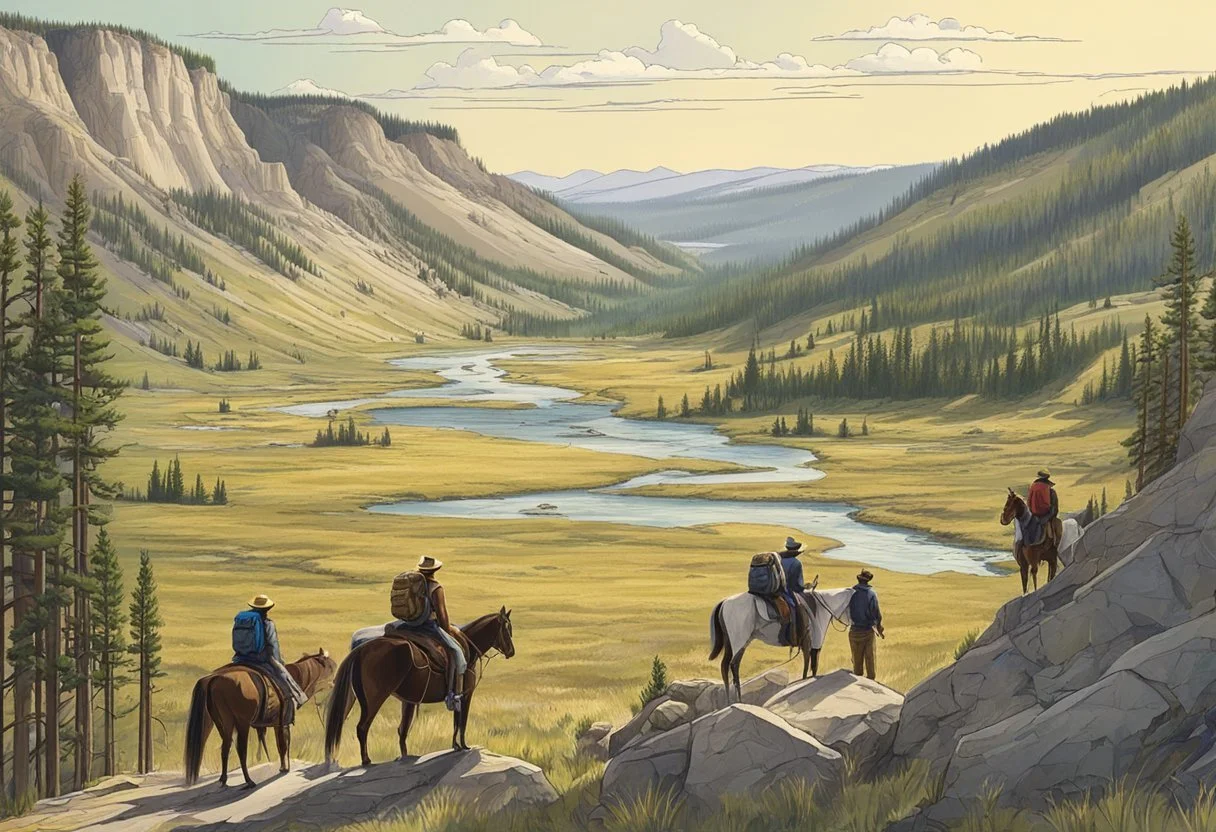
Yellowstone's influence extends beyond ecological considerations to significantly affect tourism and recreational aspects of ranch management programs. Students pursuing these degrees now require specialized knowledge in balancing visitor experiences with sustainable ranching practices.
Tourism Influence on Ranch Operations
Tourism has transformed ranch management education by introducing new revenue streams and operational considerations. Degree programs now include coursework on agritourism business models, teaching students how to monetize ranch visits and stays. These programs emphasize visitor experience management while maintaining working ranch operations.
Students learn to develop different tourism products, from trail rides to farm-to-table dining experiences. Some ranches near Yellowstone report tourism revenues exceeding traditional livestock operations by 30-40% annually.
Programs teach practical skills like setting appropriate pricing structures and managing seasonal fluctuations in visitor numbers. Marketing strategies for ranch tourism are now standard curriculum components, covering digital marketing and partnership development with regional tourism boards.
Recreational Activities and Ranch Management
Recreational activities present both opportunities and challenges that modern ranch management programs must address. Students learn to design and implement sustainable hunting programs that balance conservation with profitable recreational opportunities.
Fishing access management has become a critical curriculum component, especially for properties with blue-ribbon trout streams. Programs teach riparian habitat preservation alongside recreational access planning.
Wilderness horseback riding, hiking trail development, and wildlife viewing infrastructure are covered in specialized courses. Students gain practical experience in activity scheduling that minimizes wildlife disturbance and habitat impact.
Key Management Skills Taught:
Environmental impact assessment of recreational activities
Visitor safety protocols and liability management
Balancing recreation with agricultural productivity
Seasonal staffing strategies for peak tourism periods
Conservation principles are integrated throughout these courses, teaching students to monitor and mitigate recreational impacts on ranch ecosystems.
The Role of Energy Development
Energy development has become a critical factor in modern ranch management education, influencing both operational practices and long-term sustainability. Programs now incorporate energy considerations as essential components of comprehensive ranch management training.
Energy Projects and Ranch Management
Ranch management degree programs increasingly emphasize knowledge of energy development as crucial for future ranchers. Students learn to navigate mineral rights negotiations with oil and gas companies seeking to develop resources on ranch lands. This includes understanding lease agreements, surface use arrangements, and compensation structures.
Programs at universities in Wyoming and Montana have added specialized courses addressing the coexistence of energy extraction with livestock operations. These courses teach practical approaches to managing disruptions from drilling activities and pipeline installations.
Some programs offer field experiences where students visit ranches with active energy development to observe best practices firsthand. Pipeline safety and environmental monitoring have become standard topics in these curricula.
Renewable Energy and Sustainable Practices
Degree programs now teach students how to implement renewable energy solutions specifically suited for ranch operations. Solar-powered water pumping systems and wind energy installations are presented as cost-effective alternatives to traditional grid connections for remote pastures.
Students learn to conduct energy audits to identify conservation opportunities throughout ranch operations. This includes evaluating:
Building insulation efficiency
Equipment energy consumption
Lighting systems
Heating and cooling needs
Yellowstone's portrayal of sustainable practices has prompted programs to emphasize energy independence as a ranch management goal. Curriculum now covers grant opportunities and tax incentives available for renewable energy implementations on agricultural lands.
Programs partner with energy extension specialists to provide students with hands-on experience designing renewable systems sized appropriately for ranch needs.
Evaluating the Quality of Natural Resources

Natural resource assessment forms the foundation of sustainable ranch management practices in modern agriculture programs. Students learn to implement scientific monitoring techniques to maintain ecosystem balance while supporting livestock operations.
Water Quality Monitoring
Ranchers must regularly assess water sources to ensure they meet both livestock needs and environmental standards. Water testing typically measures pH levels, dissolved oxygen, nitrates, and bacterial content that might affect animal health.
Students in ranch management programs learn to use portable testing kits for quick field assessments of water bodies. These practical skills are directly influenced by Yellowstone-based curriculum models that emphasize watershed protection.
Data collection becomes particularly important during seasonal changes when runoff can introduce contaminants to water systems. Programs teach future ranch managers to establish regular testing schedules and maintain detailed records.
Advanced courses often cover water rights management and strategic placement of watering points to minimize environmental impact while maximizing grazing efficiency.
Soil Health and Erosion Control
Soil represents perhaps the most valuable natural resource on any ranch operation. Ranch management students learn to evaluate soil composition, organic matter content, and microbial activity through field sampling techniques.
Degree programs incorporate both laboratory and field-based analysis methods, teaching students to identify early signs of erosion or nutrient depletion. The Yellowstone approach emphasizes holistic soil management that considers the entire ecosystem.
Modern curriculum includes training on:
Cover cropping strategies to prevent topsoil loss
Rotational grazing systems that promote soil recovery
Riparian buffer establishment to reduce sediment runoff
Strategic fencing placement to manage high-traffic areas
Students also learn to use technology such as drone imagery and GIS mapping to identify vulnerable landscapes before erosion becomes severe. This allows for preventative rather than reactive management approaches on working ranches.
