
Yellowstone's Magnetic Pull: Unraveling the Fan Obsession
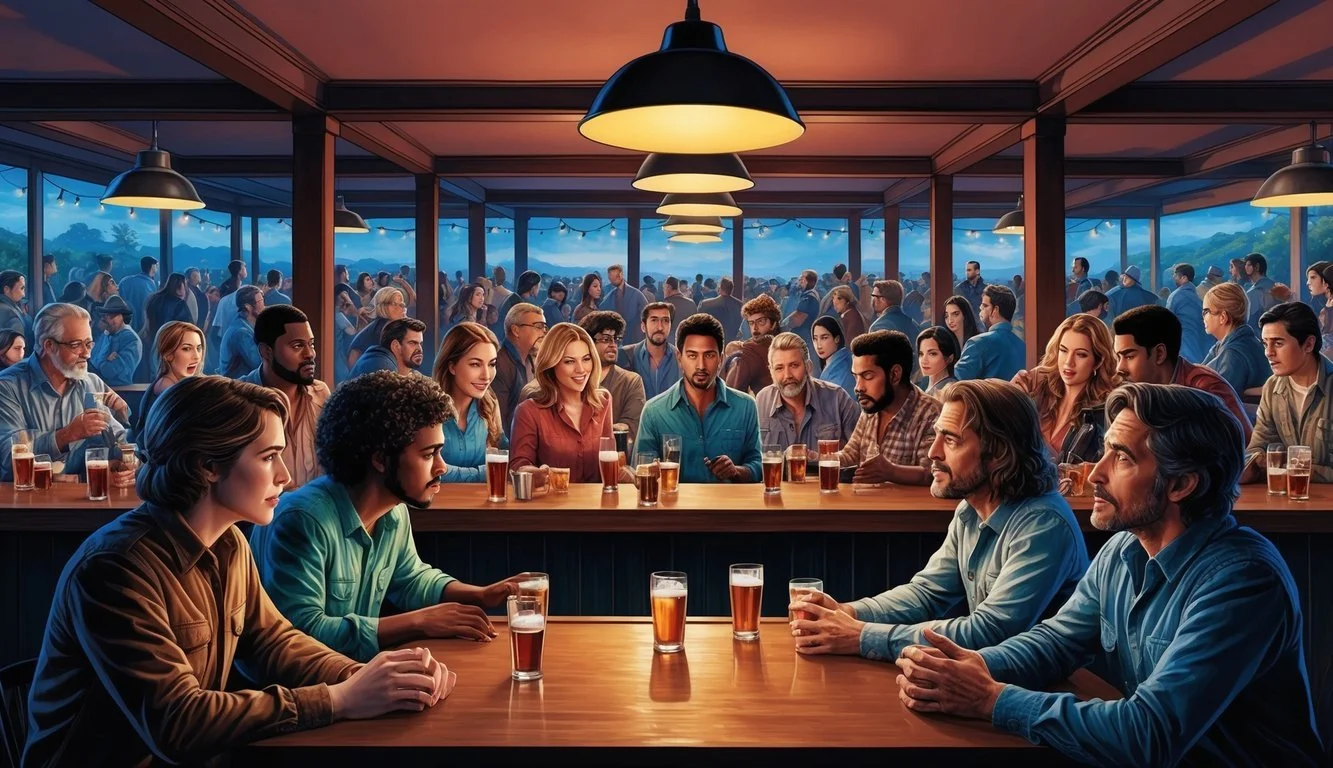
When a TV show like Yellowstone captures the hearts of millions, it's more than just good storytelling at work. The psychological mechanisms that turn casual viewers into devoted fans involve complex emotional connections, identity formation, and community belonging.
Yellowstone's particular blend of traditional values, family dynamics, and power struggles creates a perfect psychological storm that resonates deeply with viewers' own values and aspirations. The show offers multiple character perspectives that allow different viewers to find someone who represents their worldview or desired self.
This powerful connection is further strengthened by shared viewing experiences and online communities where fans discuss theories, character developments, and personal reactions. The sense of belonging to the "Yellowstone fandom" fulfills fundamental human needs for connection while the show's regular scheduling creates ritualistic viewing habits that become embedded in viewers' routines and identities.
Understanding Fandom Psychology
Fandom psychology explores the deep connections viewers form with media properties through cognitive and emotional mechanisms that transcend ordinary entertainment experiences. Research reveals that passionate fan bases like Yellowstone's develop through complex psychological processes involving identity formation, emotional investment, and social belonging.
Human Behavior and Media Engagement
Media engagement operates on multiple psychological levels, activating reward systems in the brain similar to those triggered by real-life social interactions. When viewers watch Yellowstone, their brains process characters' experiences through neural mechanisms that mirror actual relationships.
Research from the Journal of Consumer Psychology indicates that regular viewing builds parasocial relationships—one-sided attachments where viewers feel they "know" fictional characters. These relationships fulfill genuine social needs, particularly during periods of isolation.
Viewers experience physiological responses during intense scenes through autonomic nervous system activation. Heart rates increase during conflicts at the Dutton ranch, while feel-good neurotransmitters release during resolution scenes.
Binge-watching behavior specifically involves dopamine circuits that create anticipation-reward cycles, explaining why fans eagerly await each new Yellowstone episode.
The Role of Identity in Fandom
Fans often incorporate aspects of beloved shows into their personal identities, a process psychologists call "narrative identity integration." Yellowstone viewers may adopt values portrayed in the show, such as family loyalty or connection to land.
Research demonstrates that strong fandoms provide members with a sense of belonging and social identity. Sharing appreciation for Yellowstone creates common ground and fosters connection with like-minded individuals.
Fans typically align themselves with characters who reflect their own personality traits or aspirations. A viewer's preference for Beth Dutton versus Thomas Rainwater often reveals aspects of their own value systems.
Identity formation is particularly evident in fan communities where members develop specialized knowledge and language. Yellowstone fans discuss plot points using insider terminology that signals group membership.
Empathy and Emotional Bonds in Viewing Experience
Neuroimaging studies show that witnessing fictional characters' emotional states activates mirror neurons in viewers' brains. This neurological response creates genuine empathy when Yellowstone characters face hardships or celebrate victories.
The emotional investment in Yellowstone stems from viewers' ability to mentally simulate characters' experiences. This psychological process, called "transportation," temporarily allows fans to inhabit the Montana ranching world.
Strong narratives trigger hormonal responses including oxytocin release, which promotes emotional bonding. Characters' vulnerability and growth throughout multiple seasons strengthen these biochemical connections.
Emotional intensity particularly peaks during morally complex scenarios that challenge viewers' own ethical frameworks. Yellowstone's frequent presentation of difficult choices creates lasting emotional impact and discussion among fans.
Analyzing 'Yellowstone': A Case Study
Yellowstone serves as a compelling case study for understanding modern television fandom psychology. The show's unique combination of setting, character development, and distribution strategy has created one of the most dedicated viewer bases in recent television history.
Dedicated Viewership and Community Support
Yellowstone has cultivated remarkable viewer loyalty since its 2018 debut. The series consistently breaks viewership records, with its Season 4 finale attracting over 10 million viewers—unprecedented numbers for a cable drama in today's fragmented media landscape.
Online communities dedicated to Yellowstone have flourished across platforms like Reddit, Facebook, and Twitter. These spaces allow fans to analyze character motivations, predict plot developments, and share merchandise collections.
Fan conventions and Yellowstone-themed events have emerged in states like Montana and Wyoming, where attendees immerse themselves in the show's aesthetic. Many local businesses near filming locations report significant tourism increases directly attributable to the "Yellowstone effect."
The show's merchandising success further demonstrates fan dedication, with branded clothing, home goods, and even Dutton Ranch-inspired furniture lines generating millions in revenue.
Character Analysis and Viewer Attachment
Viewers form powerful attachments to Yellowstone's complex characters through sophisticated psychological mechanisms. The Dutton family members, particularly patriarch John Dutton (Kevin Costner), embody moral ambiguity that triggers deeper viewer engagement.
Research shows audiences develop parasocial relationships—one-sided emotional bonds—with characters they repeatedly encounter. Yellowstone maximizes this effect by featuring:
Consistent character arcs spanning multiple seasons
Relatable internal conflicts despite extraordinary circumstances
Emotional vulnerability beneath tough exteriors
Beth Dutton (Kelly Reilly) exemplifies this phenomenon, with her sharp-tongued exterior masking deep trauma. This complexity creates a protective viewer response rarely seen with more straightforward characters.
The show's exploration of loyalty, family bonds, and personal sacrifice resonates with viewers' own values. Many fans report seeing reflections of their own family dynamics in the Duttons' complex relationships.
Media Specificity and Its Impact on Fandom
Yellowstone's distribution strategy has significantly shaped its fandom. As a Paramount Network offering rather than a streaming-first show, it created appointment viewing in an era when such experiences had become increasingly rare.
The series embraces cinematic production values uncommon in television. Sweeping Montana landscapes shot on location provide visual grandeur that bonds viewers to both the fictional setting and actual geography of the American West.
Key Factors in Yellowstone's Media Appeal:
Epic scope reminiscent of classic Western films
High production values averaging $5-7 million per episode
Strategic release schedule creating anticipation
Limited streaming availability increasing perceived value
The show's cultural timing proved impeccable, arriving as audiences sought entertainment reflecting rural American experiences. This specificity attracted viewers who felt underrepresented in premium television, creating a fandom that partially defines itself through cultural identity rather than merely entertainment preference.
The Influence of Character Narratives
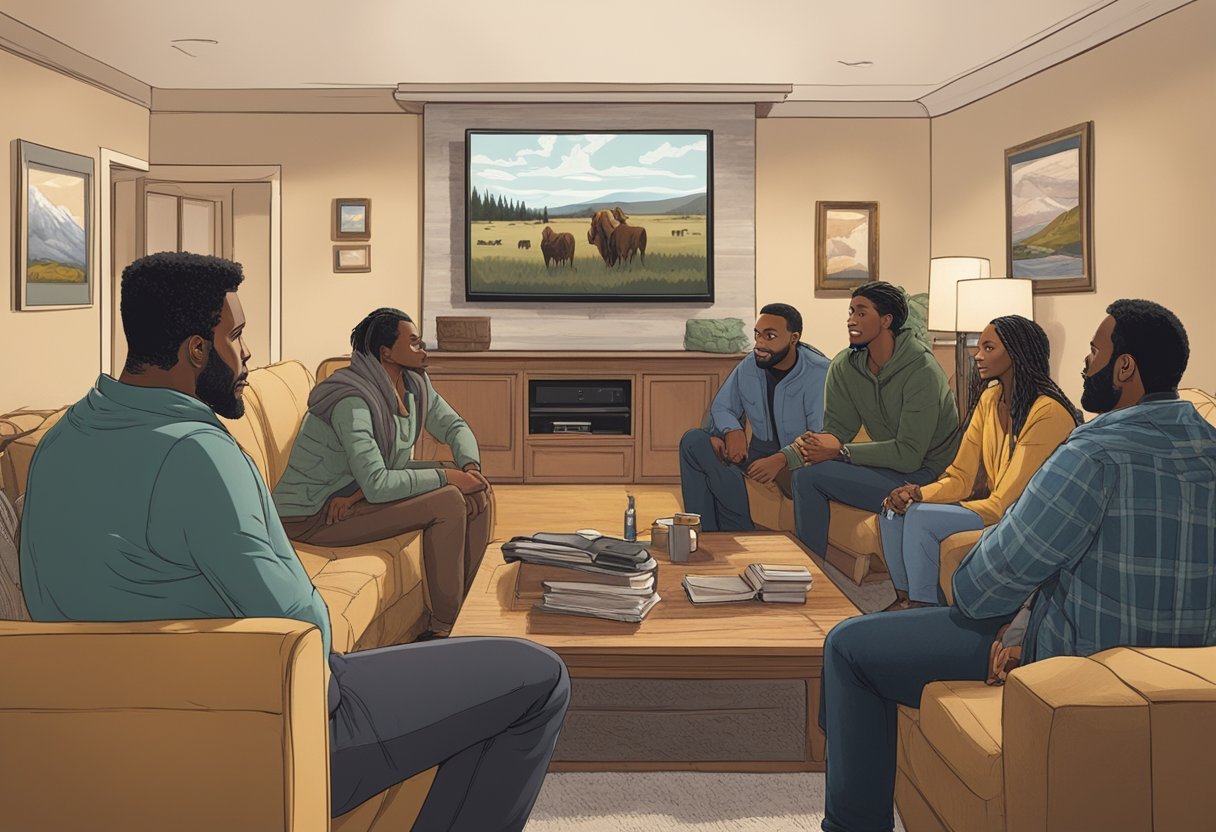
Character development in Yellowstone drives viewer loyalty through complex emotional connections and moral dilemmas. The Dutton family and their associates navigate shifting alliances, personal transformations, and ethical gray areas that mirror real-life challenges.
Relatability and Investment in Character Journeys
Despite their extraordinary circumstances, Yellowstone's characters face universal struggles that resonate with viewers. Beth Dutton's fierce loyalty to family and vulnerability regarding motherhood creates a multidimensional character that audiences both admire and empathize with.
Rip Wheeler's transformation from troubled youth to trusted ranch foreman demonstrates resilience and growth. His unwavering love for Beth forms an emotional anchor in the series, giving viewers a relationship to root for amid chaos.
Supporting characters receive equally nuanced treatment. Ranch hands like Lloyd and Jimmy provide accessible entry points for viewers from different backgrounds, showing how personal dignity exists at every social level.
Power Dynamics and Rivalries
Yellowstone expertly portrays the corrupting influence of power through its central conflicts. John Dutton's determination to maintain control of his land puts him at odds with developers, tribal leaders, and even his own children.
The shifting alliances between characters create unpredictable tensions. Jamie Dutton's complex relationship with his adoptive family illustrates how power struggles can fracture even the strongest family bonds.
Key Rivalries That Drive Viewer Investment:
John Dutton vs. Thomas Rainwater (land rights and cultural heritage)
Beth vs. Jamie (family loyalty and betrayal)
Kayce's internal conflict between Dutton legacy and his life with Monica
These power struggles feel authentic because they're rooted in relatable motivations: protection of family, preservation of identity, and survival.
Heaven and Hell: The Moral Landscape of 'Yellowstone'
Yellowstone presents a moral universe where traditional concepts of right and wrong blur constantly. Characters operate in an ethical wilderness where actions are judged by their effectiveness rather than moral purity.
The ranch itself represents both heaven and hell—a paradise worth protecting and a place where terrible acts occur in the name of preservation. This duality creates psychological tension for viewers who must reconcile their admiration for characters with the sometimes brutal methods they employ.
Religious imagery appears throughout the series, particularly in brand markings and references to judgment. The controversial "train station" disposal site serves as both literal and metaphorical edge between worlds—a place where those who threaten the ranch disappear.
Viewers become invested in this moral complexity because it challenges them to examine their own values. What compromises would they make to protect what they love?
The Economic and Educational Aspects of Fandom
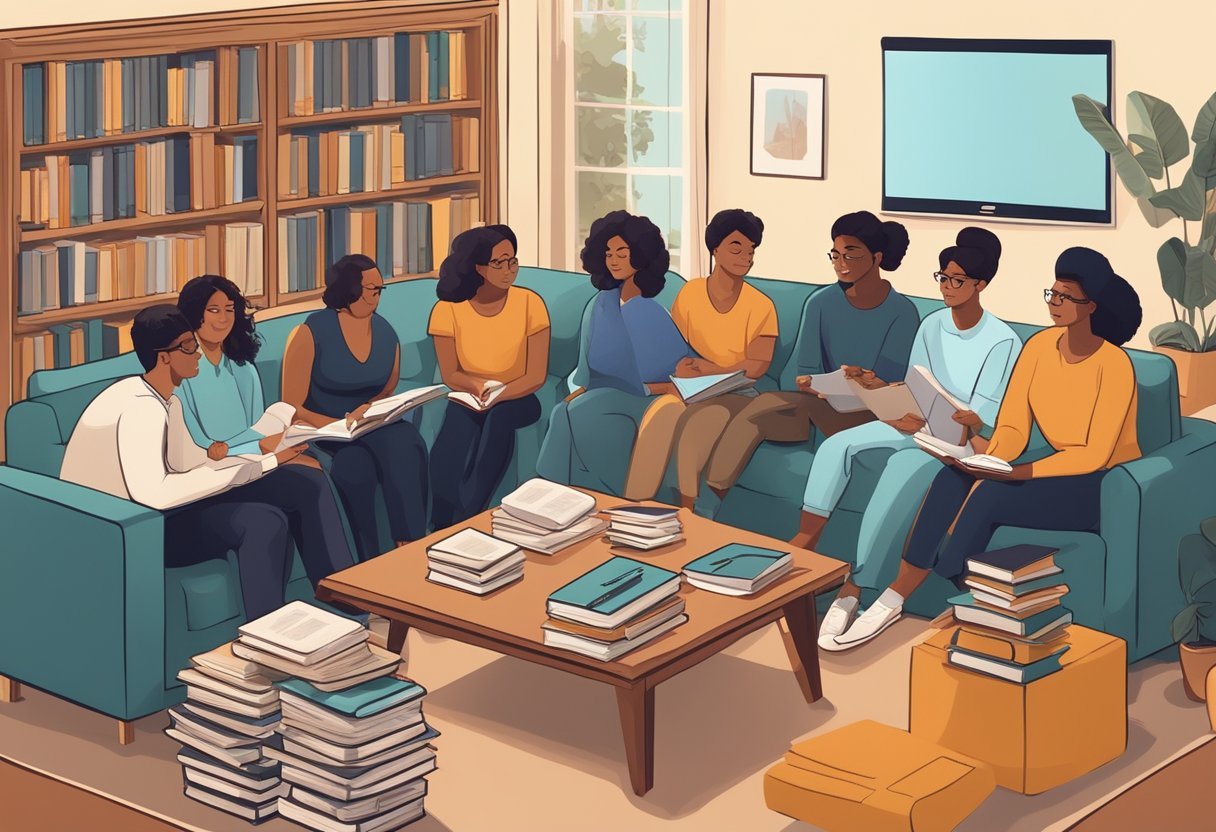
Yellowstone's passionate fan base has created substantial economic opportunities while simultaneously generating academic interest in fan culture and behavior. The intersection of commerce and education within fandoms reveals how popular entertainment transcends mere viewership to become both profitable ventures and subjects of serious scholarly inquiry.
Merchandising and Nonprofit Opportunities
Yellowstone merchandise has evolved into a multi-million dollar industry with branded clothing, home goods, and collectibles appearing in major retailers. The Dutton Ranch logo alone adorns everything from coffee mugs to premium western wear, creating revenue streams far beyond traditional advertising and viewing numbers.
Many fans have organized nonprofit fundraisers and charity events themed around the show. These community initiatives often benefit rural and agricultural causes that mirror the show's values, demonstrating how entertainment can inspire meaningful civic engagement.
Fan conventions and tourism to filming locations in Montana and Utah have stimulated local economies. Small businesses near filming sites report significant increases in visitors seeking authentic "Yellowstone experiences," creating economic ripples throughout these rural communities.
Fandom as a Subject of Academic Study
Universities increasingly recognize fan communities as worthy subjects of academic research. Media studies departments at institutions like UCLA and NYU offer courses analyzing how Yellowstone's portrayal of the American West influences viewer identity and cultural perception.
Sociologists study how the show's fandom creates communities with shared values and language. These academic explorations reveal how viewers find connection through their common investment in fictional narratives that reflect real cultural tensions.
Research on Yellowstone fandom appears in peer-reviewed journals examining:
Parasocial relationships between viewers and characters
Regional identity formation through media consumption
Generational differences in viewing habits and interpretations
Educational conferences now regularly feature panels dedicated to understanding the psychological and sociological implications of intense fan engagement with television narratives like Yellowstone.
Cultivating Accountability and Constructive Practices
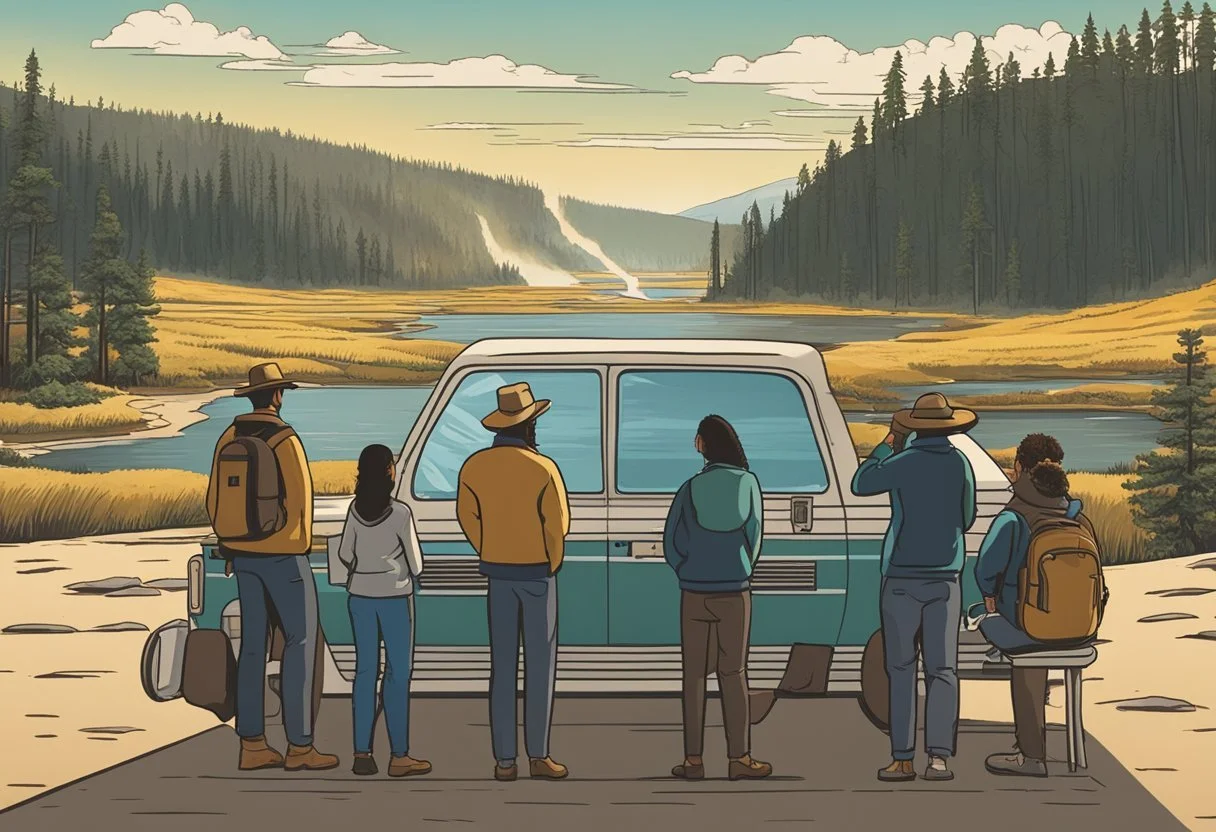
Fandoms thrive when members establish healthy boundaries and intentional practices that support meaningful engagement without toxicity. The Yellowstone community has developed specific mechanisms to maintain its positive culture while addressing problematic behaviors.
Responsible Fandom and Accountability Efforts
Yellowstone fan communities have implemented clear codes of conduct across online platforms. These guidelines often prohibit character bashing, actor harassment, and inappropriate content sharing.
Moderators in larger fan forums actively enforce these standards, removing harmful content and temporarily restricting disruptive members. This accountability structure preserves the welcoming atmosphere that attracted many viewers initially.
Fan leaders regularly remind members about respectful disagreement, particularly during controversial storyline developments. This practice has proven especially valuable following divisive plot twists in Season 4.
Effective Accountability Measures:
Public acknowledgment of mistakes
Private messaging systems for addressing concerns
Regular community standard reviews
Transparency about moderation decisions
Instructional Approaches for Positive Fandom
Experienced Yellowstone fans often mentor newcomers through established onboarding practices. These include directing new members to FAQ resources and episode guides before they join ongoing discussions.
Many fan communities host periodic "fandom etiquette" threads that outline constructive ways to engage with the show, actors, and fellow fans. These instructional efforts reduce misunderstandings and prevent unnecessary conflicts.
Fan sites frequently showcase exemplary contributions—thoughtful character analyses, well-researched historical context, or balanced criticism—to model ideal participation. This positive reinforcement strengthens community norms without explicit correction.
Community-created viewing guides offer structured approaches to discussing controversial topics like the show's politics or moral ambiguities. These frameworks help fans process complex themes productively rather than divisively.
Fandom in the Digital Era
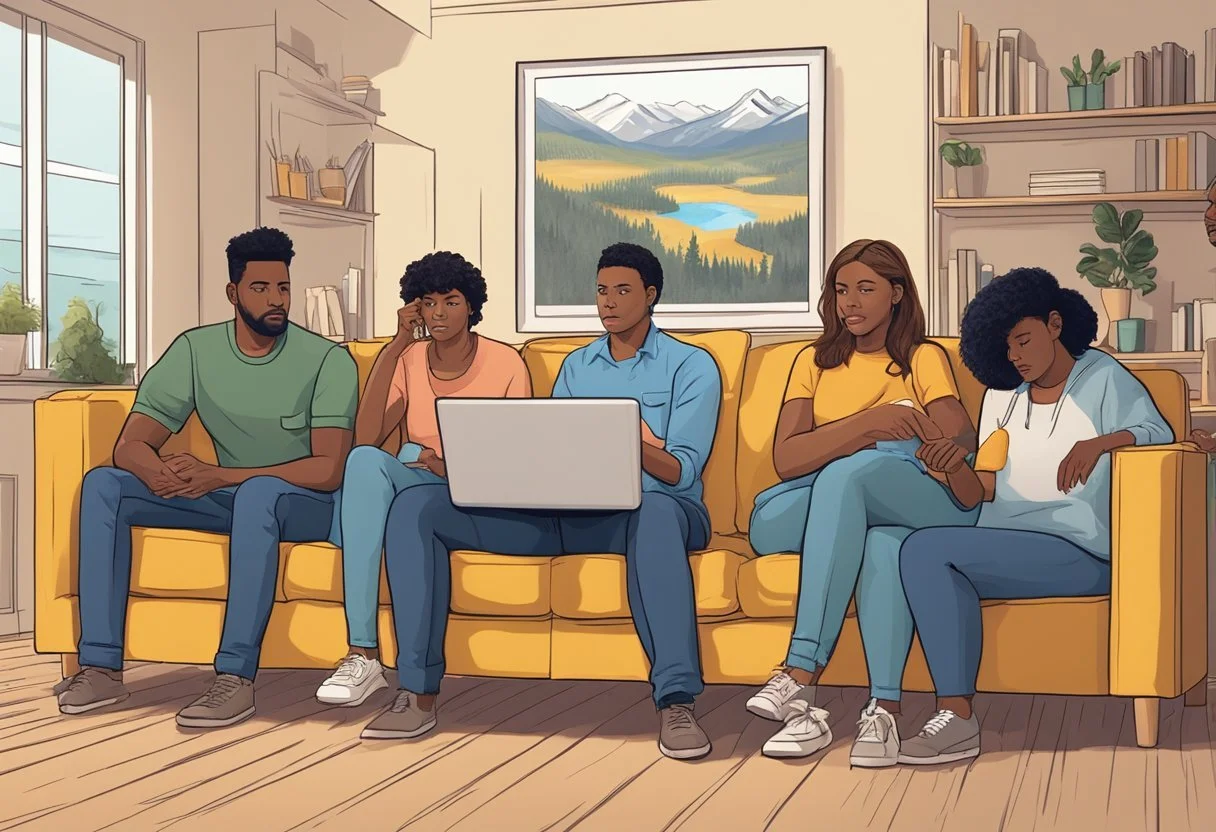
Technology has fundamentally transformed how fans engage with television shows like Yellowstone, creating unprecedented opportunities for community building and interaction. Digital platforms have become essential spaces where devotion to shows can be expressed, shared, and amplified beyond traditional viewership.
The Evolution of Online Fandom Communities
Fan communities have migrated from isolated viewing experiences to interconnected digital ecosystems. Forums, Reddit threads, and dedicated websites serve as gathering places where Yellowstone enthusiasts analyze episodes, share theories, and build collective knowledge.
These digital spaces function as support systems where fans validate each other's interpretations and emotional responses to the show. Discussion boards create persistent archives of fan discourse, allowing newcomers to catch up on years of analysis and speculation.
Fan-created content has flourished in these environments, with viewers producing everything from detailed character analyses to elaborate fan fiction extending the Yellowstone universe. This user-generated media demonstrates the depth of engagement digital platforms enable.
Dedicated apps and websites now track viewership metrics, episode guides, and character relationships, creating reference tools that deepen fan understanding and investment in the show's complex narrative world.
Social Media's Role in Fostering Devoted Viewers
Social media platforms have become crucial amplifiers of fandom, with hashtags like #YellowstoneTV creating virtual watch parties during broadcasts. These real-time conversations transform solitary viewing into communal experiences.
Cast members' social media presence provides fans unprecedented access to behind-the-scenes content and personal interactions that were impossible in previous eras. This direct connection between creators and audience fosters stronger emotional bonds to the show.
Twitter, Instagram, and TikTok serve as distribution networks for fan theories, character memes, and reaction videos that extend engagement between episodes. The algorithmic nature of these platforms connects like-minded fans while introducing new viewers to the passionate community.
Media companies now strategically leverage these digital communities, providing exclusive content and interactive experiences to maintain engagement during season breaks. This official support for fan activities legitimizes the community while keeping interest alive.
Conclusion
The phenomenal success of Yellowstone stems from its masterful blend of universal psychological appeals that resonate deeply with viewers. By creating complex characters that evolve meaningfully throughout the series, the show establishes powerful parasocial relationships with its audience.
The Western setting serves as more than mere backdrop—it taps into deeply held American mythologies and values that cross political divides. This combination of rugged individualism with family loyalty creates a compelling narrative dichotomy.
Taylor Sheridan's authentic storytelling approach adds credibility that keeps viewers engaged beyond typical entertainment. The show skillfully leverages psychological principles like narrative transportation and emotional investment to create a viewing experience that transcends mere entertainment.
Yellowstone's fandom illustrates how modern television can create shared cultural moments even in our fragmented media landscape. The passionate viewer base continues to grow because the show satisfies fundamental psychological needs for belonging, meaning, and escapism.
As the series continues its run, the devoted fandom demonstrates how strategically crafted stories can forge genuine connections with audiences. The Yellowstone phenomenon remains a case study in how understanding viewer psychology translates into unprecedented devotion and cultural impact.
