
Yellowstone Sparks Western Fashion Revolution in 2025
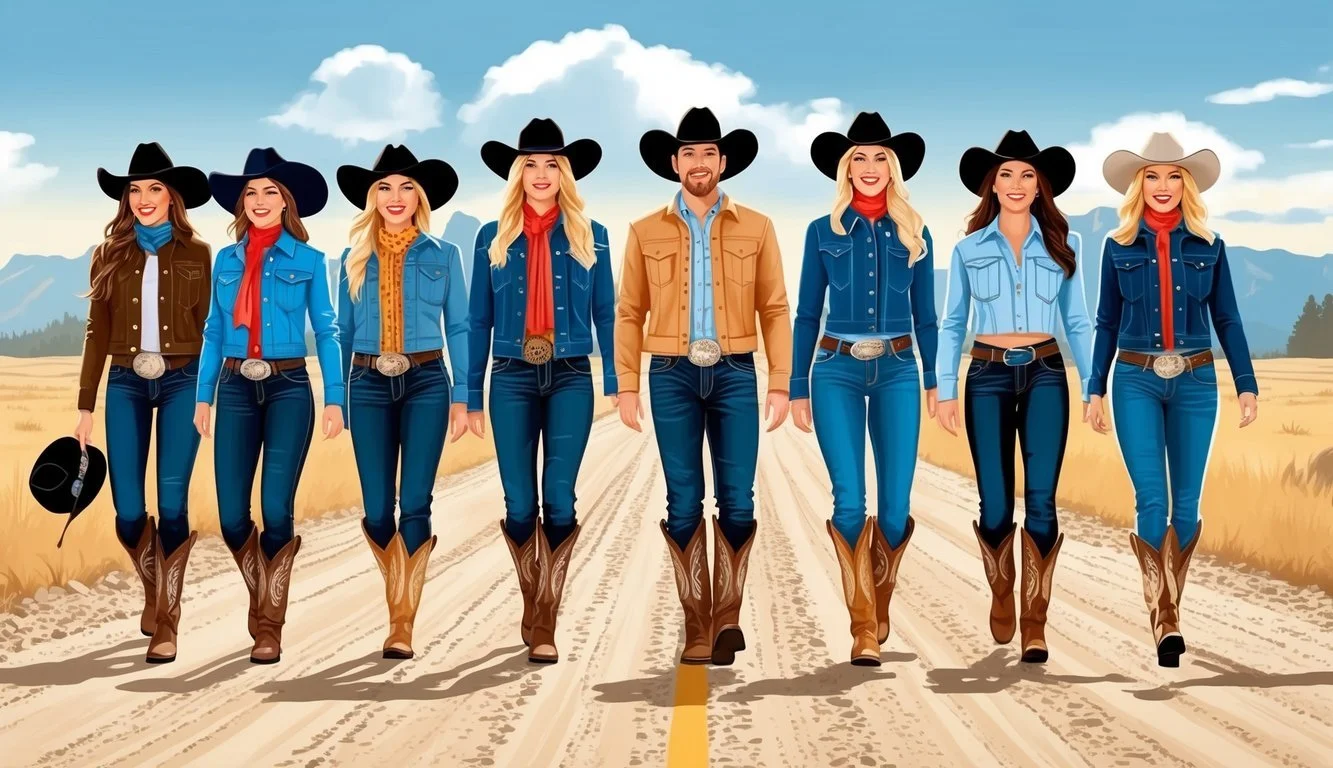
Yellowstone captivated viewers not only with its dramatic storylines but also with its authentic Western aesthetic. Since the show's premiere, Western fashion has experienced a remarkable renaissance, influencing runway collections and everyday wardrobes alike. The rugged elegance showcased in Yellowstone has transformed contemporary fashion, with items like cowboy boots and wide-brimmed hats becoming sought-after staples rather than costume pieces.
Major fashion houses, including Ralph Lauren, have embraced this trend, incorporating Western elements into their collections while maintaining their luxury appeal. The show's prequel, 1883, further cemented interest in historical Western wear, inspiring designers to explore vintage details like leather tooling and heritage fabrics. This revival extends beyond formal Western wear to casual interpretations that urban consumers can incorporate into their daily lives.
The influence extends to accessories as well, with cowboy boots experiencing unprecedented popularity across diverse demographics and geographic regions. These boots have evolved from purely functional items to fashion statements, available in countless variations that honor traditional craftsmanship while introducing modern elements for today's consumers.
Origins of Western Wear in Popular Culture
Western fashion has deep roots in American history but found renewed prominence through television and film depictions of frontier life. The romanticized portrayal of cowboys and ranch culture has significantly shaped modern interpretations of Western attire.
Influence of 'Yellowstone' and '1883'
The television series Yellowstone, which premiered in 2018, catalyzed a remarkable revival in Western fashion. Taylor Sheridan's drama showcased rugged ranch wear as both functional and stylish, inspiring viewers to adopt elements of this aesthetic.
In particular, the show popularized specific Western items that became highly sought-after:
Distressed leather jackets
Wide-brimmed felt hats
Pointed-toe boots
Belt buckles with ranch insignias
The prequel series 1883 further expanded this influence by presenting authentic period Western wear. Its historical accuracy gave viewers insight into the origins of modern cowboy style, highlighting how practical needs shaped the evolution of these garments.
Fashion retailers reported significant increases in Western wear sales following the shows' popularity. Department stores and specialty boutiques expanded their Western collections to meet growing consumer demand.
Evolution of Cowboy Aesthetics
Cowboy fashion originated from practical necessity rather than style concerns. Early ranchers and cattle drivers wore durable clothing that could withstand harsh conditions and long days on horseback.
Key developments in cowboy fashion include:
Era Fashion Development 1800s Functional denim, wide-brimmed hats for sun protection 1920s-50s Hollywood Westerns glamorized and stylized cowboy attire 1970s-80s Urban cowboy trend brought Western elements into mainstream fashion 2018-present Yellowstone-inspired authentic ranch wear revival
Traditional cowboy aesthetics emphasized utility with minimal ornamentation. Modern interpretations often blend these practical elements with contemporary fashion sensibilities.
Regional variations developed across different ranching territories. Texas cowboys favored larger hat brims compared to their northern counterparts, while different climates dictated variations in coat styles and materials.
Modern Interpretations and Fashion Crossovers
The Western aesthetic has transcended its roots to become a significant influence in modern fashion. Designers and mainstream brands now incorporate elements of traditional Western wear with contemporary sensibilities, creating versatile pieces that appeal to wider audiences.
Ralph Lauren's Take on Western Style
Ralph Lauren has been instrumental in elevating Western fashion to luxury status since the 1980s. His RRL line specifically draws from vintage Western workwear, incorporating authentic details with premium materials.
Lauren's interpretation blends rugged denim with fine silk shirts and butter-soft leather boots, creating a refined take on ranch wear. The designer often uses traditional Western motifs like horseshoes and cattle brands but executes them with sophisticated craftsmanship.
His seasonal collections frequently feature Western staples reimagined in linen for summer or rich wool for winter. Lauren's runway shows have showcased everything from distressed ranch jackets to elegant evening wear with subtle Western influences.
The brand's photography and marketing campaigns consistently romanticize the American West, positioning Western wear as timeless rather than trendy.
Western Wear Goes Mainstream
Western fashion elements have infiltrated everyday wardrobes beyond specialty stores. Cowboy boots now pair regularly with sundresses and business attire, transcending their original utilitarian purpose.
Major retailers like Zara and H&M frequently incorporate Western details such as fringe, conchos, and yoke seaming into their seasonal collections. This mainstreaming has made Western fashion accessible at various price points.
Denim manufacturers have embraced Western-inspired washes, stitching, and silhouettes. Raw denim enthusiasts particularly appreciate the connection to traditional Western workwear construction techniques.
Social media influencers have accelerated Western fashion adoption by styling classic pieces in unexpected ways. Western shirts in silk or linen blends have become popular alternatives to traditional cotton chambray options.
Music festivals like Stagecoach and country music's continued popularity have further cemented Western wear's place in contemporary fashion conversations.
Impact on Fashion Industry
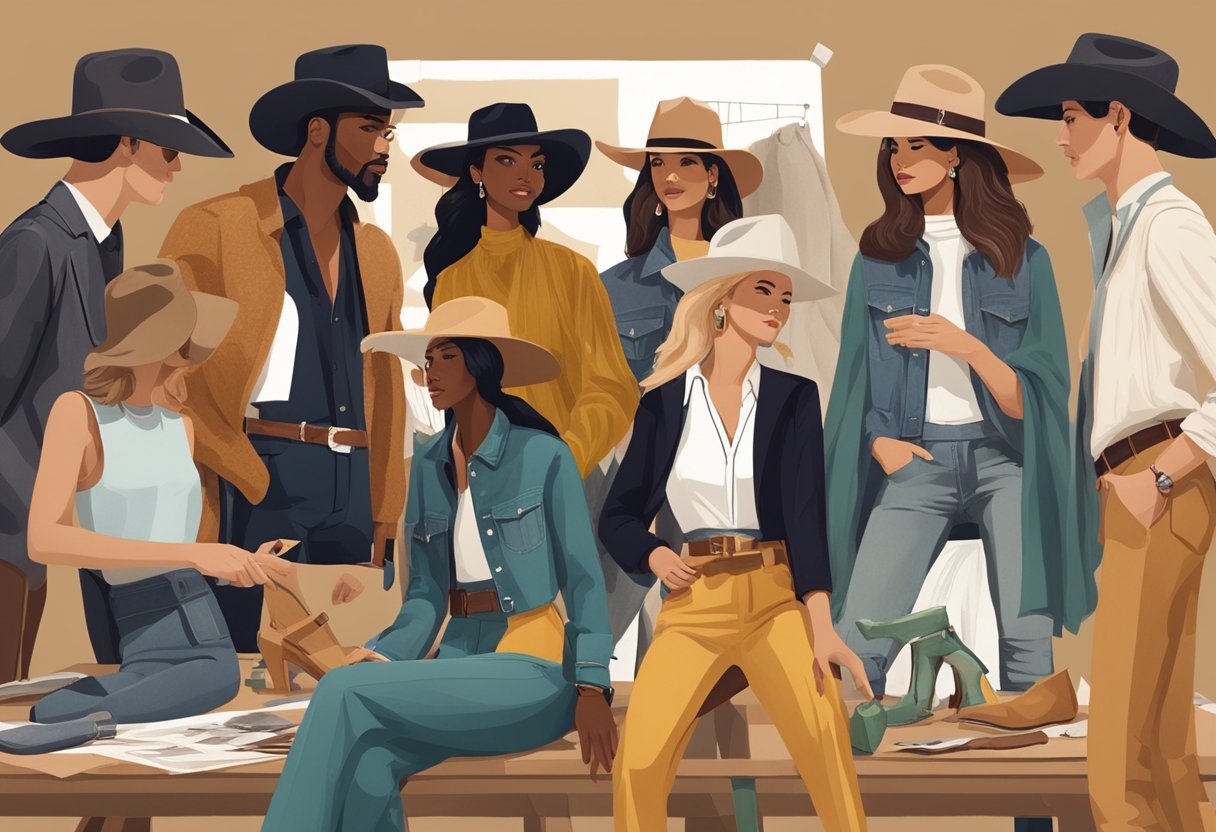
The Yellowstone series created ripple effects throughout the fashion world, catapulting Western wear from niche market to mainstream prominence. Major designers and retailers quickly capitalized on the show's aesthetic influence, transforming ranch-inspired clothing into coveted fashion statements.
Economic Influence
Western wear sales surged dramatically following Yellowstone's debut, with retailers reporting up to 35% increases in categories like cowboy boots, hats, and denim. Retail analytics firm NPD Group documented that Western boot sales alone jumped 24% in 2022, representing over $1.2 billion in consumer spending.
Major Brand Participation:
Ralph Lauren expanded their RRL Western collection by 40%
Wrangler launched a Yellowstone-inspired capsule collection
Boot makers like Lucchese and Ariat doubled production
Department stores created dedicated Western sections to meet demand, while luxury retailers introduced high-end interpretations of classic ranch wear. This trend created thousands of manufacturing jobs across the American Southwest and revitalized small Western wear boutiques that had struggled in previous decades.
Western Wear as a Timeless Trend
Unlike typical television-inspired fashion phenomena, Western wear's resurgence has demonstrated remarkable staying power. Cowboy boots transitioned from specialty footwear to fashion essentials, appearing on runways from Milan to Paris.
Ralph Lauren, long a champion of Western aesthetics, elevated ranch-inspired pieces to luxury status through premium materials and refined tailoring. Their approach helped Western wear cross demographic boundaries, appealing to both traditional and fashion-forward consumers.
Fashion analysts note that Western wear's practicality contributes to its endurance. Durable denim, functional boots, and weather-appropriate outerwear offer utility beyond mere style. This practical foundation, combined with rich cultural heritage, positions Western fashion as more than a fleeting trend.
Digital Influence on Western Fashion
The internet has fundamentally transformed how Western fashion trends develop and spread, creating new marketplaces and influencer ecosystems that amplify the Yellowstone-inspired aesthetic.
Role of Social Media and Online Platforms
Instagram and Pinterest have become powerful catalysts for Western fashion's mainstream adoption since Yellowstone's debut. Fashion influencers regularly showcase their ranch-ready outfits, generating millions of impressions for brands like Stetson and Wrangler.
TikTok's #WesternWear hashtag has accumulated over 2.4 billion views as of early 2025, with content creators demonstrating styling techniques for authentic cowboy boots and hats. These platforms serve as virtual lookbooks where consumers discover new interpretations of Western classics.
Western fashion brands now allocate approximately 60% of their marketing budgets to digital channels, according to industry reports. This shift represents a significant change from pre-Yellowstone marketing strategies that relied heavily on print and in-person events.
E-commerce and Western Apparel
Online shopping accelerated Western fashion's accessibility beyond traditional geographic boundaries. Retailers like Boot Barn and Sheplers expanded their digital footprints, reporting 78% increases in e-commerce sales between 2020-2025.
Personalized advertising algorithms now identify potential Western wear enthusiasts based on their content consumption patterns, particularly viewers of Western-themed entertainment. These targeted approaches have proven highly effective, with conversion rates 3.5 times higher than standard digital advertising.
Drop-shipping models enabled smaller, boutique Western brands to compete nationally without substantial infrastructure investments. This democratization of the marketplace introduced diverse design perspectives to the Western fashion conversation.
Direct-to-consumer Western apparel startups raised over $300 million in venture capital between 2022-2025, focusing on sustainable materials and tech-enhanced performance features while maintaining authentic Western aesthetics.
Consumer Privacy and Data in Fashion
As Western fashion gained popularity following Yellowstone's success, retailers began collecting unprecedented amounts of consumer data to capitalize on these trends. The digital landscape of fashion retail now balances personalization benefits against growing privacy concerns.
Cookies and User Experience
Fashion retailers leveraging the Western wear trend utilize cookies to enhance shopping experiences. When browsing cowboy boots or ranch-style jackets, these digital trackers collect valuable information about consumer preferences and browsing habits.
Many Western fashion websites employ cookies to authenticate users, remember items in shopping carts, and deliver targeted product recommendations. A typical Cookie Policy outlines how search data and IP addresses are collected to create smoother shopping journeys.
Retailers often differentiate between essential cookies that enable basic site functionality and optional tracking cookies that support marketing efforts. This distinction allows consumers to enjoy basic browsing capabilities while maintaining some control over their personal data footprint.
Impact of Privacy Settings on Personalised Advertising
Privacy settings directly influence how Western fashion brands deliver customized marketing content. When consumers restrict data collection, retailers lose valuable insights that power their advertising strategies.
Consent frameworks now appear prominently on fashion websites, allowing shoppers to determine how their geolocation data and browsing behavior inform the advertisements they see. These choices significantly impact revenue streams for Western wear retailers who rely on personalized marketing.
Key Privacy Setting Options:
Content measurement permissions
Audience research participation
Location tracking preferences
Third-party data sharing limitations
Brands balancing respect for privacy with effective advertising often offer incentives like exclusive discounts to encourage data sharing. This approach acknowledges consumer rights while maintaining the personalization that drives fashion retail success.
Implementing Security Measures in Online Retail
Western fashion retailers must protect the consumer data they collect through robust security protocols. Multi-factor authentication has become standard practice for accounts storing payment information and shipping details.
Encryption technology safeguards personal data during transactions, ensuring that credit card information remains secure when purchasing that perfect Yellowstone-inspired outfit. Leading retailers implement regular security audits to identify vulnerabilities before they can be exploited.
Essential Security Measures:
Secure payment gateways
Data encryption
Regular security updates
Fraud detection systems
Measures to prevent spam and unauthorized access help build consumer trust in the online Western wear marketplace. Retailers who publicly communicate their security practices often see higher conversion rates, as shoppers feel confident their personal information remains protected throughout the transaction process.
Sustainability and Ethical Considerations
The resurgence of Western fashion following Yellowstone's popularity has prompted important conversations about sustainable practices and ethical manufacturing in the industry. Fashion brands are now increasingly accountable for their environmental impact and labor practices.
Sourcing of Materials like Silk and Linen
Sustainable Western fashion emphasizes responsible material sourcing. Designers are turning to eco-friendly fabrics like organic cotton, hemp, and responsibly-produced silk and linen as alternatives to synthetic materials.
Silk production has undergone significant scrutiny, with peace silk (allowing silkworms to complete their lifecycle) becoming more prevalent in Western-inspired collections. This non-violent silk harvesting method appeals to environmentally conscious consumers looking for ethical luxury materials.
Linen has emerged as a hero fabric in sustainable Western wear. Made from flax plants requiring minimal water and pesticides, linen provides breathability and durability ideal for Western shirts and summer jackets.
Several brands now publish transparency reports detailing their material sourcing practices. These reports include information about water usage, carbon footprint, and the longevity of their products.
Ethical Manufacturing in the Fashion Industry
Western fashion brands have begun prioritizing fair labor practices throughout their supply chains. This shift responds to consumer demand for ethically-made products that don't compromise worker welfare.
Small-batch production has become a hallmark of ethical Western wear. Local artisans create handcrafted pieces, preserving traditional techniques while ensuring fair compensation. These limited quantities reduce waste and environmental impact.
Certifications like Fair Trade and B Corp have gained prominence among Western fashion retailers. These designations verify brands meet stringent standards for environmental performance, accountability, and worker treatment.
Consumer education plays a crucial role in ethical Western fashion. Brands now highlight the craftsmanship behind their products, explaining production processes and the artisans involved in creating authentic Western wear pieces.
Price transparency helps justify higher costs of ethically-produced Western fashion. Brands break down pricing to show how fair wages and sustainable practices influence product costs.
Looking Ahead: The Future of Western Wear
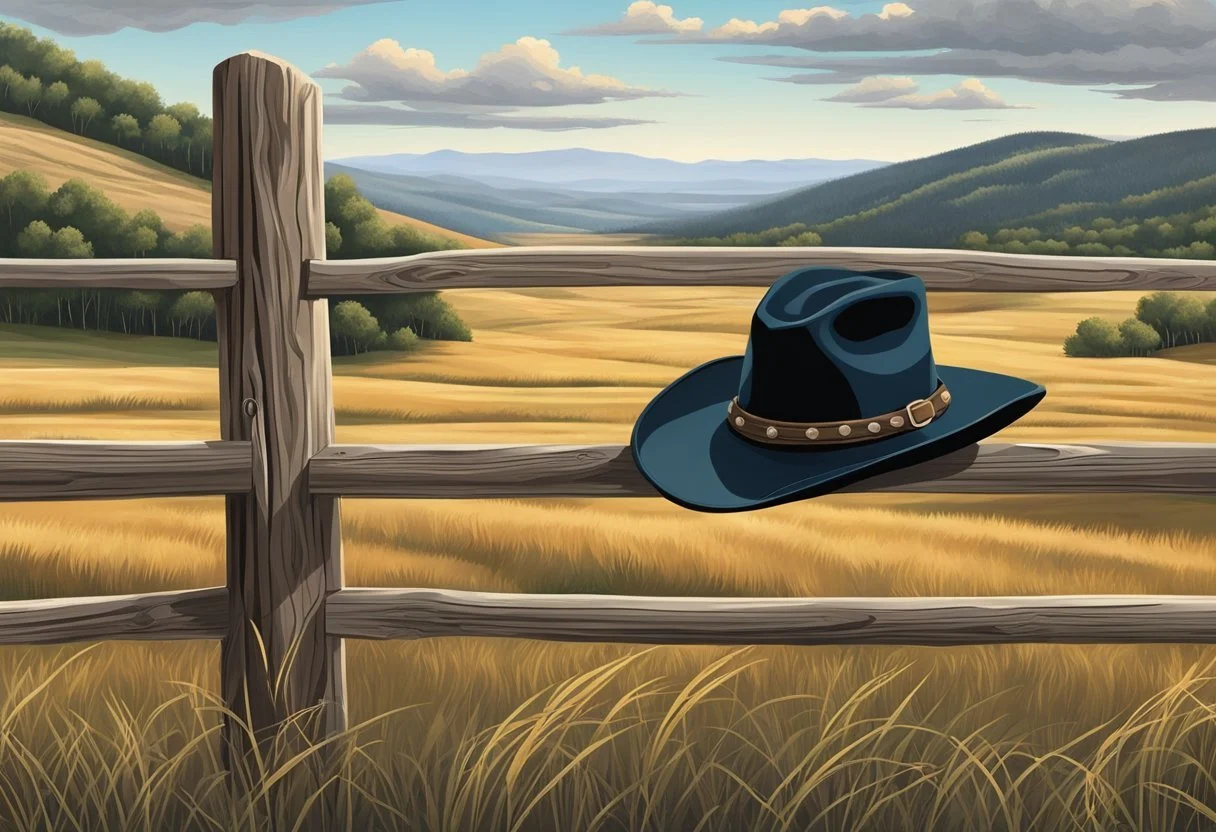
Western fashion continues to evolve beyond the cultural impact of shows like Yellowstone. The industry now stands at a crossroads between honoring tradition and embracing innovation, with sustainability becoming a driving force behind new developments.
Predictions and Emerging Trends
Western wear is moving toward a more inclusive aesthetic that blends authentic ranch functionality with contemporary sensibilities. Industry analysts project growth in luxury Western markets by approximately 15% annually through 2028, particularly in premium cowboy boots and bespoke ranch wear.
High-fashion houses have begun incorporating Western elements into seasonal collections, suggesting the trend's longevity beyond television influences. Brands like Zimmerman and Isabel Marant regularly feature modern interpretations of classic Western silhouettes.
The "cowboy core" aesthetic is evolving into more subtle expressions, with consumers preferring versatile pieces that work in both urban and rural settings. This shift reflects a broader cultural appreciation for Western heritage rather than costume-like imitation.
Cross-cultural Western wear is gaining traction, with designers incorporating global textile traditions into classic Western designs. Japanese denim in Western cuts and Mexican embroidery on ranch shirts represent this growing trend.
Innovations in Material and Design
Technical fabrics are revolutionizing traditional Western wear, with performance materials enhancing durability while maintaining authentic appearances. Moisture-wicking denim and temperature-regulating wool blends offer modern functionality to classic styles.
Sustainable production has become central to Western fashion's future. Brands are adopting low-impact dyeing processes for denim and developing eco-friendly alternatives to leather for boots and accessories.
Silk and linen are experiencing a renaissance in Western wear. These natural fibers offer breathability and luxury while supporting the industry's push toward sustainability. Silk Western shirts and linen blend ranchwear provide comfort in various climates.
Cowboy boots are undergoing significant innovation with companies developing plant-based alternatives to traditional leathers. These materials maintain the boots' iconic appearance while reducing environmental impact by up to 60% compared to conventional production.
Digital customization platforms now allow consumers to design personalized Western wear with reduced waste. From made-to-order boots to custom-fit jeans, technology is enabling both sustainability and individual expression in Western fashion.
