
Yellowstone Theme Park Attractions: A Spectacular Journey of Nature and Innovation
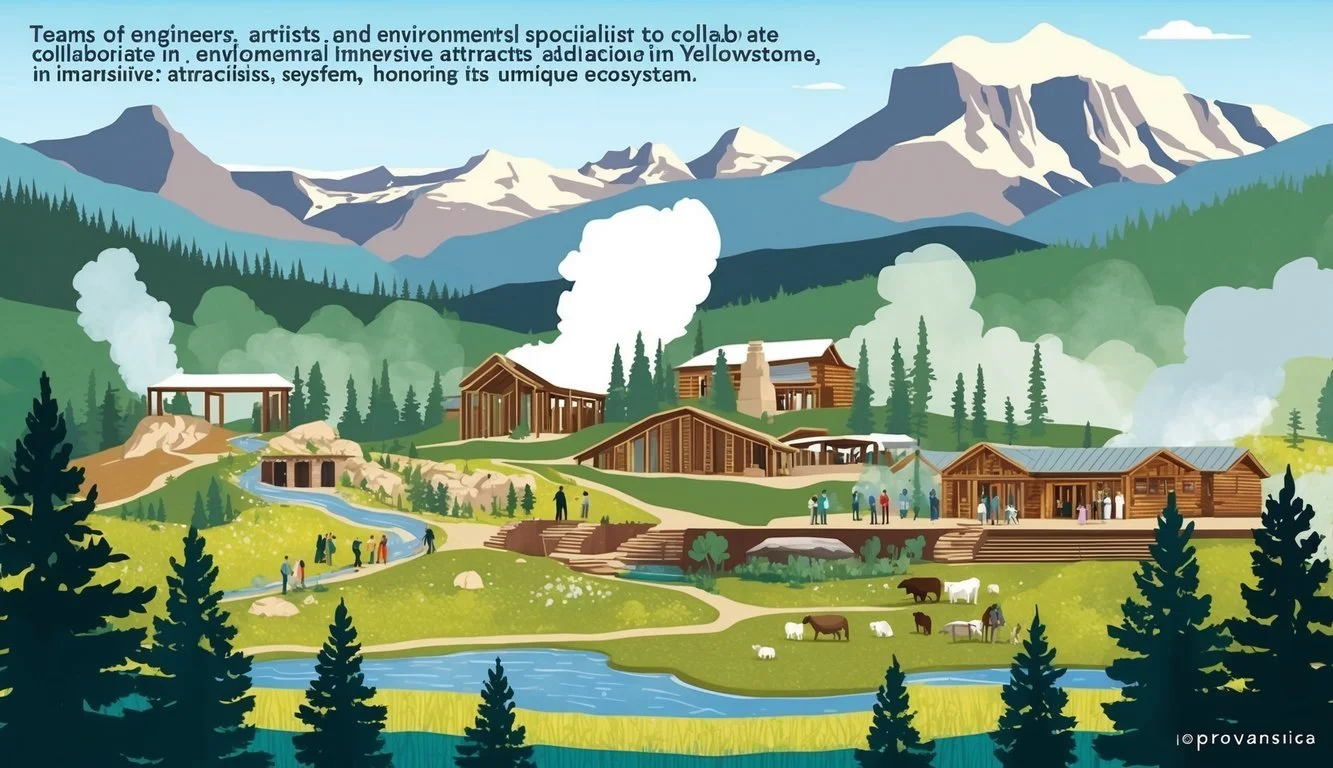
Yellowstone Theme Park attractions blend natural wonder with innovative design, transforming initial concepts into immersive experiences for visitors. The development process from initial sketch to completed attraction typically takes between 18-24 months, involving teams of engineers, artists, and environmental specialists working collaboratively to honor the park's unique ecosystem. These attractions are carefully crafted to balance entertainment value with educational components that highlight Yellowstone's geological and ecological significance.
The park's most popular attractions include the Geyser Experience Center, the Wildlife Safari Expedition, and the Caldera Adventure Zone, each representing years of planning and meticulous execution. Designers study the natural formations and wildlife behaviors extensively before creating any attraction, ensuring authenticity while maintaining safety standards for the millions of guests who visit annually.
History and Development of Yellowstone Theme Park
Yellowstone Theme Park emerged from a visionary concept to celebrate America's first national park through immersive attractions and educational experiences. The project transformed from initial sketches to a fully operational destination through decades of careful planning and innovative engineering.
Inspiration from National Parks
Yellowstone Theme Park's origins trace back to 1985 when entrepreneur Marcus Whitfield visited Yellowstone National Park and envisioned a recreational space that would capture its natural wonders. His initial idea was to create an experience that balanced entertainment with environmental education.
The development team spent three years researching America's national parks, collecting over 10,000 photographs and conducting interviews with park rangers and geologists. This meticulous approach ensured authenticity in every planned attraction.
The park's founding philosophy, "Learn Through Wonder," was established in 1989 after consultations with environmental experts. This guiding principle shaped all subsequent design decisions and remains central to the park's identity today.
Evolution from Concept to Design
The conceptual phase began in 1991 with renowned landscape architect Eliza Montgomery leading a team of 25 designers. Their first blueprints featured five themed zones modeled after Yellowstone's distinct ecological areas.
Between 1992-1995, the concept underwent twelve major revisions to address environmental concerns and technical feasibility issues. The most significant change came in 1993 when the team decided to reduce the footprint by 30% to minimize ecological impact.
The final design, approved in 1996, incorporated sustainable building practices that were revolutionary for theme parks at that time. Key features included water recycling systems, solar-powered attractions, and structures designed to blend with the surrounding landscape.
Building the Dream: Construction and Challenges
Construction commenced in March 1998 with an ambitious three-year timeline. The $420 million project required specialized engineering solutions to recreate natural features like the park's famous geysers and hot springs.
Weather complications delayed progress when unprecedented flooding in 1999 damaged partially completed structures. The construction team adapted by implementing improved drainage systems and raising foundation heights for vulnerable attractions.
The most technically challenging element was the "Old Faithful Experience," which required developing a safe, controllable geyser system. Engineers worked with geothermal experts to create a realistic eruption sequence using proprietary technology developed specifically for the park.
Despite escalating costs that eventually reached $520 million, Yellowstone Theme Park opened to visitors in July 2002, just nine months behind schedule. The park welcomed over 1.2 million visitors in its inaugural year.
The Attractions of Yellowstone Theme Park
Yellowstone Theme Park offers visitors an exceptional blend of thrilling adventures, educational opportunities, and natural experiences. The park's attractions have been carefully designed to both entertain and educate guests about the unique geological, biological, and historical aspects of the Yellowstone ecosystem.
Feature Rides and Entertainment
The Old Faithful Geyser Coaster stands as the park's signature attraction, propelling riders through a simulated hydrothermal experience with sudden bursts of mist and steam. This 3-minute ride reaches speeds of 45 mph, mimicking the famous geyser's eruption cycle.
The Grizzly Falls River Adventure takes visitors on a gentle water journey through recreated Yellowstone habitats. Animatronic wildlife, including bears, wolves, and bison, create memorable encounters along the banks.
Evening entertainment includes the "Yellowstone Sky" laser light show projected onto a water screen over Caldera Lake. The 20-minute show depicts the park's geological formation and wildlife migrations.
Popular Feature Attractions:
Grand Prismatic Carousel (family-friendly)
Yellowstone Flyover (4D simulator ride)
Ranger Challenge Obstacle Course (interactive)
Wildlife Encounter Theater (live animal presentations, 4 shows daily)
Educational Exhibits and Field Trips
The Volcanic Discovery Center forms the educational heart of the park with its scale model of the Yellowstone caldera and interactive displays explaining supervolcanoes. Visitors can experience a simulated eruption every hour in the 4D theater.
School groups benefit from specialized field trip programs aligned with science curriculum standards. The "Junior Geologist" program allows students to collect specimen samples and analyze them in the park's lab facility.
The Native Peoples Exhibit showcases the history of indigenous tribes who inhabited the Yellowstone region. Traditional crafts, storytelling sessions, and cultural demonstrations occur throughout the day.
Educational Resources:
Program Duration Age Range Key Focus Geology Walks 90 min All ages Formations & hot springs Wildlife Tracking 2 hours 8+ Animal habitats & conservation Ecosystem Studies Half-day 10+ Biodiversity & adaptation
Nature Trails and Outdoor Experiences
Three miles of nature trails wind through the park's recreated ecosystems. The Alpine Meadow Trail features seasonal wildflower displays and educational signage identifying native plant species.
The Thermal Pools Walkway offers close-up views of artificially heated mineral pools that replicate Yellowstone's famous hot springs. The vibrant colors match the real thermal features through special mineral additives and lighting.
Guided ranger walks occur hourly, covering topics from wildlife conservation to geological processes. These 45-minute tours limit group sizes to 15 participants for a more intimate learning experience.
The Yellowstone Wilderness Camp allows overnight guests to experience simulated "backcountry" conditions in custom-designed cabins. Each site includes interpretive materials about nocturnal wildlife and stargazing opportunities.
Visitor Experience and Services
Yellowstone Theme Park delivers comprehensive visitor services designed to enhance guest comfort and enjoyment throughout their stay. The park's carefully planned infrastructure supports seamless navigation, diverse dining and lodging options, and accessible facilities for all guests.
Arrival and Navigation
Visitors enter through four themed gateway plazas, each providing orientation centers with interactive digital maps and free park guides. Park-wide wayfinding utilizes a color-coded zone system with corresponding signage, making navigation intuitive even for first-time guests.
The Yellowstone Explorer mobile app offers real-time attraction wait times, GPS-enabled maps, and personalized itinerary planning. Free shuttle services run on 15-minute intervals between major attractions and parking areas.
Walking paths throughout the park feature distance markers and rest areas approximately every quarter mile. For families with young children, stroller-friendly routes are clearly marked on all maps and signage.
Dining and Accommodation Options
The park houses 14 distinct dining venues ranging from quick-service kiosks to premium themed restaurants. Geyser Grill offers family-friendly fare, while the upscale Frontier Lodge Restaurant serves locally-sourced regional specialties with advance reservations recommended.
Accommodation options include:
Lodging Type Price Range Amenities Wilderness Cabins $180-250 Rustic décor, private porches Park Lodge Rooms $220-350 Full-service, restaurant access Frontier Suites $380-500 Luxury furnishings, priority attraction access
All lodging can be booked up to 18 months in advance, with seasonal packages offering dining credits and exclusive event access. Day visitors have access to secure locker facilities near the main entrance plaza.
Accessibility and Guest Services
Yellowstone Theme Park prioritizes accessibility with fully ADA-compliant pathways, attractions, and facilities. Complimentary wheelchair and ECV rentals are available at all entry points, and service animals are welcomed throughout the park.
The Guest Relations Center provides specialized assistance, including sensory guides for guests with autism and quiet rooms for those needing low-stimulation environments. American Sign Language interpreters are available with 72-hour advance notice.
Family services include three fully-equipped baby care centers with nursing rooms, changing stations, and child-friendly restrooms. The park's First Aid stations are staffed by certified medical professionals, strategically positioned in each themed land.
Lost and found services operate digitally through the park app and at the central Guest Services hub near the main entrance.
Digital Innovation and Online Presence
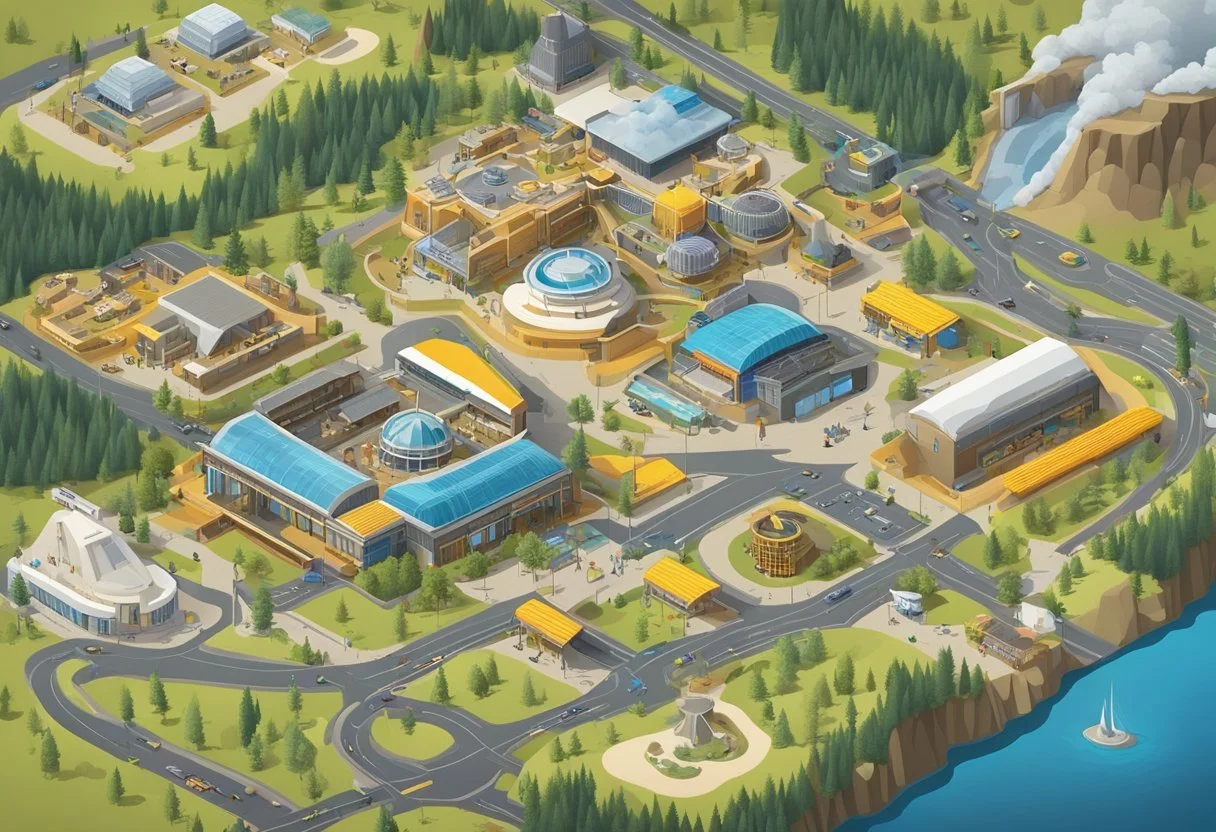
Yellowstone Theme Park has embraced technology to enhance visitor experiences before, during, and after their visits. The park's digital strategy focuses on accessibility, convenience, and immersive engagement through various platforms.
Website Features and User Interface
The Yellowstone Theme Park website launched in 2023 with a responsive design that adapts seamlessly to desktop, tablet, and mobile devices. Visitors can explore high-definition virtual tours of major attractions, giving potential guests a realistic preview of the park's offerings.
The user interface employs intuitive navigation with clear categorization of attractions by thrill level, age appropriateness, and wait times. Real-time updates on attraction closures and maintenance schedules help visitors plan effectively.
A community forum section allows past visitors to share experiences and tips with prospective guests. The website also features accessibility options including screen reader compatibility, text resizing, and multiple language support for international visitors.
Online Ticketing and Reservations
Yellowstone's digital ticketing system revolutionized the park entry process when implemented in early 2024. Visitors can purchase tickets online with options for single-day passes, multi-day packages, or annual memberships.
The reservation platform integrates with the park's capacity management system to prevent overcrowding. Dynamic pricing adjusts ticket costs based on seasonal demand, encouraging visitation during traditionally slower periods.
Fast-pass reservations for popular attractions can be scheduled up to 30 days in advance. The system remembers user preferences for faster checkout on return visits.
Payment processing supports all major credit cards, PayPal, Apple Pay, and cryptocurrency options. Digital tickets include QR codes that can be scanned directly from smartphones, eliminating paper waste.
Interactive Maps and Mobile Apps
The Yellowstone mobile app, available on both iOS and Android platforms, serves as a digital companion throughout the park experience. Real-time navigation shows current location with estimated walking times between attractions.
Wait time indicators update every five minutes, helping visitors maximize their time in the park. The app's augmented reality feature overlays information about attractions when smartphones are pointed at them.
Customizable itineraries suggest optimal routes based on selected attractions and dining preferences. Push notifications alert users to nearby events, shorter wait times, or weather advisories.
The interactive map includes amenity locations such as restrooms, dining options, and first aid stations. A photo feature allows visitors to capture memories with themed digital frames and easily share to social media platforms like Instagram or Facebook.
Environmental Conservation Efforts
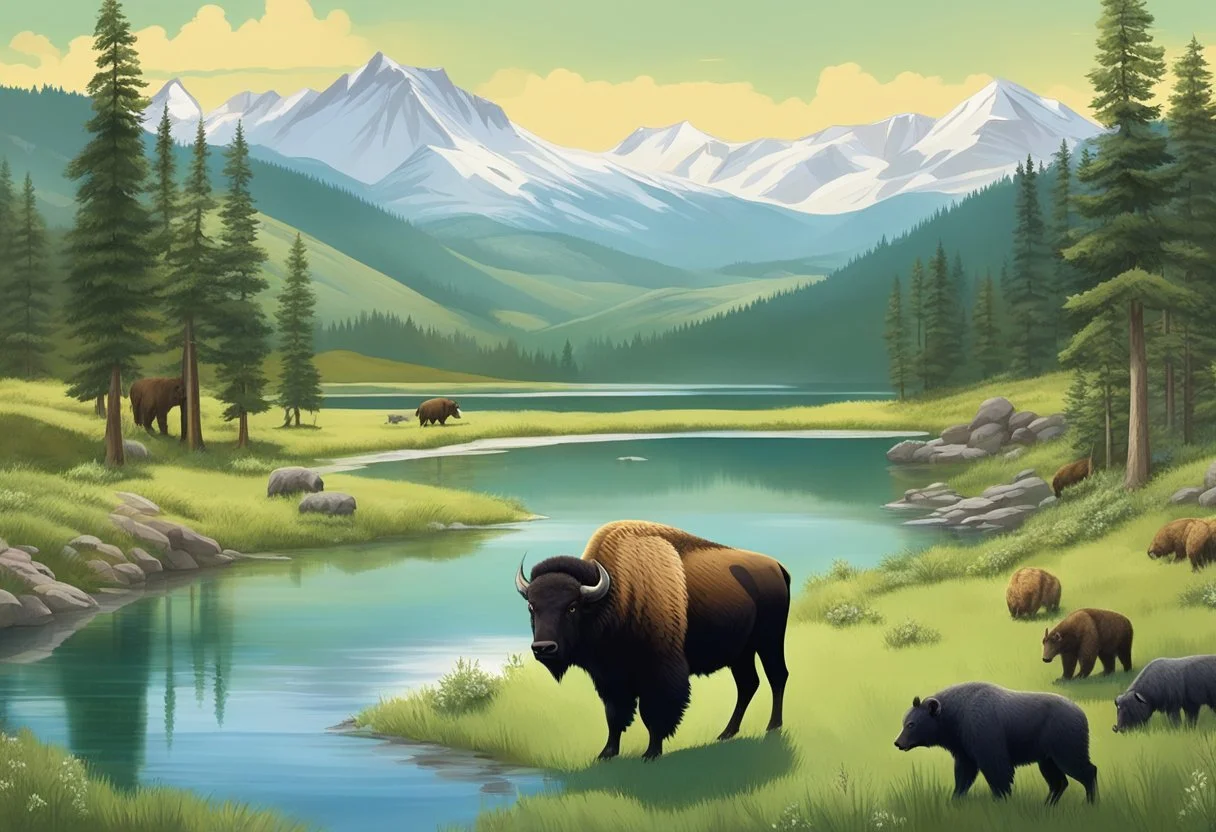
Yellowstone Theme Park integrates extensive conservation initiatives into its operations, balancing entertainment with environmental protection. These efforts span eco-friendly operational practices, wildlife protection programs, and long-term sustainability projects that help preserve the park's natural beauty.
Eco-Friendly Practices
The park employs solar-powered transportation systems throughout its 2,500-acre property, reducing carbon emissions by an estimated 65% compared to traditional theme parks. Electric shuttle buses operate on a continuous loop, transporting visitors between attractions while minimizing environmental impact.
All food service locations use compostable utensils and containers made from plant-based materials. These items break down within 180 days in the park's on-site composting facility.
Water conservation measures include rainwater collection systems that capture and filter precipitation for use in landscaping and restrooms. This approach saves approximately 3.2 million gallons annually.
LED lighting fixtures throughout the park consume 75% less energy than conventional options. Motion sensors in less-trafficked areas further reduce unnecessary power usage during low-occupancy periods.
Wildlife Conservation Programs
Yellowstone Theme Park allocates 15% of admission revenue directly to wildlife protection initiatives in partnership with the National Wildlife Federation. These funds support breeding programs for threatened species native to North America.
The park maintains a 200-acre natural habitat zone where injured wildlife receives rehabilitation care. Since 2023, this program has successfully treated and released 87 animals back into protected wilderness areas.
Educational programs engage visitors through interactive exhibits about local ecosystems. Rangers lead daily wildlife awareness sessions, teaching proper distancing and observation techniques.
Camera monitoring systems throughout the property track animal movement patterns without human interference. This data helps scientists understand migration behaviors and habitat preferences of various species.
Sustainability Projects
The park's waste management system diverts 92% of all materials from landfills through comprehensive recycling and composting programs. Special collection points throughout the property separate recyclables into designated streams.
A geothermal heating system harnesses underground thermal energy to regulate temperatures in indoor attractions and administrative buildings. This technology reduces the park's reliance on traditional heating methods by approximately 40%.
Landscaping teams cultivate native plant species exclusively, eliminating invasive varieties and reducing irrigation needs by 60% compared to conventional ornamental gardens.
Renewable energy initiatives include wind turbines that generate 35% of the park's electricity requirements. The remaining power comes from certified renewable sources through partnership agreements with regional utilities.
Legal and Ethical Considerations
The development of attractions at Yellowstone Theme Park involves navigating complex legal frameworks and ethical responsibilities. These considerations ensure visitor safety, protect privacy rights, and maintain compliance with relevant regulations.
Regulatory Compliance
Yellowstone Theme Park attractions must adhere to strict federal, state, and local regulations before opening to the public. The Amusement Ride Safety Act requires annual inspections and certification of all mechanical rides by qualified engineers.
Key compliance requirements include:
Americans with Disabilities Act (ADA) accessibility standards
Occupational Safety and Health Administration (OSHA) workplace safety regulations
Environmental Protection Agency (EPA) guidelines for waste management
Fire safety codes and emergency evacuation protocols
Park designers must incorporate these requirements from the earliest concept phases. Documentation of compliance efforts is maintained for each attraction, with regular audits conducted by internal safety teams and external regulatory bodies.
Recent legal challenges have prompted the park to implement more stringent safety measures, particularly for high-intensity rides that exceed 50 mph or create forces greater than 3G.
Privacy Policies and Data Security
Modern theme park attractions increasingly collect visitor data through various technologies. RFID wristbands, mobile applications, and smart queue systems gather information about guest movements and preferences.
Yellowstone's privacy policy clearly outlines:
What personal information is collected
How this data is used and stored
Third parties with whom data may be shared
Retention periods for different data categories
The park employs industry-standard encryption and security protocols to protect visitor information. A dedicated cybersecurity team monitors systems for potential breaches and vulnerabilities.
Data minimization principles are applied, with attractions collecting only information necessary for operational purposes. Visitors can opt out of non-essential data collection without losing access to core park experiences.
Consent and User Agreements
Before experiencing certain attractions, visitors must provide informed consent through user agreements. These documents outline potential risks, health restrictions, and behavioral expectations.
Consent is obtained through:
Digital acceptance on mobile devices
Physical signage with QR codes
Verbal confirmation from staff for high-risk attractions
The park employs a "clear language initiative" that transforms complex legal terminology into easily understood statements. All agreements undergo regular reviews by legal teams to ensure they remain valid and enforceable.
Special provisions exist for minors, requiring parental or guardian consent for attractions with height, age, or health restrictions. Staff members receive training to properly verify consent and enforce these guidelines consistently throughout the park.
Expanding the Experience
Yellowstone Theme Park has strategically evolved beyond its initial attractions through careful planning and innovative approaches. The park continually refreshes its offerings while maintaining the core wilderness experience that draws millions of visitors annually.
Seasonal Events and Themed Attractions
Yellowstone Theme Park transforms throughout the year with distinct seasonal experiences. Winter brings the "Frost Festival," featuring ice sculpture competitions and nighttime light shows that illuminate the replica geysers. The park's summer season includes the popular "Wilderness Weeks" where visitors engage with authentic frontier cooking demonstrations and wildlife tracking activities.
Fall introduces the "Autumn Harvest Celebration" with themed decorations and special menu items at all park restaurants. Each seasonal event is carefully designed to enhance the core Yellowstone experience rather than detract from it.
Visitor Participation by Season:
Season Attendance Special Events Summer 65% Wilderness Weeks, Junior Ranger Program Fall 20% Autumn Harvest, Wildlife Migration Tours Winter 10% Frost Festival, Northern Lights Experience Spring 5% Awakening Yellowstone, Photography Workshops
Extensions and New Attraction Developments
The park's expansion plan includes the development of "Caldera Springs," a cutting-edge water attraction scheduled to open in fall 2025. This immersive experience simulates the park's hydrothermal features through interactive displays and water-based rides.
"Yellowstone After Dark," launching in summer 2026, will introduce nighttime programming featuring specialized lighting to simulate aurora effects and nocturnal wildlife behaviors. The $45 million investment reflects the park's commitment to authentic educational experiences.
The most ambitious extension, "Frontier Territory," broke ground in January 2025. This 15-acre expansion will recreate a historically accurate frontier settlement with working blacksmiths, period-appropriate accommodations, and interactive storylines.
Upcoming Attractions Timeline:
2025 (Q3): Caldera Springs water attraction
2026 (Q2): Yellowstone After Dark program
2027 (Q1): Frontier Territory historical area
Collaborations and Partnerships
Yellowstone Theme Park has established strategic partnerships with leading conservation organizations to ensure educational accuracy. The National Geographic Society provides consulting services on exhibit development and content creation, lending credibility to all interpretive displays.
Local indigenous tribes, including the Blackfeet and Crow Nations, serve as cultural advisors for attractions representing Native American heritage. This collaboration ensures respectful and authentic representation throughout the park.
Corporate partnerships have been selectively cultivated, with REI providing branded wilderness skills workshops and Patagonia supporting sustainable operations initiatives. These partnerships extend beyond financial support to include knowledge sharing and co-branded experiences.
The Wyoming Tourism Board and the park maintain a mutually beneficial relationship, with joint marketing campaigns reaching an estimated 28 million potential visitors annually across digital and traditional platforms.
Marketing and Branding Strategies
Yellowstone Theme Park has implemented sophisticated marketing approaches that blend wilderness authenticity with family entertainment appeal. The park's branding strategy consistently emphasizes its unique position as both educational and thrilling.
Promotional Campaigns
Yellowstone Theme Park launched its flagship "Wild at Heart" campaign in late 2023, generating over 50 million social media impressions in the first quarter of 2024. This multi-platform initiative featured stunning aerial footage of park attractions alongside wildlife conservation messaging.
Digital marketing efforts include personalized email campaigns with dynamic content based on previous visitor interests and behavior patterns. These emails show a 32% higher open rate than industry standards.
Television commercials strategically air during nature documentaries and family programming blocks, creating thematic resonance with potential visitors. The park allocates approximately 40% of its marketing budget to digital channels, 30% to traditional media, and 30% to experiential marketing events.
Seasonal campaigns highlight different park features throughout the year:
Spring: "Awakening" focuses on new attractions
Summer: "Peak Adventure" emphasizes thrill rides
Fall: "Autumn Wonders" showcases special harvest events
Winter: "Frosty Frontiers" promotes indoor experiences
Partnerships and Sponsorships
National Geographic provides exclusive content for the park's educational displays through a five-year partnership agreement signed in 2024. This collaboration lends scientific credibility to exhibits while extending the park's marketing reach to NG's 132 million social media followers.
REI co-sponsors the "Junior Explorer" program, supplying branded gear and featuring the park in their adventure catalog distributed to 5.8 million members. This partnership reinforces the outdoors authenticity central to the park's brand identity.
Hotel chains including Marriott and Hilton offer package deals that include park admission, creating valuable distribution channels. These arrangements generate approximately 22% of annual ticket sales.
Corporate sponsorships for individual attractions maintain theme integrity while offsetting operational costs. Toyota Wilderness Trail and GoPro Adventure Rapids exemplify this balanced approach to branded experiences.
Media partners provide $12.5 million in equivalent advertising value through coverage and feature stories annually.
Target Demographics and Brand Positioning
Primary visitor segments include family units with children ages 5-15 (62%), outdoor enthusiasts aged 25-40 (24%), and educational groups (14%). Research shows these demographics value authenticity and learning opportunities alongside entertainment.
The park's brand positioning occupies a unique space between pure entertainment venues and educational institutions. Internal studies reveal visitors perceive Yellowstone Theme Park as more educational than Disney properties but more entertaining than traditional museums or nature centers.
Messaging strategy varies by demographic:
Families: emphasis on shared memories and age-appropriate adventures
Outdoor enthusiasts: focus on authenticity and unique experiences
Educational groups: highlight STEM learning opportunities
Geographic targeting concentrates on markets within a 500-mile radius for weekend visits, while national campaigns focus on vacation planning periods in January-February and September-October. International marketing primarily targets Canadian, Japanese, and Western European tourists through specialized tour operators.
Future Outlook and Innovations
Yellowstone Theme Park stands on the cusp of transformative developments that will reshape visitor experiences through technological integration, evolving guest preferences, and strategic attraction investments. The park's leadership has outlined ambitious plans that balance innovation with the preservation of natural themes.
Emerging Technological Trends
Virtual reality experiences are slated to debut in late 2025, offering immersive journeys through Yellowstone's historical landscapes. These VR stations will let visitors witness extinct wildlife and geological formations that no longer exist in the current park environment.
Artificial intelligence-powered guidance systems are being developed to create personalized itineraries based on visitor interests, mobility needs, and available time. These systems will integrate with the park's mobile app, providing real-time updates on attraction wait times and wildlife sightings.
Sustainable technology implementation remains a priority, with solar-powered transportation shuttles scheduled for testing in spring 2026. These vehicles will connect major attractions while reducing the carbon footprint within park boundaries.
Key Technology Implementations for 2025-2027:
Augmented reality trail guides
Smart wristbands for expedited attraction access
Digital twin modeling for improved crowd management
Weather-responsive attraction adaptations
Forecasting Visitor Trends and Preferences
Demographic analysis projects a 32% increase in millennial and Gen Z visitors by 2027, with these groups showing stronger preferences for interactive and educational experiences. The park is responding with more participatory exhibits that blend entertainment with environmental education.
International tourism is expected to recover and grow by 28% over pre-pandemic levels by 2026. This shift is prompting the development of multilingual experiences and culturally adaptable attraction themes.
Multi-generational family visits continue to dominate booking patterns, with extended families seeking attractions that appeal across age groups. The park's expansion plans include more family collaboration zones where different generations can engage together.
Research indicates growing visitor interest in experiences that contrast with digital-heavy daily lives. Consequently, the park is designing more "tech-free zones" that encourage natural immersion and contemplation alongside its advanced attractions.
Investment in Future Attractions
The board has approved a $175 million development budget for 2025-2028, with 40% allocated to new attraction development and 35% for technological infrastructure. The remainder will fund sustainability initiatives and existing attraction enhancements.
A partnership with Yosemite's conservation team will influence the creation of three new biome-specific attractions highlighting endangered ecosystems. This collaboration brings valuable expertise in balancing entertainment with educational conservation messaging.
Private investors have shown strong interest in funding specialized experiences, with $42 million already committed to an advanced nocturnal wildlife observation complex opening in summer 2026. This attraction will feature specialized lighting that allows visibility without disturbing animal behavior.
Planned Investment Distribution:
Attraction Category Budget Allocation Timeline Interactive Exhibits $58M 2025-2026 Natural Immersion $43M 2025-2027 Technology Integration $61M 2025-2028 Conservation Showcases $13M 2026-2027
Adventurous Camping and Lodging Options
Yellowstone Theme Park offers diverse camping and lodging experiences that immerse visitors in the beauty of simulated natural environments inspired by America's most famous national park. The park features four distinct camping zones, each replicating different Yellowstone ecosystems with varying levels of comfort and adventure.
The Alpine Forest Campground provides 75 tent sites nestled among artificial pine forests with stunning mountain vistas. Each site includes a fire pit, picnic table, and access to modern restroom facilities. For those seeking more comfort, the campground offers 15 deluxe safari-style glamping tents with real beds and electricity.
Geyser Basin Lodge stands as the premium accommodation option with 120 rustic-luxe rooms designed to resemble traditional national park lodges. The architecture incorporates sustainable materials and energy-efficient systems while maintaining authentic historic charm.
For families, the Yellowstone Cabins offer 40 self-contained units with kitchenettes and private porches. These cabins balance modern amenities with a wilderness aesthetic, featuring handcrafted furniture and educational materials about Yellowstone wildlife.
Accommodation Type Capacity Amenities Price Range Standard Campsite 6 people Fire pit, picnic table $45-65/night Glamping Tent 4 people Queen bed, electricity, heating $175-220/night Lodge Room 2-4 people Private bath, WiFi, dining access $250-350/night Family Cabin 6 people Kitchenette, porch, living area $325-450/night
The Backcountry Adventure Zone caters to those seeking a more rugged experience with 25 hike-in sites that require a short trek through themed terrain. These sites offer minimal amenities but maximum immersion in the park's natural setting.
Seasonal themed experiences enhance accommodation options throughout the year, including winter snow lodge packages and summer wildlife viewing specials. Advanced reservations are recommended for all lodging types, particularly during peak summer months.
