
Yellowstone's Shocking Transformation: From California Dream to Montana Masterpiece
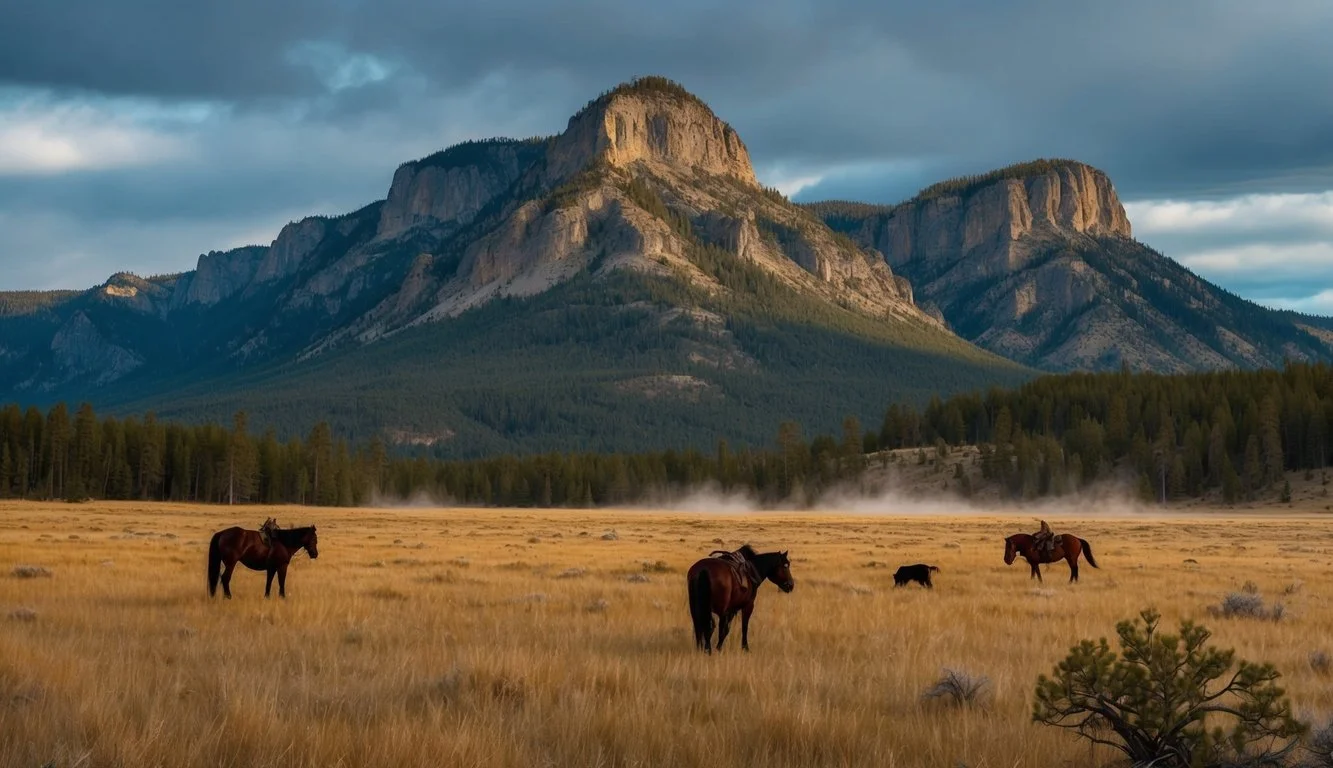
Yellowstone, one of television's most watched dramas, underwent significant transformations on its journey from concept to cultural phenomenon. What began as Taylor Sheridan's vision for a modern western evolved substantially as it moved toward production at Paramount Network. The most dramatic change came when the setting shifted from California to Montana, a decision that fundamentally altered the show's identity and visual aesthetic.
Kevin Costner wasn't always attached to the role of John Dutton. Several high-profile actors were considered before Costner ultimately signed on, bringing his gravitas and western credentials to the patriarch character. This casting decision helped elevate the series from a standard cable drama to a prestige television event.
The show's narrative structure also changed considerably during development. Early scripts featured more standalone episodes, but Sheridan eventually embraced a more serialized approach that allowed for deeper character development across Season 5 and earlier installments. These storytelling adjustments helped transform Yellowstone from a conventional ranch drama into the complex family saga that millions of viewers now follow devotedly.
Evolution of 'Yellowstone's' Concept
Yellowstone's journey from concept to cultural phenomenon involved significant creative decisions that shaped its identity as a neo-Western drama. The show's distinctive approach to modern ranch life emerged through Taylor Sheridan's personal experiences and his determination to portray the American West authentically.
Taylor Sheridan's Creative Vision
Taylor Sheridan developed Yellowstone after growing frustrated with traditional Hollywood storytelling limitations. His vision stemmed from firsthand experience with ranch life and a desire to showcase the modern American West beyond stereotypical cowboy narratives.
The show's concept crystallized around examining power struggles in contemporary Montana. Sheridan wanted to explore conflicts between ranchers, developers, politicians, and Native Americans with nuance rarely seen in Western-themed productions.
Unlike typical Hollywood depictions, Sheridan insisted on portraying cowboys realistically, including their daily challenges and complex moral dilemmas. His background as a Texas native who spent time on ranches provided authentic insights that became central to Yellowstone's identity.
Adapting the Story for Television
Transforming Sheridan's ambitious vision into a television format required strategic decisions about pacing and character development. The creative team opted for a serialized approach that allowed complex storylines to unfold gradually across multiple episodes.
Early development meetings focused on balancing neo-Western elements with contemporary family drama conventions. This hybrid approach helped broaden Yellowstone's appeal beyond traditional Western audiences.
The show underwent several conceptual shifts during pre-production. Initial versions reportedly contained more procedural elements, but Sheridan pushed for a character-driven narrative focused on the Dutton family dynamics.
Network executives initially expressed concerns about the show's rural setting and deliberate pacing. However, Sheridan's conviction in his creative vision ultimately prevailed, allowing Yellowstone to maintain its distinctive style and tone.
Casting and Character Development
The transformation of Yellowstone from concept to hit series involved crucial casting decisions that shaped the show's identity. Character development evolved significantly during pre-production and early seasons, with several key roles undergoing notable changes.
Kevin Costner as John Dutton
Kevin Costner's casting as patriarch John Dutton represented a major coup for the production team. Initially, the character was conceived as less physically imposing but equally ruthless. Costner brought unexpected layers to John, influencing the writers to incorporate more moral complexity.
The actor's involvement elevated the project's status, attracting additional high-caliber talent. Costner reportedly requested specific character adjustments, including more scenes highlighting John's vulnerability and love for the land.
His performance prompted writers to expand John's backstory, particularly his relationship with his deceased wife. This evolution made the character more sympathetic than originally outlined in early drafts.
The Dutton Family Dynamics
Beth Dutton, portrayed by Kelly Reilly, underwent perhaps the most significant transformation from page to screen. The character was initially written with less explosive tendencies and more corporate calculation.
Reilly's interpretation brought a raw emotional quality that resonated with viewers. Writers subsequently amplified Beth's traumatic backstory and antagonistic relationship with Jamie.
The sibling dynamic between Beth and Jamie (Wes Bentley) evolved considerably during development. Early scripts positioned their conflict as primarily professional rather than deeply personal.
The addition of Kayce's character conflicts, torn between his Native American wife's community and Dutton loyalty, emerged during later development stages. This enriched the family's internal power struggles beyond the original concept.
Supporting Characters and Casting Choices
The role of Rip Wheeler expanded dramatically from initial drafts. Originally conceived as a minor enforcer character, Cole Hauser's compelling presence prompted writers to develop his backstory and romance with Beth.
Several supporting characters underwent significant changes during casting. Thomas Rainwater, played by Gil Birmingham, evolved from a one-dimensional antagonist to a nuanced tribal chairman with legitimate grievances.
The bunkhouse crew received expanded storylines after strong audience response. Jimmy's character arc, in particular, was substantially broadened from the initial conception.
Casting directors prioritized authenticity for ranch hand roles, often choosing actors with genuine horseback riding experience. This decision eliminated the need for extensive training and enhanced the show's credibility among viewers familiar with ranch operations.
Script Alterations and Plot Evolution
Taylor Sheridan's vision for Yellowstone underwent significant modifications from initial concept to final production. The show's narrative arc evolved substantially through development, with several key plot elements being added, removed, or transformed to create the compelling drama viewers know today.
Major Script Revisions
The original Yellowstone script differed considerably from what eventually aired. Early drafts positioned John Dutton as a more sympathetic character, with less moral ambiguity than the complex patriarch portrayed by Kevin Costner. Character backgrounds were extensively reworked, particularly Beth Dutton's traumatic history, which was added later to provide emotional depth.
Several major storylines were eliminated entirely. A significant subplot involving foreign assassins targeting the ranch was scrapped after the pilot phase, deemed too melodramatic for the show's tone. The writers instead focused on more grounded threats to the Dutton legacy.
The ranch's historical context also evolved. Initial scripts contained flashback sequences to the 1800s founding of the Yellowstone, elements later expanded into the prequel series 1883.
Plot Twists and Viewer Reception
Season 5's development saw perhaps the most substantial script alterations in the show's history. Writers adjusted storylines midseason to accommodate behind-the-scenes changes, including Costner's reduced availability. This necessitated creative plot twists that weren't in the original series bible.
The unexpected murder of key characters became a trademark of the show, despite some deaths not being planned in early drafts. The Season 3 finale ambush, for instance, was reworked multiple times to maximize dramatic impact and viewer shock.
Divorce and family conflict themes were strengthened throughout production. Early feedback from test audiences indicated these interpersonal dynamics resonated more than external threats, prompting writers to emphasize family drama.
Viewers responded positively to these script evolutions, with ratings climbing as the show embraced its most dramatic plot shifts. The writing team's willingness to adapt and refine storylines has been credited as a key factor in the show's sustained success.
Production Challenges and Triumphs
Creating a series of Yellowstone's magnitude involved numerous logistical hurdles and creative solutions. The show's authentic portrayal of ranch life required innovative approaches to filming, historical accuracy, and technical execution.
Filming on Location in Montana
Montana's breathtaking landscapes became a defining character in Yellowstone, though not without significant production challenges. The Paramount Network committed to authentic location shooting despite the remote settings and unpredictable weather conditions.
The production team established their base at the Chief Joseph Ranch in Darby, Montana, which serves as the fictional Dutton Ranch. This 2,500-acre working cattle ranch provided the authentic backdrop essential to the show's identity.
Montana's extreme weather patterns frequently disrupted filming schedules. Crews faced snowstorms in June and scorching heat waves that required constant adaptation of shooting plans.
According to the Hollywood Reporter, the production injected over $70 million into Montana's economy during its first three seasons, creating hundreds of jobs for local crew members and supporting regional businesses.
Managing Historical Accuracy
Historical authenticity presented both challenges and opportunities for Yellowstone's creative team. Costume designers conducted extensive research to ensure accurate representation of both modern ranching attire and Native American cultural elements.
The production consulted with tribal historians from several Montana nations to portray indigenous customs and traditions respectfully. These partnerships helped prevent common Hollywood stereotypes and misrepresentations.
Set designers meticulously recreated historical elements of ranch life, from authentic tools to period-appropriate structures. Many props were sourced from actual ranching communities rather than manufactured in prop houses.
The show's commitment to accuracy extended to language, with dialogue coaches ensuring authentic regional dialects and proper pronunciation of local terminology and place names.
Behind-the-Scenes Innovations
Yellowstone pioneered several technical innovations that have since influenced other productions. The show developed a specialized "Shiny" camera rig that allowed for stable tracking shots across rough terrain while maintaining cinematic quality.
Director of Photography Ben Richardson implemented a distinctive visual style using natural lighting whenever possible. This approach required precise scheduling but delivered the authentic visual texture that became the show's signature look.
Sound recording presented unique challenges in remote locations. The team developed custom wind-protection systems for microphones to capture clear dialogue despite Montana's notoriously gusty conditions.
The production embraced drone technology early, allowing for sweeping aerial views that showcase the landscape while minimizing environmental impact compared to traditional helicopter shots.
Impact on Popular Culture and Spinoffs
Yellowstone's unprecedented success transformed television landscapes and revitalized interest in Western-themed content. The show's cultural impact extends beyond viewership numbers, creating a sprawling universe of related content while influencing broader entertainment trends.
Expanding the 'Yellowstone' Universe
Taylor Sheridan's vision for Yellowstone quickly evolved into a multi-show franchise with several prequel series. 1883, the first spinoff, chronicles the Dutton family's dangerous journey across the American frontier, starring Tim McGraw and Faith Hill as James and Margaret Dutton. Following its success, 1923 emerged featuring Harrison Ford and Helen Mirren, exploring the family during Prohibition and the Great Depression.
The universe continued expanding with plans for 1944 and the much-anticipated 6666 (Four Sixes Ranch) series. These spinoffs shifted from traditional cable to Paramount+, becoming cornerstone content for the streaming platform's growth strategy.
Paramount's commitment to the Yellowstone universe represents one of television's most ambitious franchise-building efforts, comparable to HBO's approach with Game of Thrones prequels.
Influence on Neo-Western Genre
Yellowstone revitalized the neo-Western genre, proving rural America stories could capture massive audiences. The show's success challenged industry assumptions about viewer demographics and content preferences.
Television executives across networks quickly developed similar projects, hoping to capitalize on the newfound appetite for contemporary Western themes. Sheridan himself extended his storytelling approach to non-Western series like Mayor of Kingstown, Tulsa King, and Special Ops: Lioness.
The aesthetic influence of Yellowstone appears in productions' visual style, costume design, and musical choices. The show's portrayal of rural politics and land conflicts provided a template for examining contemporary American issues through a Western lens.
Fashion brands launched collections inspired by the show's distinctive style, while tourism to Montana and Wyoming ranch destinations surged significantly after the series gained popularity.
Reception and Engagement
Yellowstone's journey from script to screen has been met with tremendous audience response, establishing the show as a cultural phenomenon that transcends typical television success metrics.
Viewership and Ratings
Yellowstone debuted modestly on Paramount Network in June 2018, drawing 2.8 million viewers. By the Season 4 finale in January 2022, viewership had skyrocketed to 10.3 million live viewers, making it the most-watched cable show since 2017.
The series showed remarkable growth between seasons 3 and 4, with ratings increasing by nearly 60% among adults 18-49. This upward trajectory continued into Season 5, which premiered to over 12 million viewers across all platforms.
Paramount has leveraged this success by expanding distribution to Paramount+ in international markets, though domestic streaming rights remain with Peacock due to early licensing agreements.
Fan Base and Community
Yellowstone's fan base has grown into one of television's most dedicated communities. The show appeals to diverse demographic groups, bridging traditional rural and urban audience divides.
Social media engagement around Yellowstone exceeds that of most cable dramas, with hashtags regularly trending during episode premieres. Fan forums dissect everything from plot developments to costume details.
Viewers have shown particular interest in the show's authentic portrayal of modern western life, with many citing the series as their introduction to contemporary ranching issues. Merchandise sales, including western wear featured on the show, have surged dramatically.
Fan conventions and tourism to filming locations in Montana have created economic boosts for local communities, with some ranches featured in the show now offering Yellowstone-themed tours.
Addressing Sociopolitical Themes
Yellowstone's development underwent significant revisions to address complex sociopolitical issues that were largely absent from early script drafts. These changes helped the show engage with contemporary debates while maintaining its core narrative about land ownership and family legacy.
Representation of Native Americans
The portrayal of Native Americans evolved substantially from Yellowstone's original concept to its final production. Early scripts featured minimal Native American characters, but Taylor Sheridan expanded these roles after consulting with tribal advisors. Thomas Rainwater's character transformed from a one-dimensional antagonist into a nuanced tribal chairman with legitimate grievances against the Dutton ranch.
The show incorporated authentic Broken Rock Reservation storylines that highlighted land disputes dating back generations. Actors of Native American descent were prioritized for indigenous roles, unlike earlier casting considerations that had contemplated non-Native actors.
Cultural ceremonies and language received more screen time in later seasons, reflecting feedback from Native consultants. This expansion paralleled Sheridan's work on films like Wind River, demonstrating his growing commitment to authentic representation.
Environmental Concerns and Animal Rights
Environmental themes gained prominence as Yellowstone's scripts progressed through development. Initial drafts focused primarily on land development conflicts, but later versions introduced more nuanced ecological storylines.
Animal rights activists, originally written as simplistic antagonists, evolved into characters with legitimate concerns about ranch practices. This shift reflected Sheridan's desire to present multiple perspectives on modern ranching.
The series incorporated realistic depictions of wildlife conservation efforts, showing the complex relationship between ranchers and the natural world. Several scenes demonstrating sustainable ranching practices were added during production revisions.
Storylines addressing water rights and pollution became more central to later seasons, echoing themes from Sheridan's film Hell or High Water. The writers consulted with environmental experts to ensure accuracy in portraying these conflicts.
The oil industry's environmental impact on ranchlands became a recurring plot point, contributing to the show's exploration of modern Western tensions.
Marketing Strategies and Distribution
Yellowstone's rise to television dominance relied heavily on its innovative marketing approach and strategic distribution methods. The series leveraged both traditional advertising and digital platforms to build its massive audience base.
Promotional Tactics
Paramount Network invested heavily in pre-release marketing for Yellowstone, focusing on Kevin Costner's star power to attract viewers. Billboards featuring the stunning vistas of the Madison Valley became prominent fixtures in major cities, creating immediate visual recognition.
The marketing team cleverly positioned the show as "modern western meets prestige drama" to differentiate it from typical network offerings. This approach attracted both traditional western fans and viewers seeking sophisticated storytelling.
Social media campaigns highlighted behind-the-scenes content from the ranch locations, creating authentic connections with potential audiences. Short teaser trailers showcasing the Montana landscape generated significant buzz before the premiere.
Cross-promotional deals with western-themed brands and outdoor equipment companies extended the show's reach beyond typical television audiences. These partnerships reflected the authentic ranch lifestyle portrayed in the series.
Accessibility through Paramount Network and Streaming
Yellowstone's premiere on Paramount Network (formerly Spike TV) represented a strategic move to establish the rebranded channel as a destination for premium content. This positioning helped the network compete against HBO and other cable powerhouses.
The series initially followed a traditional cable distribution model before adapting to changing viewer habits. Streaming rights became a complex aspect of Yellowstone's distribution strategy, with episodes appearing on Peacock rather than Paramount+.
This unusual streaming arrangement stemmed from deals made before CBS and Viacom's merger created Paramount Global. Despite this complexity, the show maintained strong viewership across platforms.
Paramount leveraged the show's success to create a streaming ecosystem for Taylor Sheridan's expanding universe of series. Strategic windowing between cable airings and streaming availability helped maximize audience reach while maintaining cable subscriptions.
Local partnerships in Montana and Wyoming created tourism opportunities centered around filming locations like the iconic ranch that serves as the fictional Dutton property.
The Business Side of 'Yellowstone'
Behind the cultural phenomenon of "Yellowstone" lies a complex business operation that transformed a risky television venture into one of the most valuable properties in Hollywood. The show's financial structure and commercial extensions reveal how modern television franchises operate in today's media landscape.
Production and Finance
"Yellowstone" began as a significant financial gamble for Paramount Network, with the first season commanding a budget of approximately $5 million per episode. This investment increased as the show gained popularity, with later seasons reportedly costing upwards of $7-8 million per episode. The series marked Paramount's ambitious push into premium scripted content as they repositioned from their former identity as Spike TV.
Kevin Costner's salary became a central business issue for the production, reportedly reaching $1.3 million per episode in later seasons. This escalating cost structure contributed to the widely-reported tensions that affected production scheduling and the show's future direction.
The series has generated substantial return on investment for Paramount, with estimates suggesting it has become a billion-dollar franchise through broadcast rights, streaming deals, and international distribution. Unlike many productions that rely on tax incentives from a single location, "Yellowstone" strategically filmed across Montana, Utah, and Texas to maximize financial benefits.
Merchandising and Brand Partnerships
"Yellowstone" has developed a robust merchandising operation that extends far beyond typical television promotion. Official clothing lines feature authentic western wear similar to what characters wear on screen, with items frequently selling out after episodes air. Branded Beef products emerged as an unexpected revenue stream, with the show partnering with actual ranchers to produce "Yellowstone" beef products.
Partnerships with western lifestyle brands have proven particularly lucrative. Collaborations with boot manufacturers, whiskey distillers, and western apparel companies allow fans to purchase items seen on the show. These brand deals typically combine authentic ranch culture with premium positioning, mirroring the show's thematic elements.
The success of these commercial extensions has influenced Paramount's approach to other productions, including Taylor Sheridan's expanding universe of shows like "1883" and the similarly-themed "Horizon" series. Product placement within episodes has been carefully integrated to avoid disrupting the show's authentic portrayal of ranch life while still creating commercial opportunities.
