
Yellowstone's Wild Power Struggles Reflect America's Presidential Battles
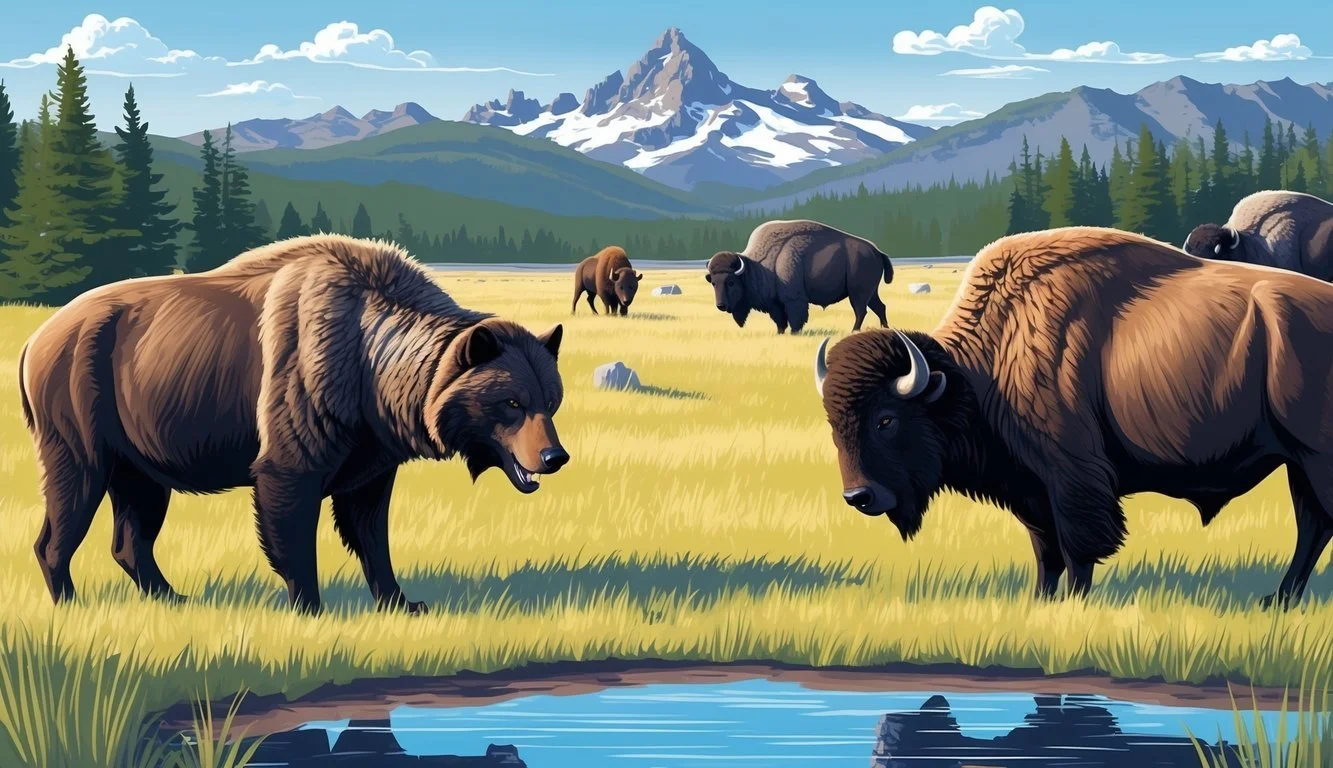
As Yellowstone National Park celebrates its 153rd year in 2025, its dramatic power struggles between wolves, bears, and rival bison herds offer surprising parallels to America's presidential politics. The territorial conflicts and strategic alliances formed in the wilderness mirror the complex dynamics of power in Washington, where competing interests vie for dominance within our constitutional framework. Just as the park's ecosystem requires balance to thrive, our government depends on checks and balances to prevent any branch from overreaching.
From Theodore Roosevelt's conservation legacy to modern presidential debates over public lands, Yellowstone has consistently served as both battlefield and backdrop for executive policy decisions. The park's very existence represents the tension between federal authority and local control—a core conflict that has defined presidential politics since the nation's founding. Its management challenges reflect broader questions about resource allocation, environmental protection, and the proper role of government intervention that continue to shape our national discourse.
Historical Context of Yellowstone and American Politics
Yellowstone National Park stands as a symbol of American conservation policy and political vision, established during a tumultuous period of national reconstruction. Its creation and management over time mirrors the evolution of federal power and changing priorities in American governance.
From Ulysses S. Grant to Modern Governance
President Ulysses S. Grant signed the Yellowstone Act in 1872, creating America's first national park during the complex Reconstruction era. This bold action represented a significant expansion of federal authority over public lands at a time when government power was being redefined.
The establishment occurred as the nation was healing from Civil War wounds, with Grant's administration seeking unifying national symbols. Yellowstone's protection required federal oversight mechanisms that were unprecedented at the time.
Throughout the late 19th century, military administrators managed the park before civilian control was established with the creation of the National Park Service in 1916. This transition reflected broader shifts in governmental approaches to conservation.
Subsequent administrations used Yellowstone as both political backdrop and policy showcase. Theodore Roosevelt's visits cemented the connection between presidential authority and natural preservation. Later presidents from FDR to Biden continued this tradition.
The Role of Natural Landmarks in Political Discourse
Yellowstone quickly evolved from mere protected wilderness to a powerful political symbol in American discourse. Politicians leveraged its iconic status to promote various ideological positions on conservation, federal land management, and American identity.
The park became a rhetorical touchstone for debates about government's proper role. Conservatives often emphasized local control and resource utilization, while progressives highlighted preservation and federal oversight responsibilities.
Native American claims to Yellowstone lands added another dimension to political conversations about historical justice and sovereignty. These discussions intensified during the civil rights era and continue in modern political dialogue.
During environmental movement's rise in the 1960s-70s, Yellowstone featured prominently in congressional debates about the Endangered Species Act and other landmark legislation. Wolf reintroduction in the 1990s sparked intense political battles that exemplified broader culture wars.
Climate change has transformed Yellowstone into a visual indicator of environmental policy effectiveness. Politicians from both parties reference the park's changing ecosystem when arguing for their preferred approaches to environmental governance.
Presidential Power Dynamics and Yellowstone
The relationship between presidential power and Yellowstone National Park illustrates how American leaders navigate conservation priorities against political pressures. Executive authority has shaped America's first national park through policy decisions, budgetary allocations, and environmental regulations.
Yellowstone's Influence on Policy Making
Presidents have frequently used Yellowstone as a backdrop for major environmental policy announcements. In 1903, Theodore Roosevelt's high-profile visit to the park helped cement his conservation legacy and build political capital for his natural resource initiatives.
Modern presidents recognize Yellowstone's symbolic value in environmental politics. When Bill Clinton stood against the New World Mine near Yellowstone's borders in 1996, he demonstrated executive power to prioritize conservation over economic development.
The park serves as a political barometer during election cycles. Presidential candidates often position themselves on Yellowstone-related issues such as:
Wolf reintroduction programs
Climate change impacts on park ecosystems
Energy development near park boundaries
Donald Trump's administration reduced environmental regulations affecting Yellowstone's watershed, while Joe Biden reversed many of these policies upon taking office in 2021. These policy swings highlight how presidential transitions directly impact America's most iconic landscapes.
Presidents and Environmental Stewardship
Presidential approaches to Yellowstone reflect broader environmental governance philosophies. Ulysses S. Grant's signing of the Yellowstone Act in 1872 established a precedent for federal land protection that continues to influence presidential decision-making today.
Franklin D. Roosevelt expanded Yellowstone's importance by integrating the park into his New Deal programs. The Civilian Conservation Corps built infrastructure that still stands in Yellowstone, demonstrating how presidents can leverage conservation for economic recovery.
Different administrations have varied dramatically in their approach to Yellowstone's management. Republican administrations typically emphasize:
Local control and stakeholder input
Resource utilization balancing
Private sector partnerships
Democratic presidents often focus on:
Scientific research funding
Habitat preservation
Climate change mitigation
The handling of Yellowstone issues frequently becomes a litmus test for presidential environmental credentials. Barack Obama's emphasis on scientific management of Yellowstone contrasted with George W. Bush's more resource-development approach, illustrating how partisan politics shapes even America's most beloved public lands.
Environmental Policy and Executive Actions
Environmental policy serves as a battlefield where presidential power manifests through executive orders, agency appointments, and regulatory priorities. These decisions often parallel the territorial disputes and resource battles depicted in Yellowstone, where control over natural resources equals power.
Climate Change and Presidential Initiatives
Presidential administrations have taken dramatically different approaches to climate change policy, creating a political pendulum effect. The Obama administration implemented the Clean Power Plan and joined the Paris Climate Agreement, establishing the U.S. as a global climate leader.
Trump's administration reversed course by withdrawing from the Paris Agreement and rolling back over 100 environmental regulations. This shift demonstrated how executive power can rapidly transform environmental priorities without congressional approval.
Biden subsequently rejoined the Paris Agreement on his first day in office and signed executive orders targeting carbon emissions. These swift policy reversals highlight how environmental regulations have become increasingly dependent on presidential priorities rather than legislative consensus.
Presidential Climate Actions Timeline:
Obama: Paris Agreement commitment, Clean Power Plan
Trump: Paris withdrawal, regulatory rollbacks
Biden: Paris recommitment, climate executive orders
Infrastructure and the Protection of Natural Resources
Infrastructure development and natural resource protection create tension points where presidential administrations must balance competing interests. The Keystone XL pipeline exemplifies this conflict, with successive presidents wielding executive power to approve or block the project.
Presidential designations of national monuments under the Antiquities Act further demonstrate executive influence over public lands. Trump reduced the size of Bears Ears and Grand Staircase-Escalante National Monuments by approximately 85% and 50% respectively.
These decisions mirror Yellowstone's fictional power struggles over land use and development. Environmental groups and industry stakeholders battle for presidential favor, knowing executive actions can immediately reshape resource management policies.
Presidential infrastructure priorities also reflect broader environmental philosophies. The Biden administration's infrastructure package incorporated climate resilience funding, while previous administrations prioritized fossil fuel development on public lands.
Legal and Ethical Considerations
The complex interplay between politics and power dynamics reveals critical legal and ethical dimensions that impact both governance and natural resource management. These considerations shape how authority is wielded and challenged within both political arenas and wilderness settings.
Civil Rights and Environmental Legislation
Environmental legislation creates significant parallels between Yellowstone's conservation battles and presidential politics. The Endangered Species Act and National Environmental Policy Act establish boundaries that both park rangers and politicians must navigate, often restricting unilateral power.
Key Legislative Influences:
Clean Water Act (1972)
National Environmental Policy Act (1970)
Endangered Species Act (1973)
Civil rights legislation similarly constrains executive authority. Presidents face legal checks when their actions threaten constitutionally protected rights, mirroring how Yellowstone administrators must balance conservation with visitor access rights.
Government entities in both spheres operate under heightened scrutiny. The courts frequently intervene when power overreach occurs, whether in land usage disputes at Yellowstone or in presidential executive orders exceeding constitutional boundaries.
Personal Data, Consent, and Politician Responsibility
Modern politicians navigate complex ethical terrain regarding personal data and consent. Presidential campaigns increasingly harvest voter information through sophisticated data mining operations, raising questions about transparency and informed consent.
These practices mirror Yellowstone's visitor tracking systems, which collect movement data for conservation purposes but raise privacy concerns. In both contexts, authority figures justify data collection for "greater good" purposes.
Corruption manifests differently across these domains. Political corruption typically involves financial impropriety or influence peddling, while Yellowstone's ethical breaches more commonly involve resource allocation or preferential access to protected areas.
The public increasingly demands consent-based governance models. Citizens expect transparency about how their data is used in political targeting, just as park visitors expect clarity about how their presence impacts conservation efforts and management decisions.
Sociopolitical Challenges in the Modern Era
The political landscape of twenty-first century America mirrors Yellowstone's territorial conflicts, with powerful interests battling for influence while marginalized groups struggle for representation. These dynamics manifest particularly through technology corporations' growing political reach and social justice movements on university campuses.
Tech Giants and Political Influence
Tech conglomerates wield unprecedented political power in modern American politics, comparable to the ranching empires depicted in Yellowstone. Companies like Amazon, Google, and Facebook spent over $65 million on lobbying in 2023 alone, giving them substantial access to legislative processes.
This influence extends beyond traditional lobbying. Social media platforms control information flow during election cycles, with algorithms determining which political messages reach voters. The Silicon Valley elite have become kingmakers in presidential races, hosting exclusive fundraisers that can generate millions for candidates in a single evening.
Political campaigns now depend heavily on tech companies' data analytics capabilities. These tools allow for micro-targeted messaging that echoes how Yellowstone's power brokers manipulate public opinion to achieve their objectives.
Discrimination and Political Action on College Campuses
College campuses have emerged as crucial battlegrounds for political identity, much like contested territories in Yellowstone's Montana landscape. Student activists increasingly challenge institutional structures they perceive as discriminatory, creating pressure points for broader political change.
Recent campus protests have targeted issues ranging from racial disparities in admissions to free speech controversies. These movements often reflect deeper divisions in American society, serving as microcosms of national political struggles. University administrations frequently find themselves caught between opposing factions, similar to government officials trapped between competing interests in Yellowstone.
Political organizations actively recruit on campuses, recognizing the importance of capturing young voters' loyalty. This strategic cultivation of support parallels how Yellowstone's power players build alliances to strengthen their positions.
Governance and National Policy
Yellowstone's fictional portrayal of governance parallels real-world tensions between state autonomy and federal oversight. These dynamics offer insights into how healthcare policies and governmental jurisdictions shape American political landscapes.
The Governor's Role in State vs Federal Dynamics
The Montana governor in "Yellowstone" exemplifies the complex relationship between state leadership and federal authority. Governors must balance local interests against national mandates, creating tension that mirrors actual political challenges across America.
State executives often find themselves defending territorial sovereignty when federal agencies attempt to implement national policies without local consultation. This power struggle becomes particularly evident when federal troops are deployed to state lands without gubernatorial approval.
In the series, the governor leverages political appointments and regulatory authority to counter federal overreach. This defensive posture reflects real-world governors who use executive orders and court challenges to maintain state autonomy.
The governor's cabinet selections and policy priorities establish a governance framework that either aligns with or opposes federal initiatives, illustrating how state leadership can significantly impact federal policy implementation.
Healthcare, Life Expectancy, and Government Policy
Rural healthcare access dramatically influences life expectancy disparities between urban and rural populations. In "Yellowstone's" Montana, limited medical facilities mirror real challenges facing American heartland communities.
Federal healthcare policies often fail to address rural-specific needs, creating governance gaps that state officials must navigate. Statistics show rural Americans live approximately 2-3 years less than their urban counterparts, partially due to healthcare accessibility issues.
Medicare expansion decisions made at the state level directly impact rural hospitals' survival. When governors reject federal healthcare funding, rural facilities often close, forcing residents to travel significant distances for emergency care.
The series subtly highlights how political decisions about healthcare funding affect ranching communities' sustainability. Policy choices regarding telehealth regulations, physician recruitment incentives, and insurance requirements demonstrate how governance directly impacts citizens' wellbeing.
Social Movements and Political Sentiment
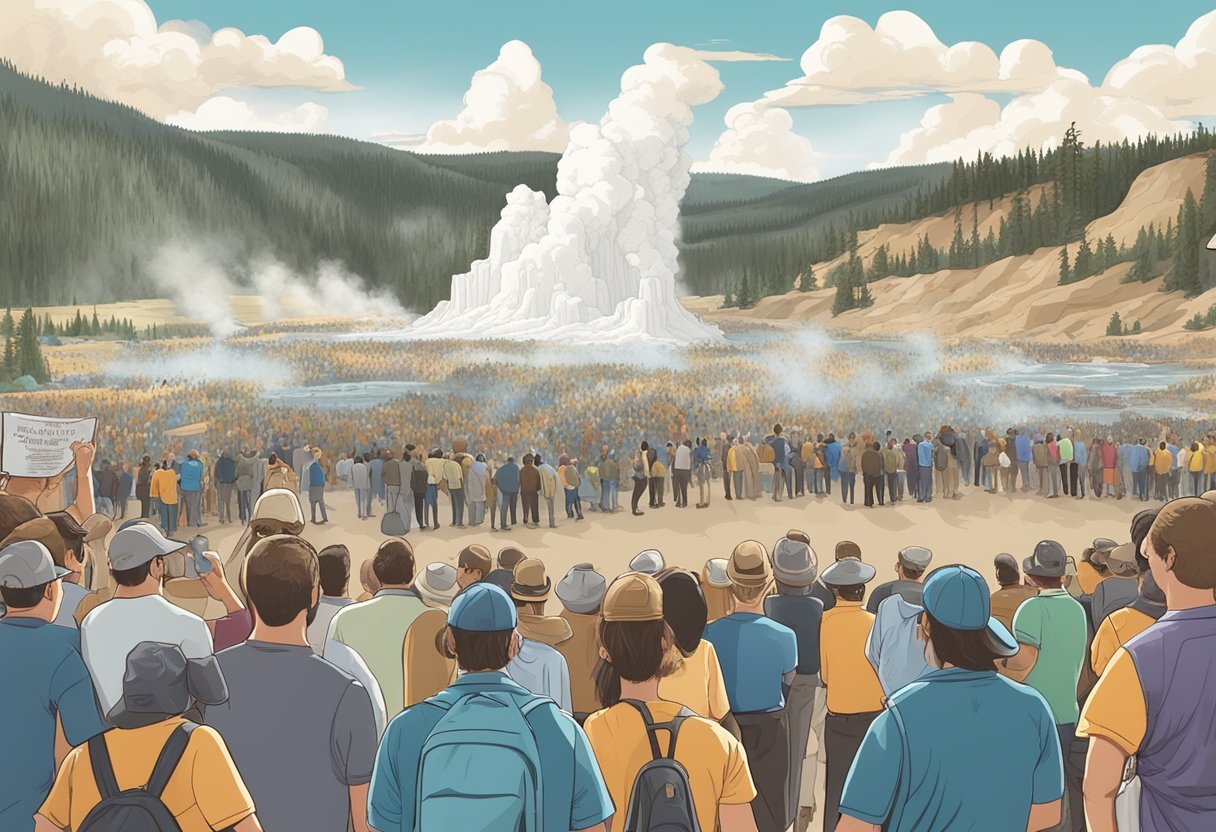
Political movements in America often mirror the power struggles portrayed in Yellowstone, with public figures navigating complex social landscapes while ordinary citizens demand representation. These dynamics shape both presidential politics and cultural narratives about power.
The Rise of Political Memoirs and Public Perception
Political memoirs have become powerful tools for shaping public perception of leadership. Former presidents and political figures use these personal accounts to control their legacy narratives, much like how the Dutton family in Yellowstone carefully manages their public image.
These memoirs typically sell between 500,000 to 2 million copies, significantly influencing how voters perceive political figures. Barack Obama's "A Promised Land" sold 3.3 million copies in its first month, demonstrating the public's appetite for insider perspectives.
Publishing houses compete aggressively for these accounts, often paying advances of $8-15 million for presidential memoirs. This financial investment reflects the cultural capital these narratives hold in American political discourse.
The timing of memoir releases often coincides with electoral cycles, strategically influencing public sentiment during crucial political moments.
From Civil War to Civil Rights: A Continued Struggle for Equality
America's political landscape continues to be shaped by the ongoing struggle for civil rights that began during Reconstruction. This evolution mirrors Yellowstone's depiction of marginalized groups fighting for recognition against entrenched power structures.
The Civil Rights Movement of the 1950s-60s transformed presidential politics, forcing candidates to address racial equality publicly. This parallels how Beth Dutton's character advocates for those without power, despite operating within a privileged position.
Key Civil Rights Milestones Affecting Presidential Politics:
Brown v. Board (1954) - Forced presidential candidates to take positions on integration
Voting Rights Act (1965) - Expanded electoral participation
Obama's election (2008) - Represented both progress and triggered backlash
Social media has amplified both hope and division, creating new platforms for historically marginalized voices while simultaneously enabling coordinated opposition to equality movements.
International Affairs and Global Policies
Just as power dynamics on Yellowstone ranch mirror international relations, modern presidential administrations face similar challenges in navigating global politics and border policies. These parallels reveal how leadership approaches transcend settings but follow consistent patterns.
Foreign Relations and the Quest for Peace
Presidential administrations, like Yellowstone's Dutton family, must carefully balance strength with diplomacy when engaging foreign powers. The Constitution grants presidents significant latitude in foreign affairs, making their personal approach crucial to international stability.
Recent administrations have demonstrated contrasting strategies. Some favored multilateral cooperation through treaties and international organizations, while others pursued more transactional relationships with global partners. These differences mirror how John Dutton alternates between cooperation and confrontation with his neighbors.
Peace often requires compromise. Presidents who successfully navigate international tensions typically combine firm boundaries with openness to dialogue. This balance resembles how the Duttons maintain ranch borders while occasionally forming strategic alliances.
Key diplomatic tools include:
Summit meetings with world leaders
Trade agreements and sanctions
Military positioning and deterrence
Cultural exchanges and soft power
Immigration Policy: Bridging Borders and Building Walls
Immigration policy reflects a nation's values much as Yellowstone's approach to outsiders defines the ranch's character. Presidents must balance security concerns with America's historical identity as a land of opportunity.
Border management generates intense debate about national sovereignty versus humanitarian obligations. Some administrations have emphasized wall construction and enforcement, while others focused on creating pathways to citizenship and addressing root causes of migration.
The Constitution provides limited explicit guidance on immigration, leaving significant discretion to each administration. This ambiguity creates policy swings that mirror Yellowstone's shifting alliances.
Immigration approaches typically include:
Border security measures
Visa and asylum procedures
Deportation priorities
Integration programs for new arrivals
Economic considerations also shape policy. Research shows immigrants contribute significantly to economic growth, yet concerns about job competition persist, creating tensions similar to Yellowstone's conflicts over limited resources.
Future of American Politics
American politics stands at a critical inflection point, shaped by technological advancement and shifting power paradigms. The balance of power increasingly resembles the complex dynamics portrayed in Yellowstone, where influence extends beyond formal authority into networks, resources, and information control.
Visioning the Horizon: AI, Mobility, and Navigation of Power
AI technologies are fundamentally reshaping the political landscape. Political campaigns now leverage predictive analytics to target voters with unprecedented precision, similar to how Yellowstone's characters strategically deploy resources to maintain control.
Environmental activist Bill McKibben has highlighted how this technological Horizon creates both opportunities and challenges for democratic processes. Power increasingly flows to those who can navigate digital ecosystems effectively.
The mobility of political influence has accelerated, with power centers shifting from traditional institutions to tech platforms and data aggregators. This mirrors Yellowstone's portrayal of power moving between ranchers, developers, and tribal interests.
Successful politicians must now demonstrate mastery of these new systems while maintaining authentic connections to constituents.
Redefining the Economic System in the Context of Global Politics
The American Economic System faces reconstruction amid global realignments. Traditional metrics of prosperity are being questioned as wealth concentration intensifies, creating dynamics reminiscent of Yellowstone's territorial conflicts.
Key Economic Shifts:
Deglobalization trends accelerating after pandemic disruptions
Resource competition intensifying between nations
Environmental concerns gaining political prominence
Political power increasingly derives from the ability to navigate these complex economic currents. The confrontational approach seen in Yellowstone's business dealings reflects growing tensions between different economic visions.
Climate change policies, championed by figures like McKibben, have moved from peripheral concerns to central political battlegrounds. Politicians who can articulate coherent economic visions addressing both traditional growth and sustainability will likely dominate future political landscapes.
Conclusion
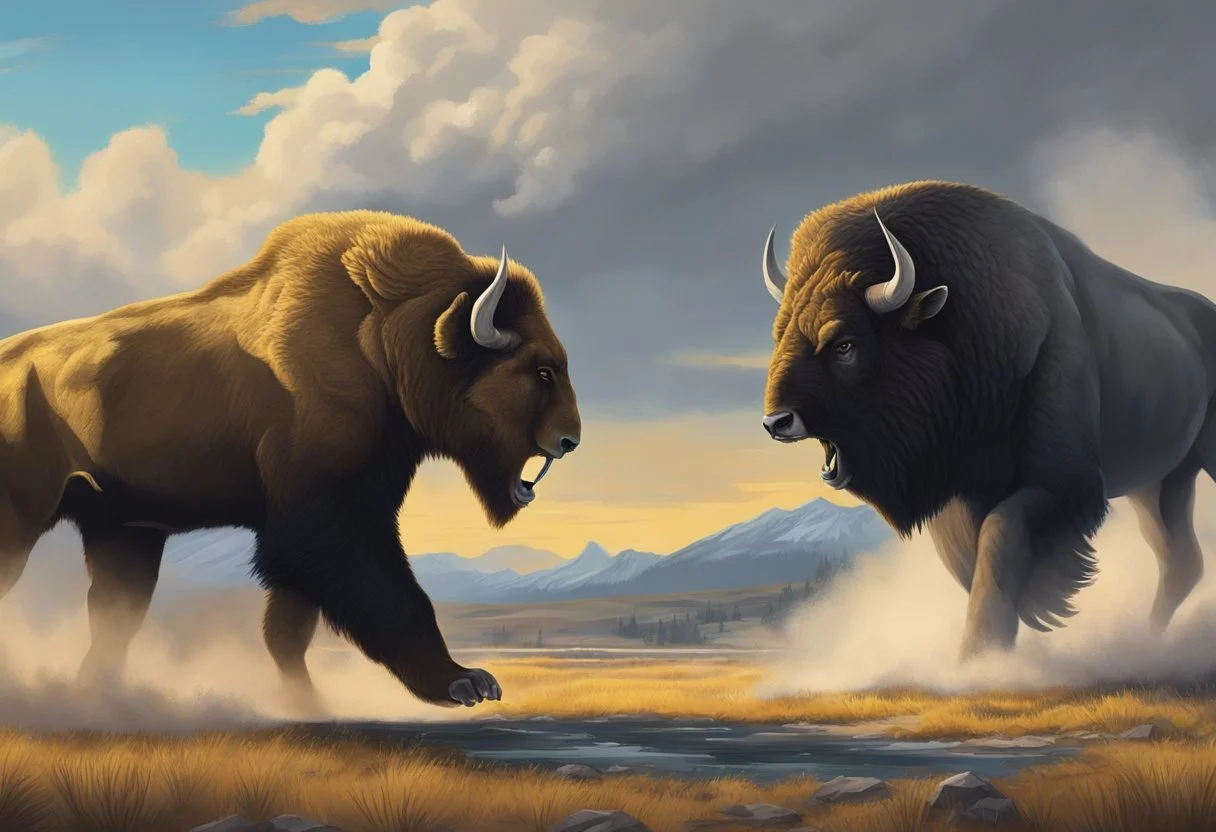
Presidential politics and Yellowstone's narrative share striking parallels in their portrayal of power dynamics. Both worlds feature strong-willed individuals who navigate complex alliances, rivalries, and ethical dilemmas to achieve their objectives.
Donald Trump's presidential style arguably mirrored John Dutton's approach to leadership—unapologetic, divisive, and focused on protecting perceived territorial interests. This comparison illuminates how entertainment reflects and sometimes shapes our understanding of political realities.
The dramatized power struggles in Yellowstone provide viewers with a simplified yet compelling framework to interpret real-world political conflicts. These fictional narratives offer an opportunity to examine leadership styles, loyalty structures, and conflict resolution strategies without partisan attachments.
Future political analysts may increasingly turn to popular culture as a lens through which to understand voter psychology and expectations. The show's tremendous popularity suggests Americans remain fascinated by traditional power narratives even as political landscapes evolve.
The enduring appeal of both Yellowstone and presidential politics stems from their focus on fundamental human concerns: control, legacy, family, and identity. These themes transcend partisan divisions and speak to core aspects of the American experience.
Political leaders and fictional characters like the Duttons ultimately face similar challenges—balancing personal interests against collective needs, navigating changing social norms, and securing their place in history.
