
Yellowstone's Ranching Scenes: Fact or Fiction? The Truth Behind TV's Wildest Show
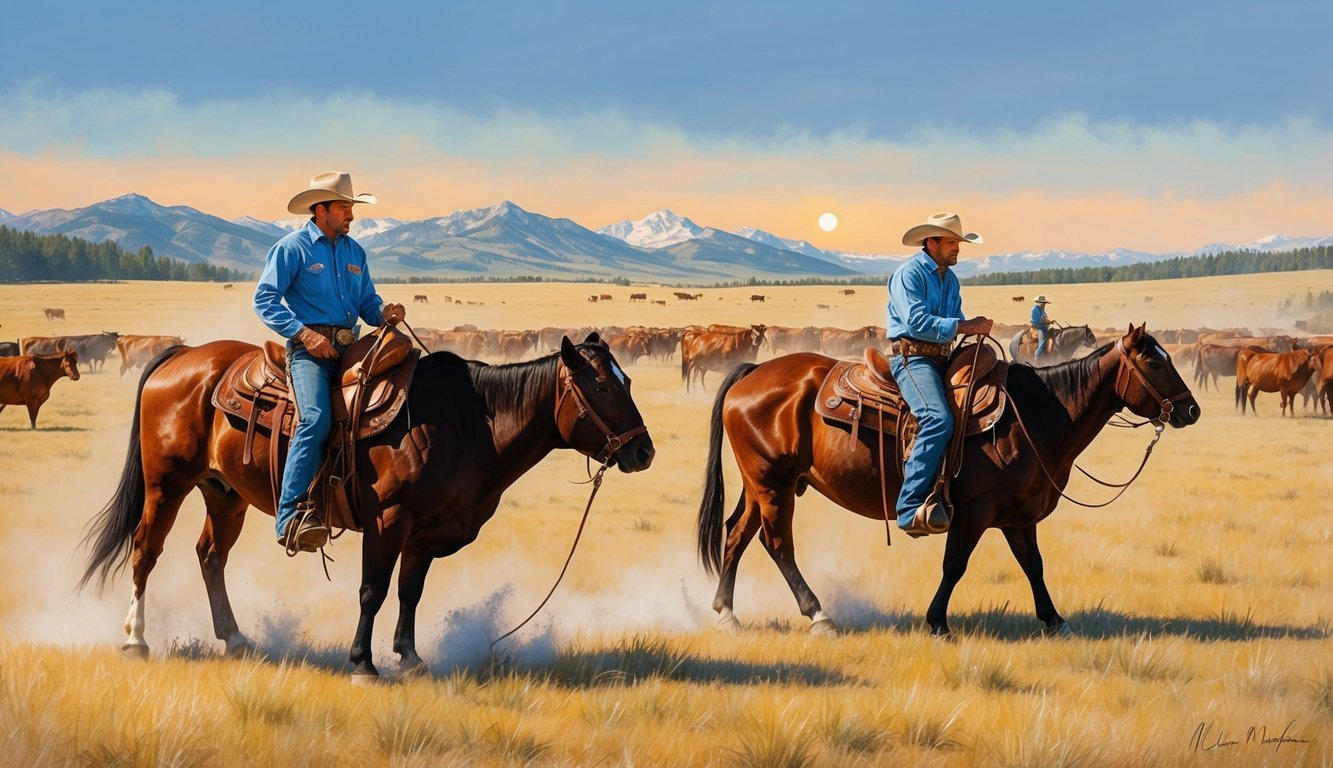
Yellowstone has captivated audiences with its dramatic portrayal of ranch life in Montana, but viewers often wonder how much of what they're seeing reflects reality. The show, created by Taylor Sheridan for Paramount Network, blends authentic ranching practices with Hollywood dramatization to create its compelling narrative. While elements like cattle branding, seasonal work rhythms, and the constant battle against natural elements are portrayed with surprising accuracy, other aspects of ranch operations are significantly exaggerated for entertainment value.
The day-to-day operations shown on the Dutton family's sprawling ranch sometimes hit the mark with realistic depictions of early mornings, hard physical labor, and the specialized skills required for livestock management. However, the show takes creative liberties with the frequency of violent confrontations, the scale of land battles, and the seemingly unlimited resources at the Duttons' disposal. These exaggerations serve the drama but create misconceptions about modern ranching.
Taylor Sheridan's background in rural America lends authenticity to many scenes, particularly those involving horsemanship and cattle handling. The attention to detail in equipment, terminology, and seasonal challenges has earned respect from actual ranchers, even as they chuckle at some of the more outlandish plot developments that would never occur on a working ranch in today's Montana.
Contextualizing 'Yellowstone'
The hit drama series "Yellowstone" has redefined modern Western entertainment while bringing ranching culture into mainstream consciousness. Its portrayal of the ranching lifestyle blends authentic practices with dramatized conflicts.
Series Overview and Creation
"Yellowstone" premiered on the Paramount Network in June 2018 and quickly became one of cable television's most-watched dramas. The series centers on the Dutton family, led by patriarch John Dutton (played by Kevin Costner), who controls the largest contiguous cattle ranch in the United States.
The show portrays the constant struggles the Duttons face to maintain their land against developers, a neighboring Native American reservation, and various political adversaries.
The series uniquely positions itself at the intersection of modern Western, family drama, and political thriller genres. Through five seasons, "Yellowstone" has maintained strong viewership while spawning multiple prequel series including "1883" and "1923."
The Influence of Taylor Sheridan
Taylor Sheridan, the creator and primary writer of "Yellowstone," brings authentic Western credentials to the series. Born in Texas and having spent significant time on ranches, Sheridan incorporates his firsthand knowledge of ranch life into the show's narrative.
Before creating "Yellowstone," Sheridan established himself through critically acclaimed neo-Western films like "Hell or High Water" and "Wind River." These works demonstrated his distinct storytelling style that combines gritty realism with complex moral dilemmas.
Sheridan's commitment to authenticity extends to casting and production. He regularly employs real cowboys as extras and technical advisors to ensure proper depiction of ranching techniques. His writing particularly excels in capturing the terse, straightforward dialogue characteristic of Western ranch culture.
Setting: The Montana Ranch
The fictional Yellowstone Dutton Ranch serves as the show's primary setting, supposedly spanning over 500,000 acres in Montana's Paradise Valley. While the actual filming locations combine areas in Montana and Utah, the show captures the breathtaking landscapes that define Montana ranching.
The ranch itself represents both a business operation and a way of life that spans generations. The series showcases various authentic ranch structures including the main lodge, bunkhouse, barns, and corrals that form the infrastructure of a working cattle operation.
Montana's distinctive seasonal changes play a crucial role in the show's aesthetic and storylines. Harsh winters, spring calving season, and summer grazing all present different challenges that the ranch must navigate.
The property's proximity to Yellowstone National Park and various development pressures accurately reflects real tensions between traditional land use and modern economic forces in the American West.
Characters and Relationships
Yellowstone's character dynamics blend authentic ranching relationships with heightened drama for television appeal. The show captures many genuine aspects of ranch life relationships while taking creative liberties in others.
The Complex Dutton Family
The Dutton family hierarchy mirrors real ranching dynasties where patriarchs like John Dutton (Kevin Costner) maintain control through respect and fear. John's leadership style—firm but fair—accurately portrays traditional ranch bosses who demand loyalty above all.
Beth Dutton's character (Kelly Reilly) presents a more dramatized version of ranch women. While her business savvy reflects the increasing role of women in modern ranch management, her explosive personality and corporate ruthlessness exceed typical ranch family dynamics.
The family's fierce protection of their land authentically captures generational ranching families' connection to their property. This territorial protectiveness is one of the most accurate portrayals in the series.
The Duttons' constant power struggles contain elements of truth—succession planning creates tension in real ranch families—though Yellowstone amplifies these conflicts for dramatic effect.
Rip and Beth's Turbulent Romance
Rip Wheeler (Cole Hauser) represents the loyal ranch foreman archetype with remarkable accuracy. His unwavering dedication to the Dutton ranch and John himself reflects the genuine bonds formed between longtime ranch hands and their employers.
His relationship with Beth, however, ventures into more melodramatic territory than typically found on working ranches. Their passionate, volatile romance makes for compelling television but exaggerates the interpersonal dynamics common in ranch communities.
Rip's background as an orphan taken in by the Duttons does reflect a real ranching tradition. Many ranch operations historically provided surrogate family structures for workers without homes or biological families.
The couple's fierce loyalty to each other amid ranch conflicts portrays the tight bonds that form in isolated ranching communities where people rely heavily on one another.
Kayce and Monica: Bridging Worlds
Kayce Dutton (Luke Grimes) and Monica (Kelsey Asbille) represent one of the show's more grounded relationships. Their struggle balancing ranch life with Monica's Native American heritage accurately depicts cultural tensions that exist in modern Western communities.
The couple faces realistic challenges: divided loyalties, cultural misunderstandings, and the practical difficulties of ranching life. These conflicts authentically portray the complexities facing young couples in contemporary ranching communities.
Kayce's military background followed by a return to ranching represents a common path for many real ranch sons who serve before returning to family operations.
Their relationship highlights legitimate tensions between ranching families and neighboring tribal communities, though the show occasionally simplifies these complex historical and ongoing conflicts.
Jamie's Quest for Power and Identity
Jamie Dutton's character (Wes Bentley) embodies the conflicted ranch heir drawn to external power rather than ranching itself. Many real ranching families include members who pursue law, politics, or business while maintaining connections to family operations.
His identity struggles after discovering his adoption reflect genuine themes of belonging and inheritance in ranching families, where bloodlines and succession traditionally hold significant importance.
Jamie's legal and political ambitions accurately represent how modern ranch families often diversify their influence beyond agriculture into policy and governance to protect their interests.
His complicated relationship with John portrays the authentic tension between ranch patriarchs and sons who choose different paths. The show amplifies these conflicts for drama, but the core dynamic rings true to generational tensions in ranching families.
Depicting Ranch Life
Yellowstone offers viewers a window into the complex world of modern ranching, balancing authenticity with dramatic storytelling elements. The show captures many genuine aspects of ranch operations while taking creative liberties with certain practices and relationships for entertainment value.
Ranching Practices and Realism
The daily operations portrayed in Yellowstone contain both accurate and exaggerated elements of actual ranch work. Branding scenes faithfully represent traditional practices still used throughout Montana and the American West. The show correctly depicts seasonal activities like moving cattle between pastures and the physical demands of working outdoors in harsh weather conditions.
However, some ranching practices receive Hollywood treatment. The frequency of dramatic emergencies requiring all-hands response exceeds reality on most working ranches. Modern ranching relies more heavily on technology than portrayed, with many operations using GPS tracking, specialized software, and advanced breeding techniques.
John Dutton's hands-on approach, while inspirational, represents an idealized version of a ranch owner's involvement. Most large operations similar to the Yellowstone would employ specialized managers rather than having the owner personally leading every important task.
Ranch Hierarchies and Roles
The show's portrayal of ranch hierarchy contains authentic elements within its dramatized framework. The ranch foreman role filled by Rip Wheeler accurately represents the crucial position of an owner's trusted lieutenant who oversees daily operations.
The bunkhouse dynamics capture the genuine camaraderie and tensions among ranch hands. The distinction between seasonal workers and permanent staff reflects actual practices, though the extreme loyalty demanded by the Dutton operation exceeds typical employer-employee relationships.
Jimmy's journey from inexperienced novice to competent cowboy illustrates a realistic learning curve. However, the speed of his progression and the intense mentoring he receives are accelerated for storytelling purposes.
The show largely omits administrative staff and business managers who would typically handle the complex financial and legal aspects of a multi-million dollar operation like the Yellowstone Ranch.
The Role of Wealth and Land Ownership
The Yellowstone correctly emphasizes land as the foundation of ranch wealth and power in Montana. John Dutton's fierce protection of his property reflects genuine concerns among ranchers facing development pressures and changing economic conditions in the American West.
The show accurately portrays the tension between traditional land use and modern development opportunities. Many real Montana ranchers face similar pressures to sell valuable properties to developers or corporate interests.
Jamie's legal battles over land rights touch on authentic issues confronting ranch owners, including water access, mineral rights, and conservation easements. These complex legal matters often determine a ranch's viability.
The multi-generational wealth of the Dutton family represents a diminishing reality in American ranching. While some historic ranches remain family-owned, economic pressures have forced many operations to sell or consolidate under corporate ownership over the past century.
Cultural and Social Themes
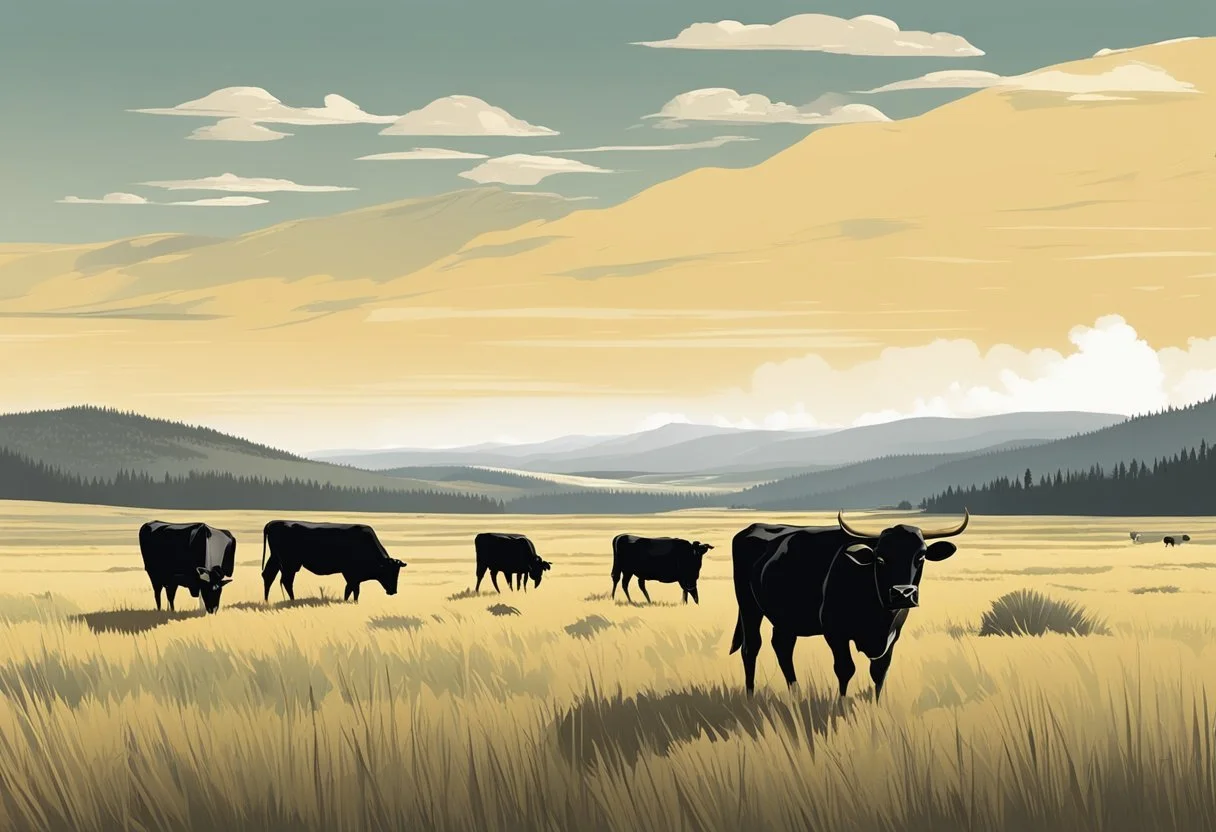
Beyond its sweeping vistas and high-stakes drama, Yellowstone explores complex cultural dynamics that reflect real tensions in modern Montana. The show tackles Native American issues, class conflict, and generational trauma with varying degrees of accuracy.
Native American Representation
Yellowstone deserves credit for including significant Native American characters and storylines, though its approach isn't without flaws. The character of Thomas Rainwater, played by Gil Birmingham, offers a nuanced portrayal of a tribal chairman navigating political challenges between reservation interests and external threats.
Monica's character serves as a bridge between reservation life and the Dutton world, though her storyline sometimes falls into predictable patterns. The show accurately depicts ongoing land disputes between tribes and ranchers, reflecting actual tensions throughout Montana's history.
Some Native American viewers have criticized the show for occasionally simplifying complex tribal politics. However, Yellowstone does acknowledge historical injustices like forced relocation and cultural erasure that continue to impact tribal communities in America today.
Socioeconomic Tensions
The economic divide between wealthy ranchers and ordinary Montanans receives authentic treatment in the series. Beth Dutton's ruthless business tactics against developers like Dan Jenkins highlight the power dynamics between old money ranchers and new money interests.
Ranch workers' economic precarity contrasts sharply with the Duttons' immense wealth, accurately reflecting real wage disparities in ranching communities. The show captures the genuine resentment many locals feel toward wealthy outsiders buying up Montana land for vacation properties.
Yellowstone occasionally exaggerates the violent nature of these conflicts for dramatic effect. In reality, these battles typically play out in zoning meetings and court proceedings rather than armed confrontations.
Family and Trauma
The Dutton family's generational trauma forms the emotional core of Yellowstone. John Dutton's rigid expectations for his children reflect traditional ranching values passed through generations.
Beth's character arc powerfully demonstrates how childhood trauma shapes adult behavior. Her self-destructive tendencies and emotional armor stem directly from early experiences, particularly those involving her mother's death.
The series accurately portrays how ranch families often sacrifice personal happiness for the legacy of the land. Children are expected to continue family traditions despite changing economic realities in America's agricultural communities.
Yellowstone sometimes rushes through psychological healing processes that would realistically take years of therapy. However, the show effectively captures how trauma cascades through families in ranch communities where seeking mental health support carries significant stigma.
Action and Morality
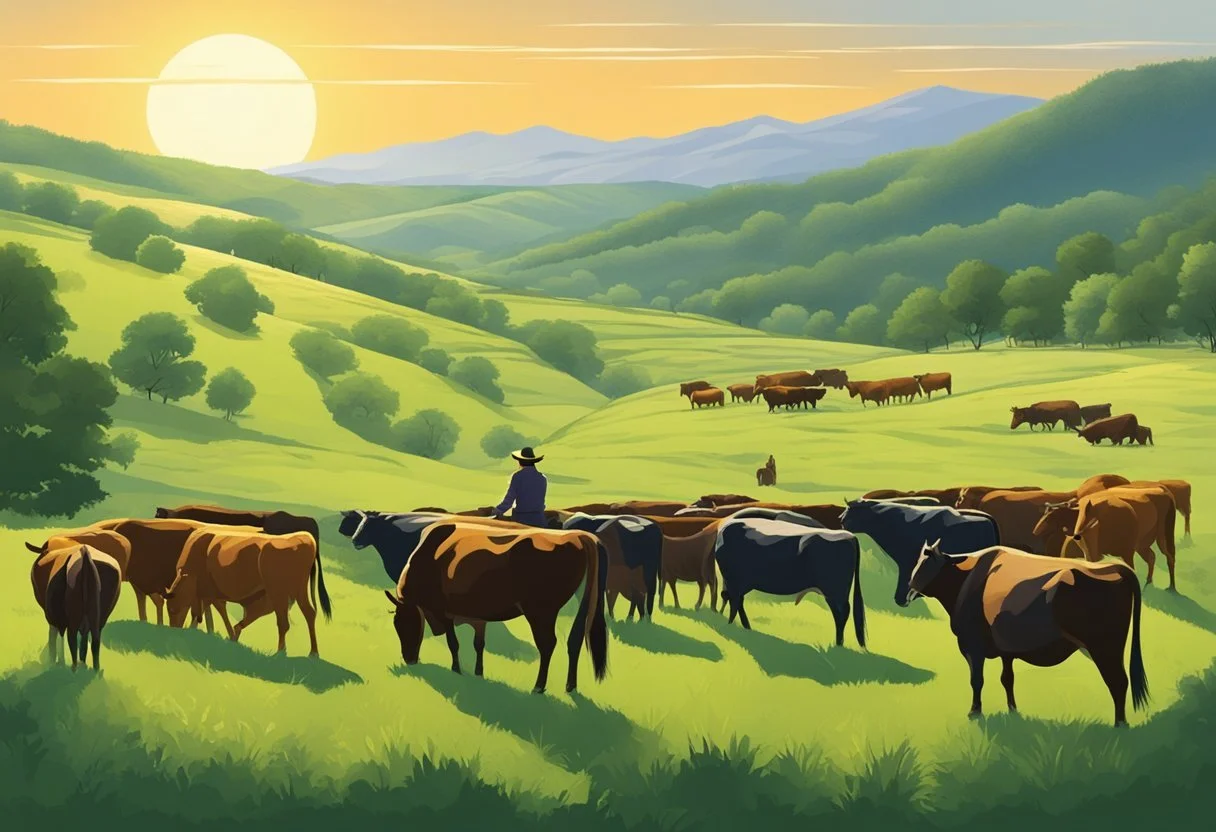
Yellowstone portrays ranch life through a lens of intense action and complex moral dilemmas that often blur the lines between right and wrong for the characters. The show's approach to violence and ethical ambiguity significantly shapes how viewers perceive the authenticity of its ranching narrative.
Violence as a Storytelling Tool
Violence in Yellowstone serves as both a plot device and character development mechanism. John Dutton's willingness to use force to protect his land reflects historical accounts of territorial disputes, though the frequency of violent confrontations is greatly amplified for dramatic effect.
Rip Wheeler embodies the enforcer archetype, with his brutal methods occasionally mirroring historical accounts of how large ranches maintained order. However, his casual approach to violence—particularly the infamous "train station" disposal site—ventures far beyond historical reality.
Kayce's military background provides a somewhat plausible foundation for his combat skills, but the show rarely depicts the genuine consequences of violence that would affect a real ranch operation, such as legal scrutiny and community fallout.
Moral Ambiguity and Character Actions
The moral landscape of Yellowstone presents ranching through a particularly gray ethical lens. John Dutton's actions are frequently justified through his commitment to preserving a way of life, though his methods would be considered criminal in any realistic context.
Beth Dutton's ruthless business tactics and psychological warfare represent an exaggerated version of the business acumen required to maintain large agricultural operations in modern America. Her character highlights the show's tendency to prioritize dramatic tension over realistic portrayal.
Murder as a solution to problems appears with alarming frequency, whereas historical ranching disputes typically resolved through legal channels, community pressure, or economic leverage. The show's emphasis on power dynamics does accurately reflect the historical importance of land ownership and resource control in Western American ranching communities.
The code of loyalty depicted among ranch hands contains elements of truth regarding the tight-knit communities that form around ranch work, even as the extreme measures taken in its name stretch credibility.
Production Quality
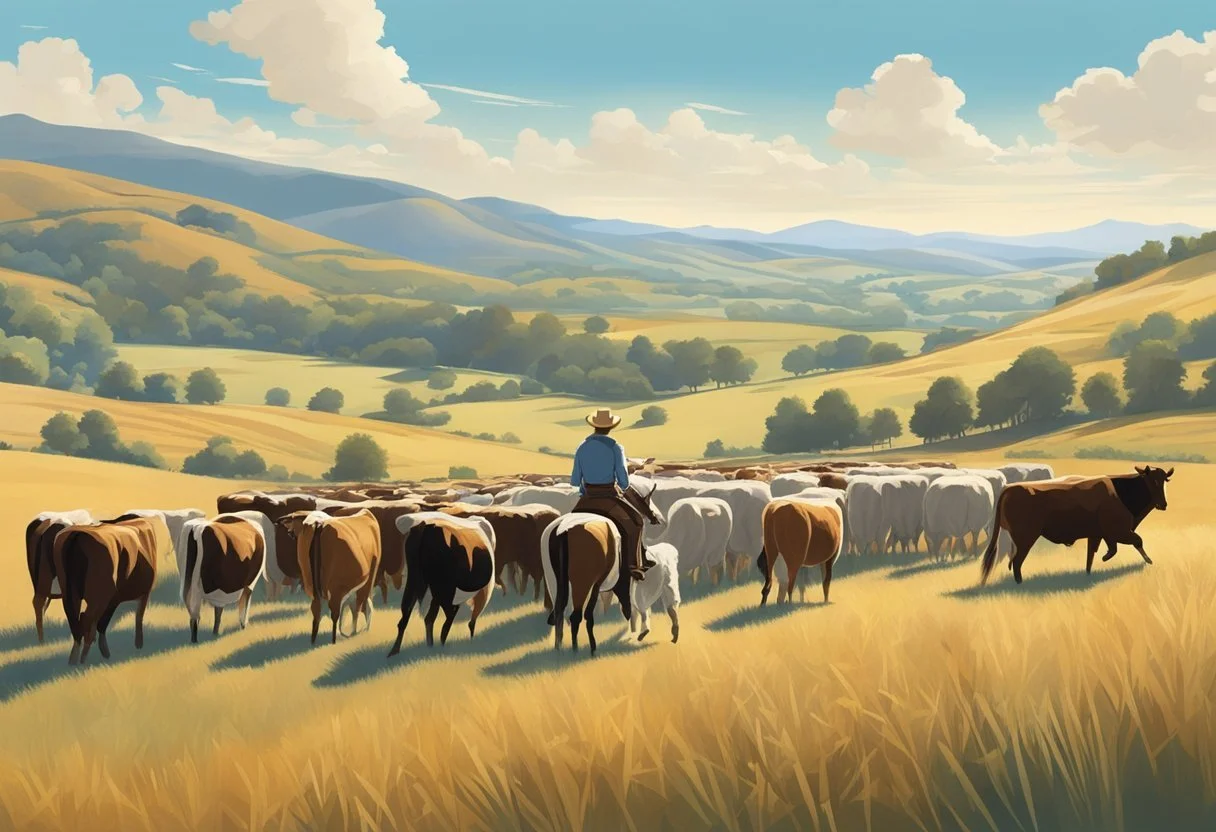
Yellowstone stands out not only for its storytelling but for its exceptional production values that bring the modern ranching world to life with stunning authenticity.
Cinematography and the Montana Landscape
Montana's vast landscape serves as more than just a backdrop in Yellowstone—it functions as a character itself. The cinematography captures the rugged beauty of Paradise Valley and other Montana locations with sweeping aerial shots that showcase the expansive ranchlands against mountainous horizons.
Director of Photography Christina Voros employs natural lighting to great effect, particularly during golden hour scenes that bathe the Dutton ranch in warm, realistic tones. This technique enhances the authenticity of ranching scenes while highlighting the harsh beauty of the environment.
Weather conditions in Montana create visual challenges that the production team transforms into storytelling assets. Scenes of ranchers working through snow, rain, and dust storms are captured with gritty realism rather than Hollywood polish.
Acting and Character Depth
Kevin Costner's portrayal of John Dutton anchors the series with understated power. His performance conveys a lifetime of ranching experience through small details—the way he sits a horse, examines cattle, or silently surveys his land.
Kelly Reilly brings unexpected depth to Beth Dutton, balancing her character's corporate ruthlessness with moments of vulnerability that reveal her connection to the ranch. Her scenes on horseback demonstrate careful attention to authentic riding techniques.
Cole Hauser (Rip Wheeler) and Luke Grimes (Kayce Dutton) perform much of their own riding and roping, adding credibility to working ranch scenes. Their physical commitment to these roles is evident in cattle driving sequences and horse training moments.
Music and Atmosphere
The musical score by Brian Tyler and Vincent Pedulla complements the visual storytelling with restraint and emotional resonance. Traditional Western instruments blend with modern compositions, mirroring Yellowstone's contemporary take on ranch life.
Sound design contributes significantly to the authentic atmosphere, capturing subtle environmental details—the creak of saddle leather, distant lowing of cattle, and the distinctive sounds of ranch equipment.
Musical supervision introduces viewers to underground country and Americana artists whose lyrics often parallel the narrative themes. These carefully selected songs provide emotional texture to key ranching moments without overwhelming the natural sounds of Montana ranch life.
The Show's Legacy
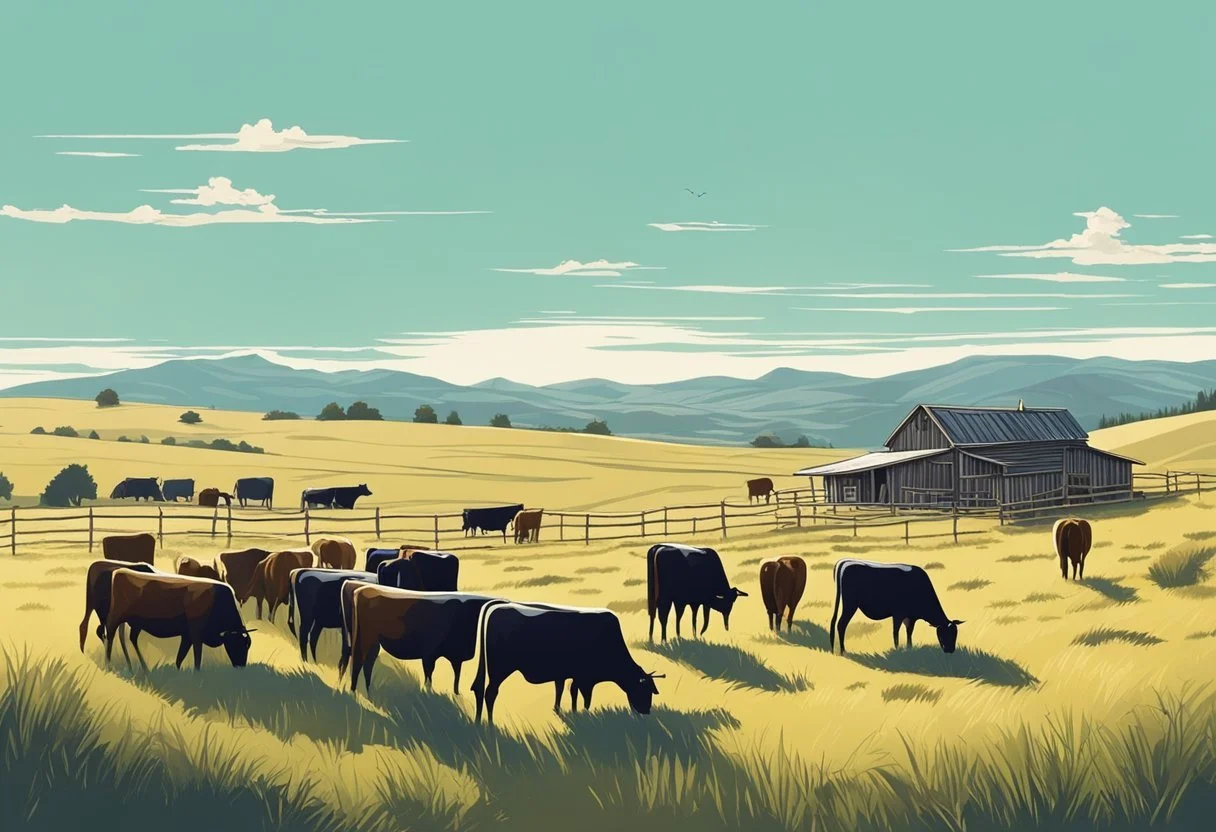
Yellowstone's cultural footprint extends far beyond its compelling ranching storylines, reshaping television landscapes and viewer expectations since its 2018 debut. The series has transformed modern Western storytelling while establishing new benchmarks for cable television success.
Impact on Pop Culture
Yellowstone has permeated American culture in ways few contemporary shows have managed. With its peak viewership exceeding 15 million across platforms, the series has sparked renewed interest in Western fashion, with retailers reporting significant increases in cowboy boot and hat sales since the show's premiere.
The Dutton family's swagger has infiltrated everyday vernacular, with phrases like "don't fence with me" and "you're either the butcher or the cattle" appearing on merchandise nationwide. Taylor Sheridan's creation has also boosted tourism in Montana, with state officials reporting a 20% increase in visitors explicitly citing the show as their inspiration.
Many ranching communities have embraced the series despite its dramatizations, appreciating the spotlight on rural American issues often overlooked in mainstream media.
Influence on Modern Westerns
Taylor Sheridan's approach to the Western genre has reshaped industry standards, proving that contemporary frontier tales can captivate massive audiences. Following Yellowstone's success, networks have greenlit numerous modern Western projects that might otherwise have been considered too niche.
The show's unflinching portrayal of land conflicts, indigenous perspectives, and corporate encroachment has elevated the genre beyond simple cowboys-and-Indians narratives. Paramount Network's flagship series blends traditional Western elements with soap opera dynamics, creating a template now widely emulated.
Production values for television Westerns have also risen considerably, with competing shows matching Yellowstone's commitment to authentic locations, practical horsemanship, and expansive cinematography. The series demonstrated that Western storytelling could successfully incorporate contemporary themes while honoring genre traditions.
Yellowstone's Place in TV History
Yellowstone has rewritten expectations for cable television success in the streaming era. As traditional networks struggled to retain viewers, Paramount Network's gamble on an expensive, star-driven Western defied industry trends and built a massive audience primarily through word-of-mouth.
The series' popularity among middle America viewers often overlooked by coastal-focused networks revealed an untapped market for programming that reflects rural values and conflicts. Television historians note that Yellowstone accomplished this without the immediate streaming presence that benefits most contemporary hits.
Taylor Sheridan's creation has joined the ranks of transformative television that defines an era, similar to how The Sopranos changed premium cable storytelling. Its success spawned an entire universe of spin-offs, with 1883 and 1923 extending the Dutton saga across generations, establishing a franchise model now emulated by competitors seeking similar cultural relevance.
