
Ami Brown’s Wisdom in Alaskan Bush People Is More Relevant Than Ever as Modern Challenges Grow
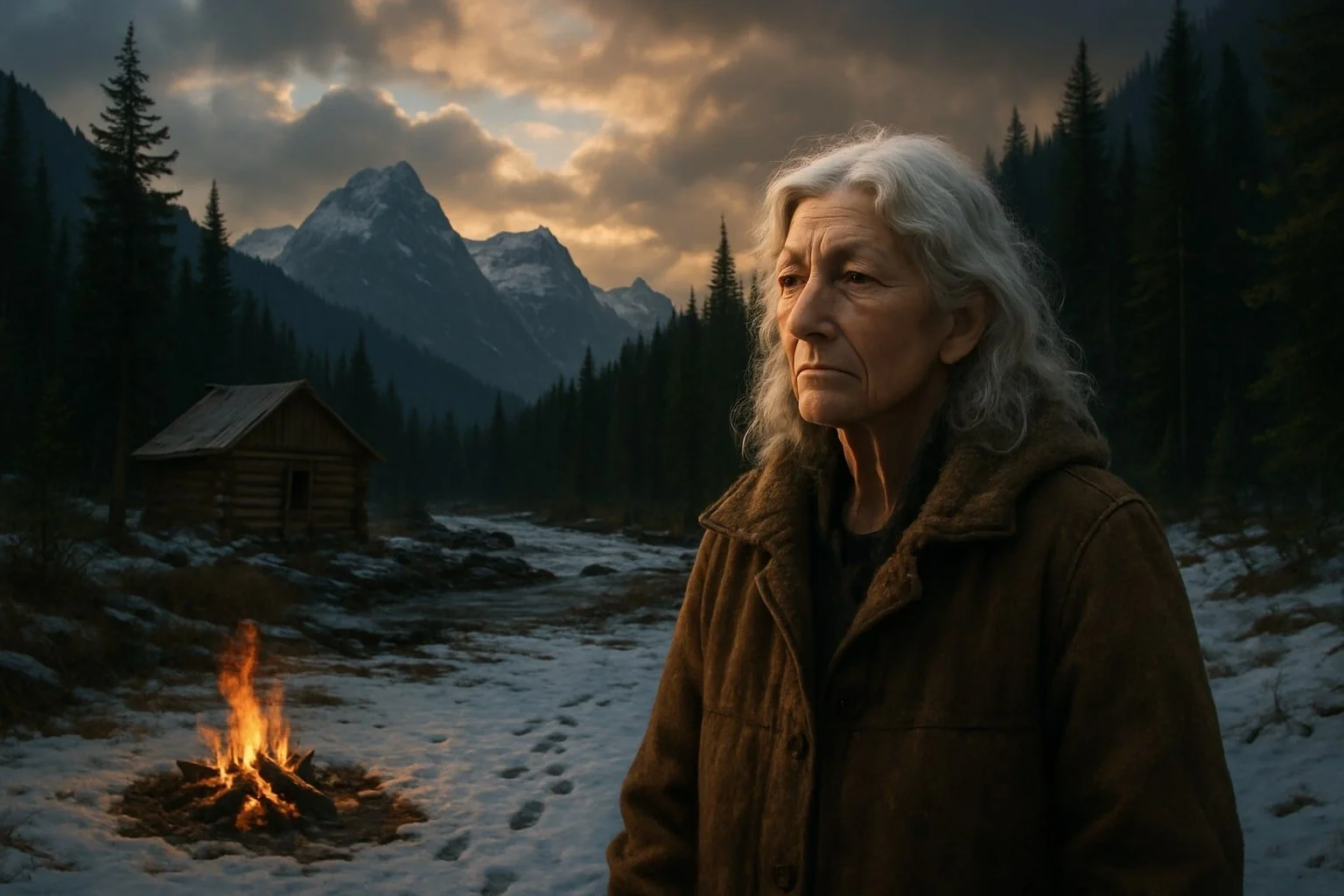
Ami Brown’s presence on "Alaskan Bush People" has offered viewers a steady example of perseverance and practical wisdom amid life’s challenges. Her ability to stay grounded and resilient, especially in the face of health struggles and uncertainty, shows values that are increasingly relevant in today’s unpredictable world.
Audiences continue to find inspiration in how Ami navigates adversity and supports her family through both good times and hardship. Her straightforward advice and calm strength provide more than entertainment—they offer real lessons about patience, resourcefulness, and hope.
Ami Brown’s Enduring Wisdom

Ami Brown’s approach to life is grounded in clear values and practical beliefs. Her way of handling hardship, drawing on spirituality, and prioritizing family continues to resonate with viewers of Alaskan Bush People.
Core Philosophy of Life
Ami Brown’s philosophy is centered on simplicity, family cohesion, and gratitude. She consistently prioritizes relationships and shared experiences over material wealth. She often emphasizes that happiness comes from appreciating what is at hand, not from seeking more possessions or status.
Key Principles:
Value family above all
Express thankfulness daily
Live within one’s means
These principles are not abstract to Ami. They are reflected in how she raises her children and in the daily routines of the Brown family in the remote Alaskan wilderness. Decisions about food, shelter, and education are all shaped by a desire to maintain a close family bond and a contented outlook, regardless of external circumstances.
Spirituality and Inner Strength
Spirituality is a major source of Ami’s strength. She openly trusts in her faith during both quiet times and health struggles. Prayer and reflection are a foundation for her, especially during her battle with stage 3 lung cancer.
Ami often encourages her family and fans to find peace in moments of uncertainty. She describes her spirituality as a well that she draws from to meet challenges. On the show, she sometimes shares short prayers or gentle words of encouragement that act as reminders of her belief in a higher purpose and the importance of resilience.
Practices for Inner Strength:
Daily prayer and reflection
Open conversations about faith
Using faith as a coping mechanism in adversity
Resilience Through Challenges
Ami Brown’s life has involved ongoing challenges—from isolation in the Alaskan wilderness to serious health crises. Her response is defined by adaptability, persistence, and an ability to remain hopeful even during bleak periods.
When Ami was diagnosed with cancer, she demonstrated resolve not just in enduring treatment, but in the way she faced fear and uncertainty. Her resilience inspired both her family and viewers, as she chose to remain positive and focused on healing.
Resilience Strategies Table:
Challenge Response Outcome Remote living Adapt practical skills Family unity, survival Health crisis Remain hopeful, trust medical advice Improved well-being, strengthened bonds Emotional trials Lean on family, share openly Deeper relationships
Ami’s approach shows that resilience is built through both mindset and daily habits. It is her consistent, realistic strategies—not grand declarations—that have kept her and her family moving forward.
Impact of Alaskan Bush People on Viewers

The presence of "Alaskan Bush People" has sparked widespread discussion about family resilience, unconventional living, and the reach of reality TV. The show has fostered active audience interaction and provided a unique look at personal and communal connections in challenging environments.
Community Engagement and Networking
"Alaskan Bush People" has cultivated a close-knit community of viewers, many of whom connect online through forums and social media groups. Fans regularly exchange thoughts on the Brown family's lifestyle and discuss survival strategies inspired by the show.
Local meetups and online watch parties have become common, illustrating the program's role in uniting people with shared interests. Not only do viewers express their admiration for Ami Brown's wisdom, but they also share their own family experiences and rural living tips.
Viewer engagement also extends beyond entertainment. Fans sometimes organize fundraisers or send messages of support to the Browns, creating a feedback loop between the audience and the family. This form of networking strengthens communal bonds and enhances the show's impact.
Role of Reality TV in Modern Society
Reality television such as "Alaskan Bush People" serves as both entertainment and a social lens. By chronicling the day-to-day lives of the Browns, the show exposes viewers to alternative ways of living and offers a counterbalance to urban, technologically driven narratives.
The unfiltered depiction of medical challenges, such as Ami Brown's battle with cancer, adds a sense of realism that resonates deeply with viewers. This authenticity sets the series apart from more scripted formats and encourages public conversations about health, family, and perseverance.
Viewers often use shows like this to benchmark their own experiences, leading to broader discussions on societal values, family unity, and the nature of self-sufficiency. The genre helps audiences navigate changing cultural norms by providing tangible, relatable examples.
Brown Family Dynamics and Influence
The Browns' family dynamics, especially Ami Brown's role as matriarch, have become a focal point for many viewers. Their collective decision-making, adaptability, and visibly strong bonds have driven interest in family-centered living.
Ami’s approach emphasizes strength in adversity, communication, and interdependence. These attributes have inspired both viewers and fellow cast members, particularly when challenges arise, such as health emergencies or transitions between locations.
Fans observe how the family's open interactions and mutual support manifest on and off screen. Many find parallels to their own experiences, which has cemented the Brown family as not only reality television figures but also as relatable symbols of resilience and unity.
Survival and Adaptation in the Wilderness

Ami Brown’s life in the Alaskan wilderness highlights practical approaches to survival amid harsh conditions. Her abilities cover a wide range—wilderness skills, resilience in the face of health struggles, and psychological coping mechanisms when activity is limited.
Skills for Thriving in Nature
Ami Brown uses time-tested techniques to ensure her family’s safety and comfort. Essential skills include building weather-resistant shelters, foraging for edible plants, and fishing to supplement food supplies. She demonstrates resourcefulness by repairing and reusing tools—making the most of what’s available.
Her daily routine often features fire-making techniques and water purification methods, which are crucial for hygiene and cooking. Ami’s practical attitude stresses the value of preparation and adaptability; these skills not only foster independence but also build a reliable safety net in unpredictable wilderness settings.
Throughout the series, Ami’s approach emphasizes that survival is rooted in observation and respect for nature. Her careful monitoring of weather patterns and animal behavior guides decision-making. The combination of knowledge and hands-on action creates a more secure living environment off the grid.
Overcoming Health Issues and Adversity
Ami faced significant health challenges, most notably her diagnosis with stage 3 lung cancer in 2017. Despite limited access to modern medical care, she balanced rigorous wilderness life with ongoing treatments and frequent travel for checkups.
Her determination in managing her illness became a focal point for viewers. Ami’s approach was to divide responsibilities, enabling the family to maintain their homestead even when she needed rest or medical attention. She remained an active participant in community decisions, stressing open communication and collective problem-solving.
As her health fluctuated, Ami adapted tasks to match her energy levels. She focused on key areas like overseeing food storage and planning, showing that survival in nature includes flexibility and the willingness to adjust priorities in the face of adversity.
Coping With Inactivity and Isolation
Periods of inactivity—whether caused by health, weather, or supply shortages—pose unique challenges in remote wilderness settings. Ami addressed these challenges by prioritizing mental and emotional well-being alongside physical survival tasks.
She encouraged the family to maintain social bonds through shared meals and storytelling, which helped combat feelings of isolation common in remote areas. During long winters or recovery periods, Ami promoted creative activities like crafting, writing, and learning new skills to stay mentally sharp.
Ami also instilled the importance of regular routines. Even when outside work was impossible, the family adhered to set mealtimes and chores. This structure created a sense of stability, which proved essential for maintaining morale and motivation when nature forced inactivity.
Women’s Voices and Leadership in the Wild

Women in remote and challenging settings have long contributed vital leadership and insight, drawing on traditions of storytelling and resilient self-reliance. Ami Brown’s journey in Alaskan Bush People and the broader influence of women writers both highlight how female perspectives shape understanding of survival and family.
Ami Brown as a Role Model
Ami Brown exemplifies resilience and adaptability in the wilderness. As the matriarch of the Brown family, she spent three decades raising her children under challenging conditions, modeling leadership and practical wisdom.
She consistently challenged stereotypical gender expectations by managing both household survival and family unity. Ami’s influence went beyond daily chores—she encouraged all family members to be resourceful, to share knowledge, and to respect each other’s unique strengths.
Her presence in the series introduced audiences to a broader interpretation of women’s roles in survival scenarios. By promoting cooperation, creative problem-solving, and emotional support, she showcased a leadership style rooted in experience and mutual respect.
Empowering Women Writers and Storytellers
Women writers and storytellers have played a major role in recording and passing down oral traditions, especially in rural and Indigenous communities. Their narratives preserve vital survival knowledge and document strategies for thriving in difficult environments like Alaska.
Through books, interviews, and documentaries, women have added perspectives often missing in mainstream wilderness stories. They frequently highlight community bonds, interdependence, and the value of nurturing leadership.
Table: Examples of Women’s Storytelling Roles
Role Contribution Family historian Preserves oral histories Writer/author Documents lived experiences Educator Teaches survival and resilience values
By supporting women’s storytelling, communities sustain essential knowledge and ensure their legacies endure for future generations.
The Importance of Family, Relationships, and Support
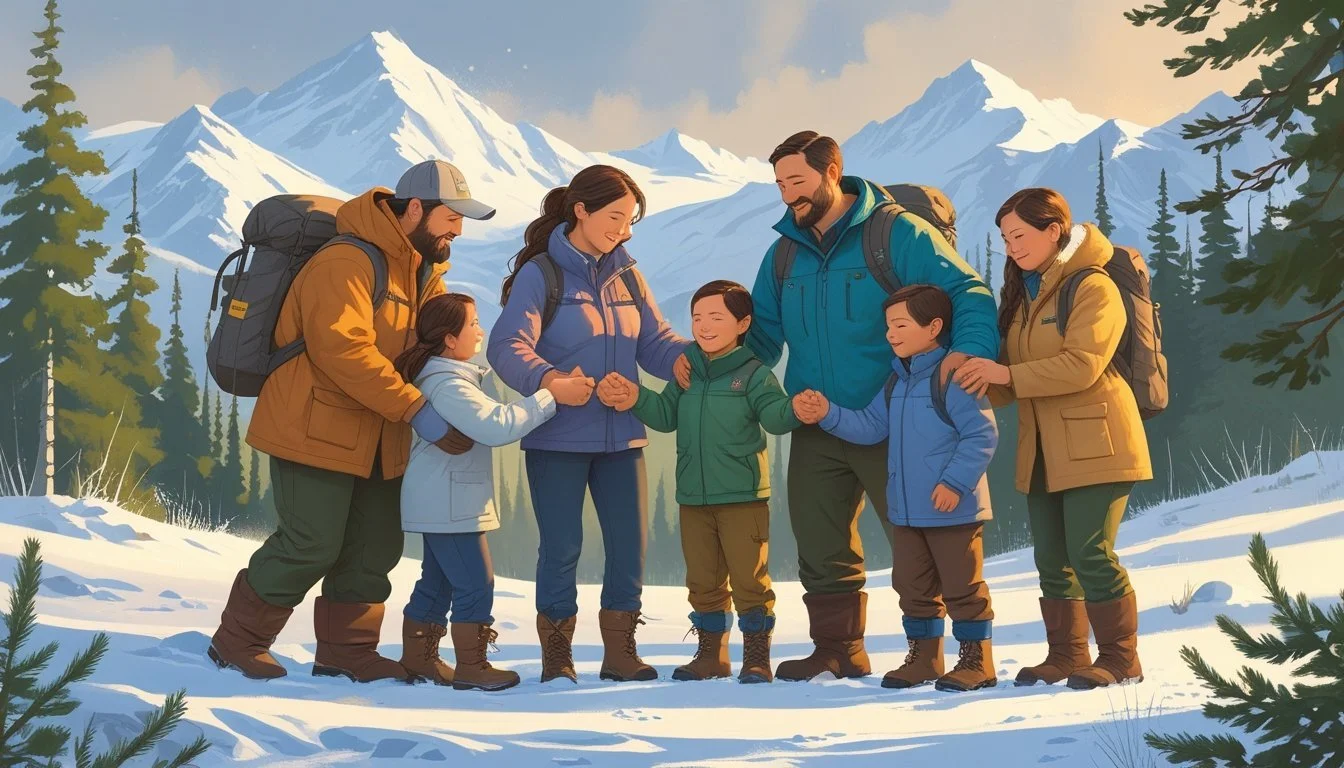
Ami Brown’s story is grounded in the power of family connections and the unwavering support that comes from loved ones. Through times of crisis and moments of joy, the Browns demonstrate the value of unity, resilience, and passing down wisdom.
Supporting Loved Ones Through Struggles and Triumphs
Ami Brown’s personal health battles, especially her diagnosis and fight against stage 3 lung cancer, deeply affected her entire family. Each member, from Bear to Rain, stepped up to offer care, encouragement, and emotional presence whenever she faced medical emergencies or setbacks. This shared experience brought the family even closer.
Bear Brown often communicated Ami’s health updates to supporters, showing how open communication plays a role in maintaining strong relationships. The Browns—faced with lengthy hospital stays and periods of uncertainty—showed mutual reliance by dividing tasks, providing comfort, and keeping hope alive.
The family also recognized and celebrated each victory, no matter how small. Public and private affirmations of support, like hospital visits and words of encouragement, highlighted the significance of standing by each other through difficulty and achievement.
Legacy of Billy Brown and Family Bonds
Billy Brown left a lasting impact on his children and Ami through his unwavering commitment to family first. He fostered a sense of togetherness rooted in collaboration and trust, emphasizing hands-on learning and problem-solving in harsh Alaskan conditions.
The structure of the Brown household was influenced by Billy’s example of patience, leadership, and resilience. Many family routines and traditions continue because of his influence. His legacy lives on in the way the siblings support each other, address challenges, and honor his memory with shared responsibility.
In moments of hardship, his teachings are evident in the Browns’ mindset. They use lists, daily rituals, and shared activities to reinforce bonds established over years. These habits help reinforce unity and continuity even after his passing.
Mentoring the Next Generation: Bear, Gabe, and Rain
Ami’s guidance extends to her children, especially Bear, Gabe, and Rain, as they navigate adulthood and their own personal challenges. Through direct mentorship and day-to-day modeling of perseverance, Ami helps them face the unique pressures associated with their environment and public attention.
Bear often steps into a leadership role when adversity strikes, following the example set by both his parents. Gabe equally values teamwork and maturity, displaying a keen sense of responsibility. Rain, the youngest, grows in confidence through encouragement and learning from her siblings’ and mother’s experiences.
Together, they represent a new generation of Browns who rely on mutual support and shared knowledge. Mentorship in their family isn’t formal—it is woven into every interaction, from decision-making outdoors to emotional conversations during difficult times.
Mental Health, Aging, and Personal Growth

Ami Brown’s experiences with illness, loss, and survival highlight the mental and physical challenges that come with aging and disability in harsh conditions. Her story emphasizes practical approaches to mental health and the importance of personal growth at any stage of life.
Facing Depression and Adversity
Ami has openly faced severe health crises, including a battle with stage 3 lung cancer and a recent hospitalization requiring intensive care. These challenges often bring significant psychological strain, such as depression and anxiety.
Mental health strategies that helped Ami include:
Leaning on family support
Maintaining routines despite setbacks
Fostering optimism during prolonged uncertainty
The Brown family’s public discussions of their struggles have made mental health a topic that fans can relate to. By sharing how she manages depression and adversity, Ami reduces stigma and encourages others to seek support.
Aging With Dignity in Harsh Environments
Living and aging in remote, physically demanding environments adds unique challenges. Ami, now in her early 60s, continues to adapt to disabilities and changing health needs after her cancer survival.
She demonstrates key aspects of aging with dignity:
Acknowledging limitations without shame
Prioritizing health and safe routines
Teaching younger family members by example
Ami’s resilience in the face of reduced physical capacity is a reminder that strength is not just physical, but also mental. Her approach blends practical psychology, acceptance, and a willingness to keep adapting as she ages.
Cultural and Geographic Influences on Wisdom

Ami Brown’s views are shaped not just by personal experience but also by the powerful environments she's inhabited. Geography, weather, and local resources have contributed to her philosophy of resilience, self-reliance, and community.
Lessons From Alaska’s Natural Beauty
Alaska’s remote landscapes are vast and demanding. The Brown family has relied on the state’s rivers, forests, and wildlife for food, shelter, and inspiration.
Severe winters and unpredictable weather demand flexibility and preparation. Ami emphasizes respect for nature, teaching that safety and survival depend on understanding seasonal cycles and adapting routines accordingly.
These challenges foster creativity and deeper appreciation for “enoughness”—the ability to get by with what you have. Daily life in Alaska rewards those who observe closely, plan ahead, and value togetherness, which Ami models in her family’s choices and attitudes.
Connection to the Land: British Columbia, Ontario, Quebec
While Alaskan terrain dominates the Brown experience, nearby regions like British Columbia, Ontario, and Quebec provide useful context for comparison. Each province features distinct ecosystems—from coastal rainforests to shield lakes and hardwood forests.
British Columbia, bordering Alaska, shares similar mountain terrain and weather. Ontario and Quebec bring lessons in navigating mixed forests and long, cold winters. Rural populations in these areas also value resourcefulness and practical wisdom.
Ami’s emphasis on self-reliance parallels time-honored tools and customs from these Canadian regions, such as foraging, handcrafting, and communal sharing. Observing nature, reading weather signs, and respecting the land are values reinforced by all these northern settings.
Storytelling, Poetry, and Oral Traditions
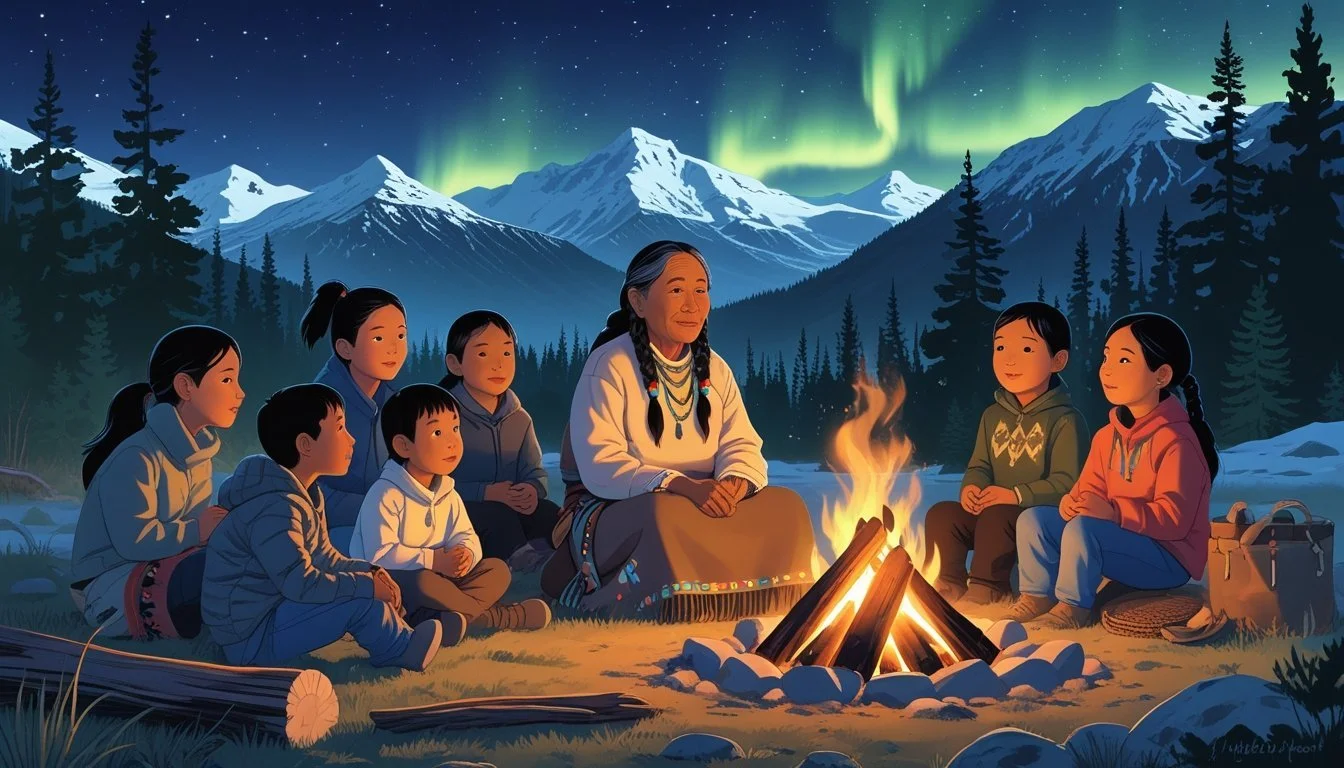
Ami Brown's role in "Alaskan Bush People" highlights the significance of storytelling and creative expression in preserving family values. Her approach draws from poetic language, oral heritage, and the visual storytelling of photography to communicate ideas across generations.
Inspirations From Poetry and Literature
Ami often integrates poetic elements into daily conversation and family lessons. Her words echo the cadence and imagery of traditional poetry, helping to impart lessons that linger with both her family and viewers. This approach draws from oral traditions, where stories, songs, and poems are passed between generations to maintain history and culture.
In many scenes, Ami's storytelling mirrors age-old oral narratives. She provides context, moral frameworks, and emotional insight by referencing parables, metaphors, or family sayings. This style strengthens connections between past and present, grounding the family in shared experience. The oral tradition, as seen in many indigenous and rural communities, plays a crucial role in transmitting wisdom and cultural practices.
Photography and the Power of Images
Photography in "Alaskan Bush People" captures more than just landscapes; it documents everyday life and milestones in the Brown family’s journey. Images highlight the richness of their environment, from weathered faces to remote Alaskan vistas. Each photograph serves as a visual record, complementing Ami's spoken stories and poetry.
Visual documentation builds a family archive that future generations can reference. Through photo albums or candid shots, the Browns establish continuity and foster nostalgia. This visual storytelling works hand in hand with oral traditions, creating a comprehensive narrative that spans both word and image, reinforcing the value of their unique lifestyle.
Challenges, Change, and the Future of Resilience

Ami Brown and her family have faced severe trials, including unpredictable environmental disasters and difficult personal transformations. Their ongoing journey continues to demonstrate the necessity of adapting to both sudden and gradual change.
Facing Wildfires and Environmental Threats
Wildfires have posed a direct threat to the Brown family’s way of life in Washington state. In recent years, fires forced the family to evacuate their land and lose buildings that had become central to their homestead.
Ami’s health issues, combined with environmental hazards, made survival even more complex. Practical steps, such as improving firebreaks and reassessing emergency plans, became crucial priorities.
Documenting these challenges, the family showed how they prepared for future crises. This included storing essential supplies, updating evacuation routes, and seeking support from their local community. Facing wildfires repeatedly highlighted the importance of readiness and the value of family in uncertain times.
Transformations and New Beginnings
The Brown family has marked each new year by adapting to circumstances that require profound personal and collective growth. Ami’s recovery from lung cancer, which was publicly documented, led to a reassessment of priorities and new family roles.
Moving from Alaska to Washington represented a significant transformation as well. It brought unfamiliar climates, exposure to more people, and the harsh reality of environmental risks beyond their control.
This period of rebuilding demanded emotional resilience and a willingness to innovate. Ami’s practical wisdom guided decisions about their land, daily routines, and long-term plans. The Brown family’s journey during these times stands as a record of how adversity can become a catalyst for change, renewal, and future planning.
