
How Alaskan Bush People Portrays Grief Without Gloss
An Honest Look at Coping on Reality TV

Alaskan Bush People stands out among reality TV shows for its candid depiction of grief, allowing viewers to witness the real impact of loss on the Brown family. While some aspects of the show are dramatized, the pain following Billy Brown’s death is portrayed with a level of authenticity rarely seen in the genre. The family's struggle with sorrow, combined with their unique lifestyle, offers an unfiltered look at mourning in extreme and isolated conditions.
The series doesn't shy away from the emotional challenges the Browns face; instead, it documents the day-to-day reality of coping with tragedy far from the comforts of mainstream society. By inviting the audience into their world, Alaskan Bush People provides a raw perspective on how grief shapes relationships and daily survival off the grid.
The Significance of Grief in Alaskan Bush People

Grief is woven deeply into the experiences of the Brown family on Alaskan Bush People, shaping their lives and interactions. The show addresses the consequences of profound loss, especially when the family’s patriarch, Billy Brown, passed away, and highlights how each member deals with emotional upheaval.
Exploring Grief as a Central Theme
In Alaskan Bush People, grief is not just a backdrop but an integral part of the unfolding story. The loss of Billy Brown brought familial grief to the foreground, affecting every aspect of daily life.
The series illustrates the impact of losing a central figure in a tight-knit, off-grid family. Through direct conversations and moments of silence, viewers see how grief alters routines and traditions.
Instead of using melodrama, the show relies on simple, candid discussions about pain, change, and resilience. This transparency invites viewers to witness the challenges that accompany mourning, making the depiction feel grounded and authentic.
Connection Between Family Loss and the Show’s Narrative
Billy Brown’s death represented more than just a personal loss; it shifted the dynamics and direction of the show’s narrative. Previously, Billy had served as the central guide and anchor for the Brown family, helping navigate the challenges of wilderness living.
After his passing, the family’s journey took on new meaning. The series began to explore how they cope and find new roles in his absence. Episodes often address how the siblings and matriarch Ami Brown adapt to an uncertain future.
This connection between real-life events and the show’s storytelling approach ensures that grief is treated with respect and gravity. The narrative does not shy away from showing setbacks and vulnerability, emphasizing the lasting effects of loss on every family member.
Portrayal of Real-Time Emotional Struggles
Alaskan Bush People distinguishes itself by documenting real-time emotional responses. The Brown family’s grief is revealed through visible emotion, frank dialogue, and moments of reflection, rather than solely through confessional interviews.
For example, Rain Brown has shared her ongoing struggles with her father’s absence and her mental health journey. The cameras capture instances where family members lean on each other, as well as times when they retreat to process feelings alone.
The series avoids glossing over or romanticizing hardship. Instead, it presents grief as a complex, evolving process that shapes relationships and personal growth. This version of familial grief feels immediate and relatable, allowing viewers to better understand how the Browns move forward together.
How Loss is Presented Without Gloss
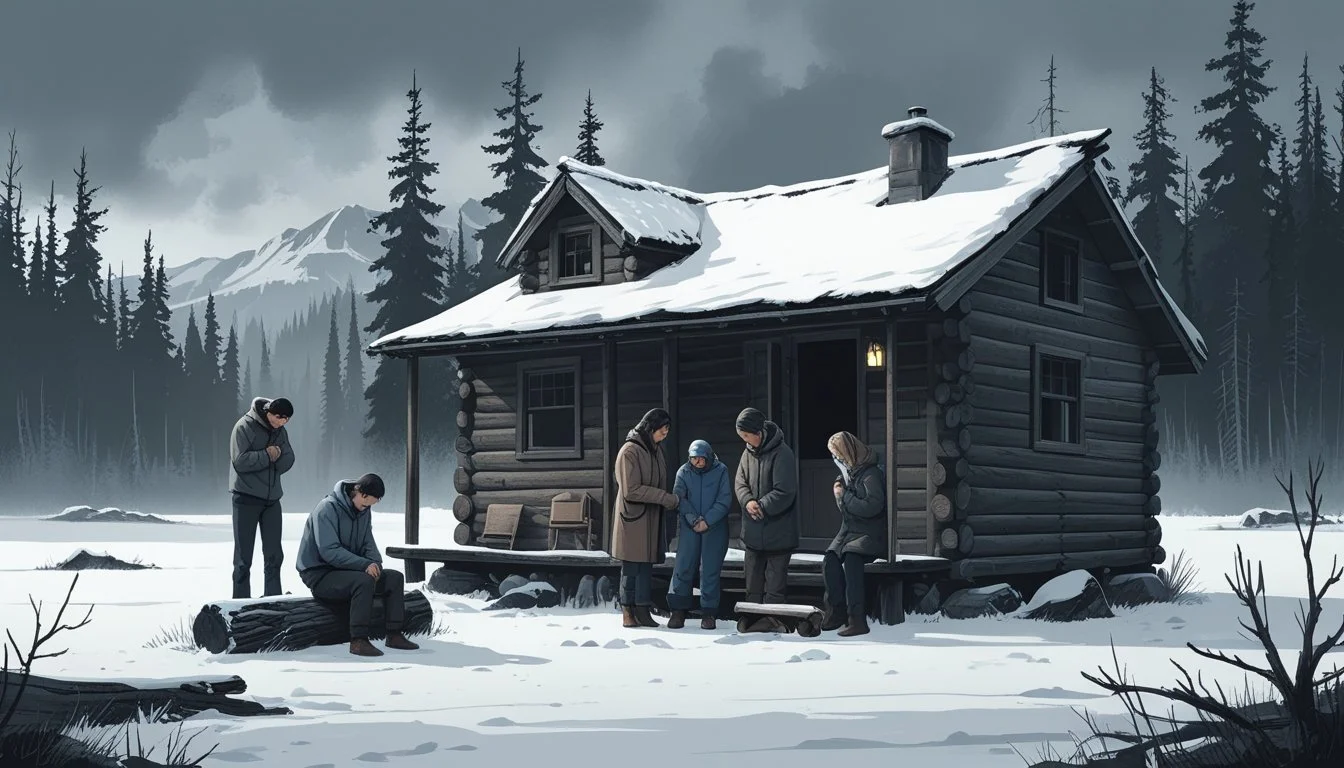
The series “Alaskan Bush People” highlights the family’s experience with grief following Billy Brown’s death, portraying it through a straightforward and raw lens. Instead of dramatizing emotions, the show captures authentic moments as the Brown family adjusts to life off the grid and faces their loss together.
Honest Reactions to Tragedy
After Billy Brown’s passing, the family’s immediate reactions are not concealed or edited for comfort. Scenes often show raw expressions of shock, confusion, and sorrow.
Ami Brown, in particular, is depicted processing her pain openly with her children. Bear Brown and his siblings react in various personal ways—some withdraw, others seek company, and all struggle to articulate complicated feelings. This honest approach is reinforced by the visible absence left in everyday routines.
Family discussions about Billy’s legacy are often quiet and meandering, modeled after real-life conversations about loss. These moments rarely contain manufactured dialogue. Instead, viewers see the genuine difficulty of mourning a beloved patriarch in a remote, off-the-grid context.
Depiction of Mourning and Vulnerability
The show does not shy away from exposing the Browns’ vulnerability. Moments of grief are not sanitized; crying and expressions of helplessness are frequently included without commentary.
Ami Brown is shown taking comfort in small routines, such as preparing meals or walking outdoors. These acts connect her and her children to the land Billy loved. Bear Brown, known for his rugged persona, is seen sharing memories and admitting uncertainty about the family’s future.
Interpersonal support becomes central—hugs, quiet talks by the fireplace, or simply sitting together. The audience witnesses private rituals and spontaneous gestures of comfort. The show’s visual style avoids distracting music or heavy-handed editing, letting these candid, emotional moments resonate.
Rejection of Overly Dramatic Storytelling
Unlike many reality shows, “Alaskan Bush People” typically avoids sensationalism when addressing grief. There are no exaggerated confrontations or scripted meltdowns.
Loss is presented in understated, realistic terms. The camera lingers on daily life continuing despite pain—chopping firewood, mending fences, or tending to animals. This grounding in mundane activity reflects how the Browns cope off the grid.
Instead of building melodramatic plotlines, the show centers on small, real struggles. Comfort and resilience grow from shared hardship, not from artificially heightened conflict. This measured presentation respects both the family’s experience and the audience’s expectations for authenticity.
Impact of Billy Brown’s Loss on the Family
Billy Brown’s passing marked a turning point for the Brown family, leading to both immediate emotional upheaval and lasting shifts in how they interacted and coped. Their portrayal on "Alaskan Bush People" captured these developments with honesty, offering viewers a closer look at their private struggles and changing bonds.
Immediate Emotional Responses
The death of Billy Brown, the family's patriarch, triggered visible shock and sorrow among the family members. The loss was met with tears, moments of silence, and expressions of disbelief, especially from his children and wife Ami.
Bear Brown openly mourned, sharing memories of his father and the pain of losing their guide. Ami appeared reflective, holding back tears as she spoke of Billy’s crucial role and how his absence immediately left the family feeling adrift.
Their grief was raw, lacking any attempt to gloss over the difficulty. Scenes captured family members gathering for comfort, recalling stories, and openly discussing the emptiness Billy left behind. The show emphasized the family's vulnerability, using conversations, still images, and memorial moments to illustrate the magnitude of the loss.
Long-Term Effects on Family Dynamics
Billy’s death forced a realignment of roles and responsibilities within the Brown family. Without the patriarch’s guidance, other members had to determine how to move forward and who would help lead.
The siblings faced challenges in decision-making and supporting their mother, Ami, as she processed the loss. Some grew closer, stepping up to preserve their father’s legacy by maintaining traditions and sharing stories with younger siblings. Others struggled more privately, at times leading to distance or tension.
Family projects became collaborative efforts, often accompanied by discussions about Billy’s teachings and the future he envisioned. The memory of Billy remained present, shaping responsibilities and keeping his influence evident in daily life, even as each member grappled with personal grief in unique ways.
Navigating Illness and Health Scares
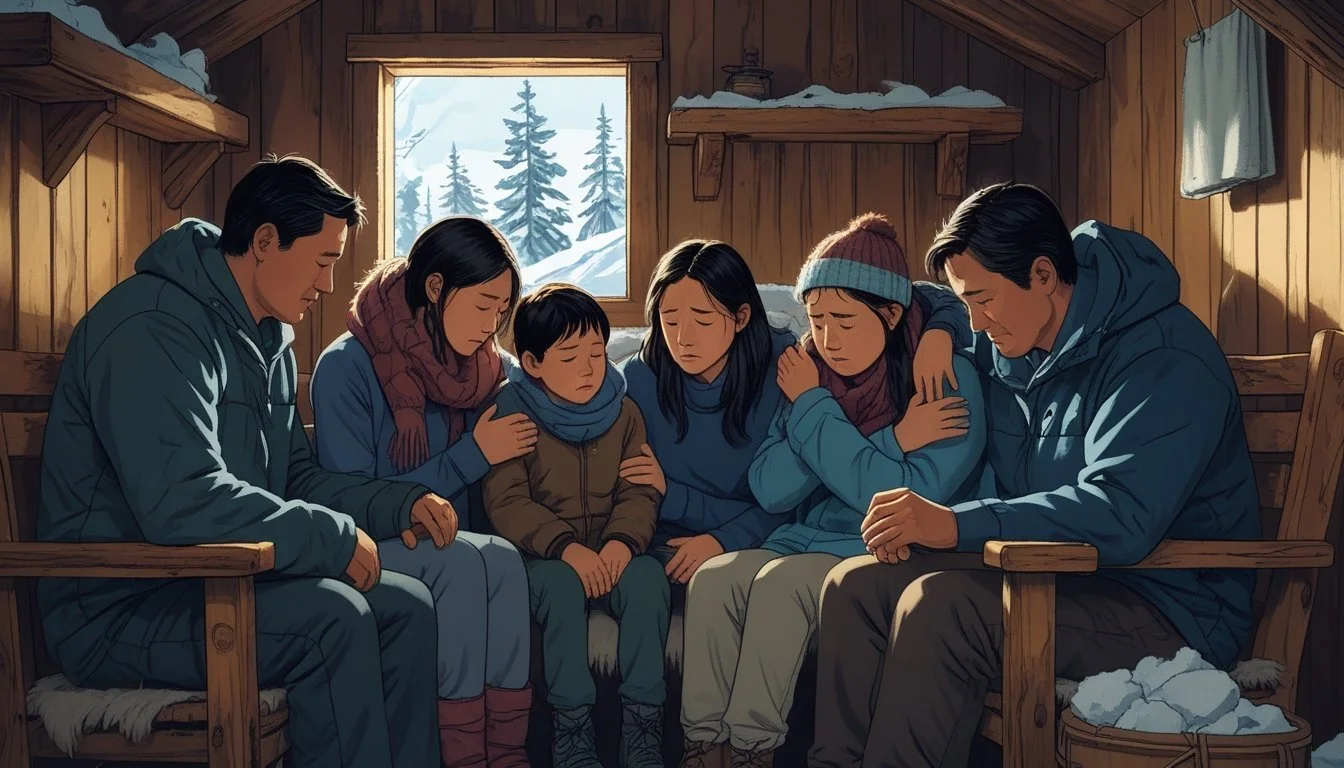
Serious medical events create turning points in the lives of the Brown family members. Health scares, especially related to cancer, are depicted in a direct and unembellished manner.
Stage 3 Lung Cancer Diagnosis
Ami Brown’s diagnosis of stage 3 lung cancer brought the harsh reality of illness directly in front of viewers. Rather than minimizing the diagnosis, the show follows the emotional responses of each family member and the difficult choices they face.
The series illustrates how the news disrupts daily life. The family must leave their remote home for hospitals and medical appointments on the mainland. Fear, uncertainty, and logistical struggles are key themes, highlighting that severe illness can impact every aspect of survival.
Medical discussions on camera are straightforward. Details about treatment plans, test results, and doctors’ opinions are shared without sensationalism. This approach underscores the gravity of the diagnosis while keeping the story grounded in everyday reality.
Ami Brown’s Battle With Cancer
Ami Brown’s journey through cancer is depicted as a long and often painful struggle that affects each family member differently. The show invites viewers to witness the impact of her chemotherapy and surgery, as well as her fluctuating health.
Throughout Ami’s illness, the family’s emotional vulnerability comes through. Scenes show not only physical decline but also the exhaustion and stress that persistent health scares bring. The camera captures moments of both hope and despair, keeping the focus on the human experience.
The series avoids glossing over the harsh parts of cancer treatment. Filming doctors’ appointments, family conversations, and private moments, it presents a clear picture of how serious illness can disrupt family dynamics and test resilience.
Individual Journeys Through Grief

Family members experienced the loss of Billy Brown in distinctly personal ways, shaped by their roles, personalities, and connections within the family. The show’s coverage of their reactions reveals differences in coping styles and highlights the importance of family dynamics and support systems during difficult times.
Bear Brown: Coping With Change
Bear Brown often expresses himself openly, and his approach to grief has been marked by a visible struggle to adapt to life without his father. He has spoken about the difficulty of maintaining his usual optimism and embracing change, especially as the family’s structure shifted.
In episodes following Billy’s death, Bear took on more responsibility and tried to honor his father’s vision for their homestead. His dynamic with siblings changed, requiring him to balance leadership expectations with his own emotional challenges.
Bear leaned on his family as a support system. While he showed assertiveness in facing challenges, there were also moments of vulnerability, highlighting how grief affects both his demeanor and decisions.
Noah Brown: Fatherhood and Legacy
Noah Brown’s grief was shaped by his close relationship with Billy. The loss came at a time when Noah was busy raising his own children, which added a layer of complexity to the grieving process.
He frequently reflected on his father’s advice about survival and independence, emphasizing the need to pass on Billy’s values to the next generation. Noah’s journey was less about open emotional expression and more focused on actions, such as maintaining family traditions and preparing his children for the future.
Fatherhood gave Noah a sense of purpose amid grief. His actions and quiet determination helped anchor the family, demonstrating that coping can mean channeling pain into positive action and maintaining stability for loved ones.
Rain Brown: Emotional Resilience
Rain Brown, known for her sensitivity, faced her father’s death at a young age but responded with significant emotional growth. Her journey involved sharing her feelings openly with the audience and family, emphasizing the value of vulnerability.
Social media posts offered glimpses into her inner struggles and recovery process. She used creative outlets and family bonds as sources of strength, actively working to process emotions rather than avoid them.
Rain’s resilience stemmed from both internal resolve and support from siblings. She communicated the importance of mental health, illustrating that emotional hardship can be faced head-on with honesty and the help of others.
Departure, Addiction, and Rehabilitation

Matt Brown’s exit from "Alaskan Bush People" was driven by a combination of addiction, mental health struggles, and the pressures of public life. His journey includes repeated periods of rehab, public acknowledgment of substance abuse, and efforts to rebuild away from his family and the wilderness spotlight.
Matt Brown’s Rehab Journey
Matt Brown, the eldest son featured in "Alaskan Bush People," left the show after publicly struggling with substance abuse. He first entered rehab in 2016 after recognizing his drinking problem, which escalated as he socialized with friends who used alcohol. This decision marked a significant turning point, pulling him away from the family’s isolated Alaska lifestyle.
He returned to rehab more than once, with each stay representing an effort to address issues he admitted had not been previously resolved. According to statements from both Matt and his family, his departures for treatment were voluntary but necessary. His journey included not only battling addiction but also the challenge of facing these struggles in the public eye.
Personal Battles With Addiction and Depression
Addiction was not Matt Brown’s only struggle; he also faced ongoing depression and the toll of family tensions. The exposure and expectations from the reality show amplified pressures, contributing to feelings of isolation and emotional distress. He openly shared how the show’s environment played a role in the onset and escalation of his addiction.
After leaving "Alaskan Bush People," Matt relocated to Washington and began living off the grid to focus on his sobriety and mental health. He has discussed how living away from both fame and family drama has been crucial in managing depression and remaining sober. Despite ongoing personal challenges, he continues to speak candidly about his mistakes and recovery process.
Rebuilding Family Unity Amid Loss

Losing a family member tested the bonds within the Brown family and shifted daily life. Their experiences on Alaskan Bush People show how support within the family and active healing practices play key roles in recovery and comfort.
Strengthening Support Systems
Following Billy Brown’s passing, the Brown family demonstrated the importance of developing new routines and seeking comfort together. Family members openly communicated about their grief on the show, validating each other's feelings instead of hiding them. This honesty enabled them to recognize when someone needed extra support.
The Browns leaned on both immediate and extended family for coping. They often gathered for meals, shared memories, and took on community projects together, reinforcing their sense of unity. Practical activities, like rebuilding structures or tending to daily chores, helped create a purpose and lessen moments of isolation.
Support extended beyond emotional care. Members ensured basic needs were met, such as checking in on each other and dividing responsibilities. These steps reminded them no one was alone, strengthening trust and resilience across the group.
Role of Family in Healing
Family played a direct role in each person’s healing process. After Billy’s death, individual members expressed grief differently—some sought solitude, while others needed constant company. The family accepted these differences and made space for varied coping strategies.
Together, they created rituals to honor their father, from simple discussions to preserving Billy’s legacy on their land. These actions acted as anchors, marking their collective commitment to moving forward while staying connected to their shared past.
Lists of supportive actions were established—such as checking in with each sibling daily and planning joint activities—to keep unity strong. By prioritizing open conversation and presence, the Browns showed how family togetherness could ease the hardest parts of grief and support a return to stability.
Authenticity and Realism in Portraying Grief
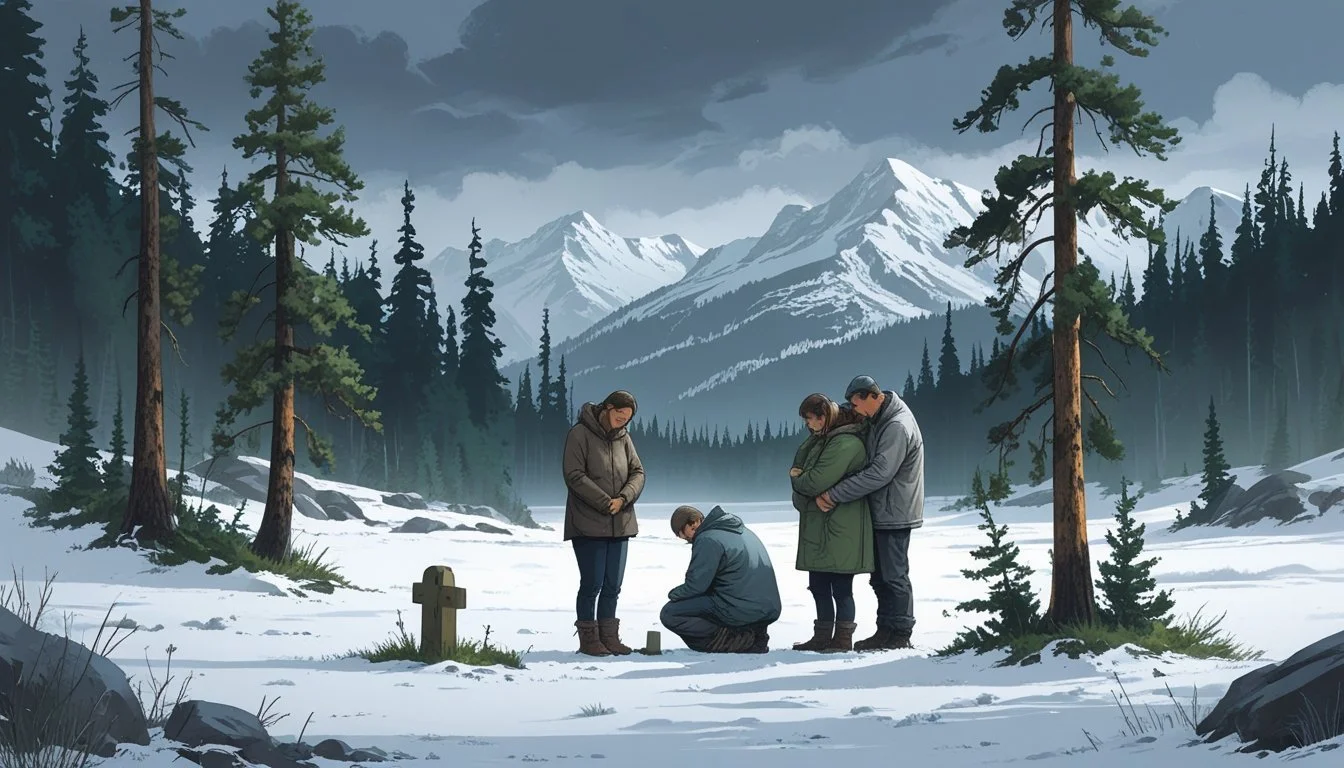
Alaskan Bush People frequently distinguishes itself from other reality TV shows by exploring grief without relying on excessive dramatics or staged moments. The show’s approach to bush life and its challenges often puts a spotlight on personal loss amid the difficulties of living off the grid.
Filming Unfiltered Emotions
The series often captures genuine emotional reactions instead of rehearsed scenes. When the Brown family experiences loss, the cameras document moments as they unfold, such as quiet reflection by a river or spontaneous conversations around a fire.
These filmed moments are not edited to heighten drama or create artificial suspense. Instead, viewers see grief as it happens—tears, silence, and even awkwardness. Body language, facial expressions, and hesitant speech are often left uncut, contributing to a sense of authenticity that is rare in reality TV.
The natural rugged setting further enhances the portrayal. Nature serves as a backdrop, allowing grief to be shown as a part of bush life rather than a defined event. This approach reflects how real loss is often processed: unevenly and without clear resolution.
Avoidance of Reality TV Tropes
Alaskan Bush People tends to avoid common reality TV editing tricks such as added music, staged confrontations, or repeated dramatic recaps when covering serious topics. Instead, the narrative is slow and subdued, mirroring the unpredictable pace of grief within the context of living off the grid.
The production does not insert confessional interviews that dissect every emotion or force cast members to summarize their feelings for the audience. This helps maintain a sense of realism, avoiding the impression that grief is being exploited for suspense or entertainment.
The treatment of grief is consistent with the rest of the show’s minimalist approach—highlighting the environment, daily survival, and raw relationships. By doing so, the series creates a viewing experience that feels grounded and direct, distinguishing it from crafted melodrama often found in the genre.
Community, Tributes, and Legacy
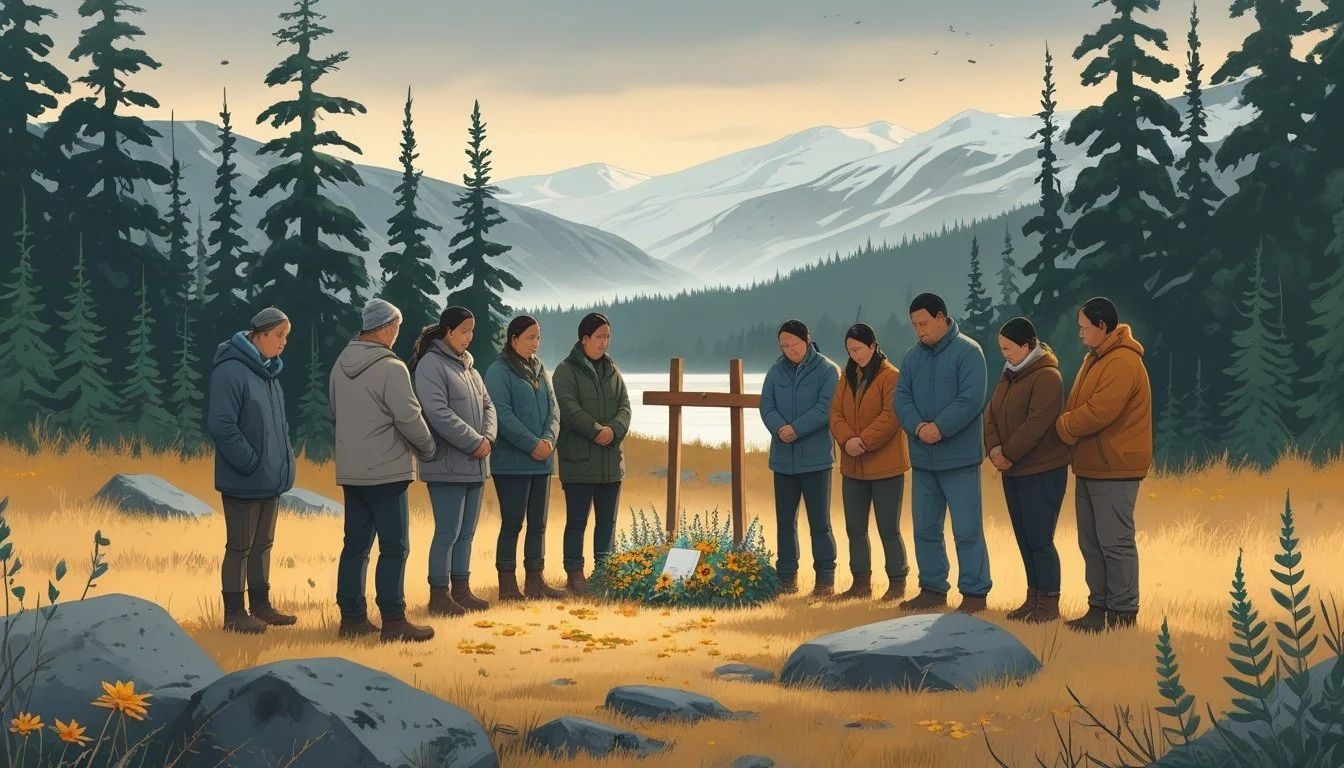
Billy Brown's death had a clear impact not only on his family, but also on the show's loyal audience. Fans and viewers alike engaged in various forms of remembrance and discussion, ensuring his influence endures far beyond the final seasons.
Honoring Billy Brown’s Influence
Billy Brown’s presence shaped the identity of "Alaskan Bush People." Family members often spoke about carrying on his vision of self-sufficiency and wilderness living, which has become central to their story.
The Brown family revisited Billy’s values in interviews and social media updates, emphasizing perseverance and unity. Scenes after Billy’s passing showed the family working together and referencing his guidance.
Fans frequently recall memorable moments from Billy’s time on the show, posting clips and quotations online that highlight how his philosophies continue to shape their everyday life. Lists of his advice are often shared as reminders of his practical wisdom and enduring spirit.
Public Tributes and Social Media Reactions
After his passing, public tributes surfaced across platforms such as Instagram and YouTube. Family members posted photos, personal stories, and messages about grief, with Rain Brown and others addressing Billy’s legacy directly.
Fan accounts curated collections of quotes, memories, and video compilations celebrating Billy’s role both as a father and a television figure. Popular hashtags included #RememberingBillyBrown and #BushPeopleLegacy, showing how wide the impact was.
Discussions in comment sections and fan groups focused on how Billy influenced viewers’ perspectives on family, survival, and the value of resilience. Social media became an informal space for collective mourning, tributes, and gratitude for his lasting contributions to the show.
Continuing the Bush Life

After experiencing the loss of their family patriarch, the Browns faced a challenging new reality. Their journey has focused on maintaining their Alaskan lifestyle and adapting traditions to honor the memory of their father while sustaining their independent way of life.
Embracing Self-Sufficiency After Loss
The Browns relied heavily on self-sufficiency even before tragedy struck, but Billy Brown’s passing made self-reliance a necessity, not just a choice. Daily survival, already challenging in the Alaskan wilderness, required more cooperation and innovation among the siblings.
Gabe Brown took on new responsibilities, managing repairs and food supplies. Joshua “Bam Bam” Brown increased his focus on logistics and resource management for the family. Rhain Alisha contributed by supporting the next generation, providing stability after the upheaval.
Tasks such as hunting, foraging, and winter preparation became group efforts. The close-knit structure allowed them to divide chores efficiently, emphasizing skills that each member brought to the table. By leaning into these strategies, the family continued to maintain their independence and adapt to life in Alaska following loss.
Future of the Browns in Alaska
The future of the Brown family revolves around resilience and adaptation. Remaining in Alaska represents both their connection to Billy Brown’s legacy and their commitment to the bush life.
Questions about whether the show would continue arose after the patriarch’s death. Despite speculation and uncertainty about a formal end, there has been no official announcement canceling the series.
Family members have begun to share glimpses of new projects and challenges on social media. Their focus appears to remain on living off the land and preparing for the next season, both on the show and in real life. This determination underlines the ongoing importance of self-sufficiency and adaptability for the Browns’ future.
