
What Makes the Brown Family Unique in the Reality Landscape of Alaskan Bush People
Exploring Their Distinctive Lifestyle and Appeal

The Brown family stands out in reality TV because they truly live away from modern conveniences, making Alaskan Bush People unique among Discovery Channel's offerings. Their experience in Alaska’s remote wilderness means navigating daily life with little access to roads, electricity, or outside support. Unlike many staged or partially scripted series, the Browns are presented as a family consistently relying on each other to meet their basic needs.
In a genre packed with drama and luxury, Alaskan Bush People shows how survival and strong family bonds can capture viewer interest. The Brown family's journey highlights real challenges and moments of resilience, which sets them apart from many other reality TV families. This genuine portrayal of life in isolation continues to draw attention and make them memorable in the reality television landscape.
Origins of the Brown Family
The Brown family's history is rooted in challenging environments and unconventional choices. Their emergence as the faces of "Alaskan Bush People" is directly tied to their unique upbringing, personal stories, and the central roles of Billy and Ami Brown.
Roots in Alaska
The family’s identity is closely linked to the Alaskan wilderness. After leaving the lower 48 states, Billy and Ami Brown moved to Alaska in the early 1980s. Drawn by the promise of solitude and independence, they sought to live far from urban life.
Raising their children — Matt, Bam Bam (Joshua), Bear, Gabe, Noah, Snowbird, and Rain — the Browns built homes in remote areas, often relying on handmade shelters and limited modern conveniences. The family hunted, fished, and forged a lifestyle shaped by harsh winters and self-reliance.
Alaska’s challenging terrain and sparse population made their off-grid approach both necessary and distinctive. The state’s natural isolation protected the Browns’ privacy and shaped their survival skills, which would become central to their later television presence.
Early Life and Family Background
Billy Brown’s early life was marked by adversity. Orphaned at a young age, he spent much of his youth searching for purpose and autonomy. This early loss and instability contributed to his desire for a self-sustaining lifestyle away from mainstream society.
Ami Brown, raised in Texas, had a more conventional upbringing. She married Billy as a teenager and quickly adapted to life far from familiar comforts. Their partnership was built on a shared commitment to independence, which defined their approach to raising a family.
Together, the couple prioritized strong family bonds and resourcefulness. Their children grew up learning survival skills from a young age, often participating in building, hunting, and daily chores as a unit. The Browns’ emphasis on adaptability and collaboration would come to set them apart from more conventional families.
Influence of Billy and Ami Brown
Billy and Ami Brown stand at the center of the family’s philosophy and public identity. As parents, they modeled resilience, often emphasizing creativity and teamwork over material wealth. Billy’s leadership style was direct, sometimes controversial, but always rooted in a determination to provide for his family.
Ami served as the steady presence, balancing Billy’s risk-taking with nurturing guidance. Her adaptability was crucial, especially during difficult periods such as health challenges and relocations. Together, they established the principles that their children — including Noah, Matt, and Bear Brown — continue to embody.
Their influence extends beyond their immediate family. Through the "Alaskan Bush People" series, viewers saw how Billy and Ami’s choices and values shaped the unique dynamic and survival-driven ethos that define the Brown family.
Transition to the Alaskan Wilderness
The Brown family’s relocation into Alaska’s wild regions set them apart from other reality TV families. Their move involved drastic lifestyle shifts, new settings, and a do-it-yourself approach to survival and shelter.
Move to Chichagof Island
Chichagof Island is located in Southeast Alaska and ranks among the largest islands in the United States. The Browns chose this remote location as their starting point, seeking a place with sparse population and abundant natural resources.
The island’s climate demanded quick adaptation. The Browns faced wet, challenging conditions as they learned to procure food, build shelter, and adapt to isolation. Their journey involved navigating forests, fishing cold waterways, and acquiring survival skills from scratch.
This setting was integral in shaping their approach to wilderness living. The Browns’ decision to settle here demonstrated a commitment to self-reliance, far removed from urban conveniences. Chichagof Island’s harsh environment revealed how adaptable and determined the family could be when pressed by necessity.
Life in Hoonah, Alaska
Hoonah is a small Tlingit community close to the Browns’ initial homestead. It remains the largest community on Chichagof Island yet retains a small-town atmosphere, with fewer than a thousand year-round residents.
Interaction with Hoonah’s residents gave the Browns occasional access to supplies or medical aid. However, they mostly relied on themselves for daily needs. The proximity to Hoonah offered both a safety net and a chance to connect with longstanding Alaskan traditions.
Key features of life near Hoonah included:
Strict resourcefulness due to limited stores and services
Harsh winters requiring stockpiling and persistent maintenance
Learning from indigenous inhabitants and established locals
The balance between independence and occasional reliance on the town contributed to their unique survival story.
Building Browntown
Browntown, the family’s hand-built homestead, became the centerpiece of their off-grid adventure. The Browns used raw materials from the land, such as timber and stone, to create functional shelters, communal spaces, and storage.
Every structure in Browntown reflected the family’s need for practicality in Alaska’s wilderness:
Cabins were small, efficient, and insulated
Each member contributed to construction, from foundation to finishing
Tools were often improvised due to a lack of modern amenities
The work involved in building Browntown showcased the family’s unity and adaptability. Living far from roads and power lines, they emphasized teamwork and traditional skills to thrive without outside assistance. Browntown stood as a daily challenge and an evolving home base for the Browns.
The Unique Off-Grid Lifestyle
Living far from conventional society, the Brown family has crafted a way of life centered on independence, practical skills, and adaptation to harsh conditions. They rely on traditional know-how and resourcefulness to manage challenges most people never face.
Self-Sufficiency and Survival Skills
The Browns’ off-grid lifestyle depends on developing thorough survival skills. They hunt, fish, and forage for food, using knowledge of the local terrain and wildlife. Their approach reduces reliance on outside sources and ensures food security despite unpredictable weather.
Water is often sourced from nearby streams or lakes. The family purifies water using basic filtration methods or by boiling. Heating and cooking are managed through wood-burning stoves and open fires rather than typical appliances.
Each member plays a specific role: some gather firewood, others build structures or maintain tools. Basic first aid, emergency repairs, and improvising with minimal supplies are routine. The family’s daily life focuses on resilience and solving problems with limited resources.
Homesteading Traditions
The Brown family built their homestead, known as Browntown, with their own hands. From shelter construction to plumbing improvisations, their homesteading skills highlight creativity and dedication. Buildings are made from local timber, and household items are frequently repurposed from salvaged materials.
Gardening in the Alaskan environment is challenging due to short growing seasons, yet the Browns attempt to cultivate vegetables where possible. Livestock such as goats and chickens supply milk, eggs, and meat, further supporting their unique lifestyle.
Food preservation is vitally important; they rely on techniques like smoking, canning, and drying to store their harvest and game for the winter. These homesteading traditions extend beyond chores, fostering a strong sense of family cooperation and independence.
Adaptation to the Remote Wilderness
Surviving in the Alaskan wilderness requires constant adjustment. The Browns face severe winters, isolation, and threats from wildlife. They reinforce buildings before storms, maintain constant vigilance against bears, and adjust their routines as weather patterns change.
Supply runs to the nearest town are rare and demanding. They plan trips carefully, stocking up on essentials and using creative solutions when something breaks down. Transportation is often by foot, ATV, or boat, depending on weather and terrain.
The isolation shapes social life and education. The family relies heavily on each other for companionship, support, and even learning. Living off the grid in remote Alaska means every day brings a new set of practical challenges requiring teamwork and adaptability.
Family Dynamics and Bonds
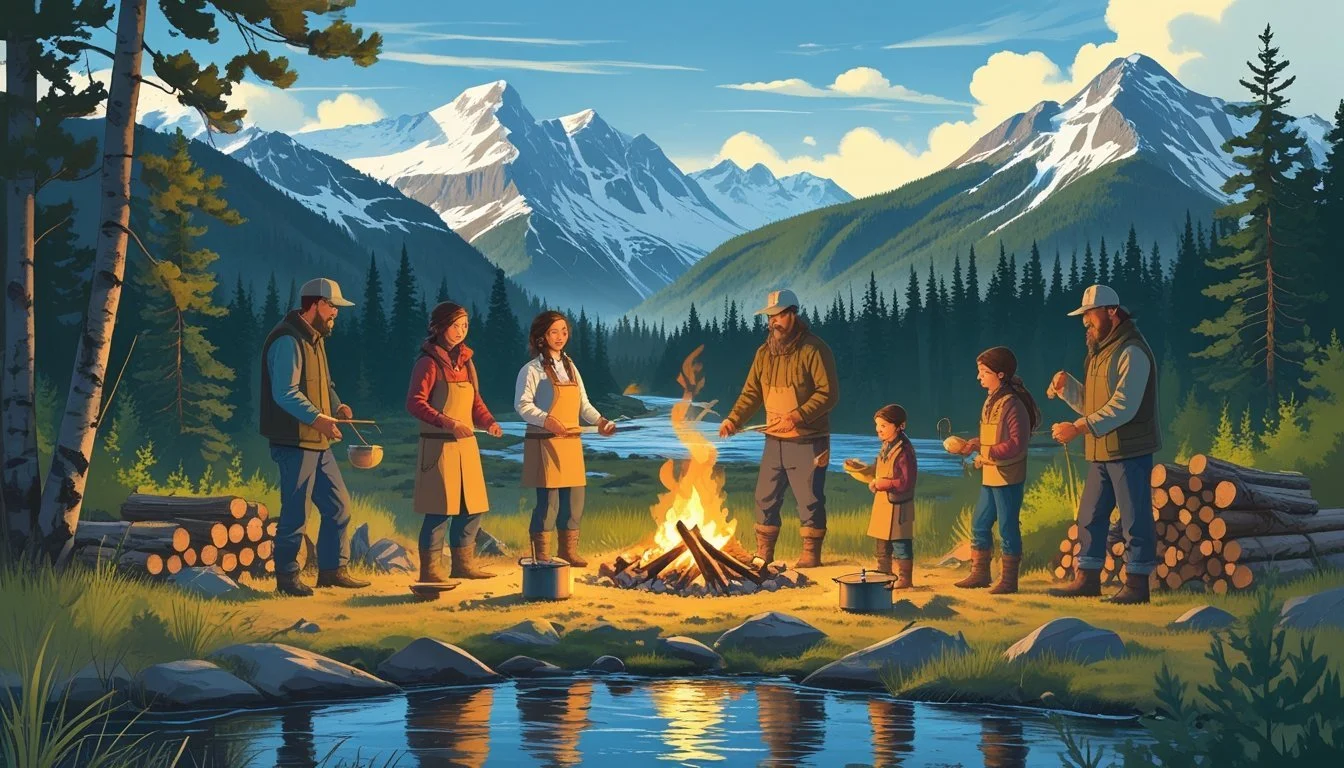
The Brown family’s daily life is shaped by strong interdependence, hands-on parenting, and collective decision-making. Their deep-rooted bonds are key to how they face challenges together in the harsh environment.
Parenting Style of Billy and Ami
Billy and Ami Brown adopted an unconventional parenting approach, emphasizing self-sufficiency, adaptability, and shared responsibility. They involved each child in the survival tasks necessary for living off the grid, such as hunting, building, and gathering.
Education was largely practical and centered around skills crucial for survival rather than following traditional educational systems. The focus on experience fostered independence while still keeping the children under the family’s guidance.
Their family routines encouraged open discussions, especially during periods of hardship. This created an environment where support was prioritized and challenges were navigated as a team.
Sibling Relationships
Relationships among Brown siblings are shaped by a strong sense of teamwork stemming from their upbringing. Most tasks required cooperation, such as building shelter or preparing food, which reinforced mutual reliance.
A clear division of roles emerged to match each sibling’s strengths. This structure minimized conflict and maximized efficiency, as each person knew their value in the group.
Despite some differences, the siblings prioritized unity, often describing themselves as a pack. Emotional support and encouragement were common, especially during personal struggles or family crises.
Wolfpack Mentality
The "wolfpack mentality" is central to the Browns’ identity and outlined by their saying, “one wave at a time.” This phrase represents facing obstacles as a unified group, moving forward together no matter the difficulty.
Key features of this mentality include:
Collective problem-solving: Decisions are made after group discussions.
Shared risk: Successes and failures are experienced together.
Unyielding loyalty: Family cohesion is considered essential for survival.
The wolfpack approach has set the family apart in reality television, reflecting their commitment to always acting as a whole, rather than as individuals.
Spotlight on Individual Family Members
The Brown family stands out due to the distinct personalities and roles of each sibling. Each member brings a unique perspective and approach to life off the grid, offering viewers insights into their strengths, struggles, and relationships.
Bam Brown: The Responsible Brother
Joshua "Bam Bam" Brown is often seen as the steady force within the family. Known for his practical skills and serious demeanor, Bam frequently takes on leadership roles when critical decisions arise. He is methodical in his approach to challenges, often focusing on the family's safety and long-term stability.
Bam is deeply invested in projects around the homestead. His focus is often on construction and logistics, ensuring resources are used wisely. Unlike some siblings, he tends to avoid the spotlight, preferring hands-on work that supports his family’s self-sufficiency.
Bam’s reliability and strong work ethic have earned him respect among his siblings. Despite periods of stepping away from the show, his presence remains closely tied to key family moments and problem-solving.
Bear Brown: The Wild Child
Solomon "Bear" Brown is recognized for his boundless energy and adventurous mentality. Bear embraces the wilderness with a level of enthusiasm and physicality that few can match. He is often seen scaling trees, running through forests, or tackling extreme outdoor tasks.
Bear's approach to bush life emphasizes a direct connection with nature. He displays an unfiltered personality, showing excitement and spontaneity whether he’s hunting, building, or exploring. His dramatic style and catchphrases add entertainment value to the series.
Despite his sometimes unpredictable actions, Bear is motivated by a commitment to his family and a passion for living free. He often takes risks others shy away from, introducing a sense of unpredictability and fun to daily life.
Snowbird and Rain: The Sisters
Amora Jean "Snowbird" Brown and Merry Christmas Kathryn "Rain" Brown offer contrasting yet complementary traits within the family dynamic. Snowbird, often called "Bird," is known for her deep love of animals and her introverted nature. She spends significant time caring for the family’s animals and values solitude in the wilderness.
Rain Brown, the youngest, is charismatic and open about her feelings and challenges. She brings emotional depth to the family, speaking candidly about personal growth and mental health. Rain’s creativity and optimism frequently help the family through tough periods.
Together, Snowbird and Rain highlight the importance of emotional bonds and resilience. Their support for each other is evident, especially during family hardships and transitions.
Gabe and Noah: Navigating Adulthood
Gabriel "Gabe" Brown and Noah Brown have transitioned into adulthood while adapting their roles within the family. Gabe is known for his physical strength and willingness to tackle demanding tasks. He often works on building projects and is protective of those close to him.
Noah stands out for his technical skills and inventive mind. He approaches problems with a focus on engineering and innovation, often building tools or modifications to improve bush life. His interest in technology sometimes sets him apart from his more traditional siblings.
Both brothers have started their own families and face the challenge of balancing individual growth with their responsibilities to the Brown clan. Through marriage and fatherhood, they demonstrate evolving identities while maintaining a strong connection to their upbringing.
Facing Hardships and Health Challenges
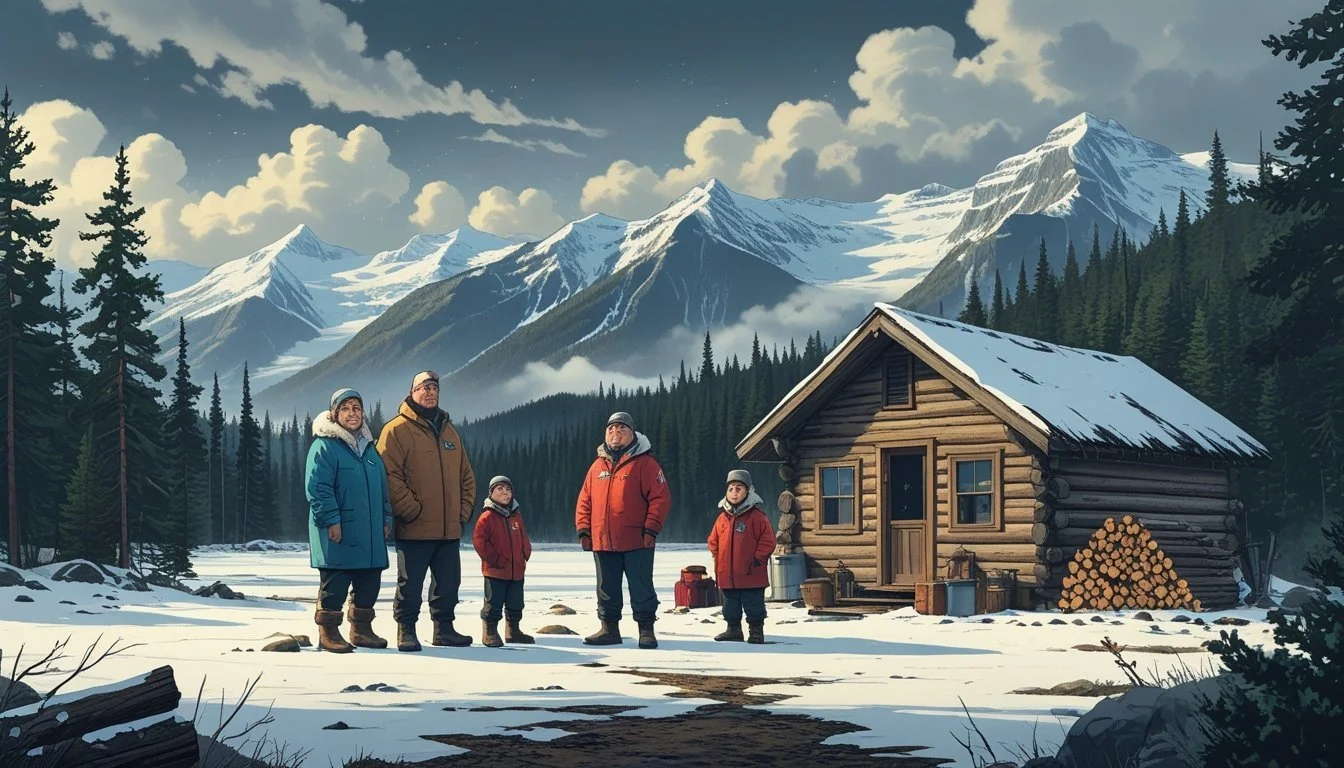
The Brown family has endured intense health obstacles, the loss of their patriarch, and the constant threat of unpredictable weather conditions in the wilderness. These events have deeply affected their daily lives, decisions, and ability to stay together in a remote environment.
Ami’s Cancer Battle
Ami Brown’s lung cancer diagnosis was one of the most defining trials for the family. In 2017, she revealed she was battling advanced lung cancer, forcing the Browns to temporarily leave Alaska for treatment.
Accessing proper cancer care required the family to move closer to medical specialists in California. Treatments included chemotherapy and radiation, which took a heavy toll on Ami’s health and energy.
During this period, the family provided support and handled the stress of living in unfamiliar surroundings. Facing a potentially terminal illness, Ami’s struggle became a central focus of the show, offering insight into the difficulties of accessing timely care when living off the grid.
Following months of intensive treatment, Ami eventually went into remission. However, the effects of her cancer battle continue to shape the family’s outlook and their awareness of ongoing health risks.
Loss of Billy Brown
Billy Brown, the patriarch of the family, passed away in early 2021 after suffering a seizure at the family’s Washington property. His death had a profound emotional impact, leaving the Browns without their leader and main source of guidance.
Billy’s passing came after years of health issues and marked a turning point in the show. The family had to navigate legal, financial, and practical challenges while adjusting to his absence.
Immediately after his death, viewers saw increased tension as each family member decided how to honor his legacy. For many, Billy’s leadership style had shaped their daily routines and survival strategies. The emotional effects of his passing remain visible in the Browns’ interactions today.
Health Struggles and Medical Access
Living in isolated locations makes medical issues especially dangerous for the Brown family. The long distance from major hospitals means that even minor health problems can escalate quickly.
Members have faced a mix of health struggles, such as Noah’s childhood seizures and Matt’s battles with addiction. Scheduling regular checkups or emergency treatments has often required travel of several hours, adding risk and logistical hurdles.
For Ami’s cancer, the family relied on specialists far from their homestead. When health crises arise, the Browns must weigh the risks of travel against the urgency of medical care—a challenge for any family in such remote conditions.
They have had to become resourceful, sometimes relying on basic first aid or air transport in emergencies. These hurdles illustrate the realities of rural living and underscore why even treatable illnesses can pose major threats.
Dealing with Natural Disasters
Natural disasters are a constant threat in the wilderness regions the Browns have chosen to call home. They have experienced destructive wildfires that have damaged or destroyed parts of their property and forced evacuations.
During wildfire seasons, rapidly changing weather can cut off access to roads and complicate rescue efforts. The family has had to quickly secure their livestock and essential belongings when under threat.
Staying prepared means maintaining emergency plans and regularly monitoring local weather advisories. It also involves long-term rebuilding after losing buildings or equipment to fire and storms.
These repeated brushes with disaster test the Browns’ resilience and reinforce the importance of community support and readiness. Their experience highlights how unpredictable nature can force difficult choices, even for seasoned off-grid families.
Navigating Fame in Reality Television
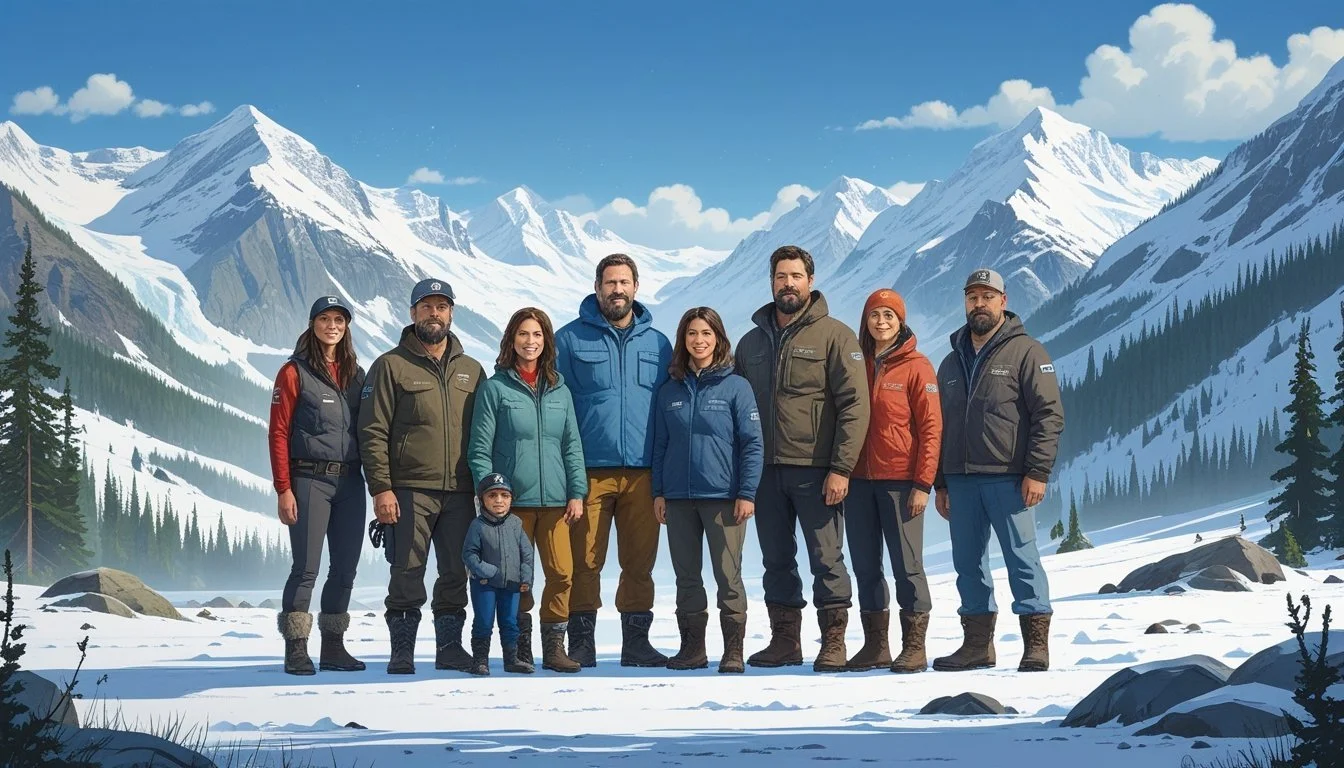
The Brown family’s climb to recognition involved adapting personal lifestyles to fit the demands of a growing reality TV audience. Their journey reflects both the opportunities and the scrutiny that come with high-profile exposure.
Discovery Channel and Show Creation
The Discovery Channel launched Alaskan Bush People in 2014, focusing on the Brown family's off-grid life in Alaska. The network sought to showcase the challenges of remote subsistence living through a reality tv series format.
Producers highlighted daily survival tasks, emphasizing isolation and resourcefulness. The goal was to offer viewers a window into a lifestyle that appeared both rugged and authentic.
Initially, the show stood out among reality television content for its unique location and premise. Discovery’s marketing framed the family as genuinely disconnected from modern conveniences, setting the program apart from urban or competition-based reality shows.
Docudrama vs Reality
Alaskan Bush People has often been described as straddling the line between docudrama and reality show. The presentation blends unscripted moments with staged scenarios, a common technique in reality television production.
Some viewers and critics have questioned the authenticity of the Brown family’s bush lifestyle. Reports have emerged pointing to the presence of nearby towns or crew-provided assistance, raising debate over what is genuine and what is dramatized for effect.
Despite these discussions, the series maintains a style that mixes documentary realism with elements of storytelling. This balance appeals to audiences looking for a combination of adventure and character-driven narrative in reality tv.
Impact of Fame on the Family
With the family’s rise on television, privacy and daily dynamics changed significantly. Increased attention placed both the show and the Browns under public scrutiny, bringing personal challenges and media coverage.
Fame brought new opportunities but also intensified the pressure to maintain a consistent public image. Family members sometimes addressed rumors or criticism directly, especially as details about their actual living conditions surfaced.
Their adaptation to fame included participating in interviews and social media. The impact of reality show stardom shaped not only their relationships but also their on-screen portrayals, as producers and the family responded to shifting viewer perceptions.
Controversies and Legal Issues
The Brown family from Alaskan Bush People has faced significant scrutiny and legal challenges that have shaped the public's perception of the show. These incidents include substance abuse struggles, court cases, allegations of violence, and the impact these issues have had on production.
Substance Abuse and Recovery
Matt Brown, the eldest son, has been open about his battles with substance abuse. He sought treatment for alcohol addiction multiple times, leaving the family and the show to attend rehabilitation facilities. His struggle was made public, affecting both his personal trajectory and the family's dynamic on-screen.
The family's approach to his recovery was widely covered in the media, with some viewers praising the candor while others questioned how it was portrayed. Matt's candidness about seeking help highlighted the mental health challenges faced by the family, especially under public pressure. His departure from the show further underscored how addiction can influence both personal relationships and the continuity of a reality program.
Lawsuit and Legal Battles
Legal issues have repeatedly affected the Brown family's public image. Notably, several family members, including Billy and Bam Bam Brown, pleaded guilty to charges related to welfare fraud. They were accused of claiming benefits while not meeting the residency requirements in Alaska.
The legal proceedings led to fines and brief jail time for some involved. This controversy raised questions about the authenticity of their "off-the-grid" lifestyle as depicted on television. Additionally, accusations of scripting and staging scenes surfaced following these legal troubles, blurring the line between reality and entertainment for viewers.
Key Legal Events Table
Date Person(s) Involved Issue Outcome 2014-2015 Billy, Bam Bam Welfare Fraud Fines, Jail Time
Domestic Violence Allegations
There have been allegations of domestic violence against at least one member of the Brown family. Bear Brown, one of the sons, faced accusations from his ex-fiancée Raiven Adams. Authorities intervened due to these allegations, resulting in temporary legal orders and public statements from those involved.
These events triggered intense media attention and public discussion about the family's behavior off-camera. The allegations put a spotlight on personal conduct and brought additional scrutiny to the show’s portrayal of family life. While some allegations were later dropped, the coverage contributed to the show’s broader controversies.
Hiatuses and Public Reactions
Alaskan Bush People has experienced multiple hiatuses, often linked to legal troubles, health crises, or public backlash. Billy Brown’s passing led to a significant pause in filming as the family coped privately.
Other interruptions followed negative publicity and legal proceedings. These production breaks fueled fan speculation and sometimes led to declining viewership. Public reactions ranged from support for the family’s privacy to calls for cancellation due to ongoing controversies, underscoring the complex relationship between personal struggles and reality TV production.
Relocation and the Washington State Chapter
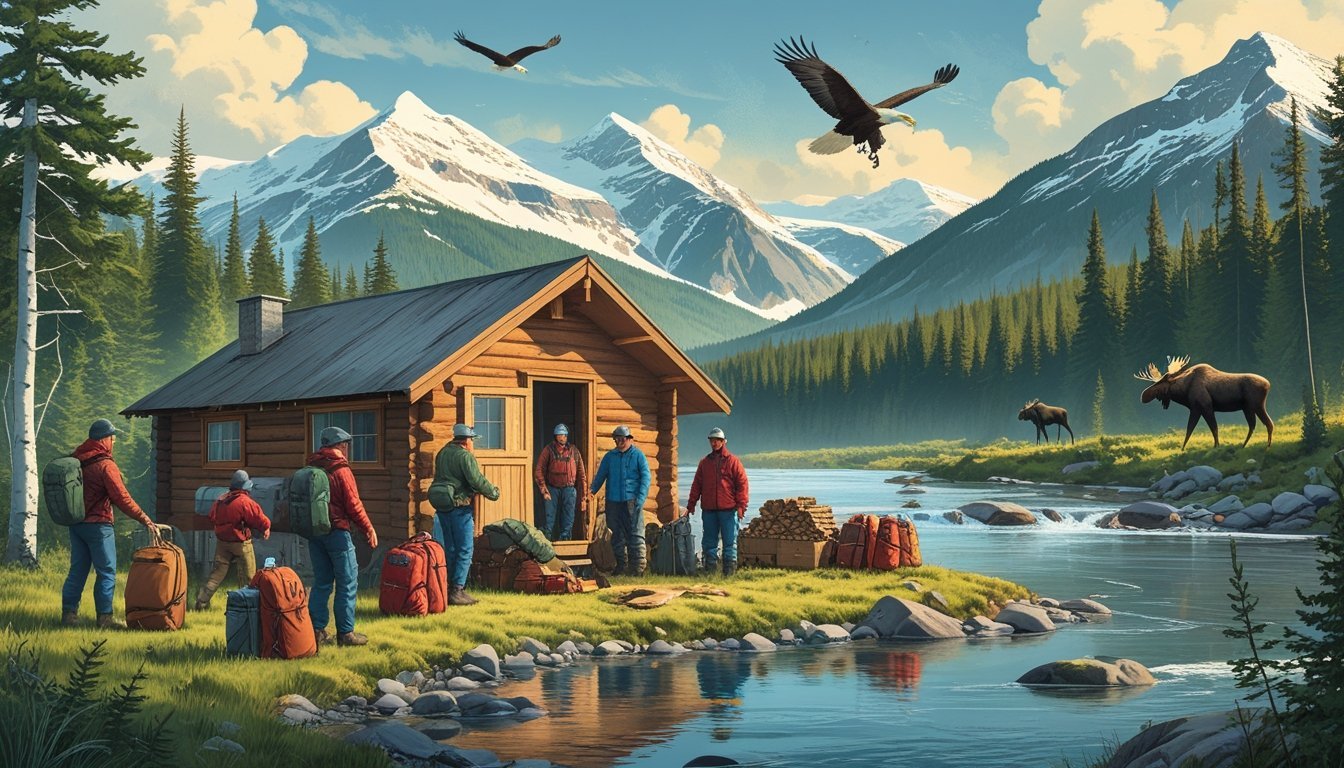
After leaving Alaska, the Brown family established a new home in Washington State, which led to significant lifestyle changes. Their move reshaped how they lived and filmed, setting the stage for major adjustments in day-to-day life.
North Star Ranch
The Browns settled on a property they called North Star Ranch in rural Washington. This 435-acre homestead gave the family space to continue their off-grid traditions, though the environment differed from their Alaskan roots.
North Star Ranch became the central hub for their activities and filming. The family cleared land, constructed cabins, and built new facilities, staying true to their hands-on approach. The property also faced threats, including a wildfire, which tested their resilience like never before.
With its mix of wooded hills and open land, North Star Ranch allowed the Browns to keep many elements of their self-sufficient lifestyle. However, the adjustment to a new climate and setting required them to rethink daily routines and construction methods for their homes and outbuildings.
Life in the Pacific Northwest
Relocating to Washington State exposed the Browns to the natural beauty and challenges of the Pacific Northwest. This new region offered milder winters, thicker forests, and more rainfall compared to the Alaskan bush.
The shift meant learning how to work with the resources native to the area. For example, different timber species and local wildlife required changes in hunting, gathering, and building techniques. The environment was unfamiliar but offered a wide variety of plants and animals to support their way of life.
Adapting to the Pacific Northwest also meant connecting with nearby communities. While isolation remained a value for the Browns, proximity to towns and services became more important, especially for health and logistics. This blend of solitude and accessibility shaped their day-to-day life at the ranch.
Adapting to New Challenges
Moving to Washington State presented several practical and emotional challenges for the Browns. The decision was prompted by Ami Brown’s need for better medical care during her battle with cancer, making proximity to healthcare a top priority.
Wildfires became a new risk, with one major incident threatening their ranch and forcing the family to temporarily evacuate. The Browns had to develop new safety plans and learn how to respond to hazards unfamiliar in Alaska.
Managing public attention, legal issues, and changing family dynamics added complexity. Despite these obstacles, the Browns adapted their skills and routines, demonstrating flexibility in their approach to both survival and family life in their new surroundings.
Media Presence and Fan Engagement
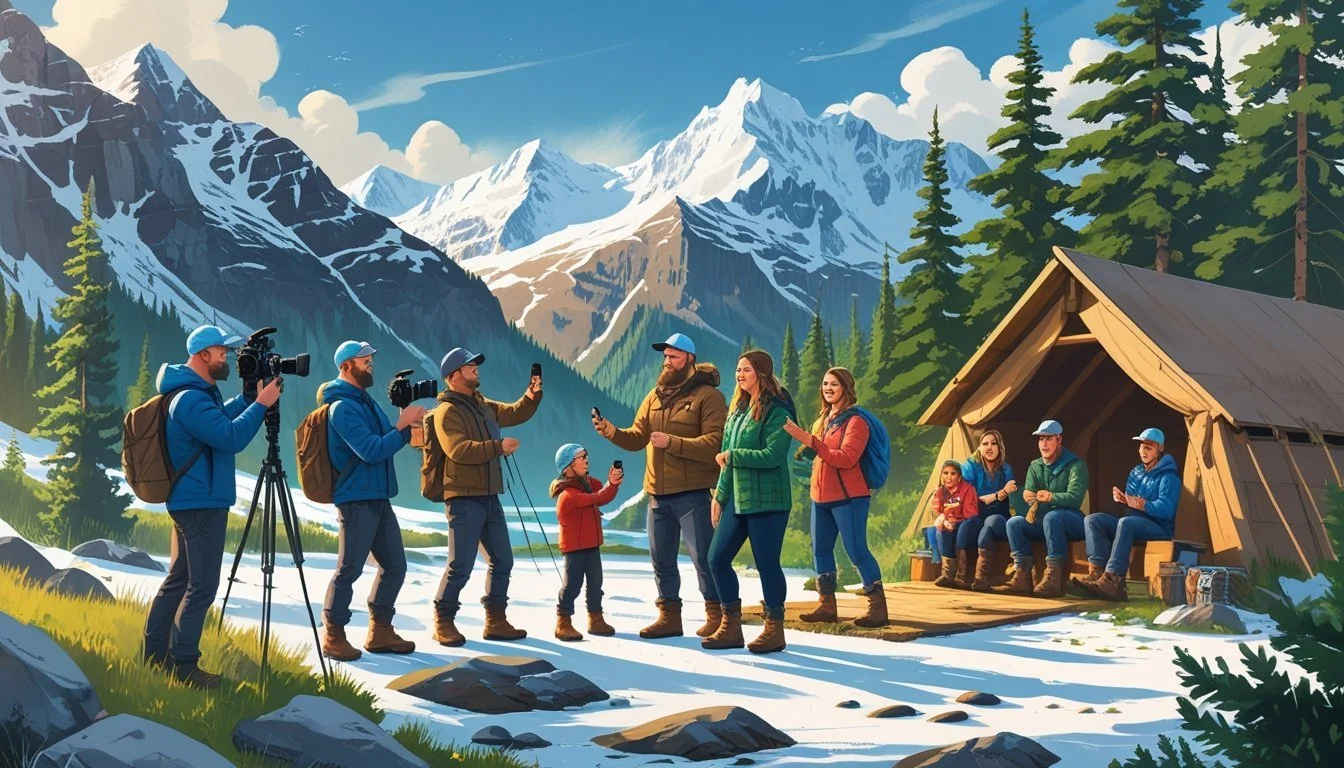
The Brown family’s impact on reality television extends far beyond their on-screen narratives. Their presence on digital platforms and direct interaction with viewers play significant roles in sustaining their popularity and influencing public interest.
Instagram and TikTok Influences
Instagram and TikTok are central to how the Brown family stays connected with fans. Family members share updates, behind-the-scenes moments, and personal milestones through photos and video clips. This content gives viewers a window into their daily lives, beyond what is shown on television.
Engagement Strategies:
Live Q&As allow fans to interact in real time.
Short-form videos showcase authentic moments from the bush to more personal milestones.
Announcements of personal changes, such as Rain Brown’s posts about her social media activity, foster a sense of authenticity.
Using these platforms lets the Browns share their personalities and respond promptly to fan questions or reactions. The accessible format is especially appealing to younger audiences who follow reality television online more than on traditional TV.
YouTube Content Creation
YouTube serves as a hub for extended content and curated highlights. The family often uses the platform to post exclusive interviews, behind-the-scenes footage, and unique lifestyle vlogs. These videos tend to be longer and offer greater depth than typical Instagram or TikTok posts.
Notable Content Types:
Day-in-the-life vlogs showing daily routines off-camera
Interviews where family members discuss topics that may not be included in the show
How-to segments covering topics from wilderness skills to family traditions
This approach allows fans to engage with content at their own pace. Many viewers discover the Brown family through viral YouTube clips, amplifying reach and helping sustain the series’ following between seasons.
Navigating Public Perception
Navigating fan perception and public scrutiny is a key challenge for the Browns. As figures in reality television, every post and comment can attract both praise and criticism. They openly address rumors, personal changes, and family events online, aiming to set the record straight or clarify misunderstandings.
Common Tactics:
Direct responses to fan questions or theories
Honest discussions about personal or family matters
Sharing positive fan stories or feedback to reinforce community goodwill
Managing this aspect of their media presence helps the family maintain trust and transparency with viewers. By engaging thoughtfully, the Browns foster a loyal online community that supports the show’s ongoing relevance.
Seasons, Episodes, and Notable Moments
Alaskan Bush People has consistently drawn viewers by documenting the Brown family's survival in remote locations, adapting to new challenges over many years. Through its seasons and key episodes, the series showcases both the evolution of the family's circumstances and its notable influence within the reality TV genre.
Evolving Storylines
The show debuted in 2014 and has produced at least 14 seasons as of 2024. Early seasons were set in the Alaskan wilderness, notably near Copper Center, Hoonah, and Chichagof Island. Later episodes transitioned to Okanogan County, Washington, reflecting real changes faced by the Browns.
As the family expanded and matured, so did their storylines. The narrative evolved to include health concerns, shifting group dynamics, and the passing of patriarch Billy Brown. Each season introduced fresh challenges, from environmental setbacks to changes in their homesteading efforts.
New relationships, children, and the Browns' attempts to adapt to modern influences further diversified the stories. These ongoing developments kept viewers invested in the family's ongoing journey.
Memorable Episodes
Certain episodes stand out for their emotional impact or for documenting significant milestones. The early “Birdy’s Egg Hunt” episode highlighted the family’s resourcefulness. Another memorable moment occurred when a wildfire forced them to relocate, marking a turning point in both their lives and the series.
The episode covering Billy Brown’s death was particularly impactful, offering a rare, candid glimpse into the family's grief and resilience. Special episodes have focused on marriages, births, or struggles with illness, bringing more attention to individual family members.
Below is a table of key episodes and their themes:
Episode Theme/Notable Event “Pile it On” Building the family home “Return to Browntown” Rebuilding after setbacks “Lost at Sea” Dealing with emergencies “A New Beginning” Moving to Washington
Impact on Reality TV Genre
Alaskan Bush People distinguishes itself by blending docudrama storytelling with unscripted adventure. Its format centers on authentic wilderness survival, separating it from competition-based or celebrity-driven reality shows.
The Brown family’s approach, focused on self-reliance and family unity, resonated with audiences during its peak, drawing millions of viewers per episode. The series contributed to Discovery Channel's lineup by offering content between traditional survival shows and family reality programs.
Over time, the show sparked conversation about authenticity and the line between reality and production. Although viewership has fluctuated, Alaskan Bush People remains notable for influencing how networks approach long-running, family-based reality series.
Legacy and Cultural Impact
The Brown family’s presence on television sparked ongoing conversations about off-grid living and practical wilderness survival techniques. Their story also influenced how reality TV depicts nontraditional family structures and alternative approaches to daily life.
Influence on Other Reality Shows
Alaskan Bush People set itself apart from other reality shows by focusing on a large family adapting to remote and challenging conditions. Their consistent portrayal of self-sufficiency, strong family bonds, and a commitment to the off-grid lifestyle provided a blueprint that influenced a wave of similar programs.
Producers and networks have since tried to capture the same appeal by featuring unconventional families and rural survival. This includes series that highlight homesteading, bushcraft, and life outside of modern convenience. The Brown family’s approach demonstrated that reality audiences are drawn to both the drama of family dynamics and the authentic challenges of wilderness survival.
The show demonstrated that viewers are interested in more than just interpersonal conflict; they also value demonstrations of ingenuity, adaptability, and resourcefulness. This growing trend toward showcasing practical survival skills can be linked in part to the impact of Alaskan Bush People.
Portrayal of Survival Skills
The Browns introduced a mainstream audience to an array of practical survival skills, many of which are not commonly featured in entertainment. They emphasized traditional techniques such as hunting, fishing, and building shelter, while often improvising with limited resources.
Their commitment to a DIY ethic was evident in how they approached food, shelter, and transportation. Each challenge faced by the family was used as a teaching moment, illustrating not only what to do in the wilderness, but also why each action was necessary.
Key skills shown on the series included:
Fire-making without modern tools
Foraging for edible plants
Constructing shelters from raw materials
Sourcing clean water
Navigating Alaska’s hazardous terrain
Their willingness to adapt and learn underscored the importance of knowledge and creativity in off-grid living.
Challenging Stereotypes About Off-Grid Living
Alaskan Bush People played a role in shifting public perceptions about people who choose to live off the grid. The Brown family was often depicted as resourceful, innovative, and resilient, challenging the stereotype that off-grid living is outdated or purely a matter of hardship.
The series showcased how a unique lifestyle could involve strong family ties, humor, and personal growth. Viewers saw the Browns balancing tradition with adaptation to modern challenges, and this depiction helped make the off-grid lifestyle more relatable.
By sharing their successes and struggles, the Browns highlighted the complexity of wilderness living. They showed that self-sufficiency requires not only physical skill but also emotional strength and adaptability, painting a more nuanced picture of life away from mainstream society.
