
How Alaskan Bush People Balances Family Drama and Survival Skills in Harsh Wilderness
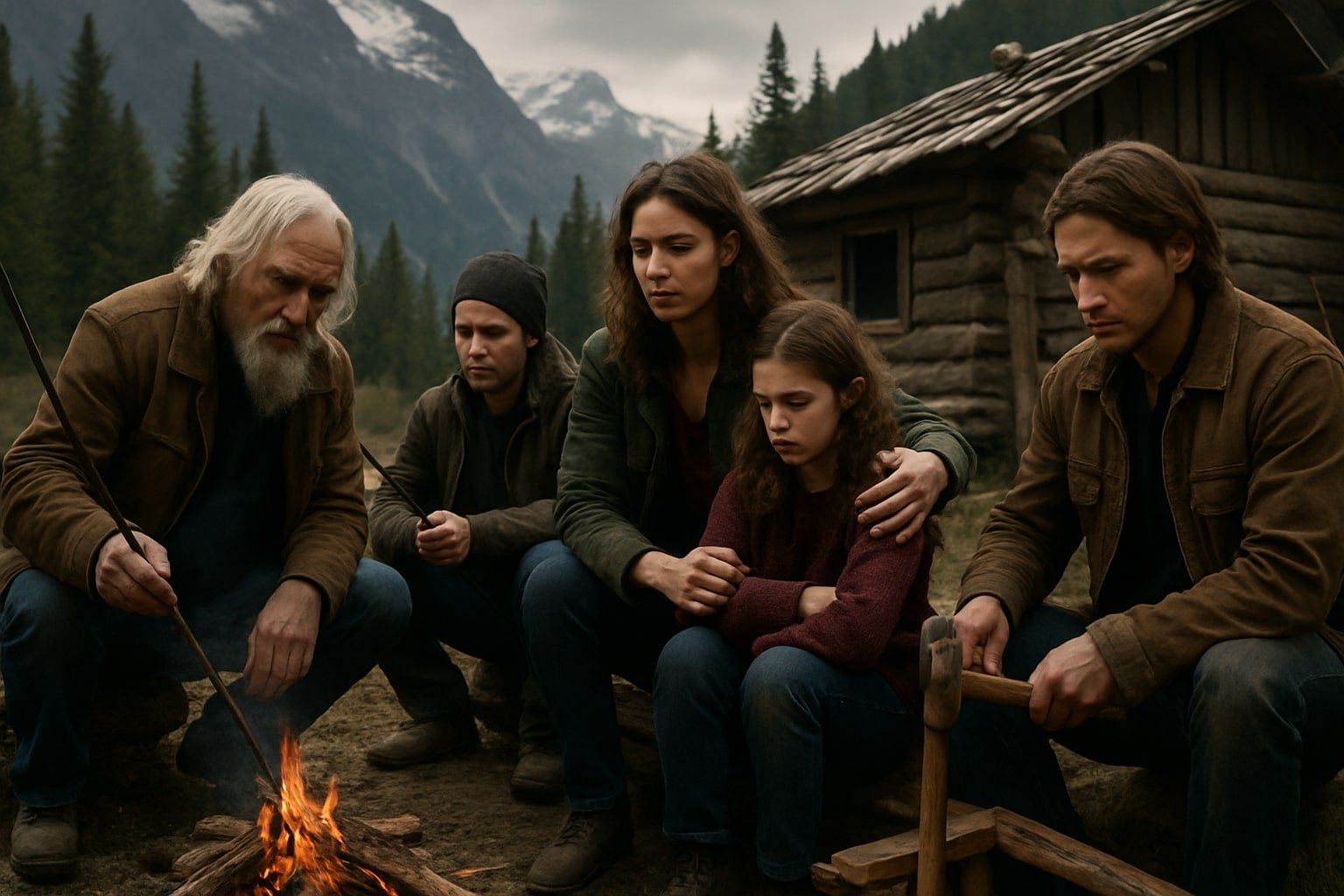
Alaskan Bush People, aired on Discovery Channel since 2014, stands out among reality television shows for its unique blend of family conflict and real-world survival skills. The Brown family, known as the “Wolf Pack,” navigates daily life in the Alaskan wilderness, confronting everything from harsh weather to personal disagreements. Their journey keeps viewers engaged by combining honest portrayals of family drama with the constant challenge of living off the land.
The show showcases intense family dynamics, with the Browns often facing internal struggles while working together to survive. Viewers see how interpersonal issues and emotional moments unfold side-by-side with tasks like building shelters and securing food, making the stakes feel real.
Balancing these two elements is what gives Alaskan Bush People its ongoing appeal as a reality series. The Browns’ ability to persevere through conflict and unpredictability, both within their “pack” and in the unpredictable wilderness, offers a close look at how resilience shapes their daily lives.
Overview of Alaskan Bush People
Alaskan Bush People is a reality television series that explores the daily lives and challenges of the Brown family. The show blends family relationships and wilderness survival, striking a unique place in the reality TV landscape and maintaining popularity over many seasons.
Premise and Format
Alaskan Bush People centers on the Brown family as they navigate life in remote locations, initially focusing on the wilderness of Alaska. The show highlights their attempts to live off the land, build shelter, and secure food, away from modern conveniences.
Each episode follows the family through different challenges and daily routines. Viewers observe not only their survival tactics, such as building makeshift homes and foraging, but also their interpersonal dynamics.
The series is produced in a documentary-reality format, combining staged and candid footage for entertainment value. While branded as authentic survival reality TV, it also emphasizes family dramas, with conflicts and resolutions playing a central role.
Key Elements:
Survival Techniques
Family Interactions
Remote, harsh environments
Blended documentary and dramatized scenes
Evolution Across Seasons
Since its premiere in 2014, the show has adapted both in setting and tone. The Brown family later moved from Alaska to Washington State, shifting survival themes but maintaining focus on self-reliance and adaptability.
Later seasons, such as season 15, highlighted significant family changes, including the loss of patriarch Billy Brown in 2021. The series increasingly covers the individual lives and development of the Brown children as they pursue their own goals.
The production has responded to controversies and criticism over authenticity by emphasizing emotional storytelling. While some audiences question aspects of the family’s portrayed lifestyle, the combination of evolving family drama and survival challenges has helped the show remain a staple in reality TV entertainment.
The Brown Family Dynamic
Life for the Brown family centers on a tight-knit unit facing wilderness challenges and internal conflicts. Distinct roles, personalities, and responsibilities shape daily survival and the emotional dynamics on “Alaskan Bush People.”
Key Family Members
The Brown family, often referred to as the "wolfpack," is led by Billy Brown (patriarch) and Ami Brown (matriarch). Billy, who passed away in 2021, was known for his resourcefulness and strong leadership in remote settings. Ami provides steady support, adapting to the demands of both wilderness and family life.
Their children—Matt, Bam Bam, Bear, Gabe, Noah, Snowbird (Bird), and Rain—each bring different experiences to the group. Bear is energetic and adventurous, while Noah often emphasizes technical skills. Rain and Snowbird, the youngest daughters, are recognized for their closeness and unique perspectives. Extended family, including spouses like Rhain (Noah’s wife) and Raiven Adams (Bear’s partner), occasionally add new dynamics and challenges.
Roles Within the Family
Roles in the Brown family are guided by both necessity and personality. Billy managed long-term planning and decision-making, ensuring the group’s direction. Ami managed daily life, nutrition, and overall well-being, offering emotional stability.
Children took on varying tasks as they matured. Gabe frequently led construction and repairs. Bear often specialized in foraging and outdoor safety. Noah provided technical solutions and built practical devices. Snowbird usually handled animal care and hunting, while Rain contributed to general maintenance and morale. This distribution of skills made day-to-day survival possible.
Family projects and group decisions often revealed tensions and disagreements. Still, collaboration was vital for building shelters, securing food, and dealing with Alaska’s harsh environment. Every member’s actions influenced both family drama and survival outcomes.
Balancing Family Drama and Survival Skills
The Brown family from Alaskan Bush People displays a constant interplay between emotional challenges and the practical needs of their off-the-grid lifestyle. Their survival is shaped by complex personal dynamics as much as by their wilderness skills.
Impact of Family Conflicts
Tensions within the Brown family frequently surface, often driven by strong personalities and generational differences. Disagreements about responsibilities, leadership, and day-to-day decisions can disrupt their collective focus.
These conflicts sometimes hinder important tasks like building shelters, hunting, or gathering supplies. Crucial moments—such as winter preparations or constructing new cabins—have been delayed or made more difficult by arguments or lack of trust.
Despite the setbacks, working through family drama is a necessary part of their self-sufficiency. The “Wolfpack” identity the Browns embrace means facing adversity as a unified group, even when disagreements threaten to divide them.
Lessons in Cooperation
Adapting to wilderness life requires each family member to contribute specific skills, from resourceful food gathering to carpentry. Success depends on open communication, shared goals, and division of labor, with each member's strengths clearly recognized.
Key examples of cooperation include group hunting trips and large construction projects that need teamwork. The Browns often use these tasks to mend rifts, shifting focus from arguments to practical collaboration.
Community and authenticity are continuously reinforced by relying on each other during moments of crisis. When family members set aside personal disputes, they are able to reinforce the values of trust and resilience that are essential for survival.
On-Screen Versus Off-Screen Tensions
Many viewers wonder how much of the Browns’ drama unfolds naturally and how much is influenced by the presence of cameras. Some conflicts appear intensified for television, blending real stressors with moments heightened for entertainment value.
Off-screen, the family faces pressures that are not always depicted on the show, such as rumors, illness, or financial challenges. These real-life issues test their commitment to self-sufficiency and the off-the-grid lifestyle they promote.
Authenticity remains a recurring concern. While the show reveals raw arguments and emotional moments, some fans and critics debate whether all tensions are as spontaneous as they seem, or if the “Wolfpack” unity is stronger away from the spotlight.
Survival Skills in the Alaskan Wilderness
Succeeding in Alaska’s wild environment means mastering resourcefulness and adapting quickly to harsh conditions. The Brown family showcases practical techniques to stay safe, well-fed, and sheltered in some of the United States’ most remote areas.
Foraging and Hunting Strategies
The Alaskan Bush People rely on a mix of foraging wild plants and hunting for meat to provide food for their family. Local berries, wild greens, and edible roots are carefully identified, as consuming the wrong plant can be dangerous. Foraging requires constant awareness of the seasons and a thorough understanding of local flora.
When it comes to hunting, efficiency and respect for the land play central roles. The Browns use simple traps, fishing gear, and sometimes traditional firearms for hunting game such as deer and small animals. Preservation techniques like smoking or drying meat ensure a lasting food supply at Browntown or North Star Ranch.
Key wild food sources in the area:
Berries (blueberry, salmonberry)
Edible roots and tubers
Game animals (deer, rabbit)
Wild greens
Fishing and Water Sourcing
Fishing is not just supplementary; it is a major source of food in the Alaskan wilderness. The Browns fish rivers and streams using basic rods, fish traps, and sometimes even by hand. Salmon and trout are commonly sought after.
Reliable water sourcing is just as vital. The Browns locate clean water from streams, lakes, or meltwater and use boiling or makeshift filters to ensure it is safe for consumption. In icy months, melting snow often becomes the main water source, making fire-building skills crucial. Water storage is managed with containers they have on hand or by improvising from found materials.
Building Homesteads and Shelters
Constructing robust shelters is a daily necessity in harsh weather. The Browns build log cabins, lean-tos, and insulated huts using materials from their surroundings. Structures are oriented and reinforced to handle heavy snow, wind, and rain.
Every homestead, like Browntown or later North Star Ranch, combines storage, sleeping, and living spaces for maximum efficiency. The family uses wood-burning stoves for warmth and hand-built furniture to enhance comfort. Adaptation is key, as shelter designs often change with seasons or available resources.
Filming Locations and Off-the-Grid Challenges
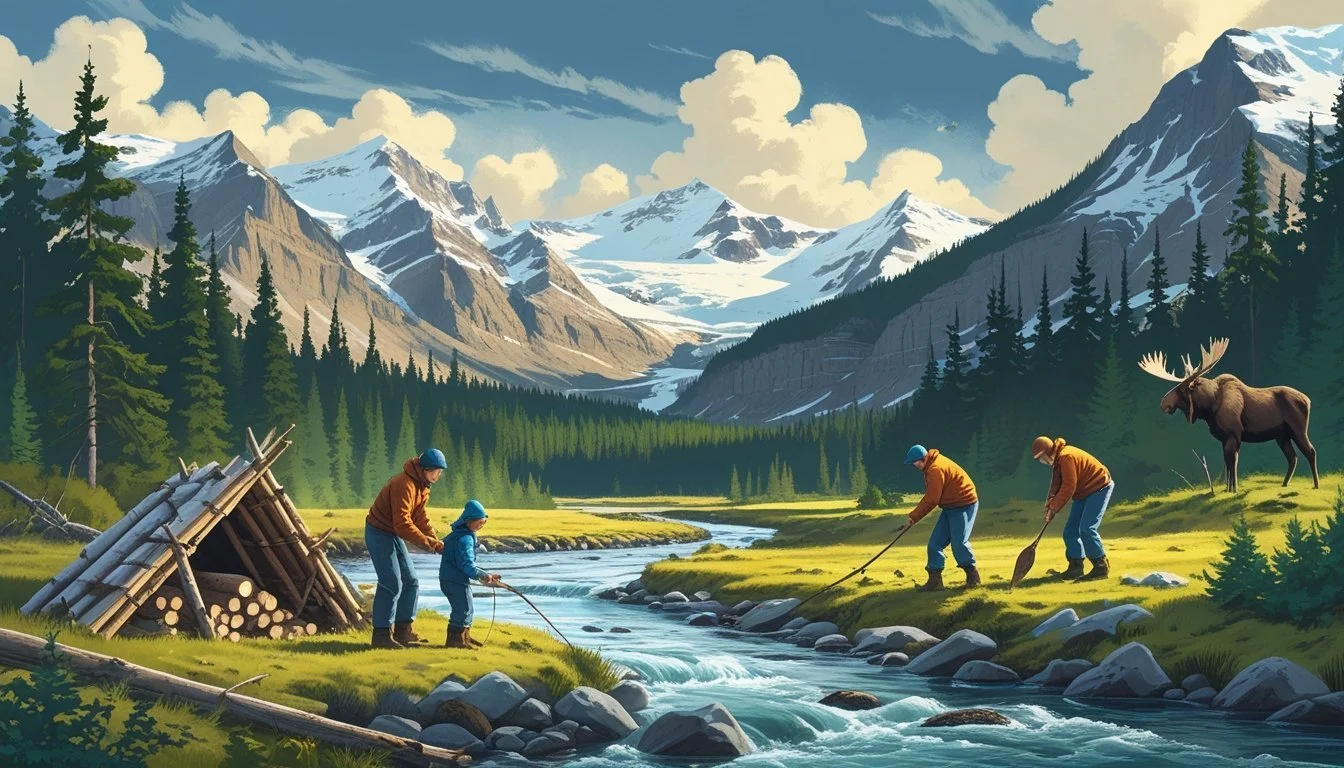
Filming Alaskan Bush People required careful selection of remote spots that test the family’s resourcefulness. The production explores the Browns’ ability to adapt to unpredictable environments, from dense forests to wildfire-threatened counties.
Main Residences and Homestead Sites
The Browns initially established their homestead—known as Browntown—near Hoonah, Alaska. This build was situated in dense forest land, requiring the family to clear plots, construct shelters from local timber, and maintain simple systems for water and heat.
Later seasons shifted filming to Washington State, specifically Okanogan County in the North Cascade Mountains. The move offered more year-round accessibility but still maintained remote, rugged conditions. At each location, producers prioritized minimal infrastructure to preserve the “off-the-grid” feel.
Filming required logistical coordination, including moving crew and gear into areas without reliable roads or utilities. The scenic settings shaped every survival and family dynamic scene.
Life in Alaskan and Okanogan County
Life in Hoonah meant braving Alaska’s severe cold, wind, and rain. Browntown operated without regular electricity or running water, making daily routines truly reliant on manual labor and strong family cooperation.
Okanogan County, though somewhat milder, brought its own remote challenges. The Browns established their new homestead surrounded by thick forests, steep terrain, and widely variable weather. The proximity to the North Cascade Mountains introduced risks like snow, landslides, and isolation during winter.
The shift to Washington did not eliminate the need for hunting, foraging, and maintaining homemade shelters. Every move, repair, and meal underscored the family’s continued commitment to rural living.
Adaptation to Wildfire and Harsh Climates
Wildfires have increasingly affected Okanogan County, leading to direct threats on the homestead and occasional evacuations. The Browns’ routines shifted to include firewatch duties, clearing brush, and preparing for possible rapid departures.
Frequent bouts of extreme weather—from heavy snow in the mountains to windstorms—regularly tested structures and food supplies. As the series documented, the family resorted to traditional survival tactics, including wood-fire heating and improvising shelter repairs when cut off from aid.
Both Alaskan and Washington filming locations forced the cast and crew to adapt contingency plans, ensuring safety and continuity. Survival skills and readiness for sudden weather changes or fire became central to everyday life, not just a backdrop for the show.
Health Issues and Adversity
The Brown family’s experiences are marked by significant health setbacks that have reshaped their lives and approach to survival. Medical challenges have often intersected with their family dynamics, testing both their resilience and their unity in the face of adversity.
Ami Brown's Battle with Cancer
Ami Brown, the Brown family matriarch, was diagnosed with advanced lung cancer in 2017. Her diagnosis came as a severe blow, triggering urgent decisions about treatment options and family relocation to be closer to medical care.
Doctors classified her illness as stage 3B lung cancer. Ami underwent intense rounds of chemotherapy and radiation at a California hospital. The treatment process weakened her immune system, making her more vulnerable to complications such as infections and pneumonia.
The stress on the family was immense during this period, as filming paused and uncertainty dominated daily life. Despite daunting odds, Ami achieved remission by 2018, and her progress was closely followed by fans. Her perseverance became a focal point for the show and influenced how the family approached survival and support for each other.
Other Health Challenges
Beyond Ami’s cancer, the Brown family has faced other health issues in Alaska and beyond. For example, Billy Brown, the family patriarch, struggled with heart problems and seizures. These episodes frequently required emergency care and placed stress on the entire household.
Harsh Alaskan conditions presented additional risks. Family members have dealt with pneumonia, infections, and injuries related to their off-grid lifestyle. The threat of both chronic illness and sudden medical emergencies underscores the precarious balance they maintain.
Health setbacks have repeatedly forced the Browns to adapt. Their experiences include navigating remote medical care, managing the effects of radiation or ongoing symptoms, and adjusting their daily routines to protect vulnerable family members. These challenges reveal the hidden difficulties of their chosen way of life.
Legal Troubles and Public Scrutiny
Alaskan Bush People has faced significant legal issues and public attention, from criminal charges to private disputes within the Brown family. These challenges have affected both the credibility of the show and the relationships among cast members.
Lawsuits and Controversies
The Brown family has been involved in several legal disputes since the show's debut. One of the most notable cases was their conviction for falsifying residency documents, leading to charges of welfare fraud in Alaska. Members of the family were found guilty of claiming Permanent Fund Dividend checks while living outside the state, resulting in fines and brief jail time.
Other controversies include:
Allegations of sexual assault against Matt Brown surfaced in 2020, drawing extensive media coverage.
The authenticity of the show has also come under scrutiny, with accusations of staged scenes and misleading portrayals.
These controversies have sparked debate among fans and critics, with some questioning whether the family's off-grid lifestyle is as genuine as portrayed.
Restraining Orders and Family Disputes
Internal family conflicts have sometimes become public, adding another layer to the show’s drama. There have been past reports of restraining orders filed within the Brown family, particularly during times of heightened tension or personal struggles.
Disputes over control, substance abuse, and the well-being of certain family members have occasionally resulted in legal filings. These issues often emerge during break periods between filming or after major life events, highlighting challenges beyond simple survival.
While many details remain private, such disputes reveal that the pressures of fame and family life can spill over into legal arenas, affecting relationships both on and off screen.
Media Representation and Popularity
Alaskan Bush People has gained attention through a combination of cable television exposure and a growing presence on social media. Both traditional and digital media channels have played key roles in increasing the show's visibility and shaping its reputation.
Growth of the YouTube Channel
The Brown family has leveraged their YouTube channel to connect with fans beyond television broadcasts. Short clips, behind-the-scenes content, and Q&A sessions allow audiences to see aspects of daily life not shown on cable.
Engagement through the platform often includes comment interactions and viewer polls. These tools help the family maintain a sense of community.
YouTube also makes content accessible to new viewers who might not have cable access. It serves as a platform for updates on survival skills, family milestones, and ongoing drama, complementing what is aired on Discovery Channel.
Role of Discovery Channel in Fame
Discovery Channel was instrumental in launching Alaskan Bush People to mainstream popularity. The network's established audience base enabled the series to reach millions during its initial run.
The show's slot alongside other popular survival and adventure programs helped cultivate a dedicated following. Strong promotional strategies, such as teasers and feature interviews, contributed to the series’ visibility.
Discovery Channel’s reputation for documentary-style programming lent credibility and increased viewer trust. As a result, the network played a direct role in shaping public perception and maintaining the entertainment value of the show.
The Legacy of Alaskan Bush People
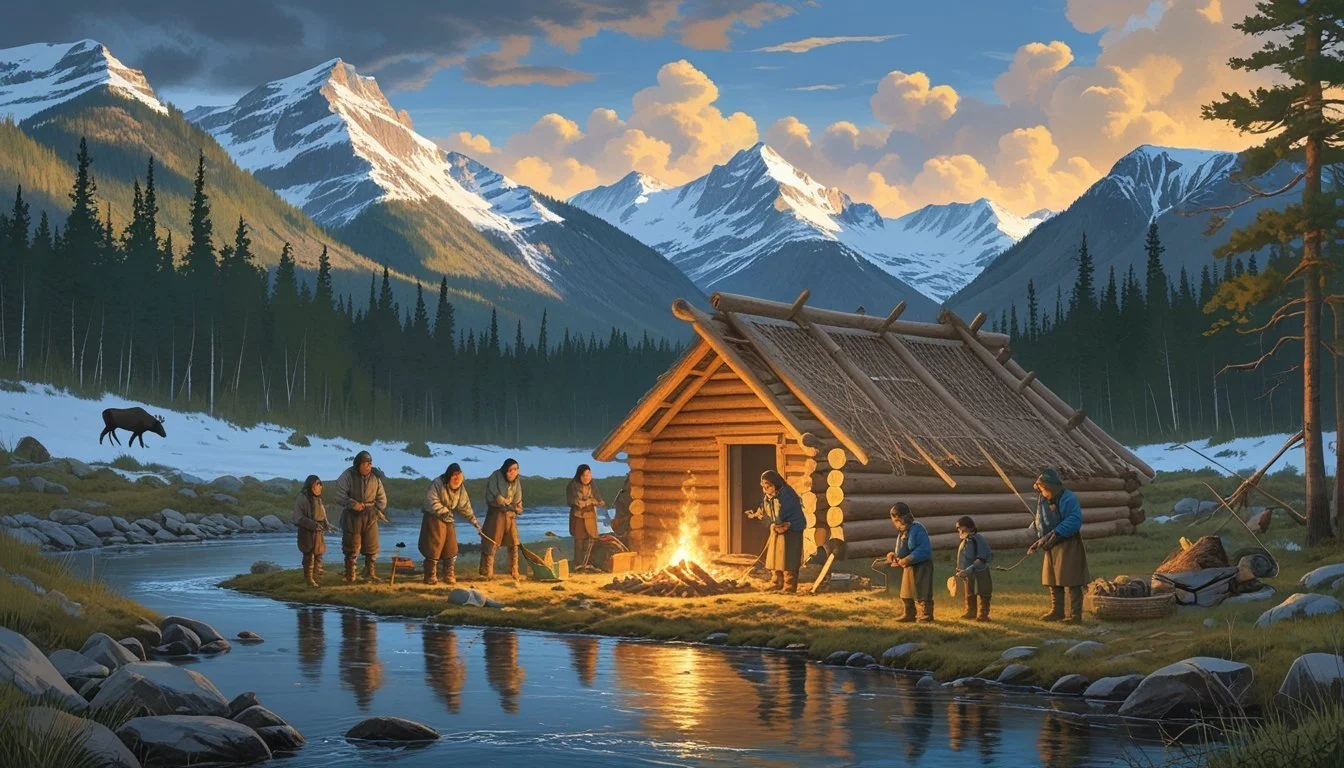
Alaskan Bush People left a noticeable mark on the television landscape by highlighting the Brown family's unconventional lifestyle. Its reputation revolves around its approach to wilderness living, the depiction of family dynamics, and public debates over authenticity.
Impact on Wilderness Living Culture
The series popularized bushcraft and wilderness skills for a broad television audience. Viewers saw the Browns build shelters, hunt, fish, and improvise solutions to live off the land.
These episodes:
Sparked interest in self-sufficiency principles
Encouraged discussions about traditional survival techniques
Gave exposure to alternative lifestyles that value resilience and resourcefulness
Alaskan Bush People also inspired viewers to reconsider their own relationship with nature, promoting a lifestyle that emphasizes simplicity and adaptation. For some, the family's challenges became examples of problem-solving and tenacity in a natural setting. The Browns’ visibility put wilderness living in mainstream media, influencing similar survival-based programs.
Perceptions of Authenticity and Self-Sufficiency
The show has faced repeated questions about how genuine its portrayal of bush life is. Some viewers and critics pointed out staged moments or logistical support behind the scenes, casting doubt on total self-reliance.
Despite this, the Browns’ efforts at daily survival—constructing homes, finding food, and managing harsh weather—reflect real self-sufficiency practices. The debate over authenticity often highlights the tension between reality-TV storytelling and actual wilderness survival.
Key issues raised include:
Use of modern tools and outside assistance
Impact of fame and financial benefits on their lifestyle
How accurately the series represents bush living challenges
These conversations continue to shape the legacy of Alaskan Bush People, reminding audiences to reflect critically on televised depictions of self-sufficient life.
