Why Alaskan Bush People Is Still the Most Unpredictable Reality Show on TV
Examining the Enduring Appeal and Wild Twists

Alaskan Bush People remains the most unpredictable reality show on TV because it captures the genuine, raw challenges of living off the grid, where every day brings new and unexpected obstacles. The Brown family constantly faces shifting weather, harsh terrain, and personal setbacks, making outcomes uncertain even for long-time viewers. The combination of wilderness survival, family dynamics, and unfiltered reactions keeps each episode unique.
Over fourteen seasons, audiences never know what twist or hardship the family will run into next, keeping the series compelling despite its longevity. The Browns’ ability to adapt and persist, along with unexpected developments, has made the show stand out in a crowded reality TV landscape. These real moments of struggle and adaptation ensure the show’s suspense never fades.
What Makes Alaskan Bush People Unpredictable
The distinct setting, complex relationships, and evolving narratives of Alaskan Bush People separate it from typical reality TV offerings. Encounters with the elements, family drama, and unexpected incidents keep viewers unsure of what will happen next.
Unique Challenges of the Alaskan Wilderness
Living in the Alaskan wilderness exposes the Brown family to extreme conditions. Harsh winters, shifting weather, and encounters with wild animals routinely disrupt plans and force them to adapt on the fly. Building shelters and securing food become unpredictable tasks due to rapid environmental changes.
The Discovery Channel captures genuine moments where unpredictable weather—like sudden snowstorms or heavy rain—forces the family to abandon projects or find new survival strategies. The remote setting magnifies risks: limited access to supplies, isolation, and medical emergencies are real threats the Browns must navigate.
Wilderness adventure brings out ingenuity and resilience, but also frequent failures. Unforeseen accidents, equipment breakdowns, and the threat of predators introduce surprise elements that no script could replicate. Viewers never know if the family's plans will succeed or fall apart due to nature’s interference.
Ever-Shifting Family Dynamics
The Brown family's interpersonal relationships are central to the show's unpredictability. Family members’ personalities, ambitions, and frequent disagreements create shifting alliances. Leadership roles among siblings can change quickly based on who is present, who is struggling, or who has a new idea for survival or building.
Life in isolation intensifies both collaboration and conflict. Emotional events—such as illness, loss of their patriarch Billy Brown, or the introduction of new partners—trigger rapid changes in group dynamics. Disagreements over decision-making often lead to impromptu solutions or unexpected compromises that alter the family's path.
The family's choices sometimes defy expectations, with members deciding to leave or rejoin the group. These unpredictable decisions keep viewers engaged, as every episode reveals new challenges in maintaining unity and coping with internal disputes.
Unexpected Twists in Storylines
Storylines on Alaskan Bush People frequently shift direction due to real-life events. Injuries, natural disasters, or outside influences can upend original plans overnight. The Browns must respond to each new challenge without warning, giving the show an unscripted, spontaneous feel.
On-screen, ventures such as starting businesses, expanding their homestead, or adapting new technologies can take surprising turns. Success often seems within reach, only for setbacks like equipment failure or legal issues to force reroutes. The unpredictability is heightened by the family's risk-taking nature, as projects routinely face uncertain outcomes.
Because the show's format embraces authenticity, storylines rarely follow a predictable arc. Each episode can introduce new goals, obstacles, or departures based on what unfolds in the Alaskan wilderness, maintaining the series' reputation for unexpected developments.
The Brown Family’s Extraordinary Lifestyle
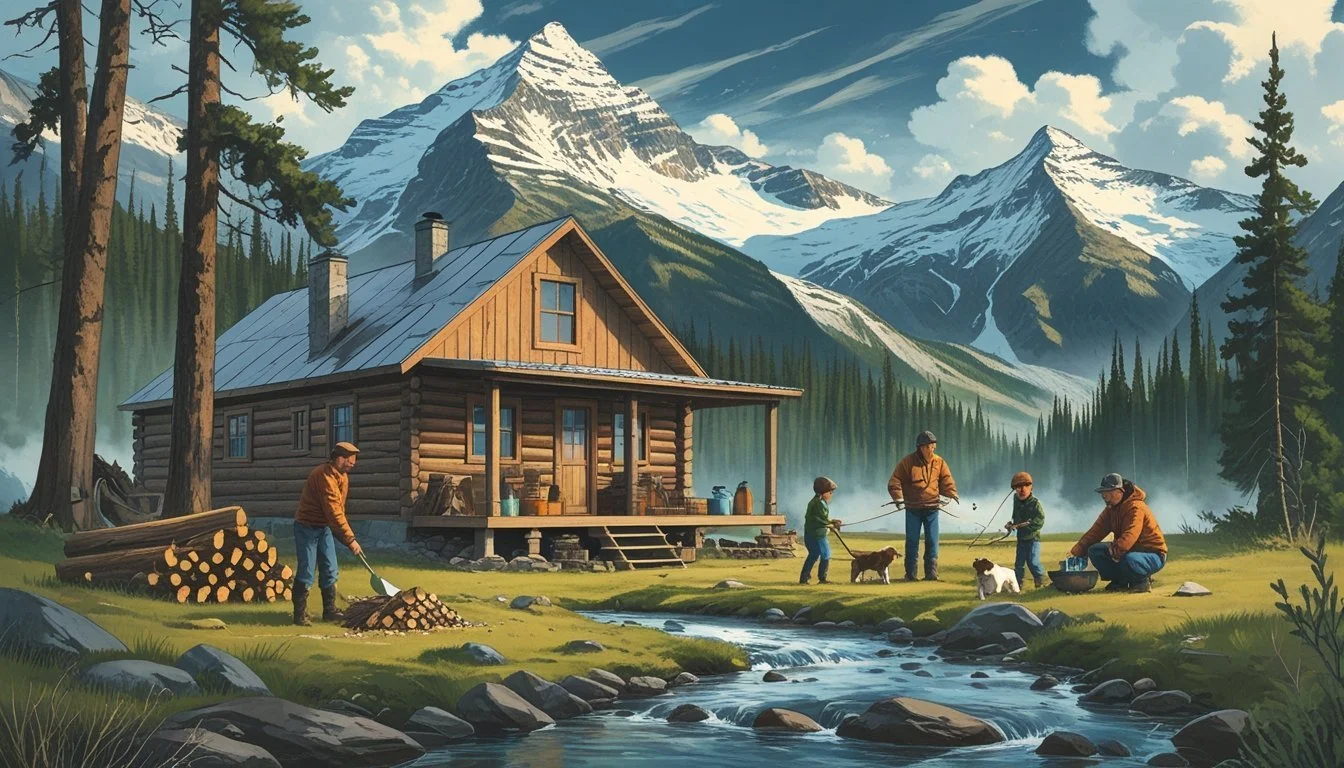
The Brown family claims a unique way of life, centered on survival, resourcefulness, and remote living. Their experiences navigating wilderness conditions and maintaining off-grid homesteads mark them as different from most reality TV families.
Bush Lifestyle and Off-Grid Living
The Browns have built their reputation around living off the grid. Their approach to daily life means avoiding most modern conveniences and relying on the land for essentials. They cook over open fires, collect or hunt for much of their food, and use limited technology.
Electricity is scarce, often generated by solar panels or small generators. Water is typically hauled from nearby sources. With communication limited and no traditional infrastructure, the family adapts to unpredictable weather and isolation.
Living away from urban centers, the Browns handle emergencies and difficult situations largely on their own. Independence is at the core of their philosophy, and viewers regularly see the challenges that come from this choice.
Homestead Development at Browntown and North Star Ranch
The family’s first homestead, Browntown, was set deep in Alaska’s wilderness. There, they built cabins, outbuildings, and improvised utilities from local materials. Every building served a purpose, from food storage to workshops.
Eventually, the Browns moved to North Star Ranch in Washington. Here, they faced new terrain and climate, requiring different survival methods and building strategies. They constructed larger shelters, barns, and animal pens, often with minimal equipment.
Projects often involved all family members. Tasks like logging, clearing land, and reinforcing structures highlighted teamwork and ingenuity. The move from Alaska to Washington brought fresh challenges, but the Browns maintained their commitment to self-sufficiency.
Daily Survival Skills and Challenges
Surviving in the wilderness demands constant adaptation. For the Browns, basic activities—finding food, chopping wood, and securing shelter—are daily priorities. They hunt and trap local wildlife, fish when possible, and forage for edible plants year-round.
Skills are taught from a young age. Children are involved in building, repairs, and navigating rugged terrain. Weather often presents unexpected setbacks, such as storms or early snowfall, requiring quick thinking and flexible routines.
Resourcefulness is essential. The Browns frequently repurpose damaged equipment or use unconventional solutions to fix problems. Whether mending a boat or building a smokehouse, their hands-on approach is a key part of their off-grid identity.
Real Versus Scripted: Authenticity in the Series
"Alaskan Bush People" often divides audiences over how much of its content is genuine versus produced for television. The show navigates the fine line between authentic off-grid living and the constructed storytelling that keeps reality TV viewers coming back.
Depiction of Real-Life Struggles
The Brown family’s daily routines highlight challenges such as harsh weather, isolation, and survival tasks. They are frequently shown building shelters, sourcing food, and maintaining equipment, emphasizing skills believed to be essential for remote living.
Scenes involving conflict resolution, illness, and family disagreements add a human layer to the narrative. These elements invite audiences to connect with the cast’s emotional experiences, making each episode feel unpredictable.
However, quick-cut editing and dramatic setups sometimes raise doubts about how organic these moments are. Even so, certain unscripted elements, such as genuine reactions to accidents or unforeseen obstacles, indicate that not all drama is planned.
Table: Signs of Authenticity vs. Scripted Content
Authentic Elements Scripted Indicators Spontaneous weather setbacks Repeated dramatic structure Unpredictable technical issues Overly tidy resolutions Raw emotional responses Consistent episode pacing
Viewer Debates on Scripted Entertainment
Fans and critics differ on whether the show prioritizes entertainment value over factual representation. Online forums and social media often feature debates concerning the authenticity of the Browns' lifestyle and claims that some scenarios are manufactured for the camera.
Some former viewers and media sources argue that repeated use of similar plot devices and the presence of camera crews in remote locations indicate a partially scripted approach.
Despite skepticism, many viewers continue watching, drawn by the show’s blend of unpredictability and family dynamics. The ongoing discussions highlight a core tension of reality TV: balancing genuine moments with content created for dramatic effect.
The constant debate serves as part of the entertainment itself, keeping the audience guessing about what is real and what is strategically orchestrated for television.
Family Dynamics and Personal Storylines
"Alaskan Bush People" stands out due to its honest depiction of how the Brown family navigates real-life challenges in the wilderness. The show's tension stems from leadership disputes, medical crises, shifting sibling alliances, and the ability to recover after devastating losses.
Leadership of Billy Brown
Billy Brown, the patriarch, established the core values that shaped his family's way of life. He led by example, insisting that each member contributed to survival. His decisions, from building shelters to setting daily priorities, directly impacted the outcome of every season.
His leadership often sparked disagreements, especially with older sons like Matt and Bam Bam, who questioned his methods as they matured. This tension revealed a complex balance between respect for parental guidance and the desire for independence. Billy's vision often clashed with individual ambitions, adding layers of unpredictability to the show.
He also guided the family through public scrutiny and legal challenges, keeping them unified. Billy's relentless push for self-sufficiency defined the show's narrative and tested the family's cohesion.
Influence of Ami Brown and Health Struggles
Ami Brown provided emotional steadiness amid the family's demanding lifestyle. Her nurturing presence was central, offering comfort during hardships as well as supporting Billy's leadership.
Her well-documented battle with lung cancer brought a stark dose of reality to the series. Scenes of hospital visits and treatment decisions drew attention to the fragility behind their rugged exterior. The uncertainty over her prognosis forced the family to leave Alaska for better care, changing not only their location but the very premise of the show.
Her health struggles reshaped dynamics: roles shifted, stress mounted, and the emotional burden was visible on each family member. Ami's determination through painful illness underscored the family's resilience and ability to adapt under pressure.
Sibling Relationships and Conflicts
The relationships among the Brown siblings—Matt, Bam Bam, Bear, Gabe, Noah, Bird, and Rain—are often turbulent. Each sibling possesses a distinct personality, leading to clashes over responsibilities, ambitions, and romantic relationships.
Matt, the oldest, faced personal and substance abuse issues that led to conflicts and occasional estrangement from the rest of the family. Bam Bam's desire for a more traditional life outside the bush created tension, especially when his priorities differed from Billy's vision.
Bear's impulsiveness, Noah's inventive tendencies, and Rain's desire for self-expression further complicate group dynamics. Their disagreements often play out on camera, offering viewers authentic glimpses of family drama that defy simple resolution. The persistence of these interpersonal issues—and how they’re managed—keeps the narrative engaging.
Tragedy and Resilience Within the Family
Tragedy has marked the Brown family's journey. The death of Billy Brown in 2021 was especially hard on the family, ending an era of leadership and forcing everyone to redefine their roles. This loss generated a new set of challenges, both practical and emotional.
Health crises, separations, and legal difficulties put additional strain on the family. Despite severe setbacks, the Browns continually demonstrate determination to remain together. The show documents their attempts to rebuild, whether it’s coping with Ami’s diagnoses, mending broken relationships, or creating a new home base.
These moments of hardship showcase the Browns' capacity for resilience, honesty, and unity under the harshest conditions. The combination of personal loss and their unyielding spirit is a critical driver behind the unpredictable nature of the series.
Survival Elements: Hunting, Fishing, and Foraging
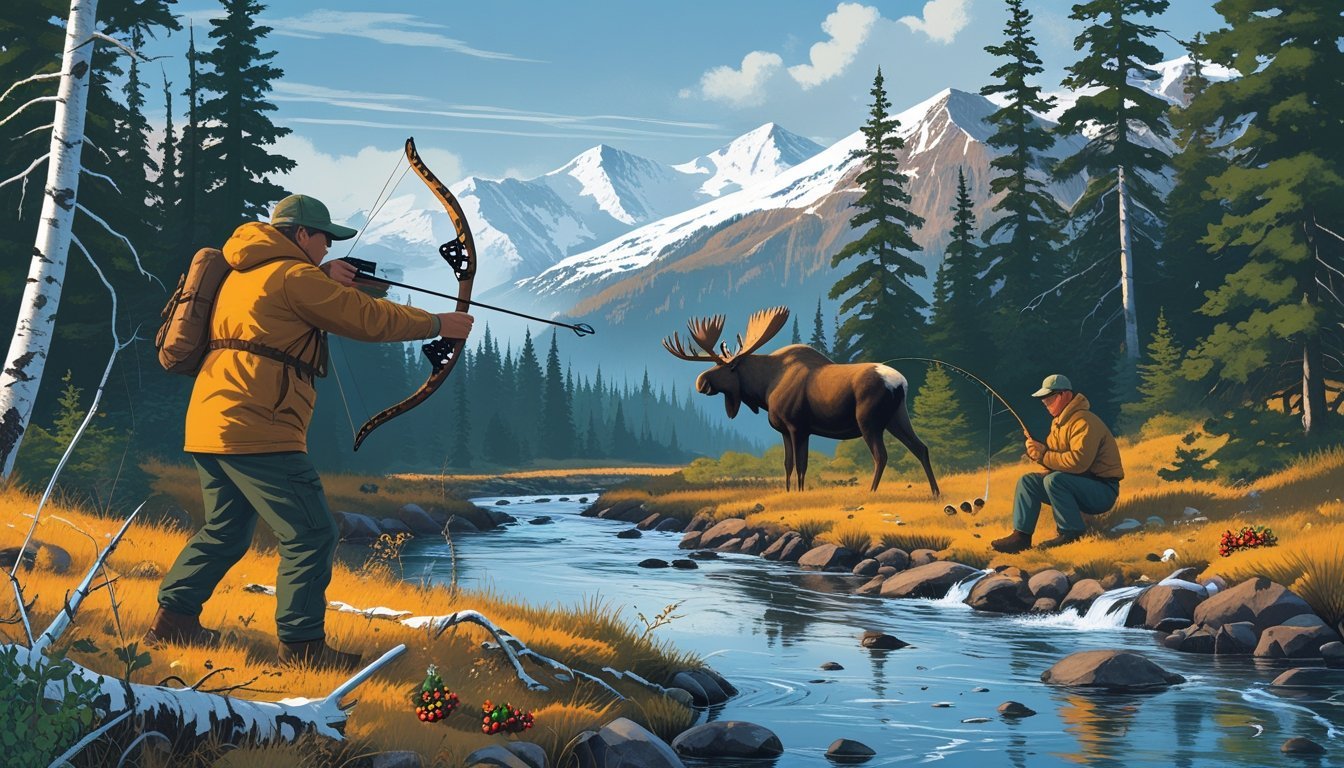
Adapting to the Alaska wilderness means finding food through hunting, fishing, and foraging in all seasons. With long, harsh winters and limited resources, survival strategies often involve a blend of skill, patience, and respect for the land.
Procuring Food in Harsh Conditions
Alaskan winters can last for months, bringing freezing temperatures and deep snow. Reliable access to food becomes critical. The Brown family, like many rural Alaskans, depend heavily on wild resources and often need to plan months in advance.
Hunting provides essential protein, with targets such as caribou, moose, and birds. Each hunt requires significant tracking skills, understanding animal behavior, and often teamwork.
Fishing is vital, especially for salmon, trout, and pike. Techniques vary seasonally—ice fishing in winter, netting and dip-netting during summer runs. Keeping and preserving catches is also crucial, often through drying or smoking.
Foraging supplies berries, wild greens, and roots when available. Knowledge of edible and non-edible species is essential, as mistakes can be dangerous.
Traditional Techniques and Innovation
Generations of Alaskans have passed down methods suited to the landscape. The family relies on tools like fishwheels, gillnets, traps, and handmade bows.
Many traditional practices are combined with modern innovations. For example, solar-powered freezers may store fish, but fire-dried salmon remains a staple. Homemade fish traps and bush-crafted shelters are common, but lightweight synthetic gear may help in emergencies.
List of Traditional Foods Harvested:
Red salmon (often dried or smoked)
Calluna berries and wild greens
Game meat (moose, caribou)
Combining heritage skills with selective technology allows families to sustain themselves, adapt to shifting conditions, and continue old traditions in a rapidly changing world.
Controversies and Public Criticism
Alaskan Bush People has sparked wide discussion due to ongoing legal battles, questions about authenticity, and issues involving cast member addiction. The show’s portrayal of an “off-grid” lifestyle has also attracted scrutiny regarding government benefits and eligibility.
Legal Issues and Residency Documents
The Brown family’s legal troubles have been a significant source of controversy. In 2015, several family members, including Billy and Bam Bam Brown, were charged with multiple counts of first-degree unsworn falsification and theft. These charges related to falsifying residency documents to qualify for the Alaska Permanent Fund, a state dividend intended for legitimate residents.
Court records showed the family spent significant periods outside Alaska, contradicting claims made on the show. Their case resulted in plea deals, with some members serving brief jail time and completing community service. These events fueled skepticism about how much of the Browns' bush lifestyle was real versus dramatized for television.
Addiction, Rehab, and Public Perception
Matt Brown’s battle with addiction became public knowledge, leading to his departure from the show and multiple rehab stays. Media coverage and Matt’s own statements highlighted struggles with alcohol and substance abuse, drawing attention to personal challenges the family faced behind the scenes.
Some fans sympathized with Matt and appreciated the openness, while others questioned the impact on the show’s image and authenticity. Coverage of these issues contributed to debates about the responsibilities of reality television and the pressures faced by cast members. Public perception of the family's dynamics shifted as these personal struggles became more visible.
Debate Over Alaska Permanent Fund
A key controversy surrounded the family’s receipt of the Alaska Permanent Fund Dividend (PFD). The PFD pays annual amounts to qualifying Alaskan residents, but residency requirements are strict. The Browns’ legal case exposed that they claimed these dividends while often residing outside the state.
Critics argued this undermined the reality that the Browns were self-reliant Alaskans. Some viewers viewed the case as evidence of the family profiting from a false narrative. This controversy added to larger discussions about the integrity of reality shows and their depiction of “real life” in Alaska.
Entity Related Controversy Legal Issues Residency fraud, court cases Matt Brown Addiction, rehab stays Alaska Permanent Fund Questioned eligibility, legal action
Community, Independence, and Building for the Future
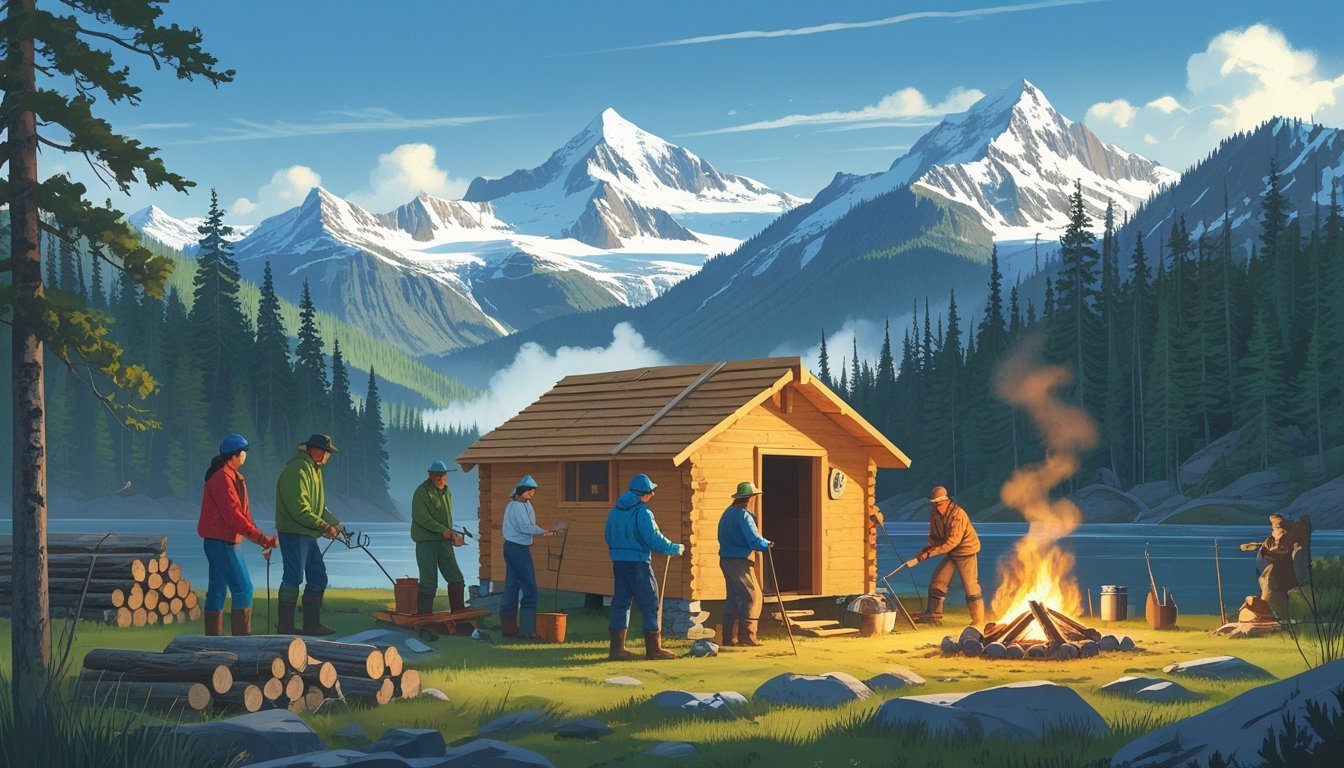
The Browns’ journey is shaped by their efforts to integrate with neighbors, rely on their own skills, and set foundations for the next generation. Their decisions impact not only daily life but also long-term stability in a rugged environment.
Adapting to the Local Community
The family’s move from Alaska to the lower 48 states brought new challenges. Building relationships with local communities was key, especially after arriving in Washington State. Interactions with nearby residents and businesses, including places like the Icy Strait Lodge, helped the Browns navigate unfamiliar territory.
Facing skepticism about their lifestyle, the family worked to earn trust. They contributed to local projects and participated in regional events, showing a willingness to adapt. Collaboration made it easier to access needed resources and knowledge specific to the area.
These connections were vital during periods of hardship, such as after the 2020 wildfire that damaged their property. The network built around them provided both practical aid and a sense of belonging. By integrating into these communities, the Browns balanced isolation with cooperation.
Growing Independence and Self-Sufficiency
Maintaining independence has always been a central focus for the Browns. They rely on traditional skills such as hunting, building, and food preservation. These activities are a core feature of the show, emphasizing practical problem-solving and daily resilience.
A clear example of this attitude is the emphasis on constructing their own homes and infrastructure from scratch. The family minimizes dependence on outside services by mastering repairs and adapting to changes in the environment. Equipment maintenance, efficient use of resources, and prioritizing self-taught solutions define their daily routines.
Raiven Adams, as an example, demonstrates this approach through hands-on involvement in family projects and homestead management. Her adaptability and willingness to learn reflect the overall ethos of self-reliance that guides the Browns’ lifestyle decisions. Each member’s skills matter for group survival.
Long-Term Goals and Legacy
With Billy Brown’s passing in 2021, future planning has become more urgent. The family now focuses on preserving land, traditions, and values for coming generations. Legacy is not just about survival, but also about creating lasting opportunities and a sense of purpose.
Investment in infrastructure and education ensures skills are passed down. The Browns aim to secure the homestead for their children, preparing for both challenges and the possibility of bringing in new technologies when helpful.
Documenting their journey through “Alaskan Bush People” adds another layer to their legacy. The show records successes and setbacks, giving viewers insights into sustainable living while inspiring others to pursue greater independence and community connection.