
What Alaskan Bush People Teaches About Resilience Through Loss
Lessons in Overcoming Adversity
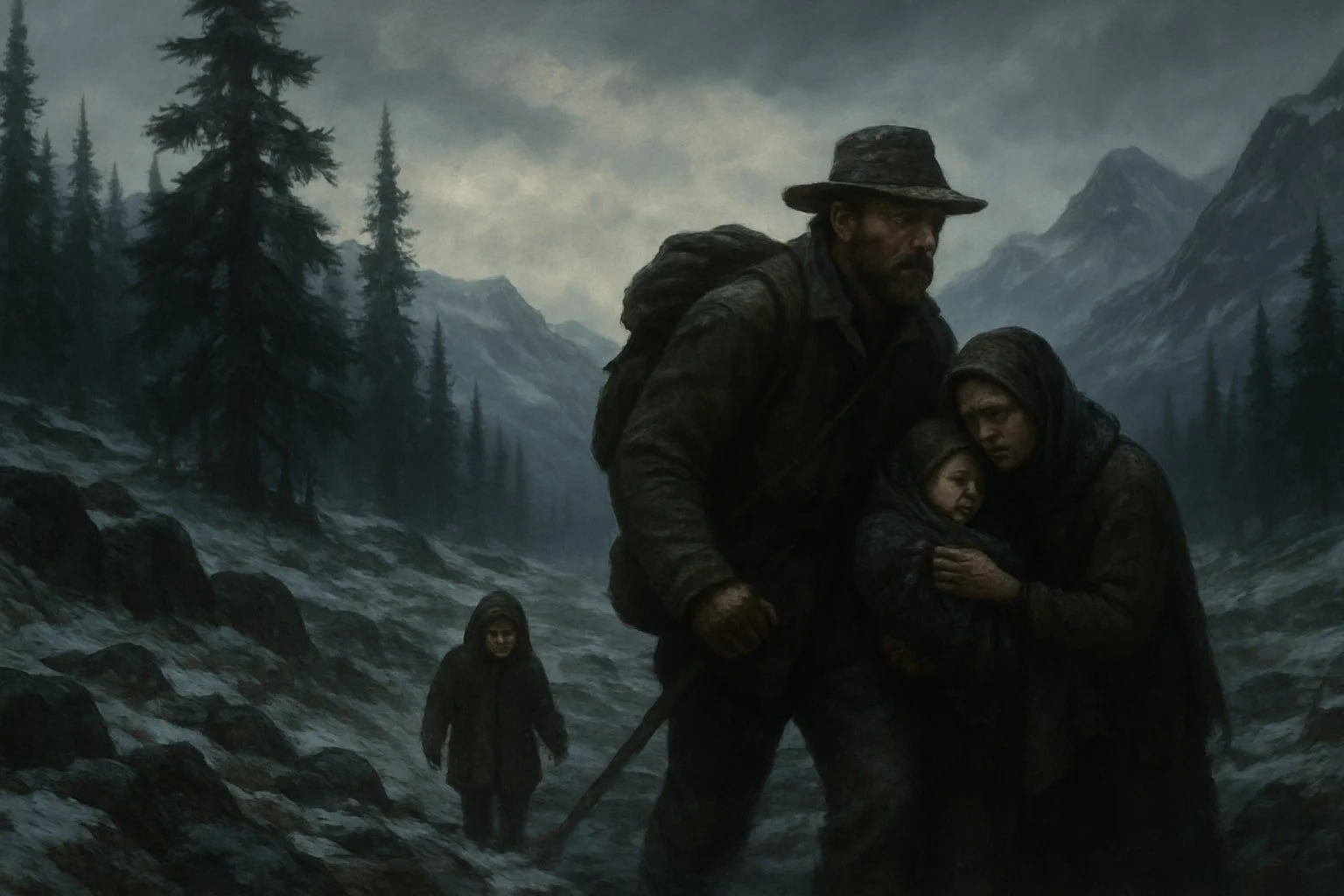
Loss has shaped the journey of the Alaskan Bush People, a family known for living off the grid in the harsh environments of Alaska and later Washington. Their experiences, especially the death of family patriarch Billy Brown in 2021 and matriarch Ami Brown’s battle with cancer, have shown viewers how resilience can be built through embracing adversity.
Alaskan Bush People demonstrates that true resilience comes from supporting one another and adapting to change after tragedy. Despite facing profound grief and the challenges of maintaining their unique lifestyle, the Brown family continues to move forward together, providing a powerful example of strength in the face of hardship.
Audiences are drawn in not only by the family’s resourcefulness in the wilderness, but also by how they process grief and support each other. Their story offers valuable lessons on withstanding life's most difficult moments and finding hope after loss.
Understanding Resilience in Alaskan Bush People

The Brown family of Alaskan Bush People demonstrates how resilience is built through both daily challenges and significant personal losses. Their experiences provide concrete examples of resourcefulness, adaptability, and the personal growth that follows hardship.
Core Values and Resilient Mindsets
At the heart of the Brown family's resilience are strong core values such as unity, perseverance, and adaptability. Family members rely on each other for emotional support and survival, forging a sense of community in the face of adversity.
They value hard work, problem-solving, and honesty about their struggles. These values help them remain persistent when facing setbacks, such as harsh weather or personal loss. When patriarch Billy Brown passed away, the family leaned into their tight-knit bonds to process grief and carry forward his principles.
Key Mindsets:
A belief in finding solutions with limited resources
Openness to learning from mistakes
Supporting each other consistently
Such mindsets foster a climate where personal growth happens alongside survival.
Overcoming Adversity in Harsh Environments
The Alaskan bush offers an unforgiving landscape, forcing the Browns to develop exceptional resourcefulness. The family routinely contends with isolation, resource scarcity, and unpredictable weather.
To face these challenges, they employ practical techniques like building their own shelters and foraging. The rainy seasons and brutal winters test their endurance, but their ability to adapt ensures they continue to move forward.
Loss and hardship act as catalysts for deeper resilience. Instead of breaking under pressure, the Browns look for new ways to meet basic needs, manage grief, and maintain hope. This process demonstrates that overcoming adversity is not just about survival, but about continuous adaptation and personal growth.
Family Bonds and Unity Through Loss

The Brown family of Alaskan Bush People demonstrates how strong family bonds can act as a tool for resilience during adversity. Their experiences show the role of unity and mutual support in helping each member adapt and heal after significant loss.
Coping With Loss Together
When facing the harsh realities of the Alaskan wilderness, family unity was central to the Browns' survival. Daily life required teamwork—gathering resources, building shelter, and facing unpredictable weather.
After personal loss, these routines took on new importance. The Browns leaned on each other for emotional support, sharing responsibilities and working through grief as a group.
They used open communication and shared tasks to stay connected. Group discussions and individual check-ins became part of their coping. This approach minimized isolation and reminded each person they were not alone.
Their strategy highlights:
Emotional openness: Family meetings or informal talks provided outlets for expressing grief.
Practical reliance: Tasks like fishing, hunting, or repairs became occasions for both bonding and distraction.
These collective efforts made it possible for the Browns to manage both their sorrow and day-to-day needs without losing their sense of togetherness.
Impact of Billy Brown's Passing
Billy Brown's death marked a major turning point for the family. As patriarch, he played a key role in maintaining the Browns' unity and decision-making. His absence created both emotional and practical challenges.
The family had to redefine roles and responsibilities. Siblings stepped into leadership positions, helping guide their mother, Ami, and the younger members. Decision-making became a shared duty rather than falling to a single figure.
Billy's teachings and values continued influencing daily choices. The Browns often referenced his advice, using it to shape responses to new struggles. This strengthened family bonds, as traditions and memories of Billy provided comfort and direction.
The impact of his passing is seen in their changed dynamics and growing independence, but also in their efforts to honor his legacy by maintaining family unity under new circumstances.
Health Challenges and the Drive for Survival
Serious illness and sudden medical diagnoses in remote environments test every layer of personal and family resilience. The Brown family's reality highlights how individuals respond to devastating health news—both as patients and as loved ones.
Ami Brown’s Stage 3 Lung Cancer Journey
Ami Brown, the matriarch of the family, was diagnosed with stage 3 lung cancer in 2017. Living far from major healthcare centers meant immediate treatment was not simple. She experienced rapid weight loss, extreme fatigue, and ongoing pain.
Key aspects of Ami’s experience:
Diagnosis: Detected after prolonged illness and persistent symptoms.
Treatment: The family relocated temporarily to access specialists, chemotherapy, and radiation therapy.
Adaptation: As she endured harsh side effects, the Browns adjusted their daily routines and responsibilities to support her recovery.
Ami’s cancer diagnosis forced the family to confront fear and uncertainty while facing Alaska’s challenging environment. Their response showed a blend of emotional strength, adaptability, and practical decision-making.
Supporting One Another In Crisis
The Browns’ approach to crisis centered on collective action and consistent support. Every member played a part, from providing daily care to managing household tasks and communicating with healthcare providers.
Examples of support within the family:
Billy Brown took on logistical tasks, arranging transportation and coordinating with medical teams.
Older children divided chores and watched over younger siblings, maintaining stability at home.
Emotional support was a daily focus, including shared meals, conversations, and encouragement.
This pattern of teamwork allowed the family to manage both medical and survival challenges. Facing a health crisis in isolation can be overwhelming. For the Browns, being open about their struggles and providing practical help was essential for both physical and emotional endurance.
Coping Strategies From the Bush

Resilience for the Alaskan Bush People emerges from their day-to-day routines and mindset. Their approach to living off the grid highlights how adaptability and learning from setbacks build emotional and practical strength.
Adaptability in an Unconventional Lifestyle
Daily life for the Brown family challenges the conventional in nearly every way. Their routines depend on unpredictable conditions, like sudden storms or scarce resources. Adapting quickly is not optional but required for survival.
They rely on repurposing tools and innovating on the spot. For example, repairing equipment with found objects reduces dependence on outside support. Resourcefulness and the ability to change plans mid-task are core skills.
Living off the grid demands flexibility in both actions and beliefs. The family is used to shifting roles—one day hunting, another day fixing shelter, and another managing isolation. This constant change supports personal growth as each member learns to meet new challenges directly.
Key Strategies:
Quick decision-making
Creative problem-solving
Staying calm in unstable situations
Flexibility with daily tasks
Turning Setbacks Into Strength
Loss is a recurring theme for those off the grid, whether through harsh weather, unpredictable disasters, or losing loved ones. The Bush People experience grief and disappointment, but their response offers insight into resilience.
Instead of allowing setbacks to stop progress, they use adversity as fuel for growth. Emotional support comes from strong family bonds and open communication, helping them process grief together. This creates a sense of shared purpose even in hard times.
They transform challenges into lessons. Each difficulty teaches better preparation or new skills, reinforcing the idea that failure is not the end. Self-reliance and togetherness help them keep moving forward.
Ways They Cope:
Leaning on each other for support
Reflecting on losses to learn and adapt
Channeling energy into action and practical tasks
Preserving traditions that honor lost loved ones
Survival Skills and Self-Sufficiency
The Brown family's approach to wilderness living relies on a consistent practice of essential survival skills. Their day-to-day activities focus on securing food, utilizing natural resources, and managing the needs of both people and livestock through hands-on ingenuity.
Hunting, Fishing, and Foraging
In the Alaskan bush, hunting and fishing are not hobbies but necessities. The Browns regularly track and hunt wild game such as deer and moose, using traditional tracking, trapping, and firearm safety methods. Each successful hunt provides meat and other usable animal parts needed for the family's sustenance and toolmaking.
Fishing is an equally important skill, especially during salmon runs in local rivers and streams. Members of the family set nets, use fishing poles, and even construct makeshift traps to catch enough fish for both immediate meals and long-term storage. Preservation methods like smoking and drying protect against food shortages during winter.
Foraging adds vital nutrients to their diet. They identify edible berries, roots, and greens, paying close attention to seasonal changes and local plant knowledge to avoid poisonous species. Gathering wild foods demands both an understanding of local ecosystems and respect for sustainable harvesting.
Livestock and Resource Management
On their homestead, the Browns keep livestock such as goats and chickens. These animals provide eggs, milk, and, occasionally, meat, reducing their dependence on unpredictable wild harvests. Animal care involves daily feeding, shelter maintenance, and constant monitoring for health issues or predators.
Resource management extends to the use of timber, water, and garden plots. The family fells trees selectively for building materials and firewood, always considering long-term forest health. They collect water from streams or rainfall and use simple filtration or boiling techniques for safety. Gardens, though modest, expand the family's diet with potatoes, vegetables, and herbs.
Balancing the needs of people, animals, and the land is central to their concept of self-sufficiency. Creative problem-solving and teamwork allow them to adapt to challenges and maintain the homestead through harsh conditions.
Navigating Personal Battles and Growth
Personal experiences within the Brown family highlight tough internal challenges and reveal the drive for change and healing. Their stories show how individuals manage setbacks while still contributing to the group.
Matt Brown and Addiction Recovery
Matt Brown, one of the older siblings, has faced well-documented struggles with addiction. His journey to sobriety has been marked by relapses and attempts at rehabilitation, each one revealing the persistent nature of personal battles.
Throughout these challenges, Matt has spoken openly about his recovery process and the effect of addiction on his relationships with his family. He has described feelings of isolation but also the importance of seeking professional help.
Watching Matt navigate this path has brought awareness to the realities of substance abuse and recovery. His willingness to confront addiction and address past behavior provides a realistic perspective on the need for both support and accountability in overcoming personal struggles.
Evolving Roles Within the Family
As each family member faces adversity, roles and responsibilities have shifted to support changing needs. For example, when Matt focused on his recovery, his siblings and parents adapted to fill new gaps in daily life and emotional support.
This redistribution of responsibility has led to personal growth for many family members. Noah Brown, for example, has stepped forward in providing for the family and managing critical tasks, demonstrating a readiness to take on more demanding roles.
Such changes highlight the adaptability of the family structure. The way members respond to each other's difficulties reflects a practical approach to overcoming hardship, relying on communication and flexibility rather than rigid family roles.
Legacy and Influence of the Brown Family
The Brown family's journey from rural Alaska to reality television brought their resilience and lifestyle to a wide audience. Their story has shaped conversations about adaptation, survival, and dealing with change after tremendous personal loss.
Gabe, Noah, and Bear Brown’s Journeys
After the passing of their father Billy in 2021, Gabe, Noah, and Bear Brown each handled adversity in distinct ways. Gabe focused on supporting his wife and growing family, balancing the demands of television with personal life. His commitment to maintaining family bonds has shown his adaptability.
Noah built on his reputation as the problem-solver, seeking stability for his wife and children. He emphasized practical skills and emotional support, often sharing projects and family moments with viewers. Noah's approach to resilience highlights planning and steady leadership during uncertain times.
Bear, known for his adventurous spirit, faced his grief by pushing ahead with outdoor challenges and engaging fans on social media. He often links his father's legacy to his determination, using personal hardship as motivation. Bear’s openness about family struggles provides a candid window into coping with loss.
Bam Bam Brown’s Unique Perspective
Bam Bam, Joshua Brown, distinguished himself by often stepping away from the public eye and reality TV spotlight. He prefers privacy and selective engagement, valuing thoughtful reflection over notoriety. Bam Bam’s approach underscores how resilience can mean choosing a quieter life path.
His biography reveals a focus on responsibility, sometimes taking on behind-the-scenes roles to help family transitions run smoothly. He also explored documentary work and storytelling, illustrating the family's journey from a different angle.
Bam Bam’s perspective contributes to the legacy by highlighting that influence isn't always tied to fame. The way he navigates change—by protecting both his privacy and the family's story—reminds viewers that resilience takes many forms.
Media Presence and Community Impact
The Alaskan Bush People have maintained a prominent place in the public eye, not just through television but also through evolving digital platforms. Their engagement with viewers has influenced perceptions of loss and resilience, especially following the death of their patriarch.
Reality TV and Social Media Influence
The family's rise began in 2014 with "Alaskan Bush People" on Discovery Channel, showcasing their wilderness lifestyle and tight-knit bonds. This reality TV exposure shaped their reputation as resilient pioneers.
Their story did not stop at television. Social media platforms like Instagram and Facebook allowed the family to connect directly with fans. Posts about daily challenges and coping with Billy Brown’s death reached a wide audience.
Interaction through comments and shared content gave the Browns immediate feedback. It also provided fans with behind-the-scenes moments not seen on the show.
The use of hashtags and regular updates created a digital community. This network fostered ongoing discussion around themes of perseverance, survival, and family unity.
Expanding Through YouTube and Online Platforms
Beyond traditional TV, the Browns expanded their presence through YouTube and other online channels. These platforms gave them more control over their narrative.
The family’s YouTube channel often features vlogs, how-to survival videos, and updates after major life events. This content keeps fans engaged between official TV seasons.
Online engagement allows for real-time interaction. Viewers submit questions, share support, and sometimes contribute their own stories of resilience.
Lists and polls further involve the audience, building a sense of participation. This approach strengthens the family's status as reality TV stars who remain connected with their community, far beyond Alaska’s rugged landscapes.
