
How Alaskan Bush People Balances Isolation and Intimacy in Remote Wilderness Living
Alaskan Bush People explores how the Brown family maintains strong relationships while living in isolation, highlighting the unique balance between solitude and closeness. Their way of life, set deep in the Alaskan wilderness, forces each member to rely on one another to navigate daily challenges, forging emotional bonds through shared hardships. The isolation intensifies emotions, making both conflict and connection more personal and immediate.
Viewers see marriage and family dynamics shaped by harsh conditions, where overcoming obstacles together often strengthens love and trust. The show’s depiction is direct: connection and intimacy don’t disappear in seclusion; they adapt and sometimes grow stronger. As the family confronts both external struggles and internal conflicts, their experiences offer a look at how isolation can redefine the meaning of intimacy.
Overview of Alaskan Bush People
The series "Alaskan Bush People" follows the Brown family as they carve out a unique lifestyle in remote Alaska. It documents their efforts to remain self-sufficient, highlighting both the challenges and routines of off-grid living.
Premise and Setting
"Alaskan Bush People" is a reality TV series produced by the Discovery Channel. The show centers on the Brown family and their experience surviving in the wilderness, originally near Hoonah, Alaska.
The Browns resided in a self-built cabin known as Browntown. This isolated outpost lacked modern conveniences, emphasizing the family's dependence on nature and manual labor.
After relocating, the family established North Star Ranch in rural Washington state following Billy Brown's health concerns. Despite this move, the show continues to focus on themes of rugged individualism, resourcefulness, and adaptation.
Key Members of the Brown Family
Billy Brown, the family patriarch, played a central role, guiding his wife Ami and their seven children through the daily realities of bush life.
Ami Brown managed the family's domestic life under severe conditions and navigated her own battles with illness. Their children, including Matt, Bam Bam (Joshua), Bear, Gabe, Noah, Bird, and Rain, each contributed unique skills—hunting, building, and caretaking.
The family's dynamic is shaped by the isolation of their environment. This close-knit structure means each member's contributions are vital, and interpersonal conflicts or support are often amplified by their circumstances.
Role of Reality Television
"Alaskan Bush People" blends documentary-style footage with staged segments, differentiating itself from traditional scripted dramas. The production illustrates both genuine hardships and heavily edited moments to sustain viewer interest.
The Discovery Channel portrays the Browns as modern pioneers, marketing the family’s lifestyle as both challenging and inspirational. Interviews, confessionals, and slow-motion montages shape the narrative.
The series' authenticity has faced scrutiny, notably after filming locations moved closer to civilization. However, adaptation to new locations, coping with illness, and the aftermath of Billy Brown’s death continue to drive the show's storytelling.
Living in Isolation
Alaskan bush people experience deep isolation while pursuing a life off the grid. This remoteness demands advanced survival skills, daily adaptation, and connection to the land for physical and mental endurance.
Off-Grid Living Challenges
Living off the grid in Alaska means constant exposure to harsh weather and limited access to resources. Thick snow, freezing temperatures, and unpredictable storms can last for months, forcing residents to plan years in advance for supplies and heating.
Logistical problems are common. Roads may be impassable much of the year; supplies often have to be flown in or taken by boat. Lack of modern conveniences means no reliable electricity or running water in many cases.
Social isolation is a challenge affecting mental health. Feelings of loneliness, anxiety, and frustration are commonly reported. Families must rely on each other for support and daily interaction, as neighbors might be hours away.
Survival Strategies
Self-sufficiency is essential in the remote wilderness. Residents learn advanced survival skills such as hunting, fishing, trapping, and foraging. These skills provide food when stores run low or shipments are delayed due to weather.
Water often comes from melting snow or filtering nearby streams. Heating is usually supplied by wood collected locally. Wilderness navigation skills are crucial, whether using traditional methods, GPS, or careful tracking of landmarks.
Mental endurance is just as critical. Many practice routines or rituals, like daily chores or group meals, to maintain structure and emotional well-being. Early training in survival techniques starts young so everyone in the household can contribute.
Interaction with the Remote Wilderness
Life in the bush brings frequent wildlife encounters. Common animals include moose, bears, wolves, and eagles. Residents must safeguard food and maintain alertness to avoid potentially dangerous encounters, especially during hunting and gathering trips.
The natural environment offers both resources and risks. Rivers serve as transportation routes but pose hazards during freezing or thawing periods. Adapting to sudden weather changes is a learned skill, as storms can shut down travel for days.
Connection to the land is more than practical—it's emotional. Many find solace, resilience, and even joy through this close relationship with the wilderness, which serves as both a home and a challenge to be met daily.
Intimacy Within the Wolf Pack
Intimacy among the Brown family on Alaskan Bush People is shaped by the need to remain united in the Alaskan wilderness and the constant negotiation of individual needs within tight family boundaries. Their relationships involve a blend of loyalty, marriage bonds, and occasional conflict over personal space and disagreements.
Family Dynamics
The Brown family refers to themselves as a "wolf pack," emphasizing collective survival and close bonds. Their household often includes multiple generations living under one roof, with parents and children involved in daily survival activities.
A family table, for example, might show roles like:
Family Member Role in the Pack Billy Brown Patriarch, decision-maker Ami Brown Matriarch, nurturer Bear, Bam, Gabe, Matt, Noah Providers, builders
This tight arrangement fosters constant interaction but can strain privacy. Family members often must balance emotional needs with shared goals like building shelters or securing food.
Physical proximity increases emotional intimacy, but also demands constant negotiation of personal boundaries, leading to both comfort and occasional frustration.
Role of Relationships and Marriage
Marriage and romantic relationships provide another layer to intimacy within the wolf pack. Bear Brown's marriage to Raiven Adams brought new dynamics, especially as Raiven became more involved in the family's day-to-day life.
Engagements and marriages sometimes add outside perspectives, challenging longstanding routines. For example, Rain Brown's use of social media and references to relationships highlight how new influences enter the family's sphere.
Married couples may carve out private moments nearby but rarely far from the group. This arrangement supports individual emotional needs but often requires compromise due to limited space and the ever-present family.
Communication and Conflict
Open communication is essential, with the Browns relying on frequent discussions to manage tasks and address disagreements. Short team meetings, family talks by the campfire, and informal check-ins ensure everyone knows their responsibilities.
Disagreements sometimes escalate into arguments because privacy is scarce. Conflict resolution often relies on group talks, where each member shares their point of view.
Clear expectations and direct language are preferred, as miscommunications can disrupt essential projects or put safety at risk. Respecting the hierarchy, with parents usually having the final say, helps avoid unresolved disputes that might linger.
Impact of Family Drama
Family drama can challenge intimacy, as seen in public disputes and legal matters. External pressures like restraining orders or tensions involving relationships—such as Bear and Raiven’s past conflicts—sometimes risk the family's unity.
At times, personal disagreements make their way onto social media, as with Rain Brown's online updates during periods of stress. These external signs of conflict reflect internal struggles for privacy, acceptance, and respect.
Despite these issues, the family tends to address drama through group support and, on occasion, withdrawal from public platforms to restore harmony. These cycles of conflict and resolution are central to their version of intimacy and loyalty.
Balancing Solitude and Connection
The Brown family’s unique way of life centers on finding a functional balance between remote living and meaningful interactions. Their approach relies on blending the benefits of off-grid solitude with practical solutions for maintaining social ties and expressing authenticity, even while participating in the world of reality television.
Maintaining Connections to Society
Living off the grid in the Alaskan wilderness creates significant challenges for keeping in touch with the outside world. The Brown family manages these challenges by establishing periodic contact through phone calls, satellite communications, and occasionally traveling to nearby towns.
Family members use these opportunities to access goods, services, and essential forms of communication. This helps sustain social relationships beyond immediate family and prevents total isolation. Despite their physical distance, they maintain important connections by relying on technology when necessary, balancing their secluded lifestyle with responsible communication.
Social Media and Public Interaction
Social media platforms such as Instagram, YouTube, and TikTok have become essential tools for the Browns to connect with their audience and maintain public interest. Their presence on these platforms allows them to share parts of their lives that might not appear on television, offering fans more frequent updates.
By posting behind-the-scenes content or answering questions from followers, the family establishes a dynamic two-way interaction. This increased transparency can help bridge the emotional distance caused by physical remoteness. For a reality television family, active social media engagement serves both personal and professional purposes.
Managing Breaks and Visits
Although the family spends much of their time isolated, they schedule regular breaks and visits to the outside world. These trips are used for resupplying, medical appointments, and sometimes meeting with fans or production staff. Planning these breaks ensures that critical needs are met without compromising their chosen lifestyle.
Visiting other community members and attending local events provide chances to maintain friendships and access support networks. Even brief interactions outside their homestead contribute to emotional health. These visits are often coordinated to minimize disruptions, emphasizing the importance of careful management in balancing solitude and necessary social ties.
Authenticity vs. Performance
Participating in a reality television show presents unique challenges in presenting their genuine selves. The Browns must navigate the delicate line between authentic daily living and the expectations of a television audience. At times, scenes are structured for dramatic effect, while at other times authentic, unscripted moments emerge.
The family addresses concerns about the authenticity of their portrayal by occasionally clarifying misconceptions through interviews or social media. This interaction helps reinforce credibility and keeps their public image grounded. By openly discussing the realities of their lifestyle, they allow viewers to better distinguish between media production and their real experiences.
Health and Wellbeing Amidst Isolation
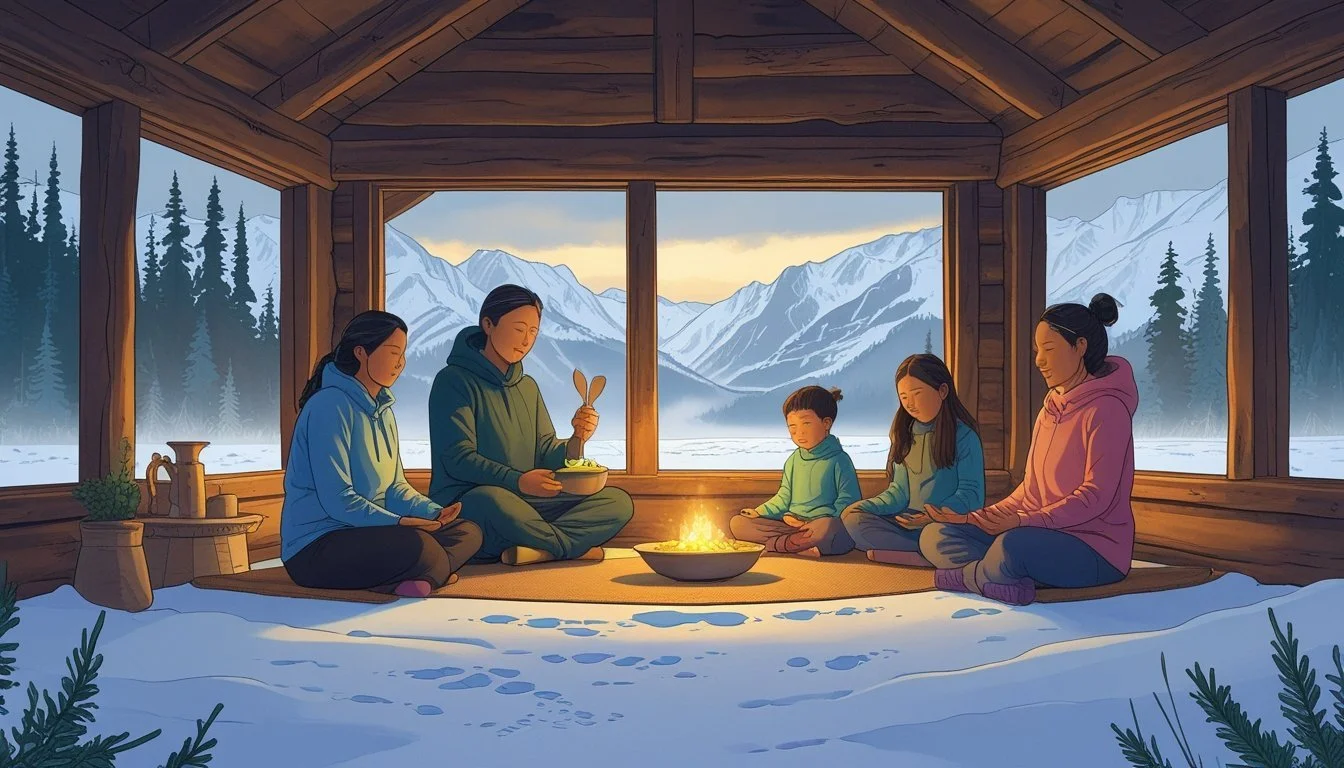
Living in remote Alaskan environments imposes significant health demands. The Brown family from Alaskan Bush People faces unique physical and mental health challenges, including serious illnesses and the need for strong coping skills.
Physical Health Challenges
Isolation in Alaska means limited access to healthcare facilities and medical specialists. Minor injuries and illnesses can quickly become serious due to delayed treatment.
Survival requires hunting, fishing, managing shelter, and enduring harsh weather. These physically demanding activities can benefit fitness but also increase the risk of injury and exhaustion.
Exposure to cold, risk of pneumonia, and managing chronic conditions are constant concerns. For example, respiratory illnesses are harder to treat in remote areas, where supplies and medical attention may be many hours away.
List of common health issues reported by Alaskan Bush People:
Injuries from falls, tools, and wildlife encounters
Respiratory problems, including pneumonia
Nutritional deficiencies due to inconsistent food supply
Mental Health and Coping Strategies
Extended isolation can contribute to stress, anxiety, and feelings of loneliness. Social support networks are much smaller, and daily survival routines can leave little time for relaxation.
The Brown family relies on family bonds, shared responsibilities, and faith to cope with mental challenges. They use traditional practices like group hunting and storytelling to foster a sense of connection and belonging.
Key coping strategies include:
Regular group activities to maintain social ties
Open communication within the family
Engaging in meaningful survival tasks to maintain self-esteem
Maintaining mental well-being often hinges on adapting to the unpredictable environment and finding routine amid uncertainty.
Impact of Cancer and Other Health Issues
Severe illnesses have directly impacted the Brown family’s experience. Ami Brown’s diagnosis of lung cancer was a significant health scare for the family, drawing attention to the limitations of treating advanced cancer in remote settings.
Her treatment required leaving Alaska for specialized medical care. Throughout her illness, the family had to balance her need for treatment with their remote lifestyle, often traveling long distances.
Past health crises have also included tumors, pneumonia, and ongoing health issues among other family members. These experiences highlight the reality of facing serious diseases, such as cancer, with minimal local resources and underscore the emotional and logistical toll involved.
Survival and Daily Life Skills
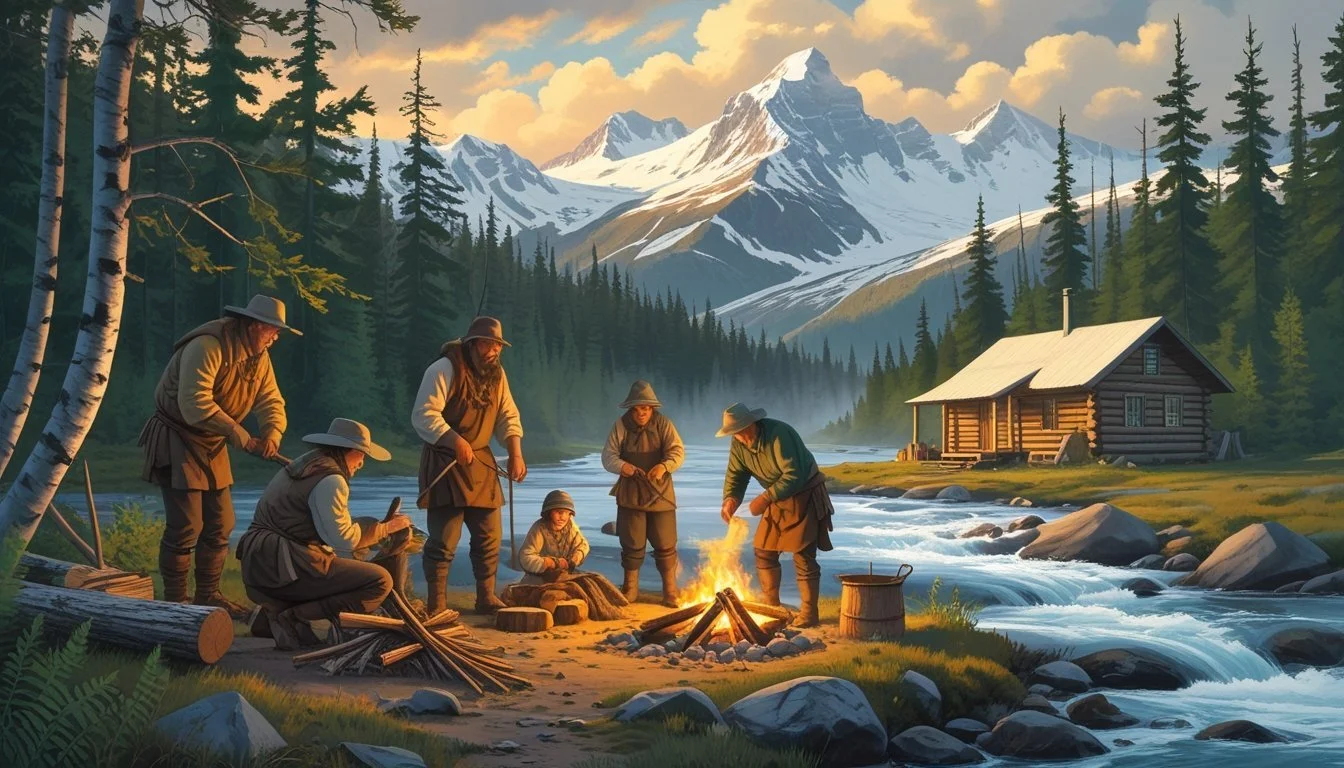
Managing practical realities in the Alaskan wilderness requires a blend of resourcefulness, planning, and adaptation. Basic survival demands extend beyond just shelter or food—they also include resource management and self-sufficiency in every task.
Self-Reliance and Adaptability
The Alaskan Bush People rely heavily on self-reliance to meet daily needs. Isolation from urban resources means they build, maintain, and repair their homes, tools, and equipment without external help.
Essential survival skills include learning to adapt quickly to changing weather, using local materials for shelter, and improvising when supplies run low. Skills like hunting, fishing, and trapping are essential, as is the ability to navigate vast wilderness safely.
They also value adaptability. Sudden storms or equipment failures require rapid problem-solving. Family members often collaborate, drawing on individual strengths to maintain stability and safety.
Food Preservation Techniques
Access to fresh food is limited, so preserving fish, meat, and foraged plants is critical. Families often use a mix of traditional and innovative food preservation methods, depending on available resources.
Common food preservation techniques:
Smoking: Used for fish and meat. Smoking adds flavor and prevents spoilage.
Canning: An effective off-grid solution, especially for berries and vegetables.
Salting and drying: Prolongs shelf life of caught game or harvested foods.
Fermenting: Useful for certain vegetables and extends their usability.
Proper food storage reduces waste and supports survival throughout harsh winters, where resupply trips are not possible.
Resource Management
Resource management is central to sustaining life off-grid. Every tool, piece of fuel, or bit of food must be accounted for and rationed carefully.
Energy sources like firewood and propane are monitored and consumed efficiently. Water is often sourced from streams or rain catchment, meaning conservation methods—like filtering, rationing, and recycling—are routine.
Routine household needs, such as clothing and repairs, depend on upcycling materials. By making the most of limited supplies, the family minimizes dependency and maximizes resilience in their isolated environment.
Legal and Financial Realities

Alaskan Bush People has faced legal and financial challenges that have shaped their public image. Issues like state assistance eligibility and community relationships have at times influenced their reputation and finances.
Legal Troubles and Community Relations
The Brown family has dealt with several legal controversies. In 2016, some members faced charges related to falsely claiming Alaska’s Permanent Fund Dividend while reportedly living outside the state. This resulted in fines, probation, and short jail sentences for a few family members. Legal disputes occasionally strained their relationships with both the government and nearby communities.
Community perceptions of the Browns can be mixed. Some local residents felt their lifestyle and television portrayal encouraged misconceptions about true off-grid living. Others expressed concern about the family's legal history, particularly in relation to public assistance programs. Domestic conflicts, while not frequently publicized, have also occasionally surfaced in media discussions.
Permanent Fund Dividend and Finances
The Alaska Permanent Fund Dividend (PFD) is an annual payment given to qualifying state residents from oil revenue. For the Brown family, eligibility for the PFD was pivotal, but disputes over residency led to the aforementioned legal troubles.
Financially, the Browns earned income not only from the PFD but also from their participation in Alaskan Bush People and related publicity. Their economic approach combines traditional off-grid methods with modern sources of revenue. Reported incomes from the show and side ventures have allowed the family to purchase land and equipment despite their self-sufficiency goals.
Income and financial choices have sometimes led to further scrutiny, especially about whether reality television wealth aligns with their claimed bush lifestyle. Public records and financial disclosures reveal a blend of state-based benefits and entertainment industry earnings.
Personal Growth and Legacy
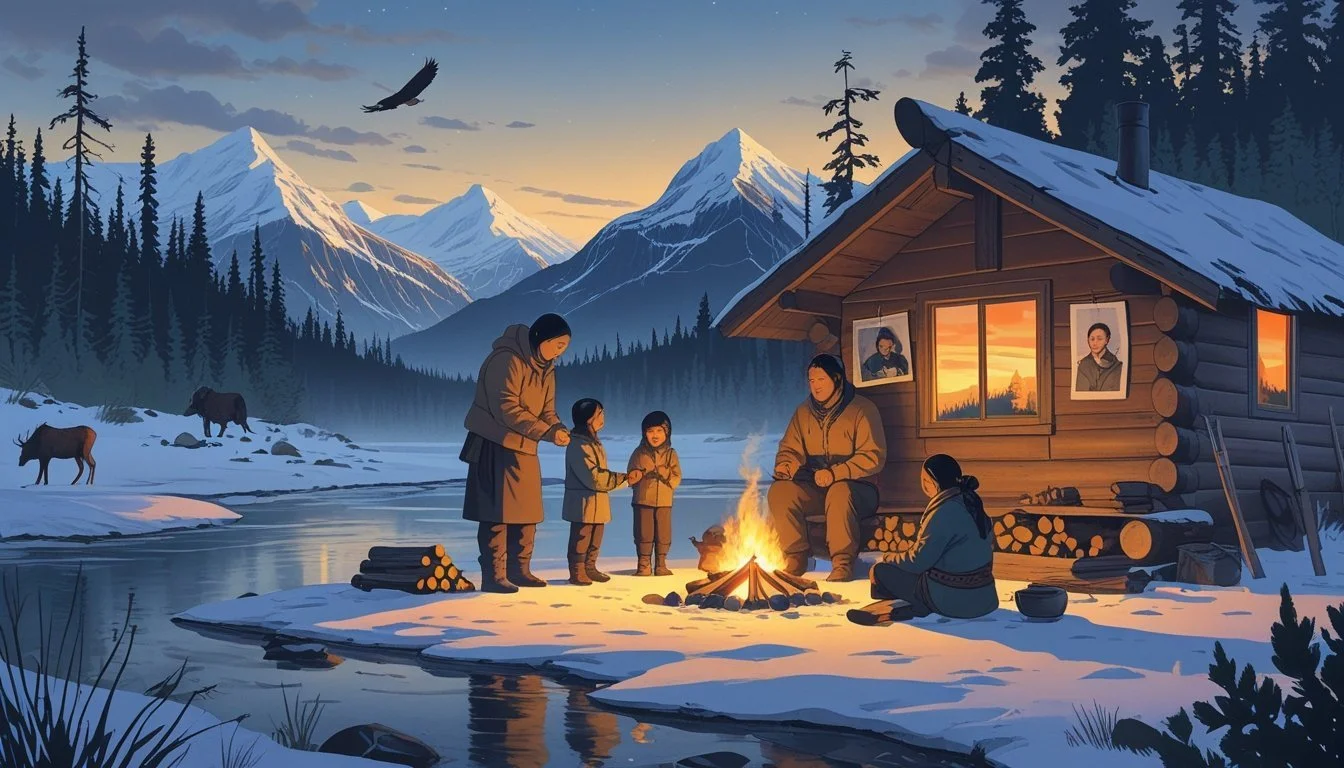
Personal growth within the Brown family emerges through a combination of isolation, resilience, and evolving responsibilities. Each member’s journey shapes not only their individual character but also the legacy and future direction of their unique lifestyle.
Notable Transformations and Challenges
The Brown family has faced numerous hardships, including resource scarcity, health concerns, and unpredictable Alaskan weather. These challenges have compelled each member to adapt and acquire essential skills.
Matt Brown struggled with personal issues and later sought treatment outside the bush, which marked a turning point for his self-growth. Rain Brown has addressed mental health openly, demonstrating a willingness to grow and adapt despite the pressures of public life.
Isolation has required everyone to become self-reliant, leading to significant shifts in responsibility. For example, Bam Bam Brown took on more leadership when Billy was unavailable, and Bear Brown often bridged gaps during family disagreements.
Influence of Individual Family Members
Every family member has contributed to the overall evolution of the group. Noah Brown’s technical skills have improved living conditions through creative inventions, while Gabe Brown has focused on supporting family bonds, particularly during crises.
Snowbird Brown chose to embrace traditional skills, favoring self-sufficiency and the preservation of their lifestyle. Rain Brown provides emotional support, ensuring stability during periods of change.
Summary Table: Individual Impact
Family Member Key Contribution Matt Pursued personal recovery Noah Technical and inventive skills Bear Family mediator Bam Bam Leadership in adversity Gabe Family cohesion Snowbird Traditional skills, self-sufficiency Rain Emotional support
The Brown Family's Ongoing Journey
The family's story continues as new challenges arise, including changing locations and evolving family roles. The necessity to adapt remains strong, especially after the passing of the patriarch, Billy Brown.
Their journey is defined by an ongoing commitment to balance family unity with personal ambitions. Each change brings opportunities for further growth, whether it’s learning from past mistakes or embracing new environments.
Together, the Browns demonstrate that personal growth and legacy are intertwined and ongoing, constantly being shaped by their choices, hardships, and successes in the wilderness.
