
Why the Browns in Alaskan Bush People Still Inspire Imitators and Shape Modern Wilderness Living

The Browns from Alaskan Bush People continue to inspire imitators because their unique story of family, self-reliance, and wilderness living offers a refreshing contrast to modern, technology-driven lifestyles. Their journey of building a life in remote Alaska, facing challenges with limited resources, and working together as a family appeals to viewers seeking authenticity and adventure.
Many people are drawn to the idea of disconnecting from the conveniences of urban society and reconnecting with nature, a theme the Browns embody on screen. The family’s ability to survive and adapt in harsh conditions remains a powerful symbol of determination and resourcefulness.
Ongoing interest in their lives and methods proves that their lifestyle resonates with those curious about forging a different path. This lasting appeal keeps inspiring both fans and new imitators to follow in their footsteps, searching for a similar sense of purpose and independence.
Origins of the Brown Family Legend
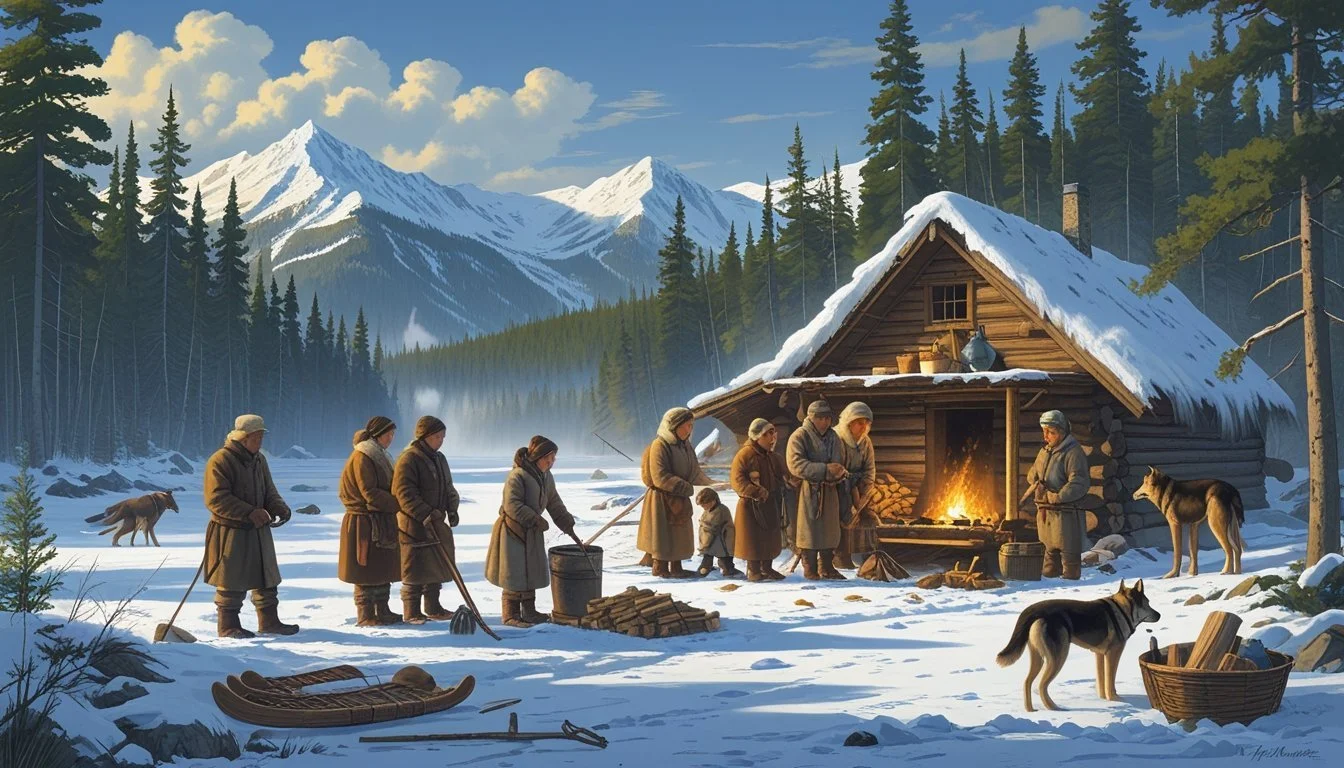
The story of the Brown family began with Billy and Ami Brown’s decision to leave conventional life behind. Their journey through remote Alaska and construction of their homestead were marked by resilience and an embrace of the land’s challenges.
Early Years in Alaska
Billy and Ami Brown moved to Alaska in the early 1980s, seeking a life deeply connected to nature. They settled in isolated parts of the wilderness where daily survival depended on resourcefulness and teamwork. Far from cities or towns, they raised seven children with minimal modern conveniences.
The family faced harsh winters, frequent wildlife encounters, and limited access to supplies. Each season brought new tests, from gathering food to repairing their shelter. Through these years, the Browns learned to rely on each other and adapt to Alaska’s unpredictable environment.
Their commitment to a self-sufficient life laid the foundation for their reputation as determined pioneers. The family developed skills in hunting, fishing, and building essential structures with whatever resources the landscape provided.
Building Browntown
After years of moving through various regions of Alaska, the Browns established a semi-permanent home near Hoonah, called Browntown. This site became central to the show’s narrative and the family’s evolving lifestyle. Browntown was constructed by hand using logs and salvaged materials, reflecting both necessity and ingenuity.
Each member contributed to building cabins, workshops, and storage spaces. The site served as both residence and worksite, with every structure tailored to withstand the tough Alaskan climate.
Browntown became symbolic of the family’s core values: cooperation, resilience, and creativity. It stood as a living example of rural homesteading, inspiring viewers who admired a return to fundamentals. The process of building something lasting—without external help—connected their story to a wider legacy of frontier settlers.
Embracing Rural Alaska
Living in remote Alaska demanded more than just survival skills. The Browns fully embraced the culture, customs, and isolation of rural communities. They hunted deer, fished in nearby streams, and foraged for edible plants, integrating traditional bush expertise into daily life.
Contact with neighboring villages like Hoonah was infrequent, reinforcing the sense of living at the edge of the known world. The family’s self-reliance extended into education, homemade remedies, and crafting essential tools.
Their way of life drew the attention of the Discovery Channel, leading to the launch of Alaskan Bush People in 2014. Exposure on national television introduced viewers to the detailed routines, challenges, and unique identity the Browns forged by embracing Alaska in all its ruggedness.
Family Members and Personal Journeys
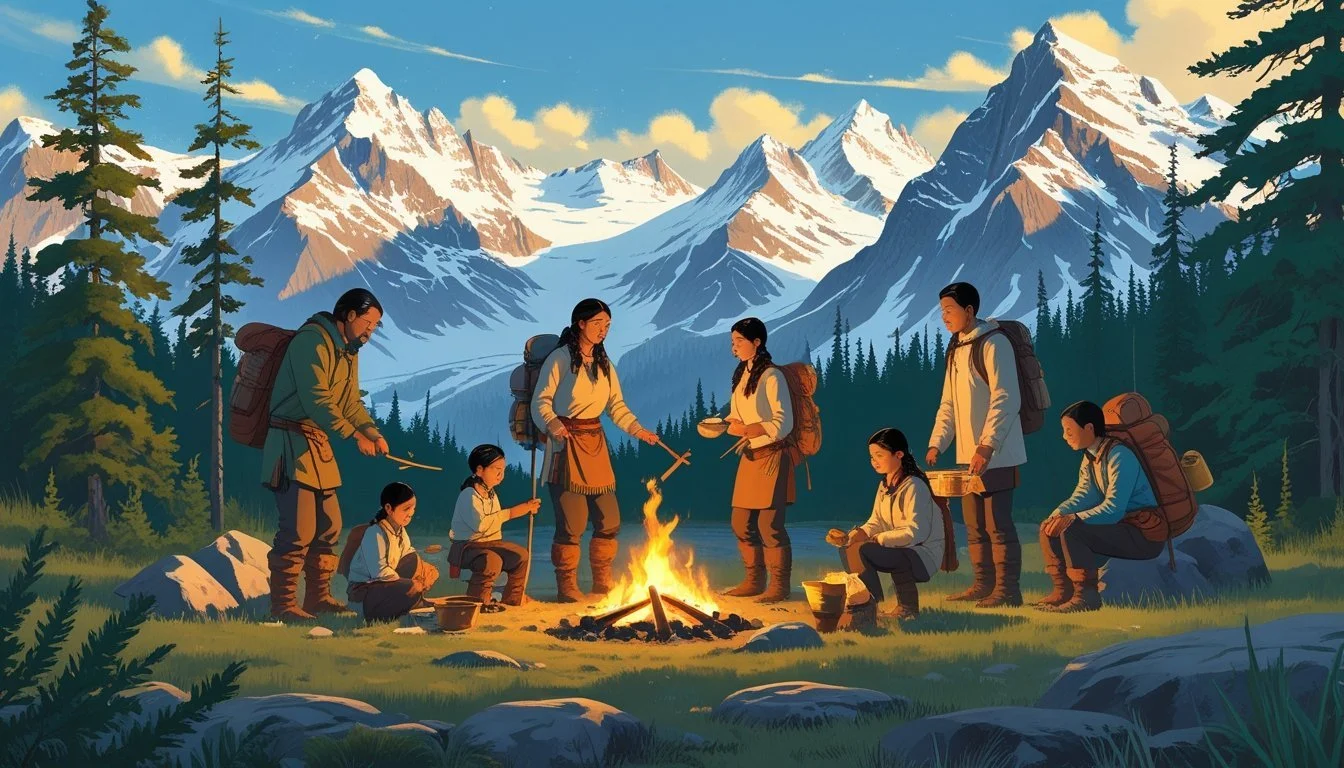
The Browns’ journey began with one man’s vision, but each family member brought a unique perspective and personal challenges. Their struggles, progress, and growth shaped not only their family dynamic but also the public’s fascination with their way of life.
Billy Brown’s Vision and Legacy
Billy Brown was the driving force behind the family’s wilderness lifestyle. He believed in building a self-reliant existence for his wife Ami and their seven children, far removed from the conveniences of modern society. His leadership and conviction set the foundation for everything viewers saw on Alaskan Bush People.
Billy’s ability to keep the family united in isolation inspired many. After his passing, those values of resilience and independence persisted in the family’s daily routines and decision-making. Many fans continue to cite his philosophy of sticking together and overcoming adversity as key reasons they follow and emulate the Browns.
Ami Brown’s Strength Through Adversity
Ami Brown faced significant challenges, including serious health issues. Despite medical obstacles, she remained a steady emotional anchor for her family. Her perseverance, particularly during her battle with cancer, was highlighted on the show and became a focal point for many viewers.
Ami’s soft-spoken manner contrasted with her inner strength. She managed daily life, provided guidance, and often kept spirits high during the most difficult times. Many audience members saw in her resilience, kindness, and steady support something both relatable and inspiring.
Individual Stories: Noah, Matt, Bear, Gabe, Snowbird, Rain
Each of Billy and Ami’s children has distinct stories and personalities:
Noah Brown is noted for his technical and inventive approach to living off-grid.
Matt Brown coped with personal struggles and time away from the family to address addiction.
Bear Brown is energetic, often taking on intense challenges and forging his own family.
Gabe Brown focuses on family life with his wife and children, contributing to the group’s unity.
Snowbird (Bird Brown) is deeply connected to nature and wildlife, often tending to animals.
Rain Brown (often called “Rainy”) shares her personal growth and relationships, connecting with fans through social media.
Every member experienced transition, growth, and hardship, providing a broad look at what it means to live unconventionally as a family.
Challenges and Triumphs in the Wild
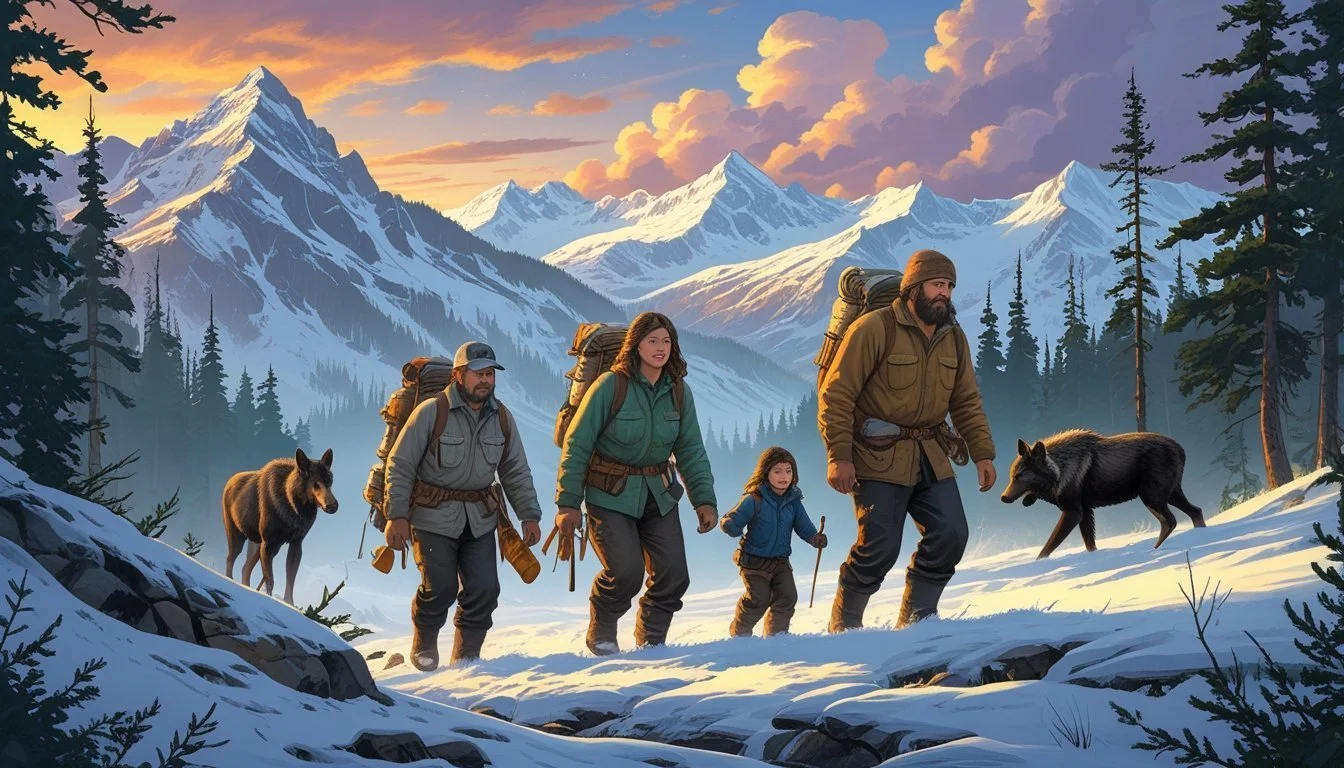
The Brown family's journey in Alaskan Bush People highlights their ongoing struggles and notable achievements facing the realities of remote wilderness life. Each challenge—from survival and unpredictable weather to health setbacks—demonstrates their ability to persist off the grid.
Survival Off the Grid
Living off the grid in the Alaskan and North Cascade wilderness required the Browns to depend on their skills and resourcefulness. Their days revolved around building shelter, sourcing food, and ensuring clean water was available. They constructed their homesteads from scratch using locally sourced timber, demonstrating traditional building techniques.
Basic necessities became daily achievements: collecting firewood, fishing, and hunting were not occasional tasks but central to their routine. The lack of modern conveniences meant every comfort had to be earned. The Browns also faced long stretches of physical isolation, relying heavily on one another for both emotional and practical support.
Self-sufficiency was crucial. They maintained livestock, grew small gardens, and developed systems for preserving food through the harsh months. This kind of resilience continues to attract viewers who are interested in sustainable, off-grid living.
Wildlife and the North Cascade Mountains
The Browns’ homestead in the North Cascade Mountains subjected the family to frequent encounters with wildlife. Bears, moose, and other large animals posed persistent safety threats. They took measures to protect themselves, such as securing food stores and building barriers around their property.
Living in such proximity to wildlife tested their wilderness preparedness. Family members had to know how to track animals, read the land for signs of danger, and avoid attracting predators near their home. Emphasis on wildlife awareness became a fundamental teaching for the family.
The rugged landscape brought both challenge and opportunity. They learned to navigate rocky slopes, dense forests, and swift rivers, using local knowledge to hunt and gather. These skills remain a key inspiration for viewers seeking to connect more authentically to the wild.
Weathering Health Issues
Extreme weather and limited access to medical treatment brought significant health risks. Alaska’s winters and mountain storms could be life-threatening, especially with limited shelter or heating. Exposure was a constant concern, requiring the Browns to be prepared with layered clothing and emergency supplies.
Health challenges went beyond the everyday cuts and scrapes. Billy Brown’s heart issues led to high-stress moments for the family, while others faced injuries or illnesses typical of remote living. Emergency evacuations for medical treatment were sometimes necessary, highlighting their vulnerability.
Despite these setbacks, the Browns adapted to manage chronic health problems and recover from accidents. Their experiences underscore the vital importance of preparedness and community support when medical facilities are far away.
Resourcefulness and Adaptation
Adaptation and resourcefulness defined the Browns’ approach to every obstacle. When traditional supplies or equipment were unavailable, the family repurposed abandoned materials or crafted tools by hand. Using old vehicles for parts, creating makeshift fishing gear, and patching clothing were part of the daily routine.
They adjusted their property layout and shelter designs as new challenges emerged, whether from shifting weather patterns or wildlife activity. Each innovation tightened their connection to the land.
A key lesson from their experience was learning when to persist and when to adapt strategies. This practical wisdom, gained through trial and error, demonstrated that success in the wilderness hinges not on perfection but on creative problem solving and resilience.
Major Life Events and Family Milestones
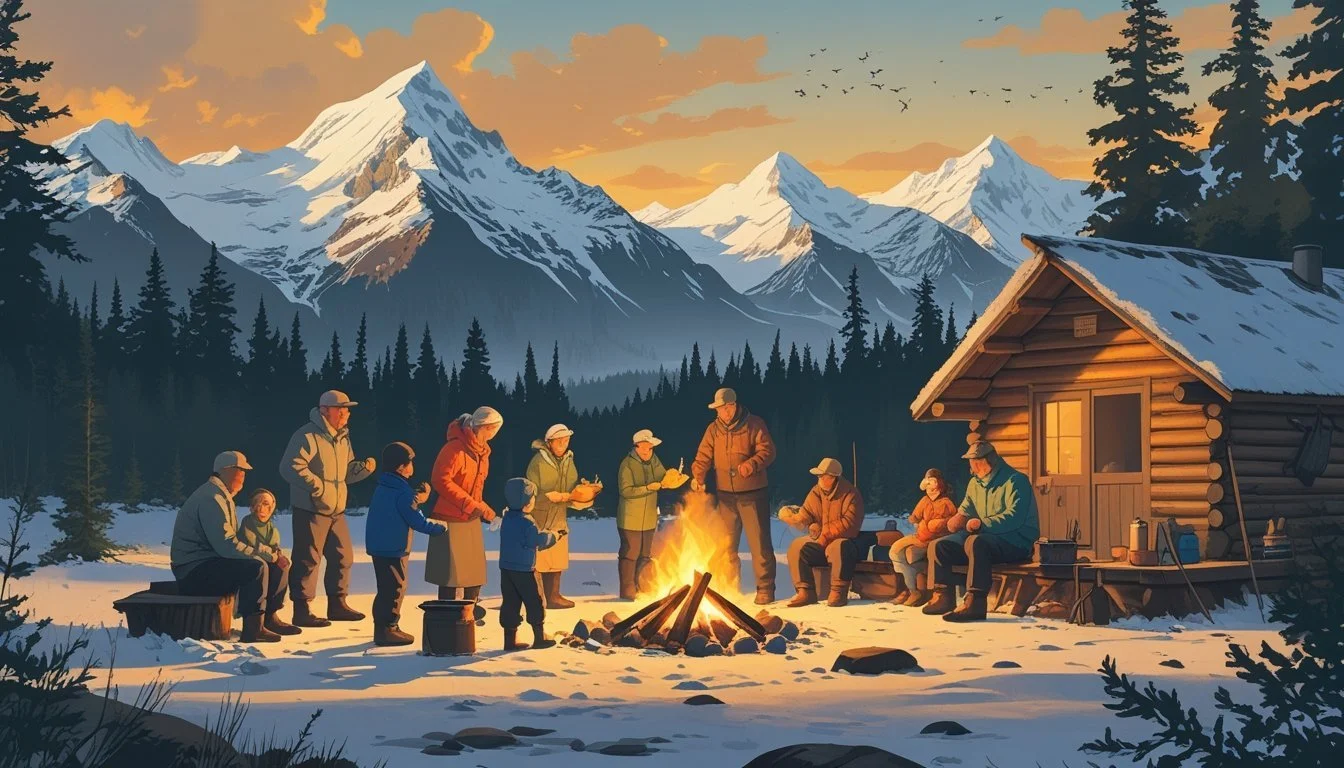
Throughout their years in the spotlight, the Browns have encountered significant personal changes, shifting locations, and redefining what family means to them. From new marriages to major health battles, their journey reflects shift, resilience, and adaptation.
Marriage and New Beginnings
Marriage has played a central role in the ongoing evolution of the Brown family. Several siblings have gotten married and started families of their own.
Noah Brown married Rhain Alisha and welcomed their first child, Elijah. Gabe Brown married Raquell Rose, marking another new chapter for the family. Rain Brown, known as "Rainy," has spoken on social media about her relationship with Josiah Lorton, her boyfriend. These weddings and births have brought new dynamics and joy to the Browns while also helping the family grow beyond its original core members.
Major life transitions like these have positioned the Browns as a family constantly moving forward, despite hardships and unique circumstances.
Relocations and Leaving Alaska
The Browns became famous for living deep in the remote wilds of Alaska. However, the family eventually left Alaska, prompted in part by health concerns, including Ami Brown's diagnosis and treatment for lung cancer.
After leaving Alaska, the family relocated to Los Angeles, California, where Ami received medical care. Their stay in California marked a significant adjustment from their previous lifestyle, with new challenges and opportunities.
Soon after, the Browns settled in the rural hills of Washington state. They established their new homestead near the Cascade mountains, trading Alaskan wilderness for rugged Washington terrain. This move allowed them to maintain a sense of isolation while still being closer to modern resources.
The Split: Life in California and Washington
The move from Alaska caused a physical and emotional split between past and present. While some family members adapted to city life in California, the majority embraced the more isolated lifestyle in Washington.
Adjusting to Washington state required navigating new roads—both literal and metaphorical. The family rebuilt their cabins and daily routines. Ami’s health journey was managed across both states, splitting family time between treatments in Los Angeles and time at their Washington homestead.
Their story after leaving Alaska now includes the experience of living in two dramatically different places—each shaping how they interact and move forward as a family. This adaptability stands as a key element in their story, inspiring many who watch their ongoing journey.
Health Battles and Medical Journeys
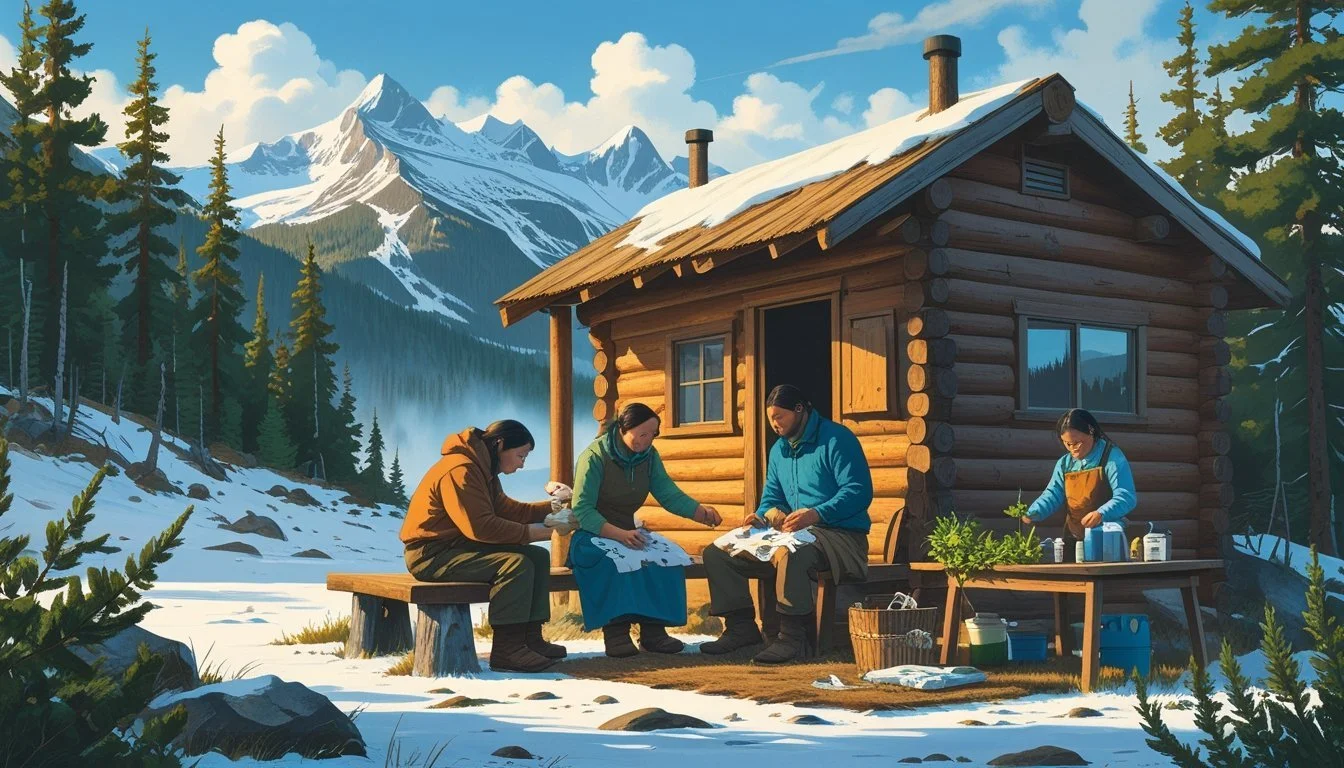
The Browns have faced high-profile health challenges that dramatically shaped their lives and stories. Personal battles with serious illnesses, particularly cancer, have influenced their choices and highlighted the difficulties of seeking proper care in remote locations.
Ami Brown’s Cancer Diagnosis
Ami Brown’s cancer diagnosis changed the Brown family’s reality overnight. In 2017, doctors informed her she had advanced lung cancer, specifically stage 3B. This news was made public and deeply concerned fans of Alaskan Bush People, as Ami was the matriarch and emotional center of the group.
Family members quickly rallied around her, with the show documenting their emotional responses and support. The cancer diagnosis forced them to leave Alaska and seek specialized care elsewhere. The experience highlighted the unpredictability of life off-grid and the importance of medical vigilance.
Dealing With Lung Cancer
Lung cancer presented not just a physical threat, but also major emotional and logistical obstacles. Treatments like chemotherapy and radiation were necessary, and Ami’s prognosis was uncertain at the start. The family had to adapt daily routines around doctor appointments, treatments, and ongoing health concerns.
Ami experienced significant physical changes during her treatment, including weight loss and fatigue. Each update about her health was documented by the family and sparked conversations online among viewers. The Browns openly discussed the impact of cancer on their family life and daily challenges.
Access to Hospitals and Medical Treatments
Living in rural Alaska limited access to advanced health care and hospitals. After Ami’s diagnosis, the Browns decided to relocate to California in order to get prompt, specialized medical treatment. This meant leaving the wilderness behind and learning to navigate an urban medical environment.
Key differences between Alaska and California:
Factor Alaska (Bush) California (Urban) Hospital Access Limited, remote Numerous, specialized Medical Technology Basic, sparse Advanced, cutting-edge Travel Time Hours or days Minutes or less
The Browns’ transition to hospital-based treatments highlighted important issues facing people in remote communities who need specialized care. Their experience showed the tough decisions families make when dealing with serious health conditions.
Struggles, Resilience, and Personal Growth
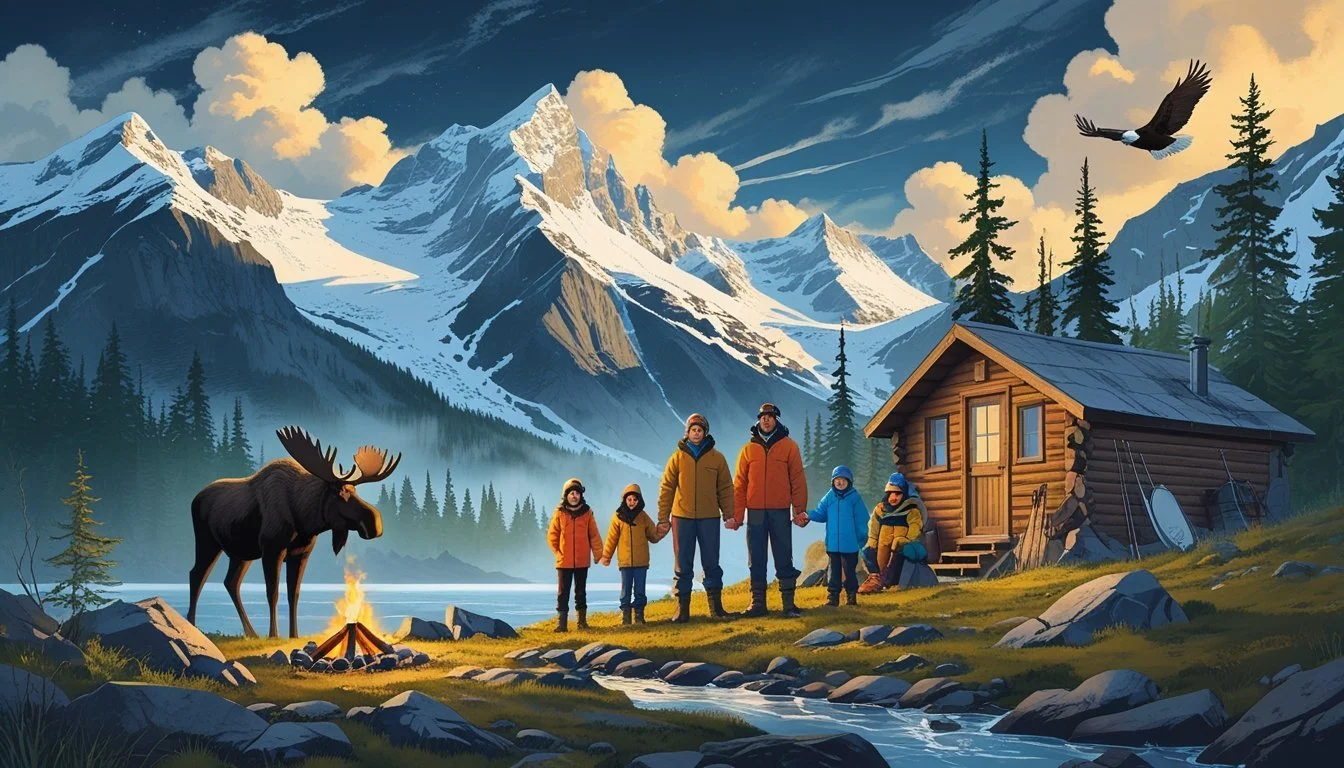
Adversity has shaped the Browns’ journey on Alaskan Bush People both on and off screen. Their resilience in the face of legal, personal, and public challenges has become a focal point for those who follow their story.
Family Drama and Legal Troubles
The Brown family’s life has been marked by frequent internal conflicts, especially as differing personalities clash under the pressures of isolation and survival. Disagreements over lifestyle choices and family responsibilities have regularly made headlines.
Legal trouble has also been a recurring issue. Notably, Billy and several family members were charged with falsifying residency information in order to receive Alaskan state funds. This led to court appearances and probation, adding public scrutiny and further stress.
Financial difficulties, lawsuits, and family rifts have further complicated their story. These elements serve as reminders of how off-grid living often brings additional hurdles that test both bond and integrity within the group.
Substance Abuse, Rehab, and Recovery
Personal struggles with substance abuse have deeply impacted members of the Brown family. Matt Brown, the eldest son, faced a very public battle with alcohol addiction. His journey involved multiple rehabilitation stays, drawing support as well as criticism from fans and observers.
Throughout his recovery, Matt has spoken openly about the difficulties of maintaining sobriety, especially while living in the spotlight. The family’s support was not always consistent, but Matt has emphasized the importance of personal accountability and self-care in his healing process.
These experiences highlight the complicated relationship between addiction, recovery, and family dynamics. The vulnerability shown by Matt, along with the family’s shifting involvement, offers insight into the broader challenges of overcoming substance abuse.
Navigating Public Life and Personal Challenges
Life in the public eye has added profound challenges to the Browns’ journey. With their lives broadcast to millions, every setback—from Ami Brown’s lung cancer diagnosis to Billy Brown’s death—was subject to public discussion and judgment.
Family members, including Rain Brown, have discussed the pressures of social media and the need to set boundaries for their mental health. Rain’s decision to deactivate her Instagram account in 2024 and her public reflections on relationships highlight the toll of constant attention and speculation.
Adapting to fame while addressing private struggles with grief, illness, and growing up under scrutiny has tested their ability to maintain personal growth. The Browns illustrate how navigating celebrity can complicate efforts toward authenticity and self-improvement.
Media Impact and Cultural Influence
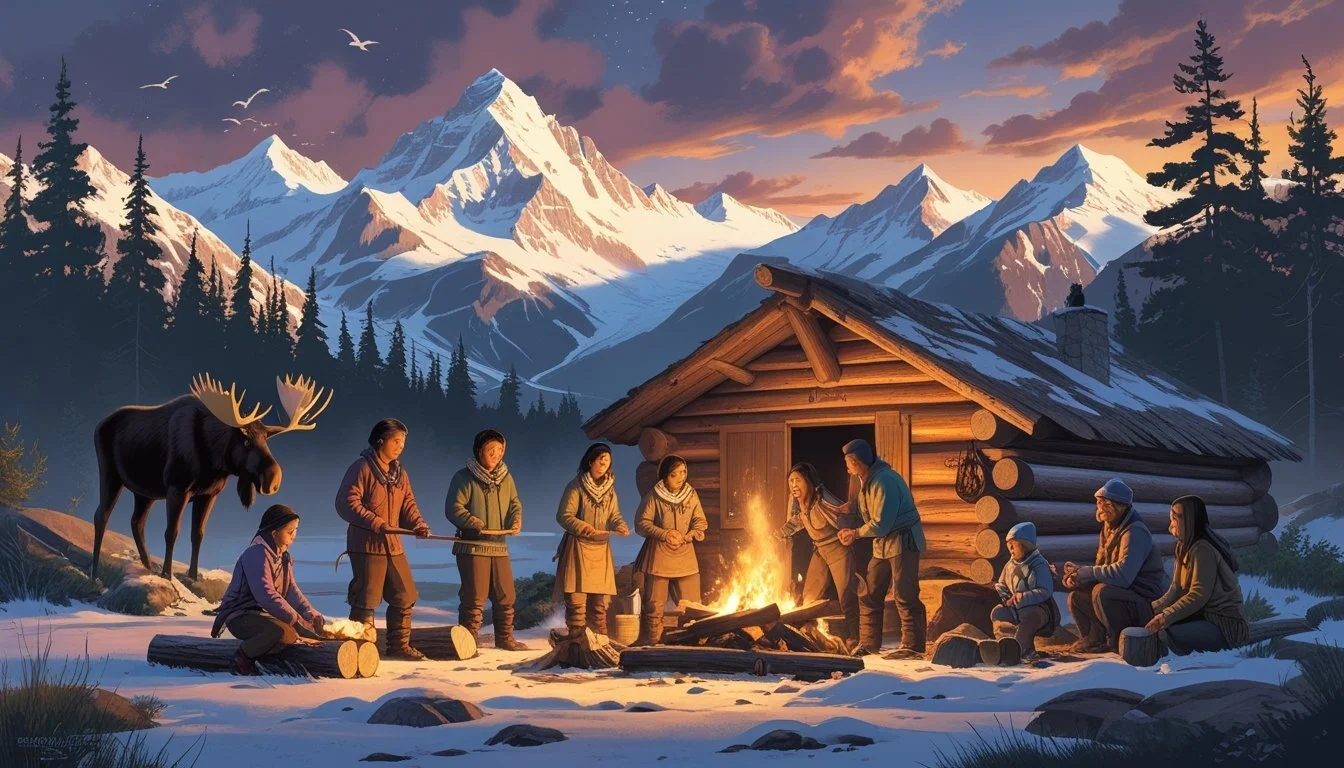
Alaskan Bush People has shaped how audiences perceive reality television by blending survivalism with family narratives. Its influence can be seen in how other shows and online personalities model similar themes, especially in the pursuit of authenticity.
Reality TV Phenomenon
The Browns’ story on Discovery Channel contributed to the ongoing popularity of wilderness-based reality TV. By focusing on a family navigating life in remote Alaska, the show tapped into viewers’ fascination with self-reliance, survival, and unconventional lifestyles.
This series joined a wave of reality shows set in harsh conditions, such as Man vs. Wild and Naked and Afraid. However, what made Alaskan Bush People stand out was its emphasis on family dynamics and personal challenges, not just survival tactics. Many later shows borrowed from its formula, combining rugged environments with human interest stories.
Viewers often compare the Browns' experiences to those in scripted dramas, but the unscripted format made it easy for imitators to follow. The program’s longevity demonstrates its broad impact on reality TV production and audience expectations.
YouTube and Social Media Engagement
The Browns, especially the younger family members, expanded their reach through platforms like YouTube and Instagram. By sharing behind-the-scenes content and regular updates, they maintained engagement even outside of TV broadcasts.
Examples of online engagement:
YouTube channel vlogs about daily life and bushcraft
Instagram posts featuring candid family moments
Q&A sessions with fans
Social media has allowed the family to directly address rumors and connect with a broader audience. This digital presence has inspired other creators to launch similar channels, focusing on authentic, off-grid living and transparent storytelling.
Their adaptability set a trend among both aspiring reality TV stars and content creators. These imitators often mimic the Browns’ communication style and content, hoping to replicate their engagement and popularity.
Public Perception and Criticism
Public reception of Alaskan Bush People has been mixed. While fans appreciate the Browns’ portrayal of family unity and resilience, critics have questioned the authenticity of their lifestyle and storylines.
Allegations of staged scenes and selective editing have circulated, leading to statements from family members—such as Bear Brown’s public defense that the show was not faked. These discussions have fueled debates about what constitutes genuine reality television.
Despite skepticism, the Browns maintain a loyal fanbase. The ongoing discussions around their authenticity, both positive and negative, extend the family’s influence and provide a blueprint for imitators navigating the reality TV landscape.
Why the Browns Still Inspire Imitators
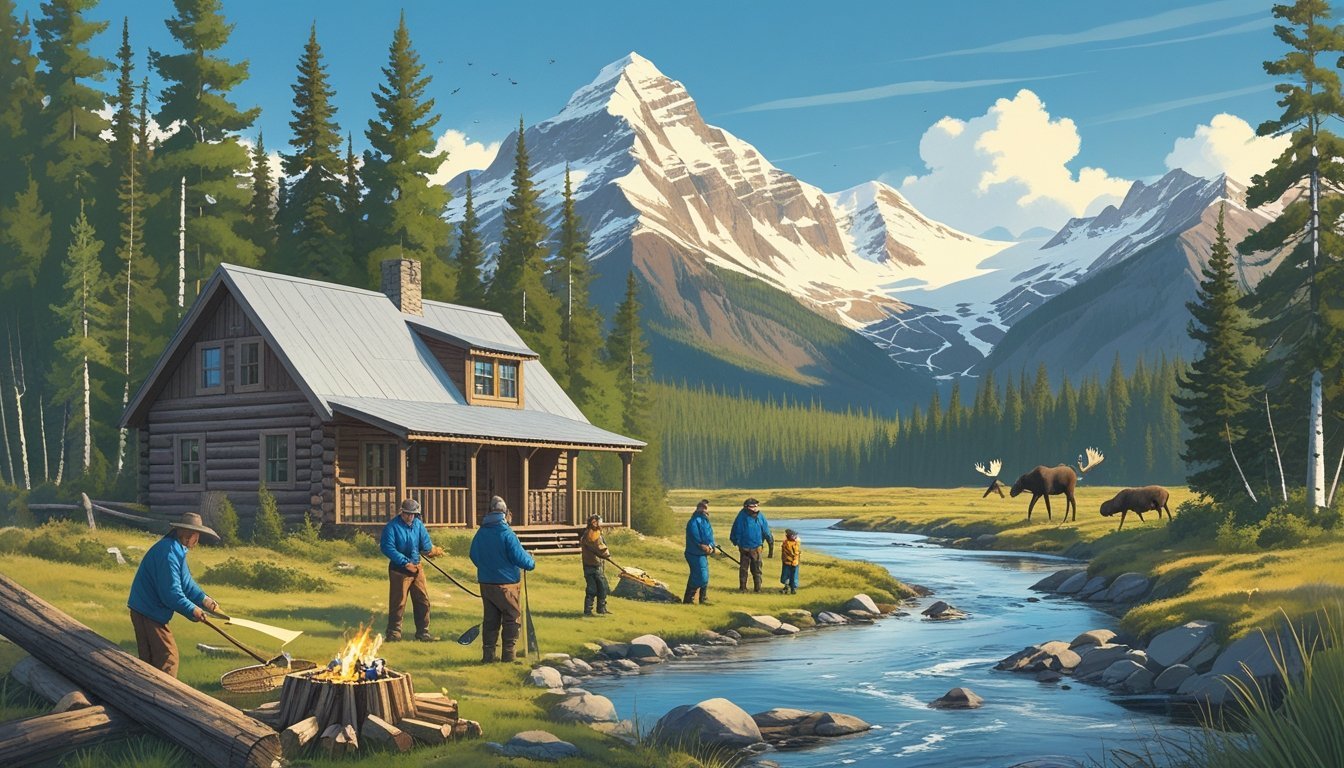
The Browns, known widely from Alaskan Bush People, have become a reference point for those interested in self-reliance and unconventional family life. Their journey, marked by resilience and adaptability, continues to shape public perceptions of living off the grid and surviving in remote wilderness.
Authenticity in Wilderness Living
The Browns’ commitment to surviving in harsh environments, most notably the Alaskan wilderness and later rugged areas of Washington, appeals to viewers who fantasize about life on the edge of society. They constructed essential structures near rivers and sourced much of their food directly from the land and water.
Their efforts, while sometimes debated, showcase genuine skills in fishing, hunting, and shelter building. The family’s willingness to take on daily risks without modern conveniences remains compelling to many who seek a lifestyle built on self-sufficiency, even if some methods were adapted for television. Their “wolf pack” mentality further reinforced their image as true wilderness survivors.
Family Unity Amid Hardship
Central to the Browns’ appeal is the way they consistently prioritize family unity. Despite frequent adversity—ranging from unpredictable weather to health crises like Ami’s illness—the family repeatedly demonstrates strong emotional bonds.
Their collaborative activities, such as group hunting and complex building projects, highlight a form of teamwork uncommon in many modern families. The Browns rely on each member’s unique skills, which inspires imitation from viewers who strive for deeper familial connections and support networks. The death of patriarch Billy Brown and the family’s adaptation has not diminished their close-knit dynamic.
Motivating the Off-the-Grid Movement
The Browns continue to motivate those looking to reject modern comforts in favor of a self-sufficient lifestyle. Many see their choices to live “off the grid” as a blueprint for gaining independence from urban pressures and consumer culture.
Their resourcefulness—such as using the land and river for food, or developing creative solutions for daily living—has sparked interest in off-grid communities. Lists of common supplies and tricks shown on the show have been adopted by viewers. This practical influence can be seen in the rise of social media groups, blogs, and YouTube channels dedicated to emulating the Browns’ survival tactics.
