
How Alaskan Bush People Handles Sibling Rivalries With Honesty
Real-Life Family Conflict Resolution
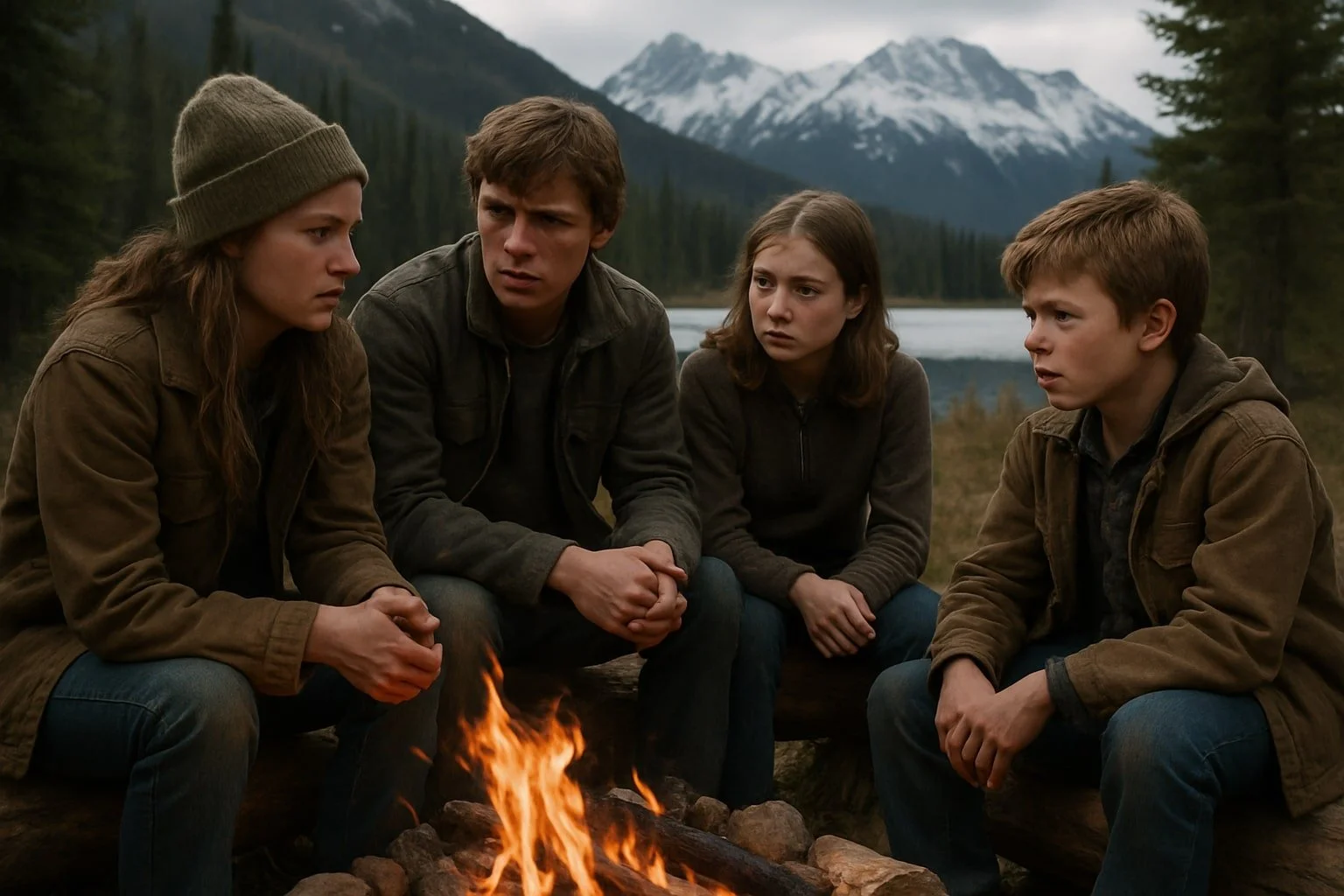
Alaskan Bush People, the long-running Discovery Channel reality TV series, stands out for the honest way the Brown family deals with sibling rivalries in the harsh Alaskan wilderness. Instead of ignoring conflict or dramatizing it for the cameras, the show frequently depicts family members facing their problems with open communication and active problem-solving. Viewers see real moments where older Browns guide their younger siblings toward peaceful solutions, showing that cooperation is not just ideal but necessary for survival.
Honest conversations and direct resolutions are key themes as the Brown siblings navigate the pressure of living off the grid. The environment highlights the importance of unity, but also exposes underlying tensions, from minor disagreements to more serious rifts and even estrangement at times. By not shying away from these moments, Alaskan Bush People gives audiences a glimpse into genuine relationship struggles rarely seen on reality TV.
This approach offers viewers an authentic look at how family dynamics can be both challenging and rewarding, especially in extreme circumstances. It sets the show apart from many reality TV programs that focus heavily on artificial drama or scripted confrontations.
Understanding the Brown Family Dynamic
The Brown family's unique relationships play a central role in how they address disagreements and rivalry. Their off-grid lifestyle in the Alaskan wilderness both shapes and challenges these connections daily.
Major Siblings: Matt, Bam Bam, Bear, Gabe, Noah, Snowbird, Rain
The Brown children—Matt, Bam Bam, Bear, Gabe, Noah, Snowbird, and Rain—each contribute distinct personalities and strengths to the family dynamic.
Matt Brown often served as a peacemaker, though his struggles occasionally created conflict.
Bam Bam Brown is recognized for his independence and logic, sometimes clashing with siblings who want different approaches.
Bear Brown brings high energy and can be impulsive, leading to intense but usually short-lived disagreements.
Gabe Brown often mediates, showing patience and humor to diffuse tension.
Noah Brown is inventive, sometimes misunderstood due to his ideas or methods.
Snowbird Brown and Rain Brown both value honesty and loyalty, making them more likely to express feelings openly.
Despite rivalries and clashes, honesty has been a consistent method for resolution, encouraging the siblings to address issues directly rather than let them fester.
Billy and Ami Brown’s Parenting Approach
Billy and Ami Brown emphasized self-reliance, truthfulness, and family loyalty while raising their children in the Alaskan wilderness.
They encouraged sibling relationships rooted in open communication and personal responsibility. Whenever conflicts arose, Billy and Ami often facilitated discussions, urging each child to speak honestly about their grievances.
Table: Key Elements of Billy and Ami’s Parenting
Principle Description Honesty Expected in every interaction Self-Reliance Children taught to solve problems themselves Open Dialogue Conflicts faced through conversation Mutual Support Emphasis on helping and protecting siblings
Living off-grid brought the family closer, relying on teamwork to handle daily survival and personal disputes alike. The parents’ approach set a foundation that encouraged the children to resolve rivalries with openness and respect.
Root Causes of Sibling Rivalry in the Alaskan Bush
Rivalries among siblings in the Alaskan Bush are influenced by the unique pressures of wilderness life, where survival and cooperation go hand in hand. Living off the grid brings out family dynamics that are often shaped by adversity, practical needs, and the demand for resourcefulness.
Challenges of Off-Grid Living
Off-grid living in Alaska, like what the Brown family faces in Browntown, requires each person to contribute to basic survival tasks.
There's constant exposure to harsh weather, isolation from broader society, and limited access to outside support. Under these circumstances, small mistakes or misunderstandings can quickly escalate into conflicts.
The need for strong survival skills adds stress to daily routines. Tasks such as building shelters or gathering food demand teamwork, but also create room for disagreements if someone falls short or wants to prove their abilities.
Resource Scarcity and Competition
The Alaskan wilderness often means working with fewer resources, making competition unavoidable.
Food, fuel, and materials for building or repairs are not always abundant. When family members feel they must compete for these essentials, tensions can rise and spark rivalry.
Resource distribution often depends on cooperation and clear agreements. If siblings disagree on what’s fair, it can lead to frustration and further conflict. This scarcity tests not only their practical skills but also their honesty and willingness to share.
Balancing Individuality and Family Roles
Every member of the family has a unique personality and set of skills, but in a survival context, balancing individuality with family obligations is challenging.
Older siblings are often expected to lead, while younger ones may want more independence. This division of roles can cause friction, especially if individuals feel their strengths are overlooked or their voices are not heard.
Family identity and teamwork remain vital in the bush, yet finding ways for each person to contribute meaningfully is key. When someone struggles to fit into a role or seeks more recognition, honest conversations are needed to maintain respect and unity.
Honesty as a Tool for Conflict Resolution
Honesty serves as a practical foundation for resolving disagreements among siblings in the Brown family. Their approach highlights the importance of speaking openly, acknowledging personal weaknesses, and encouraging guidance from elders to maintain trust and unity.
Direct Communication Among the Siblings
The Brown siblings emphasize clear and straightforward conversations to address disagreements. Instead of letting grudges build, they speak up about their feelings and concerns as soon as issues arise. This approach helps prevent misunderstandings and ensures that everyone has a chance to share their perspective.
For example, during conflicts over resources or personal boundaries, each sibling is encouraged to state their needs honestly without blame. This style of communication limits the chances for misinterpretation and allows for quick resolution.
They often avoid gossip or side discussions that could escalate tension. By keeping their discussions direct, the Browns build resilience and a sense of shared responsibility for their living environment.
Transparency and Vulnerability
Showing vulnerability is an important part of the family’s conflict resolution strategy. Siblings are taught to admit when they are upset or feel wronged, making space for honest emotional exchanges. This open admission is not seen as weakness but as a step toward mutual understanding.
Transparency about motivations and feelings also reduces secrecy, which can foster mistrust. The Brown family values authenticity in their interactions; being truthful, even about uncomfortable topics, helps them resolve disputes without lingering doubts.
By expressing both strengths and shortcomings, they model a level of emotional openness that supports stronger relationships. This transparency allows individuals to adjust their behavior and avoid repeating the same issues.
The Role of Parental Guidance
Parents in the Brown family, particularly the older and more experienced members, play an active role in guiding sibling interactions. They encourage children to face disagreements directly, often mediating early discussions to teach productive dialogue and honesty.
The parents set clear examples by openly discussing their own conflicts and resolutions. They reinforce the value of honesty as a means to maintain trust and unity, rather than as a source of criticism or shame.
In situations where tensions rise, parental input helps keep conversations respectful and focused on problem-solving. This mentorship not only resolves individual disputes but also promotes long-term resilience and communication skills across the family.
Notable Rivalries and Resolutions

The Brown family’s experience with reality television has made sibling tensions more visible and often more challenging. Honest conversations, individual choices, and steps toward reconciliation have shaped how they manage and resolve their most publicized conflicts.
Matt Brown’s Departure and Family Tensions
Matt Brown, the eldest sibling, left "Alaskan Bush People" after public struggles with addiction and allegations of family conflict. His departure was preceded by increasing tension, especially involving his parents and disagreements about his place in the family.
The Browns addressed Matt’s issues openly, both on-air and off, though not without discomfort. They confirmed his substance abuse problems and aired difficult conversations about trust, responsibility, and support. For viewers, this transparency was a rare look at how reality television can force families to confront personal issues in the public eye.
His exit led to a rift, but later statements from both Matt and some family members suggested efforts toward reconciliation, underscoring the importance they place on honesty, even when the outcome is uncertain.
Noah Brown’s Independence and Family Response
Noah Brown’s decision to chart an independent path, especially moving out and building a life with his wife and children, occasionally created tension among siblings. Unlike others who stayed on the family homestead, Noah’s actions highlighted the challenge of balancing personal goals with the family’s collective identity depicted on television.
The family responded with mixed reactions. Some siblings expressed support, while others worried about changing group dynamics. Honest discussions were shown on the series, where Noah laid out his reasons and desires for autonomy. This gave viewers insight into the family’s approach: acknowledging individuality while reaffirming their connections.
Noah’s independence ultimately led to a new understanding among the siblings, reflecting a willingness to accept differences—so long as they communicate openly and honestly with each other.
Bear Brown’s Conflicts With Siblings
Bear Brown, known for his energetic and direct personality, often clashed with his brothers over daily tasks, survival strategies, and family decisions. These conflicts tended to flare during high-stress periods, such as building projects or when resources were tight.
Bear’s approach was to address disagreements immediately, sometimes resulting in heated exchanges but also fostering quick resolutions. He and his siblings have shown that candid confrontation, followed by a willingness to listen, helps limit resentment.
Their dynamic demonstrates how the Browns use straightforward communication and mutual respect, even when tempers run high. By airing these disputes, the family emphasizes that rivalry is handled best through honest dialogue rather than avoidance.
The Role of Addiction, Health, and Legal Issues in Sibling Relationships

Serious challenges such as substance abuse, major health crises, and legal scandals have shaped the sibling dynamics on Alaskan Bush People. These issues have affected trust, loyalty, and personal boundaries among the Brown siblings.
Substance Abuse and Rehabilitation
Addiction has played a significant role in the family’s history. Matt Brown, the eldest sibling, publicly struggled with alcohol and substance abuse, leading to repeated stints in rehab. His journey caused tension and concern among his brothers and sisters, altering family routines and communication.
The impact of addiction extended beyond Matt himself. Siblings expressed feelings of helplessness, frustration, and even resentment. They often had to balance supporting him with protecting their own mental health. Open conversations, boundaries, and outside support became essential.
This situation highlighted how substance abuse does not isolate itself to one person. Instead, it weaves into the everyday interactions between siblings, creating cycles of trust, disappointment, and recovery. Family members took different roles: some advocated for Matt’s sobriety, while others needed distance for self-care.
Health Struggles: Cancer and Pneumonia
The Brown family has faced serious health struggles that deeply affected sibling relationships. Most notably, Ami Brown’s lung cancer diagnosis led to a major relocation from Alaska to California for her treatment. This event forced siblings to cooperate, adapt, and provide mutual support under extreme stress.
Underlying health issues did not end there. Several family members—especially Billy Brown—also battled pneumonia, which raised anxiety and forced rapid changes in family plans. The pressure of dealing with life-threatening illnesses required siblings to set aside rivalries for periods of teamwork and caregiving.
The stress of illness often made personal disputes seem less important, but it also brought emotional strain and occasional clashes over decisions. In these moments, siblings had to balance caregiving with their own emotional and physical well-being.
Legal Troubles and Scandals
Legal issues have punctuated the Browns’ history on and off camera. Billy and Bam Bam Brown, for example, served time in jail for unsworn falsification related to Alaska’s Permanent Fund Dividend applications. These incidents drew public attention and led to significant family embarrassment.
Other legal issues also surfaced, including rumors and allegations involving domestic violence and sexual assault, though not every claim led to charges or convictions. Such controversies heightened tension and distrust among siblings.
Dealing with legal troubles demanded transparency and difficult conversations. Family members had to decide whether to stand by one another, distance themselves, or address their disagreements openly. In each case, the legal problems tested sibling bonds and forced everyone to confront uncomfortable truths.
Impact of Fame: Social Media and Public Perception

As the Brown family’s audience has grown, so has their exposure on various social media platforms. Increased fame puts their private disagreements and sibling dynamics under constant observation, shaping public views and fueling ongoing discussions about their authenticity and relationships.
Instagram and Tiktok Disputes
Instagram and TikTok are frequent sites for sibling interactions and disagreements within the Brown family. Posts and comments can quickly become public, leading to visible tensions over differences of opinion or lifestyle choices.
Fans often notice subtle jabs or unfollowing between brothers and sisters. For example, when Rain Brown or Bam Brown respond to criticism or share personal thoughts, it sometimes reveals strained relationships.
Short-form videos on TikTok capture both lighthearted and contentious moments. The immediacy of these platforms can magnify minor disputes, turning private disagreements into trending topics.
Table: Examples of Social Media Disputes
Platform Common Issue Public Reaction Instagram Unfollowing, comments Speculation, increased discussion TikTok Video challenges, shade Viral sharing, media coverage
YouTube Channels and Online Authenticity
Some Brown siblings maintain YouTube channels to share daily life updates, survival tips, or answer questions from viewers. These channels offer a more extended look at their personalities away from the edited TV narrative.
Honesty on YouTube can either strengthen or challenge the family’s public image. Candid storytelling on video lets viewers see nuances behind headline disputes, clarifying or sometimes escalating perceived rivalries.
YouTube’s comment sections also open direct channels of feedback. This pushes the siblings to address rumors, explain disagreements, or demonstrate unity, all under the gaze of thousands of subscribers.
Handling Public Criticism and Controversies
The fame driven by entertainment media and social platforms subjects the Brown family to heightened public criticism. Controversies, such as accusations of staged scenes or personal conflicts, often become widespread through shares and comments.
Family members typically respond to criticism with posts emphasizing honesty and familial loyalty. They may issue statements denying rumors or clarifying misunderstandings, attempting to control the narrative before stories escalate.
Transparency on social media can rebuild trust with their audience. However, each response carries the risk of inviting further scrutiny, making every interaction a careful balance between personal truth and public perception.
Balancing Family Unity With Personal Growth
Alaskan Bush People demonstrates how family members remain united while encouraging each other’s development outside shared responsibilities. Each sibling, despite group challenges and rivalry, has opportunities to pursue their passions and unique identities.
Supporting Siblings’ Individual Journeys
In the Brown family, personal growth is a priority alongside cooperation. Each sibling is given space to explore their own path—whether it’s starting a business, developing a craft, or building new skills in the Alaskan wilderness.
For example, Raiven Adams has focused on developing resilience while balancing her own needs with group expectations. When disagreements arise, family members express support for each other’s interests rather than enforcing conformity. Shared household duties and projects are carefully divided, allowing siblings to participate in ways that suit their strengths.
This approach helps each person maintain a sense of individuality without compromising unity. Family members often check in with one another about personal goals and progress, reinforcing the idea that self-improvement benefits the entire group.
Reconciliation and Moving Forward
Conflicts and rivalries are addressed directly and honestly. If a disagreement threatens family cooperation, members openly discuss the issue, setting aside time to acknowledge differences and seek understanding.
Resilience is built by encouraging honest conversations rather than ignoring tension. Siblings voice frustrations, sometimes in structured family meetings or informal gatherings, allowing each person’s perspective to be heard. Support systems within the family promote resolution over lingering resentment.
After difficult exchanges, the Browns demonstrate their commitment to move forward. They reinforce their bond by revisiting shared traditions or taking on a collective challenge that requires teamwork, strengthening both individual and family resilience.
Life Lessons From the Alaskan Bush People

Living in Alaska's remote wilderness, the Brown family must regularly solve problems through teamwork and adaptability. Their day-to-day experiences, shaped by wildlife, climate, and limited access to modern conveniences, offer practical survival lessons unique to life off the grid.
The Value of Resilience and Cooperation
Surviving in an environment where summer is short and winter dominates requires resilience. The Brown siblings face unpredictable weather, wildlife encounters, and scarce resources, demanding both mental and physical strength.
Cooperation is central to their daily lives. Family members hunt, fish, gather wood, and maintain their shelter as a group. Disagreements arise, but they often address conflict head-on, using honest communication to ensure tasks are completed efficiently.
In challenging moments, such as repairing damage after storms or tracking game, each sibling relies on the others' unique skills. This coordinated effort allows them to maximize short growing seasons and manage tough situations, all without the support of modern conveniences or the stability found in places with a permanent fund dividend.
When living far from towns and services, teamwork isn't just important—it is essential for survival.
Resourcefulness in the Wilderness
Resourcefulness shapes every day in the Alaskan bush. With limited materials, the Browns build and repair their own shelters, even repurposing unexpected items into useful tools. Hunting and fishing are more than activities—they are crucial for food security.
The family patiently tracks wildlife such as moose, fish from icy rivers, and sometimes barter with visitors at places like Icy Strait Lodge for items they cannot make or catch themselves. Each family member must learn to improvise and solve problems quickly.
Cooking with what little they can store or catch requires inventiveness and practical knowledge. Every meal, shelter upgrade, and piece of clothing highlights how adapting to the land's demands enables them to thrive, even far from modern infrastructure.
