
How Alaskan Bush People Builds Drama From Daily Life
Exploring Reality TV Storytelling Techniques
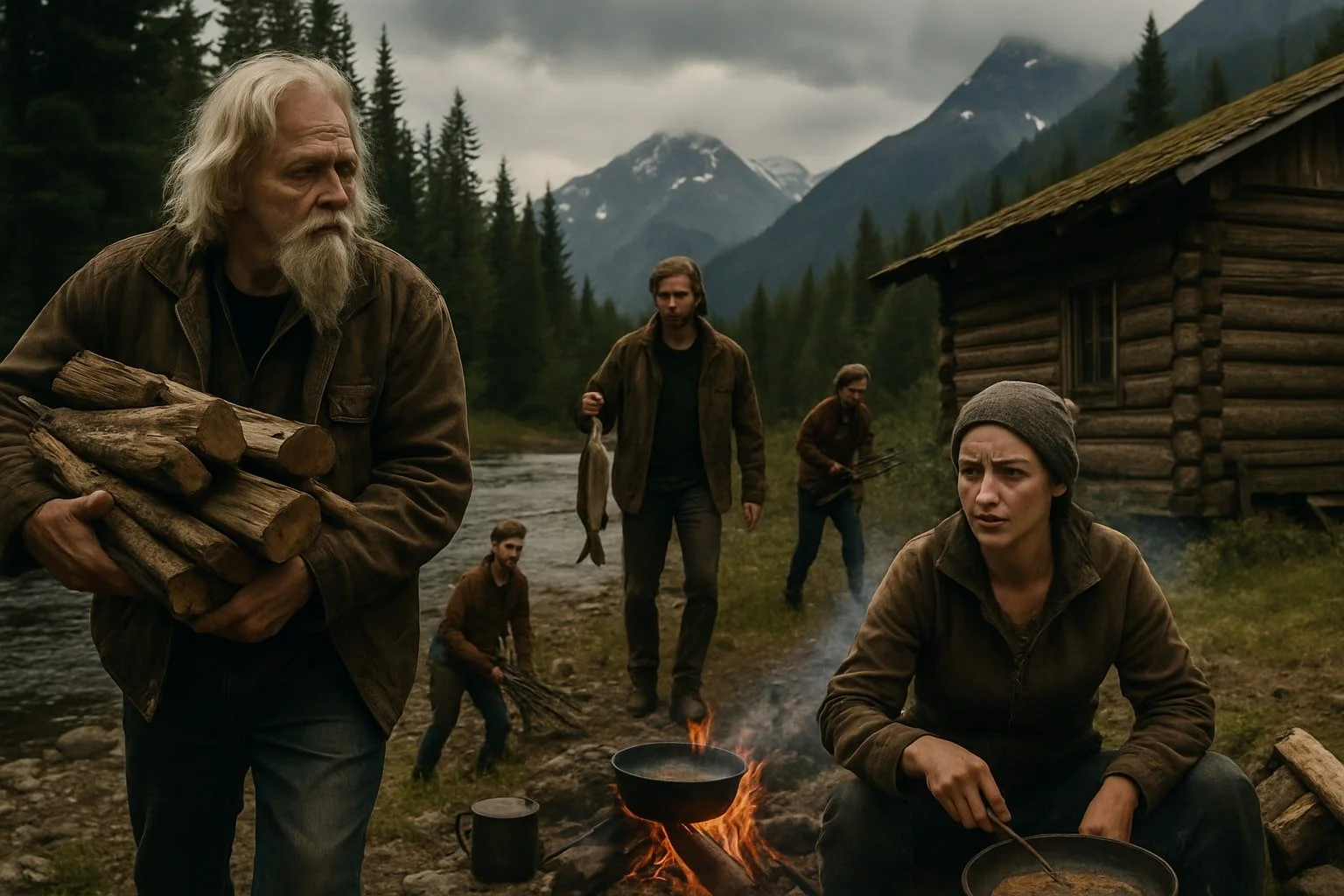
Alaskan Bush People grabs viewers by showing the Brown family's efforts to live off-grid in the Alaskan wilderness, but the drama extends beyond daily survival. The production captures ordinary routines—building shelters, foraging for food, and family disagreements—and enhances them with tight editing and selective storytelling. The show builds drama by focusing on moments of conflict, challenge, and unexpected complications that arise naturally in daily life, turning the routine into compelling television.
Producers and editors sift through extensive footage to highlight setbacks and emotional reactions, giving viewers the sense that every day brings a new obstacle. This approach keeps episodes engaging without relying on scripted scenarios, as real-life tension within the family becomes the engine of the show’s drama.
By drawing attention to unscripted interactions and difficult situations, Alaskan Bush People transforms the mundane into something viewers feel invested in. The process offers insight into both the family's resilience and the careful craft behind reality TV drama.
Overview of Alaskan Bush People
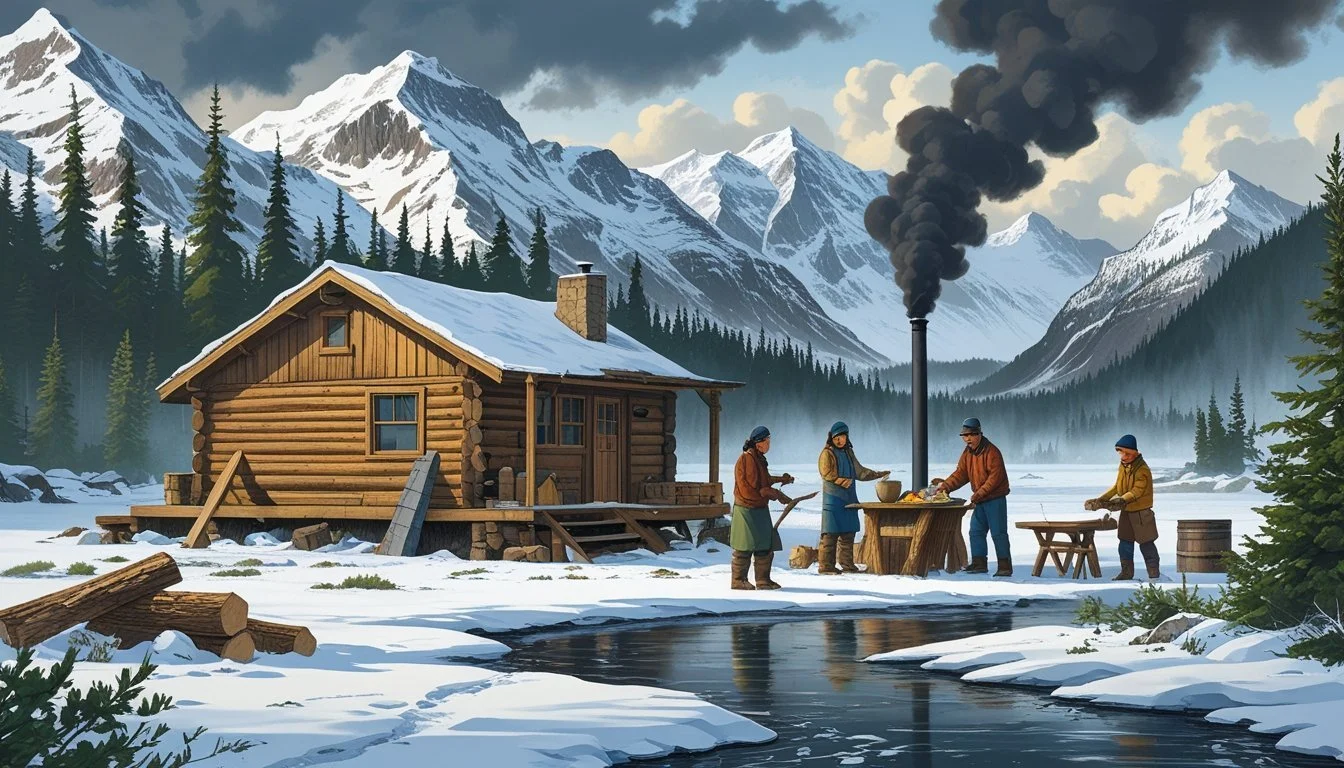
Alaskan Bush People is a reality TV series that documents the Brown family’s unconventional way of life. The show aired on Discovery Channel and quickly became known for its focus on survival, family dynamics, and the challenges of living in remote northern landscapes.
Premise and Unique Setting
The central concept of Alaskan Bush People is its portrayal of the Brown family as they attempt to live self-sufficiently in the remote wilds, initially in Alaska and later moving to different isolated regions. The family’s lifestyle centers on minimal reliance on modern conveniences.
Episodes often show the daily challenges they face, such as building shelter, hunting, and handling unpredictable weather. The family’s efforts to forge a community and secure food provide much of the show’s structure.
The isolated setting is key, as it amplifies the difficulties the Browns encounter. Harsh winters, dangerous wildlife, and limited resources require constant adaptation. Their surroundings are not only scenic but essential to the tension and drama that drives the series.
The Brown Family Members
The Brown family is composed of parents Billy and Ami Brown and their seven children: Matt, Bam Bam (Joshua), Bear, Gabe, Noah, Snowbird, and Rain. Each member has distinct skills and personalities, contributing differently to the group’s survival.
Billy, the family patriarch, leads with a vision of off-grid life, while Ami provides stability and support, especially in adverse conditions. The children take on various responsibilities—hunting, construction, and caring for one another.
Notable dynamics and occasional disputes between siblings add additional layers of interest. Over time, some family members have started their own households or faced personal challenges. This ongoing evolution helps keep viewers engaged by showcasing both group unity and individual journeys.
Filming in the Alaskan Wilderness
Filming locations have included remote parts of Alaska like Copper Center, Hoonah, and Chichagof Island. Later seasons shifted to Okanogan County, Washington, but the wilderness setting remained constant in shaping the show’s atmosphere and challenges.
Production teams document the family’s interaction with their environment, capturing both breathtaking landscapes and situations that highlight the harsh realities of wilderness living. Using lightweight cameras and minimal crew allows for a more authentic look at the Browns’ day-to-day activities.
Weather, wildlife, and isolation pose logistical hurdles for both the family and the crew. These difficulties are a recurring focus, increasing the sense of risk and immediacy that underpins the dramatic arc of Alaskan Bush People.
Daily Life as the Foundation of Drama
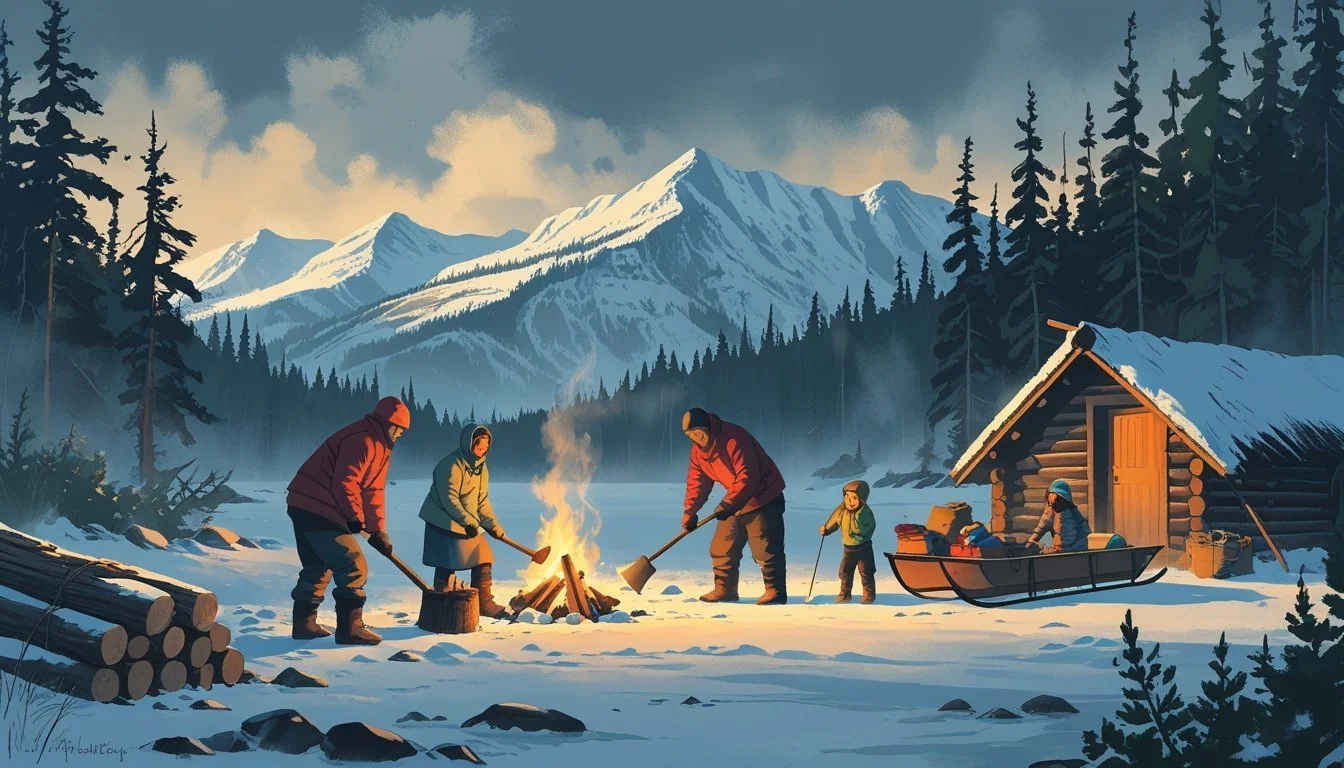
Daily routines in Alaskan Bush People are filled with constant work and unique challenges. Daily life in Browntown and the wilderness near Hoonah, Alaska, often exposes the gap between modern amenities and total self-sufficiency.
Self-Sufficiency and Survival Skills
The Brown family relies on a mix of traditional knowledge and hands-on learning to survive off the grid. Chopping wood, building shelters, and fishing are not isolated activities—they form the backbone of each episode, providing tension and accomplishment. Everyday tasks such as hauling water or repairing equipment take center stage, presenting risks and the potential for setbacks.
Family members must work together, often with makeshift tools or scavenged materials. Disagreements and varying skill levels sometimes create friction, which the show highlights to build dramatic moments. Small successes, like a working generator or a successful hunt, are crucial events that carry emotional weight.
Challenges of Off-the-Grid Living
Living far from basic services means the Browns face persistent practical problems—especially in remote Browntown. Food shortages, injuries, and extreme weather are regular obstacles. When machinery breaks down or a supply run is delayed, these issues intensify and affect every part of family life.
The risks are real: medical care is hours away, and bad weather can cut off escape routes. Alaskan Bush People uses these hazards to generate suspense and to show how the family balances preparation with improvisation. Lists, schedules, and strict routines help them manage daily needs, while unforeseen problems ensure each episode offers new drama.
Role of Wilderness in Storytelling
The Alaskan wilderness is more than just scenery—it is a force that shapes every moment. Dense forests, unpredictable weather, and wildlife are integral to the narrative. The environment is both adversary and teacher, forcing the Browns to adapt and solve problems.
Close-up shots of sweeping landscapes highlight their isolation from Hoonah and society at large. Each trek, hunt, or construction project happens under the shadow of nature’s unpredictability. The wilderness dictates the pace and stakes of survival, turning routine tasks into high-pressure situations that keep viewers engaged.
Crafting Family Drama from Routine Events
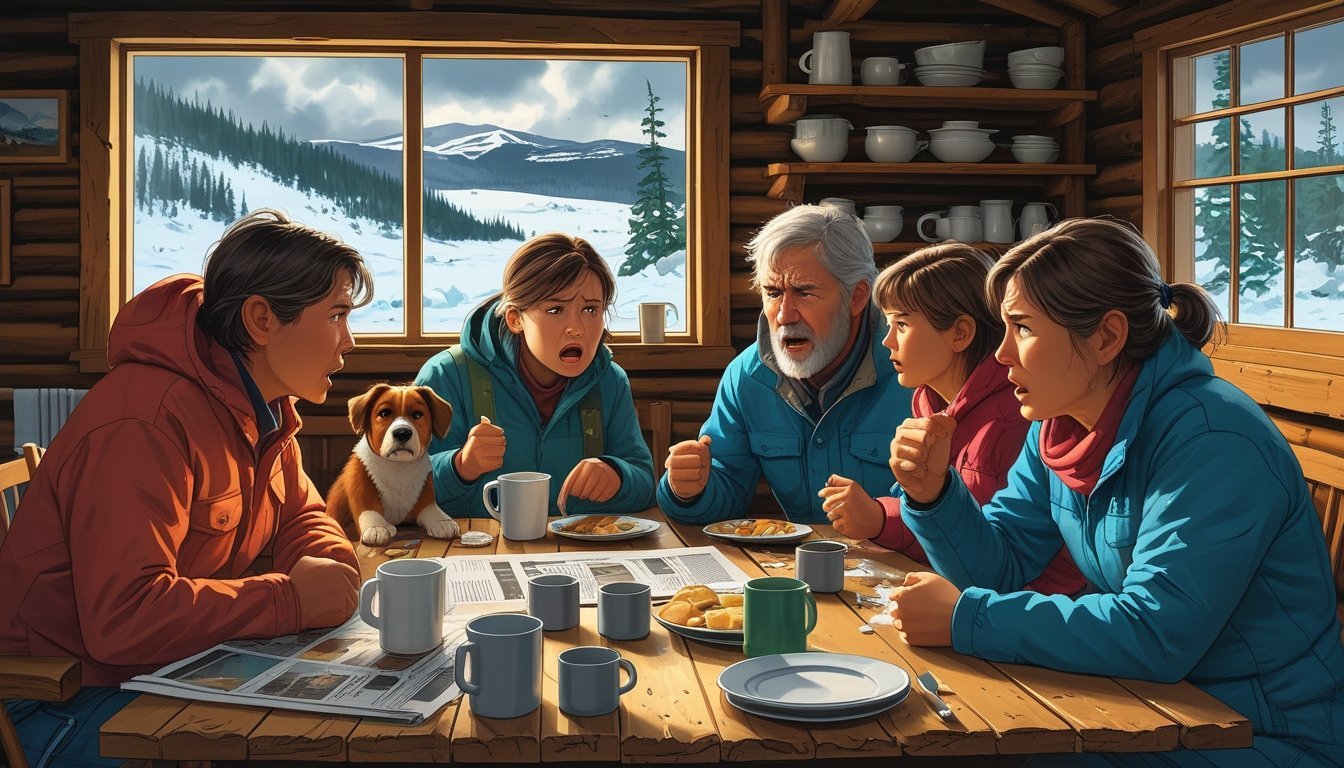
Daily life in the Brown family is often used to create tension and interest. Producers select everyday family moments and interactions, shaping them into stories that highlight both conflict and cooperation.
Parenting and Co-Parenting Dynamics
Billy and Ami Brown serve as central figures, often making decisions that impact each member of the family. Their roles as parents are shown not only in leading but also in negotiating rules and tasks, which sometimes leads to visible disagreements.
Co-parenting scenarios are frequent, especially as the older children—such as Noah, Bear, and Gabe—start families of their own. The show highlights these transitions, capturing the parents’ guidance and the children’s shift into parental roles themselves. This creates opportunities for both harmony and disputes, particularly around discipline and lifestyle choices.
Tension emerges when decisions about resources, living arrangements, or even handling emergencies bring out differences in parenting styles. These moments are often framed in a way that makes small disagreements appear larger, amplifying the emotional stakes for viewers.
Sibling Rivalries and Alliances
Sibling interactions, especially among Matt, Bear, Gabe, Noah, Snowbird, and Rain, are a consistent source of drama. The show frequently spotlights competing opinions, such as who takes on leadership or handles specific survival tasks.
Rivalries are sometimes subtle, expressed through teasing or minor arguments. At other times, they escalate over resources or recognition within the family. List of common triggers:
Building projects and who leads them
Family decisions on chores
Differing personalities clashing
Alliances also form, especially between Bird and Rain, or Bear and Gabe, often leading to group dynamics that shift throughout the episodes. These relationships drive significant storylines and keep viewers engaged, emphasizing both the strengths and conflicts of the Brown family unit.
Techniques Used to Build Suspense
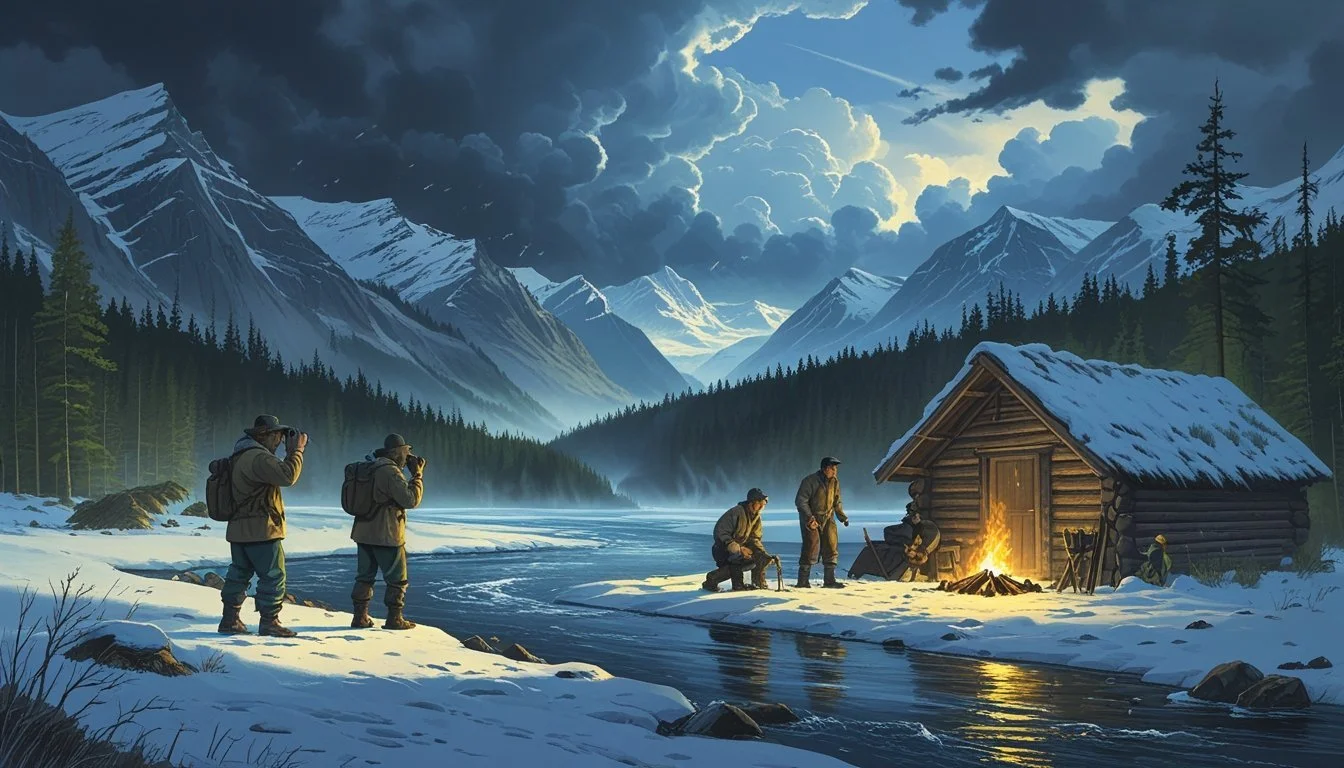
Alaskan Bush People mixes unscripted daily events with deliberate narrative choices to create tension. Viewers see not only the family’s challenges but also continuous uncertainty that keeps the show engaging.
Editing and Narrative Structure
Producers use strategic editing to heighten suspense in each episode. Scenes are often cut to end on moments of unresolved tension, such as a storm approaching or a crucial decision about hunting or fishing. This approach uses classic reality television techniques to create cliffhangers.
Key events are reordered to boost emotional impact. For example, minor setbacks—like a generator failure—are shown just before critical moments, increasing pressure on the family and anticipation for the audience. Music and reaction shots are often layered in to further amplify mood.
The episode structure typically follows a cycle: setup, challenge, and an uncertain resolution. This ensures that even common activities, such as gathering firewood, feel important and unpredictable.
Editing highlights:
Cliffhangers at act breaks
Ominous background music
Frequent use of interviews for building point-of-view suspense
Use of Natural Dangers
Alaskan Bush People relies heavily on real wilderness dangers to generate tension. Threats such as wildfires, sudden weather changes, and unpredictable animal encounters are incorporated into the story.
Wildfires, in particular, are treated with urgency. Alarms, fast cuts, and urgent dialogue reinforce the seriousness of the threat. Sequences involving fishing for food feature timing and risk, emphasizing the consequences of failure in a remote location.
The show rarely downplays the risks the family faces. Visuals like darkening skies, close-ups of hazards, and hurried preparations build anxiety around ordinary tasks. This use of natural environment shapes much of the show’s dramatic tension, distinguishing it from other reality television set in less hazardous locations.
Portrayal of Real-Life Conflicts
Controversies have shaped public perception of Alaskan Bush People, with both off-screen scandals and legal issues often overshadowing the show's storylines. High-profile incidents and legal battles have called the authenticity and ethics of the series into question.
Scandals and Accusations
Alaskan Bush People frequently drew attention for allegations that parts of the show were staged or exaggerated for entertainment. Fans and critics noted instances where the Brown family’s supposed wilderness isolation appeared misleading. Reports pointed out the family’s access to technology and modern comforts when cameras were not present.
Controversial episodes included feuds among family members and disputes with outsiders, sometimes resulting in threats or restraining orders. The show also faced scrutiny for bringing in outside actors and crew members to create dramatic scenes, according to several sources.
Financial accusations surfaced regarding the Brown family's wealth and portrayal of hardship. Claims emerged that the family lived more comfortably than shown, with net worth figures suggesting a vastly different lifestyle from the one represented on screen. Such revelations eroded some viewers’ trust in the authenticity of the show.
Legal Troubles and Restitution
The Brown family and Alaskan Bush People have faced multiple legal challenges. In 2016, Billy and Joshua Brown were charged with fraud for falsely claiming they lived in Alaska to receive government benefits. This legal action resulted in both serving a 30-day jail sentence and being ordered to pay restitution for the fraudulent claims.
Additionally, lawsuits and court orders stemming from disputes with former associates and local residents led to further legal complications for the family. Some cases included allegations of trespassing or threats, prompting restraining orders and heated legal exchanges.
These legal troubles were highly publicized and became a focal point of discussion among viewers and media outlets. They helped fuel ongoing debates about the reality of the family's off-grid existence and their representation on television.
Health Struggles and Their Dramatic Impact
Serious medical challenges have played a key role in shaping the reality and tensions experienced by the Brown family. Illness and health emergencies are frequent sources of conflict, emotional moments, and turning points in their story.
Ami Brown’s Battle with Lung Cancer
Ami Brown’s diagnosis of advanced lung cancer brought a profound shift to the family. The show documented her experience with regular hospital visits, treatments, and the uncertainty of survival. During this period, viewers saw the family relocate from Alaska to the lower 48 states so Ami could access better medical care.
Her illness tested both her resilience and the family’s unity. Producers focused on the fear of loss, family support systems, and the logistical impact of shifting away from their isolated life. Ami’s health journey was distinguished by personal interviews, raw emotions, and ongoing updates, often driving the narrative for multiple seasons.
This storyline included scenes of Ami’s treatments, discussions with doctors, and moments of vulnerability. The progression of her cancer—and eventual reports of remission—became central to the drama, affecting the Browns’ lifestyle and prompting sympathy from viewers.
Billy Brown’s Health Challenges
Billy Brown faced ongoing health issues that complicated life in remote settings. He struggled with respiratory problems, which were aggravated by the Alaskan climate and later episodes of pneumonia. His medical needs often required urgent attention, sometimes forcing the family to leave their off-grid home for treatment.
He experienced symptoms such as difficulty breathing and fatigue, making basic survival tasks more challenging. The show depicted several emergency situations requiring intervention, highlighting the risks of living far from modern healthcare. These incidents provided producers with material for dramatic episodes centered around Billy’s well-being.
Billy's health breakdowns often brought the family together and led to difficult decisions about whether they could stay in the wilderness. Each health crisis reaffirmed the ever-present dangers of their lifestyle, driving suspense and shaping family dynamics.
Other Family Health Issues
Aside from Ami and Billy, other family members have faced significant health and personal struggles. Matt Brown, the eldest son, sought treatment for alcohol abuse and entered rehab, a storyline openly discussed on the show. His challenges added tension and raised questions about family stability.
Some family members also experienced mental health difficulties. Rain Brown spoke publicly about her struggles, hinting at the emotional toll isolation and constant change have taken. Such disclosures have allowed the show to address broader health issues, resonating with viewers facing similar experiences.
Infections, minor injuries from daily survival tasks, and dealing with harsh weather conditions have also featured. Each incident often serves to underline the harsh realities—and unpredictability—of life off the grid.
Addiction, Substance Abuse, and Hiatus
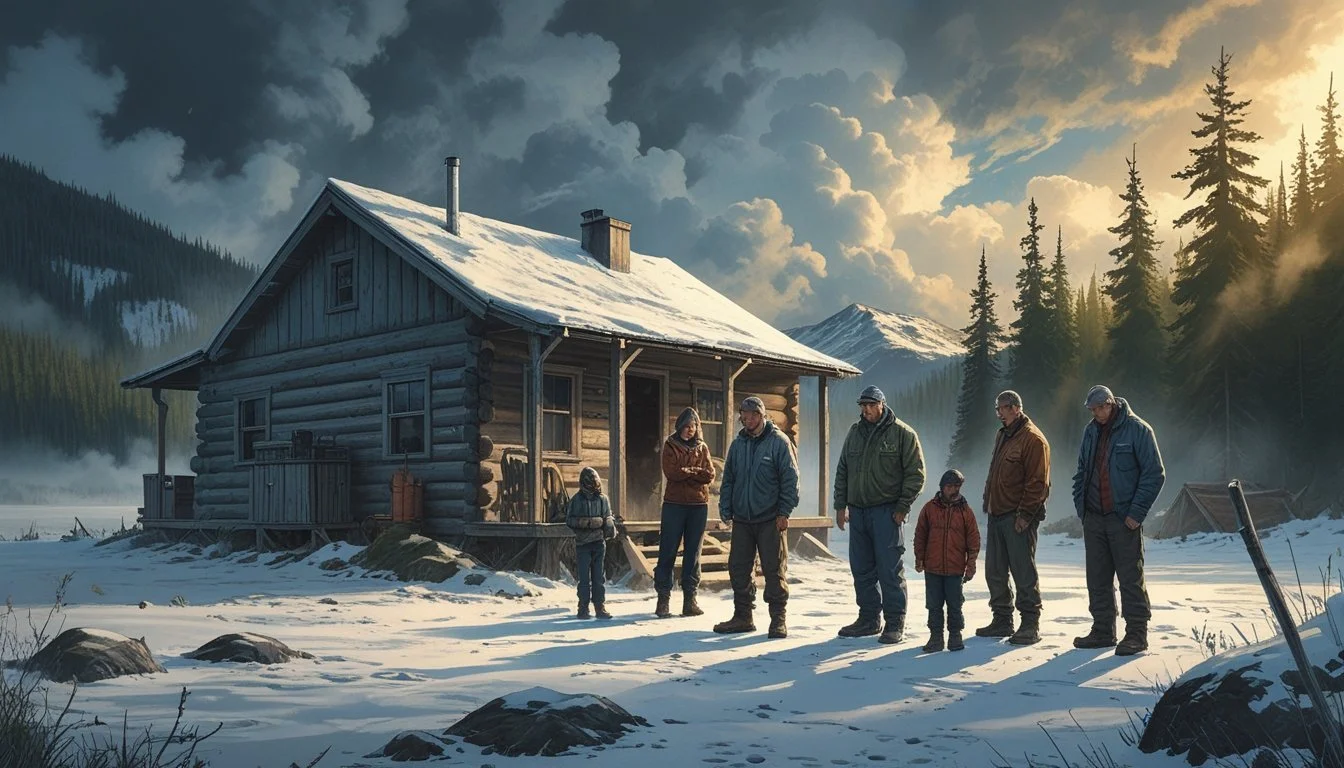
Substance abuse has directly affected both individuals and the production of Alaskan Bush People. Notably, Matt Brown’s struggles with addiction and the show’s subsequent hiatus have shaped its narrative and public perception.
Matt Brown’s Journey
Matt Brown, the eldest member of the Brown family, has experienced ongoing difficulties with addiction. He first entered rehab for alcohol abuse in 2016, then returned again in 2018, seeking treatment at the Betty Ford Center.
By 2019, Matt departed the series after eight seasons. Allegations of sexual misconduct surfaced in 2020, which led to further separation from the show and reduced contact with most of his family, including his mother, Ami Brown. No criminal charges were filed.
Matt has since shared aspects of his recovery online but has not returned to Alaskan Bush People. His absence marked a major shift in the family dynamic depicted on the show and altered how viewers related to the series.
Impacts on Filming
Matt Brown's addiction issues and eventual exit from the show required the production team to adjust storylines and character focus. Episodes began to feature less of Matt and avoided direct discussion of his struggles or the circumstances of his exit.
The show’s indefinite hiatus after season 14, ending in 2022, further underscored the production challenges linked to cast stability and public controversies. Alongside Matt’s absence, the lingering effects of addiction within the family highlighted real-world problems that extended beyond on-screen drama.
Producers refrained from addressing these personal issues in detail, opting instead to quietly move forward without Matt in promotional materials and future plans. This approach reflected a shift in both content and viewer engagement.
Social Media, Public Image, and Authenticity
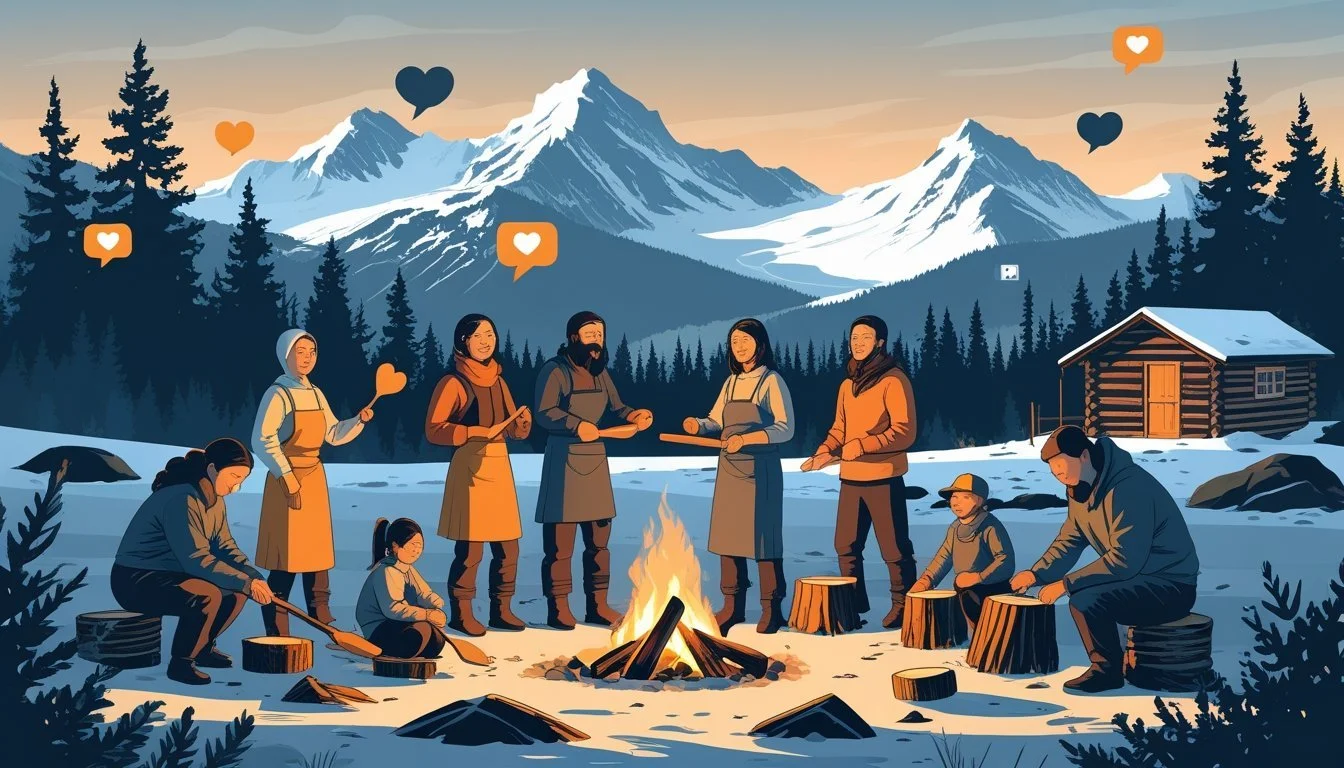
The public image of "Alaskan Bush People" is shaped not just by television, but by its constant presence and discussion on social media. Key cast members and interactions with fans on platforms like Instagram have had a significant influence on how the show is perceived and on ongoing debates about its authenticity.
Instagram and Fan Reactions
Instagram is one of the main platforms where the Brown family and related figures engage with their audience. Cast members and those close to the show—including Raiven and sometimes Rhain—share frequent updates, behind-the-scenes glimpses, and personal moments.
These posts often generate large volumes of comments, both supportive and critical. Fans use these spaces to react to televised events, discuss plot points, and speculate about offscreen dynamics.
Direct responses from cast members can sometimes clarify rumors or controversies, but they can just as easily fuel debate. The public persona crafted on Instagram sometimes conflicts with the rural, isolated image presented on the show.
Key Points:
Real-time interaction with fans increases visibility.
Posts create opportunities for community building but also for criticism.
Personal content from Raiven, Rhain, and others often leads to discussions about family dynamics.
Debates Over Authenticity
Questions about whether "Alaskan Bush People" genuinely portrays the Brown family's lifestyle are persistent. Many viewers reference both on-screen inconsistencies and social media behavior—such as modern conveniences depicted on Instagram—to argue that parts of the show are staged.
Sources highlight that even some former cast members, including Matt Brown, have spoken about the contrast between the televised narrative and their actual way of life. This has heightened scrutiny and skepticism among dedicated viewers.
Discussions frequently focus on how public posts reveal details about the family's lives that seem to contradict their supposed isolation. For example, when Rhain and Raiven post from locations with clear signs of modern infrastructure or technology, fans take note and question the reality shown on television.
Important Points for Readers:
Fans track discrepancies between TV and Instagram content.
Statements from cast members, including departures, are scrutinized.
Authenticity debates are central to the show's cultural presence and ongoing fan engagement.
