
Why the Brown Family’s Values Still Resonate in Alaskan Bush People
The Enduring Appeal of Authentic Survival
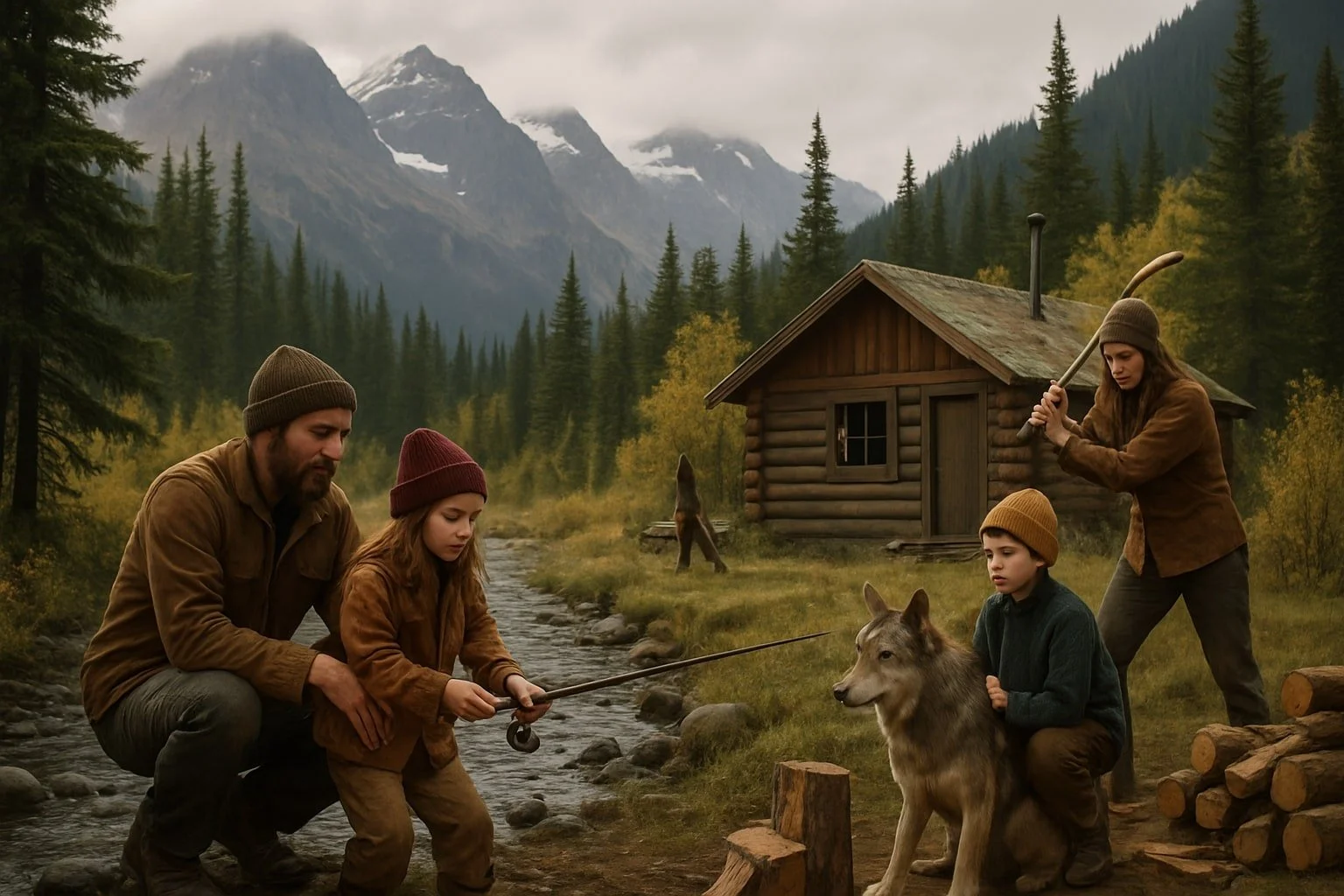
The Brown family's values of resilience, resourcefulness, and unity still resonate in Alaskan Bush People because they highlight the enduring appeal of living close to nature and relying on each other through challenges. Their lifestyle, set apart from modern conveniences, offers viewers an authentic glimpse into the demands of wilderness survival and the importance of family support.
Over the years, the Brown family has faced significant personal and external challenges, but their emphasis on togetherness and self-reliance has remained consistent. Audiences continue to connect with their story because it represents a return to simpler, more direct principles in a rapidly changing world.
The show's ongoing influence can be seen not just in its dedicated fan base, but also in how it sparks interest in Alaska's culture and way of life. Even as circumstances change for the family, their core values remain central to the show's lasting impact.
Core Values of the Brown Family
The Brown family built their life around a set of core beliefs that have shaped every aspect of their journey in “Alaskan Bush People.” These values influence their survival approach, relationships, and the unique way they interact with the environments of the Alaskan wilderness and North Star Ranch.
Resilience and Perseverance
Resilience is central to the Brown family’s lifestyle. Billy Brown consistently encouraged his children to persist through challenges, whether those were harsh winters or personal setbacks. Living off the grid required Ami Brown and her family to confront isolation, equipment breakdowns, and unpredictable weather.
Throughout their time in Alaska and later in Washington, the Browns adapted to constant change and adversity. Their ability to rebuild homes after setbacks and continue daily routines through illness or loss earned them respect among viewers.
Practical examples include enduring extreme cold in the Alaskan wilderness and rebuilding after major setbacks like storms. The family’s willingness to keep going, even when faced with health scares or relocations, demonstrates a consistent commitment to perseverance.
Connection to Nature
A deep connection to nature sets the Browns apart from many reality TV families. Every member of the family learned early on to observe and respect the cycles of the natural world. Foraging, hunting, and building shelters were not just survival tasks but an integrated philosophy.
Billy and Ami Brown taught their children to rely on the land and use what it provides. The family has always emphasized conservation and sustainable living. Their move to North Star Ranch in Washington did not change this approach—instead, it expanded how they adapted these values to new surroundings.
Nature is not only a resource for the Browns, but a core element of their identity. The family’s routines revolve around the seasons, animal migrations, and the broader rhythms of the environment.
Family Unity and Loyalty
Family is the foundation of everything for the Browns. The siblings, raised with a strong sense of togetherness, have repeatedly described each other as a primary support system. Billy and Ami Brown set clear expectations for mutual support and loyalty.
On “Alaskan Bush People,” decisions about food, shelter, and daily routines are made together. Even through disagreements or physical distance, their commitment to unity stands out. This loyalty often means setting aside personal comfort for the wellbeing of the group.
Key moments of support include rallying around Ami during health challenges and younger siblings receiving guidance from older family members. Cohesion and trust anchor their approach to every challenge they face.
How the Brown Family’s Values Influence Their Lifestyle
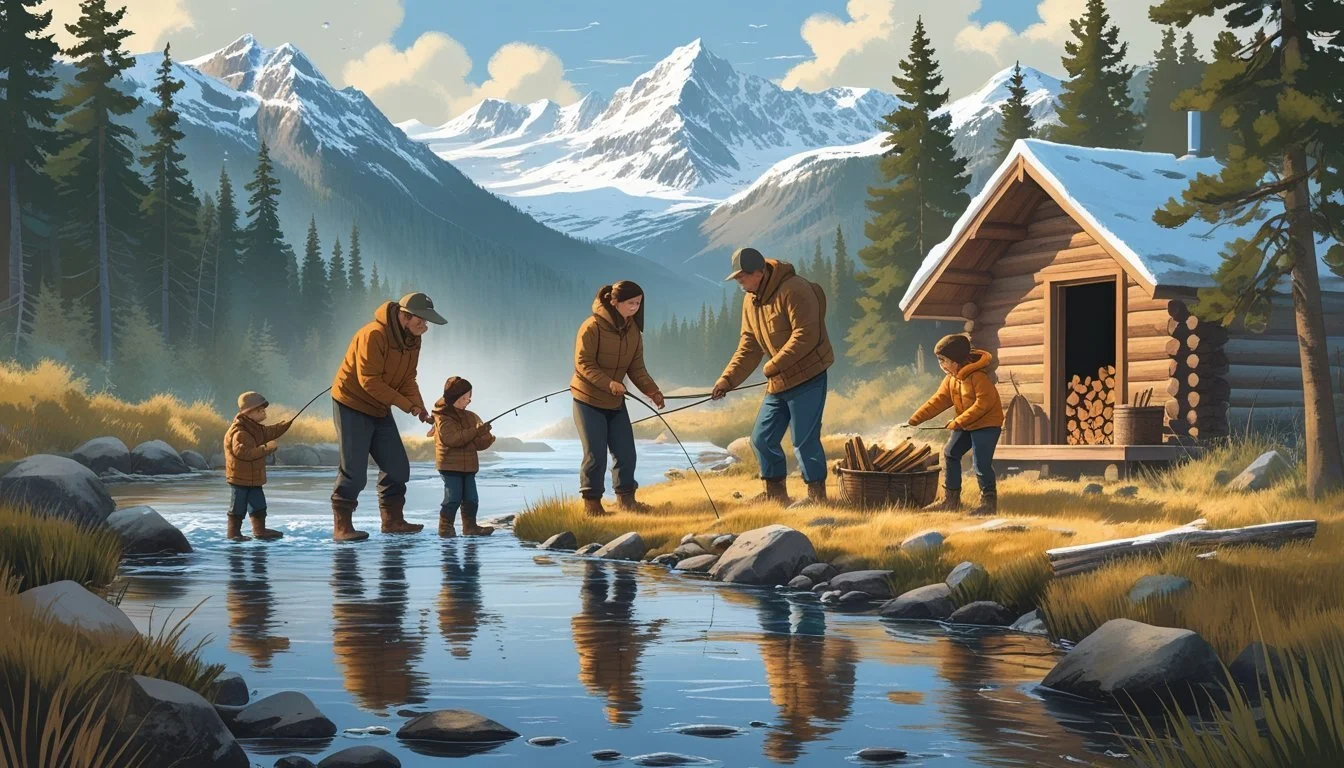
Key values such as self-sufficiency, adaptability, and teamwork shape how the Brown family establishes their home and interacts with the world around them. These values deeply impact daily routines, resource use, and the way they respond to challenges in remote environments.
Off the Grid Living
The Brown family’s lifestyle centers around building and maintaining a functional homestead with limited outside resources. Living off the grid means that they construct shelters, collect water, and create their own systems for heat and electricity. This commitment requires constant cooperation among family members and relies on practical knowledge rather than convenience.
Much of their time is spent on tasks like chopping firewood, repairing structures, and gathering food. Every member has a role to play, ensuring that their way of life remains sustainable. Their move from Alaska to the North Cascade Mountains in Washington did not change their dedication to off-the-grid principles.
They implement skills such as carpentry, basic engineering, and agriculture. Division of labor within the household is essential for survival as well as for maintaining a strong family bond. Resourcefulness and mutual reliance drive each decision, making their home a reflection of their core values.
Survival Skills and Foraging
Survival skills are central to the daily life of the Brown family. They learn and practice hunting, fishing, shelter-building, and first aid—essential for living in remote regions like Alaska and the North Cascade Mountains. Being able to adapt to unpredictable conditions is considered a necessity rather than an option.
Foraging for food is a regular part of their routine, involving careful identification of edible plants, mushrooms, and berries. The family uses lists and charts to distinguish safe foods from harmful ones, emphasizing safety with each outing.
Fishing and hunting supplement their diet with protein. These activities require respect for the environment and careful management of local wildlife and plant populations. Such skills not only provide nourishment but also reinforce their values of independence and responsibility.
Personal Struggles and Triumphs
Serious health battles and issues with addiction have shaped key moments for the Brown family. These personal challenges reveal the resilience and determination beneath their wilderness lifestyle.
Health Issues and Overcoming Adversity
Billy Brown, the family patriarch, faced significant health challenges including frequent hospitalizations for respiratory problems. In later years, he was diagnosed with stage III non-small cell lung cancer, which caused lasting effects on his health and limited his physical abilities.
Ami Brown also battled a serious diagnosis: advanced lung cancer. Her treatment required the family to temporarily relocate closer to medical care, resulting in a dramatic shift from their remote Alaska home. The family’s adjustment to hospital visits, chemotherapy, and constant uncertainty demonstrated their ability to adapt in the face of adversity.
The Brown children were open about their concerns and emotions during these health scares, sharing their worries with viewers. Public displays of support and candid moments highlighted the bonds that kept the family together, even during medical crises.
Addiction and Rehabilitation
Substance abuse also impacted the Browns. Matt Brown, the eldest son, struggled with alcoholism for years and sought multiple rounds of rehabilitation treatment. His journey included relapses, but he continued to speak openly about the difficulties of managing his addiction.
Rehab separated Matt from the rest of the family for extended periods, which created both emotional and logistical challenges. The Browns’ choice to address these struggles publicly provided viewers with a look into the ongoing process of recovery and the complications it brings to personal and family life.
By sharing details about Matt’s rehab experiences and his efforts at sobriety, the show brought authenticity to often stigmatized topics. These disclosures reinforced the idea that recovery is not immediate, but an ongoing process marked by setbacks and progress.
The Role of Each Family Member in Upholding Values
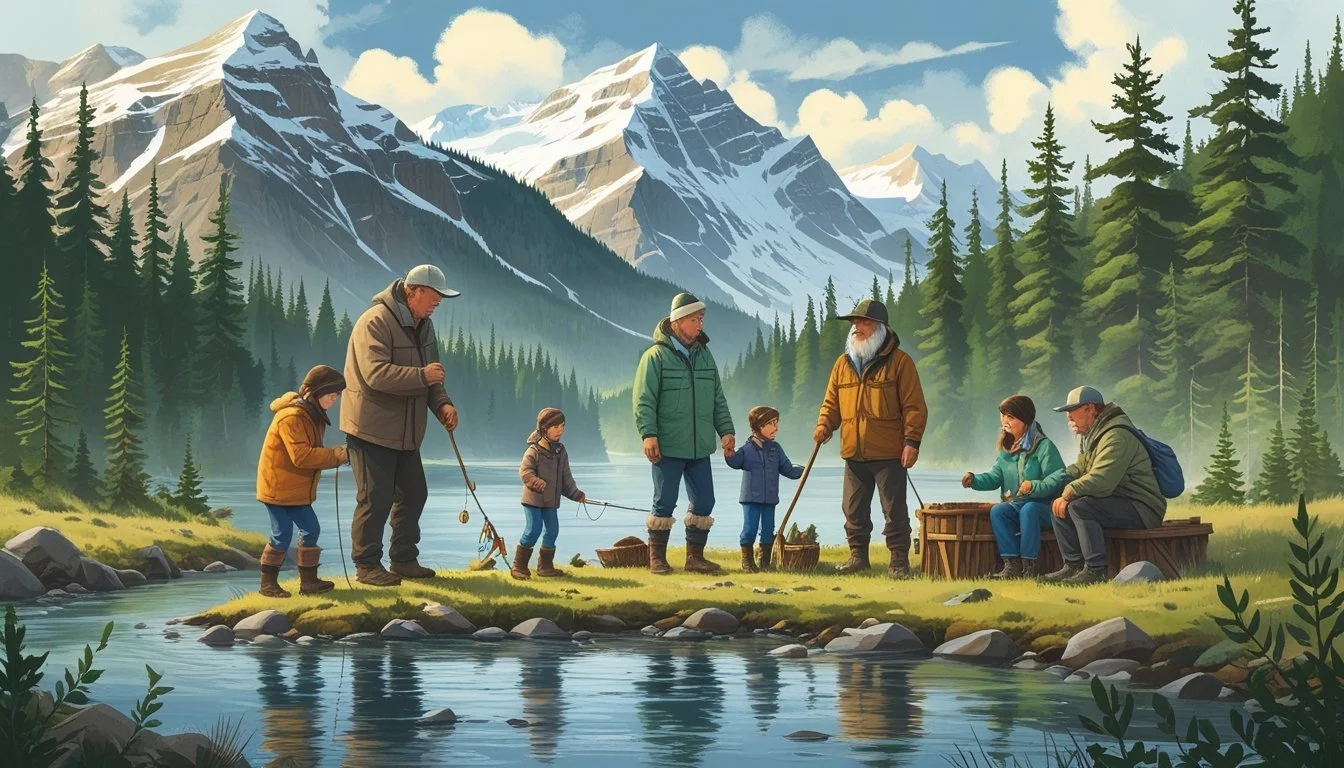
Each member of the Brown family performed a clear role in maintaining the household’s values. Central to their code were adaptability, cooperation, and an unwavering commitment to family unity.
Billy Brown as Patriarch
Billy Brown established the foundation for the family's value system, inspiring his children through direct involvement in daily life. He emphasized self-reliance and collective effort, assigning responsibilities to fit each child’s strengths. His guidance shaped how Gabe, Bear, Bam Bam, Noah, Matt, Snowbird, and Rain approached adversity and decision-making.
Through practical lessons like hunting, building, and survival, Billy instilled a deep respect for nature and resourcefulness. He reinforced the idea that every contribution mattered, from Gabe’s physical work to Rain’s help in routines. As the patriarch, Billy's example influenced family dynamics, ensuring his children supported each other and approached challenges with resilience.
Billy also viewed marriage and relationships—such as those of Noah, Bam Bam, and others—as opportunities to teach respect and commitment, values that extended into the family's next generation, including grandchildren like River and Rhain. He encouraged open discussion and trust, forming the backbone of their close-knit bonds.
Ami Brown's Strength
Ami Brown demonstrated resilience and resourcefulness, especially during hardship and illness. Her presence promoted a nurturing environment, where emotional support was just as valued as survival skills. Ami led by example through calm decision-making, patience, and unwavering encouragement.
She managed the household’s daily rhythm—organizing chores, teaching Snowbird and Rain practical skills, and maintaining order during uncertainty. Ami placed great importance on kindness, support, and respect, teaching younger members like Rain and Snowbird to treat each other with empathy and understanding.
Ami encouraged her children to embrace their quirks and individuality, bolstering confidence in Gabe, Bear, Bam Bam, Noah, Matt, and the others. Her emphasis on love and loyalty extended beyond the immediate family, supporting daughters- and sons-in-law such as Rhain and those married into the Brown family, and helping guide the next generation.
Viewer Engagement and Media Impact
The Brown family’s presence on the Discovery Channel’s “Alaskan Bush People” has led to ongoing conversations about what viewers value in reality TV and how the family connects with audiences both on and off television. Their story influences fan interactions across multiple media platforms, shaping community engagement and public perception.
Authenticity on Reality TV
Viewers connect with “Alaskan Bush People” in large part due to its portrayal of the Browns’ self-sufficiency and lifestyle in the Alaskan wilderness. The show’s production style, minimal scripting, and honest depiction of hardship make it stand out among reality shows focused more on drama or competition.
Fans are drawn to episodes highlighting daily survival skills, teamwork, and the family’s ability to adapt. The Browns’ choices and core values—such as independence, perseverance, and a focus on family unity—are often cited in online discussions as reasons for sustained interest.
While there has been public debate about the degree of truth in “reality TV,” the Brown family’s willingness to share personal struggles—such as health challenges and loss—strengthens their perceived authenticity. This perceived genuineness is central to building long-term viewer trust.
Influence on Social Media
Social media platforms, especially Instagram and YouTube, have extended the show’s reach. Family members use personal or public accounts to share updates, promote new episodes, and connect with fans. For example, Rain Brown has shared personal milestones and openly discussed taking breaks from social media.
Key social platforms for viewer engagement:
Platform Purpose Instagram Updates, personal milestones, photos YouTube Clips, behind-the-scenes, Q&A TikTok Short videos, trends, fan reactions
These channels allow the Browns to maintain dialogue with viewers between TV seasons and foster a dedicated online community. Fans often discuss episodes, share clips, and participate in show-related trends, further amplifying the family’s impact outside traditional television.
Adapting to Change and Overcoming Relocation
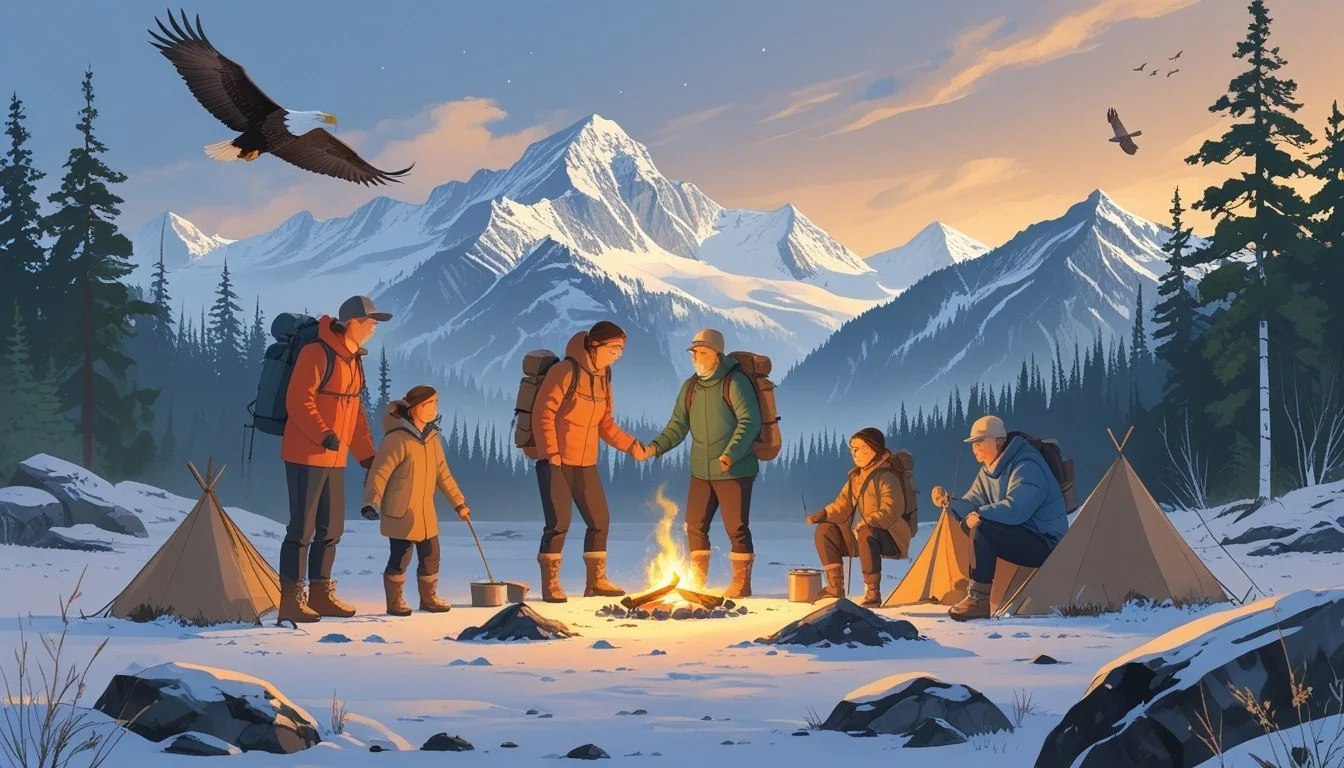
The Brown family faced significant upheaval when they left Alaska, driven by necessity rather than choice. Their journey stands out as an example of resilience, adaptability, and sustained commitment to their core values amid shifting landscapes.
From Alaska to Washington State
The Browns originally built their unique way of life in the remote Alaskan wilderness, where self-reliance and connection with nature shaped every aspect of daily living. Unexpected challenges arose when Ami Brown was diagnosed with cancer, leading the entire family to Los Angeles for her medical treatment.
Relocation was not just a physical transition. The family had to adapt emotionally, leaving behind the environment that defined them. Adapting to life outside Alaska required adjustments in routines, resources, and even mindsets to preserve their sense of identity.
After Ami’s recovery, the Browns chose not to return to Alaska. Instead, they sought a new start in Washington State, looking for a rural setting that could still accommodate their lifestyle. This decision allowed them to continue many wilderness traditions while granting access to necessary healthcare.
Establishing North Star Ranch
Once settled in Washington, the Browns focused on creating North Star Ranch, their new homestead in the North Cascade Mountains. The location offered ample forested land and relative isolation, drawing some parallels with their Alaskan roots. However, the climate, terrain, and legal restrictions posed new challenges.
Building North Star Ranch required a shift in approach. They developed infrastructure from scratch—constructing family homes, installing solar panels, and raising livestock. The family collaborated closely to adapt survival skills and traditions to this new landscape.
Despite setbacks, including severe weather and wildfires, North Star Ranch became a symbol of their enduring values. The Browns’ efforts reflected their continued emphasis on resourcefulness, teamwork, and strong family ties while accepting the realities of relocation.
Legacy and Lasting Influence of the Brown Family
The Brown family’s journey from the Alaskan wilderness to the North Cascade Mountains shaped how audiences think about rugged, off-grid living. Their choices and values have influenced both public perception and reality television over the last decade.
Impact on Popular Culture
Alaskan Bush People introduced viewers to a self-sufficient lifestyle that was rarely shown on mainstream television. The Brown family's rejection of modern conveniences and commitment to forging their own community challenged viewers to reconsider their own relationship with technology and society.
The show’s portrayal of daily tasks—such as hunting, building shelters, and coping with isolation—brought survival skills and adaptability into the spotlight. The narrative emphasized family bonds and resourcefulness, appealing to those interested in authenticity and traditional values.
While the Browns later moved to Washington’s North Cascade Mountains, their reputation for resilience and unity continued to attract attention. Their influence expands beyond TV ratings, often appearing in social media discussions, news articles, and online forums comparing urban and rural lifestyles. Their story remains a reference point for conversations about family, survival, and American frontier spirit.
