
How Alaskan Bush People Makes Ordinary Tasks Feel Epic
A Look at Reality TV’s Wildest Chores
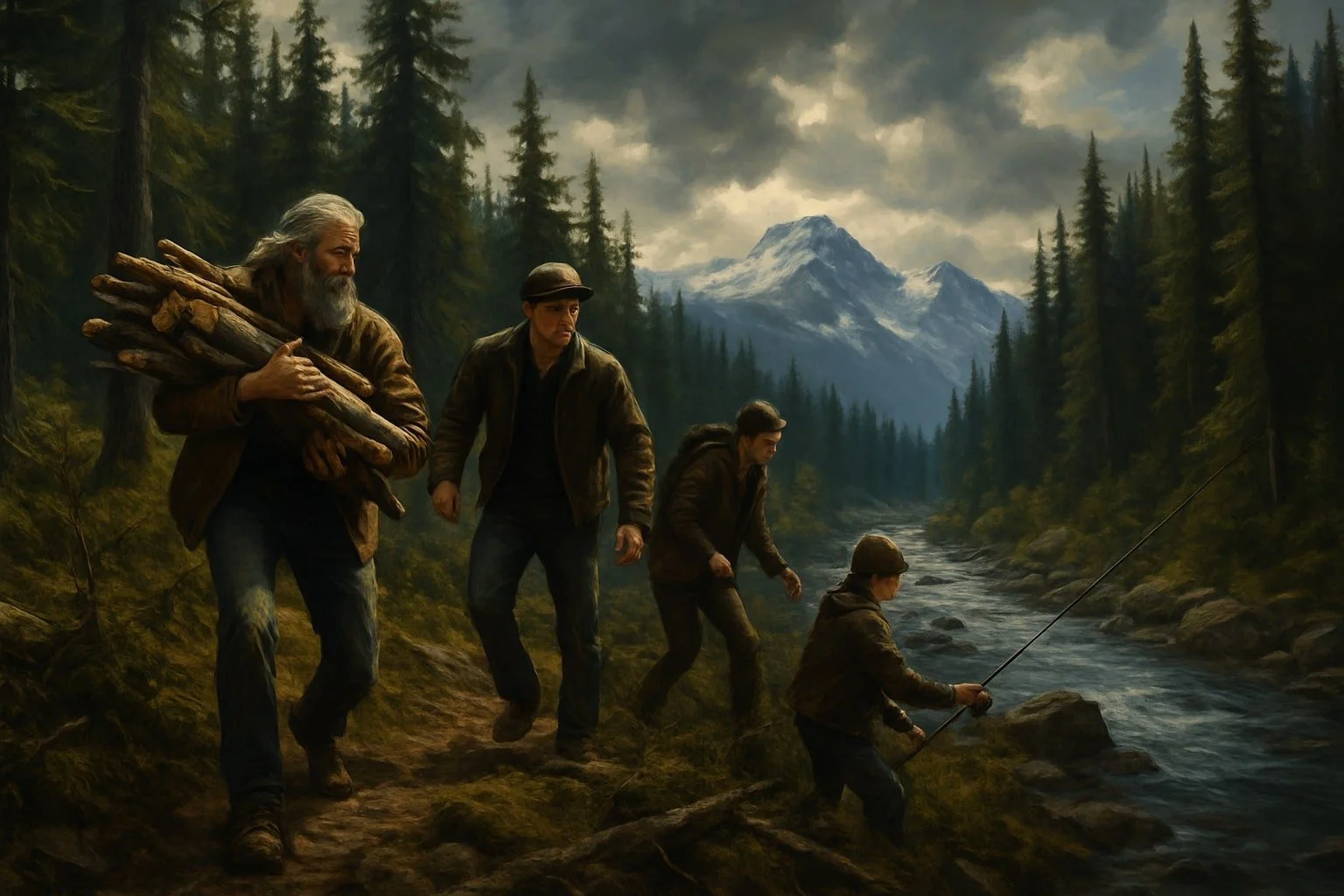
Alaskan Bush People stands out in the realm of reality TV by transforming everyday chores into thrilling experiences, captivating viewers with the challenges of life in the Alaskan bush. The show, featured on the Discovery Channel, documents the Brown family's efforts to adapt and survive, making simple tasks like building shelter or preparing food feel like significant achievements.
Through creative problem-solving and teamwork, the family highlights how survival in remote locations can turn routine activities into captivating moments. Audiences are drawn to their resourcefulness and the unpredictable environment, which often turns even the most ordinary task into a noteworthy event.
By inviting viewers into the unique rhythms of homesteading, Alaskan Bush People provides a fresh perspective on daily life, showing how context and surroundings can elevate the mundane to the memorable.
The Epic Framing of Ordinary Life
Alaskan Bush People transforms daily routines into gripping sequences that highlight its cast’s self-sufficiency and unconventional lifestyle in the wilderness. Through visual style and story choices, even small moments feel adventurous and urgent.
Turning Everyday Chores Into Adventures
The show frequently presents simple tasks—like chopping firewood, foraging for berries, or fixing a water pump—as significant undertakings. Preparing a meal or building shelter involves a series of obstacles rooted in the harsh conditions of nature.
Each chore is framed as a challenge to be overcome, making use of the unpredictable Alaskan environment. Heavy snowfall, wild animals, and limited resources are used to demonstrate both the necessity and stakes of these routine actions.
By focusing on problem-solving and teamwork, the series emphasizes self-sufficiency and resilience. Listeners witness the Browns working together, often with handmade tools and improvisational tactics, underscoring their unique lifestyle and the adventure inherent in everyday survival.
Cinematic Storytelling Techniques
Alaskan Bush People adopts a variety of cinematic techniques to raise the narrative impact of ordinary scenes. Sweeping drone shots show the family dwarfed by remote landscapes, suggesting their isolation and the challenge of self-reliance.
Montages, slow-motion sequences, and dramatic music further intensify household chores. The editing often intercuts personal interviews with action shots, providing context for the struggles and thoughts of each family member.
On-screen graphics and cutaways detail steps taken in tasks like hunting or constructing a cabin. These techniques are borrowed from traditional adventure and reality television, heightening the sense of purpose behind day-to-day activity and making small victories feel genuinely earned.
Heightened Stakes in Mundane Situations
The show regularly introduces tension into simple moments by elevating the stakes. For example, running out of firewood before a storm is treated as a looming crisis, spotlighting the family's dependence on their environment and resourcefulness.
Family members discuss consequences if chores aren't completed—food shortages, potential injuries, or loss of shelter. The reality TV format uses confessional interviews to emphasize personal investment in each outcome.
Tables and visual breakdowns often explain what’s at risk if something goes wrong. These narrative strategies make otherwise routine events feel suspenseful, inviting viewers to appreciate the genuine difficulty of maintaining an off-grid, adventure-oriented lifestyle.
The Role of Alaska's Wilderness
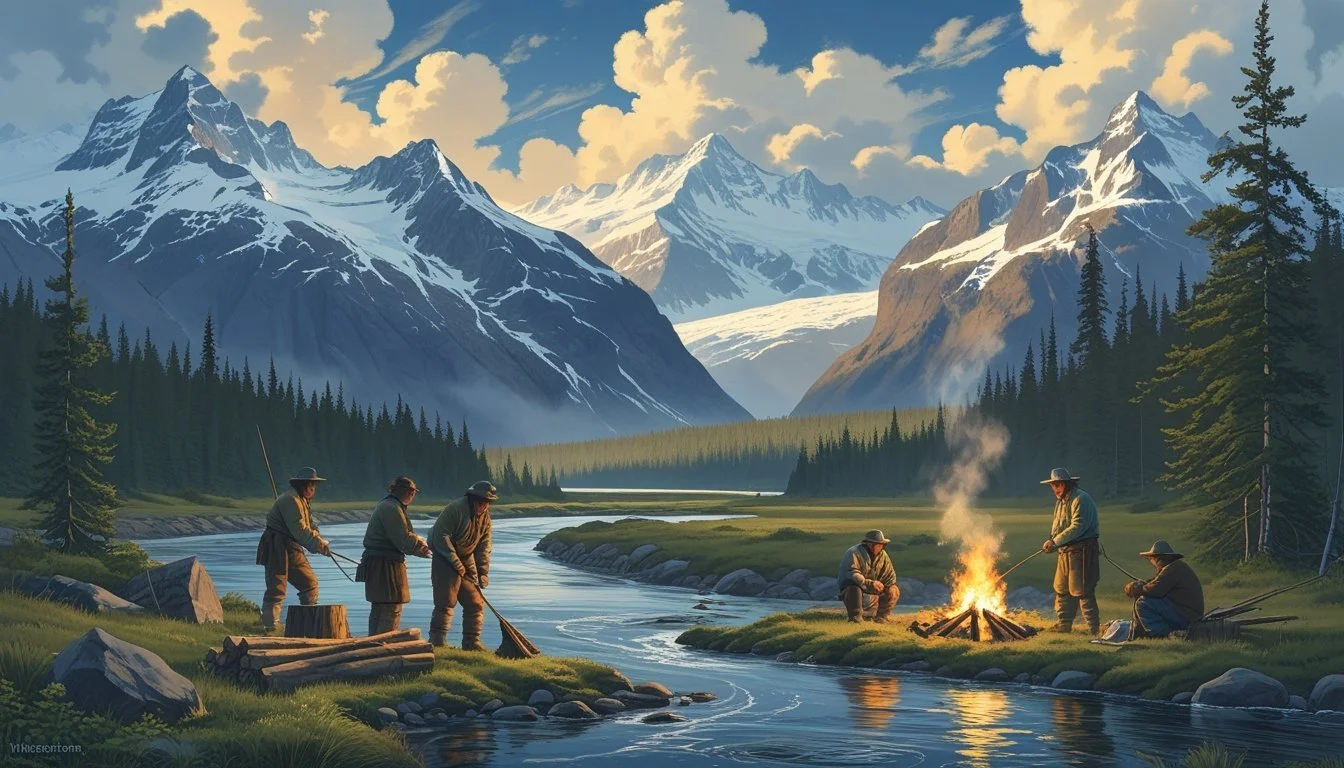
Alaska’s remote wilderness greatly shapes how the Brown family carries out daily tasks, making each action more demanding yet meaningful. Living outside areas like Anchorage, they face persistent challenges from the land, weather, and wildlife that few experience regularly.
Remote Locations and Rugged Landscapes
Many scenes are filmed far from the conveniences of modern life, deep in the Alaskan wilderness. The family’s homestead stands isolated, hours from the nearest town or proper road. This remoteness means travel is time-consuming, whether gathering supplies or seeking help.
The rugged terrain of Alaska demands constant adaptation. Mountains, dense forests, and vast rivers surround their home. Heavy snowfall, frequent rain, and rough ground make routine chores—like hauling water, chopping wood, or hunting—genuine physical challenges compared to similar tasks in urban settings.
Even basic transportation in Alaska’s wilderness involves snowmobiles, sleds, and boats rather than cars. This constant interaction with the natural landscape transforms ordinary routines into true tests of resilience and problem-solving.
Wildlife Encounters and Natural Challenges
Alaska’s wilderness is home to bears, moose, wolves, and countless smaller animals. Wildlife encounters occur frequently, shaping how the Brown family secures food and protects their homestead. Caution is essential when storing supplies or setting out on hunting and fishing trips.
Natural obstacles such as freezing temperatures, sudden storms, and unpredictable river crossings add layers of risk to any outdoor activity. For example, collecting firewood is not simply picking up branches; it involves careful planning to avoid animal encounters and stay safe in harsh weather.
The sheer unpredictability of wilderness living makes every task—from repairing a fence to gathering berries—a potential struggle against the elements and local wildlife.
Isolation and Self-Reliance
Isolation is a defining feature of life for the Alaskan Bush People. Unlike in Anchorage or other towns, outside help is rarely available. The family must rely almost entirely on their own skills, resourcefulness, and cooperation.
This self-reliance means learning to repair equipment, build shelter, and find solutions to daily problems with limited supplies. Routine health and safety concerns require quick thinking and adaptability since professional services are far away.
Isolation also forges strong bonds among family members, as cooperation is crucial. Ordinary chores gain new significance in an environment where everyone’s contribution has a direct impact on the survival and comfort of the group.
The Brown Family’s Survival Strategies
The Brown family’s approach to wilderness living focuses on lasting self-sufficiency. Their daily life centers on using survival skills and practical methods that allow them to adapt to unpredictable and demanding conditions.
Resourcefulness and Problem-Solving
Resourcefulness is at the heart of the Brown family’s survival strategies. They routinely repurpose materials found in the wild and draw on traditional bushcraft techniques to build shelters, repair equipment, and solve unexpected challenges.
For example, they use fallen timber, tarps, and even salvaged metal to create functional structures. When faced with broken tools or machinery, the family engineers makeshift solutions using available resources, displaying significant problem-solving ability.
A strong emphasis on adaptability has shaped their ability to deal with harsh weather, supply shortages, and isolation. Their ingenuity is essential to sustaining their lifestyle and sets a clear example of practical resilience.
Subsistence Hunting and Gathering
The Brown family relies on subsistence hunting and gathering to meet their food needs. Their arsenal includes hunting for deer, fishing in nearby rivers, and foraging for wild plants, berries, and edible mushrooms.
Their hunting practices obey state regulations and stress safe, ethical harvesting. Spearfishing and trapping supplement their protein sources, while knowledge of local flora keeps their diets balanced.
Foraging isn’t limited to food; medicinal plants are identified and used for minor health issues. This deep understanding of the land helps maintain both nutrition and overall well-being, ensuring the family rarely depends on outside supplies.
Food Preservation Tactics
Preserving food is essential to thriving year-round in remote Alaska. The Browns employ tried-and-true techniques such as smoking fish and game, drying fruits, and canning forage-harvested goods.
They construct smokehouses from natural materials and maintain careful control of fire and smoke to ensure proper preservation. Salt and vinegar, when available, are often used for pickling and curing to maximize shelf life.
Their process involves storing preserved food in secure places to protect from wildlife and spoilage. These systems reduce waste, build food reserves for winter, and minimize the risk caused by supply disruptions or changes in the environment.
Building Shelter and Infrastructure
Building functional homes, securing reliable power, and managing fire risks are essential for living off-the-grid in Alaska. The challenges of constructing and maintaining these elements demand resourcefulness and careful planning in a remote environment like North Star Ranch.
Handcrafted Homes and Cabins
The Brown family uses local timber and salvaged materials to build their cabins. Each shelter is constructed by hand, focusing on durability and insulation against Alaska’s harsh weather.
Log cabins are often assembled with minimal tools, relying on saws, axes, and teamwork. Walls are notched and stacked to lock logs together tightly. Roofs are typically sloped and overhanging to shed snow and rain, using tarps, moss, or milled planks for waterproofing.
This approach to building shelter provides protection and a stable base for daily life. Careful site selection helps avoid flooding and wind exposure. For longer-term structures, reinforcing with stone or clay may improve insulation and longevity. Each build demonstrates how resourcefulness and bushcraft are critical to surviving off the grid.
Alternative Energy and Solar Panels
Access to traditional power grids does not exist at North Star Ranch. Instead, the Brown family relies on alternative energy sources like solar panels and generators to meet daily needs.
Solar panels are mounted on south-facing roofs or open ground to capture maximum sunlight. These panels charge batteries that supply steady electricity for tools, refrigeration, radio communication, and lights. The system often includes an inverter to convert stored energy for common appliances.
Wind power and small hydro generators are sometimes considered, but limited resources and unpredictable weather can be constraints. Maintenance of these off-the-grid systems requires monitoring battery health and ensuring all wiring is secure and weatherproof. Careful energy management is crucial, especially during extended cloudy periods or winter, when solar output drops.
Fire Management and Wildfires
Fire poses a dual challenge: it is both a vital source of heat and a significant risk in Alaska's dry summer months. On the North Star Ranch, families must carefully manage wood stoves and open flames.
Fireplaces and stoves are built from stone or metal, with chimneys kept clean to prevent creosote buildup. Dedicated firewood storage keeps fuel dry and separated from living areas. Water barrels or hand pumps are positioned nearby as basic safeguards.
Wildfire risk increases with dry conditions. Precautions, such as clearing brush from around cabins and creating firebreaks, help reduce hazards. Emergency plans include evacuation routes and tools such as shovels and axes. The ability to quickly suppress small flames can prevent larger disasters, making fire awareness an ongoing priority for anyone living off the grid.
Food Acquisition and Preparation
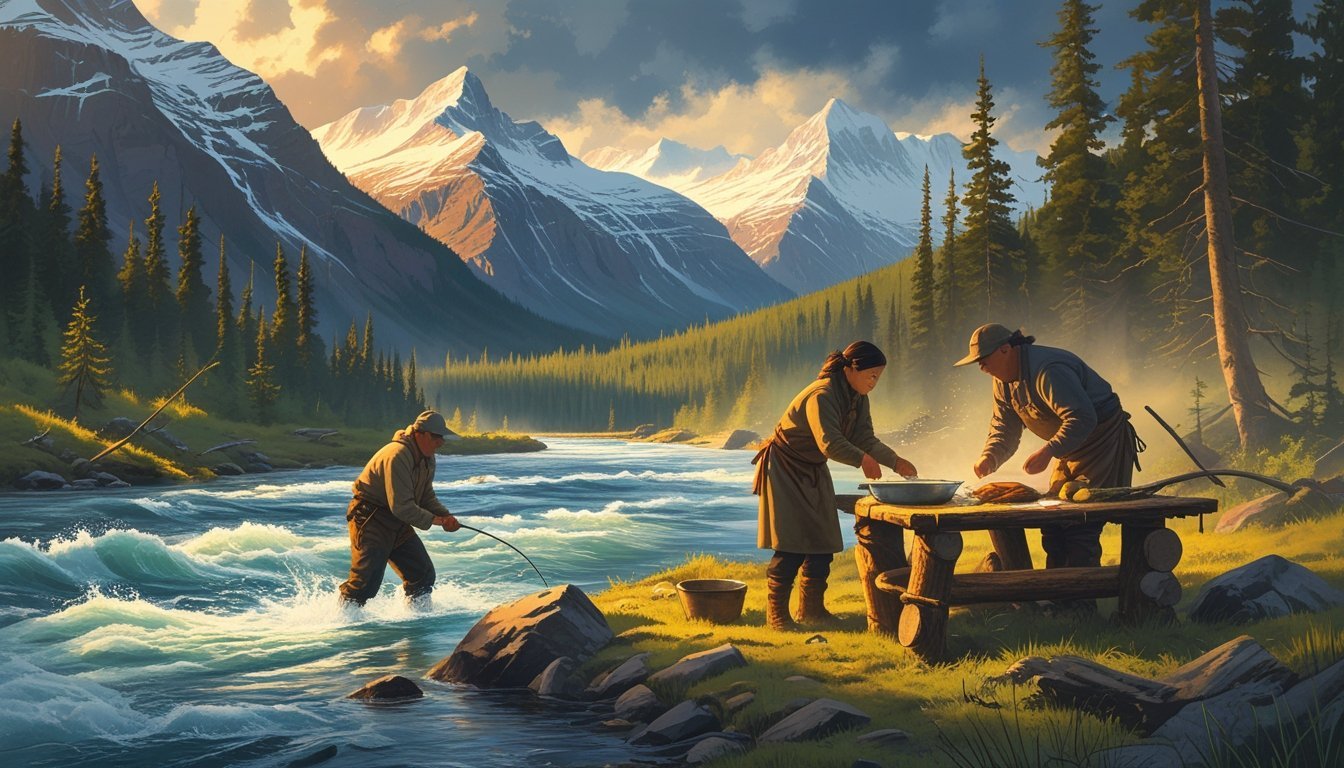
Securing food in the Alaskan wilderness demands both ingenuity and resilience. The Brown family showcases a mix of traditional skills and adaptability as they hunt, fish, garden, and preserve their provisions to survive harsh conditions.
Fishing and Hunting Expeditions
Fishing and hunting are core sources of protein for the family. Salmon fishing requires careful planning, as certain rivers are only fishable during short seasonal runs. Nets, lines, and improvised traps are used to maximize the catch.
During hunting trips, they seek game like moose, deer, and bear using both firearms and bows. These expeditions can span days and involve tracking and field dressing the animal immediately to prevent spoilage. Food preservation methods, like smoking and salting, help store meat for winter.
Tools and gear must be maintained, since a broken net or dull knife can mean going hungry. Safety protocols are paramount, given the presence of large wildlife and challenging terrain.
Gardening in Harsh Conditions
Gardening in the bush is challenging due to short growing seasons, cold temperatures, and poor soil. Families often build raised garden beds and use homemade greenhouses to extend the season.
Only hardy crops—such as potatoes, carrots, and cabbages—are grown reliably. Composting and manually enriching the soil are necessary routines. Water is sourced from rain catchment or nearby streams.
Seed saving is critical, as store-bought supplies are limited. Any surplus produce is canned, dried, or pickled using tried-and-true preservation techniques to last through the long winters. This ensures the garden supplements, rather than replaces, wild-protein sources.
Family Bonds and Emotional Resilience
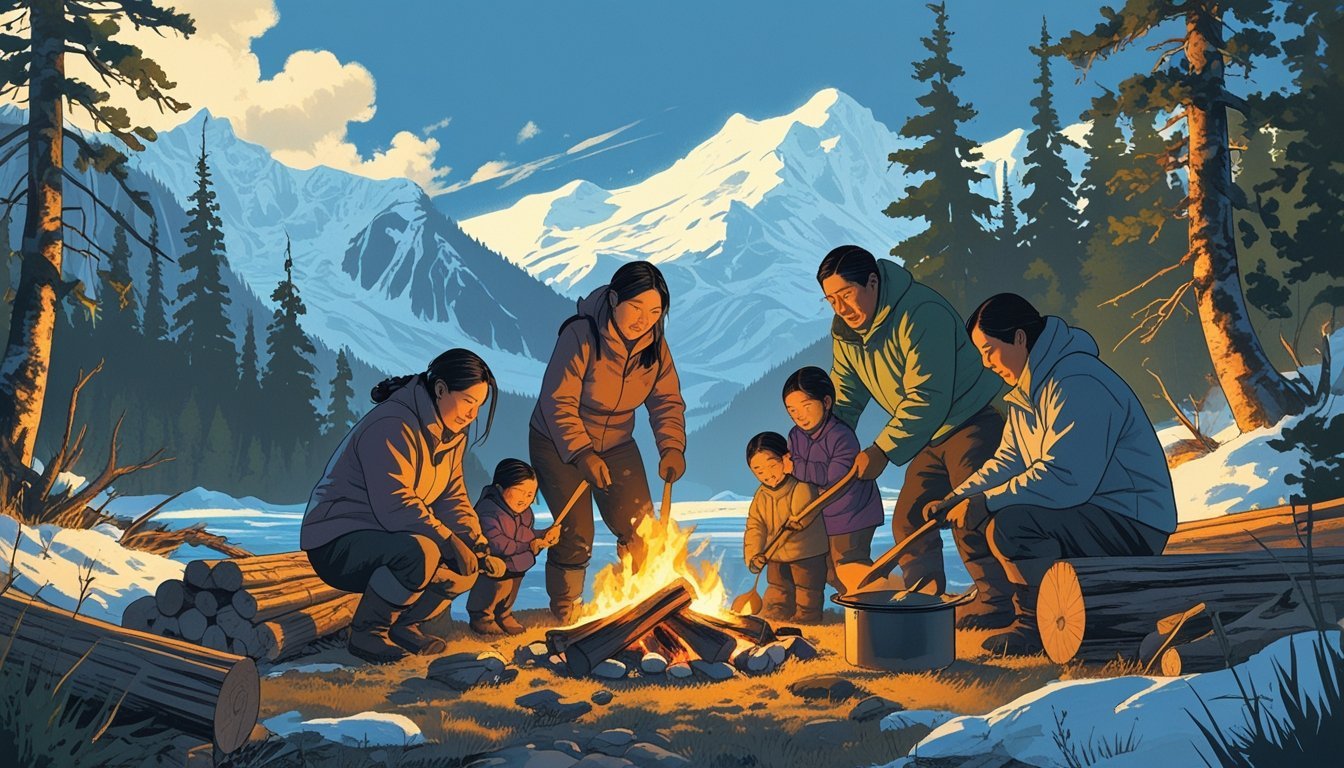
The Brown family's experiences demonstrate how tight-knit relationships and teamwork are essential parts of their survival in remote environments. By prioritizing emotional support and adaptability, they strengthen their connections and face hardships together.
Family Unity in the Face of Challenges
The Brown family, often referring to themselves as a "wolf pack," relies on unity to handle daily obstacles. Shared responsibilities—like building shelters, hunting, and gathering—require everyone’s participation and trust.
Their lifestyle has demanded constant adaptation, especially following pivotal events such as the loss of their patriarch, Billy Brown. Coping with change has meant shuffling roles, quickly learning new skills, and backing each other up when one member is struggling.
Key examples of their unity:
Joint decision-making before taking on risky tasks
Supporting family members who feel overwhelmed
Valuing each person’s input, regardless of age or experience
This collective approach helps them maintain stability even through unpredictable conditions, reinforcing their identity as a close family unit.
Mental Health and Emotional Support
Emotional resilience is as important as physical capability in sustaining their way of life. The family creates a supportive environment where feelings are acknowledged and open communication is encouraged.
Handling isolation and stress becomes manageable thanks to their practice of checking in with one another. The Browns frequently share words of encouragement during difficult times, using shared traditions or humor to lift spirits.
Strategies the family uses for emotional support:
Group discussions to process setbacks
Sharing personal struggles openly, reducing stigma
Leaning on spiritual or cultural beliefs for perspective
By emphasizing adaptability and emotional connection, they foster a sense of security that enables each member to navigate challenges with greater confidence.
Behind-the-Scenes Elements
The process of turning the Brown family's lifestyle into compelling television relies on creative decision-making, active production involvement, and responding to challenges faced on and off camera. Practical factors such as where the show is filmed and how the family interacts with local communities shape the narrative that viewers see.
Production Choices and Authenticity
"Alaskan Bush People" often amplifies routine survival tasks with dramatic production methods. Lighting, music, and editing create tension or significance, making simple chores like fishing or chopping wood feel momentous.
Producers sometimes direct cast members during scenes to achieve better storytelling flow. For example, Joshua "Bam Bam" Brown has contributed by stepping behind the camera to help direct certain moments. This approach can raise questions about the authenticity of on-screen events.
While the family’s commitment to bush living is highlighted, some scenes involve technical support or orchestrated situations to ensure both participant safety and engaging content. These choices balance entertainment value with real elements of the Browns’ lifestyle.
Social Challenges and Community Integration
After moving from isolated wilderness into more populated areas such as Hoonah, Alaska, the Browns faced new social dynamics. Unlike their previous seclusion, integration into these communities brought unique challenges that the cameras sometimes captured.
Locals did not always view the Brown family as fully authentic. Skepticism arose about the extent of their self-reliance and “bush” lifestyle, given their new proximity to towns and other people. Community relationships added complexity to their attempt at off-grid living.
The show occasionally reflects this tension, hinting at both acceptance and distance between the Browns and their neighbors. Navigating social norms and local perception became as much a part of their experience as their daily survival efforts.
Relocation and Changing Locations
The Brown family's relocation from Alaska to Okanogan County, Washington marked a significant behind-the-scenes shift. Economic and health concerns, including Ami Brown’s medical treatment, partly drove this move.
Filming in different locations required the production team to adjust storylines and logistics. Changes in landscape, wildlife, and legal regulations affected how the family could interact with the environment.
This relocation also influenced how authentic bush life could be represented. Washington’s climate, community, and infrastructure differed from rural Alaska, shaping which tasks could be portrayed as rugged or epic. The adjustments impacted both the daily reality for the family and the stories presented to viewers.
Personal Struggles and Triumphs
The Brown family has faced health crises, addiction, and the loss of loved ones, all while living off the grid. These experiences have shaped their daily lives and brought unique challenges that are often magnified by their remote environment.
Ami Brown’s Cancer Battle
Ami Brown’s diagnosis of advanced lung cancer in 2017 became one of the most emotionally challenging periods for the family. Her treatment required her to leave the bush and receive intensive care in the lower 48, disrupting their way of life. The series followed Ami’s chemotherapy and radiation, capturing both the physical toll and the family’s fear of losing their matriarch.
Despite a grim prognosis, Ami’s cancer went into remission, and she returned to the homestead. The family credited her resilience, faith, and support from loved ones for her recovery. Viewers witnessed firsthand how even basic tasks like cooking or gathering supplies carried extra weight during her illness.
Key Details:
Diagnosis Year Cancer Type Treatment Location Remission 2017 Lung Cancer California & Washington Achieved 2018
Dealing With Addiction and Recovery
Matt Brown, the eldest son, has struggled with substance abuse over the years. His battle with addiction led him to multiple stays in rehab facilities away from his family. These absences left a noticeable gap on the show, but also brought attention to the complexity of recovery in isolation.
Matt’s public journey emphasized the difficulties of breaking free from substance abuse without traditional support systems. He shared how living far from resources made relapse prevention harder. The family supported him with candid conversations, visits, and continued encouragement to prioritize his health.
Matt’s willingness to talk openly about his addiction efforts made the issue more visible to fans. It showed the real challenges people face when seeking sobriety under extraordinary circumstances.
Maintaining Freedom Through Adversity
After Billy Brown’s death in 2021, the family confronted significant emotional and practical hardships. Billy’s vision for an independent, self-sustaining lifestyle defined the show, and his absence tested the family’s commitment to those ideals.
Despite grief and uncertainty, Ami and her children worked to maintain their off-grid existence. They adapted routines, split responsibilities, and honored Billy’s legacy by upholding the values he championed. The desire for freedom—being able to make their own choices and provide for themselves—remained central.
The relentless terrain and personal losses often turned daily tasks into symbols of perseverance. The Browns’ ability to persist, even when faced with setbacks, demonstrates their ongoing commitment to living life on their own terms.
Spotlight on Individual Family Members
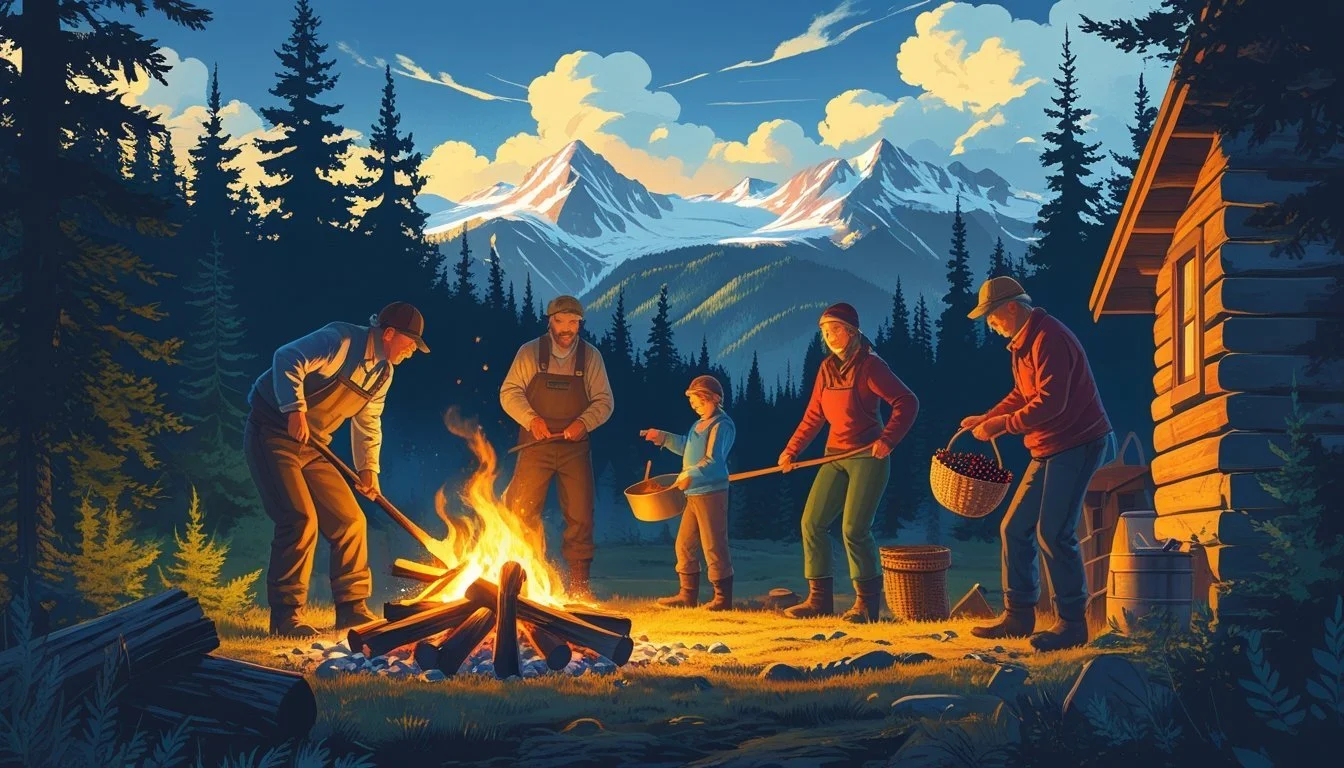
Each Brown family member assumes a distinct role in their daily survival and group decision-making. Their actions and personalities contribute directly to the family's dynamic, shaping how they tackle the challenges of remote Alaskan life.
Billy Bryan Brown’s Leadership
Billy Bryan Brown, the family patriarch, served as the driving force behind the group’s vision. He led with a focus on self-reliance, often insisting that every family member develop new skills and take part in problem-solving.
He set the tone for decision-making, frequently gathering his family for discussions about building shelter, seeking food, or responding to unpredictable weather. Billy also prioritized family unity. While mistakes or setbacks were common, he helped turn minor projects like repairing a roof or hunting for dinner into serious collective missions.
Billy’s leadership style balanced encouragement with practicality. He rarely accepted excuses, pushing his children to approach tasks with resourcefulness. Even everyday chores, under his direction, were treated as essential, reinforcing the notion that survival depended on everyone’s determination.
Bear, Gabe, and Noah Brown’s Contributions
Bear, Gabe, and Noah Brown each brought unique strengths that enhanced the family’s ability to manage tough tasks. Bear Brown demonstrated relentless energy and often tackled dangerous or physically demanding jobs, such as climbing trees or tracking animals.
Gabe Brown became known for his reliability and willingness to take on manual labor, like splitting logs or constructing outbuildings. He often served as a steady hand during group projects.
Noah Brown leaned toward inventiveness. He applied practical skill and creativity to create gadgets or improve efficiency, whether saving time on water retrieval or upgrading tools from scavenged materials.
Their combined efforts turned simple chores—such as gathering firewood, fishing, or moving supplies—into coordinated feats that relied on teamwork, adaptability, and persistence. The contrast in personalities and abilities highlighted how ordinary living could become a collaborative challenge.
Economic and Legal Realities
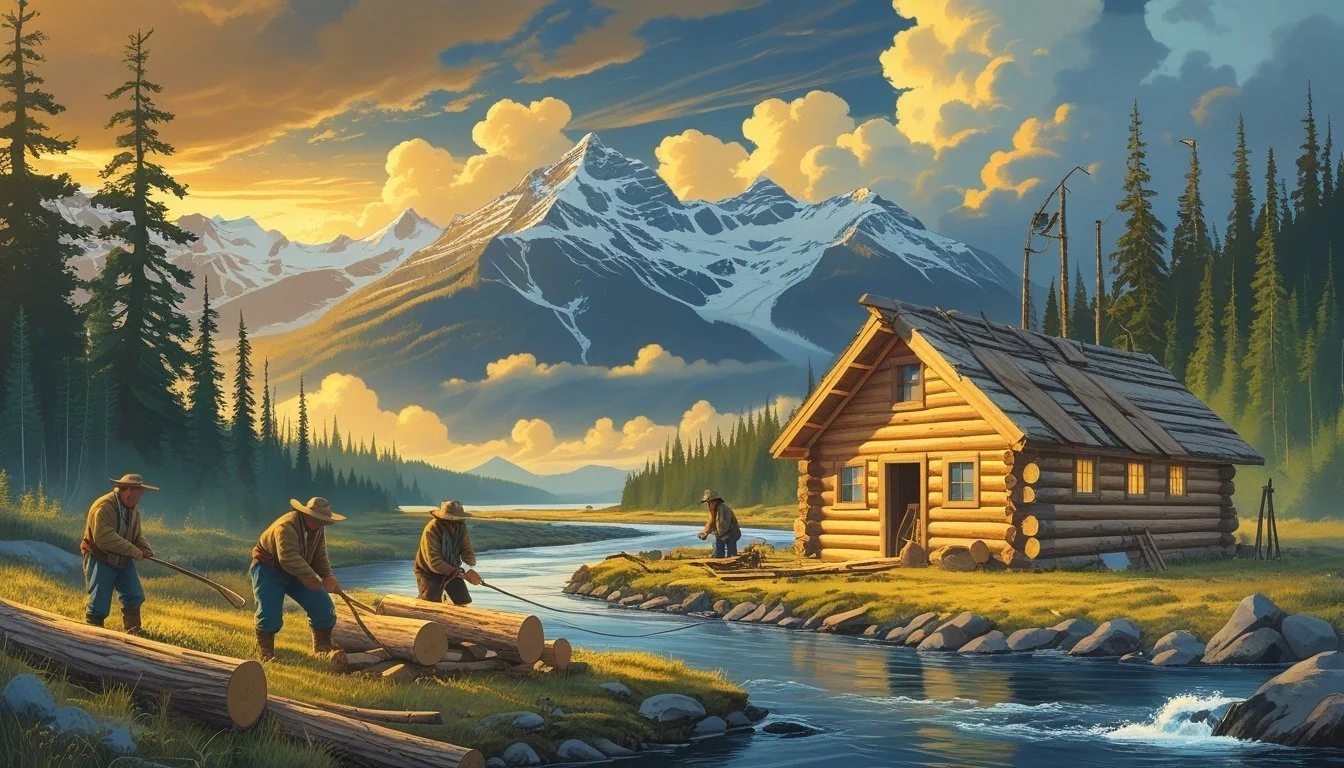
Financial and legal factors shape much of what the Alaskan Bush People experience behind the scenes. State policies and past legal encounters have both played a significant role in their story.
Permanent Fund Dividend and Alaskan Policy
The Permanent Fund Dividend (PFD) is an annual payment distributed to eligible Alaska residents from oil revenue investments. This program is central to the economic lives of many in rural Alaska and can be a critical source of support for families living off the land.
To qualify for the PFD, applicants must reside in Alaska for the full qualifying year and meet specific requirements, including not claiming residency in another state. The Alaskan Bush People’s frequent moves and high-profile presence have led to public scrutiny over their eligibility. Past controversies have arisen regarding their claims, drawing attention to how closely the state monitors PFD applications.
The strictness of Alaskan residency policies reflects the program’s importance. Accurate reporting is enforced to prevent fraudulent claims. In the broader context, the visibility of the Alaskan Bush People has highlighted these rules for viewers unfamiliar with the PFD system.
Encounters With Domestic Violence Allegations
Legal challenges have occasionally intersected with the Alaskan Bush People’s public image. Allegations related to domestic violence have brought unwanted attention, influencing both audience perception and network responses.
Alaska, like all U.S. states, has clear legal protocols for handling domestic violence. Accusations can lead to law enforcement investigations, court proceedings, and restrictions on individual freedoms if substantiated. The high-profile nature of reality television often means such allegations receive amplified scrutiny compared to private citizens.
Law enforcement in rural Alaska faces unique challenges due to geography and resources, but cases involving public figures are prioritized to uphold the law. These incidents remind viewers that beyond the on-screen drama, the cast faces the same legal standards as anyone living in Alaska.
