
The Importance of Ritual in the Brown Family on Alaskan Bush People
Strengthening Bonds and Tradition

The Brown family on Alaskan Bush People stands out for their unique use of ritual to maintain unity and purpose while living in the remote wilderness. Their daily routines and traditions, from bush bathing rituals to shared spiritual practices, are woven deeply into their lives and support the family's stability in a challenging environment. Rituals are essential for the Browns, strengthening their bonds and offering structure amidst the unpredictability of off-grid living.
Living far from mainstream society, the family depends on these customs to navigate both practical challenges and emotional hardships. Whether it's gathering together for routine tasks or partaking in spiritual moments, the Browns' consistent traditions help create a sense of continuity and belonging.
These meaningful practices not only keep the family close-knit but also reveal the importance of ritual in building resilience and identity in isolation.
Defining Rituals Within the Brown Family
Rituals in the Brown family serve both practical and symbolic purposes, reflecting their belief systems and daily realities. Specific practices reinforce family bonds, survival skills, and shared values while adapting to life in the Alaskan wilderness.
Understanding the Concept of Ritual
A ritual is a repeated, patterned behavior often rooted in tradition or belief systems. In the Brown family, rituals are shaped by their need for survival, connection, and meaning in a remote environment.
Rituals can mark significant events, such as seasonal changes or milestones in each family member's life. These actions help create structure and predictability. For the Browns, rituals are not just traditions—they are acts that reinforce their unique lifestyle and identity.
Rituals also serve the practical function of passing down bush skills. By repeating certain tasks in a set way, knowledge is reliably transferred between generations.
Key Rituals Practiced by the Brown Family
The Brown family’s most visible rituals include grooming practices and group bonding activities. For example, they use bear oil as a multipurpose moisturizer, blending practical needs with cultural habits.
Another ritual is their tradition of jumping over fire logs. This serves as a rite of passage and a demonstration of skill and courage, especially important for younger family members.
Table: Selected Brown Family Rituals
Ritual Purpose Bear oil grooming Hygiene, tradition Jumping fire logs Rite of passage, unity
These rituals foster a strong sense of belonging and reinforce bush survival, creating continuity amid the challenges of remote living.
Significance of Rituals in Family Dynamics
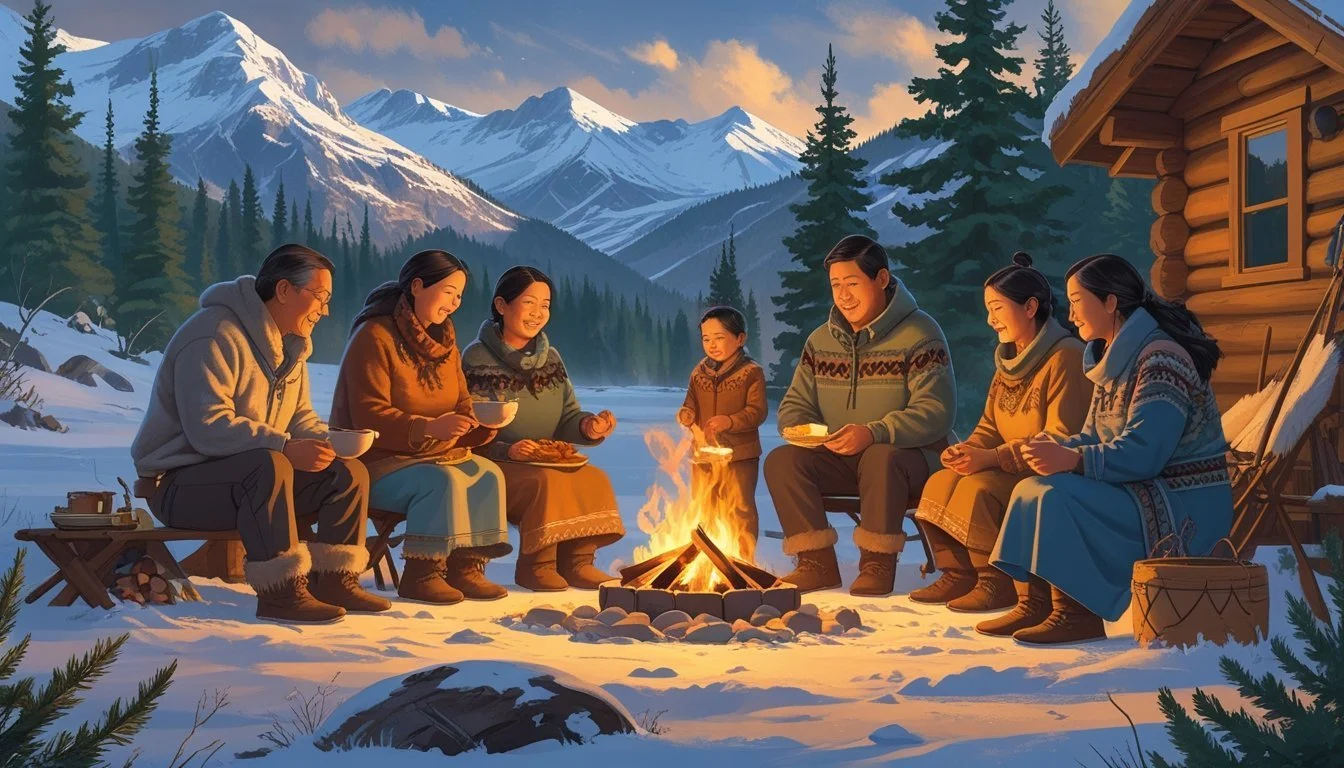
Rituals practiced by the Brown family serve as a foundation for their daily life, offering predictability and meaning amid the unpredictable environment of the Alaskan wilderness. These shared traditions help maintain close bonds and contribute to emotional and relational stability.
Strengthening Family Connections
Family rituals create recurring moments that reinforce trust and unity. In the Brown family, activities such as shared meals, storytelling by the fire, and celebrating milestones are opportunities for each member to participate, contribute, and feel valued.
Such traditions are more than habits; they provide structure, foster a group identity, and help new members or children learn the values important to the family. Even simple acts like hunting together or performing chores as a group encourage cooperation.
These routines become anchors during difficult times. When facing external challenges, predictable family rituals can give members a sense of normalcy and a reminder of mutual support.
Rituals and Emotional Health
Participating in familiar routines reduces uncertainty and anxiety, especially for children. The Browns' reliance on group rituals promotes emotional security by ensuring every individual knows what to expect each day.
This consistency creates a safe environment for expressing feelings and resolving conflicts. The repetition involved in rituals can be soothing and help individuals process emotions, particularly during periods of stress or grief.
Research highlights that rituals contribute to overall happiness and well-being by fostering a sense of belonging. In the context of the Browns, rituals help mitigate the mental health challenges that can arise from isolation and harsh living conditions in remote Alaska.
The Role of Rituals in Marriage and Romance
Couple-focused rituals, such as date nights, shared prayers, or anniversary celebrations, play a significant role in sustaining marriage and romance. For Brown family couples, routine gestures of affection and recognition strengthen their commitment.
These practices ensure intimacy does not get lost amid daily survival tasks. They serve as scheduled reminders to communicate, reflect, and appreciate each other, even when life is demanding.
Rituals create opportunities for couples to build trust and maintain a positive emotional connection. Consistent, meaningful traditions are linked to greater relationship satisfaction and resilience, which is evident in the way Brown family marriages adapt to difficulties.
Cultural Influences and Community Connections
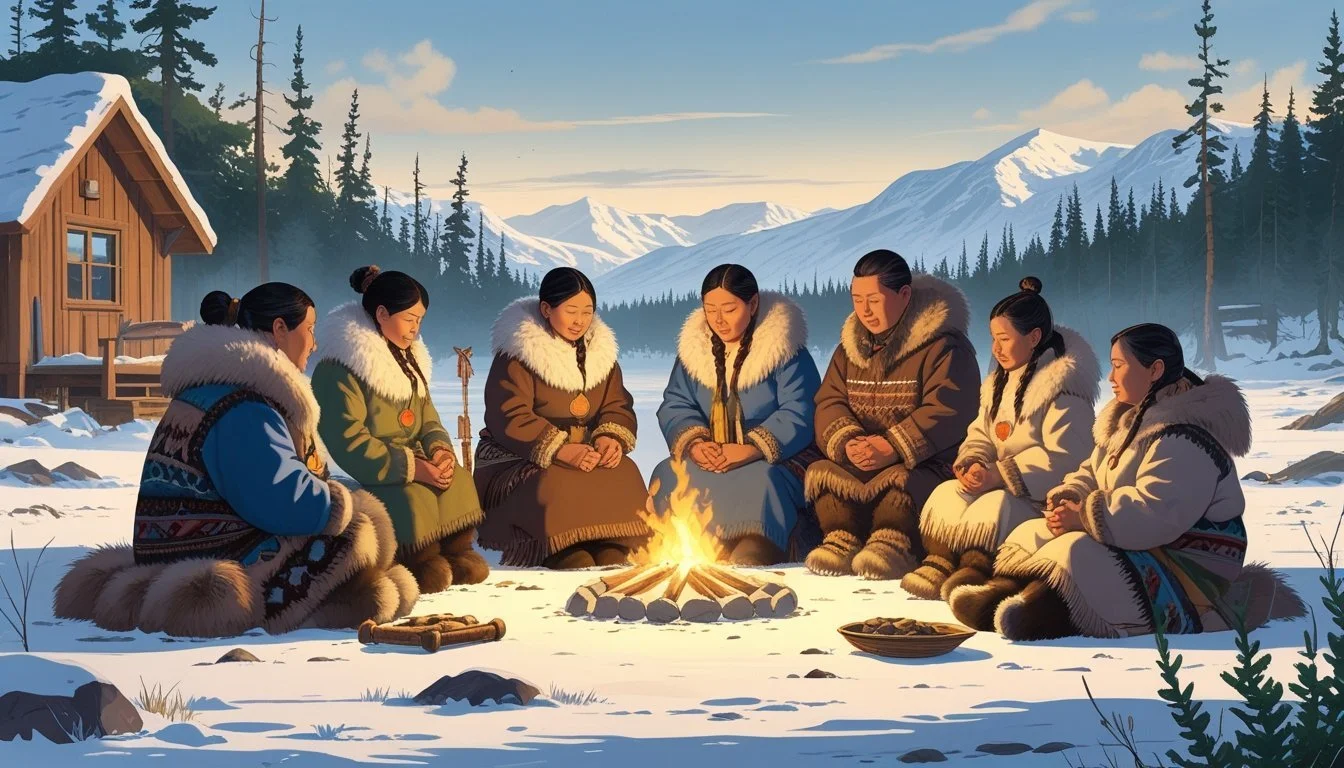
The Brown family’s social practices reflect deeper historical and regional influences within southeastern Alaska. Rituals and traditions are shaped by both Indigenous heritage and the realities of community life in remote settings.
Influence of Tlingit, Haida, and Tsimshian Traditions
The cultures of the Tlingit, Haida, and Tsimshian peoples have had a significant impact on the social life in areas around Yakutat and Kake.
Ceremonies and daily customs emphasize respect for the land and the interconnectedness between people and nature. For example, the Tlingit practice of potlatch—a communal gathering involving gift-giving and speeches—demonstrates the value of reciprocity.
The Brown family, though not of Indigenous descent, share some ritual parallels with these communities. They practice regular family gatherings, shared meals, and seasonal celebrations that echo the rhythm of life in the region.
Community Rituals in Southeastern Alaska
Living in southeastern Alaska often means relying on tight-knit community bonds for survival.
Fishing, hunting, and gathering are not just economic activities but social events that reinforce trust and cooperation. Joint activities like these transform routine chores into shared experiences.
In Kake and Yakutat, annual festivals and ceremonies serve to mark transitions, honor ancestors, and maintain cohesion. The Brown family’s experience—documented on their show—often mirrors these collective practices when facing challenging conditions and major life events.
Activity Community Purpose Example Locations Salmon Fishing Bonding, Survival Kake, Yakutat Berry Picking Sharing, Tradition Southeast Alaska Canoe Races Celebration Coastal Villages
Greeting Rituals and Social Interactions
Greeting rituals in this part of Alaska are shaped by a mix of Indigenous protocol and frontier hospitality.
Among the Tlingit and Haida, formal welcomes might include sharing food or symbolic gestures—such as the use of clan crests or offering tea—reflecting respect and mutual recognition. Social interactions often center on listening, patience, and maintaining community harmony.
The Brown family, when interacting with neighbors or new arrivals, often adopt a similar approach of modest introductions and simple hospitality, highlighting their integration into regional customs. Friendly conversation, sharing resources, and helping with tasks are routine, directly reflecting values ingrained in local social life.
Ritual Performance and Everyday Practice
Rituals play a practical and symbolic role in the Brown family’s daily life. Each ritual, whether routine or special, helps strengthen bonds, set intentions, and promote peaceful coexistence in the Alaskan wilderness.
Daily Rituals and Their Purpose
The Brown family relies on a collection of simple yet meaningful daily rituals to maintain structure and unity. Morning routines often begin with shared tasks—such as gathering water, chopping wood, and preparing meals—which are performed in a spirit of gratitude and cooperation. These repetitive actions are not only about survival but reinforce a sense of order and mutual reliance.
Table: Common Brown Family Daily Rituals
Ritual Purpose Meal Preparation Cooperation, nourishment Fire Building Warmth, security Group Check-ins Communication, support
These daily services, performed together, create a rhythm that anchors family members throughout unpredictable conditions. Expressing thanks for the small successes—like a well-cooked meal or a full firewood stack—fosters appreciation among each other.
Special Occasion Rituals
Special occasions are marked by unique traditions that set them apart from ordinary days. Birthdays, seasonal milestones, and reunions involve ritual performances such as shared meals, storytelling, and sometimes collective bush bathing—a long-standing family practice meant to renew the spirit.
These events are occasions for expressing gratitude not just to each other, but also for the resources nature provides. The Brown family approaches these moments with intention, emphasizing unity and the importance of peaceful coexistence with both family members and the environment.
The meaning behind these rituals lies in their ability to reinforce connections, offer emotional support, and celebrate the resilience required to thrive off the grid.
Rituals and the Natural World
The Brown family's relationship with nature is deeply rooted in their daily practices. Their rituals connect them to the land and wildlife around them and reflect a desire for peaceful coexistence with the natural world.
Interactions with Wildlife
The Browns often interact closely with wildlife in their Alaskan environment. Their ritual practices encourage respect for animals and careful observation of their surroundings. Whether tracking bears, fishing, or gathering, each activity follows routines meant to minimize harm and disturbance.
Family members sometimes pause to acknowledge animal signs or leave offerings, which they believe honors the spirits of the forest. These gestures are not performed as spectacle, but as a way to maintain harmony with the animals living nearby. The Browns teach younger children to move quietly in the woods and to read subtle changes in animal behavior, fostering awareness and safety during daily chores.
Practical rituals—such as speaking softly in the forest and cleaning up after hunting—help reinforce the importance of peaceful coexistence. As a result, interactions with wildlife are approached with caution and mindfulness.
Symbolism of Humpback Whales
Humpback whales are significant in the symbolic landscape of the Brown family. For them, sightings of these whales represent strength, endurance, and a deep connection to the rhythms of nature. Family stories sometimes draw parallels between the migration of humpback whales and their own movements through the Alaskan wild.
In their rituals, the Browns might gather together at the shoreline to observe the whales' passage. This act is both a communal experience and a moment of individual reflection. Family members may share personal hopes or memories, inspired by the whales’ persistence and unity.
The humpback whale is also regarded as a symbol of renewal. The Browns express gratitude for the whales’ presence, seeing in their cycles a reminder to respect the patterns of nature and their own need for resilience. Whales inspire a sense of awe and humility, qualities emphasized during group rituals.
Observing Animal Behavior in Rituals
Animal behavior serves as an important guide in the Brown family’s rituals. Careful observation helps them interpret changes in weather, food availability, or the presence of predators. Before fishing or hunting, they look for signs from birds and mammals to gauge the safety and timing of their activities.
Some of their rituals involve silent periods outdoors, allowing them to listen and watch without interference. This practice is taught to younger members as vital for survival and for building a respectful relationship with the environment.
Recognizing animal patterns also informs their response to potential dangers. For example, abrupt changes in bird calls might warn of a nearby bear. By integrating these observations into their rituals, the Browns reinforce the role of animal behavior as central to their way of life.
Adapting Rituals for Changing Environments
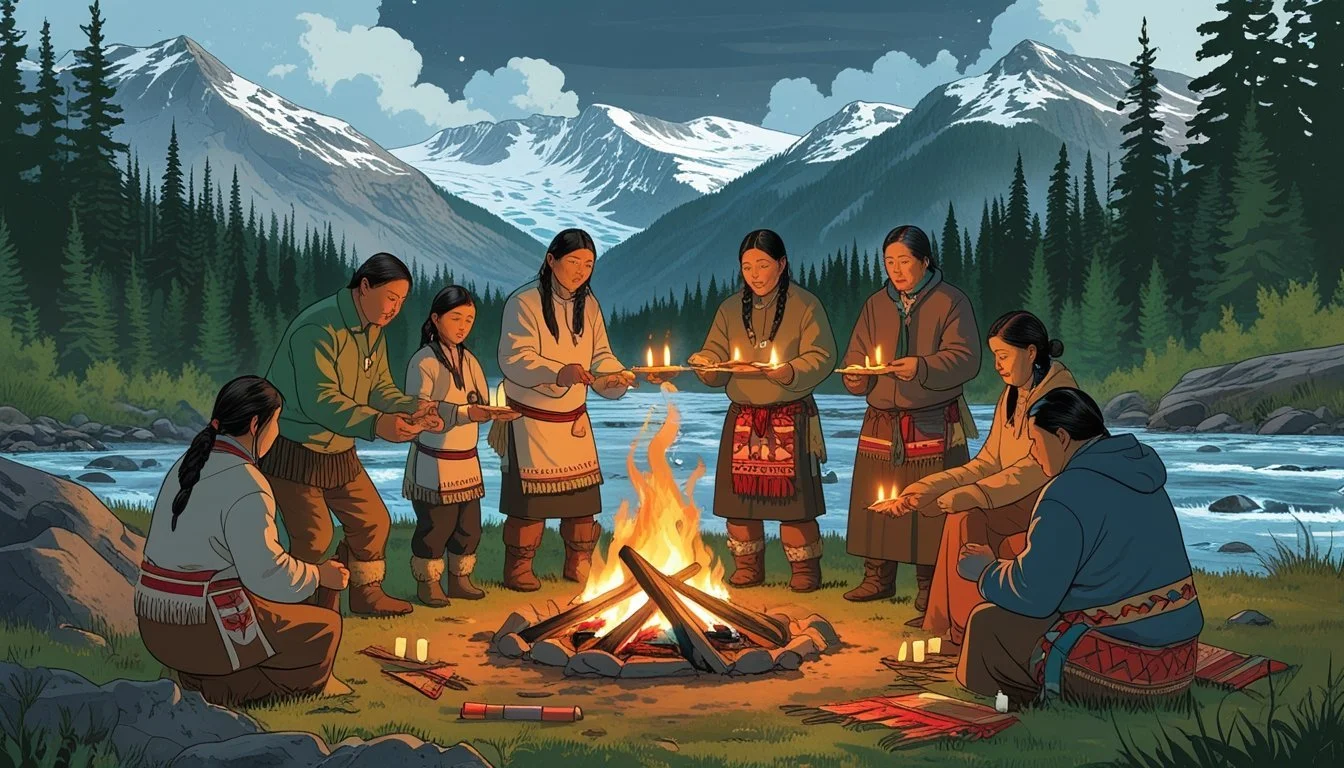
The Brown family's practices have evolved as they face new challenges and surroundings. Their rituals not only help them meet practical needs but also connect their values to shifting circumstances.
Education and Cognitive Flexibility
Education in the Brown family extends beyond formal settings, as daily survival in the Alaskan wilderness demands a flexible mind. They teach each other essential skills such as navigation, foraging, and bushcraft, often through demonstration and hands-on practice.
Learning by doing encourages adaptive thinking, which is vital as weather, resources, and living conditions constantly change. Each member learns to adjust their behavior and beliefs as situations shift, which strengthens both individual resilience and family bonds.
Cognitive flexibility, encouraged by this environment, allows them to revise established rituals without losing their significance. For example, cleaning rituals or mealtime traditions may be altered to fit weather conditions or resource shortages. This process keeps the family's core values intact while ensuring rituals remain relevant and practical.
Myth Adaptation in Modern Times
The Brown family’s oral traditions and myths serve to anchor them, but they do not remain static. Instead, they reinterpret stories to address present-day realities, teaching lessons that reflect their current challenges or achievements.
Changes in technology, exposure to new ideas, and interaction with modern society influence their approach to storytelling. Myths once centered only on survival or wilderness now include lessons about adapting to shifting roles, such as interactions with outsiders or the use of new tools.
A comparison:
Traditional Narrative Modern Adaptation Focuses on nature and ancestors Includes modern technology events Simple lessons about survival Complex themes of change
By doing so, the family maintains continuity through their myths while making them meaningful in a modern context. This adaptation helps younger members understand their heritage and develop relevant skills and values.
Rituals in Media and Audience Perception
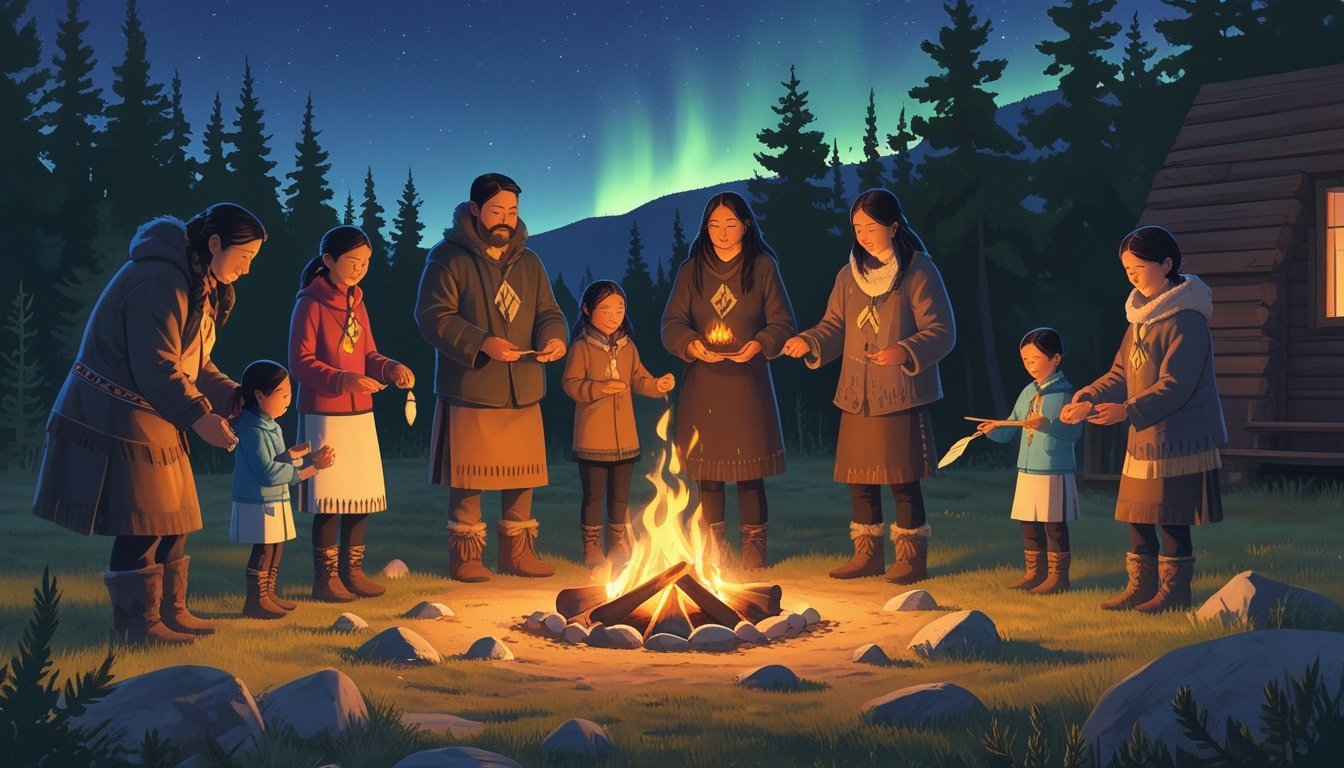
Media coverage of the Brown family's rituals on Alaskan Bush People has shaped how viewers interpret both family dynamics and bush living. These perspectives are influenced by what articles highlight and by the diverse reactions among the series' global audience.
Representation in Alaskan Bush People Articles
Articles often focus on the daily and seasonal rituals of the Brown family, like their bathing habits, communal meals, and survival tasks. These have been depicted as essential components of their off-grid lifestyle.
Writers analyse these rituals not just as practical tasks, but as symbolic family bonding moments. Details such as bush bathing and group celebrations are used to illustrate their reliance on one another.
A recurring theme in coverage is the contrast between the show's portrayal and the realities of modern living. Many articles scrutinize whether the rituals are authentic or enhanced for television.
This external evaluation encourages viewers to question what is genuinely routine and what may be media fabrication.
Audience Analysis and Reception
Audiences interpret the Brown family's rituals with a mix of curiosity and skepticism.
Some viewers are attracted to the novelty and perceived authenticity of traditions like group chores and handmade celebrations.
Others express doubt, influenced by reports questioning the realism of the family's off-grid lifestyle.
Online discussions and reviews frequently mention articles or sources that point out possible staging or exaggeration.
Interest is also global, as people from various cultures find either fascination or disbelief in the family's commitment to routine. Social media feedback, review sites, and international forums reflect a wide spectrum of reactions, ranging from admiration for the family's cohesion to criticism over the show's credibility.
Symbolic Rituals and Everyday Items
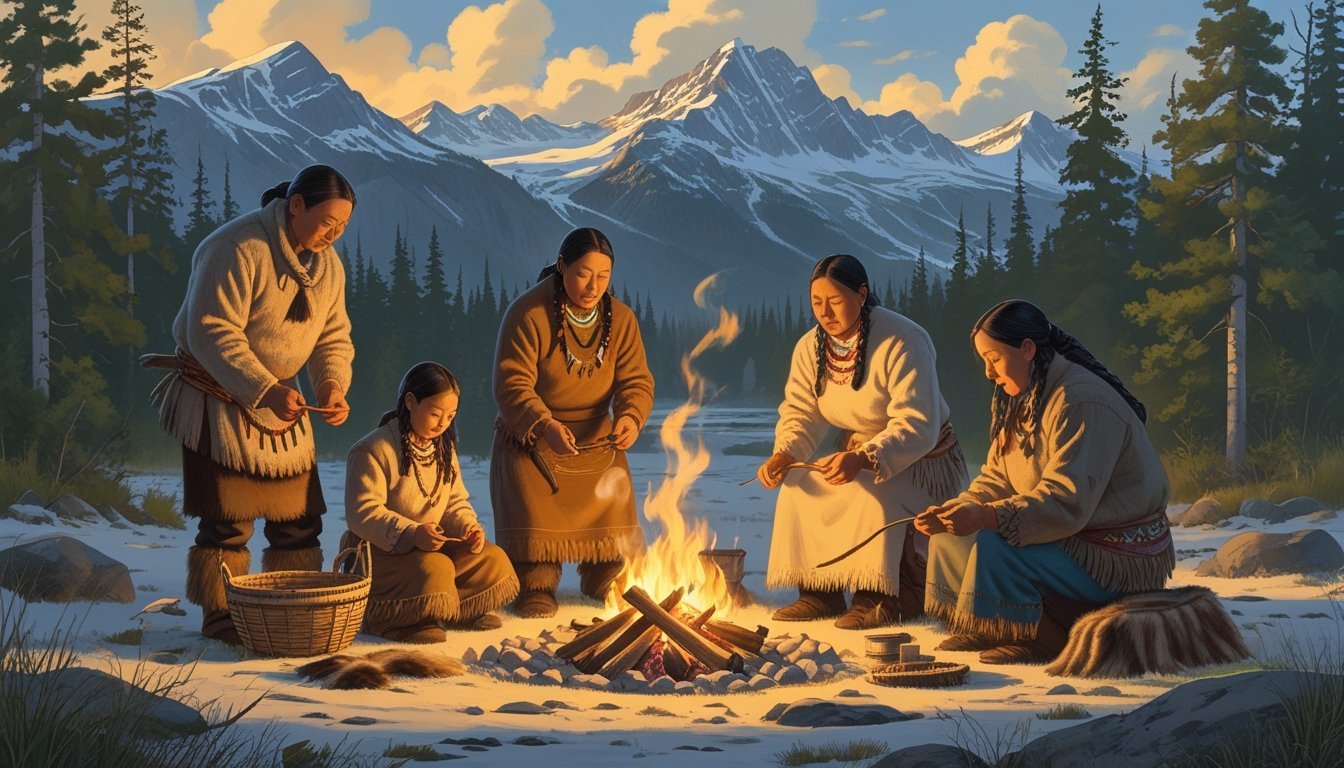
Rituals in the Brown family often focus on daily routines that carry deeper meaning and foster togetherness. These symbolic behaviors tie family members to their values, traditions, and each other, sometimes centering on specific food items or shared moments.
Symbolism of Food and Shared Cookies
Meals in the Brown household go beyond basic nourishment; they serve as structured, meaningful gatherings. Shared food, especially cookies, has become a ritual that marks both special occasions and everyday milestones. Cookies are often baked together, reinforcing collaboration and a sense of belonging.
The act of splitting cookies is significant. It allows each family member to take part in a shared experience, regardless of how much is available. In difficult times, sharing limited treats like cookies embodies the family's motto of "all for one." It also cultivates gratitude for small comforts, strengthening emotional bonds.
Purpose Symbolic Act Outcome Unity Sharing cookies Togetherness Gratitude Baking cookies Appreciation for each other Resilience Saving or splitting Perseverance
