
How Alaskan Bush People Portrays Rebuilding After Disaster
Examining the Family’s Recovery Journey
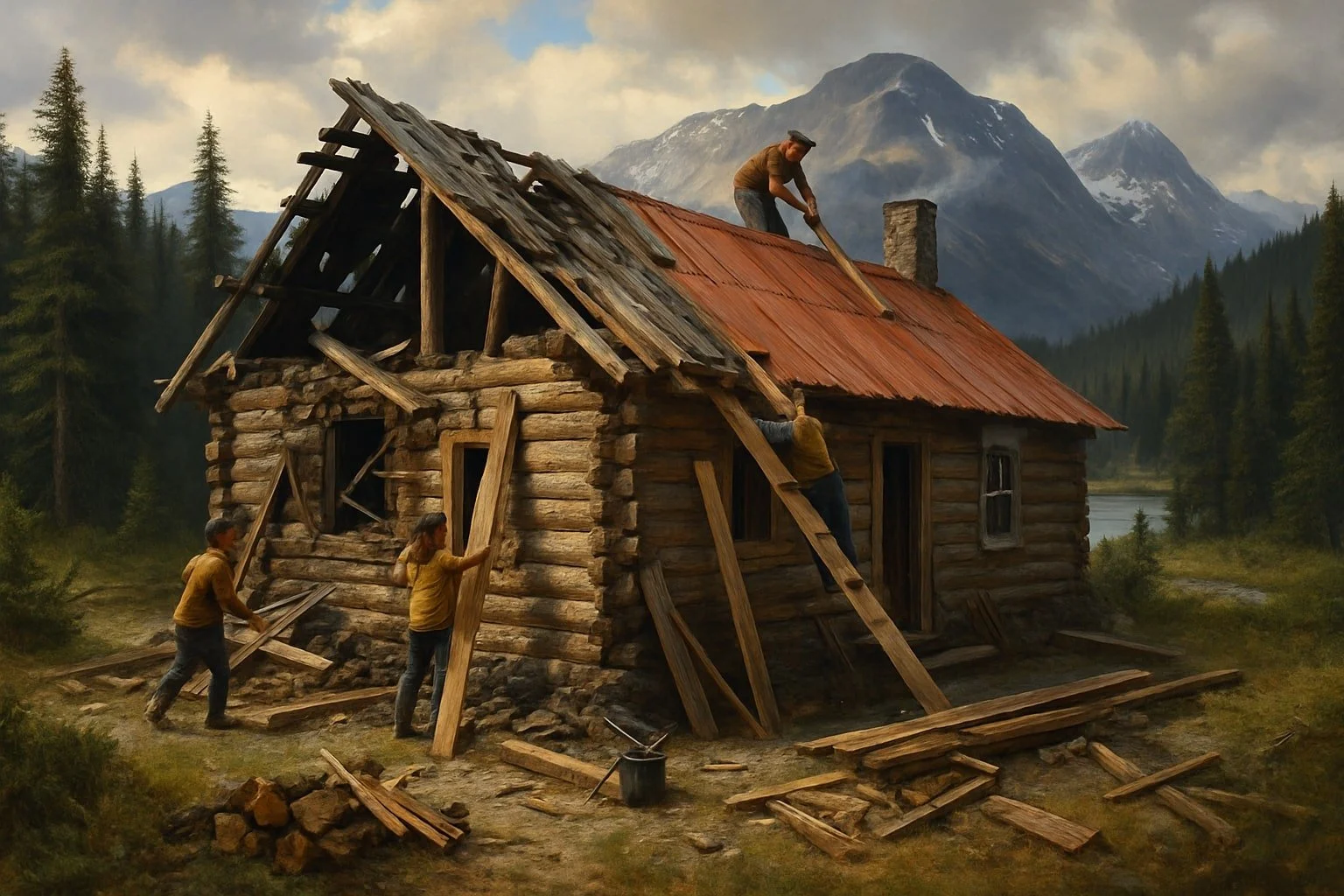
Alaskan Bush People portrays rebuilding after disaster with a focus on resilience, resourcefulness, and the daily realities faced by the Brown family. Across multiple seasons, viewers have seen the Browns contend with setbacks such as destructive wildfires and personal losses. Rather than glossing over difficulties, the show consistently documents the challenges of starting over in harsh conditions.
The series highlights how each family member contributes to recovery, from assessing damage to creating new solutions with limited resources. By sharing honest moments and hard decisions, Alaskan Bush People offers insight into the emotional and practical demands of rebuilding a life far from conventional support systems.
Audiences interested in off-grid living or reality TV storytelling find value in watching how the family adapts and grows stronger after each hardship. The portrayal is direct, often unsentimental, and it underscores the persistence required to overcome disaster when isolation and environment magnify every obstacle.
Overview of Alaskan Bush People and Its Legacy
Alaskan Bush People, a Discovery Channel reality TV series, chronicles the life of the Brown family as they navigate survival, loss, and resilience in remote Alaska. The show has influenced perceptions of wilderness living, reality television, and unconventional family dynamics.
Origins of the Show
Alaskan Bush People premiered in May 2014 on Discovery Channel. The series was conceived as a documentary-style reality show, intending to provide an unscripted look into the lives of a family attempting self-sufficiency deep in the Alaskan wilderness.
The show followed a seasonal format, capturing the Brown family's efforts to build homes, find food, and cope with extreme weather. Early seasons focused heavily on the family's adaptation to unpredictable surroundings and their interactions with each other.
The production soon gained attention for its depiction of isolation and survival skills. While some viewers questioned the authenticity of certain situations, the show remained popular for 14 seasons, effectively becoming a mainstay on the network.
The Brown Family’s Background
The Brown family consists of patriarch Billy Brown, matriarch Ami Brown, and their seven children. They claimed to have spent years living apart from modern society, embracing a lifestyle centered on resourcefulness and mutual dependency.
Billy Brown, originally from Texas, led the family’s move to Alaska seeking freedom and connection with nature. Ami supported their off-grid ambitions, despite health struggles that later became part of the storyline.
Their children—Matt, Bam, Bear, Gabe, Noah, Bird, and Rain—each contributed unique skills, from building shelters to hunting and gathering. The family’s journey, including Billy’s passing in 2021, shaped the later seasons, reflecting both adversity and adaptation.
Critical Reception and Popularity
The series quickly attracted a dedicated audience drawn to its portrayal of wilderness survival and family resilience. According to ratings and viewer feedback, Alaskan Bush People consistently outperformed many similar reality programs.
Reception highlights:
Viewers responded to the family’s strong bonds and unconventional approach to life.
Critics questioned the show's authenticity at times, pointing to staged elements and legal controversies.
Despite criticisms and shifts in focus over the years, the show’s impact on reality TV is notable. The depiction of the Brown family’s self-reliance and the challenges they overcame has left a lasting influence on the genre.
Major Disasters Faced by the Brown Family
The Brown family from Alaskan Bush People has experienced a series of significant disasters over the years, including natural calamities, health challenges, and personal losses. These incidents have not only tested their resilience but also shaped many aspects of their onscreen journey.
Wildfires and Property Damage
In August 2020, a major wildfire known as the Palmer Fire swept through Okanogan County, Washington, directly threatening the Brown family's North Star Ranch. The fire destroyed significant parts of their property.
The family endured sudden evacuations and significant loss of structures, tools, and supplies. Rebuilding required extensive effort as they salvaged remains and started from scratch.
They relied mainly on manual labor and limited resources. Each member was involved in cleanup and reconstruction, demonstrating their ability to adapt under pressing circumstances.
Recovery from wildfire damage was depicted as both a physical and emotional challenge. The loss of their home and possessions underscored the vulnerability of living off-grid in a wildfire-prone area.
Struggles With Health Issues
The Brown family has also faced a series of severe health struggles. Billy Brown, the family patriarch, battled persistent health problems, including heart and respiratory issues.
In late seasons, Billy was hospitalized with pneumonia and other complications, which led to multiple health scares. Other family members have also confronted medical emergencies; for example, Ami Brown was diagnosed with advanced lung cancer, requiring intensive treatment.
Bear Brown experienced a seizure, and these crises repeatedly disrupted family life and filming schedules. The show highlighted trips to hospitals, emotional family discussions, and adjustments to daily routines.
Chronic illness and the scarcity of nearby medical facilities added stress to their situation, especially due to the remote location of North Star Ranch.
Loss of Billy Brown
Billy Brown’s death in February 2021 marked one of the most significant tragedies for the family. He suffered a seizure at North Star Ranch and, despite efforts to help him, could not be revived.
Billy’s passing led to considerable grief and forced the family to reconsider how to continue both personally and as a part of the television series. His absence created a leadership vacuum within the family.
This loss was covered extensively on Alaskan Bush People, with episodes focusing on how the family coped with grief, celebrated his life, and navigated practical changes following his death.
The mourning process was a central storyline, influencing their outlook and decisions during rebuilding efforts and daily challenges.
Other Personal and Environmental Crises
In addition to wildfires and health challenges, the Brown family has weathered other significant crises. Flooding from sudden river surges threatened their homestead, forcing urgent protective actions and temporary displacement.
Emotional strains, legal battles, and disputes over property rights added non-environmental stress. Their isolated lifestyle often amplified these situations.
Occasional mechanical failures, damaged shelters, and wildlife encounters have presented dangers, demanding resourcefulness and teamwork to resolve.
The ongoing battle against environmental unpredictability and setbacks has been a persistent element of the family’s story, highlighting the numerous external and internal disasters they navigate both onscreen and in daily life.
Portrayal of Rebuilding Efforts After Disaster
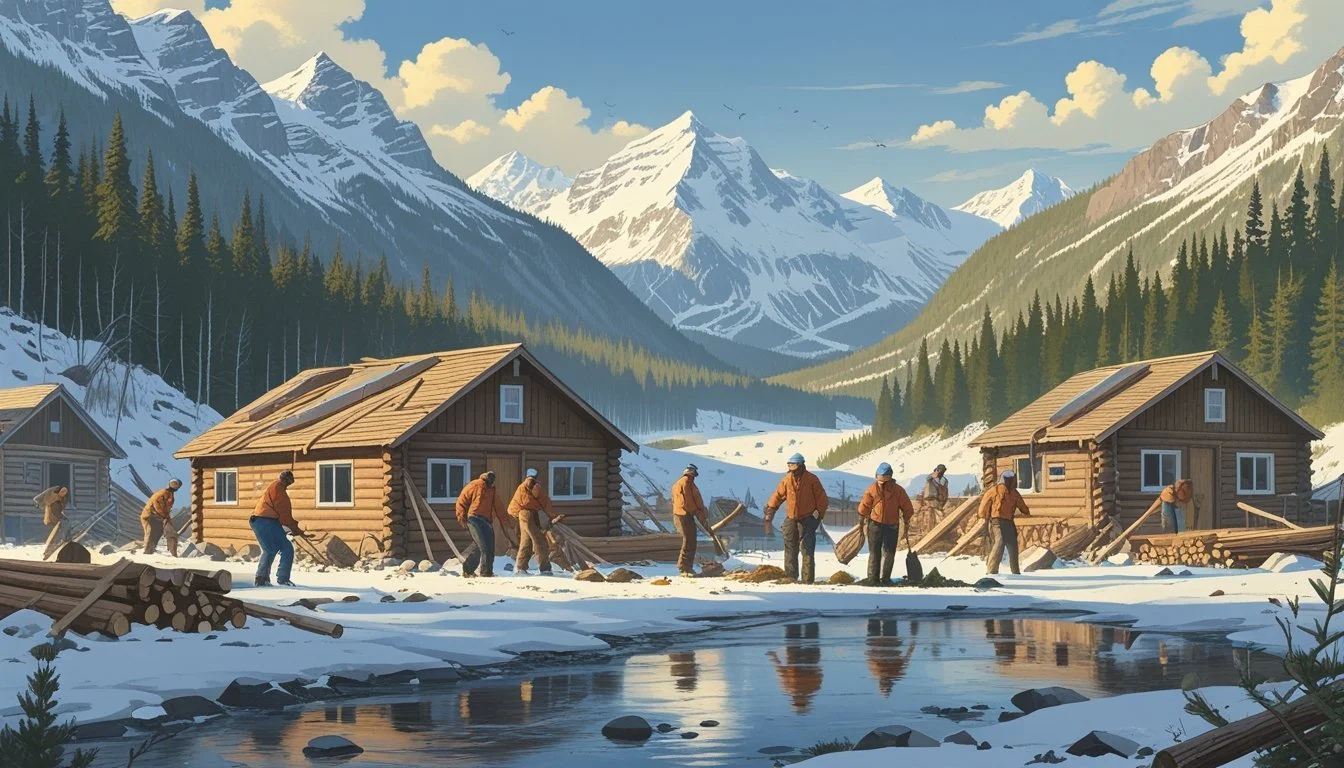
After a devastating wildfire destroyed North Star Ranch, the Brown family’s journey to recover became central to Alaskan Bush People. The series documents the practical steps of rebuilding, the emotional aftermath, and how reality TV shapes the story for viewers.
Physical Rebuilding of North Star Ranch
The fire that tore through North Star Ranch in Washington, featured most prominently in season 13, left much of the property uninhabitable. Viewers witnessed the family salvage equipment, clear debris, and gradually reconstruct barns, fences, and outbuildings.
Several scenes focused on the Browns using basic tools and off-the-grid solutions, reflecting their ongoing commitment to self-sufficiency and freedom. The logistics of sourcing materials without easy access demonstrated the extra hurdles rural families face.
Lists of completed and pending repairs were often shown on-screen, providing a clear view of the family's priorities. The emphasis on manual labor and resourcefulness aligns with the series’ long-running themes.
Emotional Recovery and Family Resilience
Beyond physical repairs, the show highlights how the Browns cope with trauma and loss. Billy Brown’s passing compounded the devastation, and the family’s grief was presented honestly, though never dramatized for effect.
Alaskan Bush People documents intimate moments: family discussions, supportive gestures, and shared reflections on what Alaska and their off-the-grid lifestyle mean to them. Emotional recovery is shown as an ongoing process.
Their resilience is depicted in small group meetings and in the siblings’ dedication to honoring Billy’s legacy. Several members openly discuss mental health, responsibility, and the challenge of maintaining optimism after consecutive hardships.
Narrative Techniques on Reality TV
To convey the story of recovery, the series combines candid footage with structured interviews and voiceovers. Moments of crisis, such as the initial discovery of the fire, are edited with dramatic but not exaggerated pacing, using music and scene transitions to orient viewers.
Key milestones, like rebuilding milestones or moments where family bonds are tested, are often highlighted through flashbacks to earlier seasons. This narrative approach allows viewers to measure change over time.
The show uses a mix of confessional-style commentary and real-time action to balance authenticity with viewer engagement. By focusing on both daily tasks and emotional reflection, the program offers a multi-dimensional look at life after disaster.
Individual Stories of Strength and Struggle
Members of the Brown family have faced a range of difficult situations, from serious health conditions to personal life changes. Each experience has both tested and reshaped them, offering insight into their resilience.
Ami Brown’s Cancer Battle
Ami Brown, the matriarch, was diagnosed with advanced lung cancer in 2017. Her illness quickly became a central focus for the family, with much of their energy devoted to her treatment and care.
During her chemotherapy and radiation, Ami faced drastic weight loss and periods of hospitalization. The family relocated closer to medical facilities to ensure she could access necessary care. Updates on her progress have shown that she achieved remission, though lingering health impacts remain part of her daily life.
Ami’s journey often highlighted the family’s unity and the strain that serious illness can put on loved ones. Her recovery required both medical intervention and emotional support from Billy, their children, and their community.
Matt Brown’s Journey and Rehab
Matt Brown, the eldest son, struggled with addiction that became public in 2016 and 2018. He entered rehab multiple times to address his reliance on alcohol.
His absence from much of the show was noticeable, as he focused on recovery away from the family’s homestead. Matt has spoken about his challenges openly, discussing the importance of therapy and self-care in his path to sobriety.
While he has remained largely separate from the family in recent years, Matt’s journey reflects ongoing recovery and the challenges of overcoming personal demons amidst the pressures of reality television.
Personal Growth of the Brown Siblings
The Brown siblings—Bear, Bam Bam, Gabe, Noah, Snowbird, and Rain—each faced changes as disaster and transition hit the family. The 2020 wildfire, destruction of their property, and Ami’s health crisis pushed them to adapt roles and responsibilities.
Bear channeled energy into survival projects, while Bam Bam took on more leadership. Gabe developed skills in repair and building, Noah focused on technical solutions, and Snowbird and Rain provided emotional support and adapted to living without a stable home.
Rain Brown, in particular, has been open about mental health struggles and her journey to adulthood. Each sibling’s response to hardship reflects both their individuality and their shared commitment to family.
Influence of Social Media and Public Perception
Public interaction with Alaskan Bush People has significantly shaped how viewers interpret the show’s portrayal of disaster recovery efforts. Key social media platforms, public scrutiny, and cast activity patterns have all influenced perceptions and expectations.
Engagement on Instagram and YouTube
Alaskan Bush People maintains active engagement on Instagram and a dedicated YouTube channel. Both are central to sharing recovery updates, behind-the-scenes footage, and personal stories directly after on-show disasters.
Posts often feature short clips, family photos, and progress on rebuilding projects. These visual updates create a narrative of resilience and hard work.
Followers frequently interact through comments and supportive messages but may also raise questions about authenticity. The family’s use of hashtags and regular updates draws in new audiences and keeps current fans informed, making social media an integral part of the show’s ongoing story.
Analytics show spikes in engagement when new content about disasters or recovery appears. The visual nature of Instagram and the longer-form content on YouTube allow for varied storytelling across platforms.
Impact of Accusations and Criticism
The family faces frequent accusations on social media regarding the legitimacy of their disaster experiences and rebuilding process. Commenters sometimes question the scale of damage, the timing of repairs, and whether rebuilding efforts are exaggerated for television.
Such criticism tends to peak around dramatic moments, such as wildfire aftermaths. Public perception can shift if viewers believe situations are staged or details are omitted from the show.
Producers and cast tend to address these issues directly in posts or Q&A sessions. Transparency in updates and occasional behind-the-scenes content aim to counter skepticism. The balance between entertainment and authenticity is a recurring topic among fans.
The Role of Hiatus and Comebacks
Hiatus periods—when no new Alaskan Bush People episodes or content are released—often generate speculation and rumors across social media platforms. During these gaps, followers track family members’ social accounts for hints about real-life progress or unresolved disasters.
A well-timed comeback is usually marked by coordinated teasers or trailers on Instagram and YouTube. Return announcements tend to generate a spike in engagement, with viewers eager for updates and resolution.
Hiatuses also give time for reflection. Some fans rewatch older content and discuss episodes in online forums, sometimes fueling renewed debates about authenticity. The cycle of break and return helps maintain the show’s relevance and fosters sustained audience interest in ongoing recovery narratives.
The Legacy of Alaskan Bush People
Alaskan Bush People has left a notable mark on reality TV by chronicling the Brown family’s experiences living isolated from modern conveniences. Their approach to survival, loss, and perseverance continues to influence how audiences perceive off-the-grid lifestyles and the concept of personal freedom.
Long-Term Impact on Viewers
The show’s consistent portrayal of the Brown family’s resilience after setbacks, especially after personal tragedies like the death of Billy Brown, resonated strongly with viewers. Many found inspiration in their determination to rebuild their homestead and keep the family together against numerous odds.
Viewer reactions have included a sense of connection to the themes of self-sufficiency and adaptability. The series has prompted discussions in online communities about sustainable living and the challenges that come with remote lifestyles. Some fans were motivated to explore minimalism and survival skills because of the show’s practical demonstrations.
The Brown family’s highs and lows—captured across multiple seasons—have generated steady interest and engagement, helping the series sustain its relevance even after major cast changes. Key moments, such as community rebuilding efforts, highlighted the importance of cooperation and perseverance in the face of hardship.
Representation of Freedom and Off-the-Grid Living
Alaskan Bush People showcases an alternative model of living defined by independence and detachment from mainstream society. The Brown family’s choice to reside in remote areas, away from traditional infrastructure, offered viewers insight into the realities and challenges of such a lifestyle.
The idea of freedom is strongly tied to their rejection of conventional norms. By documenting the practical aspects of their day-to-day survival—such as building homes by hand and sourcing food—the show demystified off-the-grid living while also acknowledging its difficulties.
The portrayal of autonomy and resourcefulness stands out as a central theme. The family’s lifestyle emphasizes not only physical separation from society but also the discipline required to maintain such independence. This representation has contributed to the ongoing fascination with rugged, self-reliant living seen in other reality TV programs.
