
How Alaskan Bush People Confronts Loss in Unexpected Ways
Unique Coping Strategies and Family Resilience
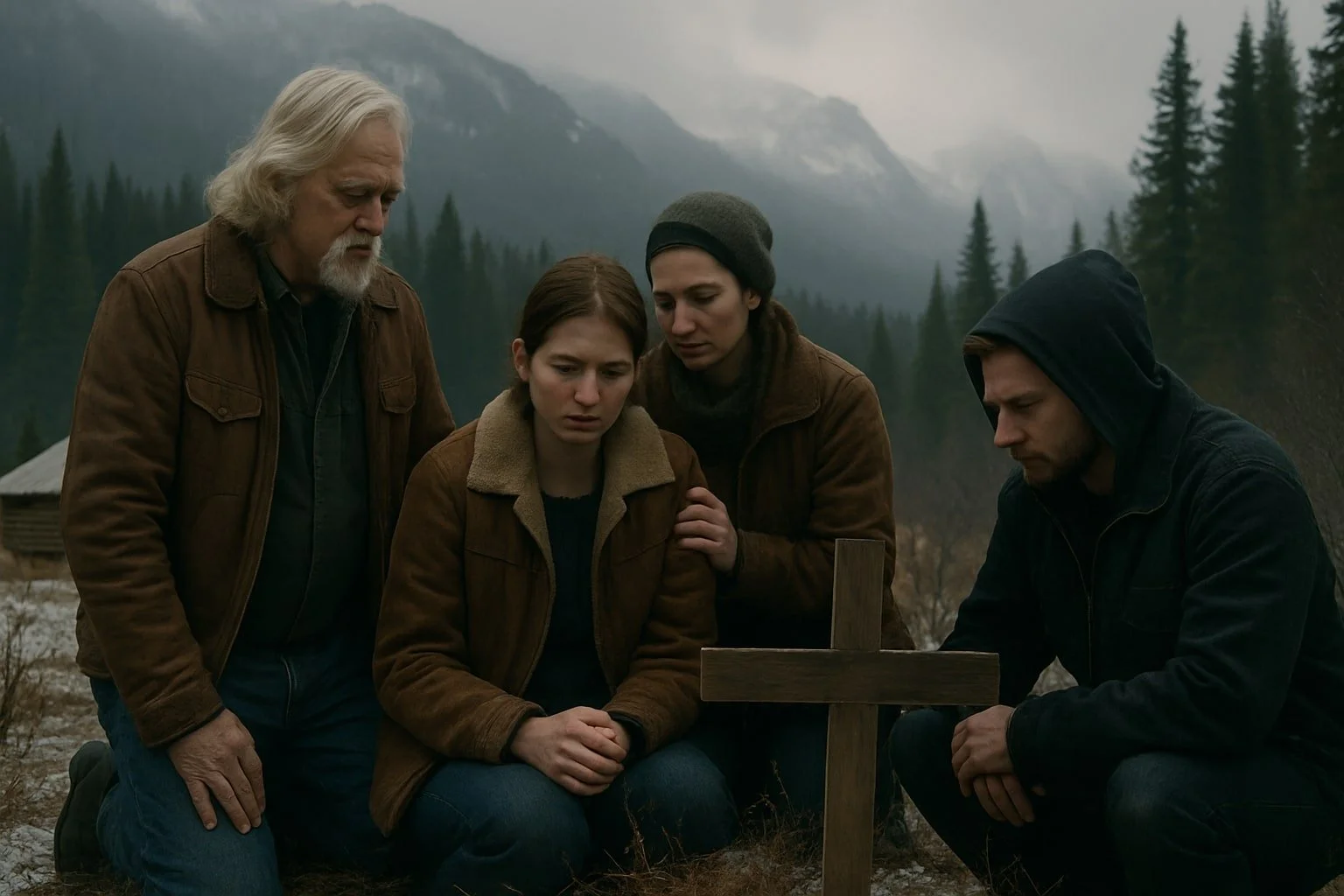
Alaskan Bush People confronts loss in unexpected ways by blending resilience, close-knit family support, and unique coping mechanisms shaped by their remote lifestyle. The Brown family has faced a series of tragic losses and major health challenges that have tested their ability to adapt and endure. Each setback is met not only with grief, but also with a determination to move forward together, relying on both their connection to the wilderness and to each other.
Viewers often see how the Browns' reactions differ from more conventional responses to hardship. Instead of withdrawing or isolating, they turn to the practical demands of survival and the rituals of their daily life in the wild. This approach creates compelling moments that reveal both vulnerability and strength, drawing audiences in to witness a very human struggle played out against the backdrop of the Alaskan frontier.
Overview of How Alaskan Bush People Addresses Loss
The Brown family’s journey on Alaskan Bush People has included searing personal tragedies and ongoing battles with grief. The show explores how these experiences shape the family’s decisions and their daily life, using the lens of reality TV to bring viewers closer to their struggles.
Portrayal of Loss Within the Brown Family
Loss has deeply affected the Brown family, most notably with the passing of patriarch Billy Brown in 2021 at the age of 68. His sudden death from a seizure had a significant impact on each family member and shifted the dynamic both on and off the show.
The series does not shy away from showing emotional conversations, private farewells, and moments of vulnerability. Viewers see the children and matriarch Ami Brown express their grief, reminisce about their father, and try to preserve his legacy on their homestead.
The show also addresses other emotional challenges, such as Ami’s cancer battle and mental health struggles within the family. For example, Rain Brown has openly discussed working on her mental health to cope with her father’s loss, highlighting the various forms grief can take. Through these moments, Alaskan Bush People maintains a focus on family resilience.
Reality TV’s Role in Documenting Grief
Alaskan Bush People, produced by Discovery Channel, uses the reality TV format to chronicle the family’s hardships in real time. The camera captures immediate reactions—tears, private conversations, and group support—documenting raw and candid moments of mourning.
The show uses a mix of interview segments and unscripted scenes from daily life. This approach helps convey the authenticity of the Brown family’s grief, offering viewers an unfiltered look at the emotional aftermath following Billy Brown’s death.
By sharing the grieving process, the show connects the audience to the Browns’ journey. It sets a precedent for how reality TV series can handle sensitive subjects like death and loss with respect and transparency, while still engaging viewers with compelling narratives.
The Impact of Billy Brown’s Passing
Billy Brown’s death in 2021 at age 68 deeply affected both the Brown family and viewers of “Alaskan Bush People.” The passing forced major changes in how the family interacted, grieved, and honored his memory both publicly and privately.
Immediate Effects on Family Dynamics
The Brown family faced significant shifts after Billy’s passing. As the patriarch, Billy had long been the decision-maker and figurehead for the group. Without his guidance, family dynamics changed immediately.
Members of the family, including Ami Brown and their children, had to step into new roles. Leadership duties, once handled by Billy, were distributed among the siblings and Ami. Emotional strain was evident, especially as the family continued to film for the show following his death.
Episodes began reflecting more raw and candid conversations among the family. The loss also highlighted the importance of unity for them as they navigated life in the wilderness without their main source of support and advice.
Tributes and Memorials on Social Media
Social media became a primary outlet for the Brown family to share their grief and celebrate Billy’s legacy. Instagram and other platforms featured tributes from his children and fans alike. Posts from Bear and other family members expressed both their pain and gratitude for the years spent with their father.
Tributes often included photos, videos, and heartfelt messages. Fans also contributed memories and condolences, making social media a tool for collective mourning. This public acknowledgment helped the family connect with their audience, extending Billy's legacy beyond television and into online communities.
Table: Key Social Media Tributes
Platform Notable Posts Instagram Bear Brown’s tribute post, family group pictures Facebook Shared memories from fans, official page updates Twitter Condolence messages from viewers and friends
Ami Brown’s Health Challenges and Family Resilience
Ami Brown’s struggle with lung cancer brought significant change and tested the adaptability of the Brown family. The series explored how health challenges forced new routines and exposed the depth of family support during times of uncertainty.
Fighting Lung Cancer and Facing Uncertainty
Ami Brown was diagnosed with stage 3 lung cancer in 2017, a moment that shocked both her family and viewers of Alaskan Bush People. Her early symptoms included persistent pain and difficulty breathing, which led to further medical examination and diagnosis. Treatment involved aggressive rounds of chemotherapy and radiation.
During her illness, the future of the Brown family became unclear. Doctors gave a serious prognosis, but Ami remained determined throughout the course of her treatment. Updates from the family occasionally reported critical moments, including hospital stays and time spent in the ICU on a breathing tube.
Ami’s perseverance in the face of cancer highlighted the uncertainty that the family lived with daily. Despite public concern, she continued to participate in family life as much as possible, offering a candid look at living with a serious illness in a remote setting.
Family Support Amidst Health Struggles
The Brown family's response was marked by visible unity and resilience. Bear Brown and his siblings updated fans on Ami’s status, often expressing their fears and hopes directly. Regular visits, caregiving roles, and emotional support were shared among family members.
Simple daily routines shifted as health became their top priority. The family put aside other plans to focus on Ami’s recovery and comfort. Publicly, the Browns showed appreciation for supportive messages from viewers, emphasizing the importance of community during crisis.
Through these actions, the family demonstrated a collective strength that helped them face health struggles together. Their approach offered an example of how resilience can develop when families are forced to confront serious illness.
Children’s Unique Responses to Adversity

Loss and adversity have shaped the Brown family’s experiences, prompting the children to confront their struggles in distinct ways. Their stories reveal emotional challenges, coping mechanisms, and the role of public attention in their personal growth.
Bear Brown: Coping With Heartbreak in the Public Eye
Bear Brown, known for his energetic personality, has faced personal heartbreak and grief while cameras were rolling. After the passing of his father, Billy Brown, Bear shared emotional reactions on both the show and social media platforms like Instagram. His openness has highlighted the complexities of processing pain in front of an audience.
He has addressed breakups, family tension, and feelings of isolation, often receiving both support and criticism from viewers. Public vulnerability can amplify emotional responses, as Bear navigates expectations from fans while managing his own healing. These experiences underscore the challenge of processing heartbreak while remaining a figure in the public spotlight.
Rain Brown and Mental Health Advocacy
Rain Brown, one of the youngest members of the family, has openly discussed her struggles with mental health and grief. She has utilized social media to talk about anxiety and depression, encouraging others to seek help and embrace self-care practices.
Rain uses her platform to break the stigma around mental health, frequently sharing positive messages and resources with her followers. Her candid discussions about therapy, emotional fatigue, and healing contribute to broader mental health conversations. By speaking openly, Rain provides visibility to mental health advocacy within the context of grief and adversity.
Challenges Beyond Loss: Addiction and Family Drama
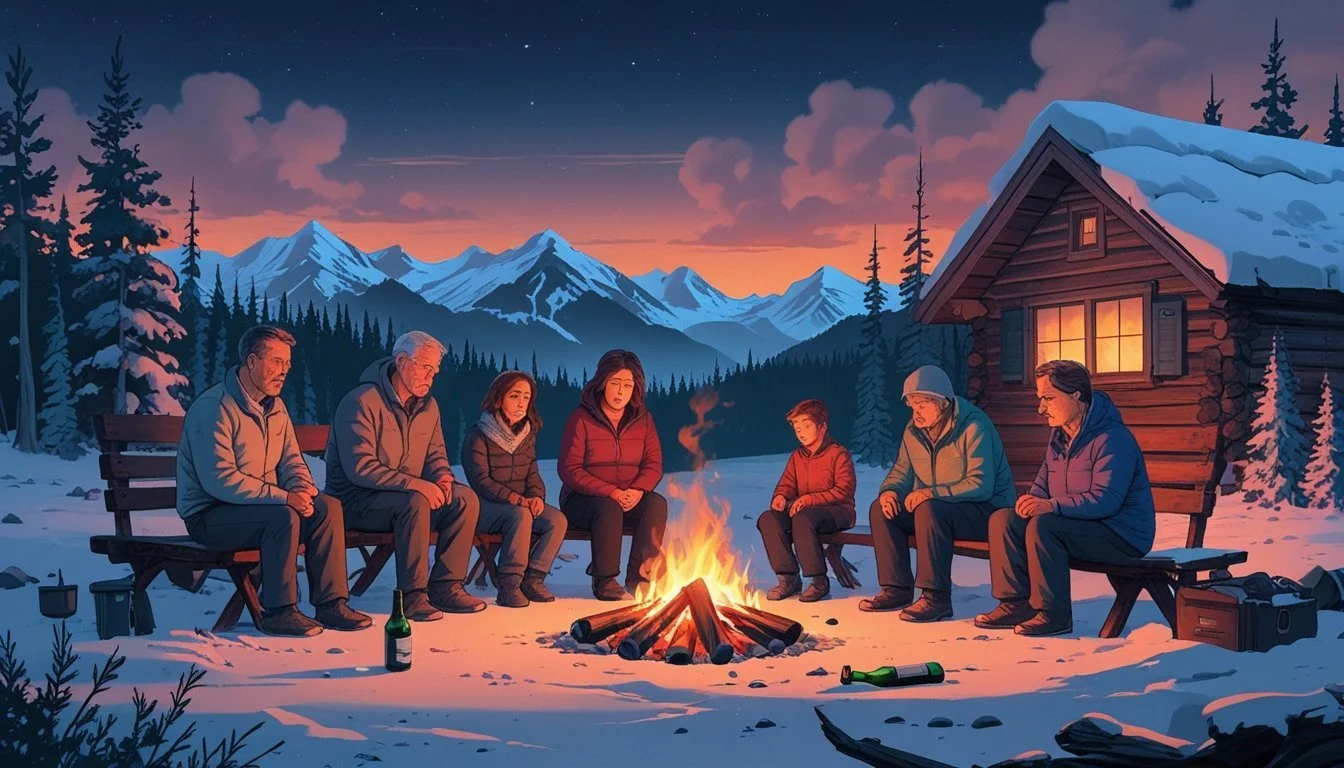
The Brown family's experiences extend beyond grief, as they have also faced struggles related to addiction and difficult shifts in their family relationships. These ongoing challenges reveal the complex dynamics that shape their lives both on and off the screen.
Matt Brown’s Struggles and Recovery Journey
Matt Brown, the eldest sibling, has publicly battled addiction for several years. He has spoken openly about his struggles with alcohol and the impact addiction had on his mental health. His path included multiple stints in rehabilitation as he sought to achieve lasting sobriety.
During his recovery journey, Matt often chose to live away from the family homestead. This distance represented both a personal need for healing and a significant change in the family’s day-to-day life. The support—and occasional tension—from family members has been a recurring theme in his story.
Despite periods of separation, Matt’s openness about the realities of addiction and recovery has brought attention to the importance of mental health support. His experiences show that recovery can be a long process, marked by progress and setbacks alike.
Navigating Tension and Family Drama
Tensions within the Brown family have surfaced repeatedly, sometimes escalating into public disagreements. These disputes often involve sensitive issues, such as accusations between siblings or concerns about personal behavior.
Examples of family drama include:
Accusations of substance use between siblings, which have at times led to legal requests for protection.
Disagreements about the direction of the family’s life following key events, including their move from Alaska and the loss of their patriarch.
Ongoing struggles with communication, as each member copes differently with stress and change.
Family dynamics are further complicated by the additional pressures of living in the public eye. These situations highlight how external and internal factors combine to influence their relationships and everyday lives.
Legacy, Memories, and Honoring the Past
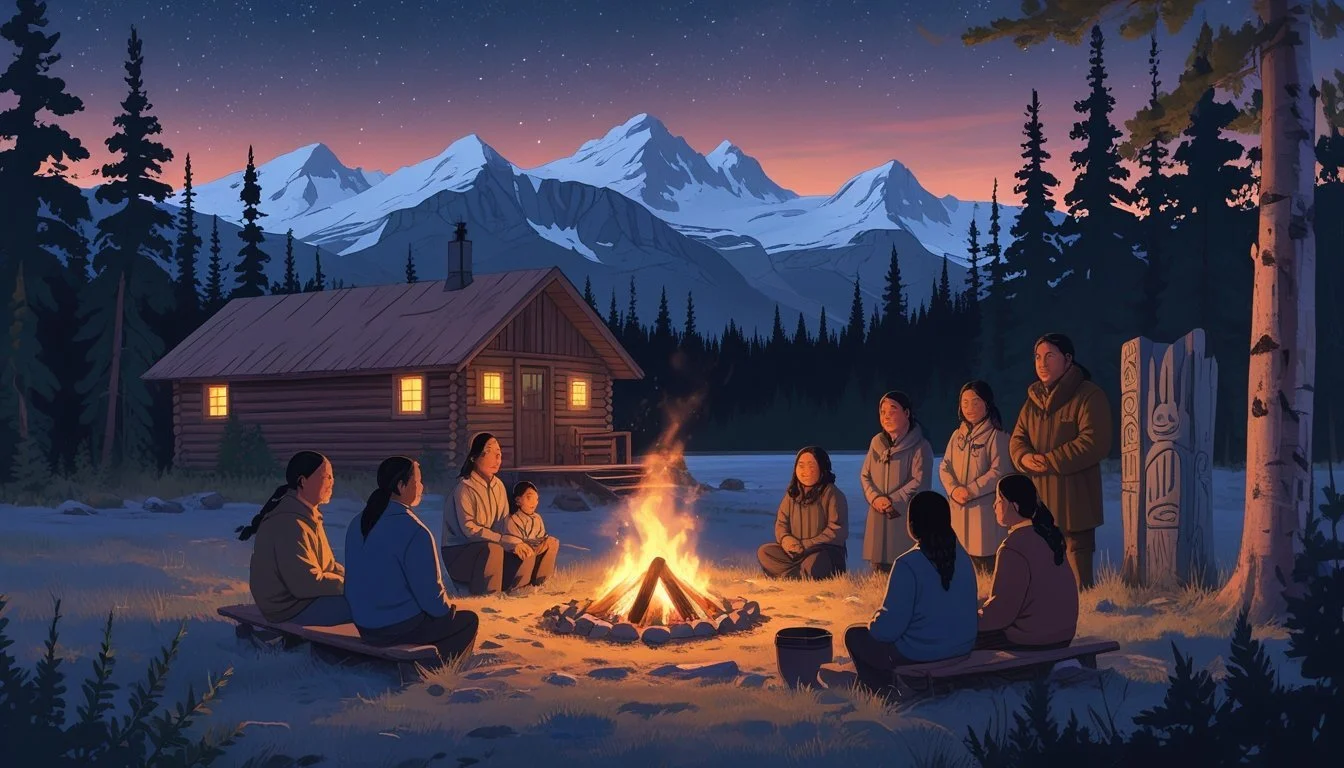
The Brown family’s way of life is deeply connected to their experiences, traditions, and the tangible reminders of loved ones no longer with them. By choosing how and where to live, they create opportunities both to remember and to move forward.
Preserving Family Memories on the Homestead
On their homestead, each structure and crafted tool often has a story attached to it. The family builds, uses, and preserves these items not only for daily survival, but as a way to remember shared hardships and victories.
Photographs, written journals, and handmade keepsakes can be found throughout the homestead. These items serve as points of reflection and comfort, especially after the loss of patriarch Billy Brown. Members might gather to recall his advice or recount the lessons he taught while building the cabin or foraging in the wild.
A routine such as shared meals or telling stories by the fire reinforces family bonds and keeps the influence of past generations present. In facing grief, these acts allow each family member to contribute their own memories, ensuring the legacy is kept alive through collective effort and daily actions.
The Symbolism of North Star Ranch
North Star Ranch, the family’s property in Washington, stands as both a practical home and a symbol of perseverance. Its name and location reflect the sense of guidance and hope that the Browns associate with the north star.
The ranch represents growth and new beginnings after relocation from Alaska. It is here that the family continues traditions established in the wilderness, blending old practices with new challenges. Each improvement made to the land—whether fencing, gardening, or home construction—shows respect for the family legacy, carried into a new environment.
Monuments, like a simple bench or a tree planted in memory, are used by the Browns as physical reminders of loved ones. These spaces offer a place for reflection, connecting the past to present daily life, and reinforcing the idea that what is built together becomes a living tribute.
Life Off the Grid: Resilience Through Survival

Living off the grid in Alaska requires constant adaptation and strength. The Brown family from Alaskan Bush People relies heavily on practical skills, resourcefulness, and teamwork to maintain their off-grid lifestyle in a challenging environment.
Practicing Survival Skills and Foraging
Mastery of survival skills is crucial to life in the Alaskan wilderness. The family members regularly build structures, repair tools, and create their own systems for shelter and water. They use traditional knowledge and hands-on experience to solve daily problems without modern conveniences.
Foraging is a regular activity for the Browns. They gather wild plants, berries, and mushrooms while carefully avoiding poisonous species. Hunting and fishing also form a cornerstone of their food supply, with each family member contributing to securing protein sources.
This lifestyle demands an in-depth understanding of local plants and wildlife. They plan hunting trips for moose, deer, and fish based on seasonal patterns. Safety and sustainability are essential, so they only take what they need and use every part of an animal to minimize waste. Over time, this practice has made them resourceful and resilient.
Adapting to Wildfires and Environmental Challenges
Wildfires and severe weather are constant risks in remote Alaska. The Browns must always be alert to the dangers of smoke, shifting winds, or rapid changes in temperature. Quick decision-making and clear communication are vital during fire season.
Protecting their home means having evacuation plans and backup shelters. They remove flammable debris from around their cabins and maintain defensible spaces to reduce fire risk. When a wildfire threatens, the family’s survival skills are put to the test as they gather supplies, manage livestock, and ensure everyone’s safety.
Environmental challenges extend to unpredictable snow, rain, and flooding. The family adapts by reinforcing their homes and diversifying their food storage methods. Through continuous learning from Alaska’s extremes, they build resilience year after year.
Using Social and Digital Media to Process Loss

Social media has become an important tool for the Brown family in sharing and navigating personal tragedies. Their presence on platforms like Instagram and YouTube enables direct interaction with viewers, offering a window into their experiences with grief and hope.
Connecting With Fans on Instagram and YouTube
Family members such as Bear Brown use Instagram to communicate openly about their struggles and memories of lost loved ones. Posts commemorate significant anniversaries, display old photos, and sometimes include short personal reflections. These updates draw supportive comments and messages from followers, creating a sense of community around shared sorrow.
The show's YouTube channel is another outlet, where both clips from the series and personal vlogs are posted. In these videos, the Browns express their emotions, update fans on family events, and give insight into their daily lives after loss. Fans can comment, ask questions, or share encouragement, contributing to an ongoing dialogue.
This direct line to viewers allows the family to receive immediate responses, reinforcing that they are not alone during difficult periods. Table:
Platform Purpose Interaction Type Instagram Sharing photos, tributes Comments, DMs YouTube Video updates, vlogs Comments
Expressions of Grief and Hope Online
Public posts about loss are often marked by candid expressions of grief, ranging from sadness to gratitude for support. The Browns sometimes write about painful milestones, but these messages are balanced with statements about resilience or family togetherness. This duality reflects both vulnerability and optimism.
Social media serves not only as an emotional outlet but also as a way to normalize discussions of grief among their audience. By choosing to share private emotions publicly, the family encourages others to express and acknowledge their own losses.
Hashtags, supportive emojis, and interactions with supportive fans further highlight how digital spaces have been woven into their grieving process. The Browns’ approach is direct and sincere, inviting viewers to witness—not sensationalize—their emotional realities.
Health Challenges and Continuing the Adventure
The Brown family has faced a series of significant health crises that have affected both their personal lives and the dynamic on "Alaskan Bush People." These struggles have required resilience and fostered a strong sense of adaptation in the wilderness.
Confronting Pneumonia and Other Illnesses
Billy Brown, the family's patriarch, faced recurring health issues, including seizures and complications from past bouts of pneumonia. Pneumonia posed particular risks given the family's remote lifestyle, limited access to immediate medical care, and harsh Alaskan weather.
Ami Brown’s struggle with advanced lung cancer drew public attention and placed the family under immense stress. Her diagnosis and treatment journey became a central part of the series, showing the impact of serious illness in isolated environments.
Despite these challenges, moments of vulnerability were met with transparency on the show. The family openly discussed symptoms, medical appointments, and the realities of living far from hospitals. This helped viewers understand the unique risks frontier families face.
Support Systems for Health and Wellness
The Browns relied heavily on each other for both emotional strength and practical care during times of illness. Family members frequently stepped up to handle daily tasks, provide comfort, and ensure medications and treatments were administered.
Telemedicine and periodic visits to medical specialists became important for managing chronic conditions, especially for Ami Brown. They also leaned on friends, rural healthcare workers, and when needed, emergency medical flights.
In addition to medical interventions, their resilience was strengthened by strong communication and mutual support. Maintaining a routine and adapting work duties when someone was unwell were crucial steps to keep the family functioning in unpredictable circumstances.
Key Support Approaches:
Sharing caregiving responsibilities
Adapting duties according to health needs
Utilizing technology for healthcare access
Following recommended medical regimens
Looking to the Future: Growth Amid Hardships
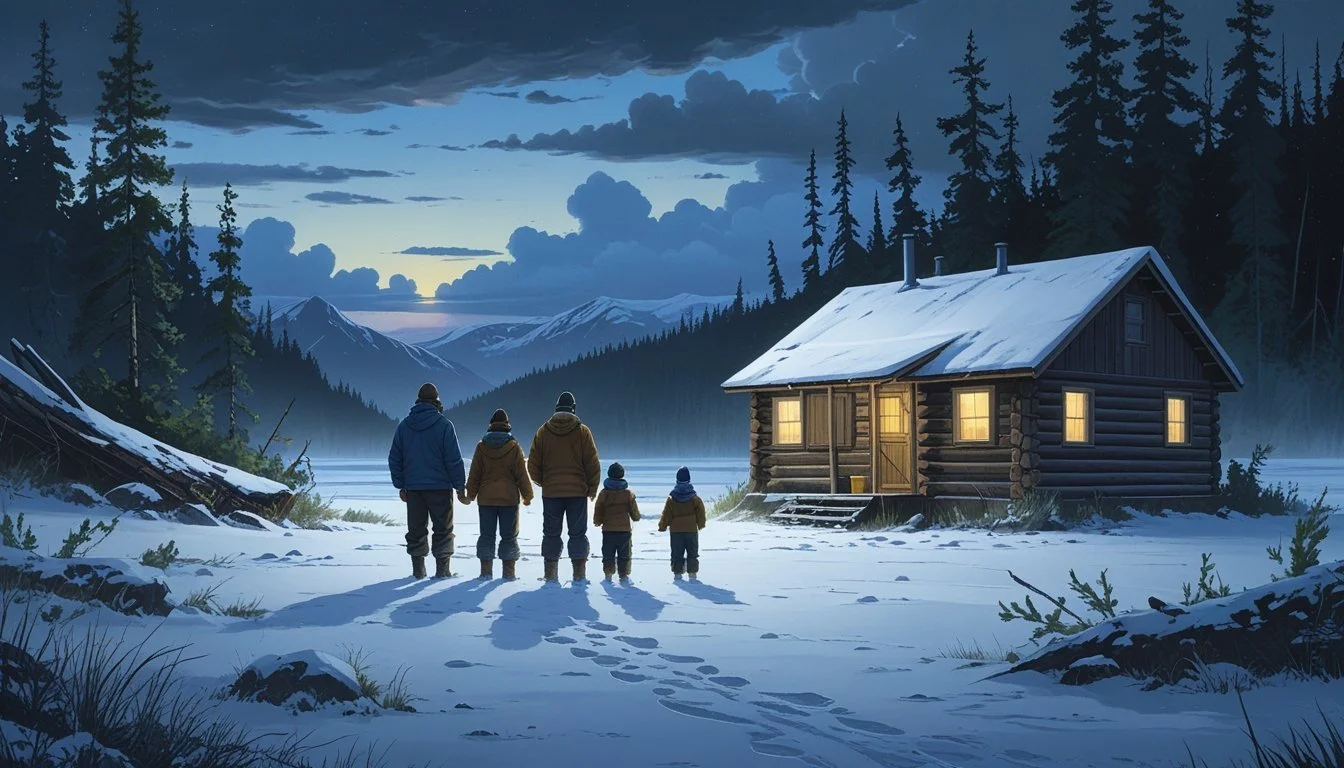
As the Brown family faces the realities of loss and upheaval, they find ways to adapt and mature both as individuals and as a group. Their resilience is shaped by dynamic changes, and each generation draws upon hard-earned lessons to guide new paths forward.
Embracing Change as a Family
After the passing of Billy Brown, the family structure shifted in lasting ways, with Ami Brown stepping further into a leadership role. Each member handled grief and uncertainty in distinct fashions, yet remained united through shared goals.
Gabe Brown, often seen supporting younger siblings, has taken on more responsibility within their operations. Noah Brown’s focus on innovation—particularly in off-grid living—helps the family adapt to modern demands while maintaining their unique lifestyle. Their household frequently faces unpredictable challenges, from health concerns to harsh weather, requiring constant teamwork.
The Browns' approach includes:
Regular family meetings to address needs and set priorities
Shifting roles to match current strengths
Openness to trying sustainable, small-scale farming and new technology
This willingness to embrace change strengthens their family dynamics and helps preserve their way of life.
Passing Down Lessons of Strength
The Brown family places high value on teaching resilience and resourcefulness. Snowbird Brown and her siblings, including Gabe and Noah, serve as examples for younger family members and, at times, the next generation.
Rhain, married to Noah, contributes to the group’s efforts to instill core values in her child, Elijah. Family members pass down skills such as:
Hunting, fishing, and trapping
Building and repairing shelters
Navigating Alaska’s changing landscape
These lessons are not just practical—they deepen bonds between generations. The Browns encourage independence within a supportive environment, preparing each person to face future loss or hardship with determination. By sharing their stories and methods, they continue to adapt, ensuring their experiences benefit both family and community.
